邮储银行

Search documents
港股破发股赛力斯上市累跌17.79% 林园广发携手浮亏
Zhong Guo Jing Ji Wang· 2025-12-17 09:11
Core Points - The stock price of Sais (601127) closed at HKD 108.10, with a decline of 0.64%, marking a cumulative drop of 17.79% since its listing on the Hong Kong Stock Exchange [1] - Sais reached an all-time low of HKD 107.40 during intraday trading, the lowest since its IPO on November 5, 2025, when it opened at HKD 128.9 [1] - The total number of shares offered globally was 108,619,000 H-shares, with 10,861,900 H-shares allocated for the Hong Kong offering and 97,757,100 H-shares for international offering [1] Financial Summary - The final offer price for Sais was HKD 131.50, raising a total of HKD 14,283.40 million, with net proceeds amounting to HKD 14,016.41 million after deducting estimated listing expenses of HKD 266.99 million [2] - Key cornerstone investors included Chongqing Industry Mother Fund, Linyuan Fund, Huatai Capital, and several asset management firms [2] Investor Details - New China Asset Management is 99.6% directly and indirectly owned by New China Life Insurance [3] - Sanhua (Hong Kong) is wholly owned by Zhejiang Sanhua Intelligent Control [3] - Other notable investors include Hichain Logistics HK, which is ultimately controlled by Jiangsu Haichen Logistics, and Zhongsheng, which is indirectly wholly owned by Zhongsheng Holdings [3]

又一股份制银行AIC落地!信银金投在广州揭牌开业
Bei Jing Shang Bao· 2025-12-17 06:29
在这之后,兴业银行、中信银行、招商银行拿到筹建批文,分别推进旗下AIC的设立工作。11月16日, 兴银金融资产投资有限公司在福州揭牌成立并举行签约仪式,我国首家股份制银行AIC正式成立。12月 2日,招银金融资产投资有限公司开业仪式在深圳举行。 中信银行董事长方合英表示,信银金投作为国内首批股份制银行AIC落户广州,将把握机遇,扎根广 东、服务全国,为推动中信集团事业持续攀登、为金融服务中国式现代化贡献力量。 今年3月,国家金融监管总局发布《关于进一步扩大金融资产投资公司股权投资试点的通知》,将股权 投资试点范围扩展至18个试点城市所在省份,明确支持符合条件的商业银行发起设立AIC,为股份制银 行打开了入场通道。 北京商报讯(记者 宋亦桐)12月17日,信银金融资产投资有限公司(以下简称"信银金投")在广州揭 牌开业,信银金投注册资本金为人民币100亿元,中信银行以自有资金出资,持股比例为100%,至此, 我国已有三家股份制银行旗下金融资产投资有限公司(以下简称"AIC")落地。 据介绍,信银金投将围绕战略性新兴产业重点领域,开展市场化债转股及股权投资业务,发挥股权投资 对科创企业、民营经济的支持作用,在新兴 ...

邮储银行12月16日获融资买入6285.74万元,融资余额11.00亿元
Xin Lang Cai Jing· 2025-12-17 05:45
Group 1 - Postal Savings Bank of China (PSBC) experienced a decline of 0.93% in stock price on December 16, with a trading volume of 633 million yuan [1] - On the same day, PSBC had a financing buy-in amount of 62.86 million yuan and a financing repayment of 58.88 million yuan, resulting in a net financing buy of 3.97 million yuan [1] - As of December 16, the total financing and securities lending balance for PSBC was 1.105 billion yuan, with the financing balance accounting for 0.31% of the circulating market value, indicating a high level compared to the past year [1] Group 2 - PSBC was established on March 6, 2007, and listed on December 10, 2019, providing banking and related financial services in China [2] - The bank's main business segments include personal banking (65.15% of revenue), corporate banking (22.71%), and funding operations (12.10%) [2] - As of September 30, PSBC had 142,600 shareholders, a decrease of 13.09% from the previous period, with an average of 478,570 circulating shares per shareholder, an increase of 15.29% [3] Group 3 - PSBC has distributed a total of 137.796 billion yuan in dividends since its A-share listing, with 77.395 billion yuan distributed in the last three years [4] - As of September 30, 2025, major shareholders included Hong Kong Central Clearing Limited, holding 520 million shares, a decrease of 422 million shares from the previous period [4] - Other significant shareholders include Huaxia SSE 50 ETF and Huatai-PB CSI 300 ETF, both of which have also seen reductions in their holdings [4]

中国邮政储蓄银行股份有限公司 关于不再设立监事会的公告
Zhong Guo Zheng Quan Bao - Zhong Zheng Wang· 2025-12-17 05:07
中国邮政储蓄银行股份有限公司 关于不再设立监事会的公告 中国邮政储蓄银行股份有限公司董事会及全体董事保证本公告内容不存在任何虚假记载、误导性陈述或 者重大遗漏,并对其内容的真实性、准确性和完整性承担法律责任。 证券代码:601658 证券简称:邮储银行 公告编号:临2025-063 中国邮政储蓄银行股份有限公司(以下简称本行)于2025年10月9日召开的2025年第二次临时股东大会 审议批准了《关于修订〈中国邮政储蓄银行股份有限公司章程〉的议案》和《关于中国邮政储蓄银行不 再设立监事会的议案》。近日,本行收到《国家金融监督管理总局关于邮储银行修改公司章程的批复》 (金复〔2025〕713号)。 自本行公司章程修订获核准生效之日起,本行不再设立监事会,由董事会审计委员会依法行使监事会相 关职权。现任监事白建军先生、陈世敏先生、李跃先生、谷楠楠先生不再担任本行监事及监事会相关职 务。上述监事均确认与本行无不同意见,也无任何其他相关事项需要通知本行股东及债权人。本行监事 会相关制度同时废止。 中国邮政储蓄银行股份有限公司 关于公司章程修订获国家金融监督管理总局 核准的公告 中国邮政储蓄银行股份有限公司董事会及全体董 ...
关于景顺长城安享回报灵活配置混合型证券投资基金新增东方证券为销售机构的公告
Zhong Guo Zheng Quan Bao - Zhong Zheng Wang· 2025-12-17 04:58
Group 1 - The company has signed a sales agreement with Dongfang Securities to sell its fund starting from December 17, 2025 [1] - The fund involved is the Invesco Great Wall Anxiang Return Flexible Allocation Mixed Securities Investment Fund [1] - Investors can inquire about details through the customer service hotline of Invesco Great Wall Fund Management Company [3] Group 2 - The company has also signed a sales agreement with Jinshan Bank to sell part of its funds starting from December 17, 2025 [6] - The sales institution is Jinshan Bank, with specific contact details provided for investor inquiries [6][8] - Similar to the previous agreement, the fund operations will follow the regulations set by Jinshan Bank [6] Group 3 - A sales agreement has been established with China Postal Savings Bank for the "You Ni Tong Ying" cooperative platform, effective December 17, 2025 [10] - The platform will facilitate the sale of part of the company's funds, with specific operational details to be determined by the platform [10][11] - Investors can contact the customer service hotline for inquiries regarding this platform [13] Group 4 - The company has entered into a sales agreement with Sunshine Life Insurance to sell the Invesco Great Wall Taihe Return Flexible Allocation Mixed Securities Investment Fund starting December 17, 2025 [15] - The sales institution is Sunshine Life Insurance, with contact information provided for investor inquiries [15][17] - Fund operations will adhere to the regulations set by Sunshine Life Insurance [15] Group 5 - A sales agreement has been signed with Guosen Securities for the Invesco Great Wall Steady Return Flexible Allocation Mixed Securities Investment Fund, effective December 17, 2025 [19] - The sales institution is Guosen Securities, with specific contact details for investor inquiries [19][22] - Fund operations will follow the guidelines established by Guosen Securities [19]


从“气候贷”到“产业贷”:邮储银行解锁助农增收“新姿势”
Jin Rong Shi Bao· 2025-12-17 04:37
Group 1: Climate Finance and Agricultural Innovation - The "climate loan" from Postal Savings Bank of China (PSBC) has enabled local agricultural enterprises to thrive despite adverse weather conditions, exemplified by a 9.35 million yuan loan that supported a successful harvest of colorful peppers in Fujian [1][2] - Green agricultural companies, such as Green State Agricultural Development Co., have benefited from innovative financial products that assess their climate-friendly practices, allowing them to secure favorable loan terms [2][3] - The collaboration between PSBC and local meteorological departments has led to the creation of a "climate-friendly enterprise evaluation system," which provides differentiated financial support based on companies' environmental practices [2][3] Group 2: Support for Traditional Agricultural Industries - PSBC has been instrumental in supporting traditional tea industries in Fujian, providing financial tools that help companies like Minrong Tea Co. expand their operations and enhance product quality [4][5] - The bank's financial support has allowed tea companies to modernize their production processes and improve their market reach, contributing to the preservation of cultural heritage while promoting economic growth [5][6] - The integration of financial services with local agricultural practices has enabled companies to achieve sustainable development and increased profitability [6] Group 3: County-Level Industry Development - The goose liver industry in Shandong has seen significant growth, with PSBC providing tailored financial solutions that support the entire supply chain, from breeding to processing [7][8] - Financial backing from PSBC has allowed local enterprises to expand their operations, resulting in increased revenue and improved livelihoods for associated farmers [8][9] - The bank's focus on understanding the unique needs of different agricultural sectors has facilitated comprehensive financial support, contributing to the overall economic development of rural areas [9][10]
多家银行调整代理上金所贵金属业务,重点“清理”无持仓不动户
Jing Ji Guan Cha Wang· 2025-12-17 04:31
Core Viewpoint - The tightening of personal precious metals trading by banks acting as agents for the Shanghai Gold Exchange is aimed at managing market risks, complying with regulatory pressures, and fulfilling investor suitability obligations, leading to a more concentrated and mature market structure focused on institutional clients [1][3]. Group 1: Bank Adjustments - Several banks, including Industrial and Commercial Bank of China (ICBC), have announced adjustments to their personal precious metals trading business, actively clearing inactive "three-no" clients (no positions, no inventory, no debts) [2][3]. - ICBC's announcement states that from December 19, 2025, it will transfer the balances of these clients' margin accounts to their linked settlement accounts and terminate related business functions [2][3]. - Other banks such as Agricultural Bank of China and China Postal Savings Bank have also made similar announcements regarding the termination of agreements with inactive clients [2]. Group 2: Market Implications - Experts believe that the exit of personal investors from bank channels may lead to a decrease in trading volume and a return of margin funds, while also pushing investors towards futures companies, brokerages, or physical gold platforms, accelerating the differentiation and specialization of precious metals investment channels [4][5]. - The adjustments are expected to help investors reassess the risk-return characteristics of gold investments, promoting a shift from short-term speculation to long-term asset allocation [4][5]. Group 3: Transformation of Banking Precious Metals Business - The retail side of banking precious metals business is transitioning from a trading channel to asset allocation services, moving away from high-risk, high-leverage products towards more stable financial products like gold ETFs [5]. - This shift indicates a transformation in the retail precious metals business model from providing trading channels and physical sales to offering asset allocation services and standardized financial products [5]. - Future growth opportunities for banks in the precious metals sector include promoting lower-risk investment products such as accumulated gold and physical gold bar sales, catering to residents' demand for hedging and asset allocation [5].




更好满足人民群众 和实体经济多样化金融需求
Jin Rong Shi Bao· 2025-12-17 01:49
Group 1 - The core viewpoint emphasizes the importance of the Party's leadership in ensuring effective economic work, with a focus on enhancing political judgment, understanding, and execution within the Postal Savings Bank [2] - The bank is tasked with aligning its operations with the central government's economic strategies, particularly the "eight key tasks" for the upcoming year, while planning for the 2026 and "14th Five-Year" period [2][3] Group 2 - The Postal Savings Bank is required to maintain its core responsibilities and strengths in retail banking, while also developing a second growth curve to meet diverse financial needs of the public and the real economy [3] - The bank will support initiatives aimed at expanding domestic demand and boosting consumption, including increasing the issuance of consumer loans [3] - There is a focus on optimizing financial supply in key areas, enhancing the financial service system to support technological innovation, regional coordination, and green transformation [3] - The bank is also expected to improve risk management systems to ensure high-quality development while effectively preventing and mitigating risks in critical areas [3]


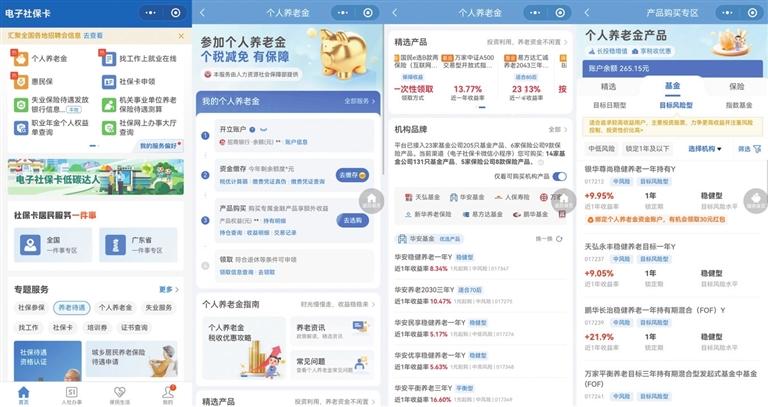
保障升级+税收优惠 个人养老金,为未来加一份“稳稳的幸福”
Shen Zhen Shang Bao· 2025-12-17 00:14
Core Insights - The personal pension system has gained significant attention and participation from citizens since its full implementation [1][17] - Recent policies have expanded the accessibility of personal pensions, allowing early withdrawals under specific circumstances such as major illness, long-term unemployment, or low-income situations [6][7] Group 1: Tax Benefits - The personal pension scheme offers substantial tax benefits, allowing individuals to deduct contributions up to 12,000 yuan annually from their taxable income, with potential tax savings of up to 5,400 yuan per year for higher earners [16][24] - The tax structure follows a deferred taxation model, where contributions and investment earnings are tax-exempt until withdrawal, which is taxed at a lower rate of 3% [16][23][24] Group 2: Product Variety - The personal pension account allows participants to choose from a variety of financial products, including savings deposits, bank wealth management, commercial pension insurance, and public funds, enabling customized investment strategies [8][9][10][11] - All products are vetted by financial regulatory authorities to ensure safety, stability, and long-term value preservation [11][19] Group 3: Accessibility and Convenience - Opening a personal pension account is straightforward, requiring only a bank card and facial recognition for online setup, with multiple banks available for account creation [12] - The system is designed to facilitate easy access and understanding for participants, with dedicated services to assist in account setup and tax benefit utilization [17] Group 4: Participant Demographics - The personal pension system is inclusive, allowing flexible employment individuals to participate, thus broadening the demographic reach [18] - Feedback from participants indicates a positive reception, with many appreciating the tax savings and the ability to secure their retirement funds [14][15][16]
中金2026年展望 | 银行:稳中求进
中金点睛· 2025-12-16 23:50
Core Viewpoint - The banking sector has entered a stage of high-quality development, with a focus on high dividend investments and stable growth in profits and revenues expected through 2026 [2][3][4]. Group 1: Banking Sector Performance - The expected revenue growth for listed banks in 2026 and 2027 is +2.5% and +3.6% respectively, while net profit growth is projected at +1.9% and +2.6% [2]. - Factors contributing to improved revenue and profit growth include narrowing net interest margin pressure, quality-focused credit issuance, and stabilization of fee income growth after several years of reductions [2][4]. - The net non-performing loan generation rate is expected to stabilize or slightly decline, with retail and corporate sectors showing different trends in risk exposure [4][25]. Group 2: Credit and Financing Trends - The demand for credit is expected to slow slightly by 2026, with a shift in the structure of new social financing reflecting changes in customer needs and regulatory impacts [3][4]. - The government and state-owned enterprises are becoming significant contributors to leverage, influencing the structure of new social financing and the banks' balance sheets [3]. Group 3: Market Dynamics and Regulatory Environment - The banking industry is experiencing a reduction in the number of licenses, indicating accelerated supply-side reforms and improved competitive dynamics [4][22]. - Regulatory policies are evolving, with a focus on enhancing the quality of service rather than merely increasing customer numbers, particularly in inclusive finance [3][4]. Group 4: Financial Metrics and Projections - The net interest margin is projected to narrow by 6 basis points in 2026, with a balanced structure of volume and price being crucial for achieving high-quality financial metrics [4][16]. - The total assets of banks are expected to grow at a rate of 7.8% YoY, with net profit growth rates showing a gradual increase from 12.6% to 2.6% over the forecast period [12][16].