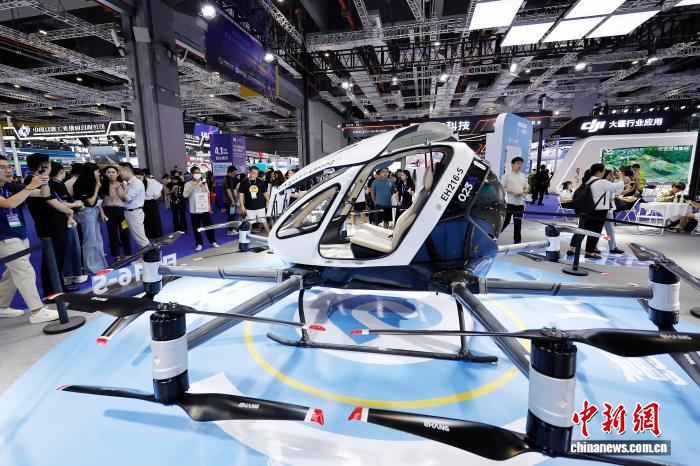
沃飞长空

Search documents
各地低空配套政策陆续发布,沃兰特航空获海外17.5亿美金订单 | 投研报告
Zhong Guo Neng Yuan Wang· 2025-08-04 06:10
Core Viewpoint - The low-altitude economy sector has underperformed compared to the Shanghai Composite Index during the reporting period, indicating a need for further development and investment in this emerging industry [1][2]. Market Performance - The Wind Low Altitude Economy Index increased by 0.62%, lagging behind the Shanghai Composite Index by 0.10 percentage points, but outperforming the CSI 300 Index by 0.71 percentage points and underperforming the ChiNext Index by 1.37 percentage points [1][2]. - The National General Aviation Index rose by 0.35%, underperforming the Shanghai Composite Index by 0.37 percentage points, outperforming the CSI 300 Index by 0.44 percentage points, and lagging behind the ChiNext Index by 1.64 percentage points [1][2]. National and Local Policy Support - The National Development and Reform Commission emphasized the importance of promoting high-quality development in the low-altitude economy during a meeting on July 31 [2]. - Shenzhen's Development and Reform Commission released a plan for high-quality construction of low-altitude infrastructure from 2024 to 2026, aiming to establish itself as the "global low-altitude economy capital" [2]. - Guangdong Province's Data Bureau issued a plan to build a credible data space for the low-altitude industry by the end of 2027, fostering a data-driven ecosystem [2]. Strategic Collaborations and Developments - Volant Aviation signed a strategic cooperation agreement with Thailand's Pan Pacific and China Aviation Technology International Engineering, involving the procurement of 500 eVTOL aircraft valued at $1.75 billion [3]. - Hubei Province signed agreements for the establishment of low-altitude economic comprehensive experimental zones, focusing on interconnectivity and sustainable business models [3]. - Peak Aviation delivered the world's first eVTOL aircraft with all three necessary certifications, indicating advancements in the eVTOL sector [4]. - Joby Aviation announced plans to launch eVTOL passenger flights in the Middle East by spring 2026, marking a significant step in commercial operations [6]. Investment Recommendations - The low-altitude economy is gaining national strategic focus, with local policies accelerating support and resource allocation. Key areas for investment include components, complete aircraft, infrastructure, and air traffic management [6]. - Relevant companies include: - Upstream components: Yingboer, Zongshen Power, Wolong Electric Drive, Zongheng Communication, Zhonghe Technology [6]. - Complete aircraft manufacturers: EHang Intelligent, Wanfeng Aowei, XPeng Motors, Green Energy Huichong [6]. - Air traffic management systems: Lais Information, Shenzhen Urban Transport, Sichuan Jiuzhou, Sujiao Science and Technology [6]. - Supporting services: Guangdian Measurement, Huace Testing, Weihai Guotai, Hite High-tech [6].



新兴产业“抢人”现代服务业“吸才”——产业变革下的就业市场新动向
Zhong Guo Chan Ye Jing Ji Xin Xi Wang· 2025-08-04 02:11
Group 1: Employment Trends - In the first half of the year, 6.95 million new urban jobs were created, achieving 58% of the annual target, indicating overall stability in the employment situation [1] - The demand for talent in emerging industries and modern service sectors is increasing, reflecting a significant impact of industrial development on employment [1][3] - The shift from "demographic dividend" to "talent dividend" is evident, with a growing demand for high-tech and high-value-added positions [3] Group 2: Emerging Industries - The demand for composite talents in fields such as humanoid robotics and low-altitude economy is surging, with job postings in humanoid robots, new materials, and smart hardware increasing by 398.1%, 72.1%, and 50.3% year-on-year, respectively [2] - Companies like EX Robotics and WoFei ChangKong are actively seeking talent in mechanical automation, artificial intelligence, and supply chain management [2] Group 3: Service Sector Opportunities - The pet medicine sector is experiencing a talent shortage, with companies like Jiangxi Ruide Pharmaceutical Co., Ltd. needing professionals in product development and analysis, constituting about 30% of their workforce [4] - The modern service industry is witnessing rapid growth in job demand, particularly in pet services, automotive aftermarket, elderly care, and online life services, with pet services leading at a 72.2% increase in job postings [4] Group 4: Policy Support - The government is implementing policies to support employment growth along the industrial chain, including a series of incentives and skills training programs [5][6] - The Ministry of Human Resources and Social Security has introduced measures that have effectively reduced labor costs for enterprises by over 90 billion yuan through unemployment insurance rate reductions and other subsidies [6] - Continuous support for vocational skills training in key sectors is planned, with a target of subsidizing over 10 million training sessions annually for the next three years [6]
融资事件超去年同期,成都低空经济投融资事件居国内第二梯队
Sou Hu Cai Jing· 2025-07-30 10:37
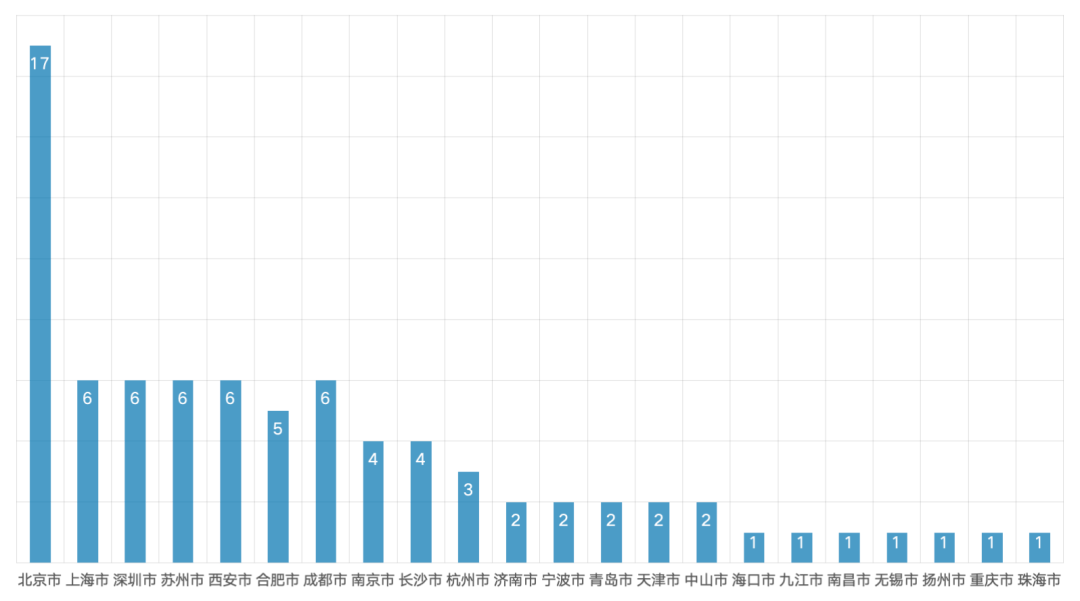
Core Insights - The low-altitude economy in China is experiencing significant growth, with 78 financing events reported in the first half of 2025, highlighting the sector's potential and investment interest [1][3][5] Financing Events - A total of 78 financing events occurred in the low-altitude economy sector nationwide in the first half of 2025, with Beijing leading at 17 events, followed by Chengdu, Suzhou, Shanghai, Shenzhen, and Xi'an with 6 each [2][3] - Chengdu stands out with 6 financing events, showcasing its prominence in the western region of China [3][12] - The financing rounds included 28 A-rounds, 21 angel rounds, 12 B-rounds, and 4 C-rounds or above, indicating a diverse range of investment stages [5] Investment Amounts - Among the disclosed financing events, 21 reported specific amounts, with 14 being in the tens of millions and 7 in the billion range [5] - Notable financing includes Sichuan Aosi Technology's nearly 200 million RMB in C-round financing, marking it as one of the seven billion-level financing events nationwide [13] Key Companies and Developments - Significant companies involved include Sichuan Aosi Technology, which received nearly 200 million RMB, and other firms like WeFly LongSky and Dream Sky Technology, which are making strides in eVTOL development and orders [6][11][13] - The 2025 International Low Altitude Economy Expo resulted in a record 1.75 billion USD in orders, including a landmark agreement for 500 eVTOL aircraft [7][11] Regional Development - Chengdu's low-altitude economy is characterized by a broad coverage of the industrial chain and diverse investment sources, with local and external investors participating [12][14] - The city has established itself as a crucial aviation manufacturing base, benefiting from its industrial foundation and technological innovation capabilities [14] Technological Advancements - The low-altitude economy is witnessing breakthroughs in technology, with companies like WeFly LongSky introducing innovative products such as the AE200 smart cabin, enhancing user experience in eVTOLs [9][11] - The sector is also focusing on various technological fields, including drone manufacturing, FPV technology, and low-altitude security [13]

低空视界丨订单释放、取证加快 低空经济飞向“新高度”
Xin Hua Cai Jing· 2025-07-28 13:36
Core Viewpoint - The 2025 International Low Altitude Economy Expo showcased significant advancements in low-altitude technology, highlighting China's capabilities in the sector and resulting in substantial international orders totaling $1.75 billion [1][4]. Group 1: Event Highlights - The expo featured 201 low-altitude aircraft, including 155 drones, 34 general aviation aircraft, and 12 eVTOL products, demonstrating China's hard power in low-altitude economy [1]. - The event included innovative applications such as drone soccer, which is rapidly gaining popularity globally, combining technology with sports [2]. - China Post presented the ZC500 dual-rotor drone, capable of carrying 260 kg and operating for up to 10 hours, already in use across 16 provinces for various delivery services [2]. Group 2: Orders and Collaborations - Autocraft from the UAE signed a $1 billion agreement for 350 eVTOLs, while Volant Aerospace secured a record $1.75 billion deal for 500 eVTOLs with a Thai group [4]. - The Joint Aircraft Group received orders for 450 industrial drones, and Seabee amphibious aircraft is in talks for over 400 units with investors [4]. - EHang has achieved significant milestones in airworthiness certification, positioning itself as a leader in the eVTOL market [4][5]. Group 3: Safety and Regulatory Environment - Safety emerged as a primary concern, with the National Development and Reform Commission emphasizing the importance of safety in the development of the low-altitude economy [6]. - The industry is urged to establish a comprehensive safety system, including quality assurance for aircraft and robust regulatory frameworks [6][7]. - The future of new flying vehicles is expected to involve advanced decision-making capabilities and real-time control, necessitating stringent entry barriers and safety standards [7].
财经聚焦丨场景上新 取证加快 安全优先——低空经济发展呈现三大新动向
Xin Hua She· 2025-07-28 11:16
Group 1: Core Trends in Low-altitude Economy - The low-altitude economy is emerging as a new competitive arena for local governments and enterprises, with expanding application scenarios and accelerated airworthiness certification processes [1][4] - Over 19 products had their global debut and 25 had their domestic debut at the recent International Low-altitude Economy Expo, showcasing continuous innovation and new application scenarios [1][2] - The introduction of innovative products like the "magic football" drone and the ZC500 dual-rotor drone by China Post highlights the integration of technology in sports and logistics [1][2] Group 2: Airworthiness Certification Progress - The airworthiness certification process is accelerating, with companies like EHang and Peak Fly Aviation receiving necessary certifications for commercial operations, indicating a maturing regulatory environment [3][4] - EHang received its first operational qualification certificate for manned civil unmanned aerial vehicles, allowing for commercial operations in approved areas [3] - The completion of the "three certificates" signifies that the aircraft can meet all conditions for commercial delivery, positioning China ahead of the U.S. and Europe in eVTOL certification [4] Group 3: Safety as a Priority - Safety has become a paramount concern in the low-altitude economy, with the National Development and Reform Commission emphasizing that "no safety, no low-altitude" [6] - A comprehensive safety system is essential, involving the quality of aircraft, infrastructure networks, and real-time communication capabilities to prevent collisions [6] - The development of intelligent processing platforms aims to enhance decision-making and control capabilities for new flying vehicles, ensuring safety in dynamic and high-risk environments [6]
峰飞货运版eVTOL三证已齐,低空经济博览会多公司签重要合作订单
Huachuang Securities· 2025-07-27 15:21
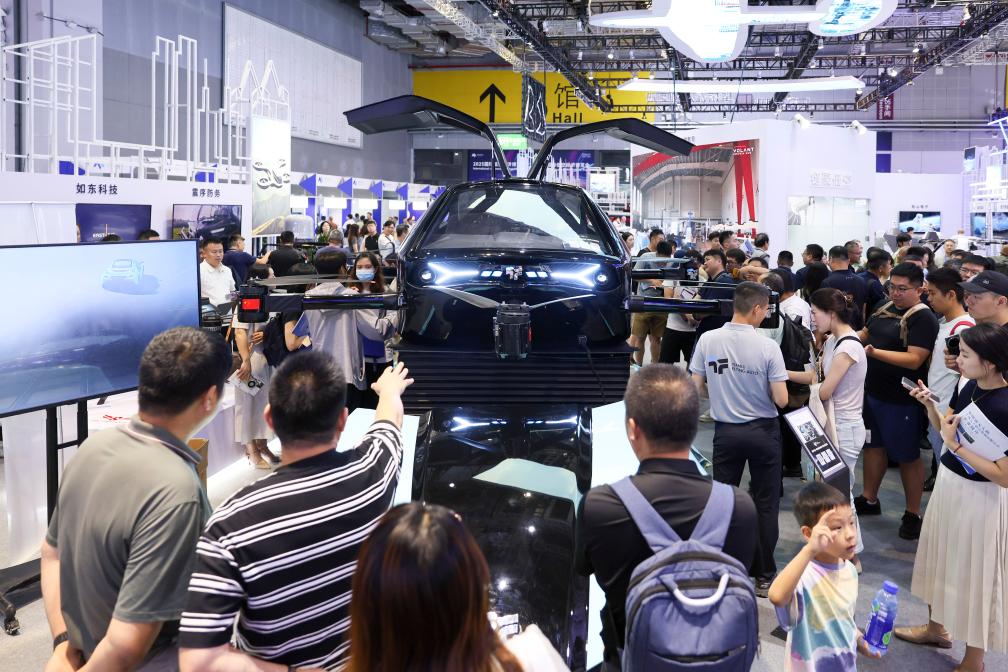
Investment Rating - The report maintains a "Recommendation" rating for the low-altitude economy sector, expecting the industry index to outperform the benchmark index by more than 5% in the next 3-6 months [47]. Core Insights - The report highlights the successful delivery of the world's first eVTOL with complete certification, the V2000CG Kai Rui Ou, which is expected to accelerate the application of low-altitude logistics [4][5]. - Significant strategic cooperation agreements have been signed during the Low Altitude Economy Expo, indicating strong market demand and competitive positioning of domestic companies [16][20]. - The Huachuang Transportation Low Altitude 60 Index has shown a year-to-date increase of 12.1%, outperforming major indices like the CSI 300 and Wind All A Index [21][22]. Summary by Sections Industry Overview - The low-altitude economy is gaining traction with the successful certification and delivery of the V2000CG Kai Rui Ou, which can carry a maximum payload of 500 kg and is designed for complex logistics scenarios [5][6]. - The report emphasizes the importance of logistics as a primary application for low-altitude economy, suggesting that "cargo first, then passengers" will be the strategy for scaling [9][10]. Market Performance - The Huachuang Transportation Low Altitude 60 Index rose by 1.2% in the week ending July 25, 2025, with a year-to-date increase of 12.1%, compared to the CSI 300's 4.9% increase [21][22][23]. - Notable stock performances include Shanhe Intelligent (37% increase) and Xirui (135% increase year-to-date) [24][25]. Investment Recommendations - The report suggests focusing on key segments of the low-altitude economy, including manufacturers of eVTOLs and drones, supply chain participants, and companies involved in low-altitude infrastructure [31][32]. - Specific companies highlighted for investment include Wan Feng Ao Wei, Xirui, and Zhongshen Power, which are positioned to benefit from the growth in low-altitude logistics and infrastructure [32][36].
27.5亿美元海外大单之后,eVTOL继续“探路”
经济观察报· 2025-07-27 10:46
Core Viewpoint - The eVTOL industry is transitioning from merely being able to fly to ensuring sustainable, compliant, and profitable operations, facing significant challenges in airspace management, operational regulations, and route planning [2][6]. Group 1: Industry Challenges - The eVTOL industry is experiencing a shift from focusing solely on aircraft manufacturing to addressing systemic challenges related to continuous and compliant flight operations [2][6]. - The first major challenge is the scarcity of airworthiness certification resources, with over 700 drone manufacturers and more than 800 models needing certification, while there are fewer than 400 certified personnel available [13]. - The second challenge involves the complexity of airspace management, particularly in densely populated areas like Shanghai, where airspace is tightly controlled and requires careful coordination among various authorities [15][16]. - The third challenge is the lack of a comprehensive regulatory framework for low-altitude economic activities, leading to fragmented regulations across different regions [16]. Group 2: Company Strategies - EHang, as a pioneer in the eVTOL sector, faces operational limitations despite holding the first eVTOL type certificate, with current operations restricted to low-altitude sightseeing flights [4][5]. - Companies like Volant Aerotech are pursuing cross-industry integration, leveraging synergies between eVTOL and the electric vehicle supply chain, while also focusing on enhancing passenger experience [8]. - Other companies, such as Peak Fly Aviation, are adopting a gradual approach by first developing cargo drones before transitioning to passenger models, aligning with national strategies [9]. - Xiaopeng Heavens aims to target the consumer market directly with a flying car concept, addressing storage and transportation challenges associated with eVTOLs [10]. Group 3: Future Development - The future of the eVTOL industry hinges on building a robust ecosystem that includes legal, financial, and operational frameworks to support sustainable growth [18][19]. - The establishment of a collaborative legal service platform aims to provide systematic legal support for the development of the low-altitude economy [18]. - The industry is encouraged to adopt a phased approach to commercialization, starting with cargo operations before moving to passenger services, ensuring safety and regulatory compliance [19][21].
27.5亿美元海外大单之后,eVTOL继续“探路”
Jing Ji Guan Cha Wang· 2025-07-27 09:42
Core Insights - The 2025 International Low Altitude Economy Expo highlighted the challenges and opportunities in the eVTOL industry, particularly for companies like EHang, which has achieved significant milestones but faces operational and regulatory hurdles [2][3][4] - Chinese eVTOL companies have secured substantial overseas orders, including a record $1.75 billion deal with Volant Aerospace and a $1 billion order from a UAE company, indicating strong market interest [2] - The industry is transitioning from merely manufacturing aircraft to addressing systemic challenges related to sustainable, compliant, and profitable operations, including route planning and regulatory coordination [2][4] Company Insights - EHang has obtained the world's first eVTOL model type certificate (TC), production certificate (PC), and airworthiness certificate (AC), establishing its leading position in the industry [3][4] - Despite holding these certifications, EHang's operational capabilities are currently limited to specific routes, such as scenic flights within designated areas, rather than urban air mobility [3][4] - The lengthy certification process restricts technological advancements, as any changes to core components require additional approvals, impacting the company's ability to innovate [4] Industry Challenges - The eVTOL industry faces significant entry barriers due to stringent airworthiness standards and high R&D costs, which dictate the future viability of companies based on their initial technology and business model choices [5] - The shortage of qualified personnel for airworthiness certification is a critical constraint, with only about 400 certifying personnel available for over 700 drone manufacturers in China [8][9] - The lack of established standards for eVTOLs complicates the certification process, requiring tailored agreements between regulators and companies [9] Regulatory Environment - Airspace management remains a complex issue, particularly in densely populated areas like Shanghai, where existing airspace is heavily regulated and requires careful planning for low-altitude operations [10][11] - The legal framework governing low-altitude economics is still developing, leading to fragmented regulations across different regions, which can hinder operational efficiency [11][12] Future Directions - The focus of the low-altitude economy is shifting from aircraft manufacturing to building a comprehensive industry ecosystem, emphasizing the importance of legal and financial frameworks [12][15] - Companies are exploring various business models, with a trend towards starting with cargo operations before moving to passenger services, as seen with Meituan's successful drone delivery operations [13][14] - The establishment of a robust supply chain and core component ecosystem is essential for the long-term sustainability of the eVTOL industry [15]
2025国际低空经济博览会:赋能产业腾飞、筑牢安全底座
Zhong Guo Xin Wen Wang· 2025-07-26 12:03
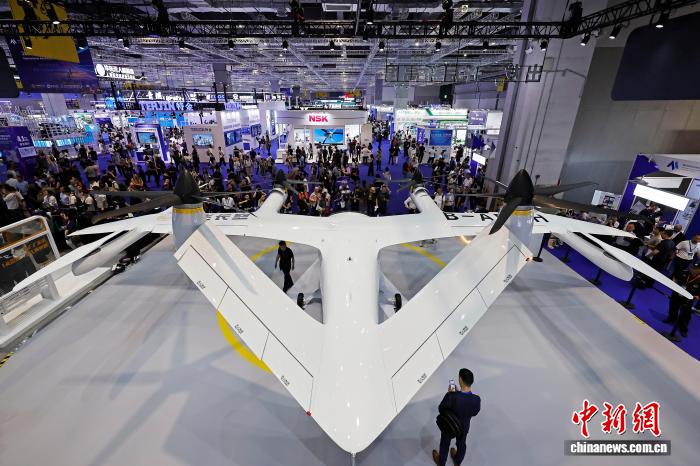
Core Viewpoint - The 2025 International Low Altitude Economy Expo held in Shanghai showcased nearly 300 companies and emphasized the theme of empowering various industries through the development of the low altitude economy [1][2]. Group 1: Industry Development - The low altitude economy has been included in China's government work report for two consecutive years, indicating its growing importance [2]. - The expo featured over 19 global and 25 national product launches, including the world's first 7-seat, 3-ton eVTOL aircraft and a flying car platform, highlighting significant technological advancements [2]. - The low altitude economy is transitioning from a conceptual phase to a practical stage focused on effective implementation and cost control, driven by policy support, market demand, and technological breakthroughs [2][5]. Group 2: Market Potential - Predictions suggest that the market size of China's low altitude economy could reach 3.5 trillion RMB by 2035, indicating substantial growth potential [5]. - The expansion of market demand is expected to foster technological innovation and product iteration, accelerating the commercialization process and attracting more enterprises and capital [2][5]. Group 3: Safety and Infrastructure - The expo introduced the "Low Altitude Economy Infrastructure Framework Guidelines (2025 Edition)," which emphasizes the need for low altitude air traffic management infrastructure, including monitoring and security facilities [6]. - A new "East China Low Altitude Economy Industry Alliance" was established to facilitate collaboration across the industry, focusing on policy research, standard formulation, and technology cooperation [6].
中国低空“载人”走入大众日常节奏逐渐清晰
Zhong Guo Xin Wen Wang· 2025-07-25 12:00
Core Insights - The low-altitude economy in China is gaining momentum, with expectations for it to significantly change daily life [1][3] - The 2025 International Low Altitude Economy Expo in Shanghai showcased nearly 300 exhibitors and over 19 global product launches, indicating a robust industry growth [1][3] Industry Developments - The low-altitude economy has been included in China's government work reports for two consecutive years, highlighting its importance [3] - The industry is driven by policy support, market demand, technological advancements, and a collaborative industrial chain, paving the way for a trillion-yuan market [3][4] - Unmanned aerial vehicles (UAVs) are becoming increasingly prevalent in various applications, such as agriculture, with the Q100 UAV achieving operational efficiency of 400 acres per hour [3][4] Emerging Applications - The VECTOR 5 eVTOL, designed for medical and search and rescue operations, is expected to conduct its first flight by the end of 2023 [3][4] - The GA20 aircraft, developed for tourism and short-distance passenger transport, has completed hundreds of test flights and received certification from the Civil Aviation Administration of China [3][4] - The R6000 tilt-rotor aircraft aims to facilitate point-to-point transportation for 6 to 12 passengers over distances of up to 4,000 kilometers [4] Challenges and Recommendations - Transitioning from pilot projects to everyday use faces challenges, including air route management and operational handovers [4][5] - Experts suggest a comprehensive policy framework from airworthiness certification to operational regulation, alongside infrastructure and meteorological service integration [5] - There is a need for innovative mechanisms to balance market potential and systemic risks, with recommendations for full subsidies in essential services like medical emergencies [5]