OPPO

Search documents
iPhone17来了!华强北最新实探
中国基金报· 2025-09-21 14:37
【导读】iPhone17系列火热开卖,新旧款现货价格齐升 与此同时,国产手机厂商罕见集体点赞苹果新机,小米、OPPO等更迅速调整产品策略正面迎 战。随着消费电子"金九"旺季来袭,iPhone 17系列又能否点燃新一轮换机潮? 火爆开售,新机引发涨价潮 "橙色256G的iPhone 17 Pro Max有现货吗?多少钱?"面对《中国基金报》记者的问价,在 深圳华强北远望数码商城档口的商家小恋(化名)赶忙说有现货,并拿起柜台上的计算器, 悄悄按下几个数字向记者示意——11000元。 这时是9月20日下午4点左右,而翌日,记者再度前往同一档口,向小恋询价同色同型号的手 机时,价格已涨至11350元。"发售第一天也差不多这个价,目前价格就是实时变动的,所以 我们随时都会更新新的价目表。"小恋告诉记者。 | 新款苹果17 精 史 毛饼 | | | 全系列报价 q.2 | | --- | --- | --- | --- | | 注意:所有机器请在拆封之前在官网登询好激活日期,未激活的情况下先验征好机器,激活后不退不换4 | | | | | 国行:苹果17 6.3寸(双卡) | | | 20w快充头90元 | | 官网59 ...


手机屏幕之变:厂商与面板巨头捆绑改写行业规则
2 1 Shi Ji Jing Ji Bao Dao· 2025-09-21 12:41
Core Insights - The article discusses the emergence of a new collaboration paradigm between smartphone manufacturers and panel suppliers, moving from a traditional "buyer-supplier" relationship to a more integrated "co-creation" model [2][9] - This shift is driven by the need for differentiation in a saturated smartphone market, where screen quality and experience are critical competitive factors [1][10] Group 1: Industry Dynamics - Smartphone manufacturers are increasingly engaging in the definition, research, and production of display technologies, forming strategic partnerships with panel manufacturers for joint development and exclusive supply [2][10] - The traditional supply chain structure is evolving from a linear "pyramid" model to a more networked "industry alliance," allowing for greater collaboration and shared risk [9][10] - The rise of Chinese panel manufacturers like BOE, TCL Huaxing, and Tianma is changing the competitive landscape, with predictions that their market share in the global smartphone panel market will exceed 70% by 2025 [9][10] Group 2: Case Studies - OPPO has invested over 1 billion yuan to establish its own "display science production line," allowing it to control the entire process from design to production, thus creating a significant technological barrier [5][10] - Xiaomi and TCL Huaxing have developed a "Joint Innovation Laboratory" to streamline the process from technology research to mass production, enhancing their collaborative capabilities [5][10] - The relationship between Apple and Samsung exemplifies a unique "co-opetition" dynamic, where Apple drives Samsung to innovate through stringent standards and large orders, influencing industry-wide technology trends [7][10] Group 3: Technological Advancements - The focus of competition has shifted from macro parameters like resolution and refresh rates to micro-level technologies, such as precise light control algorithms developed by Tianma and OPPO [10][11] - The collaborative model allows for faster alignment of market needs with technological capabilities, significantly reducing the time from research to market [11] - However, the deep customization and joint development require substantial upfront investment, raising questions about potential impacts on product pricing and consumer repair costs [11][12]

一线城市五折租房,大厂集体杀入长租公寓
盐财经· 2025-09-21 09:44
Core Viewpoint - The article discusses the trend of major tech companies in China building employee apartments to provide affordable housing solutions for their employees, particularly in first and second-tier cities, where housing costs are high [7][8][10]. Group 1: Employee Housing Initiatives - Companies like JD.com and Xiaomi have launched employee housing projects, offering free or significantly discounted rent to interns and young employees, which helps alleviate the burden of high living costs in cities like Beijing [7][12][19]. - JD.com has opened a free apartment for interns, while Xiaomi's youth apartments are priced at around 1999 yuan per month, significantly lower than the market rate [10][12]. - The trend of tech giants building employee apartments is not isolated; other companies like Huawei and OPPO are also investing heavily in employee housing [8][10][19]. Group 2: Strategic Asset and Investment - The construction of employee apartments is seen as a strategic asset for these companies, with significant investments in land and development, such as JD.com's acquisition of land for 3.112 billion yuan for its "JD Youth City" project [18][19]. - The article highlights that these companies are not merely acting as landlords but are strategically positioning themselves in the real estate market, with substantial investments in property that can serve as a long-term asset [16][22]. Group 3: Talent Attraction and Retention - The primary motivation behind these housing initiatives is to attract and retain talent in a competitive job market, as providing housing benefits can significantly enhance employee satisfaction and loyalty [32][38]. - The article notes that the availability of affordable housing can influence the decision of skilled workers to relocate to cities with high living costs, thereby impacting talent mobility [33][37]. - Companies are increasingly recognizing the importance of housing benefits as part of their overall employee value proposition, which can help them stand out in the talent market [32][38].




借道「无障碍」,AI助手可能在盯着你
3 6 Ke· 2025-09-21 09:37
Group 1 - The core viewpoint is that 2025 is expected to be a pivotal year for AI Agents, with significant advancements in technology and market penetration anticipated [1] - AI Agents are capable of performing more complex tasks than traditional chatbots, utilizing special accessibility permissions in Android systems to execute commands on behalf of users [1][3] - The market for AI Agents is projected to grow significantly, with a forecasted increase from $5.1 billion in 2024 to $47.1 billion by 2030, reflecting a compound annual growth rate of 44.8% [9][10] Group 2 - The global penetration rate of AI mobile devices is expected to reach approximately 40% by 2027, with an estimated shipment of 522 million units [2] - Major companies, including Apple and various Chinese manufacturers, are launching their own AI models, indicating a competitive landscape for AI mobile assistants [2][3] - The challenge of enabling AI Agents to operate across different applications is highlighted, with two main technical paths identified: interface-based and non-interface visual solutions [3][4] Group 3 - The use of accessibility permissions raises significant privacy and security concerns, as these permissions can allow AI applications to access sensitive user information [4][7] - There are reports of fraudulent activities exploiting accessibility permissions, where scammers have manipulated users into granting these permissions for malicious purposes [8][9] - The industry is currently in a phase of exploration, with no perfect solutions available, but the interface-based approach is considered more sustainable for long-term development [11] Group 4 - Regulatory measures are being discussed, including the need for explicit user consent before enabling accessibility services for AI applications [13][14] - The importance of establishing clear data management standards and privacy protection mechanisms is emphasized to mitigate risks associated with AI Agents [12][14] - Collaboration among various stakeholders, including tech companies and regulatory bodies, is necessary to address the complexities of AI Agent deployment and ensure user safety [14]
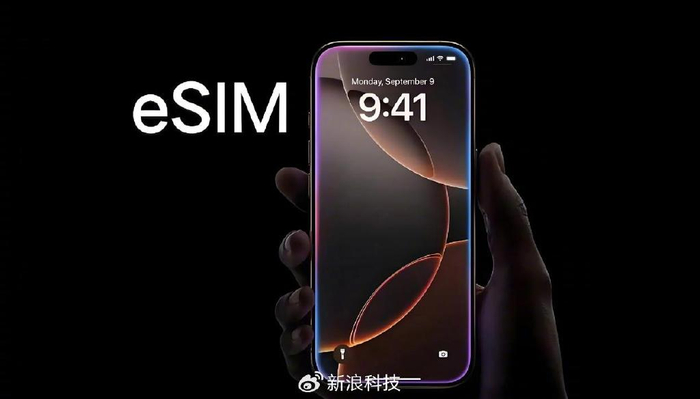
失约的iPhoneAir,焦急的运营商
Xin Lang Ke Ji· 2025-09-21 06:43
Core Viewpoint - The launch of Apple's iPhone Air in China has been delayed due to regulatory issues surrounding eSIM technology, which is not yet supported by local telecom operators [2][3][4]. Group 1: iPhone Air Launch - The iPhone Air, Apple's lightest flagship smartphone, is currently not available for sale in China, with its release status marked as "to be updated" on official platforms [2]. - The iPhone Air only supports eSIM, which requires regulatory approval for telecom operators in China to offer eSIM services [2][3]. - Apple has indicated that the iPhone Air will only be supported by China Unicom for eSIM activation, requiring users to visit physical stores for identity verification [5][6]. Group 2: eSIM Technology and Regulatory Environment - eSIM technology is seen as a future trend in the telecom industry, but its adoption in China is hindered by regulatory and compliance challenges [3][11]. - Chinese telecom operators are prepared to offer eSIM services but are awaiting formal approval from regulatory bodies [4][11]. - The complexity of eSIM activation processes and the need for stringent security measures have led to delays in service rollout [8][9][14]. Group 3: Industry Perspectives - Industry analysts believe that the widespread adoption of eSIM in China is inevitable, but it will follow a cautious and phased approach [3][11]. - The telecom sector is currently focused on enhancing security measures for eSIM technology to address concerns over user privacy and fraud [8][9][14]. - Companies like China Unicom are exploring advanced technologies, such as blockchain, to improve the security of eSIM services [14].



手机屏幕的次世代难题,OPPO答出来了
DT新材料· 2025-09-20 16:03
在每场手机发布会的 PPT 中,护眼都是最频繁被提及的词之一。 然而,很长一段时间里,手机厂商都对这个问题束手无策。 这背后,是显示行业多年都 未能克服的技术顽疾。 对于 Mura 效应,业内一般有两种妥协式解法: 依靠软件算法进行有限的补偿,或是被动依赖屏幕供应商的良品率,但无论如何,都停留在「治标不治 本」的层面。 即便是世界范围内的顶级屏厂,至今都没能交出最好的方案。这也是为什么,其他手机厂商始终不敢真正落地 1nit 。 然而, OPPO 成为了那个挑战不可能的角色。 终于,9 月 19 日, OPPO 发布了国内首个自研显示双产线,这也是国内首次有手机公司亲自下场造屏。在双产线模式下, OPPO 造出了亮度低至 1nit 的护眼屏幕。 这是一场屏幕生产模式的重构,也是一场影响深远的技术突围。 " 1nit "的含金量 现有的行业技术,最多只能让手机亮度降至 2 ~ 5nit ,还很难实现理论上的最低可视亮度—— 1nit ,这是暗光环境下人眼最舒适的屏幕亮度,也是手机 厂商竞逐护眼的巅峰难度。 为什么把屏幕亮度做低这么难? 从发光原理来说,一块屏幕的亮度,是由近千万个子像素的亮度组合成的,每个子像素 ...
手机厂商下场造屏,意味着什么?
晚点LatePost· 2025-09-20 15:40
Core Viewpoint - OPPO has taken a significant step upstream by establishing its own screen manufacturing lines, aiming to enhance display technology and user experience in the smartphone industry [2][4]. Group 1: Industry Context - As smartphone component performance approaches physical limits, the evolution of core hardware like screens, imaging, and batteries is shifting from reliance on upstream suppliers to active involvement from terminal brands [2]. - Many smartphone brands are now opting for collaborative R&D to tackle technical bottlenecks in various scenarios [2]. Group 2: OPPO's Initiative - On September 19, OPPO announced the establishment of China's first self-researched screen "dual production line," marking it as the first smartphone brand in the country to directly engage in screen manufacturing [2][3]. - OPPO's initiative aims to overcome common technical bottlenecks in the industry and create the next generation of foundational user experiences [2][4]. Group 3: Technical Challenges - The "Mura" issue, characterized by uneven brightness and color on OLED screens, has long plagued the industry, affecting user experience [3]. - OPPO's dual production lines include a custom line with top-tier screen manufacturer Tianma and a self-researched display science production line, costing 1 billion yuan, to address these challenges [3]. Group 4: Technological Advancements - OPPO has achieved breakthroughs in screen uniformity and display performance, particularly in low-light environments, allowing for clear display and eye protection [4]. - The company has developed a "dark light color model" to compensate for color perception at extremely low brightness levels, stabilizing the minimum brightness to a comfortable "1 nit" [4]. Group 5: Industry Impact - OPPO's advancements provide an opportunity for other screen manufacturers and terminal brands to improve display uniformity and advance technologies like higher refresh rates and under-display cameras [5]. - By investing in screen manufacturing, OPPO aims to enhance industry capabilities and establish new standards that benefit the entire sector [5]. - The initiative represents a shift from merely reducing costs to empowering the entire industry through foundational innovation [5].
天工屏 定乾坤 | 天马发布高端OLED技术品牌,开启视觉体验新纪元
Quan Jing Wang· 2025-09-20 15:21
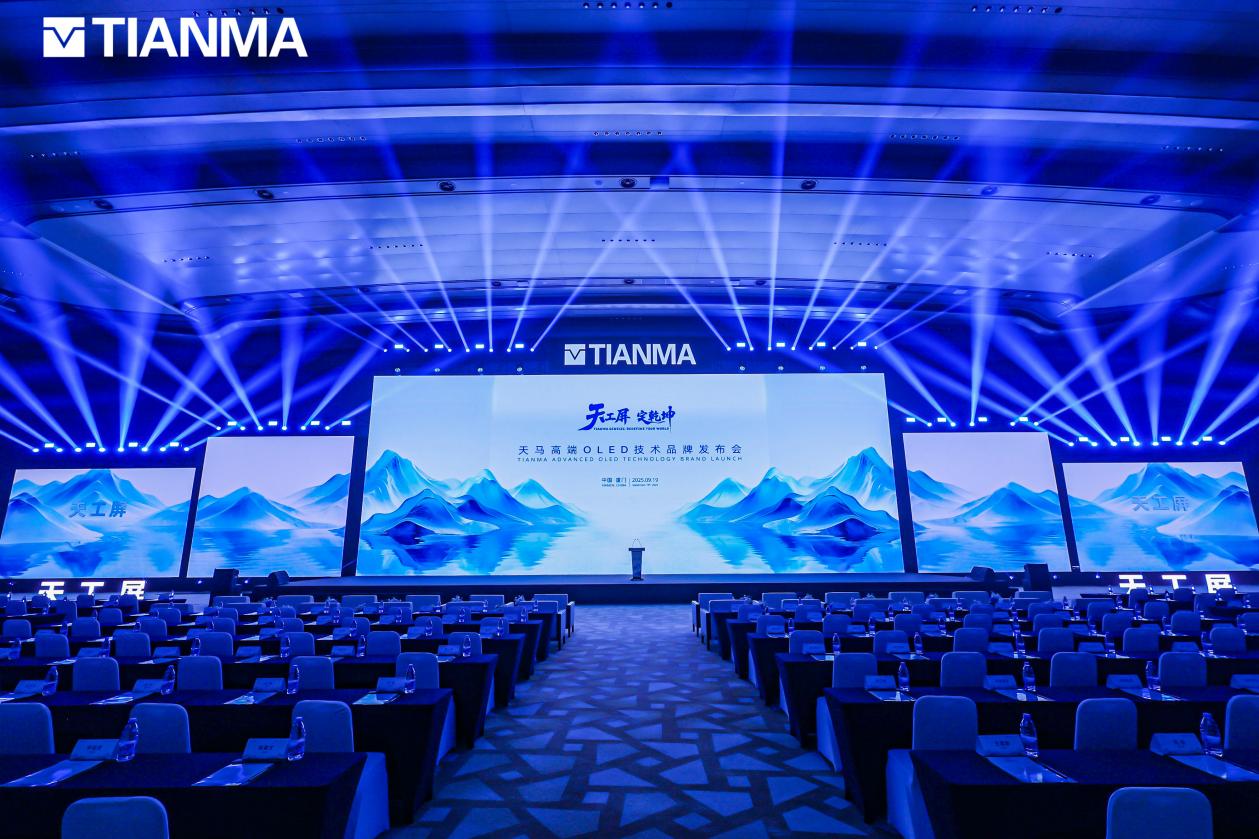
Core Viewpoint - Tianma Microelectronics launched its new high-end OLED technology brand "Tian Gong Screen" at a significant event, marking a milestone in its 42-year development and aiming to redefine high-end display standards with a focus on health experience [1][2][22]. Group 1: Brand Launch and Significance - The launch event featured prominent figures from academia and industry, highlighting Tianma's role as a key player in China's display industry and its commitment to high-end product lines [1][2]. - The brand's mission is to transition from a traditional hardware manufacturer to a "creator of sensory experiences," emphasizing user experience in display technology [4]. Group 2: Technological Innovations - The "Tian Gong Screen" introduces three breakthrough technologies: "Super Eye Protection," "Extreme Transparency," and "Smooth High Refresh Rate," aiming to enhance user experience [6][11][12][13]. - "Super Eye Protection" focuses on visual health with features like flicker-free technology, low blue light emission reduced to 4.7%, and adaptive brightness based on environmental light [11]. - "Extreme Transparency" achieves high brightness levels of 2500 nits and peak brightness of 8000 nits, with a wide color gamut covering 95% BT.2020 [12]. - "Smooth High Refresh Rate" supports a refresh rate of 165Hz, with potential expansion to 240Hz, ensuring fluid motion and reduced latency [13]. Group 3: Industry Collaboration and Recognition - The technology received endorsements from experts, including a certification for "Visual Health Friendliness" from the China Quality Certification Center, affirming its innovative eye protection features [20][23]. - Tianma and OPPO announced the establishment of a joint laboratory to collaborate on health display technology and industry standards, promoting a healthier and smarter display industry [21][24]. Group 4: Future Outlook - The launch of the "Tian Gong Screen" represents a qualitative leap for Chinese display technology and signifies the global reach of "Chinese Intelligent Manufacturing" [22][25].
失约的iPhone Air,焦急的运营商
经济观察报· 2025-09-20 14:44
Core Viewpoint - The release of the iPhone Air in China is delayed due to the lack of eSIM service approval from local telecom operators, which is crucial for its market entry [1][5][13]. Group 1: eSIM Service Status - The iPhone Air, which only supports eSIM, is currently not available for sale in China as telecom operators await regulatory approval for eSIM services [5][8]. - China Mobile has completed the system upgrades necessary for eSIM services and is awaiting formal approval from the Ministry of Industry and Information Technology (MIIT) to launch the service [8][12]. - China Unicom has launched an eSIM service section on its website, but it currently only supports wearables and not smartphones [9][10]. Group 2: Regulatory and Security Considerations - The regulatory environment in China is cautious regarding eSIM technology due to concerns over data sovereignty, privacy protection, and the need for robust security measures [5][16]. - The MIIT has implemented strict standards for eSIM services to prevent telecom fraud and ensure user privacy, which has delayed the rollout of eSIM for smartphones [17][19]. - The telecom industry is under pressure to demonstrate the security of eSIM technology, with operators exploring blockchain for identity verification to enhance security [26][27]. Group 3: Market Dynamics and Future Outlook - The adoption of eSIM technology in China is seen as inevitable, with operators preparing for its eventual rollout despite current regulatory hurdles [7][21]. - Industry experts believe that the push for eSIM services is not just limited to Apple but includes domestic manufacturers who are also testing eSIM-enabled flagship products [13][29]. - The collaboration between telecom operators and device manufacturers is crucial for the successful implementation of eSIM services, with a focus on ensuring a seamless user experience [28][29].



失约的iPhone Air,焦急的运营商
Jing Ji Guan Cha Wang· 2025-09-20 12:26
Core Viewpoint - The launch of Apple's iPhone Air in China has been delayed due to regulatory issues surrounding eSIM technology, which is not yet supported by local telecom operators [2][3][7]. Group 1: iPhone Air Launch - The iPhone Air, Apple's lightest flagship smartphone, was expected to be released on September 19, but its availability has been postponed with the website indicating "to be updated" [2]. - The iPhone Air is designed to support only eSIM technology, which is not currently available for consumers in China due to regulatory hurdles [3][5]. Group 2: eSIM Technology and Regulatory Environment - eSIM technology allows for remote activation of mobile services, but China has not yet approved eSIM services for smartphones, leading to a cautious approach from Apple regarding the iPhone Air's release [3][4]. - Telecom operators in China, including China Mobile, China Unicom, and China Telecom, are preparing to offer eSIM services but are awaiting regulatory approval [4][8]. Group 3: Telecom Operators' Readiness - China Mobile has completed system upgrades to support eSIM services and is expecting formal approval from the Ministry of Industry and Information Technology (MIIT) soon [4]. - China Unicom has launched an eSIM section on its website but has not yet made eSIM services available for smartphones [4][6]. Group 4: Industry Perspectives - Analysts believe that the adoption of eSIM technology in China is inevitable, but the timeline is contingent on regulatory approvals and the readiness of telecom operators [4][14]. - The security concerns surrounding eSIM technology have led to a cautious regulatory approach, with the government prioritizing user privacy and fraud prevention [10][11][19]. Group 5: Future Outlook - There is a consensus that once regulatory hurdles are cleared, eSIM technology will be widely adopted across various devices, including smartphones and wearables [21]. - The industry is actively working on enhancing the security of eSIM technology to meet regulatory standards, with some operators exploring blockchain for identity verification [18][20].