长租公寓

Search documents
首付比例下调至30%,商业用房拉开去库存大幕
21世纪经济报道· 2026-01-15 14:36
Core Viewpoint - The People's Bank of China has announced a significant policy change by lowering the minimum down payment ratio for commercial property loans to 30%, aimed at stimulating the commercial real estate market and reducing inventory levels [1]. Group 1: Policy Impact - The previous minimum down payment for commercial property loans was 50%, with some banks setting it as high as 60%, making this reduction a substantial easing of transaction barriers [1]. - The policy is expected to positively impact the inventory reduction of commercial properties, which include office buildings and retail spaces, as the current inventory is notably high [1]. Group 2: Market Conditions - As of November 2025, there is a total of approximately 200 million square meters of unsold commercial properties in China, comprising 52.34 million square meters of office space and 14 million square meters of commercial space [1]. - The high inventory levels are attributed to various factors, including prolonged sales cycles and declining property prices, which negatively affect overall property values and corporate cash flows [1]. Group 3: Future Expectations - The reduction in the down payment ratio is anticipated to invigorate the existing commercial property market and promote the development of affordable rental housing and long-term rental apartments [2]. - Financially, this move may also support the growth of Real Estate Investment Trusts (REITs) [2]. - More cities are expected to implement policies aimed at reducing commercial property inventory, with a focus on optimizing purchase restrictions to enhance transaction activity [3].


多地租客被赶!郁亮谢幕,万科长租公寓爆发“清退潮”
新浪财经· 2026-01-10 07:23
Core Viewpoint - The retirement of Yu Liang, a key figure in Vanke's operations for 36 years, marks the end of an era, coinciding with significant challenges in the company's long-term rental apartment business, "Boyu" [2][12]. Group 1: Management Changes - Yu Liang has officially retired from his positions as director and executive vice president, which is seen as a pivotal moment for Vanke [2]. - His leadership was instrumental in positioning long-term rental apartments as a core business, despite acknowledging the challenges and low profitability associated with this sector [2][12]. Group 2: Rental Business Challenges - Vanke's long-term rental brand "Boyu" is facing a crisis, with mass tenant evictions occurring in cities like Shenzhen, Wuhan, and Hangzhou, attributed to rental disputes with landlords [3][6]. - Landlords have reported significant rent arrears from Vanke, with some claiming overdue payments exceeding 100,000 yuan, leading to demands for contract termination before receiving owed rents [5][10]. Group 3: Financial Performance - Vanke's rental residential business has shown stable revenue growth, with revenues of 32.4 billion yuan in 2022, 34.6 billion yuan in 2023, and projected 37.02 billion yuan in 2024, although it still represents less than 2% of the company's total revenue [12]. - The overall financial situation of Vanke is concerning, with a reported revenue decline of 26.61% year-on-year and a net loss of 28.02 billion yuan in the first three quarters of 2025 [13][14]. Group 4: Debt and Cash Flow Issues - Vanke is under significant debt pressure, with total interest-bearing liabilities reaching 362.93 billion yuan and a cash shortfall exceeding 85 billion yuan [14]. - The company is exploring various measures to improve liquidity, including shareholder loans and asset sales, but faces challenges in debt negotiations and has seen support from its largest shareholder, Shenzhen Metro Group, diminish [17][18]. Group 5: Strategic Adjustments - Vanke is attempting to mitigate losses by terminating contracts with high-cost, low-yield properties, particularly in urban villages, to improve cash flow [15]. - The company has previously suspended new contracts for its "Wancun Plan" due to high renovation costs and long payback periods, indicating a strategic shift in its rental business approach [15].

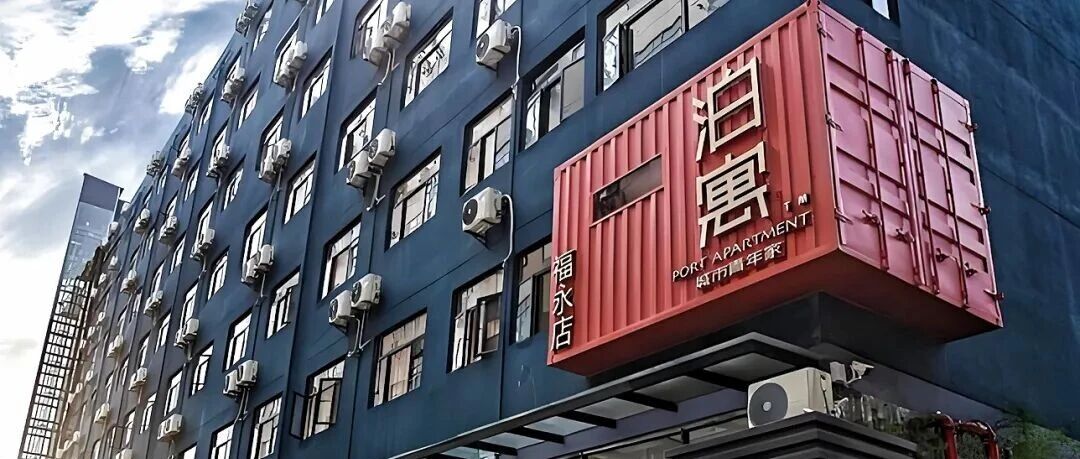
瓴寓国际轻资产变局:十年探路,“以退定投”
2 1 Shi Ji Jing Ji Bao Dao· 2025-12-03 12:59
Core Viewpoint - The rental housing sector is positioned as a key vehicle for ensuring housing security for new youth and constructing a new model for real estate development under the policy guidance of "housing for living, not speculation" and "rent and purchase coexist" [1] Group 1: Company Overview - Lingyu International has over ten years of experience in the rental housing sector and has successfully completed the full cycle of "investment, financing, construction, management, and exit" for 12 projects [1][3] - The company has developed a 3.0 product innovation and digital empowerment model exemplified by the Nanjing Qingyan Pavilion, balancing social welfare and market efficiency [1] - Lingyu International's CEO, Zhang Aihua, highlighted that the core bottleneck in the current market is the lack of quality assets that meet return requirements, despite the availability of capital [2][3] Group 2: Financial Performance - Lingyu International's rental housing projects have achieved an average Internal Rate of Return (IRR) of 8% to 12% and a low Capitalization Rate (Cap Rate) of approximately 4.5%, indicating low risk and stable returns [2] - The company has implemented a "state-owned enterprise + private enterprise" cooperation model in the affordable rental housing sector, achieving a high occupancy rate of 92% to 93% despite rent restrictions [2] Group 3: Operational Strategy - The company has established a comprehensive capital cooperation system covering development funds, Pre-REITs funds, and stable funds, providing diverse models for the industry [2][3] - Lingyu International emphasizes a "reverse investment" strategy, where each project defines its exit path and investor requirements before deriving investment and operational strategies [2][3] Group 4: Technological Innovation - The company has invested nearly eight years in big data and digital technology, with a technology team comprising one-third of its headquarters staff [4] - Lingyu International's self-developed FALCON system enhances decision-making accuracy to over 95% by analyzing rental data and optimizing housing designs based on 135 life scenarios [4] Group 5: Market Positioning - Lingyu International has created a unique competitive advantage by integrating the entire chain of "investment, financing, construction, management, and exit," which is rare in the industry [7] - The company aims to become a one-stop comprehensive service provider in the rental housing sector, focusing on long-term strategies and technological support [11][12] Group 6: Industry Perspective - The rental housing industry is characterized as a long-term endeavor, requiring patience and a commitment to quality and professionalism to achieve sustainable growth [8][12] - Lingyu International's approach reflects a shift from "heavy asset holding" to "light asset operation and asset management output," aligning with the evolving trends in the long-term rental apartment sector [12]
万科前三季度营收超1600亿!已偿还288.9亿元公开债
Nan Fang Du Shi Bao· 2025-10-30 15:01
Core Viewpoint - Vanke reported a significant decline in revenue and net profit for the first three quarters of the year, but managed to stabilize operations through various strategies and support measures [2][3]. Financial Performance - Vanke achieved revenue of 161.39 billion, a year-on-year decrease of 26.61% - The net profit loss was 28.016 billion, down 83% year-on-year [2]. - The company completed the delivery of 74,000 housing units and executed bulk transactions worth 6.86 billion [2]. Sales and Contracts - Vanke's total contracted sales area reached 7.751 million square meters, with a total sales amount of 100.46 billion [3]. - The average sales absorption rate for 11 newly launched projects was nearly 70% [3]. - During the "Golden Week" holiday, Vanke achieved a subscription amount of 4.77 billion, exceeding the target by 137% [3]. Debt Management - Vanke repaid a total of 28.89 billion in public debt by the end of the reporting period, with cash holdings of 65.68 billion and total interest-bearing liabilities of 362.93 billion [3]. Business Operations - The total revenue from Vanke's operational services was 43.57 billion, with its long-term rental apartment business maintaining industry leadership [4]. - Vanke's rental business has integrated production, construction, and operation, achieving significant recognition from both tenants and owners [5]. Technological Advancements - Vanke has pioneered the use of a large model for architectural drawings, serving over 1,000 projects and collaborating with the National Archives on a language model for building drawings [5]. - The company is advancing the "AI Digital Engineering Management Platform" to enhance construction project management through technology [5].
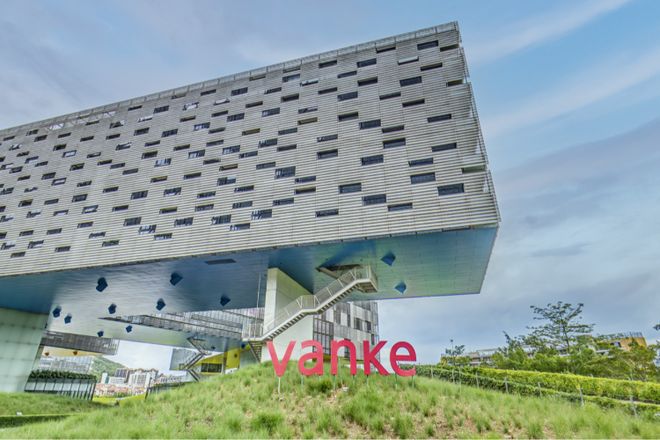
辛杰辞去董事长职务 黄力平出任万科董事长,多方支持推进改革化险
Cai Jing Wang· 2025-10-13 01:04
Core Viewpoint - Vanke has appointed Huang Liping as the new chairman, succeeding Xin Jie, which is expected to ensure continuity and stability in the company's operations amid ongoing reforms and challenges [1] Group 1: Leadership Changes - Huang Liping, a former board member, has been elected as the new chairman of Vanke, which is seen as beneficial for the company's stability and continuity [1] - Xin Jie has resigned from the chairman position, indicating a shift in leadership while maintaining internal familiarity [1] Group 2: Financial Performance - Vanke reported a revenue of 105.3 billion in the first half of the year, with residential sales revenue nearing 70 billion [2] - The company achieved a high-quality delivery of over 45,000 units, with a sales collection rate of 100% [2] - Vanke has successfully activated nearly 60 billion in cash flow through inventory optimization, with a total of approximately 785 billion in activated goods value since the beginning of 2023 [2] Group 3: Business Development - Vanke's operational services segment, Wanwu Cloud, generated a revenue of 18.2 billion, maintaining a leading position in the residential market [2] - The long-term rental business has solidified its leading status, with key performance indicators in commercial operations showing steady growth [2] - The logistics business has maintained a leading occupancy rate, with service revenue from warehouse operations and transportation increasing by 43% year-on-year [2] Group 4: Technological Innovation - Vanke is actively pursuing technological innovation, particularly in smart construction, with the introduction of a large model for architectural drawings that has been applied in over 1,000 projects [3] - The company has developed a dynamic monitoring system for community equipment and a real-time response network for service requests, enhancing operational efficiency [3] - In the long-term rental sector, Vanke's operations have achieved full automation, maintaining a high profit margin [3] - A pilot project in smart logistics has been launched, utilizing robots for autonomous delivery via subway, which has garnered significant market attention [3]
一线城市五折租房,大厂集体杀入长租公寓
Sou Hu Cai Jing· 2025-09-26 03:54
Core Insights - The article discusses the emerging trend of major tech companies in China building employee housing to address the challenges of high rent and long commutes in first- and second-tier cities [3][5][20] - Companies like JD.com, Xiaomi, Huawei, and Tencent are investing heavily in employee apartments, offering benefits such as free or significantly reduced rent to attract and retain talent [6][12][15] Group 1: Employee Housing Initiatives - JD.com has launched a free accommodation program for interns in Beijing, allowing them to live without paying rent or additional fees [3][5] - Xiaomi's Beijing Youth Apartment offers rent as low as 1,999 yuan per month, significantly below the market rate, with some units priced at 1,599 yuan [6][12] - Huawei and Tencent have also developed large-scale employee housing projects, with Huawei's Qingpu R&D center and Tencent's "Penguin Island" providing thousands of units for employees [12][15] Group 2: Strategic Asset Development - The construction of employee housing is seen as a strategic asset for tech companies, with significant investments in land and development [12][14] - JD.com has spent over 3.1 billion yuan on land for its "JD Youth City," which will include nearly 5,000 apartments [12][14] - Tencent's investment in "Penguin Island" includes plans for a large tech ecosystem with residential, office, and cultural spaces [15] Group 3: Employee Benefits and Talent Retention - The trend of building employee housing reflects a shift in how companies view employee benefits, moving from traditional perks to housing solutions [5][20] - The availability of affordable housing is crucial for attracting talent, especially in high-cost cities, as it alleviates the burden of housing costs on employees [20][25] - Companies aim to enhance employee satisfaction and retention through these housing initiatives, which also contribute to a sense of community among employees [20][26] Group 4: Operational Management - Major tech companies typically partner with large construction firms for the development of these housing projects, ensuring professional management and quality [16] - Some companies manage their employee housing directly, while others outsource management to specialized firms [16] - The operational strategies vary, with a focus on creating a supportive living environment that aligns with the company's values and enhances employee experience [26][28]




一线城市五折租房,大厂集体杀入长租公寓
盐财经· 2025-09-21 09:44
Core Viewpoint - The article discusses the trend of major tech companies in China building employee apartments to provide affordable housing solutions for their employees, particularly in first and second-tier cities, where housing costs are high [7][8][10]. Group 1: Employee Housing Initiatives - Companies like JD.com and Xiaomi have launched employee housing projects, offering free or significantly discounted rent to interns and young employees, which helps alleviate the burden of high living costs in cities like Beijing [7][12][19]. - JD.com has opened a free apartment for interns, while Xiaomi's youth apartments are priced at around 1999 yuan per month, significantly lower than the market rate [10][12]. - The trend of tech giants building employee apartments is not isolated; other companies like Huawei and OPPO are also investing heavily in employee housing [8][10][19]. Group 2: Strategic Asset and Investment - The construction of employee apartments is seen as a strategic asset for these companies, with significant investments in land and development, such as JD.com's acquisition of land for 3.112 billion yuan for its "JD Youth City" project [18][19]. - The article highlights that these companies are not merely acting as landlords but are strategically positioning themselves in the real estate market, with substantial investments in property that can serve as a long-term asset [16][22]. Group 3: Talent Attraction and Retention - The primary motivation behind these housing initiatives is to attract and retain talent in a competitive job market, as providing housing benefits can significantly enhance employee satisfaction and loyalty [32][38]. - The article notes that the availability of affordable housing can influence the decision of skilled workers to relocate to cities with high living costs, thereby impacting talent mobility [33][37]. - Companies are increasingly recognizing the importance of housing benefits as part of their overall employee value proposition, which can help them stand out in the talent market [32][38].

我爱我家相寓以全场景服务助力毕业生“住更好”
Zheng Quan Shi Bao Wang· 2025-07-13 09:29
Core Insights - The article highlights the growing demand for rental housing solutions among recent graduates entering the job market, with a focus on the long-term rental market as a preferred choice for this demographic [1][2]. Group 1: Rental Preferences and Trends - A survey conducted by I Love My Home and Lagou Recruitment indicates that long-term rental apartments rank as the second preferred choice for the post-2000 generation among five rental models [1]. - Approximately 70% of respondents cited "diverse and high-quality housing options" as the main reason for choosing long-term rental institutions, while 42% appreciated the maintenance and support services provided [1]. - The expectation for better living conditions is evident, with 38% of respondents valuing "regular cleaning services" as a significant factor in their choice of long-term rental [1]. Group 2: Product Offerings and Features - The company offers a comprehensive product system that includes decentralized apartments, centralized apartments, and integrated living spaces, effectively meeting the rental needs of graduates [1][2]. - The decentralized products, such as Xiangyu ROOM and Xiangyu HOME, cater to flexible co-renting and whole renting preferences, with a range of unit types and pricing to fit various budgets [2]. - Xiangyu PARK, a centralized apartment model, addresses transitional housing needs for graduates during job searches and internships, featuring amenities like gyms and shared kitchens to enhance social interactions [2]. Group 3: Service Innovations - The company has introduced innovative features like the "dual-commuting rental" function, which uses algorithms to match suitable living locations for co-renters, improving both comfort and commuting efficiency [3]. - Collaborations with JD Logistics have significantly reduced the delivery and installation time for furniture and appliances, allowing graduates to move in with ease [3]. - Additional services such as home printing and pet care have been introduced in cities like Beijing, enhancing the overall rental experience [3].