浦发银行

Search documents
浦发转债即将完美“退场” 超预期完成“债转股”
Shang Hai Zheng Quan Bao· 2025-10-27 00:55
Core Insights - The successful conversion of the 50 billion yuan SPDB convertible bonds marks a significant milestone in the convertible bond market, with a conversion rate of 99.67% [1][2][4] - The involvement of strategic investors, including China Mobile, has played a crucial role in the successful debt-to-equity conversion, enhancing SPDB's capital quality [3][5] - The completion of this conversion is expected to influence the broader convertible bond market, as institutional investors shift their focus to other sectors such as solar energy, agriculture, and technology [7] Group 1: SPDB Convertible Bonds - The SPDB convertible bonds, issued in November 2019, have reached their final conversion day on October 27, 2023, with only 0.33% remaining unconverted [1][2] - The bonds were initially expected to be redeemed early, but market conditions led to their extension until maturity [2] - The successful conversion is significant for SPDB as it will bolster its core Tier 1 capital, allowing the bank to navigate industry challenges effectively [2][5] Group 2: Strategic Investors and Market Impact - China Mobile's increased stake in SPDB from 17.88% to 18.18% through the conversion process exemplifies the "white knight" strategy in the debt-to-equity conversion [4] - Other asset management companies, such as Cinda Investment and Dongfang Asset, also contributed to the conversion by increasing their holdings [5] - The overall convertible bond market has seen a decline, with the total market size dropping below 600 billion yuan, prompting institutional investors to explore new opportunities in sectors like solar energy and technology [6][7]

中国市场每周启动报告:科技板块领涨,市场反弹 3%-4%;四中全会基本符合预期;预计 2027 年底中国股市涨幅约 30%
2025-10-27 00:31
Summary of Key Points from the Conference Call Industry Overview - The Chinese equity market has shown a rebound of 3-4%, primarily driven by the technology sector, with MXCN and CSI300 indices increasing by 4.0% and 3.2% respectively, and specific tech indices like ChiNext, STAR50, and HSTECH rising by 8.0%, 7.3%, and 5.2% respectively [1][1][1] - The 4th Plenary Session of the CCPCC concluded on October 23, 2023, approving the proposal for the 15th Five-Year Plan, emphasizing technology, security, and people's livelihood [1][1][1] - A bullish outlook for Chinese equities is projected, with expectations of a ~30% gain by the end of 2027, driven by a ~12% profit CAGR and 5-10% multiple expansion [1][1][1] Economic Indicators - September industrial production exceeded expectations, while investment figures fell short [1][1][1] - Q3 real GDP growth moderated to 4.8% year-on-year, down from 5.2% in Q2, aligning with forecasts [1][1][1] - The average primary property prices across 70 cities continued to decline, indicating ongoing challenges in the real estate sector [1][1][1] Investment Flows - Southbound Connect recorded inflows of US$2.2 billion this week, indicating positive sentiment among foreign investors [1][1][1] - Year-to-date inflows for Southbound investments reached US$158 billion [3][3][3] Sector Performance - The real estate sector lagged with a decline of 5.2%, while consumer discretionary and momentum sectors outperformed with declines of 1.9% and 3.9% respectively [3][3][3] - Earnings and valuations across various sectors were discussed, with specific focus on technology and consumer sectors [3][3][3] Policy Developments - Shenzhen has outlined a plan to encourage mergers and acquisitions within the technology industry, reflecting a strategic push towards consolidation and growth in this sector [4][4][4] Valuation Insights - Current forward P/E ratios for MXCN and CSI300 are 13.3x and 14.8x respectively, with projected EPS growth rates of 1% for 2025 and 16% for 2026 for MXCN, and 15% for 2025 and 13% for 2026 for CSI300 [8][8][8] - Chinese tech companies are trading at significant valuation discounts compared to their US counterparts, indicating potential investment opportunities [18][18][18] Global Trade Dynamics - The report highlights a shift in Chinese exports from developed markets to Belt & Road and emerging markets over the past two decades, suggesting a strategic pivot in trade relationships [27][27][27] - The overseas revenue exposure of Chinese companies has increased from 13.6% in 2021 to 16% currently, indicating a growing reliance on international markets [32][32][32] Earnings Calendar - A detailed earnings calendar for Q3 2025 was provided, listing various companies scheduled to report, including their market caps and expected P/E ratios [41][41][41][43][43][43] Conclusion - The overall sentiment in the Chinese equity market remains optimistic, with significant potential for growth in the technology sector and a strategic focus on international expansion and M&A activities. The economic indicators suggest a cautious but steady recovery, with ongoing challenges in the real estate market.
机构风向标 | 中一科技(301150)2025年三季度已披露前十大机构持股比例合计下跌2.08个百分点
Sou Hu Cai Jing· 2025-10-26 23:57
Group 1 - Zhongyi Technology (301150.SZ) reported its Q3 2025 results on October 27, 2025, with a total of 10 institutional investors disclosing their holdings, amounting to 28.3292 million shares, which represents 12.15% of the total share capital [1] - The top ten institutional investors include Yunmeng Zhongyi Technology Investment Center (Limited Partnership), Jiangsu Yueda Automobile Group Co., Ltd., and others, with their combined holding percentage decreasing by 2.08 percentage points compared to the previous quarter [1] Group 2 - In the public fund sector, four new public funds were disclosed this period, including Invesco Great Wall New Energy Industry Equity Class A and others, while 38 public funds were not disclosed compared to the previous quarter [2] Group 3 - One new social security fund disclosed its holdings in Zhongyi Technology, specifically the National Social Security Fund 116 Portfolio [3]
银行业周度追踪2025年第42周:房地产贷款三季度增速转负-20251027
Changjiang Securities· 2025-10-26 23:30
Investment Rating - The investment rating for the banking industry is "Positive" and is maintained [10] Core Insights - The A-share risk appetite has temporarily rebounded, with the banking index lagging behind, while H-shares of major banks have outperformed. The proportion of southbound holdings has increased, indicating a sustained interest in H-shares due to their undervaluation and high dividend characteristics [2][9] - The central bank's report for Q3 2025 indicates a negative growth rate for real estate loans, with a year-on-year decline of 0.1%. This marks the first negative growth in real estate development loans since Q2 2022, primarily driven by weak sales [6][7][39] - The performance of banks that have disclosed their Q3 results shows an upward trend in profit growth, with interest income rebounding. Chongqing Bank reported a surprising growth of over 10% in the first three quarters [8][49] Summary by Sections Banking Index Performance - The banking index rose by 1.3% this week, underperforming compared to the CSI 300 and ChiNext indices, which saw excess returns of -1.9% and -6.7% respectively. Agricultural Bank of China H-shares led the gains with a 7.9% increase, while the A/H share growth for Agricultural Bank reached 56.4% and 43.6% respectively [2][9][18] Loan Trends - The central bank's Q3 report shows that the proportion of corporate loans has increased, while industrial medium- and long-term loan growth has declined to 9.7%, down 1.5 percentage points from the previous quarter. Real estate loans have turned negative, with development loans down 1.3% year-on-year, reflecting weak sales [6][38][39] - Personal housing loans also saw a year-on-year decline of 0.3%, with a net decrease of 292.1 billion yuan in Q3, indicating ongoing weakness in the housing market [7][39] Bank Earnings Reports - As of October 24, banks such as Huaxia Bank, Ping An Bank, and Chongqing Bank have reported their Q3 earnings. Chongqing Bank's performance exceeded expectations with over 10% growth, while Huaxia and Ping An faced challenges due to non-interest income declines [8][49][51] Market Dynamics - The market dynamics indicate a recovery in trading volumes and turnover rates for bank stocks, with a notable increase in the turnover rate for joint-stock banks. The overall trading environment for bank stocks is expected to improve as previous funding pressures ease [29][30]

华瑞银行下调存款利率,各地小银行也在下调,零利率时代已到来?
Sou Hu Cai Jing· 2025-10-26 23:09
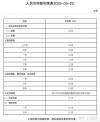
Core Viewpoint - The report from the Bank of China Research Institute indicates that more banks, particularly small and medium-sized banks, are expected to lower deposit interest rates in the last quarter of 2025, especially for medium- and long-term deposits [1] Group 1: Deposit Rate Changes - In the second quarter, the six major state-owned banks lowered their deposit rates, with the current deposit rate dropping to an unprecedented 0.05%, meaning a deposit of 10,000 yuan yields only 5 yuan in annual interest [3] - The one-year fixed deposit rate is now at 0.95%, while the three-year fixed deposit rate is only 1.25%, aligning with the zero-interest rate environment seen in developed economies [3] - Joint-stock banks have also joined the trend of lowering interest rates, with one-year fixed deposit rates around 1.15%, while some city commercial banks and provincial rural commercial banks have rates between 1% and 1.1% [4] Group 2: Comparison of Bank Rates - A table shows various banks' deposit rates, with state-owned banks offering rates of 0.95% for one-year fixed deposits and 1.25% for three-year fixed deposits, while some smaller banks still maintain higher rates [6] - Smaller banks like Shanghai Huari Bank have begun to lower their deposit rates, but their rates remain higher than those of the six major state-owned banks, with one-year fixed deposit rates at 1.5% and three-year rates at 2.3% [12] Group 3: Economic Context - The decline in deposit rates is attributed to banks' varying operational conditions and the need to lower costs in a competitive lending environment, particularly affecting smaller banks that rely heavily on interest rate spreads [7] - The People's Bank of China has not adjusted the benchmark deposit rates since July 2011, leading to a situation where the rates set by the six major banks effectively replace the central bank's rates [12] - The financial system's structural changes have resulted in deposit rates for major banks nearing zero, with current rates at 0.05% for current accounts and 0.9% for one-year fixed deposits [13]






2025年10月最新黄金价格全解析,买金条更划算的秘密
Sou Hu Cai Jing· 2025-10-26 22:01
Core Insights - The current gold market shows significant price variations across different brands and types, making it challenging for consumers to determine the best purchasing options [1][3][5] - Bank gold bars are generally priced more rationally compared to jewelry brands, making them a better choice for investment purposes [3][5][7] - Understanding the factors influencing gold prices, such as brand value, design, and market channels, is crucial for making informed purchasing decisions [3][5][7] Price Comparison - Major jewelry brands like Chow Tai Fook, Tse Sui Luen, and others have gold prices around 1232 CNY per gram, while bank gold bars are priced between 947.6 CNY and 988 CNY per gram [1][3] - The price of standard gold bars from the Shanghai Gold Exchange and state-owned enterprises is approximately 935 CNY per gram, offering high cost-performance [3][5] Investment Strategies - Investors should clarify their purpose for buying gold, whether for jewelry or investment, and focus on weight and price for investment [5][7] - Comparing prices across different channels, including banks and jewelry stores, is essential to find the best deals [5][7] - It is important to consider not just the purchase price but also the buyback price, as high brand premiums can reduce investment value [5][7] Consumer Psychology - Many consumers are influenced by price perceptions and brand allure, but a rational analysis of market conditions and purchasing channels is recommended [7] - Long-term planning is essential in gold investment, and decisions should be based on thorough market understanding rather than short-term price fluctuations [7]

浦发转债即将完美“退场”
Shang Hai Zheng Quan Bao· 2025-10-26 17:24
Core Viewpoint - The successful conversion of the 50 billion yuan SPDB convertible bonds marks a significant milestone in the convertible bond market, with a conversion rate of 99.67% [2][3][5]. Group 1: SPDB Convertible Bonds - The SPDB convertible bonds, issued on November 15, 2019, have reached their final conversion day on October 27, 2023, with only 0.33% remaining unconverted [2][3]. - The successful conversion is attributed to the support from major shareholders and strategic investors, including China Mobile, which increased its stake from 17.88% to 18.18% [5][6]. - The conversion will enhance SPDB's core Tier 1 capital, allowing the bank to maintain a strong capital quality and level amid industry challenges [3][6]. Group 2: Market Impact - The completion of the SPDB bond conversion has led to a significant reallocation of assets within the convertible bond market, with institutions now favoring sectors such as solar energy, agriculture, and technology [2][7]. - The overall convertible bond market has seen a decline, with the total market value dropping below 600 billion yuan, from 168 billion yuan at the beginning of the year to 11.5 billion yuan by the third quarter [7]. - As institutions reduce their holdings in SPDB bonds, they are increasingly investing in other promising sectors, particularly in solar and agricultural bonds [7][8].
信用卡债权腾挪背后
Bei Jing Shang Bao· 2025-10-26 15:50
Core Insights - The article discusses the ongoing trend of credit card debt transfer among banks in response to rising non-performing loans and capital pressure, indicating a strategic shift towards optimizing credit structures and managing risks [1][4]. Group 1: Credit Card Debt Transfer Activities - Multiple banks, including Ping An Bank, SPDB, Ningbo Bank, and Huaxia Bank, have been actively transferring credit card debts to local asset management companies (AMCs) to accelerate the clearing of non-performing loans [2][3]. - Ping An Bank has announced several batches of credit card debt transfers in October, emphasizing the legal obligation of debtors to repay the new creditors post-transfer [2][3]. - The trend is not isolated, as other banks like SPDB and Ningbo Bank have also engaged in similar debt transfer agreements with AMCs, highlighting a collective industry response to rising credit card defaults [3][4]. Group 2: Industry Trends and Data - The credit card non-performing loan transfer has become a common practice in the industry, driven by stricter regulations and increasing default rates [5][6]. - As of October 23, Everbright Bank listed seven personal non-performing loan transfer projects, involving a total of 20,516 borrowers with an outstanding principal and interest of 653 million yuan [5]. - Data from the first quarter indicates that the scale of personal non-performing loan transfers reached 37.04 billion yuan, a year-on-year increase of 7.6 times, with credit card overdrafts accounting for 5.19 billion yuan, or 14% of the total [6][7]. Group 3: Implications for Banks - Analysts suggest that the batch transfer of non-performing loans is a key strategy for banks to quickly reduce their non-performing asset scale and release occupied capital, thus meeting regulatory requirements [4][7]. - The transfer process improves asset quality metrics, directly lowering the non-performing loan ratio and enhancing capital adequacy ratios for banks [7][8]. - The shift towards batch transfers is seen as a more efficient and compliant method compared to traditional collection methods, which are often slow and costly [7][8]. Group 4: Challenges and Strategic Recommendations - The article highlights the dual challenge faced by banks, with both non-performing loan balances and rates increasing, necessitating a more nuanced approach to risk management [8][9]. - Large banks are encouraged to explore asset-backed securities (ABS) for non-performing asset management, while smaller banks should focus on batch transfers or revenue rights transfers to clear bad debts [9][10]. - Recommendations for improving risk management include enhancing credit models, leveraging technology for better risk assessment, and educating customers on responsible credit use [10].



关注信贷需求修复:银行业周报-20251026
Xiangcai Securities· 2025-10-26 14:50
Investment Rating - The industry investment rating is maintained at "Overweight" [4][7]. Core Insights - The new policy financial tools have been implemented to boost credit demand, with over 330 billion yuan allocated by three policy banks [3][27]. - A total of 500 billion yuan in new policy financial tools has been initiated, with 250 billion yuan already invested in 12 major economic provinces, focusing on infrastructure, foreign trade, and emerging sectors like digital economy and AI [4][5]. - The expected leverage effect of the 500 billion yuan policy financial tools could generate approximately 5 trillion yuan in investments and 4 trillion yuan in loans [4][29]. - The rapid deployment of these financial tools is anticipated to enhance credit demand in the fourth quarter, particularly benefiting regional banks due to the demonstration effect from major economic provinces [5][29]. Summary by Sections Market Review - The banking index increased by 1.40% during the period from October 20 to October 26, 2025, underperforming the CSI 300 index by 1.84 percentage points [9]. - The performance of major banks was relatively strong, with Agricultural Bank of China leading with a 4.86% increase [9]. Financial Market - The central bank's net injection in the open market was 198.1 billion yuan, maintaining a loose monetary environment [18]. - The average issuance rates for one-year interbank certificates of deposit were 1.68% for state-owned banks and 1.74% for regional banks, with a notable increase in net financing of 425.3 billion yuan in October [22][26]. Industry Dynamics - The policy financial tools are expected to support long-term public loans and improve loan term structures, with a focus on sustainable credit demand release during project operation cycles [29]. - Investment in emerging industries, particularly AI, is projected to maintain strong financing demand, with technology innovation loans expected to grow rapidly [5][29]. Investment Recommendations - The report suggests focusing on state-owned banks for their stable high dividend yields and potential valuation recovery opportunities for joint-stock and regional banks amid improving economic expectations [7][30].


银行“甩包袱”、资产管理公司接盘,信用卡债权“腾挪”背后
Bei Jing Shang Bao· 2025-10-26 14:26
Core Viewpoint - The ongoing trend of credit card debt transfer among banks is a response to rising non-performing loans and capital pressure, aiming for both short-term risk clearance and long-term credit structure optimization [1][5]. Group 1: Credit Card Debt Transfer Activities - Multiple banks, including Ping An Bank, SPDB, Ningbo Bank, and Huaxia Bank, have announced batch transfers of credit card debts to local asset management companies (AMCs) [3][4]. - Ping An Bank has issued four announcements in October alone regarding the transfer of credit card debts, emphasizing the obligation of debtors to repay the new creditors [3][4]. - The trend is not isolated, as SPDB and Ningbo Bank have also engaged in similar debt transfer agreements with AMCs, highlighting a collective industry movement [4][5]. Group 2: Industry Context and Trends - The transfer of credit card non-performing loans has become a norm in the industry, driven by stricter regulations and rising non-performing loan rates [7][9]. - Data from the first quarter of 2025 indicates that the scale of personal non-performing loan transfers reached 37.04 billion, a year-on-year increase of 7.6 times, with credit card overdrafts accounting for 5.19 billion [8]. - The efficiency of batch transfers compared to traditional collection methods is noted, as it allows banks to quickly offload non-performing assets and reduce capital occupation [9][10]. Group 3: Financial Health and Risk Management - As of mid-2025, the total non-performing credit card loans across 11 banks reached 162.69 billion, with a year-to-date increase of 5.885 billion [10][11]. - The rise in non-performing loans is attributed to aggressive card issuance practices and economic pressures affecting borrowers' repayment capabilities [10][11]. - Differentiated strategies for managing non-performing assets are recommended, with larger banks advised to explore asset securitization while smaller banks focus on batch transfers [11][12]. Group 4: Recommendations for Future Management - To achieve long-term non-performing asset clearance, banks must enhance their risk management frameworks, focusing on credit assessment and customer education [12]. - The implementation of technology in risk management, such as AI for predictive modeling and monitoring, is suggested to improve efficiency in identifying potential defaults [12].