泡泡玛特

Search documents
为什么一半的文旅项目都会失败?
商业洞察· 2026-02-17 09:35
Core Viewpoint - The article emphasizes the need for strategic marketing in the Chinese cultural tourism industry, highlighting that successful companies share a common trait of having a well-defined strategy, while failures often stem from a lack of strategic direction [4]. Group 1: Strategic Marketing - Strategic marketing is defined by three key positions: market positioning to clarify product boundaries, product positioning to avoid competition within a short travel range, and brand positioning to create a brand image that transcends the product itself [5]. - The article identifies ten new trends shaping the future of the Chinese cultural tourism industry, driven by the need for strategic restructuring in response to a slowing economy [5][6]. Group 2: Emerging Trends - The rise of subcultures is seen as a revolutionary force in the cultural tourism sector, with the potential to rejuvenate the industry by focusing on niche markets and unique experiences [8][9]. - The concept of mixed consumption is highlighted, where cultural tourism integrates various commercial elements, creating a comprehensive consumer experience that enhances revenue opportunities [11][12]. - The article discusses the emergence of a performance era in cultural tourism, where high-density performances provide emotional value to consumers, indicating a shift from traditional entertainment models [16][19]. Group 3: IP Development and Consumer Behavior - The article outlines the evolution of IP in cultural tourism, moving from imitation of successful models to the creation of unique, locally relevant IPs that resonate with consumers [20][23]. - The emergence of a "志消费" (aspirational consumption) era is noted, where consumers prioritize cultural capital and lifestyle over mere materialism, reflecting a shift in consumer values [25][28]. Group 4: Media and Data Utilization - The necessity for media-driven survival in the cultural tourism sector is emphasized, advocating for every city and attraction to adopt a media-like operational model to enhance engagement and visibility [29][30]. - The importance of data marketing is highlighted, where businesses must focus on building data assets and customer relationships to drive sustained engagement and growth [34]. Group 5: Emotional Connection and Brand Strategy - The article stresses the significance of emotional resonance in cultural tourism projects, suggesting that successful initiatives must connect deeply with local sentiments and consumer emotions [31][32]. - The dual engagement between attractions and cities is discussed, where both entities must collaborate to enhance cultural representation and consumer experiences, transforming cities into compelling destinations in their own right [39][40].


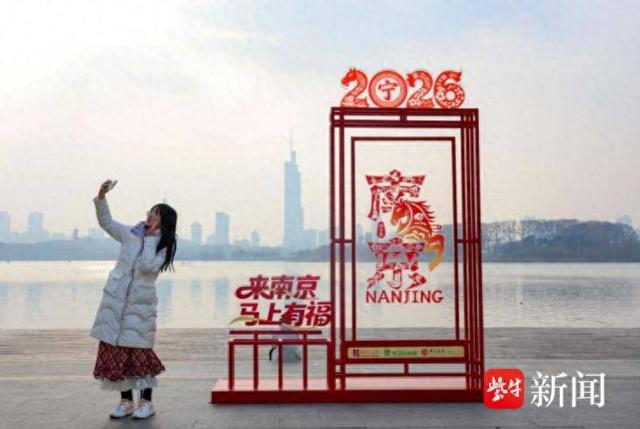
一马当先南京年| 大年初一,“马”上出发逛遍南京
Xin Lang Cai Jing· 2026-02-17 08:03
Group 1 - The article highlights the festive atmosphere in Nanjing during the Lunar New Year, showcasing various cultural and entertainment activities planned for the celebration [1][3][6] - The Nanjing Da Baoen Temple Museum features a unique interactive exhibition themed "Where Are the Magical Animals?" with creative representations of mythical creatures [3][6] - A large-scale original performance titled "Rui Shou Chuan Xi" will take place at the Da Baoen Temple site, featuring historical figures and artistic puppets, enhancing the cultural experience for visitors [6][8] Group 2 - The "New Year Garden Party" at Gan Jia Courtyard offers traditional games and performances, including Huangmei Opera and Nanjing storytelling, from the first to the sixth day of the Lunar New Year [6][8] - The "Dream of Red Mansions" immersive exhibition at the Jiangning Weaving Museum allows visitors to engage with characters from the classic novel, enhancing the festive experience [8][10] - The "Flower Market" event at Qiqiao Weng Park will run from February 17 to 23, featuring local delicacies and cultural activities, promoting community engagement during the New Year [10][12] Group 3 - The Deji Plaza is hosting an immersive experience titled "Weaving the Sky," featuring art installations inspired by the Year of the Horse, along with interactive activities for visitors [12][14] - The opening of the Pop Mart store in Nanjing introduces a series of events, including the "Eight Horses" digital landscape and various themed activities, contributing to the festive atmosphere [14]
中国“国潮”海外闹新春
Xin Hua She· 2026-02-17 07:26
Group 1: Cultural Trends and Consumer Behavior - The Lunar New Year is becoming a significant cultural phenomenon globally, with various countries embracing Chinese traditions in innovative ways, leading to diverse consumer experiences [1] - In Vietnam, the character "Ma Xiao Ye" has gained popularity among young people, reflecting their emotional struggles and resilience, which has resulted in increased sales of related merchandise [2][3] - Thai consumers are drawn to new year-themed blind boxes that align with their cultural preferences for auspicious symbols, indicating a blend of Chinese and local traditions [3] Group 2: Technological Integration and Experiences - The integration of technology in cultural celebrations is evident, with service robots enhancing operational efficiency in restaurants during the Lunar New Year, showcasing China's technological advancements [4] - In Malaysia, a robot experience center combines traditional cultural elements with modern technology, providing visitors with interactive experiences that celebrate the festive atmosphere [4] - An immersive exhibition in Australia utilizing holographic technology has attracted significant interest, allowing visitors to experience Chinese heritage in a modern context, highlighting the fusion of technology and culture [5][6]
通讯丨中国“国潮”海外闹新春
Xin Hua Wang· 2026-02-17 06:54
Group 1: Cultural Trends and Consumer Behavior - The Lunar New Year is becoming a significant cultural phenomenon globally, with various countries embracing Chinese traditions in innovative ways, leading to diverse consumer experiences [1] - In Vietnam, the character "Ma Xiao Ye" has gained popularity among young people, reflecting their emotional connection to daily life and the desire for positivity amidst challenges [2][3] - Thai consumers are drawn to new year-themed products that align with their cultural values, such as good fortune and happiness, showcasing a blend of Chinese and local traditions [3] Group 2: Technological Integration and Innovation - The integration of technology in cultural experiences is evident, with service robots enhancing operational efficiency in restaurants during the Lunar New Year, particularly in South Korea [4] - Malaysia's i-City AI World showcases a fusion of traditional culture and cutting-edge technology, providing visitors with interactive experiences that celebrate the festive season [4] - In Australia, immersive experiences using holographic technology are attracting visitors, allowing them to engage with Chinese cultural heritage in a modern context [6]
强力升温逾三成!基金经理:这一维度是选股“硬逻辑”
券商中国· 2026-02-16 07:46
Core Viewpoint - The article discusses the rebound of Pop Mart's stock price and highlights the broader recovery trend in the new consumption sector, emphasizing the importance of overseas expansion for Chinese consumer companies to overcome domestic demand bottlenecks [1][4]. Group 1: Pop Mart's Stock Performance - Pop Mart's stock price rebounded by 38% as of February 13, following a decline that saw it drop over 46% to a low of 174 HKD per share on January 19 [2][3]. - In the fourth quarter of 2025, public funds reduced their holdings in Pop Mart, with the number of shares decreasing from approximately 46.35 million to 37.59 million, and the number of funds holding the stock dropping from 180 to 123 [2]. - Some funds, such as Ruifeng Hong Kong Stock Core Value, increased their positions significantly, indicating potential gains if they do not reduce their holdings in the near future [2][3]. Group 2: New Consumption Sector Recovery - The new consumption sector is showing signs of recovery, with several stocks, including Luk Fook Holdings and Kweichow Moutai, experiencing significant price increases [4]. - The Chinese government's macroeconomic policies, focusing on expanding domestic demand and boosting consumption, are expected to provide strong support for the recovery of the consumption sector [4][5]. Group 3: Overseas Expansion as a Trend - The article highlights a consensus among fund managers regarding the importance of overseas expansion for consumer companies, viewing it as a key investment direction alongside AI technology [7]. - Companies that can enhance their value, brand strength, and global competitiveness are increasingly seen as worthy of attention in the current economic landscape [7][8]. - The ability to expand production capacity, technology, and cultural influence abroad is crucial for new consumer enterprises to succeed in international markets [8].

当年轻人说“爱你老己”:情绪经济正在成形吗?
Xin Lang Cai Jing· 2026-02-16 07:24
Core Concept - The article discusses the emergence of the "emotional economy," which encompasses various aspects such as "self-love economy," "companionship economy," and "anger economy," highlighting how emotions are increasingly activated and monetized in consumer behavior [2][30]. Group 1: Emotional Economy Overview - The emotional economy is defined as a new economic form where consumer purchases are driven by emotional value rather than just functional or price considerations [5][33]. - Emotional consumption is characterized by the pursuit of inner joy, comfort, recognition, or stress relief, emphasizing the experience of feeling over the physical product itself [5][33]. - The emotional economy includes three layers: emotions as commodities, the role of platforms in capturing and analyzing emotional data, and the shift of brands towards providing meaning and empathy [6][33][36]. Group 2: Case Study - Pop Mart - Pop Mart serves as a clear example of how the emotional economy operates, utilizing a blind box model that creates uncertainty and emotional anticipation, significantly enhancing purchase willingness [7][35]. - The business model of Pop Mart relies on a system that converts emotions into data, allowing for the adjustment of emotional supply based on consumer feedback [8][36]. - Pop Mart's strategy focuses on maintaining ongoing emotional connections with consumers rather than just completing sales, thus transforming emotions into a systematic economic resource [8][36]. Group 3: Market Trends and Growth - The emotional economy in China is rapidly evolving, with a significant portion of young consumers (over 40.1%) prioritizing emotional value and interest in their purchasing decisions [9][37]. - The market size of the emotional economy in China reached approximately 2.3 trillion yuan in 2024, with projections to exceed 4.5 trillion yuan by 2029 [9][37]. - Emotional experiences shared on social media contribute to the formation of a "sympathy network," which can be transformed into economic value [9][37]. Group 4: Key Aspects of Emotional Economy - The "self-love economy" emphasizes personal well-being and mental health expenditures, with services like massage and meditation becoming regular budget items [16][44]. - The "companionship economy" includes the growing pet economy, which reached nearly 300 billion yuan in 2025, and the increasing acceptance of online psychological services [19][47]. - The "anger economy" highlights how negative emotions are exploited for engagement on social media, with anger being a particularly effective driver of content sharing and interaction [22][23].

证券时报2026年新春贺词
券商中国· 2026-02-16 04:38
Core Viewpoint - The article emphasizes the importance of "investing in people" as a response to the rapid advancements in artificial intelligence (AI) and the need for individuals to find their place in a technology-driven world [1][2]. Group 1: Investment in People - Investing in people serves as a safety net, providing support for new parents, consumers upgrading their technology, patients accessing better healthcare options, and elderly individuals receiving community services [2]. - The concept of investing in people also aims to uplift individuals' dreams, as seen in the success stories of young entrepreneurs and the rise of innovative companies in the AI era [2]. Group 2: Cultural and Philosophical Foundations - The article highlights the philosophical underpinnings of investing in people, referencing historical figures like Confucius and Protagoras, emphasizing the intrinsic value of human life and the importance of human-centered development [3][4]. - It stresses the need for cultural confidence and the nurturing of individual potential to maintain societal stability amidst rapid technological changes [4]. Group 3: Future Aspirations - The article calls for a balance between technological advancement and human values, encouraging individuals to embrace their agency in shaping their destinies [4]. - It concludes with a hopeful message for the new year, urging a collective pursuit of dreams and aspirations while cherishing the warmth of human connections [4].

当年轻人说“爱你老己”:情绪经济正在成形吗?
经济观察报· 2026-02-16 03:07
Core Viewpoint - The article discusses the emergence of the "emotional economy," which encompasses various consumer behaviors driven by emotions, such as self-care, companionship, and anger, highlighting the complexities and implications of these trends in modern society [4][6][30]. Group 1: Emotional Economy Overview - The emotional economy is defined as a new economic form where consumers prioritize emotional value over functional value in their purchasing decisions [9][12]. - Emotional consumption is driven by the need for psychological comfort, self-identity, and emotional resonance, rather than just the utility of products [8][9]. - The emotional economy includes three layers: emotions as commodities, the role of data and platforms in shaping emotional experiences, and the shift from functional value to emotional connection in brand relationships [9][11]. Group 2: Examples of Emotional Economy - Pop Mart serves as a clear example of the emotional economy, where its blind box model creates emotional anticipation and excitement, leading to increased consumer willingness to purchase [10][11]. - The emotional value derived from Pop Mart's products is not just about the toys themselves but the designed emotional experience associated with the purchase [10][11]. - The emotional economy is rapidly growing, with a projected market size of approximately 2.3 trillion yuan in 2024, expected to exceed 4.5 trillion yuan by 2029 [12]. Group 3: Subcategories of Emotional Economy - The "self-love economy" has gained prominence, where consumers focus on personal well-being and emotional satisfaction through various expenditures, such as wellness services and hobbies [20][21]. - The "companionship economy" is characterized by the rise of AI companionship and emotional support services, which have become significant in addressing loneliness and emotional needs [24][25]. - The "anger economy" reflects the monetization of negative emotions, particularly through social media, where content designed to provoke anger garners more engagement and visibility [26][27]. Group 4: Future Implications of Emotional Economy - The emotional economy raises concerns about the potential for emotional commodification to lead to a depoliticized approach to self-care, shifting responsibility for emotional well-being onto individuals rather than addressing systemic issues [30][32]. - The article suggests that while the emotional economy can provide short-term comfort, it may also internalize structural problems as personal issues, complicating the relationship between individual well-being and societal conditions [31][32]. - The evolution of the emotional economy may lead to a revaluation of emotional skills in the workforce, particularly as AI takes over more analytical tasks, potentially benefiting those with strong emotional intelligence [33].


证券时报2026年新春贺词丨策马扬鞭踏春行
证券时报· 2026-02-16 03:05
Core Viewpoint - The article emphasizes the importance of "investing in people" as a response to the rapid advancements in artificial intelligence (AI) and the need for individuals to find their place in an evolving world driven by technology [1]. Group 1: Investment in People - Investing in people serves as a safety net, providing support through various social benefits such as maternity allowances, consumer incentives for upgrading technology, expanded healthcare options, and community services for the elderly [2]. - The concept of investing in people also aims to uplift individuals, enabling them to realize their dreams and aspirations, as seen in the success stories of young entrepreneurs and innovative companies in the AI era [2]. Group 2: Cultural and Philosophical Foundations - The article highlights the philosophical underpinnings of investing in people, referencing historical figures like Confucius and Protagoras, emphasizing the intrinsic value of human life and the need for comprehensive development [3]. - It stresses that true investment in people is not just for immediate prosperity but also for nurturing cultural confidence and ensuring that individuals can navigate the complexities of modern society [4]. Group 3: Policy and Societal Implications - The article notes that the recent policies from the 20th National Congress of the Communist Party of China advocate for a close integration of investments in both material and human resources, aiming for holistic societal development [4]. - It concludes that the essence of investing in people lies in recognizing their cultural and personal significance, which is crucial for maintaining stability amid rapid technological changes [4].
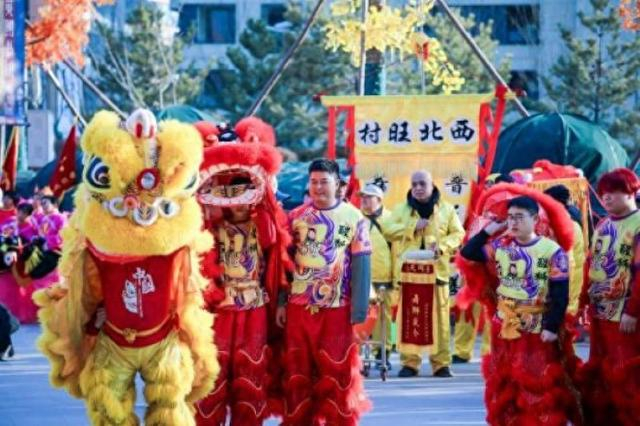
新春走基层 | 北京“情绪消费”走俏,稻香村零号店排队两小时,年轻人“买盲盒”过年
Hua Xia Shi Bao· 2026-02-16 02:40
Core Insights - The article highlights the vibrant marketing activities in Beijing's shopping malls during the Spring Festival, focusing on traditional cultural experiences and emotional consumption trends [3][4][16]. Group 1: Spring Festival Marketing Activities - Shopping malls in Beijing are enhancing their New Year marketing with various activities, including lion dances and intangible cultural heritage experiences, to create a festive atmosphere [3][4]. - Haidian Joy City has organized a series of themed events titled "Celebrate the New Year with Haidian Joy City," integrating cultural experiences, emotional connections, and leisure shopping [4]. - Dragon Lake Group's "Tianjie Temple Fair" is being held across nearly a hundred shopping centers nationwide, emphasizing traditional culture and immersive experiences [4][5]. Group 2: Unique Store Formats - The "zero store" and "first store" formats are gaining popularity, attracting customers with unique products and experiences [10][12]. - The first Miniso store in Beijing features a large area with various product categories, including toys and beauty items, and has become a popular destination for shoppers [10][12]. - The Daoxiangcun zero store in Dongsi offers freshly baked products and unique styles, appealing to both locals and tourists [14]. Group 3: Emotional Consumption Trends - There is a noticeable shift in consumer behavior towards emotional consumption, especially among younger demographics, who are increasingly purchasing novelty items like blind boxes for festive celebrations [16][17]. - The "PUCKY Knock Knock Series" has become a hot item, reflecting the trend of consumers seeking unique and meaningful purchases during the holiday season [17][19]. - Marketing strategies are also focusing on the zodiac theme, with creative installations attracting public interest and engagement [20].