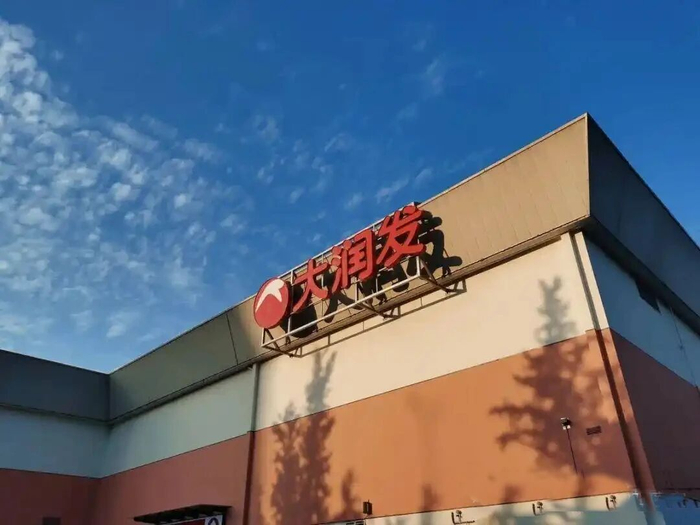
高鑫零售

Search documents
阿里系老将挂帅 高鑫零售“求变”提速
Zhong Guo Jing Ying Bao· 2025-12-05 21:20
Core Insights - The primary challenge for the newly appointed CEO Li Weiping is to address the company's declining performance, with a reported revenue of 30.502 billion yuan for the six months ending September 30, 2025, representing a year-on-year decrease of 12.01% and a loss attributable to equity shareholders of 123 million yuan [1][6] Company Transition - High-end retail company Gao Xin Retail has appointed Li Weiping as the new CEO, succeeding Shen Hui, who resigned due to family matters. This leadership change is effective from December 1, 2025 [3][4] - Shen Hui's tenure lasted less than two years, during which he focused on returning to the essence of retail and enhancing brand competitiveness [4][6] Industry Context - The retail industry in China is currently facing intense competition, with traditional supermarkets like Gao Xin Retail struggling against e-commerce platforms and various retail formats [6][10] - Experts suggest that the recent leadership changes in the retail sector reflect a demand for experience in efficiently integrating online and offline operations [4][6] Strategic Direction - Li Weiping's extensive experience in the retail sector, particularly with Alibaba's Hema Fresh, positions her to lead Gao Xin Retail through its transformation [4][5] - The company aims to enhance its product offerings and operational efficiency, focusing on a multi-format strategy that includes large supermarkets, medium-sized supermarkets, and membership stores [8][10] Financial Performance - Gao Xin Retail reported a significant decline in operating profit, with a 56.4% drop to 271 million yuan, and a shift from a profit of 206 million yuan in the previous year to a loss of 123 million yuan [6][10] - The company has initiated several reforms, including closing underperforming stores and restructuring its operational framework to improve efficiency and competitiveness [10][11] Challenges Ahead - The transition to a multi-format retail strategy poses challenges in resource allocation and operational coordination, which may hinder the company's ability to respond effectively to market demands [7][10] - Experts emphasize the need for a balanced approach to immediate cost-cutting measures and long-term strategic development to enhance product differentiation and brand reputation [10][11]

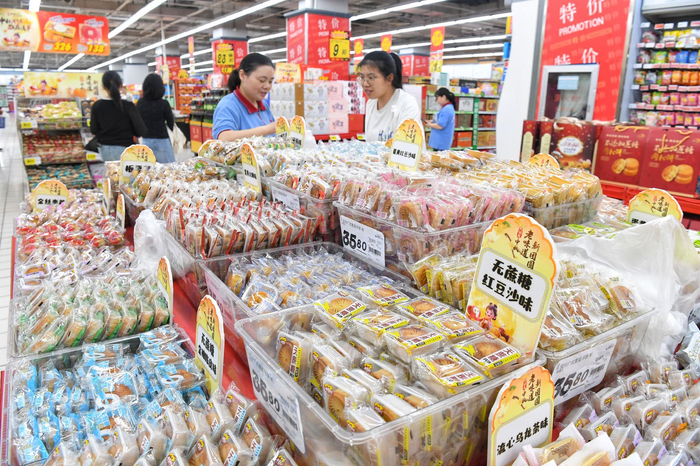
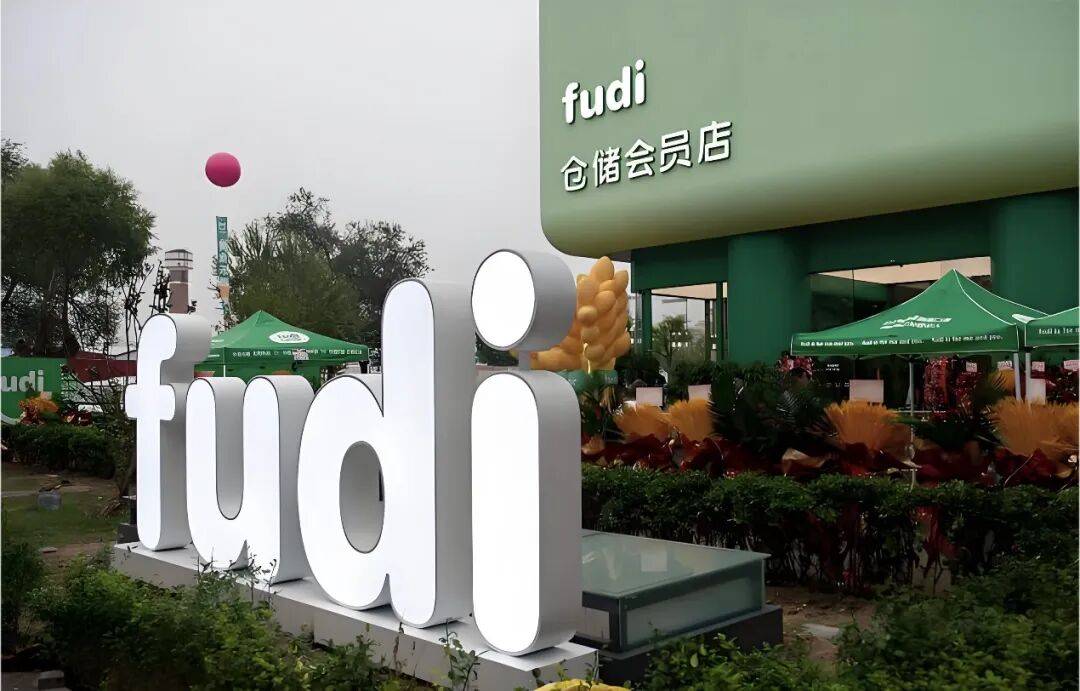
综合毛利率不超10%,fudi会员店的本土化改造
Sou Hu Cai Jing· 2025-12-05 14:02
Core Insights - Fudi's first store, located at Yaowahu Lake, has announced a temporary closure to upgrade into its first flagship store in Beijing, while still allowing online orders through its app [4][6] - The closure is part of a broader strategy to enhance Fudi's market presence and adapt to consumer preferences, particularly in the context of recent industry challenges faced by competitors like Hema [9][10] Company Developments - Fudi is transitioning its Yaowahu Lake store into a flagship location, indicating a shift in strategy rather than a failure in operations [4][6] - The company has partnered with JD for rapid delivery services, ensuring continued customer engagement during the store's closure [8] - Fudi has expanded its presence in Beijing with four warehouse membership stores and two community supermarkets, with plans for further expansion likely in Chengdu [8] Industry Context - The closure of Hema's membership stores highlights the challenges in the membership retail sector, leaving Fudi and M Membership Store as the remaining players in this niche [9][10] - Hema's shift away from a paid membership model to a discount-based approach reflects a broader industry trend towards more accessible retail formats [10][12] - The membership model's viability is under scrutiny, as consumer hesitance towards upfront membership fees increases, necessitating Fudi to provide compelling reasons for membership renewals beyond price [31][33] Product Strategy - Fudi differentiates itself by offering smaller packaging sizes and a higher proportion of fresh produce, catering to urban consumers' purchasing habits [15][18] - The product selection includes trendy and local items aimed at younger consumers, enhancing the shopping experience beyond mere grocery shopping [20][23] - Fudi's strategy involves leveraging direct sourcing to maintain lower prices, although this approach may increase operational complexity and costs [24][26] Future Challenges - Fudi's business model faces challenges in achieving profitability due to high operational costs associated with fresh produce and small packaging [26][31] - The upcoming flagship store's location and operational strategy will be critical in determining Fudi's ability to sustain growth and profitability in a competitive market [33][35] - The company's expansion into new cities will require careful consideration of local consumer preferences and operational efficiencies to ensure a successful rollout [35][37]
山姆“人设”滑坡、沃尔玛“沃集鲜”成新宠 新老势力混战“自有品牌”谁能更胜一筹?
Mei Ri Jing Ji Xin Wen· 2025-12-05 13:37
Core Insights - Walmart is developing its private label "Wojixian" as a response to the competitive pressures from e-commerce and emerging retailers, positioning it as a "budget version" of Sam's Club [1][2] - The shift towards private labels by traditional retailers like Walmart and RT-Mart is driven by the need to compete with e-commerce platforms and new entrants in the retail market [1][3] Group 1: Private Label Strategy - Walmart's "Wojixian" focuses on affordability and health, with visible pricing strategies such as "everyday low prices" [2][3] - RT-Mart is also enhancing its private label offerings, emphasizing low prices and health trends, but adopts a dual-brand strategy for its private labels [2][3] - The competition in the retail sector is prompting established players to adopt private labels as a core strategy to attract customers and improve profit margins [4][6] Group 2: Market Performance and Challenges - RT-Mart's parent company, Gao Xin Retail, reported a revenue decline of 12.1% year-on-year, highlighting the financial pressures faced by traditional retailers [3] - Walmart's performance in China is primarily driven by the success of Sam's Club, while its traditional hypermarket format is facing challenges, including store closures [3][4] - The competition for quality suppliers and production sources is intensifying as retailers like Hema and Dingdong Maicai have already established strong private label brands [4][6] Group 3: Supply Chain and Brand Development - Successful private label development requires strong supply chain management and the ability to create distinct brand value [6][7] - Retailers are increasingly focusing on sourcing high-quality suppliers, with Walmart currently evaluating a limited number of potential suppliers for its private label products [6][7] - The competition for premium suppliers and production capabilities is expected to escalate as traditional retailers enhance their private label strategies [6][7]

从“囤货天堂”到“关店潮”:大卖场的黄金时代落幕
Sou Hu Cai Jing· 2025-12-05 07:11
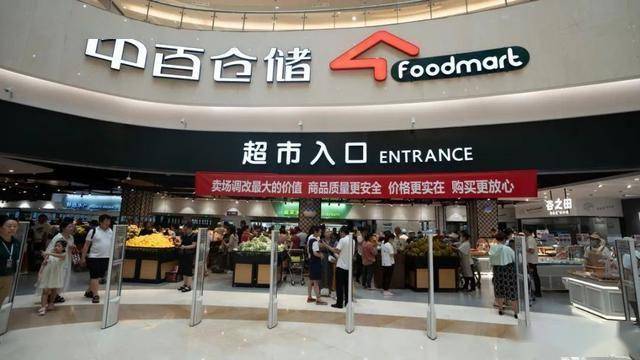
Core Viewpoint - The closure of 30 stores by Zhongbai Group highlights a significant shift in the retail landscape, indicating that traditional hypermarkets are struggling to adapt to changing consumer behaviors and market dynamics [2][12][18] Company Summary - Zhongbai Group announced the closure of 30 warehouse hypermarkets, incurring a loss of 180 million yuan [2] - The company reported a cumulative loss of 580 million yuan in the first three quarters, with a debt-to-asset ratio of 86.79% and a current ratio of 0.40, indicating severe financial distress [2] - The closures include both long-standing stores and newer ones, suggesting a fundamental misalignment with market demands [2] Industry Summary - The hypermarket model is facing a crisis, with 62 out of the top 100 chain supermarkets in China reducing their store counts, totaling 3,037 closures [12] - Major players like Walmart, Yonghui, and RT-Mart are also closing stores, indicating a broader industry trend rather than isolated incidents [12][14] - The shift from a scarcity-driven market to an information-rich environment has changed consumer purchasing behavior, favoring convenience and experience over price [12][14] - The traditional hypermarket's reliance on low prices and large-scale operations is becoming obsolete as consumers prefer personalized and efficient shopping experiences [16][18]

马云有魄力,阿里套现300亿走人
Sou Hu Cai Jing· 2025-12-05 01:56
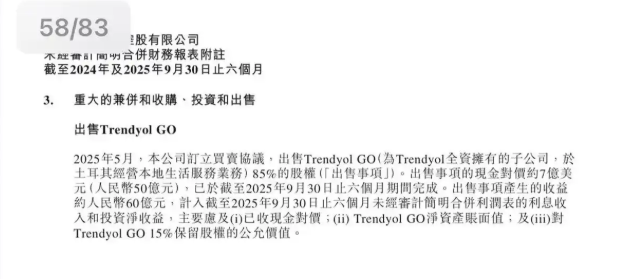
Core Viewpoint - Alibaba is undergoing a significant transformation by divesting non-core assets and focusing on its core businesses of e-commerce and AI + cloud, marking a strategic shift from its previous expansive approach [1][10]. Group 1: Asset Divestiture - Alibaba has sold over 300 billion yuan worth of assets since the beginning of 2025, indicating a systematic approach to streamline its operations [9]. - Recent transactions include the sale of 85% of Trendyol GO for approximately 7 million USD (about 50 million yuan) and the complete divestiture of its stake in Gao Xin Retail for about 131 million HKD [2][7]. - The company has also reduced its holdings in various publicly listed companies, including a 2% stake in YTO Express, generating nearly 20 million yuan in cash [8][10]. Group 2: Strategic Focus - The new leadership under Chairman Cai Chongxin and CEO Wu Yongming has established a strategic focus on "user-first" and "AI-driven" initiatives, leading to a reorganization of the company into six major business groups [11]. - The divestiture of non-core assets is aimed at reallocating resources to high-growth areas such as AI and cloud services, which are expected to drive future revenue [12][24]. - Alibaba plans to invest 380 billion yuan over the next three years in building AI and cloud infrastructure, reflecting its commitment to becoming a technology-driven enterprise [12][15]. Group 3: Market Positioning - The shift in strategy is a response to the increasingly competitive landscape in the e-commerce sector, where growth is slowing and companies must focus on efficiency and profitability [23][24]. - Alibaba's recent performance shows a 5% year-on-year revenue growth to 2,477.95 billion yuan, but net profit has halved, indicating the need for a strategic pivot [9]. - The company is also focusing on instant retail, with significant growth reported in its Taobao Flash Purchase service, which saw a 200% increase in monthly active buyers since its upgrade [15][18].


高鑫零售(06808) - 二零二五年十二月四日下午五时正举行之股东特别大会的表决结果
2025-12-04 11:17
香港交易及結算所有限公司及香港聯合交易所有限公司對本公告的內容概不負責,對其準確性 或完整性亦不發表任何聲明,並明確表示,概不對因本公告全部或任何部分內容而產生或因倚 賴該等內容而引致的任何損失承擔任何責任。 SUN ART RETAIL GROUP LIMITED 高鑫零售有限公司 (於香港註冊成立之有限公司) (股份代號:06808) 二零二五年十二月四日下午五時正 舉行之股東特別大會的表決結果 茲提述高鑫零售有限公司(「本公司」)日期為二零二五年十一月十四日的通函(「通 函」),其中包括本公司於二零二五年十二月四日下午五時正舉行的股東特別大會 (「股東特別大會」)通告(「通告」)。除文義另有所指外,本公告所用詞彙與通函所 界定者具有相同涵義。 於股東特別大會當日,已發行股份總數為9,540,504,700股,即賦予股份持有人權 利以出席股東特別大會並於會上對普通決議案投票的股份總數。本公司概無持有 庫存股份(包括由香港中央結算有限公司設立並營運的中央結算及交收系統持有 或寄存的任何庫存股份),因此概無庫存股份的投票權於股東特別大會上獲行使。 概無股份賦予股份持有人權利以出席股東特別大會但須根據《香港聯合 ...
高鑫零售(06808) - 截至二零二五年九月三十日止六个月中期股息股息货币选择表格
2025-12-04 08:30
+ CCS3638 SARH THIS DOCUMENT IS IMPORTANT AND REQUIRES YOUR IMMEDIATE ATTENTION 此乃要件 請即處理 If you are in any doubt as to any aspect of this document or as to the action to be taken, you should consult your stockbroker or other registered dealer in securities, bank manager, solicitor, professional accountant or other professional adviser. SUN ART RETAIL GROUP LIMITED 高鑫零售有限公司 (Incorporated in Hong Kong with limited liability) (於香港註冊成立之有限公司) (Stock Code 股份代號:06808) DIVIDEND CURRENCY ELECTION FORM FOR THE INTER ...
阿里卖掉子公司85%股权,收益60亿
2 1 Shi Ji Jing Ji Bao Dao· 2025-12-04 07:56
Group 1 - Alibaba disclosed in its mid-term report for the fiscal year 2026 that it sold 85% of Trendyol GO to Uber for approximately $700 million, generating a profit of about 6 billion RMB, which has been included in the investment net income for the first half of 2025 [1][3] - Trendyol GO, a rapid delivery service under Turkey's e-commerce giant Trendyol, completed over 200 million orders in 2024 with a transaction volume of $2 billion, making it a key player in Turkey's instant retail market [3] - The sale of Trendyol GO is part of a broader strategy, as Alibaba has also fully exited from offline retail formats by selling its stakes in Intime Retail and Sun Art Retail [3] Group 2 - Alibaba has established "AI-driven, cloud-first" as its core strategy, with CEO Wu Yongming indicating that the company is in a critical investment phase for building AI technology infrastructure and a consumer platform [3] - For the second quarter of fiscal year 2026, Alibaba reported revenue of 247.795 billion RMB, a year-on-year increase of 5%, while net profit decreased by 53% to 20.612 billion RMB [3] - The revenue from Alibaba's instant retail business reached 22.906 billion RMB, a 60% increase compared to 14.321 billion RMB in the same period last year [3] Group 3 - According to analysis from China Merchants Securities, Alibaba's e-commerce business is expected to maintain competitive strength, with growth potential in its food delivery services and long-term growth in cloud and AI businesses, projecting Non-GAAP net profits of 106.9 billion RMB, 166.6 billion RMB, and 201.8 billion RMB for FY2026-2028 [4]
336万年薪!从盒马空降大润发,李卫平能否扭转亏损局面?
2 1 Shi Ji Jing Ji Bao Dao· 2025-12-03 12:56
Core Viewpoint - The appointment of Li Weiping as CEO of Gao Xin Retail is seen as a strategic move to revitalize the company during a critical transition period, with expectations for her to enhance product differentiation and supply chain efficiency [1][2]. Group 1: Leadership Transition - Li Weiping has a strong background in retail, having held various significant positions at Hema, including CEO and Chief Merchandise Officer [2]. - Gao Xin Retail has undergone a leadership change, with Li Weiping taking over from Shen Hui, who resigned due to personal reasons [1][2]. - The company has high hopes for Li Weiping to implement its three-year strategy effectively, focusing on product and supply chain improvements [1][2]. Group 2: Financial Performance - Gao Xin Retail reported a 12.1% year-on-year decline in revenue for the first half of the 2026 fiscal year, amounting to 30.502 billion yuan, with a loss of 123 million yuan compared to a profit of 206 million yuan in the previous year [2]. - The company aims to achieve profitability in the 2025 fiscal year, targeting a net profit of 386 million yuan [3]. Group 3: Strategic Initiatives - Gao Xin Retail is actively pursuing store renovations, planning to complete over 30 store renovations in the current fiscal year and over 200 by the next fiscal year [4]. - The company is focusing on increasing its own brand sales, which currently represent a low percentage of total sales, as part of its transformation strategy [5]. Group 4: Market Positioning - Gao Xin Retail is differentiating itself from competitors like Hema and Yonghui by seeking to optimize its unique advantages in the retail space [3][4]. - The company recognizes the importance of integrating online and offline operations, with online sales accounting for over 30% of revenue [4]. Group 5: Governance and Challenges - The company is facing challenges related to governance and internal management, highlighted by recent corruption cases involving senior executives [5]. - Strengthening internal governance and increasing the proportion of private label products are key objectives for Gao Xin Retail moving forward [5].
47岁盒马系女高管,接棒600亿超市之王
2 1 Shi Ji Jing Ji Bao Dao· 2025-12-03 04:29
Core Viewpoint - High-end retail company Gao Xin Retail has appointed its third CEO in 20 months, with Li Weiping taking over from Shen Hui due to personal reasons, effective December 1 [2][3] Company Overview - Gao Xin Retail operates several brands including RT-Mart and M Membership stores, with a total of 462 large stores, 32 medium-sized supermarkets, and 7 M Membership stores as of the end of September [2] Leadership Transition - Li Weiping, aged 47, has over 20 years of experience in the retail industry, having previously worked at China Resources and Lotte Supermarket before joining Hema in 2018 [2][3] - The company is currently undergoing a critical transformation period, with a shift in control from Alibaba to Dehong Capital, which has set a three-year strategic plan for Gao Xin [3][6] Financial Performance - For the period from April to September, Gao Xin reported revenues of approximately 30.5 billion yuan, with core sales declining by 12.4% to 29.08 billion yuan, and a net loss of 123 million yuan [6][11] Strategic Focus - Dehong Capital's strategy includes enhancing product differentiation and supply chain efficiency, particularly in fresh produce, and aims to increase online sales to 40%-50% within three years [6][7] - The company plans to remodel 200 stores before the next fiscal year and is focused on achieving quick results from these changes [11] Expectations for New CEO - Li Weiping's extensive background in procurement and supply chain management aligns well with the company's needs during this transformation phase [7][8] - The company has established a three-year service agreement with Li, offering a base salary of 3.36 million yuan and annual bonuses [9]