三星

Search documents
小米17Ultra确认涨价,卢伟冰:涨得还会有点多
Guan Cha Zhe Wang· 2025-12-22 09:30
Core Viewpoint - Xiaomi's 17 Ultra series is set to be officially launched on December 25, 2023, with a significant price increase anticipated due to rising memory costs [1][2]. Pricing and Cost Factors - The pricing pressure for the Xiaomi 17 Ultra is primarily attributed to a substantial increase in memory prices, which has outpaced the cost increases of processors and camera configurations [2]. - The expected starting price for the Xiaomi 17 Ultra is projected to rise to 6,999 yuan, an increase of 500 yuan compared to the previous generation [8]. - The global storage market is experiencing a "super cycle," leading to widespread price increases across various smartphone brands, with price hikes ranging from 100 to 500 yuan [8]. Product Specifications - The Xiaomi 17 Ultra will feature the Qualcomm Snapdragon 8 Gen 2 processor, a 6.8-inch display, and an increased battery capacity of 6,800 mAh, up from 6,000 mAh in the previous model [6]. - The device will include a 1-inch LOFIC main camera and a 200-megapixel Leica APO telephoto lens, promising significant advancements in night photography [6]. Market Trends - The demand for high-performance computing (HPC) driven by AI has shifted memory production priorities, resulting in a tight supply for mobile devices [2]. - According to recent reports, the DRAM industry is expected to see a 30.9% quarter-over-quarter revenue increase, reaching $41.4 billion by Q3 2025, with further price increases anticipated [8]. Strategic Responses - Xiaomi has signed supply agreements with partners to secure its supply chain through 2026, indicating a proactive approach to manage rising costs [9]. - The company acknowledges that while price increases may help absorb some of the rising memory costs, not all costs can be passed on to consumers, necessitating improvements in product structure to mitigate the impact [9].


三星发布全球首款2nm手机芯片;字节跳动宣布提高人才薪酬和期权激励力度;马斯克成为史上首位身家超7000亿美元富豪
Sou Hu Cai Jing· 2025-12-22 06:42
Group 1: Samsung's 2nm Chip Launch - Samsung has officially launched the world's first 2nm mobile application processor, the Exynos 2600, designed by its System LSI division and manufactured using its own foundry with GAA technology [4] - The Exynos 2600 features a new 10-core CPU design based on the Arm v9.3 architecture, with a high-performance core running at up to 3.8GHz, supported by three performance cores and six efficiency cores [4] - The chip introduces the Xclipse 960 GPU and an upgraded NPU that accelerates processing speed by 113%, along with AI algorithms for image processing, supporting cameras up to 320 million pixels [4] Group 2: ByteDance's Talent Investment - ByteDance has announced an increase in talent investment, enhancing salary competitiveness and stock option incentives for its global employees [5] - The measures include a 35% increase in the performance evaluation cycle for bonuses, a 1.5 times increase in salary adjustments compared to the previous cycle, and raising the salary package limits for all job levels [5] - The company aims to ensure that employee compensation remains competitive and leading in global markets [5] Group 3: Elon Musk's Wealth Milestone - Elon Musk has become the first individual in history to surpass a net worth of $700 billion, reaching $749 billion as of December 21, according to Forbes [6] - This surge in wealth is attributed to the restoration of a long-suspended compensation plan, which was valued at $56 billion when Musk received it from Tesla in 2018 [6] - The Delaware Supreme Court reinstated this compensation plan, which had previously been rejected by a lower court [6] Group 4: OpenAI's Funding Goals - OpenAI is seeking to raise up to $100 billion to fund its ambitious growth plans, with the current market interest in artificial intelligence cooling down [7] - If successful in raising the full amount, OpenAI's valuation could reach $830 billion [7] - The funding round is still in its early stages, and the completion is targeted for the end of the first quarter of next year [7] Group 5: SoftBank's Commitment to OpenAI - SoftBank is racing against time to fulfill its $22.5 billion funding commitment to OpenAI by the end of the year [8] - The company is exploring various cash-raising strategies, including selling parts of its investments, and has already sold its entire stake in Nvidia for $5.8 billion [8] - SoftBank's CEO Masayoshi Son is also slowing down other transactions related to the Vision Fund [8] Group 6: Meta's AI Development - Meta Platforms is developing a new AI model focused on images and videos, codenamed Mango, alongside a next-generation text-based language model [9] - These models are expected to be released in the first half of 2026 [9] - The AI models will debut soon, with another language model codenamed Avocado being launched simultaneously [9] Group 7: NVIDIA's Investment in Intel - The U.S. Federal Trade Commission has approved NVIDIA's $5 billion investment in Intel, aimed at supporting the domestic semiconductor industry [10] - The details of the transaction remain undisclosed, but it raises concerns about potential changes in the competitive landscape, particularly for competitors like TSMC and AMD [10] Group 8: Visa Processing Delays for Foreign Employees - Google and Apple have advised some foreign employees on work visas to avoid international travel due to delays in U.S. visa processing caused by new social media scrutiny requirements [11] - The delays have extended visa appointment wait times, with some face-to-face interviews pushed back by up to a year [11] Group 9: Google Privacy Lawsuit in Spain - A Spanish consumer rights organization has initiated preliminary legal proceedings against Google, accusing it of collecting sensitive personal data and violating privacy rights [12] - The organization claims that Google has gathered data on users' personal opinions, religious beliefs, and health status through its applications and Android operating system [12] - It estimates that up to 37 million users in Spain may be affected by this data collection [12] Group 10: Kakao's Negotiations with Upstage - Kakao is in talks with the South Korean AI startup Upstage regarding the potential sale of its portal site Daum [13] - Kakao holds full ownership of Daum's parent company, AXZ, and the transfer of operational control may occur through a share exchange with Upstage [13] - Upstage is preparing for an initial public offering (IPO) in early next year [13] Group 11: Japan's National AI Project - The Japanese government plans to collaborate with the private sector to launch a large-scale national AI project valued at approximately 3 trillion yen (about $190 billion) [14][15] - The new company, led by SoftBank and involving over ten Japanese firms, aims to develop the country's largest foundational AI model [14] - The project is expected to gather around 100 experts selected through a company competition, including engineers from SoftBank and developers from Preferred Networks [14]




20cm速递|科创芯片ETF国泰(589100)涨超1.7%,AI存储周期驱动供需格局变化
Mei Ri Jing Ji Xin Wen· 2025-12-22 06:40
Group 1 - The electronic and semiconductor industry is currently experiencing an AI-driven storage supercycle, driven by massive demand for storage from AI servers and a supply-demand gap due to leading manufacturers shifting capacity towards high-end products [1] - Demand for HBM, a core component for AI servers, is experiencing explosive growth, with Micron Technology's HBM supply for 2026 already sold out [1] - This cycle differs from previous ones as AI applications are shifting from training to inference and edge computing, leading to rapid growth in HBM and high-performance DDR5, while traditional DDR4 capacity is being reduced [1] Group 2 - AI demand is expected to exceed expectations in Q3 2025, exacerbated by production cuts and upgrades from Samsung, SK Hynix, and Micron, intensifying supply constraints [1] - Storage chip prices are continuously rising, benefiting module segments from inventory appreciation and downstream replenishment demand, with short-term elasticity being prominent [1] - The automotive-grade storage sector is benefiting from the smartization of new energy vehicles, leading to rapid demand growth [1] Group 3 - The Guotai ETF (589100) tracks the Sci-Tech Chip Index (000685), which has a daily price fluctuation limit of 20%, selecting large-cap securities from the semiconductor industry chain, focusing on high-purity domestic alternatives and AI chips [2] - The index reflects the overall performance of chip-related listed companies in the Sci-Tech Innovation Board that possess high technical barriers [2]
金元证券资讯晨报-20251222
Jinyuan Securities· 2025-12-22 05:23
Core Insights - The report highlights the performance of major stock indices, indicating a mixed trend across different markets with notable movements in the US and Asia [6][13]. - The report emphasizes the growth in the aviation cargo sector in China, driven by international market demand, with a year-on-year increase of 13.6% in cargo and mail transport volume [16]. - The report discusses significant developments in the technology sector, including Samsung's launch of the first 2nm process smartphone application processor, which is expected to enhance performance significantly [19]. International Market Overview - The report notes that the Dow Jones Industrial Average increased by 0.38% to 48,134.89 points, while the S&P 500 rose by 0.88% to 6,834.50 points, and the Nasdaq Composite gained 1.31% to 23,307.62 points [13]. - European markets showed slight gains, with the DAX30 up by 0.37% and the FTSE 100 up by 0.61% [13]. - In the Asia-Pacific region, the Hang Seng Index rose by 0.75%, while the Nikkei 225 increased by 1.03% [13]. Domestic News - The report mentions the implementation of a "zero tariff" policy for imported vehicles in Hainan, aimed at businesses in transportation and tourism, marking a significant regulatory change [14]. - The establishment of the first L3-level autonomous driving license plate in Chongqing signifies a major advancement in China's autonomous vehicle regulations [15]. - The Central Economic Work Conference emphasizes the importance of innovation-driven growth and the establishment of a unified national market, addressing issues of competition and pricing in various industries [17][18]. Company-Specific Developments - The report indicates that Chinese concept stocks mostly rose, with the Nasdaq China Golden Dragon Index increasing by 0.86% [19]. - Key company announcements include the approval of an IPO for a semiconductor company by a subsidiary of Shengfeng Cement and the clinical trial approval for a new depression treatment by a subsidiary of Jiankangyuan [19]. - McDonald's has achieved full coverage in China's provincial administrative regions with the opening of its first store in Qinghai, reflecting its expansion strategy [19].
正面PK苹果,消息称三星正研发4:3宽折叠手机
WitsView睿智显示· 2025-12-22 04:51
Group 1 - Samsung is expected to launch a "Wide Fold" smartphone in 2024 to compete directly with Apple's first foldable phone, the iPhone Fold [1][3] - The Samsung device will feature a 7.6-inch inner screen and a 5.4-inch outer screen, both made of OLED material, with a 4:3 aspect ratio, similar to the iPhone Fold [1][2] - The 4:3 aspect ratio is believed to provide a more natural grip and better viewing experience for web browsing and photos, despite some users potentially feeling unfamiliar with it due to the prevalence of widescreen formats in modern media [2] Group 2 - Samsung plans to introduce the Wide Fold smartphone in the fall of 2024, likely as part of the Galaxy Z product line, which may include one Flip model and two Fold models [2] - The Wide Fold is expected to support 25W wireless charging, making it one of the fastest charging smartphones in Samsung's lineup, alongside the Galaxy S26 Ultra [3]

三星发布全球首款2nm手机芯片!
国芯网· 2025-12-22 04:46
Core Viewpoint - Samsung has officially launched the world's first 2nm smartphone processor, Exynos 2600, which achieves significant advancements in performance and power efficiency [2][4]. Group 1: Performance and Technology - The Exynos 2600 chip utilizes Samsung's proprietary MBCFET technology based on GAAFET architecture, offering up to 12% performance improvement and up to 25% reduction in power consumption compared to the current mainstream 3nm process [4]. - It features a 1+3+6 octa-core CPU design based on the Armv9.3 architecture, with a main core clocked at 3.8GHz for heavy computing tasks, alongside performance and efficiency cores for various workloads [4]. - The chip includes the self-developed Xclipse960 GPU, which doubles the performance of its predecessor and enhances ray tracing capabilities by 50%, enabling smooth operation of AAA mobile games and high-quality real-time rendering [4]. Group 2: AI and Multimedia Capabilities - A key highlight of the Exynos 2600 is its AI capabilities, with a 32K MAC unit and a 113% increase in NPU performance compared to the previous generation, allowing for real-time responses to large models and high-performance AI applications [4]. - The chip supports up to 320 million pixel camera modules, 8K video recording at 30fps, and 4K display output at 120Hz, catering to high-end flagship device requirements [5]. Group 3: Product Application and Market Strategy - The Exynos 2600 is expected to debut in early 2026 with Samsung's flagship smartphones, followed by availability to partners like Google and expansion into high-performance computing and AI chip markets [5].
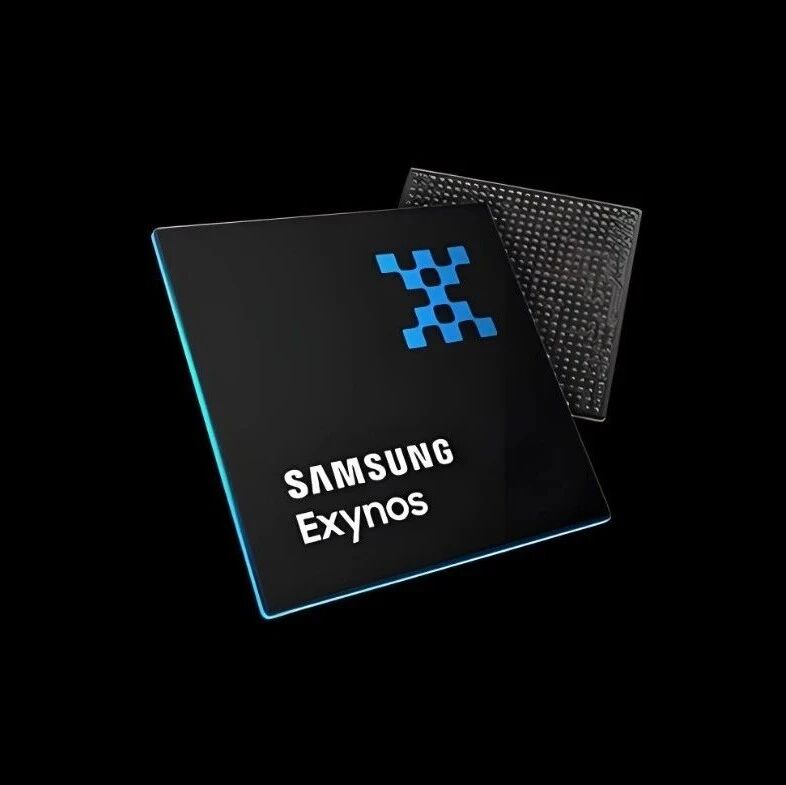
视涯科技冲刺科创板,以硅基OLED技术卡位XR赛道
Xin Lang Cai Jing· 2025-12-22 03:59
Core Viewpoint - The competition for the next generation of XR (AR/VR/MR) devices is intensifying, with display technology recognized as a critical factor. Visionary Technology, specializing in silicon-based OLED microdisplays, is positioned to capitalize on this opportunity as it prepares for its IPO on December 24, aiming to leverage its technological advancements in the XR industry [1][14]. Group 1: Industry Trends - The XR industry is expected to see a surge in new product releases by 2025, including various AR glasses, highlighting the increasing importance of display components [2][15]. - The demand for silicon-based OLED microdisplays is projected to grow significantly, with global shipments expected to rise from 6.365 million units in 2024 to 400 million units by 2030, reflecting a compound annual growth rate (CAGR) of 99.36% [4][17]. - The market for silicon-based OLED displays in XR devices is anticipated to grow from 2.837 million units in 2024 to 39.2 million units by 2030, with a CAGR of 127.4% [4][17]. Group 2: Company Developments - Visionary Technology has achieved significant technological breakthroughs, including advancements in silicon-based OLED strong microcavity technology and high-efficiency stacked OLED full-color technology, surpassing international competitors in key performance metrics [6][19]. - The company is uniquely positioned with a fully self-developed capability that integrates display chips, screens, and optical systems, allowing it to provide comprehensive XR solutions [6][19]. - Visionary Technology plans to raise 2.015 billion yuan through its IPO, with 1.609 billion yuan allocated for expanding its high-resolution silicon-based OLED microdisplay production line and 406 million yuan for R&D center development [8][21]. Group 3: Financial Performance - The company's revenue is projected to grow from 190 million yuan in 2022 to 280 million yuan in 2024, with a forecast of 469 million yuan in 2025, potentially exceeding 500 million yuan [10][26]. - In the first three quarters of 2025, the company reported a revenue of 293 million yuan, a 54.67% increase year-over-year, while reducing net losses by 10.25% [10][23]. - The company anticipates revenues of 2.26 billion yuan and 3.734 billion yuan in 2026 and 2027, respectively, indicating a trajectory of rapid growth [11][26].
消费电子ETF(561600)涨近1.5%,消息称三星正研发阔折叠手机
Xin Lang Cai Jing· 2025-12-22 02:22
Group 1 - The core viewpoint of the news highlights the strong performance of the consumer electronics sector, with the CSI Consumer Electronics Theme Index rising by 1.71% and key stocks like Huagong Technology and Jingwang Electronics showing significant gains [1] - Samsung is expected to launch a foldable phone next year, aiming to compete directly with Apple's first foldable phone, the iPhone Fold, featuring a 7.6-inch inner screen and a 5.4-inch outer screen, both made of OLED material [1] - China Galaxy Securities notes that in 2025, the global consumer electronics market will experience structural differentiation due to slowing growth in traditional categories and the rise of new AI-driven devices, shifting competition towards ecosystem building centered on overall user experience [1] Group 2 - The CSI Consumer Electronics Theme Index tracks 50 listed companies involved in the production of components and complete consumer electronics products, reflecting the overall performance of the sector [2] - As of November 28, 2025, the top ten weighted stocks in the CSI Consumer Electronics Theme Index account for 56.39% of the index, including companies like Luxshare Precision and Cambricon Technologies [2]
三星明年或推“阔折叠”手机,与iPhone Fold正面交锋
Xin Lang Cai Jing· 2025-12-22 01:58
Core Viewpoint - Samsung plans to launch a "wide foldable" phone in the fall of 2026 to compete directly with Apple's first foldable phone, the iPhone Fold [1][8] Group 1: Samsung's "Wide Foldable" Phone - The "wide foldable" phone will feature a 7.6-inch inner screen and a 5.4-inch outer screen, both made of OLED material, with a 4:3 aspect ratio [1][8] - This phone is expected to support 25W wireless charging, making it one of Samsung's fastest wireless charging devices [1][8] - The aspect ratio of the inner screen is closer to that of a tablet display, providing a wider horizontal view and more efficient split-screen operation, suitable for browsing and photo viewing [1][8] Group 2: Apple's iPhone Fold - Apple is expected to release its iPhone Fold in the second half of 2026, with an inner screen size of 7.76 inches and an outer screen of 5.49 inches [1][8] - Due to development delays, the iPhone Fold may face supply shortages before the end of 2026 [1][8] - Apple considers foldable screens as a core evolution direction for the smartphone industry, designating the iPhone Fold as a "must-launch product" for next year [2][8] Group 3: Market Trends and Competitors - Other brands like OPPO, vivo, Xiaomi, and Honor are also planning to launch "wide foldable" phones next year [10] - Omdia reports that global shipments of foldable phones are expected to remain around 6.6 million units in the first half of 2025, with a 32.8% year-on-year growth in the Chinese market driven by Huawei's Mate and Pura X series [10][12] - The foldable phone market is projected to see a 51% year-on-year increase in shipments in 2026, continuing to drive market momentum into 2027 [10][12] Group 4: Market Position and Strategy - Foldable phones currently represent a small niche in the overall smartphone market, with a low single-digit percentage share [12] - For most manufacturers, the primary goal of foldable phones is to showcase technological leadership and R&D capabilities, rather than achieving high direct sales or profit targets [12] - Samsung holds a 19% market share, maintaining the top position for three consecutive quarters, while Apple follows closely with an 18% share [12]
全球半导体市值TOP100,中国表现几何?
半导体行业观察· 2025-12-22 01:49
Core Viewpoint - The semiconductor secondary market is experiencing significant fluctuations, with key manufacturers successfully launching IPOs, notable mergers failing, and the market capitalization of a few giants repeatedly reaching new heights. This article emphasizes the need to analyze the current industry landscape and the role of Chinese companies within the global semiconductor market [1]. Group 1: Market Capitalization Overview - As of mid-December 2025, there are 35 companies from China (17 from mainland China, 16 from Taiwan, and 2 from Hong Kong) in the global top 100 semiconductor companies by market capitalization, accounting for approximately 35% of the total [1]. - Notably, companies like Moore Threads and Muxi, which recently completed their IPOs, have market capitalizations of approximately 470 billion USD and 440 billion USD respectively, indicating their potential to rank among the top 25 globally [2]. Group 2: Major Players and Their Market Dynamics - The top three companies, Nvidia, Broadcom, and TSMC, have market capitalizations exceeding 1 trillion USD, reflecting their significant control over the semiconductor industry [5]. - Nvidia's market capitalization is approximately 4.26 trillion USD, marking it as the highest in the semiconductor sector and the world, driven by its pivotal role in AI computing [5]. - Broadcom's market capitalization is around 1.7 trillion USD, supported by its strategic positioning in custom AI ASICs and networking chips [5]. - TSMC holds a market capitalization of about 1.5 trillion USD, recognized for its advanced manufacturing capabilities [6]. Group 3: Storage and Memory Sector - The market capitalization of major memory companies has surged, with SK Hynix at approximately 258.6 billion USD (up 218%), Micron at about 271.4 billion USD (up nearly 175%), and Samsung at around 475.5 billion USD (almost doubling) [7]. - This growth indicates a shift in the value logic of DRAM, as high-bandwidth memory (HBM) becomes essential for high-performance computing systems [7]. Group 4: Equipment and Measurement Companies - Equipment and measurement companies are experiencing significant growth, with ASML at approximately 419.5 billion USD (up nearly 50%), and both Applied Materials and Lam Research surpassing 200 billion USD [8]. - The increasing complexity of manufacturing processes in the AI era is driving demand for advanced equipment and measurement solutions [9]. Group 5: Design Companies and Market Differentiation - Design companies are showing varied performance, with AMD at approximately 343.1 billion USD (up nearly 69%), while Qualcomm's growth is more modest at around 192.4 billion USD (up about 10%) [10]. - This differentiation reflects the varying market expectations and growth potential across different segments of the semiconductor design landscape [10]. Group 6: Chinese Semiconductor Landscape - Chinese companies are diversely positioned within the semiconductor industry, with 17 companies from mainland China primarily focused on manufacturing, equipment, and design [14]. - Taiwan's companies, such as TSMC and MediaTek, play a central role in the global semiconductor supply chain, while mainland China's companies are increasingly establishing their presence in critical segments [13][14]. - The recent IPOs of Moore Threads and Muxi highlight the growing importance of AI computing capabilities within China's semiconductor sector [15]. Group 7: Hong Kong's Role in the Semiconductor Market - Companies from Hong Kong, such as ASMPT and Silicon Motion, serve as connectors between global supply chains and capital markets, playing a stabilizing role in the semiconductor ecosystem [16].