
招商银行

Search documents
《企业可持续披露准则第1号——气候(试行)》发布
2 1 Shi Ji Jing Ji Bao Dao· 2025-12-30 05:39
Group 1 - The rapid development of the green finance market has led to an increase in relevant information and data, with the Green Finance Weekly focusing on the latest trends and providing decision-making references for stakeholders [1] Group 2 - The Ministry of Finance and other departments released the "Corporate Sustainability Disclosure Guidelines No. 1 - Climate (Trial)", marking a significant step in the practical implementation of China's corporate sustainability information disclosure system [2] - The core value of the "Climate Guidelines" is to standardize and normalize information disclosure, helping enterprises identify transition risks and opportunities, and providing essential data for financial institutions to assess climate risks [2][3] - The guidelines signal China's commitment to climate governance and its proactive attitude towards aligning with international standards [2] Group 3 - The national carbon market saw a highest price of 76.34 yuan/ton last week, with a closing price increase of 15.95% compared to the previous week [5] - The total transaction volume of carbon emission allowances reached 15,655,615 tons last week, with a total transaction value of approximately 1.12 billion yuan [5] Group 4 - The first carbon finance alliance in China was established in Hubei, focusing on innovation in carbon finance, financial empowerment for industry breakthroughs, and talent cultivation [7] - Guangzhou's "14th Five-Year Plan" suggests establishing a three-in-one green finance support system, enhancing the ecological product market transaction mechanism [8] Group 5 - The first cross-border photovoltaic leasing business in the financial leasing industry was successfully completed by Puyin Financial Leasing, marking a significant step in cross-border leasing services for green projects [9] - The successful fundraising of the China Nuclear Clean Energy REIT, with a subscription amount of 161.69 billion yuan and a public investor subscription multiple of approximately 392 times, indicates strong market recognition for quality green energy projects [10][11]
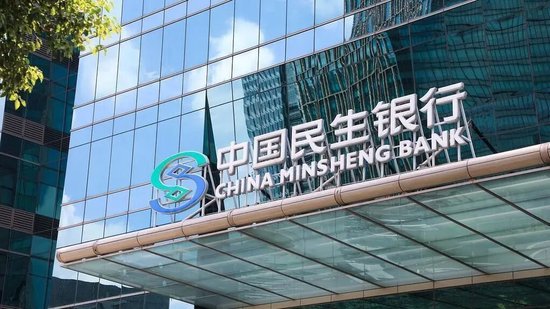
民生银行董事长2024年降薪90万,仍是“薪酬之王”
Xin Lang Cai Jing· 2025-12-30 05:35
Core Viewpoint - Minsheng Bank's chairman, Gao Yingxin, has seen a significant decrease in his total compensation for 2024, reflecting the bank's declining performance in key financial metrics [2][3]. Group 1: Executive Compensation - Gao Yingxin's total compensation for 2024 is reported to be 4.9676 million yuan, which includes a base salary of 3.3463 million yuan and an additional 1.6213 million yuan disclosed later [2][8]. - Compared to 2023, Gao's total compensation has decreased by 909,700 yuan, with a reduction in base salary by 388,900 yuan and a decrease in the additional portion by 520,800 yuan [2][8]. - Despite the reduction, Gao remains the highest-paid chairman among joint-stock banks, which has sparked controversy given Minsheng Bank's relatively lower scale and performance [3][9]. Group 2: Bank Performance - Minsheng Bank's financial performance for 2024 shows a decline, with operating income down by 3.21% and net profit attributable to shareholders down by 9.85% [2][8]. - Other key business indicators have also decreased, including net interest income down by 3.70% and net commission income down by 5.20%, alongside a drop in the provision coverage ratio by 7.75 percentage points [2][8]. Group 3: Leadership Context - Gao Yingxin, born in July 1962, is currently over 63 years old, which raises questions about his tenure as chairman, especially considering the previous chairman also stepped down at the same age [10]. - There is uncertainty regarding whether Minsheng Bank will undergo a leadership change by 2026, as Gao's future in the role remains unclear [11].


银行金融投资如何摆布记账?
GF SECURITIES· 2025-12-30 05:34
Investment Rating - The report provides a "Buy" rating for all listed banks analyzed, indicating a positive outlook for their stock performance [6]. Core Insights - The report focuses on the classification of financial investments, the current allocation of listed banks, and how related revenues are accounted for under new accounting standards [5]. - As of Q3 2025, the financial investments of 42 listed banks total approximately 101.5 trillion CNY, with 87% allocated to the configuration portfolio and 13% to the trading portfolio [5][23]. - The bond market is the primary investment direction for listed banks, accounting for 87.6% of their financial investments, with government bonds making up 59.5% of this total [5]. Summary by Sections 1. Classification of Financial Investments - Financial assets are classified into three categories under the new accounting standards: FVTPL (fair value through profit or loss), AC (amortized cost), and FVOCI (fair value through other comprehensive income) [12][13]. - The classification is based on the business model for managing financial assets and the cash flow characteristics of the financial assets [14]. 2. Accounting for Market Revenues - FVTPL assets reflect market fluctuations through "fair value changes" in profit or loss, while AC assets do not reflect fair value changes and primarily generate income from interest [5]. - FVOCI assets account for market fluctuations in other comprehensive income, with interest income recognized in profit or loss [5]. 3. Financial Investment Structure - The configuration portfolio is dominant, with state-owned banks showing the highest allocation to AC, while joint-stock banks and city commercial banks have a higher proportion of trading assets [23][24][25]. - The report notes a structural shift where FVOCI is becoming the main growth area, as banks seek flexibility in their investment strategies [5][23].




港股通数据统计周报-20251230
Zhe Shang Guo Ji Jin Rong Kong Gu· 2025-12-30 05:27
Group 1: Top Net Buy/Sell Companies - Tencent Holdings (0700.HK) had a net buy amount of 12.01 billion CNY with a holding change of 1,992,172 shares[8] - Xiaomi Group (1810.HK) saw a net buy of 10.01 billion CNY with a holding change of 25,516,147 shares[8] - China Mobile (0941.HK) was the top net sell company with a net sell amount of -23.20 billion CNY and a holding change of -28,015,413 shares[9] Group 2: Industry Distribution of Net Buy/Sell - The technology sector had significant net buying activity, contributing positively to the overall market[11] - The financial sector also saw notable net buying, indicating investor confidence in financial institutions[11] - The energy sector experienced net selling, reflecting a potential shift in investor sentiment towards energy stocks[11] Group 3: Active Stocks - Alibaba (9988.HK) was among the most active stocks with a total trading volume of 42.74 billion CNY and a net sell of -10.81 billion CNY[20] - Semiconductor Manufacturing International Corporation (0981.HK) had a total trading volume of 34.72 billion CNY with a net buy of 2.59 billion CNY[20] - China Mobile (0941.HK) recorded a total trading volume of 22.04 billion CNY with a net sell of -14.82 billion CNY[19]
国投证券(香港)有限公司
国投证券(香港)· 2025-12-30 05:22
Core Insights - The report highlights a significant decline in the Hong Kong stock market, with the Hang Seng Index dropping by 0.71% and a notable outflow of southbound funds amounting to approximately 3.4 billion HKD on December 29 [2][3] - The precious metals market experienced a sharp sell-off, particularly in gold and silver, with spot gold falling below 4,480 USD per ounce and silver futures witnessing a maximum intraday drop of 15% [3][4] - The automotive sector emerged as a bright spot, driven by government initiatives to boost consumption, with notable gains in stocks such as NIO, XPeng, and BYD [3] Company Analysis - The report covers Atour Group (ATAT.US), a mid-to-high-end hotel chain that integrates lifestyle retail into the guest experience, reporting revenues of 7.25 billion CNY for 2024 and 7 billion CNY for the first three quarters of 2025, reflecting year-on-year growth of 55% and 35.6% respectively [6][8] - Net profits for Atour were reported at 1.275 billion CNY and 1.14 billion CNY for the same periods, showing strong growth rates of 73% and 20.7% [6][8] - The company has a differentiated positioning in the mid-to-high-end market, targeting a price range of 400-800 CNY per night, with unique hotel designs and services that enhance guest experience [6][7] - Atour's membership program has seen explosive growth, increasing from 25 million members in 2020 to over 100 million by September 2025, which aids in customer retention and reduces acquisition costs [7] - The franchise model is the primary growth strategy for Atour, with 98.7% of its 1,948 hotels being franchise locations, enhancing profitability and capital efficiency [7] - Retail operations have become a significant growth driver, with revenue from retail increasing from 64 million CNY in 2019 to 2.2 billion CNY in 2024 [7][8] - The hotel industry is experiencing a strong rebound, with a 38% increase in revenue to 531.4 billion CNY in 2023, although growth is expected to slow to 5% in 2024 [8] - The report anticipates continued growth for Atour, projecting net profits of 1.62 billion CNY, 2.06 billion CNY, and 2.5 billion CNY for 2025, 2026, and 2027 respectively, with corresponding EPS of 1.66, 2.12, and 2.57 USD [6][8]

元旦起,数字人民币开始“钱生钱”
Zhong Guo Zheng Quan Bao· 2025-12-30 04:33
Core Viewpoint - The People's Bank of China has introduced an action plan to strengthen the management and service system of digital RMB, which will officially start on January 1, 2026, marking the transition from digital cash to digital deposit money. Group 1: Digital RMB Interest Payment - Banks will pay interest on the balances of real-name digital RMB wallets, adhering to self-discipline agreements on deposit interest rates [2][4]. - After January 1, 2026, digital RMB held by commercial bank customers will be converted into bank deposits, generating interest income [4]. - The interest payment standards for digital RMB deposits will reference the current interest rates for demand deposits set by operating institutions, with strict adherence to self-discipline agreements on deposit rates [6][7]. Group 2: Deposit Insurance and Security - Digital RMB deposits will have the same attributes as ordinary bank deposits and will be included in the deposit insurance scheme, providing a maximum compensation limit of 500,000 yuan in case of bank risk [9]. - Only real-name digital RMB wallet balances will earn interest due to the need for clear identification of fund ownership, which aligns with anti-money laundering regulations and supports deposit insurance implementation [11]. Group 3: Digital RMB Operating Institutions - There are currently 10 designated operating institutions for digital RMB, including 6 large state-owned commercial banks, 2 joint-stock commercial banks, and 2 internet banks [13][15]. - The People's Bank of China is working on expanding the number of operating institutions for digital RMB [16].

数字人民币余额有利息收?新政发布,消费者如何办理
Nan Fang Du Shi Bao· 2025-12-30 03:25
Core Viewpoint - The People's Bank of China has introduced an action plan to enhance the management and service system of the digital renminbi, which will take effect from January 1, 2026, allowing banks to pay interest on customers' real-name digital renminbi wallet balances [2][3] Group 1: Digital Renminbi Overview - The digital renminbi, a legal digital currency issued by the People's Bank of China, can be used in various scenarios such as transportation, dining, shopping, and utility payments [3] - The action plan establishes a framework for measuring digital renminbi and incorporates it into the reserve requirement system, marking a transition from a cash-like version to a deposit currency version [3] Group 2: Interest Payment Mechanism - Banks will pay interest on customers' real-name digital renminbi wallet balances, adhering to self-regulatory pricing agreements for deposit interest rates [3] - The digital renminbi will transition from being considered "electronic change" to "digital deposits" that earn interest [3] Group 3: Wallet Types and Management - Digital renminbi personal wallets can be opened through designated operating institutions, which currently include 10 banks [4] - Wallets are categorized into four types based on identity verification strength, with varying levels of anonymity and balance limits [4][6] - The first two wallet types require bank account binding, while the third and fourth types have additional operational requirements for recharging or returning funds to banks [4] Group 4: Interest Accrual and Limits - Different wallet types have specific balance limits, with the first type having no upper limit and the second to fourth types capped at 500,000, 20,000, and 10,000 respectively [6] - Not all wallet types will earn interest; only real-name wallets (first, second, and third types) will receive interest based on the People's Bank of China's rules for current deposit interest [6] - The digital renminbi is included in the deposit insurance scheme, providing the same level of security as bank deposits [6] Group 5: Transaction Statistics - As of November 2025, the digital renminbi has processed 3.48 billion transactions, with a total transaction amount of 16.7 trillion yuan, and 230 million personal wallets have been opened [7]




“大象起舞”背后,15.6万亿银行股板块的价值重估之路
Bei Jing Shang Bao· 2025-12-30 02:46
Core Viewpoint - The A-share banking sector experienced a significant value reassessment throughout 2025, culminating in a total market capitalization exceeding 15.65 trillion yuan, marking a notable recovery and growth in the sector [1][2]. Group 1: Market Performance - The banking index increased by 12.06% over the year, with 42 listed banks achieving a combined market value growth of 15.37% compared to the end of 2024 [2]. - Agricultural Bank of China emerged as the standout performer with a 51.86% increase in stock price, surpassing Industrial and Commercial Bank of China in total market value [1][2]. - 35 out of 42 listed banks saw their stock prices rise, with several regional banks like Xiamen Bank and Chongqing Bank also showing strong performance, each exceeding a 20% increase [2]. Group 2: Valuation and Market Dynamics - The banking sector's price-to-book ratio showed signs of improvement, with some banks briefly exceeding a ratio of 1, indicating a shift away from the "broken net" situation that had persisted [4]. - The market's transition from valuation repair to value reassessment is attributed to improved investor confidence in banks' long-term profitability and asset quality [3][4]. Group 3: Policy and Economic Environment - The supportive policy environment, including interest rate cuts and liquidity injections, has created a favorable operating climate for banks, enhancing their appeal to long-term investors [8]. - The influx of long-term capital from insurance and pension funds into the banking sector has been driven by regulatory changes and a focus on stable returns [8]. Group 4: Future Outlook - The continuation of the value reassessment in 2026 will depend on macroeconomic stability, ongoing supportive policies, and confirmation of profit growth [9][10]. - The market is expected to experience a more structured performance, with large banks favored for their stability and certain regional banks potentially offering greater growth opportunities [10][11].
洞察2025|“大象起舞”背后,15.6万亿银行股板块的价值重估之路
Bei Jing Shang Bao· 2025-12-30 02:45
Core Viewpoint - The A-share banking sector experienced a significant value reassessment throughout 2025, culminating in a total market capitalization exceeding 15.65 trillion yuan, marking a notable recovery and growth phase for the industry [1][3]. Market Performance - The Wind Banking Index recorded a cumulative increase of 12.06% for the year, with 42 listed banks achieving a total market value growth of 15.37% compared to the end of 2024 [3][8]. - Agricultural Bank of China emerged as the standout performer with a remarkable stock price increase of 51.86%, surpassing Industrial and Commercial Bank of China in total market value [1][3]. - 35 out of 42 listed banks saw their stock prices rise, with several regional banks like Xiamen Bank and Chongqing Bank also posting gains exceeding 20% [3][8]. Valuation Dynamics - The banking sector's average price-to-book ratio improved from a range of 0.33-0.99 at the end of 2024 to some banks briefly exceeding 1.0 in October 2025, indicating a reduction in the "broken net" phenomenon [5][9]. - Despite the average price-to-book ratio remaining at 0.62, the trend shows significant improvement, although concerns about long-term profitability and credit cost pressures persist [5][10]. Policy and Economic Environment - The central bank's monetary policies, including interest rate cuts and structural loans, provided a supportive environment for banks, enhancing market confidence in asset quality [9][10]. - Regulatory adjustments facilitated increased inflows of long-term capital from insurance and pension funds into the banking sector, further supporting the value reassessment [9][10]. Future Outlook - The banking sector's value reassessment is expected to continue into 2026, driven by macroeconomic stabilization, ongoing supportive policies, and confirmation of profit growth [11][12]. - The market may see a shift from broad-based gains to a more differentiated performance, with large banks and high-quality regional banks attracting investor interest due to their stable dividends and solid fundamentals [12].
低利率环境持续,长钱配置红利动力有望增强
Sou Hu Cai Jing· 2025-12-30 02:05
Group 1 - The core viewpoint of the news is that the cash dividends of the CSI Dividend Index constituents, particularly China Merchants Bank, are increasing, with a proposed cash dividend of 1.013 yuan per share for 2025, totaling approximately 25.548 billion yuan, representing a cash dividend ratio of 35.02% [1] - The total cash dividends of the CSI Dividend Index have been growing for six consecutive years since 2018, with 2024 marking a record high in both the number of dividend-paying companies (100) and the total dividend amount (922 billion yuan) [1][19] - As of 2025, 51 companies within the CSI Dividend Index have reported dividends totaling around 409.7 billion yuan [1][19] Group 2 - The CSI Dividend Index has a current dividend yield of 5.12%, significantly higher than the 10-year government bond yield of 1.84%, indicating a favorable environment for dividend-paying stocks amid a low interest rate backdrop [2][11] - The market outlook for 2026 suggests a "slow bull" rather than a "sharp peak," with a potential shift from "valuation bull" to "institutional bull," and a balanced style that may favor dividend stocks [2][22] - The low interest rate environment is expected to drive long-term capital, such as insurance and bank wealth management, towards equity investments, particularly in stable dividend assets [2][22]
