星恒电源

Search documents
三木集团:出售75套房产盘活资产,真实生物已向港交所递表
Jin Rong Jie· 2025-12-31 04:04
Core Viewpoint - The company is actively managing its assets and financial situation through property sales and investment exits, indicating a strategic approach to enhance liquidity and prepare for potential future capital operations [1]. Group 1: Asset Management - The company sold 75 properties to an affiliated entity, Fuzhou Bonded Port Guoli Group, aimed at revitalizing existing assets, improving financial conditions, and enhancing asset liquidity [1]. - The company’s subsidiary exited its investment in Lanstone Heavy Industry through a private placement in 2022 [1]. Group 2: Investment and Exit Strategies - The company is in the process of exiting various venture capital projects, including Star恒电源, through multiple strategies [1]. - Real Bio has recently submitted an application to the Hong Kong Stock Exchange, currently in the "processing" stage, with further details available on the exchange's disclosure platform [1].

锂资源卡脖子?宁德时代:2026年将在换电等领域大规模应用钠电池,有望形成“钠锂双星闪耀”新趋势【附钠离子电池产业分析】
Qian Zhan Wang· 2025-12-29 03:42
Core Viewpoint - CATL is set to significantly scale up the application of sodium-ion batteries across various sectors, including battery swapping, passenger vehicles, commercial vehicles, and energy storage by 2026, marking a new trend of "sodium-lithium dual stars shining" [2] Group 1: Company Developments - CATL launched its first-generation sodium-ion battery in July 2021 and introduced the world's first super hybrid battery with a pure electric range of over 400 kilometers in October 2022 [2] - The sodium-ion battery brand "Naxtra" was officially launched in April 2023, featuring two product lines: power batteries for passenger vehicles and 24V batteries for heavy trucks [2] - The Naxtra battery can charge from 30% to 80% in 30 minutes at -30°C, maintaining a 93% usable capacity, and can sustain a speed of 120 km/h even at 10% state of charge [2] Group 2: Technical Advantages - Sodium-ion batteries are seen as a crucial alternative to lithium-ion batteries due to the abundant availability of sodium resources, which are over 400 times more plentiful than lithium [3] - The production cost of sodium-ion batteries is estimated to be 25%-30% lower than that of lithium iron phosphate batteries, with a 40% reduction in equipment investment costs due to compatibility with existing lithium-ion production lines [3] - Sodium-ion batteries exhibit superior low-temperature performance, safety, and lower carbon footprints, making them suitable for various applications, especially in cold regions [3] Group 3: Market Context - China holds only about 7% of the world's lithium resources, leading to a heavy reliance on overseas lithium, which poses a significant challenge for the domestic new energy industry [5] - The increasing tension in lithium resource availability and price fluctuations has led to a surge in investment and research in sodium-ion battery technology, with major companies like Guoxuan High-Tech, BYD, and AVIC Lithium Battery also entering the market [5][6] - The market for sodium-ion batteries is expected to grow significantly, particularly in the energy storage sector, with predictions of nearly 50 GWh of installed capacity in China by 2030 [6] Group 4: Strategic Importance - Sodium-ion batteries are recognized as a strategic focus for national competition, with various international and domestic initiatives promoting their development [9] - The commercial vehicle sector is identified as a key area for the large-scale commercialization of sodium-ion batteries, particularly in heavy-duty and light-duty trucks [9]


禁摩与新国标“两头紧”,合规车推广难?
高工锂电· 2025-12-24 10:18
Core Viewpoint - The extension of the motorcycle ban in Shenzhen for three years is expected to exacerbate the challenges in promoting the new national standard for electric bicycles, leading to a decline in sales of compliant models while increasing demand for second-hand vehicles under the old standard [2][3]. Group 1: Impact of the Motorcycle Ban - The motorcycle ban in Shenzhen, effective from January 1, 2026, to December 31, 2028, restricts the operation of electric light motorcycles and ordinary electric motorcycles, which are classified as motor vehicles [2][4]. - The ban is a response to rising traffic accidents involving motorcycles, with 397 incidents reported in 2025, resulting in 95 fatalities, accounting for 43.8% of total traffic deaths in the city, with a year-on-year increase of 18.8% [9][10]. Group 2: Challenges of the New National Standard - The new national standard for electric bicycles, implemented nearly a month ago, has led to disappointing sales figures, as consumers are dissatisfied with the maximum speed limit of 25 km/h, which does not meet the demands for commuting and delivery services [3][4]. - Dealers are frustrated with the new standard's requirement that plastic usage in vehicles must not exceed 5.5%, as this has increased production costs due to the need for materials like magnesium and aluminum [3][4]. Group 3: Market Dynamics and Consumer Behavior - The classification of electric vehicles into three categories—electric bicycles, electric light motorcycles, and electric ordinary motorcycles—creates a complex market landscape, with the new standard only applying to electric bicycles, which do not require a driver's license [4][6]. - There is a significant consumer demand for higher speed options, leading to a gray market for modified electric bicycles that exceed the speed limit, which has historically outperformed compliant models [6][7][8]. - The current market situation has resulted in a "tight" scenario where the motorcycle ban and the new national standard limit the choices available to consumers, negatively impacting their willingness to purchase compliant two-wheeled vehicles [11].
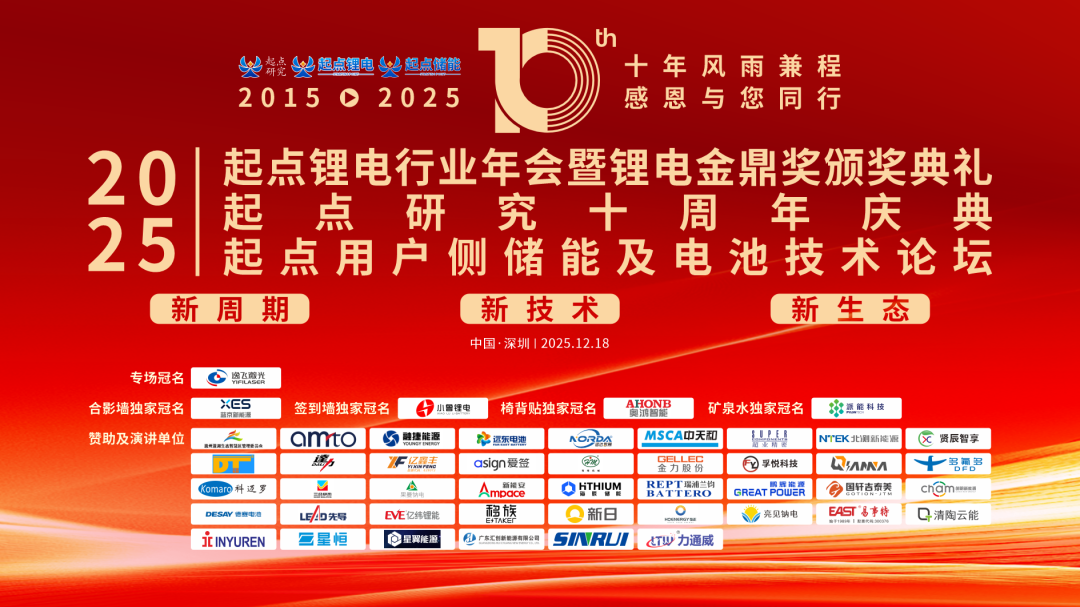
新周期 新技术 新生态——2025起点锂电年会暨用户侧储能论坛圆满举办!
起点锂电· 2025-12-19 12:17
Core Viewpoint - The lithium battery industry is entering a new cycle characterized by both opportunities and challenges, with significant growth potential in the energy storage market and increasing penetration of electric vehicles, while facing challenges such as rising raw material prices and supply chain management [3]. Group 1: Industry Overview - The scale of China's lithium battery industry has grown from less than 100 billion to over 1 trillion in value over the past decade, with the number of related listed companies increasing from dozens to hundreds [3]. - The domestic penetration rate of new energy passenger vehicles has exceeded 50%, with substantial growth potential in commercial vehicles and overseas markets [3]. - The energy storage market is expected to grow at a rate of 70%-80% this year, with continuous expansion across multiple scenarios [3]. Group 2: Technological Innovations - The cylindrical battery market is experiencing a shift towards small power and small storage applications, particularly in emerging markets such as low-altitude economies and intelligent robotics [7]. - The introduction of new standards is expected to create opportunities for responsible companies in the industry, particularly in the context of safety challenges [7]. - The development of all-tab cylindrical batteries is projected to see a shipment volume of 100 GWh globally by 2025, with a significant annual growth rate exceeding 400% for lithium iron phosphate cylindrical batteries [11]. Group 3: Market Trends - The market for small power batteries is vast, with the demand for electric two-wheelers in China reaching approximately 260 GWh annually [16]. - The industry is witnessing a trend towards larger capacity cells, with specifications evolving from early small capacities to larger ones like 314Ah and 587Ah [59][62]. - The introduction of mandatory national standards for energy storage lithium batteries is set to enhance safety regulations and market entry requirements [63][64]. Group 4: Company Strategies - Companies are focusing on technological innovation and differentiation to navigate the competitive landscape, with an emphasis on sustainable development and global expansion [28][29]. - The integration of AI in Battery Management Systems (BMS) is being prioritized to enhance safety and efficiency across the supply chain [39][40]. - Firms are exploring new materials and processes to improve battery safety and performance, with a focus on solid-state and high-voltage systems [48][50].



星恒电源 首席技术官 王正伟:迈向新“锰”标:新一代锰基电池材料前驱体创新与应用
Xin Lang Cai Jing· 2025-12-18 14:25
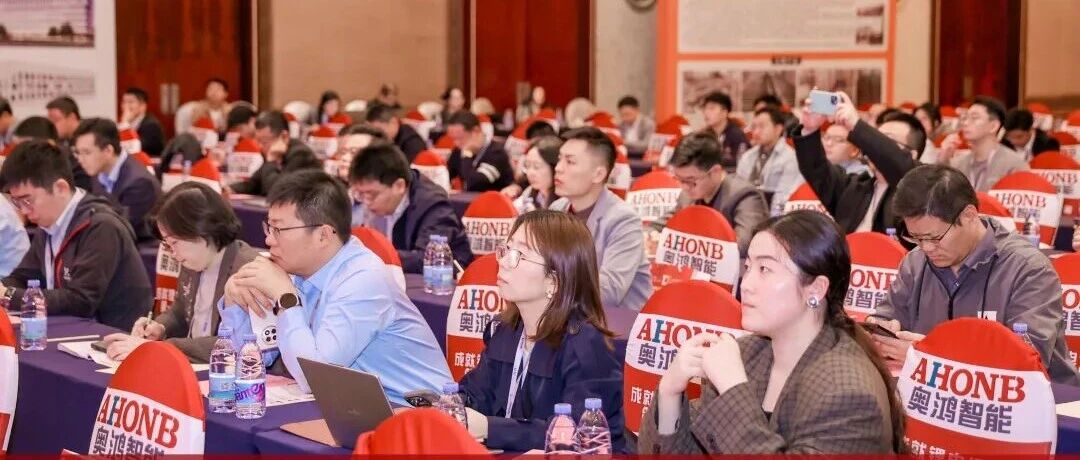
Core Viewpoint - The 2025 (10th) Qidian Lithium Battery Industry Annual Conference and Lithium Battery Golden Ding Award Ceremony was held in Shenzhen, focusing on discussions about lithium batteries, materials, equipment, and technological breakthroughs in the industry [1][19]. Group 1: Event Overview - The event was organized by Qidian Lithium Battery, Qidian Energy Storage, and Qidian Research Institute, attracting over 800 attendees to discuss core topics in the lithium battery sector [1][19]. - The conference included a forum on user-side energy storage and battery technology, highlighting the importance of innovation and safety challenges in the industry [1][19]. Group 2: Key Presentations - Wang Zhengwei, Chief Technology Officer of Xingheng Power, presented on the innovation and application of new generation manganese-based battery materials [2][19]. - The presentation emphasized the significance of manganese-based materials for small power lithium batteries, particularly in electric two-wheelers and next-generation passenger vehicles [5][21]. Group 3: Manganese-Based Material Development - The choice of manganese-based materials is driven by the cost-sensitive nature of the small power market, aiming to enhance performance while reducing costs [6][21]. - Manganese lithium batteries are highlighted for their excellent low-temperature performance, high volumetric energy density, and precise state of charge (SOC) calibration, making them suitable for small power applications in various climates [22][21]. Group 4: Technical Innovations - Xingheng Qingyuan has developed a new synthesis route for manganese oxide, achieving significant cost reductions and improved performance metrics [23][24]. - The company has successfully created single crystal manganese oxide with enhanced processing characteristics, leading to higher capacity and better cycle performance in manganese-based lithium batteries [9][24]. Group 5: Future Directions - The company plans to focus on dual product matrices of manganese-based oxides and phosphate materials, aiming to cover a wide range of battery materials including lithium manganese oxide and nickel-manganese binary materials [31][31]. - Ongoing research includes the development of new manganese-based materials that can withstand higher charging voltages and offer better performance at lower costs [28][31].
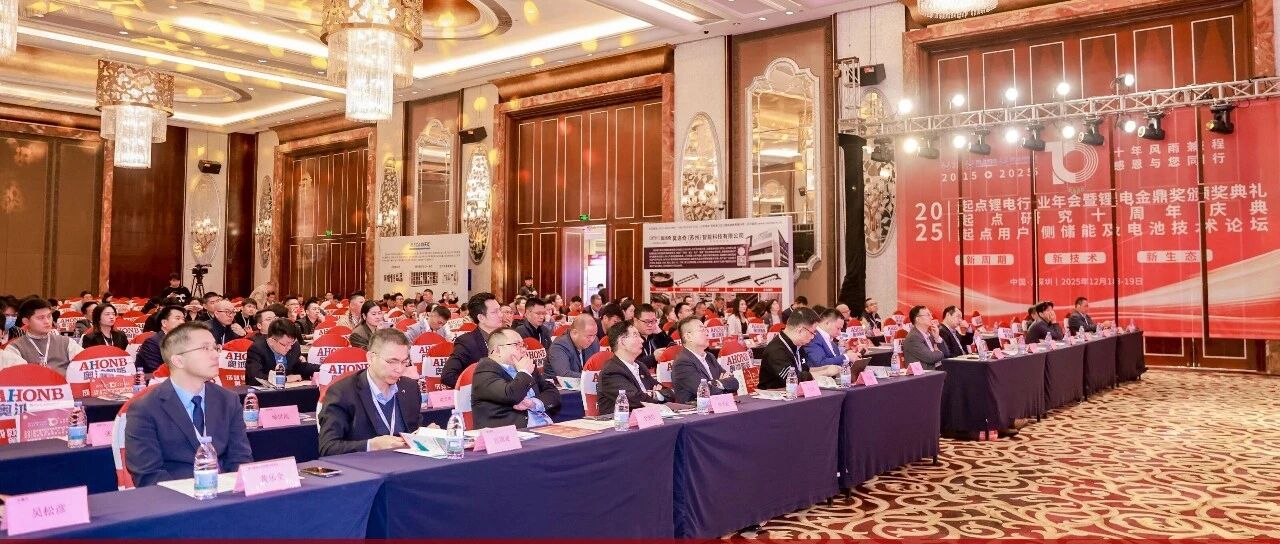
2025(第十届)起点锂电行业年会第一天高朋满座 精彩纷呈 明天精彩继续!
起点锂电· 2025-12-18 11:24
Core Insights - The lithium battery industry in China has grown from less than 100 billion to a trillion-dollar market over the past decade, with the number of listed companies increasing from dozens to hundreds, leading the global market [4] - The industry is entering a new cycle characterized by both opportunities and challenges, with a significant increase in the penetration rate of new energy passenger vehicles exceeding 50% and a storage market growth rate of 70%-80% this year [4] - Challenges include rising raw material prices, supply chain management, cost transmission, and a focus on overseas strategies [4] Group 1: Industry Trends - The overall trend in the new energy industry is described as "new, large, and diverse," with innovations in technology, ecology, and market structure [4] - The industry is witnessing an expansion in product scale, an influx of major players, and accelerated industry consolidation [4] - The lithium battery supply chain is expected to continue concentrating [4] Group 2: Market Opportunities - The small power and small storage sectors are experiencing significant growth, particularly in emerging markets such as low-altitude economy and intelligent robotics [9] - The small storage market accounts for approximately 20%-30% of the total, demanding higher battery performance, such as long endurance and high voltage [9] - The new national standards are expected to create opportunities for responsible companies in the industry [9] Group 3: Technological Innovations - The development of large cylindrical batteries is highlighted, with a projected global shipment of 100 GWh by 2025, particularly in iron-lithium cylindrical batteries, which are expected to grow at an annual rate exceeding 400% [12] - Innovations in battery manufacturing processes, such as the introduction of all-tab cylindrical batteries, are enhancing safety and reducing costs [12] - Companies are focusing on digitalization and automation to improve product consistency and reduce costs [9][12] Group 4: Regulatory Environment - The new national standards implemented on December 1 emphasize safety as a primary indicator, requiring batteries to pass puncture and thermal abuse tests [27] - The standards are expected to impact the market significantly, with a shift towards lithium iron phosphate batteries as the preferred choice [27] - The industry faces challenges related to cost pressures, temperature decay, and safety, necessitating enhanced integration across the supply chain [27] Group 5: Future Outlook - The demand for small power batteries is projected to be substantial, with the electric two-wheeler market alone requiring 260 GWh annually [17] - Companies are adapting to the evolving market by developing standardized battery sizes and modular solutions to meet diverse customer needs [17] - The industry is expected to continue its transition towards electrification across various sectors, driven by safety, intelligence, and lifecycle cost advantages [17]
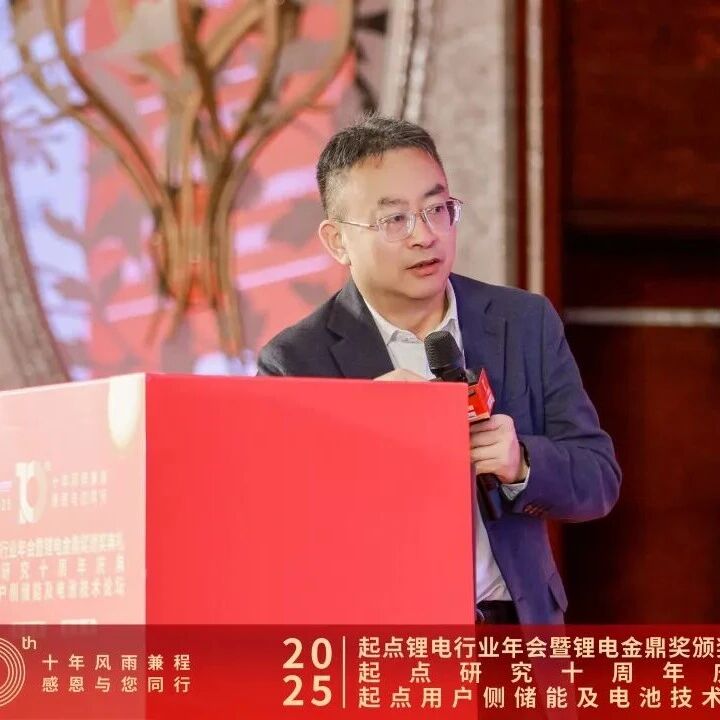
星恒电源 首席技术官 王正伟:迈向新“锰”标:新一代锰基电池材料前驱体创新与应用
起点锂电· 2025-12-18 11:24
Core Viewpoint - The article discusses advancements in manganese-based battery materials, particularly focusing on the innovations and applications of manganese-based precursors in small power lithium batteries, emphasizing their cost-effectiveness and performance improvements [3][4][6]. Group 1: Manganese-Based Battery Materials - The small power market is cost-sensitive, and the focus is on continuous cost reduction while improving performance through technological advancements [7]. - Manganese-based lithium batteries are preferred for small power applications due to their excellent low-temperature performance, high volumetric energy density, and precise state of charge (SOC) calibration capabilities [7][8]. - The challenges of manganese oxide lithium batteries, such as high-temperature cycling and storage issues, are being addressed through innovative composite systems and high-temperature solid-phase precursor technologies [8][9]. Group 2: Precursor Development and Innovations - Two typical precursors for manganese oxide lithium are electrolytic manganese dioxide and manganese trioxide, each with its own limitations affecting cost and performance [10]. - The company has developed a unique single-crystal manganese oxide synthesis route that significantly reduces production costs and improves performance metrics [11][12]. - The latest generation of materials, including single-crystal manganese oxide, has shown improved discharge capacity and cycle performance, achieving discharge capacities of 115-120 mAh/g [11][12]. Group 3: Safety and Market Compliance - The solid-phase single-crystal precursor technology enhances the intrinsic safety of materials, addressing increasing safety standards in the market [13]. - The company has filed numerous patents related to manganese-based materials, indicating a strong focus on innovation and market readiness [17]. - Future plans include expanding the product matrix to cover a range of cathode materials, including manganese oxide and phosphate-based materials, to meet diverse market needs [17].
曾毓群老师,要带卫蓝新能源IPO了
Sou Hu Cai Jing· 2025-12-16 09:12
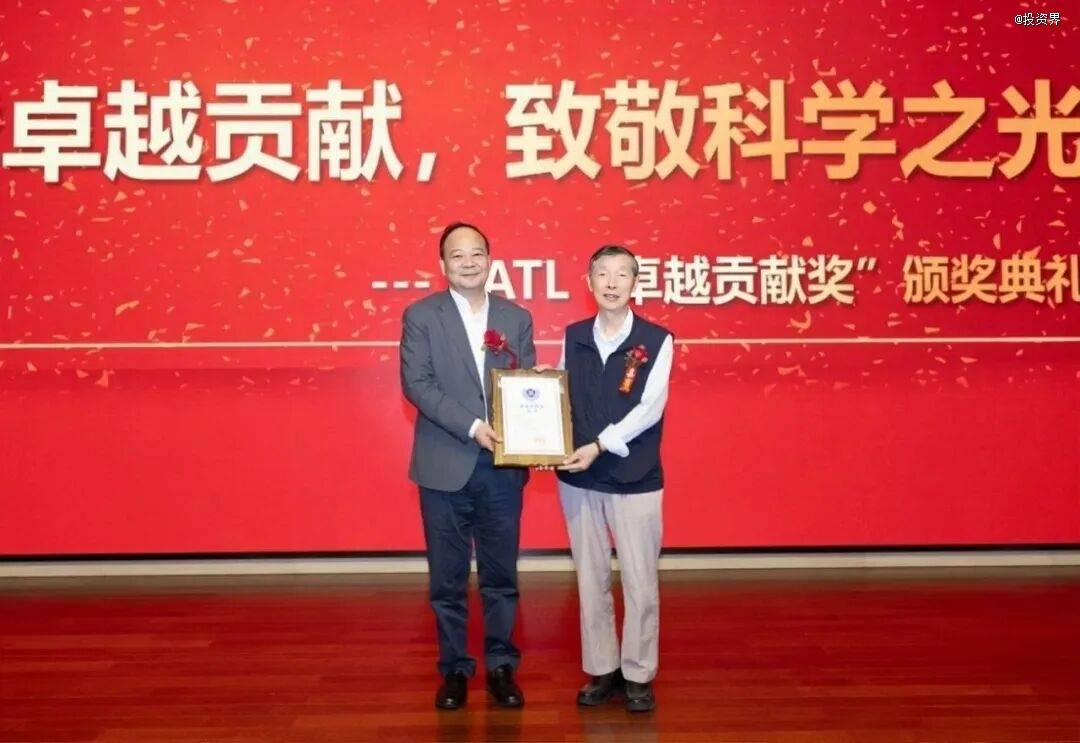
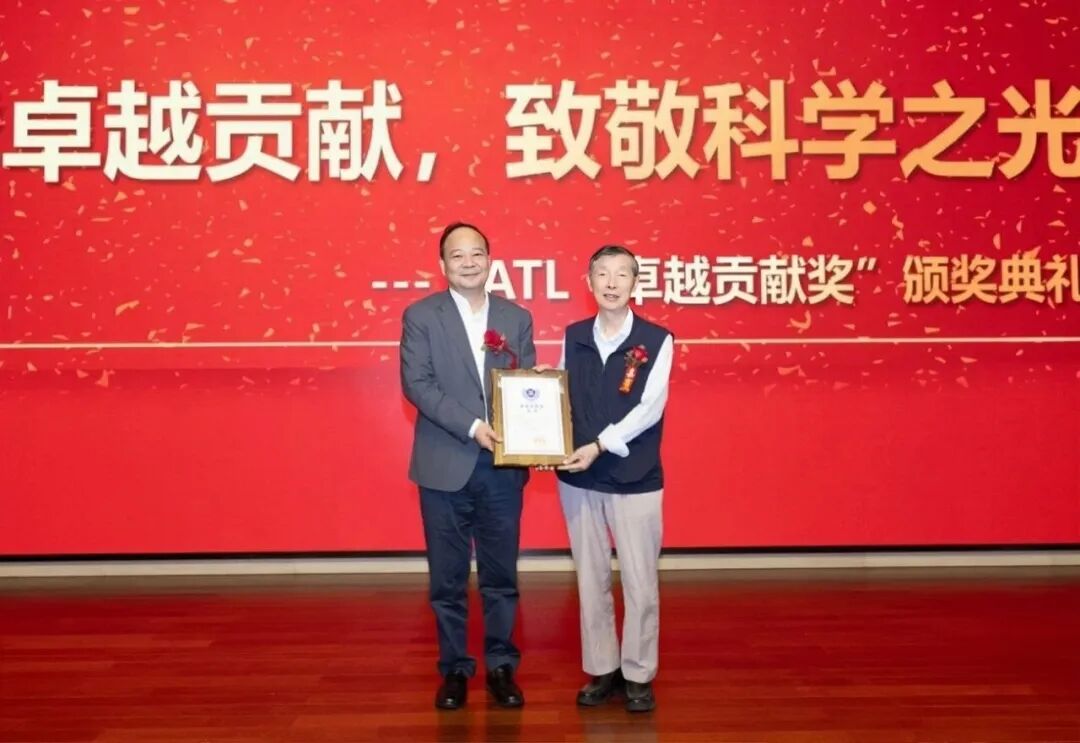
固态电池第一个IPO要诞生了。 投资界获悉,证监会辅导公示系统显示,卫蓝新能源向北京证监局提交IPO辅导备案,拟于创业板上市。 坐落于北京,卫蓝新能源脱胎于中国科学院物理研究所,由来自该所的陈立泉、俞会根、李泓共同发起成立。其中,85岁高龄的院士陈立泉,被誉为"中 国锂电池之父"。外界可能不知道,他不仅是宁德时代创始人曾毓群的博士生导师,还推动了宁德时代的诞生。 梳理下来,星恒电源、溧阳天目先导、中科海钠……一批电池独角兽身后,都有陈立泉的身影,俨然是中国新能源创业隐形教父。 三位大牛联手 北京独角兽要IPO了 故事还要从中国科学院物理所的三位大牛说起。 其中,陈立泉是中国工程院院士、中国科学院物理研究所研究员。他曾相继在中国科学院物理所创立了国内第一个固态离子学实验室,组织召开中国第一 届固体离子学讨论会、成立中国固态离子学学会。 "中国要实现赶超发展,必须发展固态锂电池。"2013年,在宁波举行的一场电池讨论会上,陈立泉前瞻性地提出中国要发展固态锂电池,于是卫蓝新能源 在2016年应运而生。 时至今日,卫蓝新能源已形成北京房山、江苏溧阳、浙江湖州和山东淄博四大产业基地布局,现有年产能达28.2GWh,规划 ...
曾毓群老师,要IPO敲钟了
3 6 Ke· 2025-12-16 08:50
Core Insights - The first IPO of a solid-state battery company, Weilan New Energy, is set to occur as it has submitted its IPO guidance to the Beijing Securities Regulatory Bureau for listing on the ChiNext board [1][4] - Weilan New Energy was founded by prominent figures from the Chinese Academy of Sciences, including Chen Liquan, who is recognized as the "Father of Lithium Batteries" in China [1][4][10] - The company aims to develop solid-state batteries, which are expected to significantly enhance safety, capacity, and charging efficiency compared to traditional liquid batteries [4][6] Company Overview - Weilan New Energy was established in 2016, following Chen Liquan's advocacy for the development of solid-state lithium batteries in 2013 [4][6] - The company has a production capacity of 28.2 GWh and plans to exceed 100 GWh in total capacity, with production bases located in Beijing, Jiangsu, Zhejiang, and Shandong [6][9] - The company has recently secured a significant contract worth approximately 4 billion RMB for solid-state battery cells and energy storage equipment [7] Market Position and Valuation - Weilan New Energy has attracted substantial venture capital and private equity interest, with a valuation exceeding 18 billion RMB [8][9] - The company has completed multiple funding rounds, including a recent D+ round that brought in several strategic investors [9] - It is positioned as a leading player in the solid-state battery industry, aligning with China's dual carbon strategy and new energy vehicle development plans [9] Technological Advancements - The company promotes the concept of "in-situ solidification," which allows for the transformation of liquid electrolytes into solid-state without changing existing processes [6] - Weilan's products include high-energy density power cells capable of over 1000 km range and ultra-safe energy storage cells, which have already begun mass production [6][9] Leadership and Influence - Chen Liquan, at 85 years old, has played a pivotal role in the development of the lithium battery industry in China, mentoring many successful entrepreneurs and scientists [10][12] - His influence extends to the founding of several other battery companies, including CATL, which is now a global leader in battery technology [12][13]
汇创新能源重点支持2025(第十届)起点锂电行业年会暨锂电金鼎奖颁奖典礼举办!
起点锂电· 2025-12-15 10:17
Core Viewpoint - The article highlights the upcoming 2025 (10th) Lithium Battery Industry Annual Conference and the Lithium Battery Golden Ding Award Ceremony, focusing on advancements in lithium battery technology and energy storage solutions, scheduled for December 18-19, 2025, in Shenzhen [2]. Group 1: Event Details - The conference will feature five major sessions covering over 35 hot topics related to lithium batteries, materials, equipment, commercial energy storage, portable storage, and household storage [2]. - Guangdong Huichuang New Energy Co., Ltd. will be a key sponsor of the event, showcasing its latest products and technologies [2]. - The event aims to discuss technological breakthroughs, safety challenges, and value chain restructuring in the lithium battery industry [2]. Group 2: Company Profile - Guangdong Huichuang New Energy Co., Ltd., a wholly-owned subsidiary of Ganfeng Lithium, specializes in batteries for two-wheeled vehicles and energy storage [2]. - Established in 2017, the company operates two factories in Wanjiang, covering approximately 60,000 square meters with a PACK capacity of 3 GWh [2]. - In 2023, the company invested 5 billion in Dongguan Machong to acquire about 340 acres of industrial land for building 10 GWh of cell capacity and 20 GWh of PACK capacity [2]. Group 3: Product Advantages - The company’s products offer a 10% reduction in space and deployment efficiency [6]. - Lifecycle costs are lowered by 15%, enhancing overall cost-effectiveness [6]. - The products are designed for safer and more reliable installation and transportation [6]. Group 4: Conference Speakers - Notable speakers include industry leaders from companies such as New Energy, EVE Energy, and Gotion High-Tech, discussing various topics related to sustainable development and technological advancements in the lithium battery sector [7].