
默克

Search documents
和誉-B午后涨超6% ABSK021有望中美上市 公司正式进入商业化阶段
Zhi Tong Cai Jing· 2026-02-04 06:40
中泰证券(600918)发布研报称,此事件标志着和誉医药正式从临床研发阶段进入到商业化阶段,验证 了其从研发到上市的全周期创新能力。长期随访数据显示ABSK021缓解率随时间持续提升,结合与默 克的商业化合作,有望为公司提供稳定现金流。 和誉-B(02256)午后涨超6%,截至发稿,涨6.29%,报13.34港元,成交额2293.49万港元。 消息面上,近日,根据NMPA官网最新公示,和誉核心产品ABSK021的NDA已获得批准,用于治疗手 术切除可能会导致功能受限或出现较严重并发症的症状性成人腱鞘巨细胞瘤(TGCT)患者。随后, ABSK021用于腱鞘巨细胞瘤(TGCT)患者系统性治疗的NDA亦获FDA正式受理。 ...
标普500指数、纳斯达克指数料高开 财报密集发布成市场焦点
Xin Lang Cai Jing· 2026-02-03 14:38
标普500指数与纳斯达克指数周二料稳健高开,在前一交易日大宗商品暴跌后企稳,投资者正为本周密 集来袭的企业财报季做好准备。 帕兰提尔科技盘前股价大涨11.2%,该公司靓丽财报凸显其军用级人工智能工具需求旺盛,美国国防开 支助力季度销售额增长。 泰瑞达股价飙升22%,这家芯片测试设备制造商发布强劲一季度业绩指引,受益于另一波人工智能相关 投资热潮——大型科技企业正斥资数十亿美元推进数据中心扩建。 全泉全球投资高级投资组合经理约翰・坎贝尔表示:"帕兰提尔的优异财报对人工智能板块行情形成支 撑。" 谷歌母公司Alphabet在前一交易日创历史新高后,盘前再涨1.3%;亚马逊上涨0.8%。这两家"七大科技 巨头"均将于本周晚些时候发布财报,将为投资者提供人工智能商业化竞赛的最新参考。 超微半导体及服务器制造商美超微电脑均将于当日收盘后发布财报,盘前股价均上涨约2%。 坎贝尔补充道:"我们注意到,不少短线资金会在财报发布前提前布局相关个股,押注财报发布后股价 上涨,目前这种情况确实存在。" 头部科技企业近期发布的财报凸显,投资者愈发关注巨额资本支出计划的回报情况。人工智能相关基础 设施投入大幅攀升,企业面临压力,需将投 ...
港股异动 再涨超10% 全年纯利预增最多4.4倍 公司已达成多项重磅对外授权
Zhi Tong Cai Jing· 2026-02-03 03:26
Core Viewpoint - The company BaiO Saite-B (02315) has seen its stock price increase by over 10%, with a current price of 45.56 HKD, driven by a strong earnings forecast for 2025, projecting a net profit increase of up to 4.4 times compared to the previous year [1] Group 1: Financial Performance - BaiO Saite-B forecasts a net profit of 162 million to 182 million HKD for 2025, representing a year-on-year increase of 384.26% to 443.88% [1] - The company's revenue growth is attributed to the ongoing expansion in overseas markets and the recovery of the domestic biopharmaceutical industry [1] Group 2: Business Strategy and Partnerships - The company has established multiple significant licensing agreements with leading domestic and international pharmaceutical companies since 2025 [1] - Notable partnerships include a global licensing agreement with BeiGene for antibody molecules and an agreement with Merck for the development of antibody-conjugated LNPs [1]
百奥赛图-B再涨超10% 全年纯利预增最多4.4倍 公司已达成多项重磅对外授权
Zhi Tong Cai Jing· 2026-02-03 03:10
Core Viewpoint - The company BaiO Saite-B (02315) has seen a significant stock price increase, with a recent rise of over 10%, attributed to its strong earnings forecast for 2025, projecting a net profit increase of 384.26% to 443.88% year-on-year [1] Group 1: Financial Performance - BaiO Saite-B forecasts a net profit for 2025 between 162 million to 182 million yuan, indicating substantial growth compared to previous years [1] - The company attributes its revenue growth to the ongoing expansion in overseas markets and the recovery of the domestic biopharmaceutical industry [1] Group 2: Operational Efficiency - High technical barriers have allowed the company to maintain elevated gross margins, while lean management initiatives have further enhanced operational efficiency [1] - The rapid improvement in profitability is a result of these operational enhancements [1] Group 3: Strategic Partnerships - Since 2025, the company has established external licensing agreements with several leading domestic and international pharmaceutical companies, which are expected to contribute to revenue through milestone payments [1] - Notable partnerships include a global licensing agreement with BeiGene for antibody molecules and an agreement with Merck for the development of antibody-drug conjugates using the RenMice platform [1]
港股异动 | 百奥赛图-B(02315)再涨超10% 全年纯利预增最多4.4倍 公司已达成多项重磅对外授权
智通财经网· 2026-02-03 03:09
Core Viewpoint - Baosai Technology-B (02315) has seen a significant stock price increase, with a recent rise of over 10%, attributed to strong earnings forecasts and strategic partnerships in the biopharmaceutical sector [1] Group 1: Earnings Forecast - The company has projected a net profit attributable to shareholders for 2025 between 162 million to 182 million yuan, representing a year-on-year increase of 384.26% to 443.88% [1] - The growth is driven by the continuous expansion in overseas markets and a recovery in the domestic biopharmaceutical industry, leading to rapid revenue growth [1] Group 2: Operational Efficiency - High technical barriers have ensured that the company's gross profit margin remains elevated, while lean management initiatives have further enhanced operational efficiency [1] - The company's profitability has improved rapidly as a result of these factors [1] Group 3: Strategic Partnerships - Since 2025, the company has established external licensing agreements with several leading domestic and international pharmaceutical companies, which are expected to contribute to revenue through milestone payments [1] - Notable partnerships include a global licensing agreement with BeiGene for antibody molecules and an agreement with Merck for the development of antibody-conjugated LNPs using the RenMice platform [1]
迪士尼CEO考虑提前卸任;李东生不再兼任TCL科技CEO;亚当·普雷瑟任TikTok美国数据安全公司CEO
Sou Hu Cai Jing· 2026-02-02 04:49
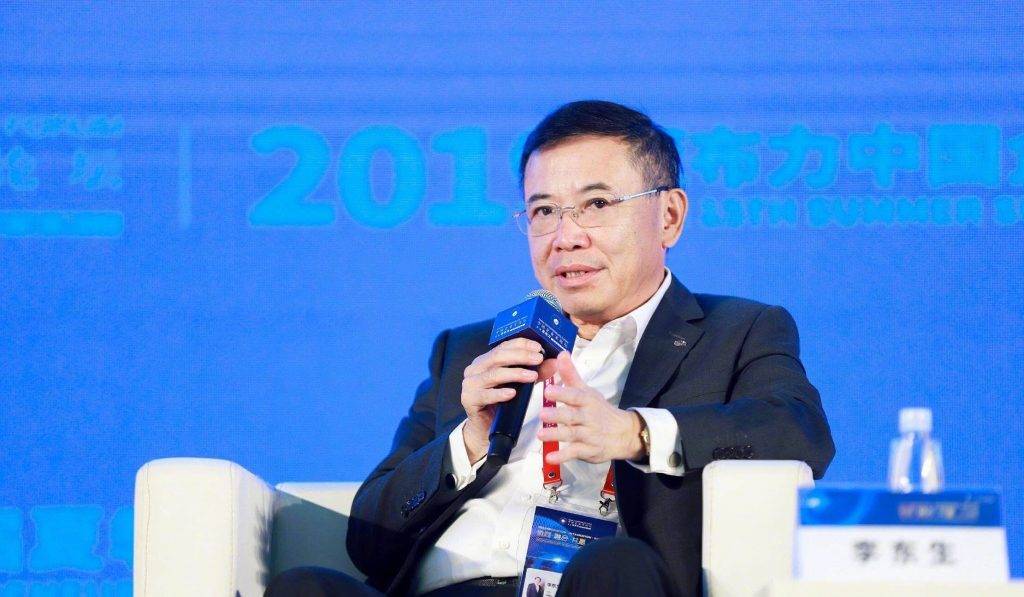
Group 1 - Baidu has established a new personal super intelligence business group led by Wang Ying, aimed at enhancing AI application capabilities through better integration of talent and technology [2] - iQIYI's CFO Wang Jun has resigned for personal reasons, with senior vice president Zeng Ying appointed as the acting CFO [3] - TCL Technology has appointed Wang Cheng as CEO, while founder Li Dongsheng will remain as chairman [4][6] Group 2 - 360's Vice President of Public Relations Zhang Yongsheng has left the company [7] - Konka's President Cao Shiping has resigned but will continue to serve in another capacity [8] - Tongfang's former President and Chairman Lu Zhicheng has passed away at the age of 78 [9] Group 3 - Disney CEO Bob Iger plans to step down before the end of his contract, with Josh D'Amaro expected to be appointed as the new CEO [12] - Disney has established a new marketing and branding department led by Asad Ayaz [13] Group 4 - TikTok has formed a new U.S. data security company led by Adam Presser as CEO [14] - Apple has expanded hardware chief John Ternus's responsibilities to include design, solidifying his position as a potential successor to CEO Tim Cook [15] - Apple has experienced a wave of departures from its AI team, with at least four researchers leaving for companies like Meta and Google [16] Group 5 - Meta has appointed Dina Powell McCormick as President and Vice Chair, overseeing strategic initiatives [17] - NVIDIA has hired Alison Wagonfeld as its first Chief Marketing Officer [18] - NVIDIA board member Persis Drell has resigned for new career opportunities [20] Group 6 - xAI co-founder Greg Yang has left the company due to health issues but will remain as an informal advisor [21] - OpenAI has implemented a general manager responsibility system for its product lines [22] - Anthropic has appointed Irina Ghose as Managing Director for India [23] Group 7 - Paramount Skydance has appointed Dennis K. Cinelli as CFO [24] - Warner Music Group has named Hannah Karp as Chief Communications Officer [27] - Hark has hired former Apple designer Abidur Chowdhury as its design lead [28] Group 8 - Soitec has appointed Laurent Remont as its new CEO [29] - Black Box has named Sameer Batra as Chief Business Officer for its global systems integration business [30] - Kioxia Holdings has appointed Hiroo Oota as CEO [31] Group 9 - SoftBank has appointed Jun Shimba as Chairman [32] - Merck has appointed Benjamin Hein as CEO of its electronics business [35] - Sharp has announced leadership changes with Grace Dolan set to become the new President [38]


外资CDMO纷纷易手,它们在华消失殆尽了
Di Yi Cai Jing Zi Xun· 2026-01-30 14:48
Core Viewpoint - The CDMO (Contract Development and Manufacturing Organization) business of multinational companies in China is not just shrinking but appears to be disappearing, with only a few remaining players like Boehringer Ingelheim still operating in the market [2][10]. Group 1: Current State of CDMO in China - The CDMO business in China has seen a significant decline, with major players like Lonza and Thermo Fisher Scientific facing operational challenges and even selling their facilities [5][6][8]. - Boehringer Ingelheim remains one of the few foreign CDMO companies still active in China, primarily due to securing a contract for the production of BeiGene's PD-1 drug [10]. - The CDMO market in China is experiencing a transformation, with many foreign companies exiting or downsizing their operations due to insufficient orders and market conditions [7][10]. Group 2: Market Dynamics and Trends - The implementation of the 2019 Drug Administration Law in China marked a turning point for the CDMO market, allowing for a separation of production and marketing licenses, thus lowering barriers for research-focused pharmaceutical companies [12]. - Despite the advantages of a large workforce and lower costs in China, many foreign CDMO companies have struggled to establish a foothold due to high pricing models that do not align with local market conditions [13][14]. - The Chinese CDMO market has grown significantly, with a compound annual growth rate of 39.9% from 2018 to 2023, increasing from 16 billion RMB to 85.9 billion RMB, and is expected to reach 208.4 billion RMB by 2028 [16]. Group 3: Future Outlook - Domestic CDMO companies are increasingly matching or surpassing the capabilities of foreign counterparts, offering higher efficiency and lower prices, which positions them favorably in the market [16][17]. - The evolution of the Chinese CDMO industry has transitioned from reliance on foreign technology and policy support to a focus on technological development and global capacity expansion [16].

外资CDMO纷纷易手,它们在华消失殆尽了 | 海斌访谈
Di Yi Cai Jing· 2026-01-30 13:39
Core Insights - The CDMO (Contract Development and Manufacturing Organization) business of multinational companies in China is experiencing significant decline, with many exiting the market entirely [1][8] - The Chinese CDMO market is growing rapidly, with a compound annual growth rate of 39.9% from 2018 to 2023, and is expected to reach 208.4 billion RMB by 2028 [16] Group 1: Multinational CDMO Operations in China - Multinational companies like Lonza, Thermo Fisher, and Merck have faced challenges in their CDMO operations in China, with many either closing facilities or selling them off [4][5][6] - Lonza's Guangzhou factory, which was operational for only three years, was sold to a local company due to insufficient orders [4] - Thermo Fisher's factory in Hangzhou is struggling with low order volumes, and its future remains uncertain [5][6] Group 2: Local CDMO Developments - Zhaoyan Biotech's new manufacturing base in Guangzhou, which focuses on large molecule CDMO, signifies a strategic move to enhance capacity and create a collaborative platform for biopharmaceutical innovation in Southeast Asia [3] - Local companies are increasingly building their own production capabilities, reducing reliance on foreign CDMO services [14] Group 3: Market Dynamics and Trends - The introduction of the MAH (Marketing Authorization Holder) system in 2019 has lowered production barriers, allowing more companies to utilize CDMO services [11] - Despite the advantages of a large workforce and lower costs, foreign CDMOs have struggled to establish a foothold in China due to high pricing models that do not align with local market conditions [12][13] - The efficiency and cost-effectiveness of Chinese CDMOs are becoming competitive with their foreign counterparts, leading to a shift in market dynamics [15][16]



中美创新药,必有一战
3 6 Ke· 2026-01-19 12:39
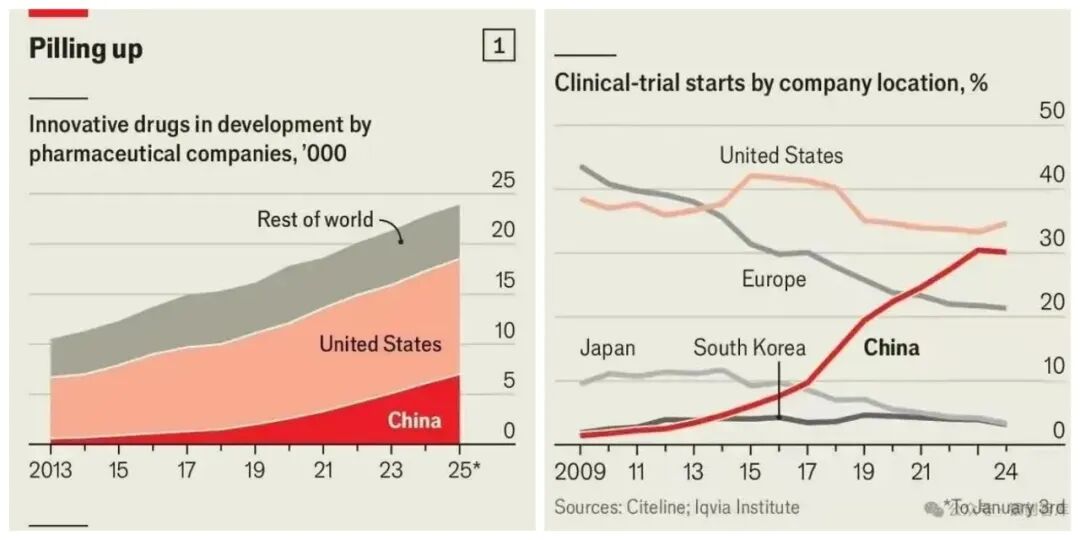
Core Viewpoint - The Chinese innovative drug sector is experiencing rapid growth, positioning itself as a global leader in drug development, with significant investments and collaborations from major pharmaceutical companies [2][8][30]. Group 1: Market Dynamics - The price of experimental monkeys has surged from 3,000 yuan to 100,000 yuan, indicating a high demand in the innovative drug sector [1]. - By 2025, China is projected to rank second globally in new drug clinical trials, with its pipeline accounting for 30% of the global total [2]. - In 2024, Chinese innovative drug companies completed 94 overseas licensing transactions, representing 44% of the national total, with over 100 transactions exceeding $100 billion in the first ten months of 2025 [6][30]. Group 2: Challenges in Traditional Pharmaceutical Sector - The generic drug sector is facing significant challenges, with a projected 5.5% decline in revenue for 2024 and over 30% of companies experiencing losses [5]. - Major pharmaceutical companies are increasingly collaborating with Chinese innovative drug firms to mitigate the risks associated with patent expirations, which could lead to a revenue gap exceeding $300 billion in the next five years [10][30]. Group 3: Advantages of Chinese Innovative Drugs - China offers a cost-effective and efficient environment for drug development, with clinical trial costs significantly lower than in the U.S. [20][21]. - The average time for clinical trial approvals in China has been reduced from 60 to 30 working days, and the average new drug application approval time has decreased to approximately 130 days [14]. - Chinese pharmaceutical companies are increasingly moving from "me-too" and "me-better" drugs to original innovations, with a notable increase in the number of innovative drug projects [27]. Group 4: Global Positioning and Future Outlook - Despite the rapid growth of Chinese innovative drugs, the overall market value of Chinese biotech companies remains significantly lower than their U.S. counterparts, capturing only 5% to 10% of global new drug revenues [30][31]. - Chinese companies are establishing commercial centers in global pharmaceutical hubs to enhance their commercialization capabilities, marking a shift towards becoming major players in the global market [37][38]. - The transition from biotech firms to large multinational pharmaceutical companies is seen as a critical step in the global battle for market share and innovation [38].



先进封装专家线上小范围交流电话会
2026-01-19 02:29
Summary of the Conference Call on Advanced Packaging Industry Industry Overview - The domestic COWS (Chip-on-Wafer-on-Substrate) packaging capacity is rapidly expanding, with companies like Shenghe and Tongfu achieving mass production by 2025, totaling approximately 1.5 million units per year, primarily using Cross-S technology [1][2] - By the end of 2026, total capacity is expected to approach 3 million units per year, benefiting from capacity releases by second-tier manufacturers such as Changdian and Huada [1][3] Key Players and Capacity - **First Tier**: Shenghe and Tongfu, with annual capacities of approximately 1.2 million and 0.3 million units, respectively [2] - **Second Tier**: Companies like Changdian and Huada are building production lines, each expected to reach 0.5 million units by the end of 2026 [2] - **Third Tier**: Non-traditional packaging manufacturers like Taiji and Riyuexing focus on consumer electronics and GPU/CPU packaging [2] Technical Insights - The yield rate for 2.5D COWS packaging is high, with a single wafer capable of being cut into 25-30 chips [4] - The construction of a 2.5D production line with an annual capacity of 1 million chips requires a capital expenditure of approximately 1 billion RMB, with 800 million RMB allocated for equipment [7][13] Equipment and Capital Expenditure - Major capital expenditures are associated with photolithography and electroplating equipment, each costing around 50 million RMB [11][14] - The domestic application of equipment in the advanced packaging sector shows significant progress, with over 50% localization in various processes [8][9] Challenges and Strategic Considerations - New entrants in the advanced packaging field face challenges such as strategic decision-making, funding support, and a long return cycle of 3-4 years [5][6] - Mastery of key technologies like bonding, RDL, FCBJ, and TSV is essential for success in 2.5D or 3D packaging [6] Market Dynamics - Upstream material prices have generally increased by 10%-20%, with storage devices experiencing a 30% rise due to capacity issues and material cost increases [19] - The localization rate for photolithography materials is low, while certain electroplating solutions have higher localization rates [16][17] Future Prospects - The potential application of silicon carbide intermediate layers is promising due to their thermal and insulation properties, but challenges in processing and equipment requirements remain [20]