
GAP

Search documents
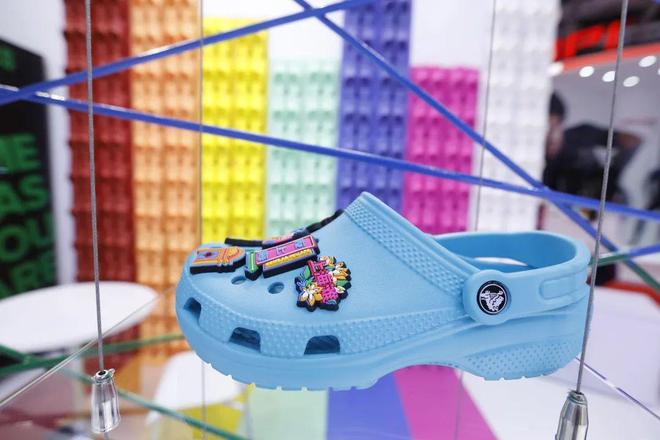
洞洞鞋Crocs股价暴跌三成
第一财经· 2025-08-11 07:28
Core Viewpoint - The impact of U.S. tariffs on domestic retail companies is becoming increasingly evident, with companies like Crocs predicting a decline in revenue due to cautious consumer spending and rising costs associated with tariffs [3][4]. Group 1: Company-Specific Impacts - Crocs anticipates a year-over-year revenue decline in Q3, contrary to analyst expectations of slight growth, attributing this to reduced consumer spending on non-essential items and concerns over price increases [3]. - The company estimates that the new costs from tariffs will reach $40 million in the second half of the year, totaling approximately $90 million for the entire year, equivalent to about 647 million RMB [3]. - Following the announcement, Crocs' stock plummeted nearly 30%, marking its largest single-day drop in 14 years [4]. Group 2: Broader Industry Effects - Nike has indicated that U.S. tariffs will add $1 billion in costs, while GAP expects an increase of $250 million to $300 million [6]. - Deckers, which owns brands like UGG and Hoka, reported a slowdown in U.S. sales growth from approximately 11% to 2.8% and warned of profit margin pressures due to tariff uncertainties [6]. - Deckers' stock fell nearly 20% after the news [7]. Group 3: International Brands - Puma's stock dropped 18.4% on July 25, following a disappointing earnings forecast that projected a "low double-digit percentage" decline in sales and potential operating losses due to U.S. tariffs [9]. - Puma estimates that U.S. tariffs will result in a gross profit loss of about €80 million in FY2025 [9]. - Adidas, despite reporting growth in the first half of the year, anticipates an additional cost of up to €200 million (approximately 157 million RMB) due to tariffs in the remaining part of the year [9]. Group 4: Pricing Strategies - Some companies are absorbing tariff-related costs to maintain market share, while others are considering price increases for U.S. consumers [10]. - Nike announced price hikes for U.S. products in response to tariff impacts, and Adidas also plans to raise prices due to increased costs from tariffs [11]. - Fast Retailing, the parent company of Uniqlo, indicated that it would adjust prices flexibly in light of tariffs, stating that raising prices is the only option available [11].

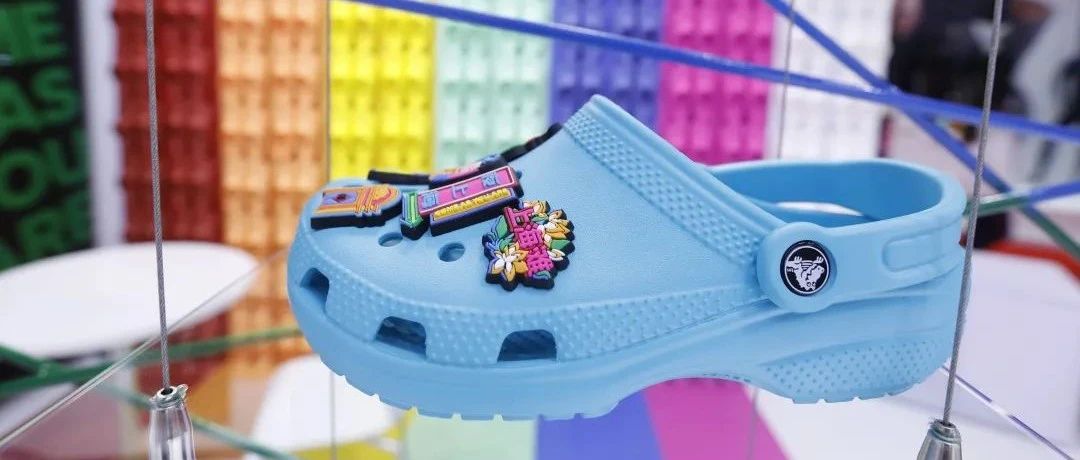
洞洞鞋Crocs股价暴跌三成
Di Yi Cai Jing Zi Xun· 2025-08-11 06:54
Core Viewpoint - The impact of U.S. tariffs on domestic retail companies is becoming increasingly evident, with companies like Crocs and Deckers reporting negative effects on profitability and stock prices due to rising costs and cautious consumer spending [2][4]. Group 1: Company Performance - Crocs has projected a year-over-year revenue decline for Q3, contrary to analyst expectations of slight growth, attributing this to cautious consumer spending on non-essential items and concerns over price increases [2]. - Deckers, which owns brands like UGG and Hoka, reported a slowdown in U.S. sales growth from approximately 11% to 2.8%, and warned of profit margin pressures due to tariffs, despite plans to absorb some of the cost increases [4]. - Puma has downgraded its sales forecast for FY2025, expecting a "low double-digit percentage" decline in sales and a shift from profit to operating loss due to new tariffs and other adverse factors [5]. - Adidas, while reporting growth in the first half of the year, anticipates an additional cost of up to €200 million (approximately 15.7 billion RMB) from tariffs in the remaining part of the year [5][6]. Group 2: Market Reactions - Following the announcement of its revenue forecast, Crocs' stock plummeted nearly 30%, marking its largest single-day drop in nearly 14 years [2]. - Deckers' stock also fell nearly 20% after revealing the impact of tariffs on its profit margins [4]. - Puma's stock experienced an 18.4% drop on July 25, marking its largest decline in recent years [4]. Group 3: Pricing Strategies - Companies like Nike and Adidas are considering raising prices in the U.S. market to offset the increased costs from tariffs, with Nike already announcing price hikes [6]. - Fast Retailing, the parent company of Uniqlo, is also planning flexible price adjustments in response to tariff impacts, indicating a trend among companies to pass some costs onto consumers [6].
宝尊接手Sweaty Betty中国经营权,重塑英国版lululemon
3 6 Ke· 2025-07-16 03:28
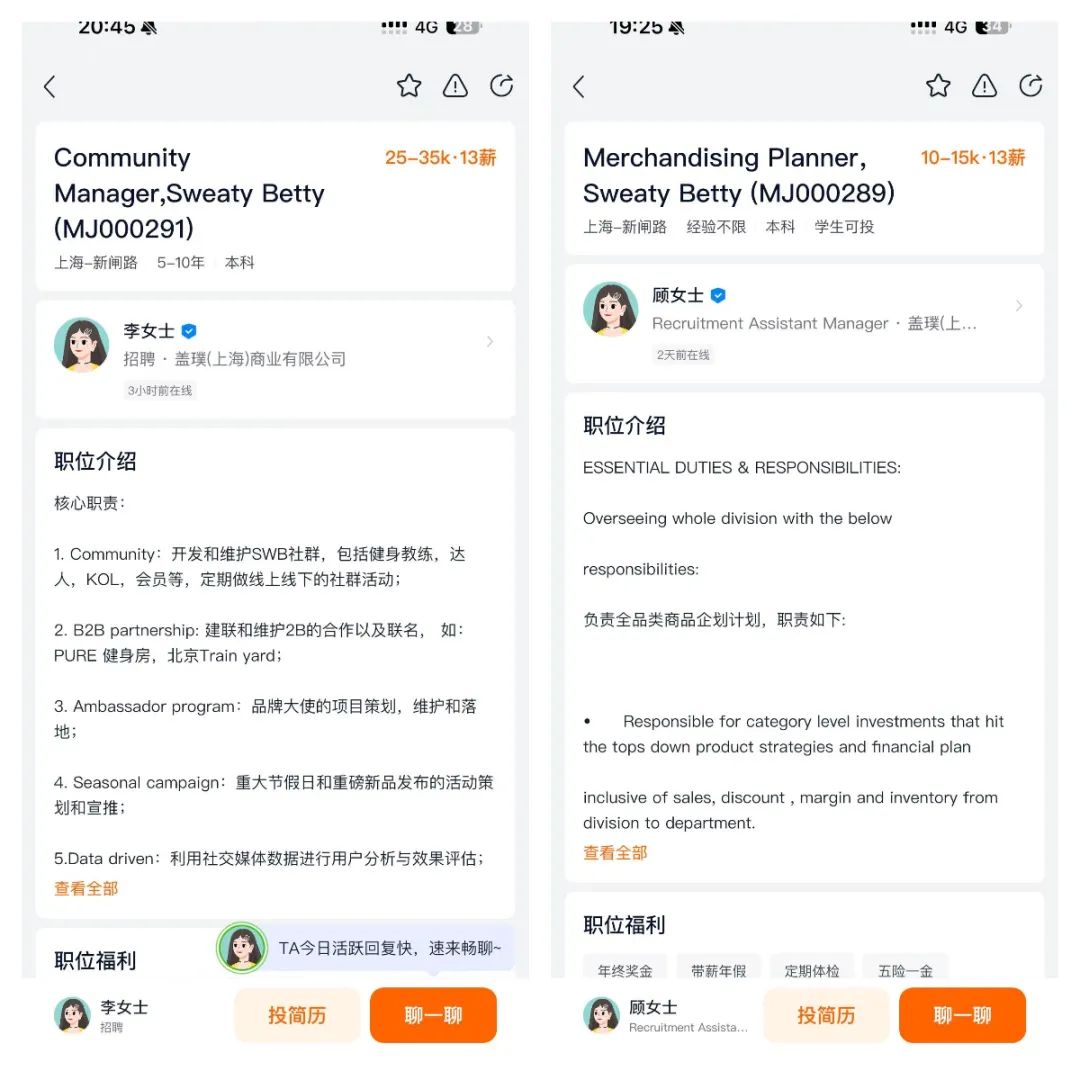
Core Insights - Sweaty Betty, a UK yoga apparel brand, is ending its direct operation model in China and transferring its operational rights to Baozun, marking it as the third international brand under Baozun's management after GAP and Hunter [1][5][9] Group 1: Company Transition - The operational rights of Sweaty Betty in China have been handed over to Baozun, which is actively recruiting for roles related to sports community and product operations [1][5] - The team managing Sweaty Betty will share resources with the teams handling GAP and Hunter, indicating a streamlined operational approach [7][11] - The decision to transfer the operational rights comes after Sweaty Betty faced challenges in the Chinese market, struggling to compete with lululemon, which has seen over 50% growth in the region [3][5] Group 2: Market Performance - Sweaty Betty's products are priced similarly to lululemon, with training leggings priced between 750 to 1180 RMB and training tops between 480 to 750 RMB [3] - The brand's revenue for the year was reported at $199 million, reflecting a decline of 2.4%, with expectations of low single-digit revenue decline in 2025 [9][15] - The overall high-end yoga apparel market in China is experiencing a slowdown, with lululemon's growth in the region dropping to around 20% [15][18] Group 3: Competitive Landscape - The competitive landscape includes not only lululemon but also emerging brands like Vuori and alo, which are expanding their presence in China [15][18] - Baozun's strategy may need to focus on differentiation and brand positioning to effectively compete against established players like lululemon [13][14] - The success of Baozun in managing Sweaty Betty will depend on its ability to navigate the challenges posed by both local and international competitors in the high-end yoga apparel market [18]

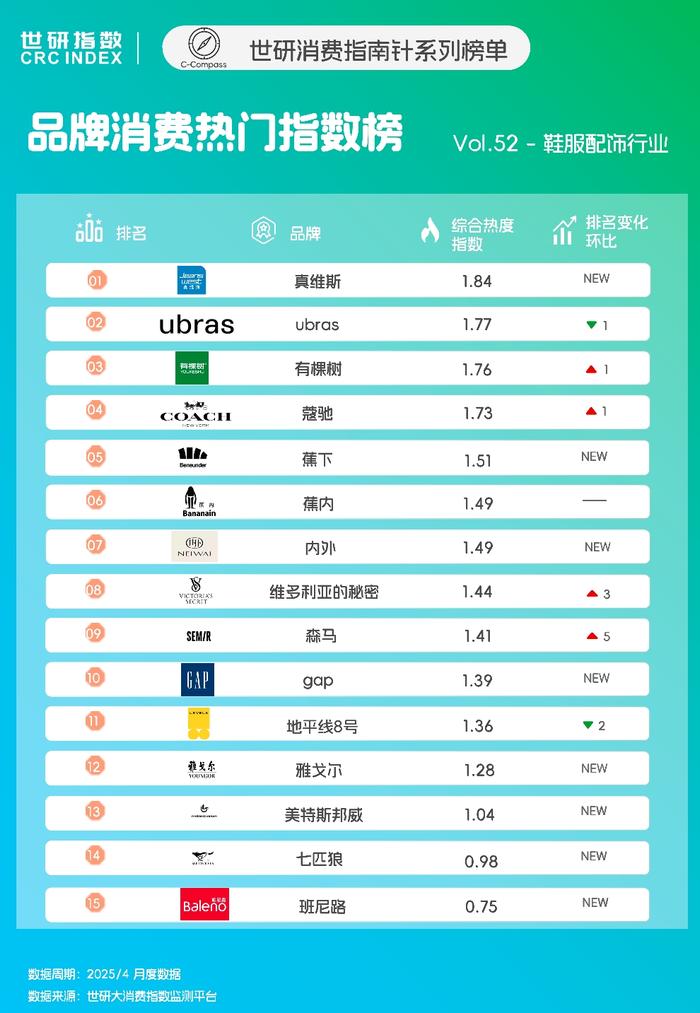
鞋服配饰品牌TOP15,科技掀起内衣材料革命|世研消费指数品牌榜Vol.52
3 6 Ke· 2025-07-15 11:01
Group 1 - The top three brands in the comprehensive heat index are JNBY, Ubras, and Youkeshu, with scores of 1.84, 1.77, and 1.76 respectively [1][2] - The ranking indicates a new entry for JNBY and significant movements for Ubras and Youkeshu, which have improved their positions [2] Group 2 - Emerging lingerie brands are redefining consumer logic through a "technology and scenario dual spiral" approach, addressing both functional and emotional needs [3] - Ubras is promoting its ultra-thin "air feel seamless series" using patented technology to adapt to spring outfits, while JNBY has upgraded its fourth-generation "cool skin sunscreen clothing" [3] - Youkeshu integrates ESG strategies into its products, targeting environmentally conscious consumers [3] - The lingerie industry is evolving from basic comfort to a dual-track competition focusing on "technological accessibility and value-based branding" [3] Group 3 - Traditional apparel brands are leveraging nostalgia and functionality to reshape consumer value, with brands like Metersbonwe reviving classic IPs and Seven Wolves introducing graphene antibacterial shirts [4] - The integration of professional performance into everyday solutions is evident, as brands like JNBY launch products that blend outdoor aesthetics with practical features [4] - The new outdoor logic emphasizes lightweight travel freedom, transforming micro-travel from a functional need into an expression of lifestyle aesthetics [4] Group 4 - The report is part of the Shiyuan Consumption Index series, which includes various consumption index rankings aimed at objectively presenting trends in the consumer market [5] - The index continuously monitors 12 major industries, including digital products, apparel, food, and health care, providing insights for businesses to enhance their competitive edge [5]
连亏四年的宝尊电商 靠“买买买”可以盈利吗?
经济观察报· 2025-07-08 11:54
Core Viewpoint - The successful operation of GAP by Baozun E-commerce is seen as a benchmark, indicating that its operational model could be replicated for other brands in the future [1][13]. Group 1: Company Overview - Baozun E-commerce has been transforming its business model by acquiring international footwear and apparel brands' operational rights in China, aiming to overcome performance challenges [2][12]. - Despite these efforts, Baozun E-commerce reported significant losses, with a net profit of -1.85 billion yuan in 2024 and total losses exceeding 1.3 billion yuan from 2021 to 2024 [7][12]. Group 2: Brand Management and Acquisitions - The company has recently acquired the Chinese operations of the high-end yoga apparel brand Sweaty Betty and previously acquired GAP's China operations in 2022, marking a dual-path transformation towards "operational agency + brand management" [4][5][12]. - The brand management segment, which includes GAP, Hunter, and Sweaty Betty, is expected to face challenges due to varying target markets and operational complexities [9][13]. Group 3: Financial Performance - The brand management segment generated revenue of 1.474 billion yuan in 2024, a year-on-year increase of 15.97%, but still reported a net loss of 169 million yuan [13]. - The e-commerce business remains the primary revenue source, accounting for over 85% of total revenue in 2024, although it has faced revenue fluctuations from 8.401 billion yuan in 2022 to 8.070 billion yuan in 2024 [15][16]. Group 4: Market Challenges - The e-commerce sector is experiencing growth limitations due to intense competition, rising customer acquisition costs, and declining conversion rates, which are common challenges across the industry [12][16]. - The company is also expanding its offline presence, with plans to open 40 new GAP stores in the second half of 2024, indicating a strategic shift towards physical retail [17][18].

连亏四年的宝尊电商 靠“买买买”可以盈利吗?
Jing Ji Guan Cha Wang· 2025-07-07 13:28
Core Viewpoint - Baozun E-commerce is undergoing a transformation by acquiring international footwear and apparel brands' operational rights in China, aiming to overcome performance challenges, yet it has not achieved profitability as of Q1 this year [2][4]. Group 1: Financial Performance - Baozun E-commerce has seen a significant decline in its stock price, with its Hong Kong shares dropping from 148 HKD to around 7 HKD, resulting in a market value loss of over 90% [2]. - The company reported a net loss of 1.85 billion CNY in 2024, accumulating total losses exceeding 1.3 billion CNY from 2021 to 2024 [4]. - The e-commerce business revenue for Baozun from 2022 to 2024 was 8.401 billion CNY, 7.621 billion CNY, and 8.070 billion CNY, with profits remaining stagnant [10]. Group 2: Strategic Acquisitions - Recently, Baozun acquired the China operations of the UK high-end yoga apparel brand Sweaty Betty, which is currently hiring for various positions [3]. - The company previously acquired GAP's China operations in 2022, leading to a substantial loss of 653 million CNY that year, and also acquired Hunter's China operations in 2023 [4][6]. - Sweaty Betty's global performance has been declining, with a revenue drop of 490 million USD in 2024 and 710 million USD in Q1 2025, impacting the parent company, Wolverine World Wide [5]. Group 3: Market Challenges - The e-commerce industry faces growth limitations due to low entry barriers and intense competition, with major brands preferring to establish direct sales channels [8]. - Baozun's brand management segment, while showing potential, has not yet turned profitable, with a net loss of 1.69 billion CNY in 2024 despite a revenue increase of 15.97% [9]. - The company is expanding its offline presence, with GAP planning to open 50 new stores by 2025, indicating a shift in strategy to counteract online growth challenges [11].

这家公司出手,收购英国版Lululemon!
中国基金报· 2025-07-04 14:17
Core Viewpoint - Baozun E-commerce has acquired the China operations of the high-end yoga apparel brand Sweaty Betty, marking its third international brand acquisition in three years, following GAP and Hunter [2][5]. Group 1: Acquisition Details - The acquisition of Sweaty Betty is part of Baozun's strategy to enhance its brand management capabilities and move away from the instability of the agency model [6]. - Sweaty Betty, founded in 1998, has struggled in the Chinese market since its entry in 2021, with a significant reduction in its physical store presence [5][9]. - The acquisition aims to leverage the untapped potential of high-end brands in China, as noted by industry insiders [5][6]. Group 2: Strategic Transformation - Baozun is restructuring its business into three main lines: Baozun E-commerce (BEC), Baozun Brand Management (BBM), and Baozun International (BZI), with acquisitions being a key part of this transformation [5][6]. - The operational team for Sweaty Betty will be sourced from GAP, indicating a strategy of localized restructuring, including supply chain adjustments and product modifications for Asian consumers [8]. Group 3: Market Context - The high-end sportswear market in China is becoming increasingly competitive, with Lululemon holding over 70% market share in the high-end yoga segment [9]. - Despite a 20% growth in Lululemon's mainland China market, the growth rate has significantly slowed, indicating a challenging environment for new entrants like Sweaty Betty [9][10]. - Cultural alignment is crucial for high-end brands, and Sweaty Betty has yet to establish a localized brand identity in China, which may hinder its success [10].

宝尊电商收购lululemon竞品,曾重构GAP中国市场
Nan Fang Du Shi Bao· 2025-07-04 04:41
Core Viewpoint - Baozun E-commerce has completed the acquisition of the UK high-end yoga wear brand Sweaty Betty's business in China, marking its third international brand acquisition after GAP and Hunter [2][4]. Group 1: Company Overview - Baozun E-commerce, established in 2003, provides a one-stop e-commerce partnership and technology solutions for brand enterprises and retailers, with a workforce of 1,313 employees in 2024 [4]. - The company is listed on both the US and Hong Kong stock exchanges, reporting a revenue of $284 million in Q1 2025, a year-on-year increase of 3.27% [4]. - Baozun's brand management business (BBM) revenue grew by 23.4% year-on-year to approximately RMB 390 million, with adjusted operating losses narrowing by 28.1% [6]. Group 2: Acquisition Details - The operational team for Sweaty Betty in China will be the same as that for GAP and Hunter, indicating a consistent strategy in managing acquired brands [2][9]. - Sweaty Betty's entry into the Chinese market faced challenges, including the closure of its only independent store in mainland China in March 2023, with sales now limited to online channels [8][9]. Group 3: Market Context - Sweaty Betty, known for its stylish yoga pants, has seen a decline in global revenue, with 2023 figures at $203 million, down 3.6% year-on-year [8]. - The competitive landscape includes Alo Yoga, which is expanding into China with a focus on luxury and lifestyle products, and Lululemon, which reported a 21% increase in revenue from the Chinese market [11][12].

lululemon涨价,是中国给的底气?
3 6 Ke· 2025-06-11 23:27
Core Viewpoint - Lululemon is facing significant challenges in maintaining growth, particularly in its core North American market, leading to a substantial drop in stock price after disappointing earnings and lowered guidance [3][4][5]. Group 1: Financial Performance - Lululemon's first-quarter revenue in North America grew by only 3% year-over-year, with comparable sales down by 2%, indicating a decline in customer retention [5][6]. - The company's net profit for the quarter decreased by 2.13% to $315 million, marking the first decline since the pandemic's impact in 2020 [6]. - Analysts have expressed skepticism about Lululemon's ability to recover in North America, with Morgan Stanley cutting its price target from $389 to $303 per share [7]. Group 2: Market Dynamics - The brand is losing its core customers, particularly as U.S. middle-class consumers reduce spending on high-end athletic apparel [6][11]. - In China, while revenue grew by 21%, comparable sales only increased by 7%, suggesting a slowdown in growth despite the market's overall performance [9][12]. - Lululemon's expansion plans have fallen short, with only three new stores opened in China this year, compared to an initial target of 40-50 [9]. Group 3: Competitive Landscape - Lululemon faces increasing competition from brands like Alo Yoga, Vuori, and Gymshark, as well as established players like Nike and Adidas, which are capturing market share among younger consumers [11][12]. - The brand's recent shift towards a more fashion-oriented image has diluted its core identity, leading to concerns about product differentiation and market positioning [18]. Group 4: Strategic Responses - To mitigate financial impacts, Lululemon is optimizing procurement and negotiating with suppliers to reduce costs, while also planning to raise prices on some products [12][13]. - The company is attempting to diversify its product offerings, including men's apparel and footwear, but has struggled to achieve significant growth in these categories [14][16].

OMA 5月交通流量:略高于第二季度预期
Morgan Stanley· 2025-06-06 07:45
Investment Rating - The report assigns an "Overweight" rating to OMA, indicating that the stock's total return is expected to exceed the total return of the relevant country MSCI Index over the next 12-18 months [6][33]. Core Insights - OMA's total passenger traffic increased by 6.9% year-over-year (Y/Y) in May, outperforming competitors GAP (+2.9%) and ASUR (-3.0%) in Mexico. Quarter-to-date (QTD) traffic is up 12.7% [2][4]. - International traffic saw a significant increase of 19.5% Y/Y, while domestic traffic grew by 5.1% Y/Y. Notably, Monterrey traffic increased by 17.8% Y/Y [2][10]. - The expected traffic growth for 2Q25 is projected to be around 11% Y/Y, slightly above consensus estimates [3]. Summary by Sections Traffic Performance - In May 2025, Monterrey recorded 1,302,000 passengers, a 17.8% increase from May 2024, while other airports saw a decrease of 4.1% Y/Y [4]. - Total passenger traffic for OMA in May 2025 was 2,354,000, up from 2,202,000 in May 2024 [4]. Market Position - OMA's market capitalization is currently M$95,610 million, with a price target set at US$105.00, compared to a closing price of US$103.21 on June 5, 2025 [6][11]. Valuation Methodology - The price target is based on a discounted cash flow (DCF) valuation using an 8.5% weighted average cost of capital (WACC) and assumes all Mexican airport concessions expire in 2048 with no terminal value [11].