
Impossible Foods

Search documents
一家超级明星公司凉了
首席商业评论· 2025-12-19 03:44
Core Viewpoint - The artificial meat industry is experiencing a dramatic cycle from capital enthusiasm to rapid decline, exemplified by Beyond Meat's withdrawal from the Chinese market and significant operational challenges globally [4][7]. Company Overview - Beyond Meat, founded in 2009, was one of the earliest plant-based meat companies in the U.S. and gained significant capital interest, attracting high-profile investors like Bill Gates and Leonardo DiCaprio [4][10]. - The company expanded into China in 2020, establishing two factories in Jiaxing, aiming to become a leading plant-based meat producer [6][11]. Market Performance - Since 2022, Beyond Meat has faced continuous revenue declines and increasing losses, with stock prices plummeting nearly 97% from their peak [5][7]. - The company's revenue figures from 2022 to 2024 were $419 million, $343 million, and $326 million, with corresponding losses of $366 million, $338 million, and $160 million [7]. Challenges in China - Beyond Meat's initial success in China included partnerships with major brands like Starbucks and KFC, but the company has now closed its flagship e-commerce store and halted production in Jiaxing [6][7]. - The decision to exit the Chinese market was preceded by a board-approved plan to suspend operations and reduce the workforce by 95% [7]. Industry Trends - The broader plant-based meat industry is facing significant challenges, with other companies like Impossible Foods also experiencing layoffs and market struggles [13]. - The decline in interest from investors is evident, with global venture capital investment in plant-based meat companies dropping by 64% in 2024 [15]. Consumer Sentiment - A report indicated that approximately 74% of Chinese consumers do not plan to repurchase plant-based meat products, primarily due to taste and high prices, which are 82% higher than traditional meat [14][15]. - The core consumer base for plant-based meat remains limited to niche groups such as vegetarians and fitness enthusiasts, which hinders market expansion [15].

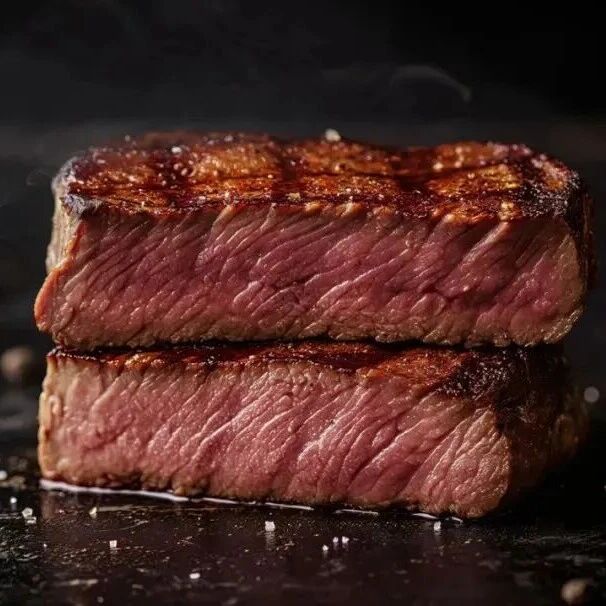
一家超级明星公司凉了
3 6 Ke· 2025-12-16 07:17
Core Insights - The plant-based meat industry is experiencing a dramatic cycle from capital enthusiasm to a rapid decline, exemplified by Beyond Meat's recent exit from the Chinese market [1][10] - Beyond Meat has closed its flagship e-commerce store in China and halted production at its factory in Jiaxing, signaling a clear withdrawal from the market [1][3] - The company's struggles reflect broader challenges within the plant-based meat sector, with significant revenue declines and a nearly 97% drop in stock price from its peak [1][4][10] Company Overview - Beyond Meat, founded in 2009, was one of the first plant-based meat companies in the U.S., attracting significant investment from high-profile figures like Bill Gates and Leonardo DiCaprio [1][8] - The company expanded into China in 2020, establishing two factories in Jiaxing, aiming to become a leading player in the plant-based meat market [3][4] - Initial success included partnerships with major brands like Starbucks and KFC, but the company has faced declining sales and increased losses since 2022 [3][4] Financial Performance - Beyond Meat's revenue from 2022 to 2024 showed a downward trend: $419 million in 2022, $343 million in 2023, and projected $326 million in 2024, with corresponding losses of $366 million, $338 million, and $160 million [4] - In the first three quarters of 2023, the company reported $214 million in revenue, a 14.37% year-over-year decline, and a net loss of $193 million [4] - As of December 15, 2023, the stock price was $1.04 per share, with a market capitalization of $472 million, down from a peak of $15.3 billion [4][10] Industry Context - The plant-based meat sector is facing widespread challenges, with many companies, including Impossible Foods, also experiencing layoffs and operational cutbacks [10][11] - The overall market for plant-based meat is small, with a limited consumer base primarily consisting of vegetarians and health enthusiasts, which hinders broader market expansion [12] - Key barriers to growth include poor taste perception among consumers, high prices (82% more expensive than traditional meat), and a lack of widespread appeal [12][13] Investment Trends - Investment in plant-based meat companies has significantly declined, with a 64% drop in 2024 and a 40% further decline in cultivated meat investments [13] - Despite the current downturn, the long-term potential for plant-based meat remains, contingent on achieving a balance between price, taste, and commercial scalability [13]
一家超级明星公司凉了
投中网· 2025-12-16 06:11
Core Viewpoint - The plant-based meat industry is experiencing a dramatic shift from capital enthusiasm to a rapid decline, exemplified by Beyond Meat's recent closure of its flagship e-commerce store in China and the shutdown of its factory in Jiaxing, signaling a potential exit from the Chinese market [3][4][9]. Company Overview - Beyond Meat, founded in 2009, was one of the earliest plant-based meat companies in the U.S. and gained significant capital interest, attracting notable investors like Bill Gates and Leonardo DiCaprio [3][16]. - The company expanded into China in 2020, establishing two factories in Jiaxing with ambitions to become a leading plant-based meat producer globally [6][7]. Financial Performance - Since 2022, Beyond Meat has faced continuous revenue declines and increasing losses, with stock prices plummeting nearly 97% from their peak [8][5]. - The company's revenues from 2022 to 2024 were reported at $419 million, $343 million, and $326 million, with corresponding losses of $366 million, $338 million, and $160 million [8][21]. Market Challenges - The closure of Beyond Meat's operations in China reflects broader struggles within the plant-based meat sector, where companies like Impossible Foods have also faced layoffs and operational challenges [19][20]. - The plant-based meat market is hindered by three main issues: poor taste perception among consumers, high prices compared to traditional meat (82% higher), and a limited consumer base primarily consisting of vegetarians and fitness enthusiasts [21][22]. Investment Trends - Investment in plant-based meat companies has significantly declined, with a reported 64% drop in 2024, following a 75% decrease in cultivated meat investments [22].
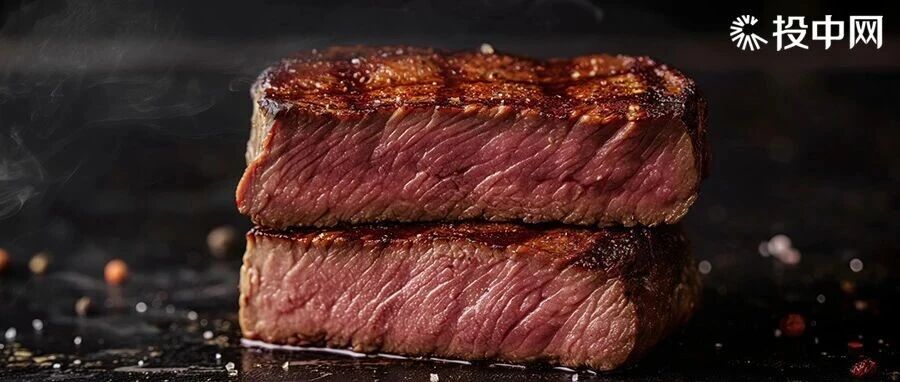
研判2025!中国植物肉行业发展历程、市场规模、竞争格局及发展趋势分析:健康消费升级驱动,植物肉未来有望增长[图]
Chan Ye Xin Xi Wang· 2025-12-10 01:23
Core Insights - The plant-based meat industry is gaining attention due to increasing consumer awareness of healthy eating and sustainability, with unique taste and nutritional value driving demand [1][9] - The market for plant-based meat in China saw a decline in 2022, with a 5.6% year-on-year decrease, but is expected to recover, reaching a market size of 10.5 billion yuan by 2025, a 10.5% increase [1][9] Industry Overview - Plant-based meat is made from plant proteins like soy and peas, mimicking the texture and flavor of animal meat, and offers health benefits such as zero cholesterol and high essential amino acids [1][3] - The industry has evolved through five stages, from early exploration (1970s-2008) to commercialization (2009-2018), explosive growth (2019-2021), a cooling adjustment period (2022-2024), and now a phase of transformation and standardized development [4][5][6] Market Dynamics - The global plant-based meat market is projected to grow from $12.1 billion in 2019 to $16.5 billion in 2024, with a compound annual growth rate (CAGR) of 6.4% driven by health and sustainability concerns [9] - In China, the market is expected to recover and grow, with companies diversifying their product offerings to adapt to local tastes and preferences [1][9] Competitive Landscape - Major players in the global market include Beyond Meat and Impossible Foods, while in China, companies like Yantai Shuangta Food Co., Ltd., Jinzi Ham Co., Ltd., and Shenzhen Qishan Food Co., Ltd. are key competitors [2][10] - Jinzi Ham has developed various plant-based products and was the first to sell plant-based meat in China, while Shuangta Food focuses on pea protein and has established a dedicated plant-based meat team [10][12] Development Trends - The industry is expanding into Chinese culinary contexts, with products like dumplings and hot pot meatballs emerging, while technological advancements are improving taste and texture [13] - A standardized labeling and safety framework is expected to enhance consumer trust and market growth, alongside a diversification of raw materials beyond soy and peas to include microalgae and yeast proteins [13][14]


“人造肉”千亿赛道的坍塌:资本的幻想与精英主义的泡沫
硅谷101· 2025-11-26 01:17
这是一个曾被比尔·盖茨、李嘉诚、小李子押注的千亿赛道,如今却沦为华尔街的笑话。2019年,Beyond Meat上市首日暴涨163%,一度被视为“拯救地球的未来”;而2025年,它的股价已较高点跌去99.5%,甚至沦为被散户爆炒的Meme“妖股”。更讽刺的是,为了生存,曾经的行业颠覆者Impossible Foods竟然宣布:考虑在植物肉里加“真肉”。 从受到全球资本疯狂追捧,到如今裁员、濒临破产,人造肉行业究竟做错了什么?是口感和价格的双输局面,还是资本健康神话的泡沫破裂?本期视频,我们将实地品尝硅谷现存的人造肉汉堡,并探访超市货架,翻开配料表、融资图,用亲身体验与客观数据揭开人造肉的真相。这场打着拯救地球旗号的科技精英主义实验,到底错在了哪里?人造肉还有机会东山再起吗? 你会看到: 人造肉神话破灭:从华尔街宠儿到妖股玩具 黄金赛道急冻:资本骤冷、投资退潮,消费者们用脚投票 Beyond Meat绝境:10亿美元债务危机下“回光返照”的妖股 Impossible Foods叛变:撕下100%植物基的最后一块遮羞布 不香了的人造肉:口味与价格是永远的痛点 健康神话的破灭:从“健康食品”到“超加工食品”(UPF ...


Fatburger Spotlights World Vegan Month with Free Impossible Burgers
Globenewswire· 2025-11-04 14:00
Core Insights - Fatburger, owned by FAT Brands Inc., is collaborating with Impossible Foods to celebrate World Vegan Month with a Buy-One-Get-One FREE Impossible Burger promotion throughout November 2025 [1] - The partnership includes the launch of the White Tee Challenge, an interactive event where participants can enjoy a free Impossible Burger and showcase their creativity with various sauces [2][3] Company Overview - FAT Brands is a global franchising company that owns and operates 18 restaurant brands, including Fatburger, and has over 2,300 units worldwide [4] - Fatburger has a legacy of over 70 years, known for its customizable, high-quality burgers and a loyal customer base that includes celebrities [5]
Beyond Meat's stock collapses after debt deal
Yahoo Finance· 2025-10-16 10:00
Company Overview - Beyond Meat's stock has collapsed to less than $1 after finalizing a deal to reduce its debt burden, which involves issuing up to 326 million new shares to note holders [2][5] - The company has experienced a significant decline in sales, dropping from a peak of $465 million in 2021 to $326 million last year, with second-quarter sales down 20% resulting in a loss of $29.2 million [5][7] Market Trends - There has been a shift in consumer preferences back to animal meats, which has negatively impacted demand for plant-based products like those offered by Beyond Meat [3][4] - The U.S. plant-based meat and seafood industry has seen a 28% drop in unit sales and an 18% decline in revenue to $1.17 billion over the last two years, indicating a broader trend affecting the sector [7] Competitive Landscape - Beyond Meat faces stiff competition from Impossible Foods, which has gained market share in supermarkets and is featured in menu items like the Whopper at Burger King [6]
Bloomberg Green’s Guide to Climate Week NYC
MINT· 2025-09-20 14:10
Core Insights - Climate Week NYC will feature over 1,000 events focusing on clean technology, adaptation, and finance, coinciding with the United Nations General Assembly [1] - New themes such as artificial intelligence and national security are gaining prominence alongside the ongoing need to cut emissions [2] - Investment in climate technology has stabilized after a decline, partly due to the rise of AI, which has attracted funding for companies focused on decarbonizing data centers [3] Group 1: Climate Technology and Investment - Big tech companies have invested hundreds of billions into AI, with expectations of further spending, while climate tech investment has seen a decline before stabilizing [3] - The rising costs of climate-related disasters, such as the $164 billion losses from the Los Angeles fires, highlight the need for better adaptation strategies [4] Group 2: Events and Discussions - Events during Climate Week will cover various topics, including resilience through insurance, the role of health in climate adaptation, and the intersection of climate change with public indebtedness in developing countries [7][9][23] - The Concordia Annual Summit will focus on creating social impact and bold climate solutions, featuring discussions among leaders in business, government, and media [8] - The UN Climate Summit 2025 will include heads of state presenting updated commitments to cutting emissions, emphasizing the importance of international cooperation [25]


6年时间,上涨800%后暴跌98%,”人造肉网红“Beyond Meat的溃败
Hua Er Jie Jian Wen· 2025-05-24 05:00
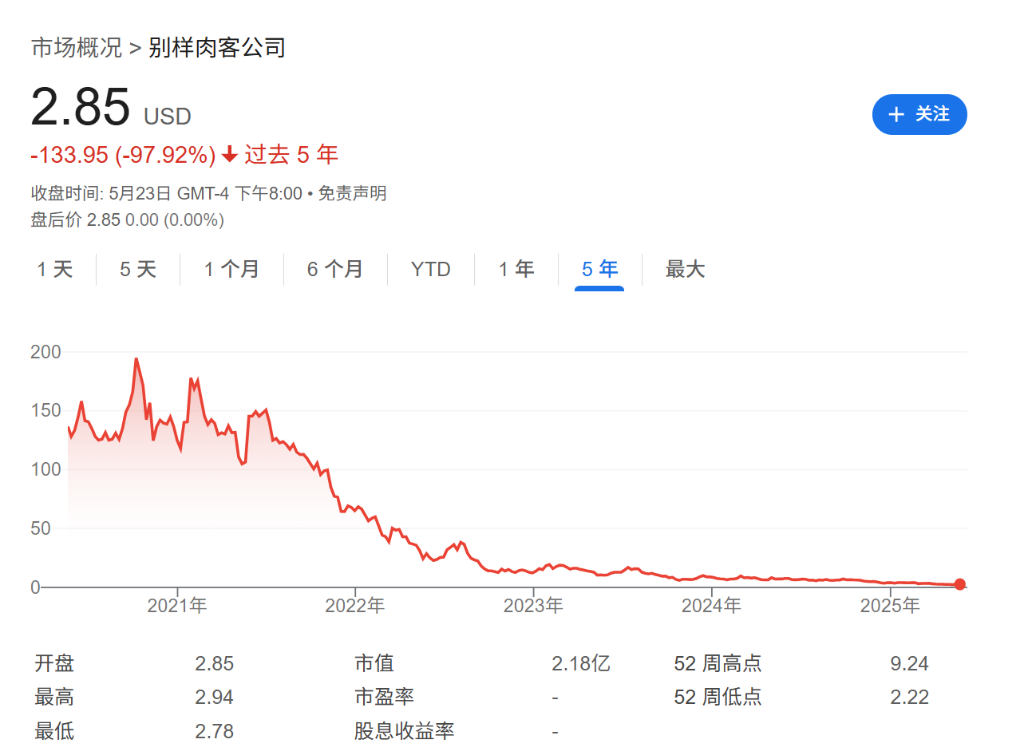
Core Insights - Beyond Meat, once hailed as a "plant-based meat superstar," has experienced a dramatic decline from a high-performing IPO to a stock deemed "junk" [1] - The company's stock price has plummeted over 90% from its peak, dropping to under $3 by 2024, resulting in a market cap loss of billions [1][6] - This situation highlights how Wall Street's hype can transform a seemingly revolutionary concept into an investment bubble, obscuring critical warning signs such as ongoing losses, increasing competition, high pricing, and low customer retention [1][6] Group 1: Initial Success and Market Trends - Beyond Meat went public in May 2019, aligning perfectly with growing consumer trends towards health and environmental consciousness, leading to an over 800% stock price increase shortly after its IPO [3] - The plant-based meat market saw sales reach $1.3 billion in 2020, a 46% increase from 2019, but this was significantly below Wall Street's expectations [3] - Analysts initially projected a market opportunity for plant-based meat to reach $20-30 billion over ten years, drawing misleading comparisons to the plant-based beverage market [3][6] Group 2: Warning Signs and Decline - Despite initial enthusiasm, Beyond Meat continued to report significant net losses and struggled to achieve profitability, with a pricing strategy that limited appeal to price-sensitive consumers [6] - Customer retention became a critical issue, as many consumers tried Beyond Meat products only once or twice without becoming regular buyers, leading to disappointing sales growth [6] - The competitive landscape intensified with established food giants like Tyson Foods and Nestlé entering the plant-based protein market, alongside innovative startups [6][7] Group 3: Lessons Learned - Beyond Meat's fundamentals illustrate a cautionary tale for investors, with projected revenues of approximately $330 million by 2025 representing only a 10% increase over six years, and an operating loss rate of 45% [9] - The company's $1 billion convertible debt, maturing in March 2027, is trading at a mere 17% of face value, indicating severe market skepticism [9] - This case underscores the importance of fundamental analysis, as actual consumer acceptance, product cost structures, and competitiveness against traditional meat are crucial for investment success [9]
韩国替代蛋白初创完成C轮融资,950万美元加速商业化进展
合成生物学与绿色生物制造· 2025-04-26 12:30
日前,韩国出台了全球首个合成生物法,而正在此时,韩国一家替代蛋白质初创公司传来重大融资消息。 INTAKE 利用当地种植的葡萄开发了一种 酵母菌株 ,其蛋白质含量比传统酵母高 1.5 倍 ,旨在取代 乳清蛋白 。该菌株通过适应性进化,并非转基因产 品,因此不受重大监管限制。尽管如此,Intake 正在准备所有必要的数据,以获得美国食品药品监督管理局的 NDI(新膳食成分)和 GRAS认证,确保不存 在任何安全问题。 此外,Intake 正在利用基于 CRISPR 的基因编辑技术,在原生菌株中表达,研发血红素蛋白——一种已知赋予牛肉红色和肉味的主要成分。植物肉巨头 Impossible Foods 也利用精准发酵技术,为其牛肉类似物生产血红素蛋白。 该公司还在利用该技术开发 蛋清蛋白 。加州的 Every Company 和芬兰的 Onego Bio 是这一领域的领导者,前者销售重组鸡蛋蛋白已有数年,后者最近获准 在美国销售其成分。 Intake 现有的业务包括补水品牌 Vital Water,去年为公司带来了 1520 万美元的净收入,年增长率达 30%。Innocent 品牌旗下销售素食饺子、肉丸、沙拉三 ...