
XREAL

Search documents
争夺7亿近视用户,AI眼镜线下大扩张,雷鸟、Rokid、XREAL贴身肉搏
3 6 Ke· 2026-02-03 04:14
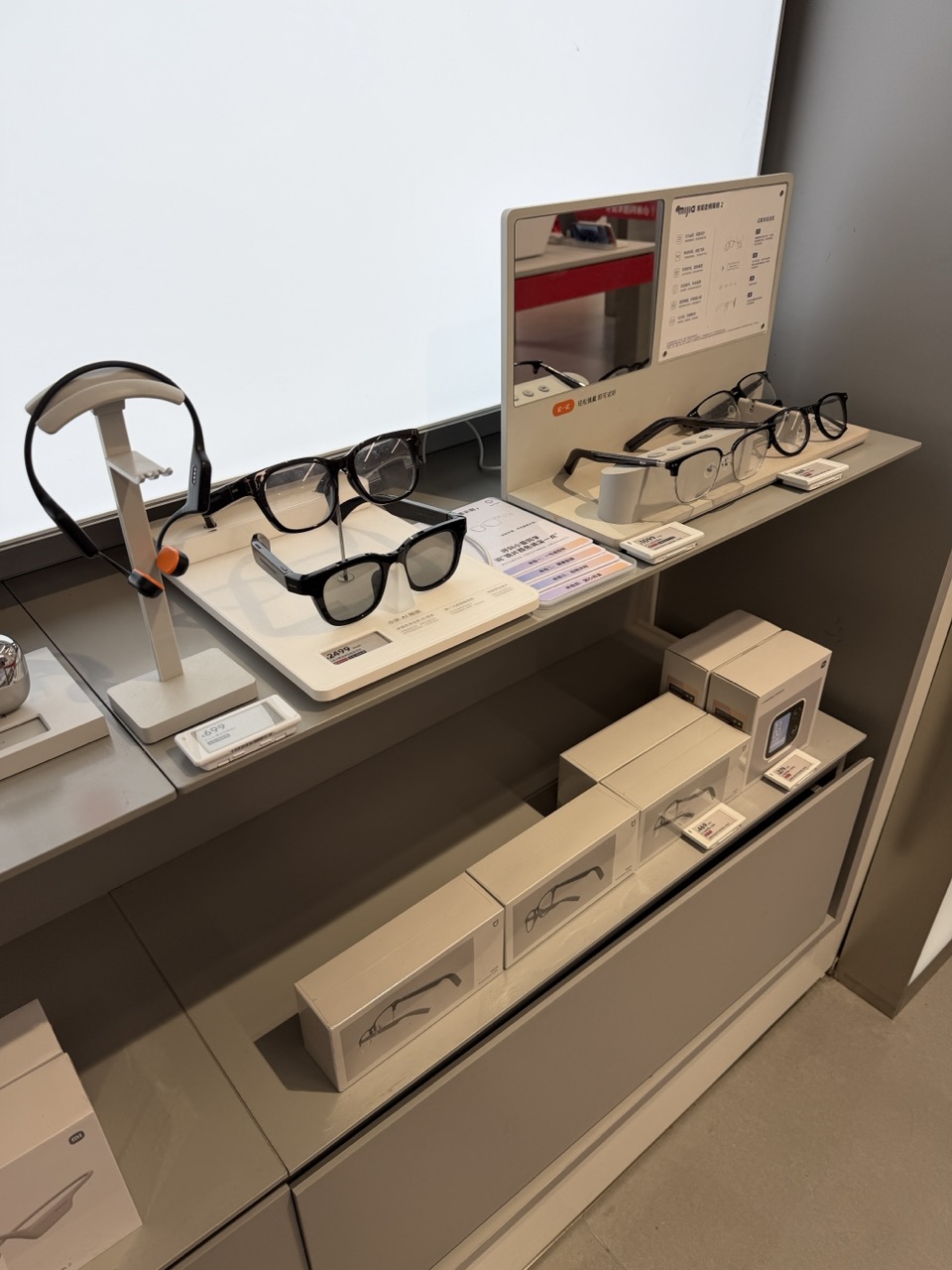
去年 12 月初,雷科技走访广州天河路商圈,对 AI 眼镜线下市场覆盖进行了一番观察。今年 1 月初,雷科技 CES 2026 报道团在拉斯维加斯又领略了全球客 商对中国 AI 眼镜产品的巨大热情。 正如雷科技线下走访观察文章所言,「AI 眼镜是一个高速发展的行业,然而线下世界还没准备好迎接它」。 2026 年春节前夕,基于品牌门店覆盖情况,雷科技再次对 AI 眼镜品类展开观察,这次走出广州,来到全国范围。 渠道为王,AI 眼镜品牌正在中国大举开店 小米、雷鸟、乐奇 Rokid 和 XREAL,是目前中国智能眼镜市场「四大金刚」品牌。 基于庞大的小米之家专卖店/直营店布局体系,小米的 AI 眼镜产品,自上市之日起就拥有其它国产品牌难以企及的线下市场展示和销售渠道。 佛山岭南天地小米之家直营店(雷科技现场摄制) 然而,如果把全国 34 个省级行政区全部纳入其中的话,强如小米,也无法靠自有渠道门店去实现全覆盖,好比小米之家专卖店/直营店,直到现在也未开到 西藏、澳门等地。 AI 眼镜品牌,想在短时间内实现全国各省市的全覆盖,有且只有一个办法,那就是竭尽所能地去接入更多第三方线下渠道商:不管是数码科技门店,还是 传 ...

AI眼镜的全新卡位赛:长期博弈拼谁耗得起,创业公司没有退路
Tai Mei Ti A P P· 2026-01-28 03:32
"2025年前三季度,智能眼镜市场出货量超过178万副,其中近八成是AI眼镜。"日前,工信部对外公布 的这组数据,无疑是"提振"了国内AI眼镜产业。如果按照规模来看,百万自然不是一个很大的量级,但 对比2024年20万左右的出货量,六倍的增长还是很可观的。 不仅如此,在2026年一开年,AI眼镜再一次刷屏,成为CES 2026上体验出圈的AI物种。资本层面,也 是好消息不断,包括雷鸟创新、影目科技以及XREAL等均有新的融资进账。随着字节、华为在今年也 都要下场,AI眼镜也将加速走进大众视野。刚刚上市的龙旗科技认为,智能眼镜板块预计将延续强劲 增长,2024年至2029年的复合年增长率达45.4%。微光科技副总裁、软工首席谢鑫更是直言,"今年市 场可能会达到千万级的销量。" 不过,仍需要指出的一点是,基于当前的硬件限制和软件生态的匮乏,AI眼镜远谈不上取代手机,最 终形态也存在争议,甚至长时间佩戴的问题也都没有解决。热潮之下,"百镜大战"会继续上演,不同的 是,今年更多巨头的入局会加速市场泡沫的破裂。而对于创业公司来说,则是一场没有退路的战役。 大厂押注、超10亿资金入账,新的卡位赛打响 当AI大模型在两年多 ...

对话独角兽 | XREAL迎战"百镜大战":技术自研,生态构建及全球博弈
Di Yi Cai Jing· 2026-01-27 11:58
在AR眼镜的"百镜大战"中,成立八年的XREAL选择了一条与众不同的道路。当大多数玩家还在采用公版解决方案时,这家公司已将累计融资的绝大部分投 入自研技术,从光学引擎到空间计算芯片,构建起自己的技术体系。这种重资产的技术路线,折射出整个行业对核心技术的渴望与焦虑。 技术自研的抉择与挑战 在AR眼镜行业,技术研发绝对称得上是重资产投入。以成立9年的XREAL为例,这家公司选择了自研的技术路线,不仅自主研发光学引擎,还投入空间计 算芯片的研发。据公开信息,XREAL已将累计融资的绝大部分投入研发,并表示其自研的X1芯片将运动到显示延迟控制在3毫秒以内,旨在解决AR使用中 的眩晕问题。 这种技术路径的选择背后,是行业对核心技术突破的迫切需求。一方面,核心技术的突破确实能够构建竞争壁垒。XREAL凭借自研技术,在与谷歌的合作 中获得了话语权,双方联合开发的Project Aura计划在2026年正式推出。另一方面,这条道路也并不平坦。技术自研需要长期投入,且面临研发周期长、资 金压力大的挑战。在行业尚未形成规模化市场的背景下,持续的技术投入能否带来相应的商业回报,仍是未知数。 XREAL的创始人徐驰表示:AR眼镜要实 ...

XTI Aerospace Drone Nerds Expands into Wearable Augmented Reality Technology with XREAL AR Glasses
Prnewswire· 2026-01-26 13:30
Core Insights - The acquisition of XREAL enhances Drone Nerds' portfolio by integrating wearable augmented reality technology, which transforms content experience and information visualization [1][2] - XREAL's product ecosystem aims to provide a seamless augmented reality experience, combining advanced display technology and mobile connectivity for personal and professional use [3][4] Company Overview - XTI Aerospace, Inc. focuses on vertical flight technology and, through its subsidiary Drone Nerds, offers unmanned aircraft systems and solutions [5] - Drone Nerds, established in 2014, provides comprehensive drone solutions tailored to various operational needs across multiple industries [7] Product Details - XREAL's flagship product, the XREAL One Pro, features an expanded field of view and high-quality audio for immersive experiences, while the XREAL 1S offers a compact option for everyday use [10] - Additional products include the XREAL Beam Pro for app-based virtual screens and the XREAL Hub for fast charging and video passthrough, enhancing user experience [10]


中国,造出全球80% AI眼镜
创业邦· 2026-01-26 04:09
Core Insights - The article emphasizes that China has become a dominant player in the AI glasses industry, controlling over 80% of the global supply chain [5][6][26] - The rapid innovation and manufacturing capabilities in China have allowed for significant advancements in AI glasses technology, making them a key player in the global market [16][30] Industry Overview - AI glasses are viewed as the next generation of computing devices, with China leading in the supply chain and production [6][8] - Key components such as chips and optical modules are primarily produced in China, with optical modules accounting for over 40% of the cost and chips over 30% [10][13] Technological Advancements - Chinese companies have made significant breakthroughs in optical waveguide technology, which is crucial for AI glasses [11] - Companies like JBD and Zhizhi Technology have developed advanced Micro LED and optical components that are lightweight and energy-efficient [11][13] Market Dynamics - The integration of the supply chain in China has led to reduced costs for AI glasses, with prices dropping from over 10,000 yuan to around 1,999 yuan [26] - The market for AI glasses is expected to grow significantly, with predictions of a compound annual growth rate of 55.6% over the next five years [30] Competitive Landscape - Major Chinese brands are emerging in the AI glasses market, with companies like TCL, XREAL, and Rokid showcasing innovative products at international tech exhibitions [27][29] - The article highlights that Chinese manufacturers are not only producing but also innovating, moving from a role of OEM to becoming leaders in the industry [17][24]

有的发新品 有的停项目 AI眼镜赛道为何有进有退
Shang Hai Zheng Quan Bao· 2026-01-23 18:12
Group 1 - The AI glasses industry is experiencing a dichotomy between rapid product launches and project suspensions, reflecting the tension between technological prospects and commercial realities as seen with brands like Xuanjing and Vivo [1] - Major tech companies such as Google and Apple are set to release significant AI glasses products in 2026, while Vivo has reportedly halted its AI glasses project, raising discussions about the industry's future [1] - The industry faces challenges of homogenization and competition barriers, with many products lacking differentiation in performance and pricing, which may have contributed to Vivo's decision to pause its project [1][2] Group 2 - The low entry barriers and high degree of product similarity in the AI glasses market are highlighted, with a significant price range from several thousand yuan for branded AI glasses to a few hundred yuan for unbranded ones [2] - The convergence of supply chains has led to a lack of innovation in product design, resulting in a uniform appearance that fails to excite consumers [2] - To overcome hardware homogenization, a customized supply chain upgrade is necessary, which requires a substantial market volume to support the development of unique components [2] Group 3 - AI technology empowerment is becoming the core competitive advantage in the AI glasses sector, shifting the industry dynamics towards companies with strong AI capabilities like Alibaba and ByteDance [3] - The current players in the market are categorized into three groups: internet and AI model giants, smartphone manufacturers, and startup smart glasses companies, with AI model companies gaining market favor [3] - Startups are showing resilience and innovation, with companies like XREAL and Rokid presenting new products at CES 2026, focusing on niche market segments for differentiation [3] Group 4 - The AI hardware sector is expected to undergo structural changes by 2026, driven by the integration of multimodal large model technologies with hardware, which will enhance content ecosystems and application scenarios [4]
成都这家眼镜公司,90后掌舵,半年拿了5个亿
创业邦· 2026-01-23 00:14
Core Viewpoint - The AR glasses sector is undergoing an unprecedented capital "arms race," with significant financing activities indicating strong market consensus on the future of AR hardware [4]. Financing Activities - In January 2026, three major financing events occurred: Thunderbird Innovation raised 1 billion yuan, XREAL secured 100 million USD, and Yingmu Technology completed its C1 round with a total of 500 million yuan in the last six months [4]. - Yingmu Technology stands out with its rapid financing pace, receiving continuous support from government and market capital [4]. Product Recognition and Awards - At CES 2026, Yingmu Technology's products received multiple prestigious awards, including the "Publisher Awards - CES 2026 Winner" for INMO GO3 and "Best of Application Innovation CES 2026" [7][16]. Market Performance - In 2025, Yingmu Technology's total order volume exceeded 100,000 units, representing a year-on-year increase of 300-500% [8][14]. - The company plans to expand its offline channel by establishing over 2,000 experience stores in collaboration with brands like LOHO [8]. Strategic Focus - Yingmu Technology aims to build an ecosystem by becoming the first AR glasses brand to integrate with Tencent's application platform and establishing a 20 million yuan developer fund [8]. - The company is shifting its business logic from selling "tech toys" to providing "scene services," integrating AI and AR glasses into daily life [8]. Company Background - Founded by Yang Longsheng, a post-90s entrepreneur, Yingmu Technology focuses on creating stylish, lightweight, and affordable AR glasses [10]. - The company adopted a high-barrier technology path using waveguide technology to achieve a design close to ordinary glasses [10]. Market Position - By 2022, Yingmu Technology became a major player in the domestic consumer AR glasses market, with annual production reaching tens of thousands of units [12]. - In 2024, the company launched INMO AIR3 and INMO GO2, establishing a dual product line strategy [13]. Competitive Landscape - The consumer-grade smart glasses market has seen over 100 brands entering since 2025, with significant investments from top firms [18]. - The competition is intensifying among AI glasses, AR glasses, and AI+AR glasses, with a focus on who will become the next core digital device [18]. Future Trends - The trend is shifting towards the integration of AI and AR technologies, with a focus on achieving true "all-in-one" and "lightweight" designs [25]. - The ultimate goal is to create a rich ecosystem of killer applications that will define the future of smart glasses [25].
AI硬件爆火这一年,是虚假繁荣还是时代拐点?
Feng Huang Wang· 2026-01-22 05:05
Core Insights - The main obstacle to the next "iPhone moment" is insufficient capital support for long-cycle, high-risk explorations [2][14] - The AI hardware industry is experiencing a mix of genuine value creation and false bubble narratives, with a significant focus on AI integration [2][6] Group 1: AI's Impact on Hardware - AI large models are transforming hardware from simple tools to intelligent partners, enhancing capabilities in understanding and task planning [3] - The evolution of AI is shifting from efficiency enhancement to complex decision-making, with models like Gemini3 providing real-time, context-aware guidance [5] - Current AI models are still limited to probabilistic predictions and cannot create new axioms, emphasizing their role as effective copilots rather than omniscient creators [5][6] Group 2: Market Dynamics and Challenges - The industry is witnessing a surge in innovation, particularly from Chinese manufacturers, but faces severe homogenization and marketing anxiety [6][9] - Three main issues contributing to market bubbles include inefficient competition due to resource dispersion, blind following of trends without real demand, and distorted capital logic favoring replication of existing successes [9][10] Group 3: Strategies for Startups - Startups must avoid "Me too" products by identifying unique value propositions, either through rapid monetization or focusing on core innovation [10][11] - Successful examples include companies that develop proprietary components and establish quality barriers, as well as those that find market-technology fit [10][12] - Entrepreneurs should consider international markets and adapt to local ecosystems to break free from domestic homogenization and price wars [11][12] Group 4: Supply Chain Considerations - China's supply chain advantages facilitate rapid prototyping and production, but also lead to product homogenization and price competition [12][13] - Companies can leverage supply chain strengths by focusing on self-research and scaling, while maintaining quality control standards for international markets [12][13] Group 5: Future Outlook - The industry is on the brink of a transformative era driven by AI, with the potential for significant breakthroughs if capital is patient and supportive [16] - The next 20 years are expected to be pivotal for AI hardware, with the potential for a disruptive "iPhone moment" on the horizon [16]
AI硬件需求碎片化 都想取代手机 谁能定义下一代超级入口
Nan Fang Du Shi Bao· 2026-01-19 12:44
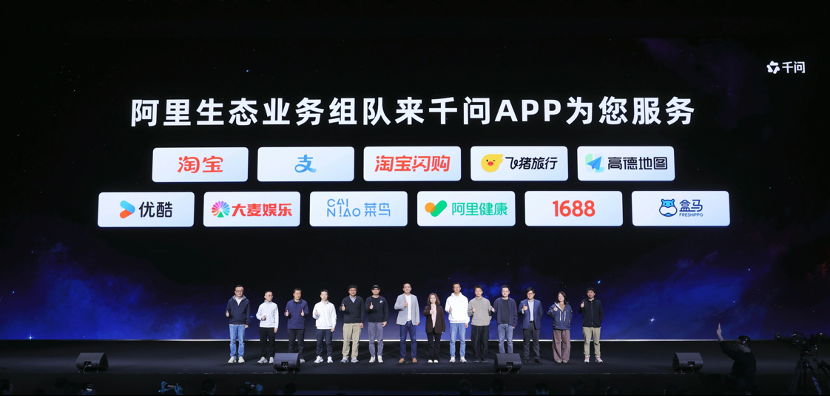
Core Insights - Alibaba has integrated its Qianwen App into its ecosystem, including Taobao, Alipay, and other services, positioning it as a "super agent" to differentiate from competitors like Doubao and Yuanbao [1] - The year 2025 is referred to as the "AI Hardware Year," marking a surge in AI hardware products like AI glasses and headphones, aiming to replace smartphones as essential devices [3][4] - Major tech companies are actively investing in AI hardware, with products like ByteDance's Doubao and ZTE's nubia M153 generating significant buzz [1][9] Trend 1: Hardware Manufacturers Competing in AI Vertical Market - The AI hardware market is experiencing intense competition, with various companies launching products aimed at becoming essential devices [2][3] - Plaud, an AI hardware company, has successfully sold over 1 million units by targeting high-decision, high-dialogue, and high-knowledge-density users [3] - The trend of vertical market products achieving commercial viability is notable, as companies leverage AI to enhance hardware functionality [4] Trend 2: Major Companies Stirring the Hardware Market - Internet giants are diversifying into hardware, with companies like ByteDance and Alibaba launching AI products to complement their existing software ecosystems [9][10] - The strategies include direct hardware development and providing foundational models for other hardware manufacturers [10][11] - Tencent is focusing on robotics and has launched a modular platform for intelligent robots, indicating a shift towards hardware integration [11] Trend 3: Ecosystem Integration of Super Applications - Alibaba's Qianwen App has been upgraded to support over 400 tasks, integrating with various services to enhance user experience [15][17] - Tencent is betting on WeChat as a super application, aiming to create an AI assistant that can understand user needs and execute tasks within its ecosystem [17][18] - The competition among major companies is intensifying as they seek to create comprehensive user experiences through integrated applications [19] Trend 4: New Competitive Logic from Emerging AI Models - Emerging AI model companies, referred to as the "Six Little Tigers," are positioning themselves alongside major tech firms in the race for super applications [22][23] - These companies are focusing on high-value sectors like healthcare, with products that aim to redefine user engagement and application functionality [23][24] - The competition is shifting from traditional metrics of success to a focus on model capabilities and user experience [24][25] Predictions: Who Will Define the Super Entry? - The battle for the next generation of "super entry" is ongoing, with hardware and software companies vying for dominance [29][30] - Challenges remain in the AI hardware sector, including user privacy and the clarity of business models for AI applications [30][31] - The concept of a "super entry" may evolve, with the potential for more neutral and open platforms to emerge as key players [31]


刚刚,XREAL在美对VITURE提起专利诉讼
Feng Huang Wang· 2026-01-16 09:34
Core Viewpoint - XREAL has initiated a patent infringement lawsuit against VITURE in the United States, continuing its global patent enforcement efforts after previous rulings in Europe [1][2]. Group 1: Lawsuit Details - The lawsuit was filed on January 16, 2026, against VITURE's affiliates, specifically Eden Future HK Limited and Beijing Xingzhe Wujing Technology Co., Ltd. [1] - The lawsuit claims that certain VITURE products infringe on XREAL's patent (U.S. Patent No. 11,988,839), which pertains to the core optical system of augmented reality devices [1][2]. - This legal action follows a previous ruling in November 2025 by a Munich court, which found that VITURE Pro infringed on XREAL's European patent and issued a temporary injunction that remains in effect [1]. Group 2: Patent Information - The patent in question originated from an application submitted by XREAL in 2018 and was officially granted by the United States Patent and Trademark Office (USPTO) on May 21, 2024 [2]. - The patent covers critical optical architecture that enhances image quality, field of view, comfort, and privacy for AR glasses [2]. - XREAL has been dedicated to AR technology research since 2017, establishing the foundational technology architecture for consumer-grade AR glasses [2].