iRobot

Search documents
第一波人形机器人倒闭潮,来了
虎嗅APP· 2026-01-27 14:17
Core Insights - The humanoid robot industry faced a harsh elimination race in 2025, with notable companies collapsing and the gap between leading and lagging firms widening significantly [4][5][11] - The industry is transitioning from a phase of hype and funding to one focused on actual production and commercial viability, highlighting the need for sustainable business models [9][12] Industry Overview - In 2025, the humanoid robot sector saw 610 financing events, nearly tripling from the previous year, with total funding exceeding 57 billion yuan, indicating a stark divide between top-tier and struggling companies [16] - The customer base shifted from academic institutions to industrial enterprises, reflecting a growing recognition of humanoid robots in production settings [16] Company Failures - K-Scale Labs, a once-prominent startup, collapsed just before mass production due to cash flow issues, revealing the challenges faced by many startups in the U.S. lacking a robust local supply chain [6][11] - Rethink Robotics, a pioneer in collaborative robots, faced its second closure in 2025 after failing to meet market demands, illustrating the rapid pace of technological evolution and competition [7][13] - iRobot, known for its Roomba, filed for bankruptcy in December 2025, struggling against low-cost competitors and regulatory hurdles, marking a significant decline for a once-leading company [8][11] Key Challenges - Many humanoid robot companies are experiencing funding shortages, with a lack of follow-up financing leading to operational difficulties [11] - Over 50% of humanoid robot orders are primarily for public relations and data collection rather than genuine productivity enhancement, indicating a failure in commercial viability [12] - Product homogeneity has intensified competition, with many companies producing similar low-barrier products, making it difficult to establish a competitive edge [12][13] Future Outlook - The survival of companies in the humanoid robot sector will depend on securing continuous funding and achieving repeat orders in industrial applications [16][17] - Companies must differentiate themselves, establish real commercial cycles, and leverage data to enhance AI capabilities to thrive in the evolving market [17] - The industry is expected to see a significant increase in humanoid robot shipments in 2026, contingent on technological advancements [16]


纳斯达克摘牌后,美国OTC市场成中企赴美上市新选择
Sou Hu Cai Jing· 2026-01-21 04:08
Core Viewpoint - The recent delisting of SPACs associated with Chinese companies has halted their plans for U.S. listings, highlighting the risks of the SPAC model and the unique value of the OTC market [1] Group 1: SPAC Delisting and Its Implications - Nasdaq delisted 13 securities on January 13, including three SPACs (Four Leaf, DT Cloud, AlphaTime) linked to Chinese companies, transferring them to the OTC market [1] - The delisting exposes the vulnerabilities of the SPAC model, particularly the reliance on the SPAC's continued listing status [4] - The case of Xiaoyu Tidata illustrates that even with stable business operations, a SPAC's delisting can abruptly halt the entire listing process [4] Group 2: Regulatory Changes and Challenges - New Nasdaq regulations effective January 17, 2026, will raise the minimum public float market value requirement from $5 million to $15 million and mandate that SPAC mergers must raise at least $25 million in public funds [4] - These regulatory changes create significant barriers for many small and medium-sized enterprises [4] Group 3: Advantages of the OTC Market - The OTC market offers a crucial buffer, allowing SPACs to continue merger transactions even after delisting from the main board [5] - OTC has lower financial requirements, with no strict profitability criteria and minimal annual fees ranging from a few thousand to $20,000 [6] - The listing process on the OTC market can be completed in 3-6 months, significantly faster than the 12-24 months required for a Nasdaq IPO [7] Group 4: Structured Compliance and Growth Opportunities - The OTC market features a four-tier compliance structure, catering to different stages of company development [8] - Companies already listed on domestic boards can issue ADRs on OTCQX without meeting stringent SEC registration requirements, facilitating exposure to U.S. investors [9] - The OTC market serves as a "golden stepping stone" for companies aiming to transition to Nasdaq or NYSE, with approximately 15% of Nasdaq-listed companies having previously grown on the OTC market [10] Group 5: Diverse Financing Options - The OTC market supports various financing methods, including private placements and convertible bonds, which are particularly suitable for light-asset companies in technology and biomedicine [11] - Companies can leverage the OTC market to access global financing while providing liquidity options for early investors [11] - The current delisting trend reinforces the need for Chinese companies to consider paths beyond the main board for U.S. listings [11]
出海,是云鲸的「第二次创业」
雷峰网· 2026-01-15 04:32
Core Viewpoint - The article discusses how a Chinese technology company, specifically Yunji, is redefining its global strategy by moving beyond simple product sales to a more integrated approach that emphasizes local market adaptation and technological innovation [1][9]. Group 1: Industry Changes - The absence of iRobot at CES 2026 signifies a shift in the smart cleaning industry, with Chinese brands now dominating the market [2][4]. - By the third quarter of 2025, iRobot was replaced by Yunji in global shipment rankings, marking a transition from follower to standard-setter for Chinese manufacturers [5]. - Yunji's growth trajectory is highlighted by its significant overseas revenue increase, with a nearly 7-fold growth in 2024 and a 25% share of its revenue coming from international markets [11]. Group 2: Yunji's Global Strategy - Yunji's approach to international expansion is characterized as a "second entrepreneurship," focusing on a comprehensive restructuring of its organization, products, and brand rather than merely selling products [8][25]. - The company has tailored its products to meet specific regional needs, such as enhancing carpet cleaning capabilities in Europe and addressing high humidity in Southeast Asia [29][31]. - Yunji's technological foundation includes over 1,400 patents in areas like AI models and robotics, allowing it to offer products that are not just machines but intelligent home assistants [32][34]. Group 3: Organizational Restructuring - Yunji has undergone significant organizational changes, including a shift to a divisional structure that empowers business units and enhances efficiency [23]. - The company has established a global coordination system to align product launches and marketing strategies across different regions [23][48]. - This restructuring has provided Yunji with the resilience needed to thrive in competitive markets, allowing it to avoid reliance on single channels or price wars [24][50]. Group 4: Future Outlook - The smart cleaning industry is at a pivotal point, moving from basic floor cleaning to more complex, multi-dimensional cleaning solutions [39][40]. - Yunji aims to evolve from a home appliance manufacturer to a creator of intelligent home systems, with plans to launch new products by 2026 that will further enhance its market position [44][43]. - The company is preparing for a critical year in 2026, with substantial orders and a focus on scaling its operations to meet global demand [49][50].
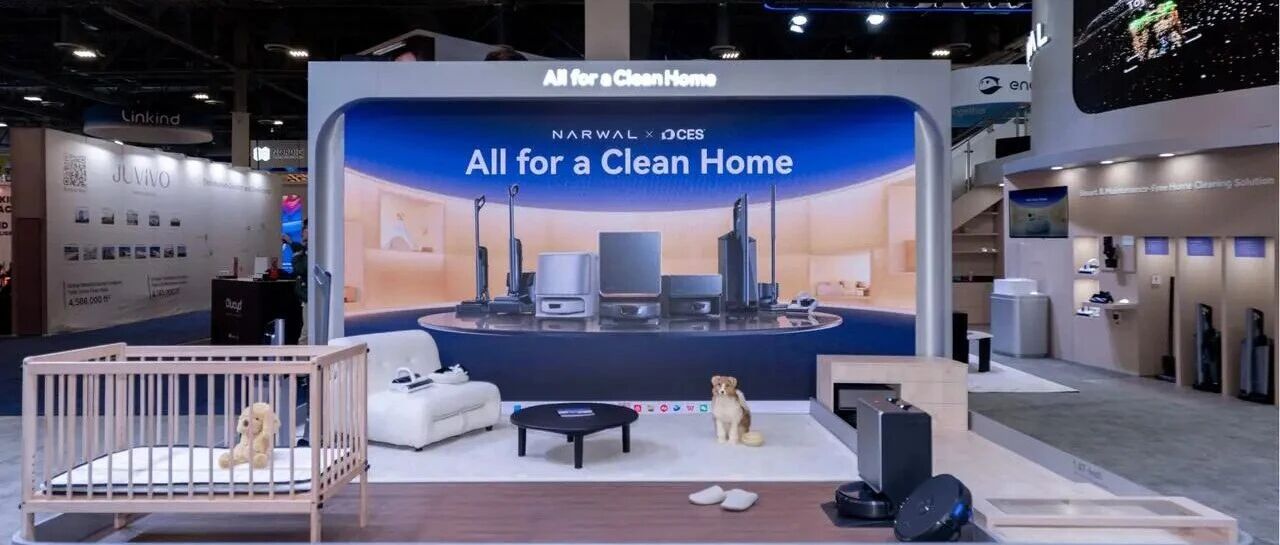
中国新增超20万颗卫星申请,两融新开户创近10年新高 | 财经日日评
吴晓波频道· 2026-01-13 00:30
Group 1: Government Investment Fund Regulations - The article discusses the introduction of a systematic regulation for government investment funds by multiple departments, focusing on investment direction, methodology, and management [2][3] - The new regulations emphasize supporting major strategies and key areas, promoting technological and industrial innovation, and encouraging long-term investments in hard technology [2] - The regulations aim to optimize fund assessment systems by considering industry uncertainties and integrating the concept of "due diligence exemption" into government investment funds [2][3] Group 2: Satellite Applications - China has submitted an application for 203,000 new satellites to the International Telecommunication Union, marking the largest frequency and orbit resource application in the country's history [4][5] - The application includes various entities beyond traditional satellite operators, indicating a strategic reserve for future satellite deployment [4] - The need for a large-scale satellite network is highlighted, as low-orbit satellites require extensive deployment to provide continuous service [5] Group 3: Robotic Vacuum Market - Chinese brands dominate the global robotic vacuum market, accounting for nearly 70% of total shipments, with significant growth in emerging markets [6][7] - The rapid transformation in the industry is attributed to technological advancements and competitive pressures that have led to innovation and cost control [6] - The entry of various tech companies into the robotic vacuum sector indicates that market competition is far from over [7] Group 4: Smartphone Market Trends - Global smartphone shipments are projected to grow by 2% in 2025, with Apple leading the market share at 20% [8][9] - The demand in emerging markets is a key driver for this growth, while high-end smartphone models are gaining popularity [8] - The article notes potential challenges in the smartphone market due to rising chip prices and the emergence of alternative electronic products [9] Group 5: ETF Dividend Announcement - Huatai-PB Fund announced a record cash dividend for its CSI 300 ETF, marking the first time the dividend exceeds 1 yuan per 10 shares [10][11] - The total dividend amount could reach 11 billion yuan, reflecting the growing trend of index ETFs and their increasing scale [10] - The article explains that ETF dividends do not change total asset value but allow for early realization of profits for investors [11] Group 6: A-share Margin Trading - In 2025, new margin trading accounts in A-shares reached 1.5421 million, the highest in nearly a decade, indicating strong market interest [12][13] - The total margin balance increased significantly, reflecting a robust demand for leveraged trading amid a rising market [12] - The article warns that while margin trading has surged, it remains below the peak levels seen in 2015, and brokers are taking precautionary measures [13] Group 7: Gold Price Surge - Spot gold prices have surpassed $4,600 per ounce for the first time, driven by global uncertainties and rising geopolitical risks [14][15] - The article attributes the price increase to various factors, including rising fiscal deficits and central banks' ongoing gold purchases [14] - While short-term price fluctuations may occur, the long-term outlook for gold remains bullish, with expectations for new highs [15] Group 8: Stock Market Performance - The stock market experienced a significant rally, with major indices rising over 1%, and trading volume reaching a historical high [16][17] - The surge was driven by strong performances in AI applications and commercial aerospace sectors, attracting substantial market interest [16] - The article notes that extreme market emotions can lead to corrections, but the strong start to the year may validate previous expectations for market performance [17]

从代工到控股:杉川押注iRobot的全球化赌注
Zhong Guo Jing Ying Bao· 2026-01-12 07:43
Core Viewpoint - iRobot has entered into a restructuring support agreement with its creditor Shenzhen Picea Robotics, which will acquire iRobot through a court-supervised bankruptcy process, highlighting the strategic shift of Chinese manufacturers towards global brand leadership amid increasing competition in the robotic vacuum industry [2][4]. Group 1: Acquisition Details - The acquisition involves a "debt-to-equity" swap, allowing Picea to take control of iRobot, which is facing operational and financial difficulties [2]. - iRobot has filed for bankruptcy protection in Delaware, with the restructuring process expected to be completed by February 2026 [2]. - Upon completion, iRobot will become a wholly-owned subsidiary of Picea and will be delisted from NASDAQ, with existing shareholders losing all rights to their shares [4]. Group 2: Financial Performance - iRobot's revenue for the first three quarters of 2025 was $375 million, a year-on-year decline of 26.47%, with a net loss of $130 million, nearly a 90% increase compared to the previous year [7]. - Cash and cash equivalents for iRobot dropped to $24.8 million by September 27, 2025, down from $134 million at the end of 2024, indicating severe cash flow pressure [7]. Group 3: Market Context - The robotic vacuum industry is experiencing a shift, with Chinese brands dominating the market; iRobot has fallen out of the top five global brands for the first time [7]. - Picea, as a leading ODM manufacturer, has a significant production capacity and serves multiple major brands, indicating a strong operational background to support the acquisition [5][6]. Group 4: Strategic Implications - The acquisition reflects Picea's strategy to transition from an OEM role to a brand leader, aiming to leverage iRobot's existing brand and market presence to enhance its competitive position [9][10]. - Challenges include potential conflicts with existing clients due to brand competition and the need for effective integration of operations and product development [10][11].
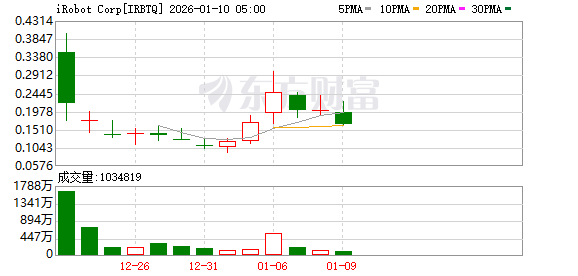
CES-2026-扫地割草机器人篇-具身智能引领家庭消费机器人新方向
2026-01-12 01:41
Summary of Key Points from the Conference Call Industry Overview - The conference call discusses advancements in the home robotics industry, particularly focusing on vacuum and lawn mowing robots showcased at CES 2026. [1][2] Key Companies Mentioned - **Stone Technology (石头科技)**: Introduced the G Rover, a stair-climbing vacuum cleaner with a unique wheeled leg structure. - **Dreame (追觅)**: Launched the Cyber X, a bionic track-based stair-climbing vacuum. - **Mova**: Presented the Pilot 70, a flying module for cross-floor cleaning. - **Ecovacs (科沃斯)**: Showcased the X12 vacuum with advanced cleaning features and the GOAT series integrating lawn mowing with edge trimming. - **9号 (9号)**: Introduced the H2 lawn mower with advanced navigation technology. Core Insights and Arguments - **Technological Advancements**: The G Rover's design allows it to handle complex environments effectively, outperforming competitors like Cyber X and Mova in usability and versatility. [2][3] - **Market Potential**: The lawn mowing robot market in North America has low penetration, under 2%, but CES 2026 provided opportunities for brands to enhance their offerings with advanced technologies like LiDAR and all-wheel drive systems. [5][6] - **Sales Projections**: For 2026, Stone Technology is expected to generate revenue of 23 billion RMB with a net profit of approximately 2.4 billion RMB, while Ecovacs is projected to achieve 23.5 billion RMB in revenue and a net profit of around 2.35 billion RMB. Both companies have a price-to-earnings ratio of under 20. [2][14] Innovations in Cleaning Technology - **Vacuum Robots**: Innovations include the use of infrared stain detectors and high-pressure nozzles for deep cleaning (Ecovacs X12) and dual RGB cameras for object recognition (Yunzhihui Flow 2). [4] - **Lawn Mowing Robots**: Key innovations involve multi-sensor fusion navigation, all-wheel drive systems, and edge mowing optimizations, enhancing adaptability to various terrains. [7] Market Dynamics - **Domestic Market Outlook**: The domestic vacuum cleaner market is expected to benefit from potential subsidies for smart home products, alleviating concerns about sales. [9] - **International Market Growth**: Leading companies are anticipated to maintain rapid growth due to market expansion in Europe and Asia, alongside the exit of iRobot from the U.S. market, which opens up additional market share. [9] Strategic Differences Between Companies - **Stone Technology vs. Ecovacs**: Stone Technology aims to reduce costs through the introduction of roller products while maintaining a diverse product matrix. Ecovacs focuses on leveraging roller products to enhance its overseas market presence. [10] Profit Margin Expectations - **Profitability Trends**: Both companies are expected to see their domestic vacuum cleaner profit margins converge, with Ecovacs focusing on domestic profitability and Stone Technology stabilizing its overseas profit margins above 20%. [11][12] Future Growth Areas - **Washing Machines and Lawn Mowers**: Stone Technology's washing machine segment is expected to grow rapidly, while Ecovacs is positioned for significant growth in the lawn mowing sector due to its established channels and new products. [13] Valuation Insights - **Market Valuation**: The market has a clearer understanding of Ecovacs' valuation, while Stone Technology's advancements in embodied intelligence have not yet been fully reflected in its valuation, indicating potential for upward adjustment post-CES. [14]


看世界 | 制造业掉队拖了美国设计后腿
Xin Lang Cai Jing· 2026-01-11 02:48
Core Insights - iRobot, once a leading consumer robotics company, filed for bankruptcy protection and agreed to be acquired by its Chinese supplier, highlighting its decline from a market leader to a marginalized entity [1] - The fall of iRobot and 3D Robotics illustrates a broader issue within the U.S. consumer hardware industry, where reliance on the "U.S. design + offshore manufacturing" model has become a structural problem [2][3] Company Overview - iRobot was founded in 1990 and launched the Roomba vacuum cleaner in 2002, achieving significant sales milestones, including 50,000 units in its first year and over 2 million by 2005 [1] - The company maintained a strong market presence and profitability for years, even attracting a $17 billion acquisition offer from Amazon four to five years ago [1] Industry Dynamics - The initial success of companies like iRobot and 3D Robotics was due to their ability to convert concepts into products during the early market exploration phase, where competition was based on product existence rather than refinement [3] - As the market matured, competition shifted towards supply chain efficiency and product reliability, requiring companies to innovate closely aligned with manufacturing and real-world usage [3][4] Competitive Landscape - New entrants in the market have adopted a rapid iteration model, allowing them to quickly improve their products based on user feedback and real-world data, leading to significant advancements in features and performance [4][5] - U.S. companies continue to rely on patent protection and brand premium, resulting in longer product iteration cycles and widening competitive gaps [5] Policy Implications - The U.S. government's protective measures, such as tariffs and export controls, may hinder the competitive drive of domestic companies, ultimately leading to a decline in innovation and market position [5][6] - A shift towards providing an open and fair competitive environment is necessary for U.S. consumer hardware companies to maintain their leading status in the global market [6]
制造业掉队拖了美国设计后腿
Jing Ji Ri Bao· 2026-01-10 21:52
Core Viewpoint - iRobot, once a leading consumer robotics company, has filed for bankruptcy protection and agreed to be acquired by its Chinese supplier, highlighting its decline from a market leader to a marginalized player in the industry [1] Group 1: Company Overview - iRobot was founded in 1990 and gained prominence with the launch of the Roomba vacuum cleaner in 2002, selling 50,000 units in its first year and over 2 million by 2005 [1] - The company was synonymous with robotic vacuum cleaners, defining the category and maintaining a strong profit margin through patent protection and brand premium [1] - Despite its past success, iRobot has faced increasing operational pressures, leading to continuous losses and mounting debt over the last two years [1] Group 2: Industry Dynamics - The decline of iRobot and 3D Robotics reflects a broader issue within the U.S. consumer hardware industry, which has relied on the "American design + offshore manufacturing" model [2][3] - Initially, this model was effective during the early stages of market development, where the focus was on product existence rather than optimization [3] - As the market matured, competition shifted from individual products to entire supply chain systems, necessitating closer alignment with manufacturing and real-world usage [3] Group 3: Competitive Landscape - New entrants in the market have adopted a rapid iteration approach, allowing them to quickly improve their products based on user feedback and real-world data [4][5] - This approach has led to significant advancements in features and performance for both robotic vacuums and drones, creating a competitive edge over traditional U.S. companies [4][5] - U.S. companies continue to rely on patent protection and brand premium, resulting in longer product iteration cycles and widening competitive gaps [5] Group 4: Policy Implications - U.S. government policies aimed at protecting domestic companies, such as tariffs and export controls, may hinder innovation and competitiveness by reducing market pressure [5] - For U.S. consumer hardware companies to maintain their leading positions, they must engage in real market competition rather than relying solely on protective measures [5]
美国巨头宣布破产,被中国制造碾压,卷也卷不过,接管者让人意外
Sou Hu Cai Jing· 2026-01-08 13:40
Core Insights - The article discusses the rise and fall of iRobot, the pioneer in the robotic vacuum industry, which has now been overtaken by Chinese companies in terms of market share and innovation [2][3][4]. Company Overview - iRobot was founded in 1990 by three MIT professors, initially focusing on special-purpose robots, but gained fame with the launch of Roomba in 2002, which sold over 40 million units and captured up to 80% market share at its peak [6][8]. - The company reached a market valuation of over $60 billion at its height, becoming a household name in the robotic vacuum sector [6][9]. Market Dynamics - Starting around 2018, Chinese brands like Roborock and Ecovacs began to rapidly innovate and capture market share, introducing advanced features such as laser navigation and automatic dust collection, while iRobot struggled to keep pace with product updates [8][9]. - By 2025, iRobot's global market share had plummeted to below 8%, while the overall market continued to grow, with Chinese companies seizing the majority of the new demand [11][12]. Financial Struggles - iRobot's revenue fell by approximately 25% in 2022, leading to significant losses and a cash flow crisis, with projections indicating revenues of only around $60 million by 2024 [9][11]. - The company faced additional financial strain due to increased tariffs on imports from Vietnam, where many of its products were manufactured, further exacerbating its losses [11][12]. Acquisition and Bankruptcy - In 2022, Amazon attempted to acquire iRobot for over $10 billion, but the deal was blocked by regulatory concerns, leaving iRobot with a small breakup fee that was quickly consumed by ongoing losses [13][15]. - By December 2025, iRobot filed for Chapter 11 bankruptcy protection, with debts exceeding $500 million and only $20 million in cash available, leading to a drastic drop in stock value [15][17]. Transition of Ownership - Picea Robotics, a Shenzhen-based company that initially served as a supplier for iRobot, emerged as the new owner after the bankruptcy, acquiring all shares and transforming from a contract manufacturer to a controlling entity [18][25]. - Picea's rapid growth and technological advancements positioned it to take over iRobot, integrating its brand and patents into its operations, thus marking a significant shift in the industry dynamics [20][25][27].