OPPO

Search documents
iPhone相机键“二代而亡”,像素级跟风的国产手机尴尬了?
3 6 Ke· 2025-08-17 23:23
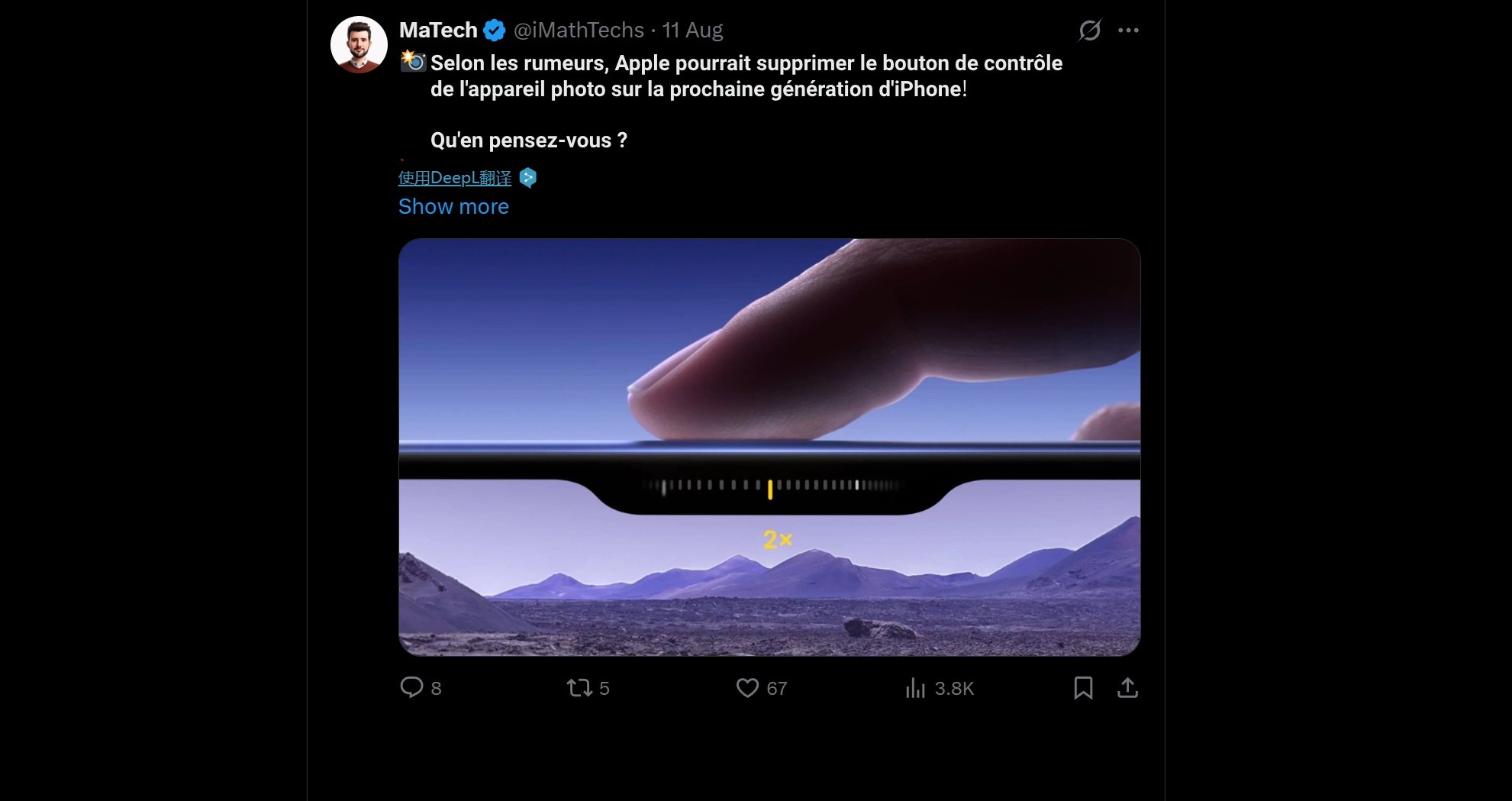
Core Viewpoint - The potential removal of the camera button from future iPhone models may lead to a broader trend among smartphone manufacturers, particularly in the Chinese market, to reconsider the necessity of this feature [1][3][31] Group 1: Industry Trends - Recent reports suggest that Apple may eliminate the camera button in the next iPhone generation, influencing other manufacturers to follow suit [1][3] - Several leading Chinese brands are reassessing the inclusion of the camera button in their upcoming flagship models, indicating a shift in design philosophy [3][10] - The trend of adopting features based on Apple's design choices has been prevalent among Chinese manufacturers, often leading to a lack of innovation [8][13] Group 2: User Feedback and Experience - User feedback on the camera button has been polarized, with some praising its professional feel while others criticize its practicality and ease of use [21][29] - The camera button has been described as cumbersome and not intuitive, leading to operational difficulties that detract from the user experience [17][25] - Many users prefer touchscreen controls over the physical camera button, indicating a preference for simplicity and efficiency in smartphone design [29][30] Group 3: Market Dynamics - The introduction of the camera button was seen as a strategy by Apple to differentiate its Pro series, targeting a niche market of professional users [29][30] - The follow-up by Chinese manufacturers appears to be driven by competitive anxiety rather than genuine innovation, as they seek to match Apple's offerings [30] - As market dynamics evolve, manufacturers may prioritize essential features like battery life and signal strength over less critical functionalities like the camera button [30][31]


盛夏相聚,满载而归丨2025年经济学理学硕士项目优秀大学生夏令营-体验营活动回顾
Sou Hu Cai Jing· 2025-08-17 04:57
Group 1 - The 2025 Summer Camp organized by the Chinese University of Hong Kong (Shenzhen) and Shenzhen Advanced Institute of Finance successfully concluded, providing participants with an immersive experience in the MSc in Economics program [4][23]. - The camp included various activities such as project introduction sessions, sharing experiences from senior students, and a unique English experiential class led by Professor Xu Shiyuan, which combined theoretical knowledge with practical case studies [9][15]. - Participants engaged in a corporate visit to OPPO, where they learned about the company's culture and innovation, and received insights from alumni on how the MSc program aided their career development in the tech industry [30]. Group 2 - The opening ceremony featured speeches from university officials, highlighting the institution's educational philosophy and the advantages of the MSc in Economics program, including strong employment support [23][25]. - The camp provided opportunities for networking and discussions among students, faculty, and alumni, fostering a sense of community and collaboration [22][26]. - The final day included personal interviews, allowing participants to showcase their talents and potential, concluding the camp on a positive note [37].

“128GB手机该退出历史”引热议,你有存储焦虑吗?
猿大侠· 2025-08-17 04:11
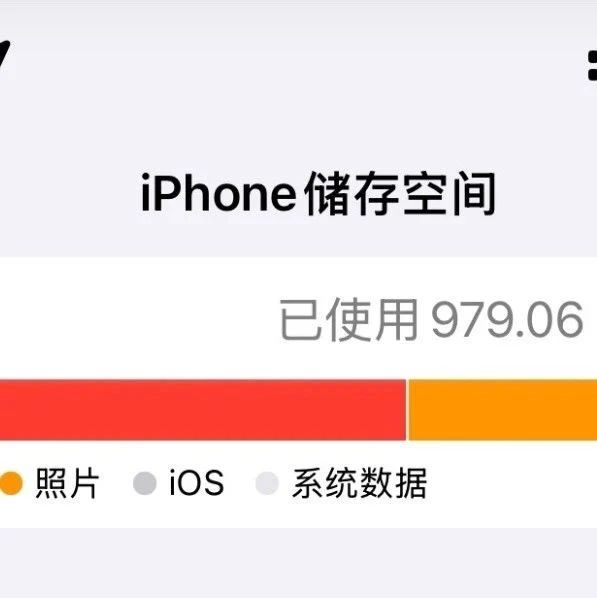
Core Viewpoint - The discussion around whether 128GB smartphones should be phased out has gained traction, highlighting the increasing storage demands due to enhanced smartphone functionalities and user needs for high-resolution media and applications [1][2]. Group 1: Market Trends - The flagship models in the domestic market have largely eliminated the 128GB storage option, with brands like Xiaomi, OPPO, vivo, and OnePlus adopting a strategy that starts at 256GB for mid to high-end models, with some offering up to 1TB or 2TB options [6]. - In contrast, Apple's iPhone 16 series retains the 128GB option as a starting configuration, making it unique in the high-end smartphone market [7]. Group 2: User Perspectives - Some users argue that 256GB is the minimum requirement, stating that 128GB feels inadequate, especially with the growing storage needs for apps like WeChat and photo storage [3]. - Other users maintain that while storage may be tight, they can manage by deleting unnecessary files, thus avoiding extra expenses [5]. Group 3: Storage Demand Analysis - The decline of 128GB in flagship models is attributed to the explosive growth of application ecosystems, with social and gaming apps requiring exponentially more storage. Additionally, the hidden costs of user experience, such as time spent managing storage, further emphasize the need for larger storage capacities [8]. - Despite the trend, 128GB still holds value for specific user groups, such as older adults who primarily use their phones for calls and short videos, and those who use 128GB devices as secondary phones for basic communication [9].
BOE(京东方)携手生态伙伴打造“科技+生活”新场景
Sou Hu Cai Jing· 2025-08-16 09:51
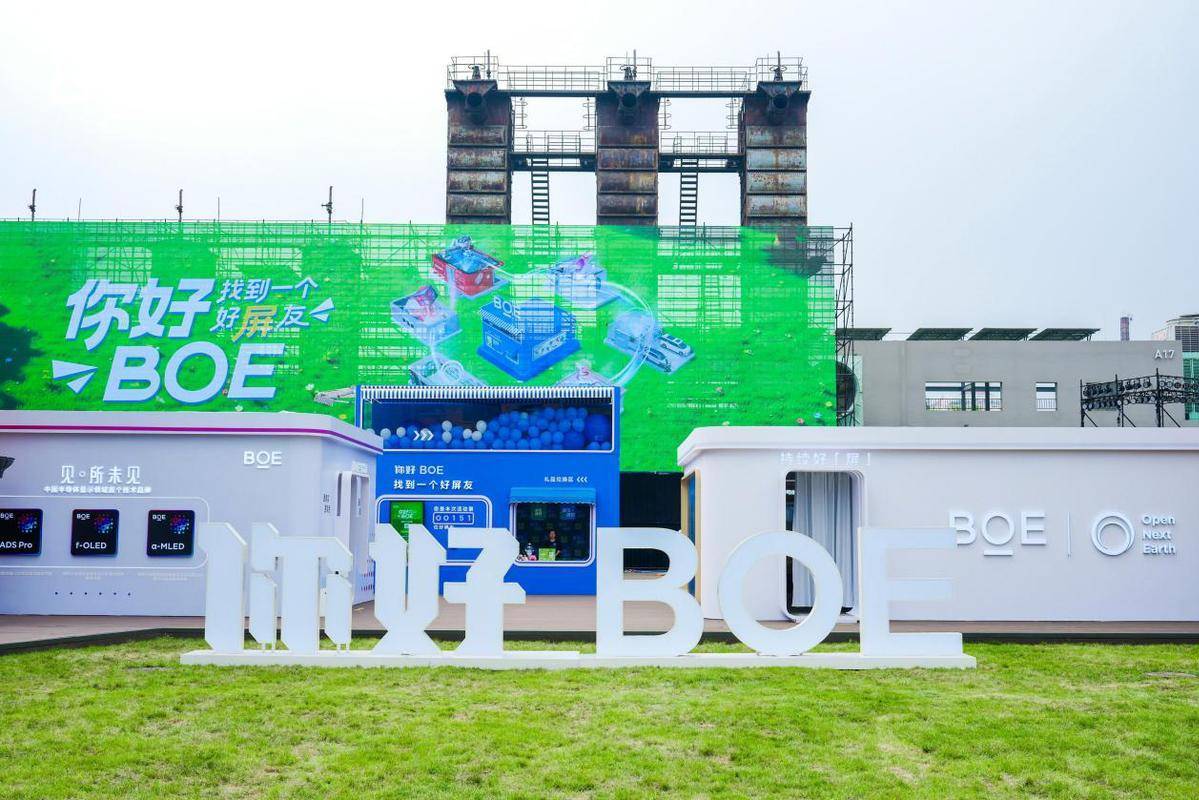
Core Viewpoint - BOE (京东方) celebrates its five-year anniversary of the "Hello BOE" brand IP exhibition, showcasing over a hundred innovative technologies and products in collaboration with more than 20 partners, emphasizing the integration of display technology and future living [1] Group 1: Event Overview - The event features six immersive experience areas, highlighting BOE's leading technology brands and sustainable development achievements, along with a collaboration with Dunhuang Academy to demonstrate digital technology empowering traditional art [1][2] - BOE's Vice President and Chief Brand Officer stated that screens serve as the key to interconnectivity, bridging the digital world and real life, and the company aims to continue its "Screen IoT" development strategy [1] Group 2: Technology Showcase - The "Screen Powerhouse" area displays BOE's ADS Pro, f-OLED, and α-MLED technology brands, including an 85-inch UB Cell TV and various high-end flexible display products, showcasing advantages like ultra-smooth display and low power consumption [2] - The "Sustainable Good Screen" area focuses on BOE's first sustainable development brand "ONE," demonstrating the company's commitment to long-termism and sustainable practices across its operations and product lifecycle [2] Group 3: Cultural and Artistic Integration - The "Screen Dialogue" area showcases BOE's innovative technologies applied in cultural and artistic fields, including collaborations with cultural institutions to promote the digital transformation of the arts [3] - BOE's technologies, such as 8K ultra-high-definition solutions and naked-eye 3D displays, are used to bring traditional art, like Dunhuang murals, to a wider audience [3]

当宠物住进 “智能舱”,百亿“它经济”再升温
Xin Hua Wang· 2025-08-16 07:03
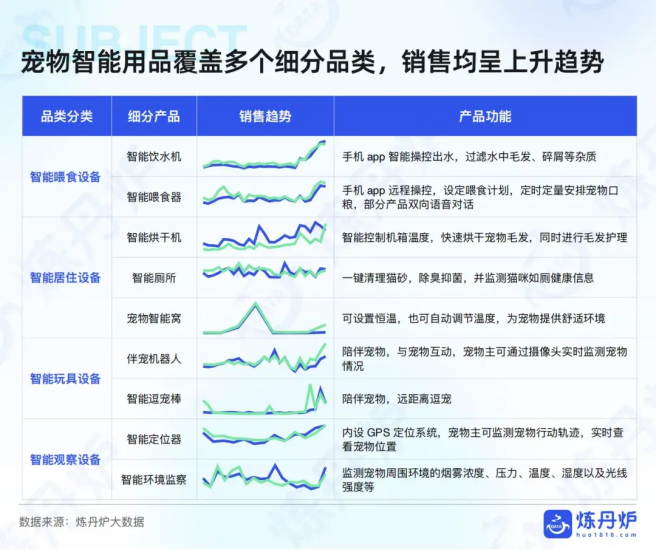
Core Insights - The pet supplies industry is experiencing a significant shift towards smart products, with a projected growth rate leading all segments from 2018 to 2025, and smart pet device penetration exceeding 35% in first-tier cities [1][4] - The market for smart pet products in China is expected to reach approximately 10.2 billion yuan in 2024, accounting for one-fifth of the total pet supplies market [4] - The integration of technologies such as artificial intelligence, IoT, and big data is driving the rapid development of the pet supplies industry, addressing consumer pain points related to time, health monitoring, safety, and convenience [4][8] Industry Trends - The changing perception of pet ownership is creating a market worth billions, with consumers increasingly viewing pets as family members and willing to invest more in their care [3][4] - The demand for smart pet products is growing as consumers seek solutions that reduce daily care burdens, with products like automatic feeders and smart water dispensers becoming necessities for busy pet owners [3][4] - The rise of social media and the trend towards personalized pet care are driving the growth of small and exotic pets, presenting new market opportunities for specialized pet products [8][9] Company Innovations - Companies are focusing on personalized and differentiated products in the smart pet sector, with innovations such as AI health monitoring systems and smart litter boxes being introduced [5][6] - New brands are emerging in the smart pet market, with products designed to redefine pet living spaces and enhance pet health management through advanced technology [5][6] - Established companies and new entrants from various sectors, including home appliances and technology, are increasingly entering the smart pet product market, indicating a competitive landscape [6][9] Market Expansion - The number of urban pets in China is projected to reach 120 million by 2024, with the overall pet market size surpassing 300 billion yuan, highlighting the immense potential for smart pet products [7][8] - Chinese smart pet products are gaining traction in global markets through e-commerce platforms, with significant sales growth observed in regions like Europe [9] - The future of smart pet devices is promising, with a focus on multifunctionality, data connectivity, and deep AI applications to meet core consumer needs [9]
计算机变成“天坑”专业了吗?
虎嗅APP· 2025-08-15 13:56
Core Viewpoint - The article discusses the challenging job market for computer science graduates in the U.S., highlighting a significant increase in unemployment rates and underemployment compared to other fields, exacerbated by the rise of AI technologies that reduce demand for entry-level positions [4][15][21]. Group 1: Employment Statistics - Among graduates aged 22-27, computer science and computer engineering majors face some of the highest unemployment rates at 6.1% and 7.5%, respectively [7]. - In contrast, biology and art history graduates have unemployment rates of only 3%, indicating that computer science graduates are experiencing more than double the unemployment rate of these fields [8]. - The median early career wage for computer science graduates is $80,000, while mid-career wages reach $122,000, but these figures are overshadowed by the high unemployment rates [9]. Group 2: Job Market Challenges - The article highlights individual stories of graduates like Manasi Mishra and Zach Taylor, who faced significant difficulties in securing job offers despite applying to thousands of positions [21][19]. - Taylor applied for 5,762 tech-related jobs, receiving only 13 interview invitations and ultimately no job offers, leading him to seek employment at McDonald's, where he was rejected due to lack of experience [21]. - The proliferation of AI programming tools has led to a decrease in demand for junior software engineers, contributing to the employment challenges faced by computer science graduates [15][21]. Group 3: AI's Impact on Job Applications - Graduates are increasingly using AI tools to enhance their resumes and automate job applications, but this has created a "doom loop" where AI systems also filter out candidates, leading to frustration among job seekers [25]. - Some graduates, like Audrey Roller, have chosen to avoid using AI in their applications, but still face rejection due to algorithmic decision-making processes [25]. - The article notes that the job market is becoming increasingly competitive, with many graduates feeling trapped in a cycle where they must rely on AI to apply for jobs while being rejected by AI systems [25]. Group 4: Comparison with Domestic Job Market - In contrast to the U.S., the job market for computer science graduates in China appears more optimistic, with companies like ByteDance and Tencent ramping up recruitment efforts, particularly in AI-related positions [26][29]. - ByteDance has announced over 5,000 job openings, with a 23% increase in demand for R&D roles, while Tencent's recruitment efforts emphasize AI as a key focus [29][30]. - Despite the positive outlook in China, the competition remains fierce due to the increasing number of graduates in the field [35].

集结超80个品牌高端旗舰店!Suning Max山西首店8.15开业
Xin Lang Cai Jing· 2025-08-15 08:59
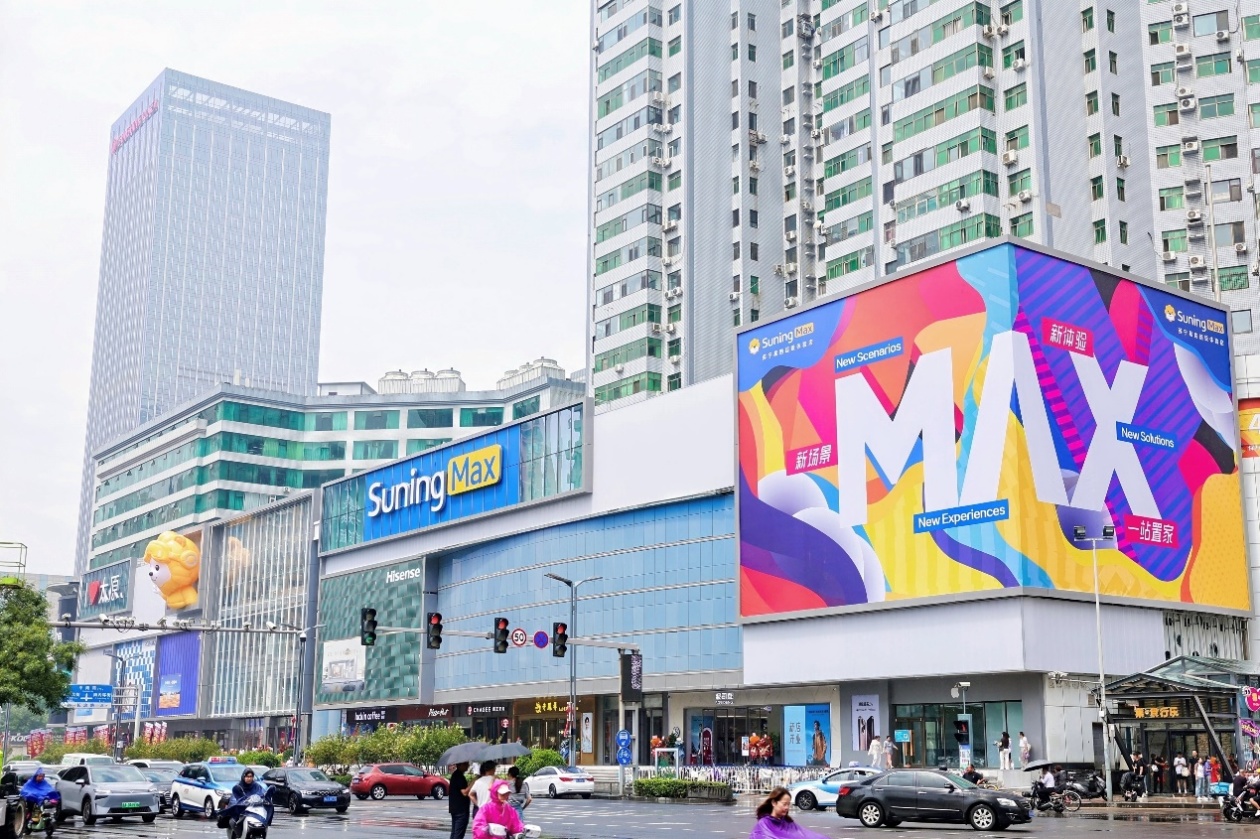
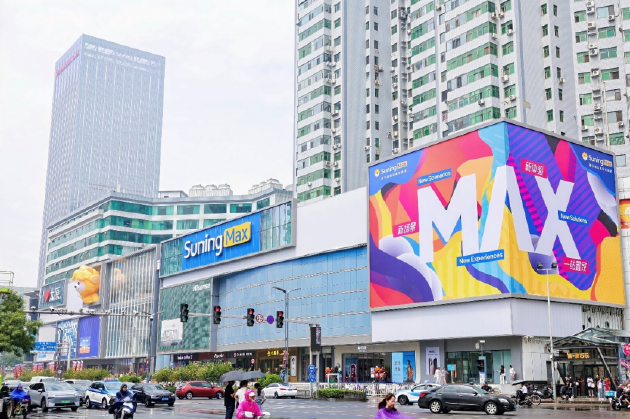
Core Viewpoint - The article highlights the ongoing rise in the economy driven by the introduction of flagship stores and new product launches, with a focus on enhancing consumer experience in physical retail through innovative store formats like Suning Max [1][9]. Group 1: Store Launch and Features - The first Suning Max store in Shanxi opened on August 15, covering over 40,000 square meters and featuring more than 200 brands, making it the largest "home consumption" experience center in the area [1]. - The store emphasizes a blend of technology, lifestyle, and social interaction, allowing consumers to experience the latest smart home appliances and participate in interactive activities [1][3]. Group 2: Technology and Product Offerings - The Suning Max store includes a "Suining Tech" section showcasing the latest products from brands like Huawei, Xiaomi, Apple, and Samsung, with hands-on demonstrations by 3C engineers [3]. - It features over 80 flagship stores from high-end brands, providing a comprehensive shopping environment with real-life kitchen, balcony, and bathroom setups for better product comparison [3]. Group 3: Customer Engagement and Services - The store has created a "Suining Friend" social area offering diverse services such as coffee tasting and esports competitions, enhancing the social and emotional value of in-store experiences [5]. - New smart home appliances were launched during the opening, with promotional offers including free installation and discounts to encourage adoption of high-end products [5][7]. Group 4: Strategic Expansion - The Suning Max store is part of a broader strategy to enhance retail services, with plans to open additional locations in cities like Nanchang, Hefei, Guangzhou, and others in the second half of the year [12].

京东818手机节“金机奖”揭晓 14款手机获奖
Yang Guang Wang· 2025-08-15 08:41
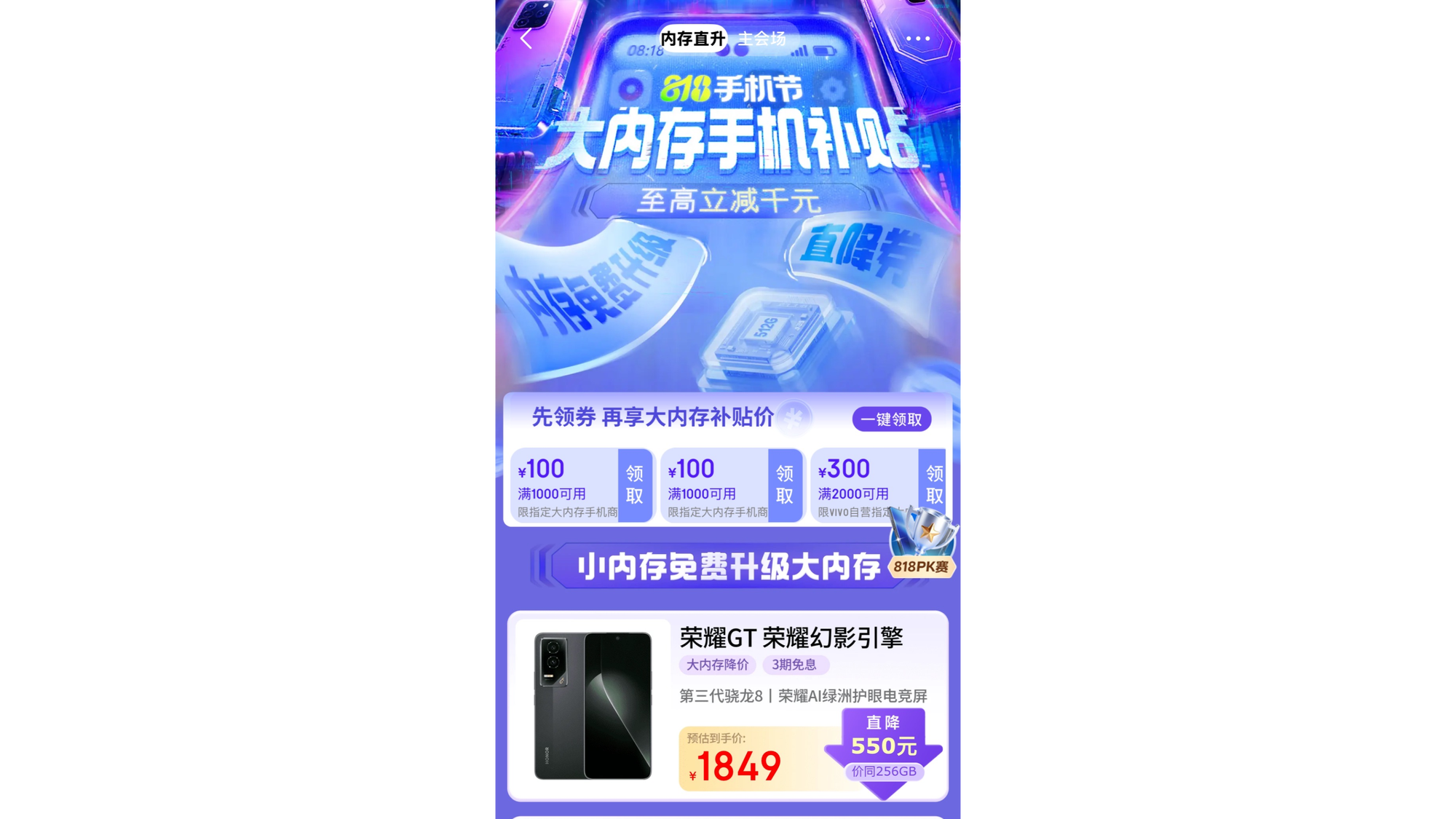
Core Insights - The JD 818 Mobile Festival has successfully concluded, showcasing the "Golden Machine Awards" which recognized 14 flagship smartphones based on user evaluations and votes [1] - The awards highlight the increasing consumer demand for differentiated mobile imaging technology and gaming performance, reflecting a shift in consumer preferences [2][4] Group 1: Award Winners and Categories - Huawei Pura 80 won the "Harmony Aesthetic Imaging Master" award for its advanced imaging capabilities [2] - Vivo X200 Ultra received the "Annual Zeiss Imaging King" award due to its unique advantages in color and resolution [2] - OPPO Find X8 Ultra was awarded "Hasselblad Annual Imaging King" for its exceptional low-light photography [2] - OnePlus Ace5 was recognized as the "Peak Gaming Performance Flagship" for its superior gaming capabilities [2] - Samsung Z Fold7 and Lenovo Moto Razr 60 won awards for their innovative foldable designs, highlighting the maturity of the foldable smartphone market [3] Group 2: Consumer Trends and Product Features - There is a notable shift in consumer needs from merely recording to creative mobile imaging, prompting brands to innovate [2] - The demand for overall smartphone performance, design, and battery life is increasing, with models like Xiaomi REDMI K80 and iPhone 16 Pro being recognized for their robust performance [4] - The awards also included a special category for telecom operators, recognizing their contributions to the industry, with China Unicom, China Mobile, and China Telecom receiving accolades [5] Group 3: Marketing and Sales Strategies - JD has leveraged its supply chain advantages to collaborate with manufacturers, enhancing marketing and service differentiation [5] - The ongoing JD 818 Mobile Festival offers exclusive discounts and promotions, encouraging consumer participation and engagement [5]

超4万㎡、超200个品牌入驻,Suning Max店打造新智家电首发体验场
Huan Qiu Wang· 2025-08-15 07:55
Core Viewpoint - The article highlights the ongoing trend of retail innovation in China, particularly through the launch of flagship stores like Suning Max, which aims to enhance consumer experience and drive sales in the home appliance sector [1][3]. Retail Innovation - Suning is accelerating its transformation into a "retail service provider" by enhancing its offline presence with the introduction of the Suning Max store format, which focuses on integrating technology, lifestyle, and social interaction [3][12]. - The Suning Max store in Taiyuan covers over 40,000 square meters and features more than 200 brands, making it the largest and most comprehensive "home consumption" experience center in the area [1][3]. Technology Experience - The Taiyuan store includes a "Suning Tech" area showcasing the latest products from brands like Huawei, Xiaomi, Apple, and Samsung, with interactive demonstrations by 3C engineers [5]. - New products such as OPPO Find N5 and Honor Magic V5 are launched in-store, allowing consumers to experience cutting-edge technology firsthand [5]. Home Appliance Experience - The store features a "Suning Private Home" area that replicates real-life home settings, allowing customers to visualize and compare different home appliance combinations [5]. - Over 80 high-end brands have flagship stores within the Suning Max, enhancing the shopping environment and product variety [5]. Customer Engagement - The store includes a "Suning Friend" social area offering diverse services like coffee tasting and esports competitions, enhancing the shopping experience with social and emotional value [6]. - During the opening, various events such as esports tournaments and food parties were organized to engage customers [6]. Product Offerings - A range of popular new smart home appliances was introduced, including advanced refrigerators and air conditioners, with promotional offers like free installation and discounts [8]. - The store provides a comprehensive service model with "1V1 home appliance managers" and "3C engineer" teams to assist customers from design to after-sales support [9]. Strategic Expansion - Suning plans to expand the Suning Max store format to several cities including Nanchang, Hefei, and Guangzhou in the second half of the year, continuing its focus on personalized and social retail experiences [12].