安集科技

Search documents
美国帮中国了一个大忙!美宣布对华加征关税,反助力中国补齐短板
Sou Hu Cai Jing· 2026-01-05 13:28
Core Viewpoint - The U.S. plans to impose tariffs on Chinese chips of 28nm and above starting June 2027, initially set at 0% and gradually increasing, reflecting a cautious approach due to reliance on Chinese supply chains [2][4][12]. Group 1: U.S. Tariff Announcement - The U.S. Trade Representative's office announced tariffs based on Section 301 investigations into China's semiconductor trade practices, but the timing appears late given previous tariff increases [2][4]. - The initial tariff rate of 0% for 18 months suggests a strategic delay, allowing U.S. companies to adjust to the ongoing reliance on Chinese markets [2][4][12]. Group 2: U.S.-China Semiconductor Dynamics - The U.S. is targeting 28nm technology, crucial for automotive, industrial, and IoT applications, where China has gained significant market share due to cost efficiency and rapid delivery [6][14]. - Despite U.S. efforts to maintain its competitive edge, China's investments in semiconductor manufacturing have been substantial, with over $100 billion since 2014, indicating a robust industrial foundation [6][12]. Group 3: Chinese Industry Response - Chinese companies are leveraging the 18-month window to enhance production capabilities, with firms like Huagong Technology expanding operations in Vietnam and Malaysia [8][20]. - Domestic players such as SMIC and Hua Hong are increasing their production capacities, while local funds are supporting the semiconductor sector with significant investments [8][20]. Group 4: Global Semiconductor Landscape - The U.S. semiconductor legislation has not yet yielded significant results, with high costs and slow implementation hindering domestic production [10][16]. - China's position in the global semiconductor supply chain remains strong, with imports accounting for 37% and packaging exceeding 50%, indicating a critical role in the industry [16][18]. Group 5: Future Outlook - The tariff announcement may serve as a test of China's resilience, with the potential for accelerated domestic industry consolidation and innovation in response to external pressures [18][22]. - The evolving landscape suggests that U.S. attempts to decouple from China may inadvertently strengthen China's semiconductor capabilities, positioning it for greater global influence [10][22].



安集科技(688019) - 可转债转股结果暨股份变动公告
2026-01-05 08:01
| 证券代码:688019 | 证券简称:安集科技 | 公告编号:2026-001 | | --- | --- | --- | | 债券代码:118054 | 债券简称:安集转债 | | 累计转股情况:截至 2025 年 12 月 31 日,"安集转债"累计有 1,059,000 元已转换为安集微电子科技(上海)股份有限公司(以下简称"公司")股票, 转股数量为 8,192 股,占"安集转债"转股前公司已发行股份总数的 0.0049%。 未转股可转债情况:截至 2025 年 12 月 31 日,"安集转债"尚未转股的 可转债金额为 829,441,000 元,占"安集转债"发行总量的 99.87%。 本季度转股情况:"安集转债"的转股期自 2025 年 10 月 13 日至 2031 年 4 月 6 日止。自 2025 年 10 月 13 日至 2025 年 12 月 31 日,"安集转债"共有 1,059,000 元已转换为公司股票,转股数量为 8,192 股,占"安集转债"转股前公 司已发行股份总数的 0.0049%。 一、可转债发行上市概况 经中国证监会证监许可〔2024〕1555 号文同意注册,公司于 ...

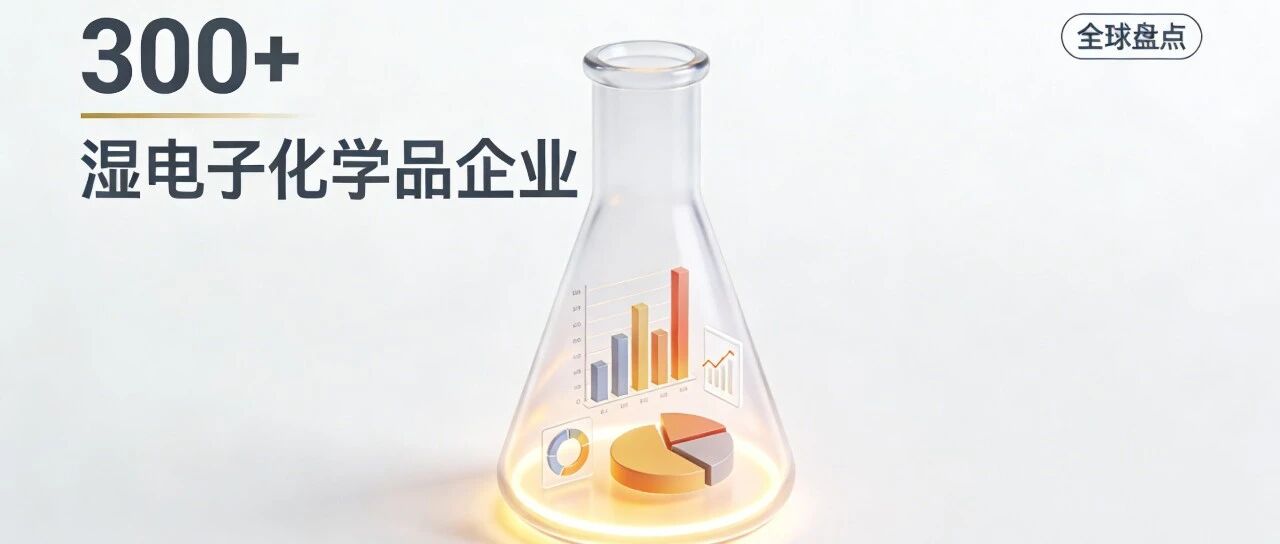
全球湿电子化学品竞争格局及300+企业业务进展(附21张高清图)
材料汇· 2026-01-03 14:27
Group 1: Overview of Major Companies in Wet Electronic Chemicals - BASF is a leading supplier in the industry with the highest global market share, offering a range of wet electronic chemicals including inorganic high-purity reagents and functional formulation liquids [2] - DuPont, following its split in 2019, continues to excel in organic silicon-based electronic chemicals and plans to spin off its electronic materials business by 2025 [2] - Honeywell specializes in high-purity inorganic chemicals and has significant production capabilities in ultra-pure acids and organic solvents [2] - Entegris, after acquiring Cabot Microelectronics, offers a wide range of high-purity chemicals for semiconductor applications [2] - Avantor is a major supplier of ultra-pure reagents and electronic-grade solvents, focusing on high-purity chemicals for the electronics industry [2] Group 2: Japanese Companies in Wet Electronic Chemicals - Sumitomo Chemical is a core supplier of ultra-pure chemicals for semiconductors and displays, with significant advantages in large wafer manufacturing applications [5] - Kanto Chemical holds a significant market share in ultra-pure acid and functional chemical production for semiconductor applications [5] - Shin-Etsu Chemical is a major producer of photoresists and associated wet electronic chemicals for the semiconductor industry [5] - Mitsubishi Chemical produces a variety of high-purity acids and cleaning agents for microelectronics processing [5] Group 3: South Korean Companies in Wet Electronic Chemicals - Dongwoo Fine-Chem, a subsidiary of Sumitomo Chemical, is a pioneer in developing high-purity chemicals for semiconductor and TFT-LCD manufacturing [8] - Dongjin Semichem has a strong presence in the wet electronic chemicals market for new display technologies, holding a monopoly in certain functional chemicals [8] - Soul-brain is recognized as a leading supplier of high-purity hydrofluoric acid in South Korea [8] Group 4: Taiwanese Companies in Wet Electronic Chemicals - Dongying Chemical Co., Ltd. focuses on producing stripping and developing liquids for semiconductors and TFT-LCD applications [9] - Kuan-Tung Hsin-Lin Technology Co., Ltd. has achieved top-tier quality in hydrogen peroxide production, alongside other electronic-grade chemicals [9] - Chang Chun Chemical Co., Ltd. is a major supplier of electronic-grade sulfuric acid and other chemicals for the semiconductor industry [9] Group 5: Chinese Mainland Companies in Wet Electronic Chemicals - Anji Microelectronics Technology Co., Ltd. projects a revenue of 1.545 billion yuan from CMP polishing liquids in 2024, with a production capacity of 33,100 tons [10] - Hubei Xingfu Electronic Materials Co., Ltd. is the market leader in electronic-grade phosphoric acid, with a projected revenue of 1.02 billion yuan in 2024 [10] - Jiangyin Jianghua Microelectronics Materials Co., Ltd. is one of the few companies capable of supplying electronic-grade hydrofluoric acid for 12-inch advanced processes [10]


美国半导体技术霸权的底层支撑与中国突围
是说芯语· 2026-01-03 00:52
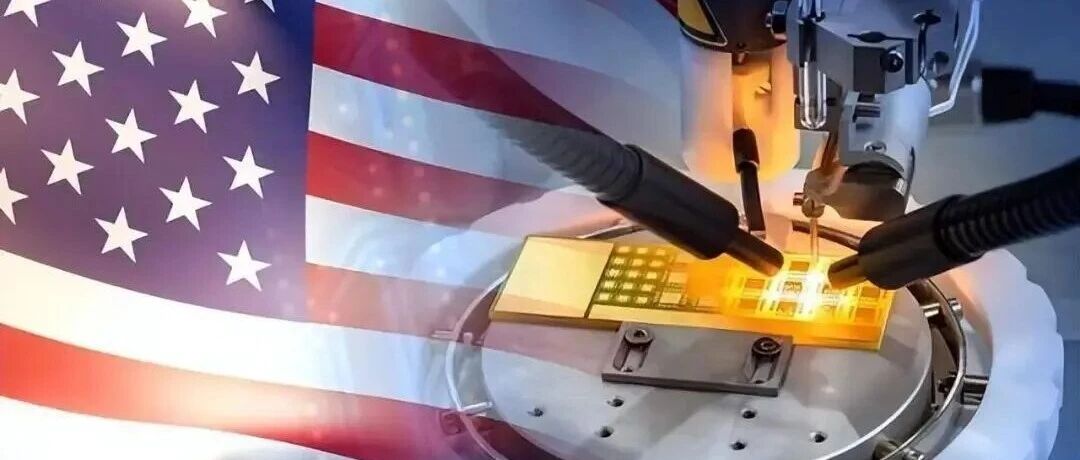
Core Viewpoint - The article discusses the absolute monopoly of the United States in the semiconductor industry, highlighting the dominance in core technologies such as design tools, high-end IP cores, advanced architectures, key manufacturing equipment, and testing instruments. This monopoly creates significant barriers to entry and establishes a comprehensive technological hegemony that is difficult to challenge globally, while also leaving room for diversification and breakthroughs in specific fields, particularly in China's domestic semiconductor industry [1]. Group 1: Chip Design Tools (EDA) - The monopoly is held by Synopsys, Cadence, and Siemens EDA, which together account for over 95% of the global market share, providing a comprehensive toolchain for chip design [3]. - These tools are essential for advanced process nodes of 7nm and below, featuring capabilities such as lithography simulation and yield optimization, making them critical infrastructure for chip development [3]. - The high density of patent barriers and deep collaboration with leading foundries like TSMC and Samsung create strong user ecosystem stickiness, making it difficult for latecomers to replace these tools [3]. Group 2: High-Performance IP Cores and Architectures - The monopoly is dominated by X86 architecture (Intel, AMD), GPU architecture (NVIDIA, AMD), and AI acceleration IP (NVIDIA, Xilinx), with ARM's technology also heavily influenced by U.S. regulations [6]. - The X86 architecture leads in high-performance computing, while NVIDIA's CUDA architecture defines global AI computing standards, creating dual barriers of performance and ecosystem [6]. - Global chip design companies are highly dependent on U.S. IP, and the U.S. can restrict access to these IPs through licensing, directly impacting the design capabilities of other nations [6]. Group 3: Key Manufacturing Equipment - The monopoly is held by U.S. companies like Applied Materials, Lam Research, and KLA, which lead in critical equipment for etching, film deposition, and process inspection [9]. - These companies provide essential technologies for advanced processes, with high barriers to entry due to long R&D cycles and significant capital investment [9]. - The dependency of global foundries like TSMC and Samsung on U.S. equipment means that U.S. export controls can directly affect the expansion and technological upgrades of advanced manufacturing capacities [9]. Group 4: High-End Chip Design and Architecture Innovation - U.S. companies like NVIDIA, Qualcomm, AMD, and Apple dominate the global technology direction in AI chips, mobile terminal chips, and high-performance computing chips [12]. - Continuous high R&D investment (approximately 17.7% of semiconductor industry revenue) and strong ecosystem integration capabilities allow these companies to maintain significant advantages [12]. - The U.S. leads in defining the demand and technological evolution of high-end chips, influencing the global semiconductor supply chain [12]. Group 5: Semiconductor Testing and Packaging Technologies - The monopoly is held by U.S. companies like Teradyne and Cohu, which dominate the high-end chip testing equipment market [15]. - These companies provide comprehensive testing solutions that meet the high precision requirements of advanced process nodes [15]. - The global chip production's yield control and quality assurance are highly reliant on U.S. testing equipment, and export restrictions can impact production efficiency and quality stability [15]. Group 6: Core Materials Technology - U.S. companies like Dow Chemical, DuPont, and GlobalFoundries dominate the market for critical semiconductor materials such as photoresists and electronic specialty gases [18]. - The high purity and stability requirements for semiconductor materials create significant barriers for new entrants [18]. - Advanced process chip manufacturing relies over 80% on U.S. core materials, and U.S. export controls can directly affect global production capacities [18]. Group 7: Semiconductor Software and Ecosystem - U.S. companies like Microsoft, Google, and NVIDIA dominate the software ecosystem that supports chip applications [21]. - The NVIDIA CUDA ecosystem monopolizes AI training and inference software, with over 90% of AI developers using the CUDA platform [21]. - The strong network effects of these ecosystems create significant barriers for new entrants, making it difficult for other countries to commercialize breakthroughs in high-performance chip development [21]. Group 8: Industry Standard Setting Authority - The U.S. leads international standard organizations like IEEE and JEDEC, controlling the core industry standards for chip interfaces and performance specifications [24]. - The binding of industry standards with technology patents creates dual barriers that are difficult for non-U.S. companies to overcome [24]. - The U.S. can guide global semiconductor technology development through standard-setting, impacting the innovation paths of non-U.S. enterprises [24]. Group 9: High-End Semiconductor Products and Solutions - U.S. companies like NVIDIA, Intel, Qualcomm, and Micron hold a dominant share in the global high-end semiconductor product market [27]. - These companies have established significant performance advantages through long-term technological accumulation and deep integration with downstream manufacturers [27]. - The global technology industry is highly dependent on U.S. semiconductor products, and U.S. export controls can directly influence the development of global technology sectors [27].


安集科技(688019):国内 CMP 抛光液领军企业,布局拓展第二成长曲线
Shenwan Hongyuan Securities· 2025-12-31 12:26
Investment Rating - The report initiates coverage with a rating of "Buy" for the company [9]. Core Insights - The company is a leading domestic CMP polishing liquid enterprise, continuously expanding its second growth curve through diversification [2][9]. - The semiconductor industry is entering a prosperous cycle, with significant capacity expansion from wafer fabs, benefiting material suppliers [52][56]. - The company maintains a strong focus on R&D and innovation, with a "3+1" technology platform that covers a full range of products including polishing liquids, functional wet chemicals, and electroplating liquids [8][19]. Financial Data and Profit Forecast - For 2024, the company expects total revenue of 1,835 million yuan, with a year-on-year growth rate of 48.2% [6]. - The projected net profit attributable to shareholders for 2025 is 811 million yuan, reflecting a year-on-year growth of 52.1% [6]. - The company’s gross margin is expected to stabilize around 56.8% for 2025, with a return on equity (ROE) of 24.2% [6][30]. Market Position and Growth Strategy - The company has achieved a global market share of approximately 11% in CMP polishing liquids by 2024, with significant growth in functional wet chemicals and electroplating liquids [8][19]. - The company is strategically positioned in the largest semiconductor material markets, namely Taiwan and mainland China, and aims to enhance its international presence [44][56]. - The company’s product offerings are expanding, with a focus on high-end functional wet chemicals that are expected to see substantial growth in the coming years [10][19]. Industry Trends - The semiconductor industry is experiencing a "super cycle," driven by increased demand for storage and logic chips, particularly due to AI applications [52][56]. - The report highlights that the domestic semiconductor manufacturing sector is expected to see significant capital investment, with major players like SMIC and Changjiang Storage planning large-scale capacity expansions [56][57]. - The report notes that the demand for CMP polishing liquids is expected to rise as the complexity of semiconductor manufacturing processes increases [10][52].
大国基座2025:新材料三重战线的突破与2026年体系化决战
材料汇· 2025-12-31 11:27
Core Viewpoint - The article discusses the strategic transformation of China's new materials industry by 2025, emphasizing a "three-dimensional war" approach that includes "fortress materials" for national security, "sovereign materials" for technological independence, and "fusion materials" for future industry definition [3]. Group 1: Fortress Materials - The development of safety dimension materials is closely tied to national core interests, focusing on absolute reliability and performance under extreme conditions rather than cost-effectiveness [5]. - A significant breakthrough in 2025 is the mass production of the fourth-generation single crystal high-temperature alloy turbine blades, which can withstand temperatures above 1200°C and have a lifespan increased by nearly 50% compared to previous generations [8][10]. - Continuous silicon carbide fibers have transitioned from laboratory preparation to stable engineering mass production, with a production capacity of hundreds of tons, marking a strategic leap in the aerospace sector [14][15]. Group 2: Sovereign Materials - Sovereign materials focus on achieving "self-control" and enhancing industrial competitiveness, particularly in strategic sectors like semiconductors and high-end manufacturing [40]. - In the semiconductor sector, the production of 12-inch silicon wafers has reached a milestone with over 500,000 monthly shipments, and significant advancements in low-oxygen high-resistivity silicon wafer technology have been made [44]. - The domestic supply ratio of 300mm semiconductor silicon wafers is expected to increase from 15% to 40% by the end of 2025, significantly reducing reliance on imports [45]. Group 3: Fusion Materials - The fusion materials dimension represents a shift towards creating new demands and defining new products, characterized by the integration of materials science with cutting-edge fields like artificial intelligence and synthetic biology [72]. - AI-driven platforms for materials research have emerged, enabling rapid property prediction and screening, significantly reducing development cycles for critical materials [74]. - The integration of intelligent materials in robotics is evolving, allowing materials to interact with their environment and make autonomous decisions, marking a shift from passive components to intelligent structures [77].







电子化学品板块12月31日涨0.16%,唯特偶领涨,主力资金净流出1457.96万元
Zheng Xing Xing Ye Ri Bao· 2025-12-31 08:59
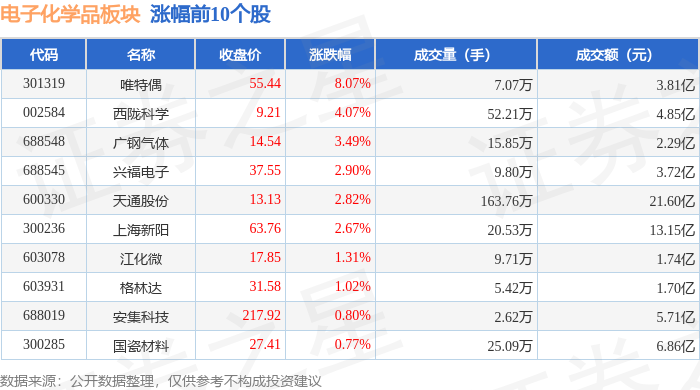
Market Overview - The electronic chemicals sector increased by 0.16% on December 31, with Weiteou leading the gains [1] - The Shanghai Composite Index closed at 3968.84, up 0.09%, while the Shenzhen Component Index closed at 13525.02, down 0.58% [1] Stock Performance - Weiteou (301319) closed at 55.44, up 8.07% with a trading volume of 70,700 shares and a transaction value of 381 million yuan [1] - Xilong Science (002584) closed at 9.21, up 4.07% with a trading volume of 522,100 shares [1] - Guanggang Gas (688548) closed at 14.54, up 3.49% with a trading volume of 158,500 shares [1] - Other notable performers include Xingfu Electronics (688545) up 2.90%, Tiantong Co. (600330) up 2.82%, and Shanghai Xinyang (300236) up 2.67% [1] Fund Flow Analysis - The electronic chemicals sector experienced a net outflow of 14.58 million yuan from institutional investors, while retail investors saw a net outflow of 24.6 million yuan [2] - Conversely, speculative funds recorded a net inflow of 260 million yuan [2] Individual Stock Fund Flow - Shanghai Xinyang (300236) had a net inflow of 122 million yuan from institutional investors, while retail investors faced a net outflow of 198 million yuan [3] - Tiantong Co. (600330) saw a net inflow of 47.23 million yuan from institutional investors, with retail investors experiencing a net outflow of 48.61 million yuan [3] - Xilong Science (002584) had a net inflow of 43.47 million yuan from speculative funds, while retail investors faced a net outflow of 24.38 million yuan [3]


安集科技(688019):国内CMP抛光液领军企业,布局拓展第二成长曲线
Shenwan Hongyuan Securities· 2025-12-31 08:58
Investment Rating - The report initiates coverage with an "Accumulate" rating for the company [2][8] Core Insights - The company is a leading domestic CMP polishing liquid enterprise, continuously expanding its second growth curve through diversified product offerings [7][16] - The semiconductor industry is entering a prosperous cycle, with significant capacity expansion among wafer fabs, benefiting material suppliers [7][52] - The company maintains a strong focus on R&D and innovation, with a robust "3+1" technology platform that supports its core business in polishing liquids and expands into functional wet chemicals and electroplating solutions [7][8] Financial Data and Profit Forecast - Projected total revenue for 2024 is 1,835 million yuan, with a year-on-year growth rate of 48.2%. For 2025, the expected revenue is 2,506 million yuan, reflecting a growth rate of 36.6% [5] - The company's net profit attributable to shareholders is forecasted to be 534 million yuan in 2024, increasing to 811 million yuan in 2025, with a year-on-year growth rate of 52.1% [5] - The gross margin is expected to stabilize around 56.8% for 2025, with a return on equity (ROE) projected at 24.2% [5][8] Market Position and Growth Drivers - The company has achieved a global market share of over 10% in CMP polishing liquids, with significant growth in functional wet chemicals and electroplating solutions [7][8] - The demand for CMP polishing liquids is driven by advancements in integrated circuit technology, leading to increased usage and value of polishing materials [7][52] - The company is strategically positioned in the largest semiconductor material markets, namely Taiwan and mainland China, enhancing its competitive advantage [7][44] Product and Technology Development - The company has developed a comprehensive product matrix in CMP polishing liquids, functional wet chemicals, and electroplating solutions, catering to various semiconductor manufacturing processes [16][19] - Continuous R&D investment has led to a stable increase in the number of patents, with a focus on high-end differentiated products in the functional wet chemical segment [38][44] Future Outlook - The company is expected to see net profits of 8.11 billion yuan, 10.21 billion yuan, and 12.74 billion yuan from 2025 to 2027, with corresponding price-to-earnings ratios of 45, 36, and 29 [8][9] - The ongoing expansion of domestic semiconductor manufacturing capacity, particularly among leading firms, is anticipated to further benefit the company [52][56]
国产算力水平有望持续提升,睿创微纳涨超3%,科创100指数ETF(588030)红盘冲击3连涨
Xin Lang Cai Jing· 2025-12-31 06:22
Group 1 - The core viewpoint of the news highlights the growth and performance of the Sci-Tech Innovation Board 100 Index and its ETF, indicating a positive trend in the market [1][3] - As of December 30, 2025, the Sci-Tech 100 Index ETF has seen a cumulative increase of 3.91% over the past week, with a current price of 1.39 yuan [1] - The ETF has recorded a trading volume of 2.94 billion yuan, with a turnover rate of 4.49% [1] Group 2 - The National Development and Reform Commission emphasizes the rapid growth and innovation in the demand for AI computing chips, supported by the "AI+" initiative [1] - The Ministry of Industry and Information Technology has issued a plan to accelerate the digital transformation of the automotive industry, integrating AI technologies into various operational aspects [2] - The "14th Five-Year Plan" outlines a clear direction for industrial development, focusing on technological innovation and advanced manufacturing as key drivers of economic transformation [2] Group 3 - The latest scale of the Sci-Tech 100 Index ETF has reached 6.539 billion yuan, marking a one-month high, with a total of 4.737 billion shares [3] - The ETF has experienced continuous net inflows over the past four days, totaling 364 million yuan, with an average daily net inflow of approximately 9.11 million yuan [3] - The top ten weighted stocks in the Sci-Tech 100 Index account for 26.72% of the index, with notable companies including Huahong Semiconductor and BeiGene [3]

拟加码295亿元!长鑫存储科创板IPO获受理,机构:半导体设备产业链迎确定性关注
Jin Rong Jie· 2025-12-31 02:42
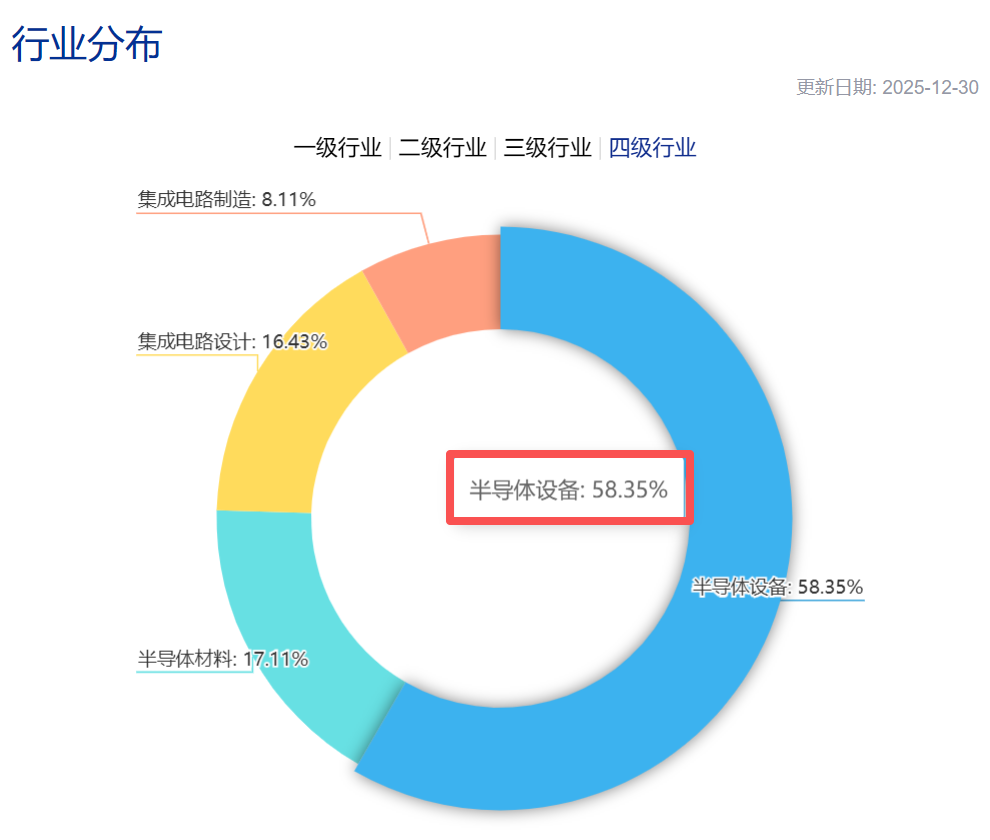
东吴器械也表示,7月7日国产DRAM内存龙头长鑫存储正式启动上市征程,12月30日晚发布招股书。国产半导体设备迎来历史性发展机遇, 26年或将开启确定性强的扩产周期,设备全行业订单增速有望超30%、达50%+。 中证指数官网数据显示,半导体设备ETF(561980)跟踪中证半导,标的指数中"设备"含量较高,将近60%!且半导体设备+材料+集成电路 设计三行业占比超90%,均为芯片产业链中/上游的"卖铲子"领域,国产替代空间广阔。 2025年最后一个交易日,长鑫IPO进展引爆市场关注,半导体产业链多股拉升。上游半导体设备ETF(561980)高开1.31%,成份股芯源微、 雅克科技涨超4%,艾森股份、拓荆科技涨超3%,盛美上海、安集科技、中科飞测、北方华创等强势跟涨。 消息面上,长鑫科技12月30日晚间正式递交招股书,拟在科创板挂牌上市,计划募资295亿元进一步提升公司在DRAM行业的核心竞争力。 中信证券发布研报认为,国内最大的DRAM存储企业长鑫存储上市已受理,招股书披露公司2025年第四季度利润超预期,同时长鑫技术加速 迭代追赶全球先进水平,未来上市有望持续拉动扩产,设备国产化率有望逐步提升。 该指数重点 ...