
成都银行

Search documents
2026银行股前瞻:业绩企稳结构分化 机构看好“再出发”
2 1 Shi Ji Jing Ji Bao Dao· 2025-12-11 23:35
Core Viewpoint - The performance trajectory and structural differentiation of bank stocks are central topics as 2026 approaches, with expectations of a mild recovery in overall performance driven by macro policy support and easing risks [1][2] Group 1: Industry Performance Outlook - There is a consensus among institutions that the banking sector will see a mild recovery in revenue and net profit due to alleviated pressure from narrowing interest margins and growth in wealth management and other fee-based businesses [2][3] - The growth dynamics of the banking industry are shifting from homogeneous scale expansion to differentiated competition based on customer loyalty, business structure, and operational efficiency [3] - Major banks with established advantages in settlement and wealth management are expected to outperform smaller banks, which may face increased investment pressures [3] Group 2: Interest Margin and Asset Quality - The net interest margin is anticipated to stabilize in 2026, supported by improvements in deposit costs and a reduction in downward pressure on asset yields [4] - While overall asset quality is expected to remain stable, there is a shift in risk focus from the overall sector to specific banks, with those managing retail assets and real estate exposure effectively showing greater resilience [4] Group 3: Investment Strategies - Investment strategies are converging on three main areas: large state-owned banks, regional banks benefiting from local economic vitality, and banks with specific recovery or transformation potential [9][10] - Large state-owned banks are viewed as defensive choices with high allocation value due to their stable operations and attractive dividends [9] - Regional banks with solid asset quality and strong performance certainty, particularly in economically developed areas, are highlighted as targets for excess returns [9][10]




“红包”来了!多地区域性银行入局!
券商中国· 2025-12-11 13:00
Core Viewpoint - The expansion of personal consumption loan interest subsidy policies by regional banks in Guizhou, Sichuan, and Chongqing aims to stimulate local consumption and enhance the competitiveness of regional financial institutions [1][6]. Group 1: Implementation of Subsidy Policies - Regional banks such as Guiyang Bank, Guizhou Bank, and Chengdu Bank have announced the implementation of personal consumption loan interest subsidies, expanding the original 23 financial institutions to include more local banks [1][2]. - The subsidy policies are in response to national calls to boost local consumption, with other provinces expected to follow suit [1][6]. Group 2: Specifics of Subsidy Programs - In Guizhou, the subsidy period is from December 1, 2025, to December 31, 2025, with a maximum subsidy of 3,000 yuan for eligible borrowers [2][4]. - In Chongqing, the subsidy applies to personal consumption loans issued from September 1, 2025, to August 31, 2026, with three local banks included as loan issuers [3][4]. - Chengdu Bank and Chengdu Rural Commercial Bank have set a subsidy cap of 1,500 yuan for borrowers during their policy period [5]. Group 3: Variations in Subsidy Standards - The annual subsidy rate for personal consumption loans in Guizhou and Chongqing is set at 1%, but the maximum subsidy amounts differ, with Guizhou and Chongqing allowing up to 3,000 yuan per borrower [4]. - Chengdu's subsidy cap is lower, at 1,500 yuan, indicating regional differences in subsidy implementation [5]. Group 4: Future Prospects and Market Impact - The introduction of these subsidy policies is expected to create a "national subsidy + local subsidy" synergy, enhancing regional banks' market competitiveness and stimulating local consumption [6][7]. - The policies are seen as a short-term growth opportunity for banks, but long-term sustainability may be challenged due to differences in customer base and risk management capabilities compared to larger banks [7].



2026银行股前瞻:业绩企稳结构分化,机构看好“再出发”
2 1 Shi Ji Jing Ji Bao Dao· 2025-12-11 09:33
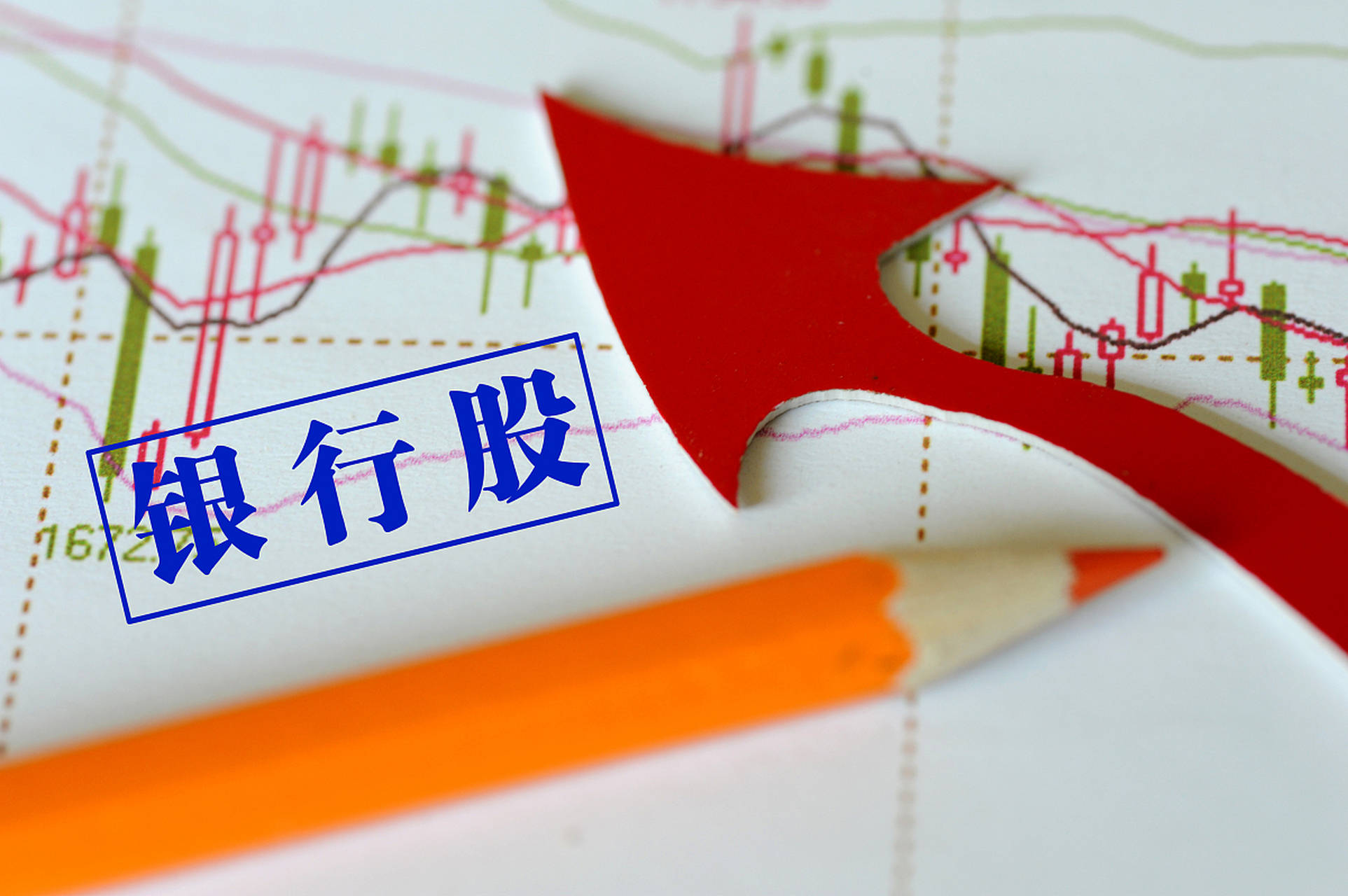
21世纪经济报道记者林汉垚 见习记者冯紫彤 随着 2026 年日益临近,银行股的业绩走向与结构分化逻辑再次成为机构研报的核心议题。 作为"十五五"规划的开局之年,银行业的经营环境与投资逻辑将如何演变?对于投资者而言,机会藏于何处? 近期,多家券商密集发布年度展望,普遍认为在宏观政策托底、息差有望筑底以及存量风险持续缓释的背景下,2026年上市银行整体业绩大概率将步入温和 修复通道。 然而,几乎所有机构都同时强调,行业内部的结构性分化将成为未来一年的主旋律,马太效应加剧,具备独特客户优势、负债成本管控能力或特定区域禀赋 的银行,将有望领跑新一轮周期。 业绩温和修复成共识,内部分化已成定局 对于2026年的行业整体业绩走势,机构观点呈现出显著共识。多数研报判断,得益于息差收窄压力的缓解和财富管理等中收业务的增长,上市银行营收与净 利润将告别低迷,实现小幅正增长,步入温和的修复通道。 然而,这并非一次普惠式的回暖,"分化"成为各机构策略报告中最高频的关键词之一。 机构普遍指出,银行业增长驱动逻辑正在发生根本性转变,从同质化的规模扩张,转向依赖客户粘性、业务结构和经营效率的差异化竞争。那些在结算业 务、财富管理领域建 ...
银行净息差专题报告:负债管理能力成为业绩分化的关键
GUOTAI HAITONG SECURITIES· 2025-12-11 08:03
Investment Rating - The report assigns an "Overweight" rating for the banking sector [7]. Core Insights - The report emphasizes the significant improvement in the cost of liabilities for banks in 2025, with a notable decrease of 28 basis points (bp) in the first half of the year, compared to only 4 bp in the same period last year. This improvement is primarily driven by reductions in deposit and interbank liabilities costs, contributing 19 bp and 7 bp respectively [3][11]. - The net interest margin (NIM) is expected to decline by approximately 5 bp in 2026, with the downward pressure on margins continuing to ease marginally, suggesting that some banks may stabilize their NIMs [2][10]. Summary by Sections 1. Liability Cost Improvement in 2025 - The first half of 2025 saw a significant reduction in the cost of interest-bearing liabilities, with the cost rate dropping to 1.70%, a decrease of 28 bp from 2024. This was supported by improvements in both deposit and interbank liability costs [11]. 2. Liability Side: Deposit Maturity and Repricing Benefits 1) **Term Structure**: The proportion of long-term deposits entering the repricing cycle has increased, with the share of deposits with a remaining maturity of 1-5 years declining by 1.5 percentage points (pct) to 22.6% by the end of Q2 2025. Some banks, such as those in Ningbo and Chongqing, experienced declines exceeding 10 pct [4]. 2) **Price Factors**: Regulatory focus on maintaining reasonable NIM levels has increased, with expectations of further interest rate cuts. The maximum reduction for three-year deposits could exceed 100 bp, indicating substantial room for cost improvement [5]. 3. Asset Side: Yield Pressure Expected to be Better than 2025 1) **Loans**: The repricing pressure on loans is expected to ease, with the five-year Loan Prime Rate (LPR) declining by only 10 bp in 2025, significantly less than the 50 bp drop the previous year [6]. 2) **Debt Replacement**: The shift from high-interest to low-interest debt is anticipated to have a limited impact on net interest margins, estimated to drag down margins by about 4 bp [6]. 3) **Bond Maturity**: The widening gap between new bond issuance rates and existing bond yields is expected to exert downward pressure on investment yields, with an estimated drag of 6 bp on margins from the reallocation of bonds maturing within one year [6]. 4. NIM Projections - The report forecasts a 5 bp decline in NIM for 2026, with the downward trend continuing to converge. The asset yield is expected to decrease by 17 bp, while the cost of liabilities is projected to improve by 13 bp, with deposit costs improving by 17 bp [7][10].




业务管理不审慎,存在违规行为 成都银行领725万元罚单
Shen Zhen Shang Bao· 2025-12-11 05:31
【深圳商报讯】(首席记者 谢惠茜)近日,国家金融监督管理总局官网公开信息显示,因对相关贷 款、存款、贴现、票据业务管理不审慎等违规行为,成都银行(601838)被罚款90万元,同时,其旗下 绵阳分行、眉山分行、天府新区分行、都江堰支行、成华支行、双流支行等15家分支行被罚款合计635 万元,作出处罚机关为四川金融监管局。 四川金融监管局还对孙洵、艾志伟、袁勇、严勇军、李丹、刘峰、向蕾、雷建华、杨毅、邱黎源、蒋 瑛、樊蕊、杨琼等13名相关责任人警告并罚款合计73万元。公开信息显示,其中多数被罚人员为相关分 支行行长。 这并非成都银行今年首次收到监管罚单。今年1月份,证监会四川监管局官网披露行政监管措施,成都 银行因基金销售业务存在内部控制制度不健全、部分基金销售人员未取得基金从业资格、内部考核机制 不健全等情况,被出具警示函;今年9月,因违规办理经常项目付汇业务,成都银行股份有限公司宜宾 分行被国家外汇管理局宜宾市分局罚款并没收违法所得,罚没款金额为25.2万元。 公开资料显示,成都银行成立于1996年12月,是四川省首家上市银行、全国第8家A股上市城市商业银 行,曾引入马来西亚丰隆银行作为境外战略投资合作伙伴 ...
红利低波ETF(512890)年内规模增长超百亿元,机构继续看好银行板块配置价值
Xin Lang Cai Jing· 2025-12-11 04:05
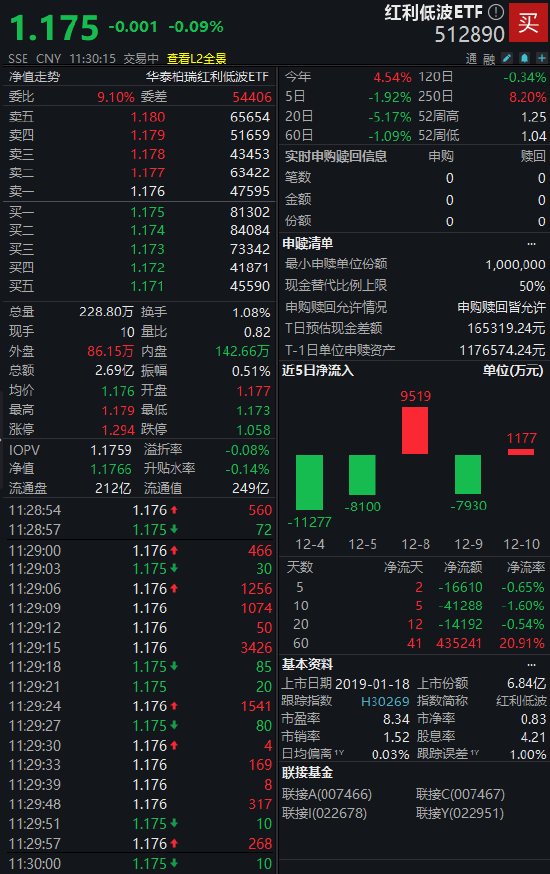
Core Viewpoint - The news highlights the performance and growth of the Hongli Low Volatility ETF (512890), which has shown significant increases in both share volume and total assets in 2025, indicating strong investor interest and market positioning. Group 1: ETF Performance - As of December 10, 2025, the Hongli Low Volatility ETF (512890) has a total share count of 21.163 billion and total assets of 24.901 billion yuan, reflecting a year-to-date increase of 72.59% in shares and 81.10% in assets compared to the previous year [3][7]. - The ETF's price slightly decreased by 0.09% to 1.175 yuan, with a trading volume of 2.69 billion yuan, making it the leading ETF in its category [1][5]. Group 2: Top Holdings - The latest report lists the top ten holdings of the Hongli Low Volatility ETF, which include major companies such as COFCO Sugar, Nanjing Bank, and Agricultural Bank of China, with significant weightings in the portfolio [3][9]. Group 3: Market Context - The banking sector's average dividend yield is currently at 3.94%, which is 2.08% higher than the ten-year government bond yield, reinforcing the attractiveness of bank stocks as high-dividend investments [4][9]. - The report emphasizes the importance of dividend value in the banking sector, suggesting that ongoing shareholder and executive buybacks will help stabilize market expectations and attract long-term capital [4][9].
成都银行20251210
2025-12-11 02:16
Summary of Chengdu Bank Conference Call Company Overview - **Company**: Chengdu Bank - **Industry**: Banking and Financial Services Key Points and Arguments Credit Growth and Loan Structure - In 2026, credit growth will primarily focus on corporate loans, with a slight increase in single customer ratios. Overall credit growth is expected to slow compared to 2025, influenced by regulatory limits on asset scale growth [2][8] - The bank's credit issuance in Q4 2025 met initial expectations, with corporate loans remaining the main focus. Retail assets showed no significant improvement [3] - Future growth in corporate business will mainly come from national and Chengdu-Chongqing economic circle infrastructure projects, with stricter approvals for provincial and municipal projects due to debt resolution impacts [4][5] Retail Loan Performance - The real estate market in Chengdu is relatively stable, but the overall environment is poor, making mortgage loans unlikely to be a primary growth driver. The focus will shift to consumer loans, which have significant growth potential [6] - Current mortgage loans total approximately 100 billion, while consumer loans are around 20 billion, indicating a strong potential for consumer loan growth [6] Interest Rates and Pricing - New loan pricing is generally on a downward trend, with retail asset pricing remaining stable. Corporate loans face downward pressure due to weak demand and competition [11] - The bank expects the asset yield to remain stable in 2026, with minimal fluctuations unless there are significant changes in the Loan Prime Rate (LPR) [11][14] Cost of Liabilities - The cost of liabilities is expected to improve, particularly for Chengdu Bank compared to other city commercial banks, due to a larger space for cost reduction [12] - Active liabilities, such as bond issuance, have a minimal impact on profit margins due to the bank's smaller scale [13] Non-Performing Loans and Risk Management - Chengdu Bank's non-performing loan generation rate is around 0.2%, which is low compared to the industry average. Risks are mainly concentrated in the wholesale and retail sectors, particularly in the fuel vehicle business [19] - The quality of mortgage loans remains stable, with a significant portion of loans secured by collateral, reducing risk exposure [21][20] Future Growth and Strategic Planning - The bank's international business will be a key focus for future growth, aiming to enhance financial service capabilities and customer loyalty [24] - The bank aims to maintain a dividend payout ratio of no less than 30%, with potential increases contingent on future earnings and regulatory approvals for equity financing [23] Regional and Competitive Advantages - Chengdu Bank benefits from its strategic location in a growing region, with strong demand for financing in infrastructure and industry projects. The region's social financing growth has been leading nationally for over 30 months [28] - The bank competes directly with larger banks rather than other city commercial banks, maintaining a strong market position in loan and deposit growth since 2020 [28] Profitability and Return on Equity (ROE) - The bank anticipates a gradual decline in ROE over the coming years, with current estimates around 15% for the year [26] - Profit growth targets are not strictly quantified but are aligned with key performance indicators set by regulatory bodies [27] Conclusion - Chengdu Bank is positioned to navigate a challenging economic environment with a focus on corporate loans and consumer lending growth. The bank's strategic initiatives and regional advantages are expected to support its performance and profitability in the coming years [28][29]
四大证券报精华摘要:12月11日
Zhong Guo Jin Rong Xin Xi Wang· 2025-12-11 00:06
Group 1 - Recent policies aimed at boosting consumption and domestic demand have been introduced, including direct subsidies and consumer loan interest subsidies, which are expected to positively impact the consumer sector [1] - The consumer industry is showing signs of bottoming out, with fundamental recovery likely to catalyze stock price increases, particularly in chain restaurants, new tea beverage companies, and sports companies related to event operations [1] - The issuance of offshore bonds in Hong Kong has gained international recognition, reflecting confidence in China's economic resilience and promoting high-level financial openness [2] Group 2 - In November, the A-share market saw increased allocations to A-share assets by fund advisors, indicating a preemptive positioning for the upcoming year-end market [3] - The Consumer Price Index (CPI) rose by 0.7% year-on-year in November, the highest since March 2024, while the Producer Price Index (PPI) showed a slight increase, indicating a stabilization in prices and gradual demand recovery [3] - The lithium battery industry is facing rising production costs due to increasing raw material prices, leading companies like Dejia Energy and Funeng Technology to announce price hikes for their products [3] Group 3 - The termination of the merger between Haiguang Information and Zhongke Shuguang allows both companies to focus on their respective markets while enhancing strategic collaboration [4] - Over 200 A-share companies have been actively researched by brokerage analysts in December, with a focus on the electronics and machinery sectors, indicating a strong interest in technology stocks for 2026 [4] - The number of A-share companies announcing dividend distributions has reached a record high this year, with total dividends expected to exceed 2.6 trillion yuan [6] Group 4 - Silver prices have surged significantly, impacting the photovoltaic industry by increasing costs, with global silver demand for photovoltaic applications expected to double by 2025 [7] - Companies in the photovoltaic sector are actively seeking technological breakthroughs to reduce silver usage, with Shanghai Aiyu New Energy leading in the development of copper interconnection technology [7] Group 5 - China Life Insurance has reported total premiums exceeding 700 billion yuan as of November 30, with expectations for a favorable insurance market cycle in 2026 [8]
“国补+地补”协同发力 区域性银行加入消费贷贴息阵营
Zheng Quan Ri Bao· 2025-12-10 22:32
12月份以来,个人消费贷款财政贴息政策在四川、贵州、重庆加速落地。川黔渝三地相继发布省级贴息 实施细则,贵阳银行、贵州银行、成都银行、成都农商行等区域头部城商行、农商行同步启动业务受 理。这标志着此前未被纳入"国补"经办体系的区域性银行,正式加入消费贷补贴阵营,"国补+地补"的 协同发力格局初步形成。 上海金融与法律研究院研究员杨海平对《证券日报》记者表示,地方消费贷贴息政策是对国家政策的响 应,与"国补"政策形成联动,可以在进一步激活消费方面发挥积极作用。预计其他省份也会跟进,出台 地方版消费贷贴息政策。该政策能够通过贴息的杠杆作用,挖掘消费信贷潜力,活跃消费信贷市场,与 一系列提振消费的政策形成合力。 "地补"接力"国补" 今年8月份,国家层面推出个人消费贷款财政贴息政策,明确6家国有大行、12家全国性股份行等机构 为"国补"经办主体,但未纳入城商行、农商行。而川黔渝三地此次落地的"地补"政策,不仅填补了这一 空白,更在衔接国家政策框架的基础上,结合区域实际形成差异化特色:川黔渝三地均设定1个百分点 的年贴息比例,且该比例不超过贷款合同利率的50%,同时在贴息上限、执行期限、覆盖范围等核心维 度作出差异化 ...
从“国补”到“地补” 消费贷贴息迎来新军
Zhong Guo Zheng Quan Bao· 2025-12-10 22:31
Core Viewpoint - Regional banks in China are leveraging local fiscal support to introduce consumer loan subsidy programs, aiming to reduce the cost of consumer credit and stimulate consumer spending potential [1][2]. Group 1: Introduction of Consumer Loan Subsidies - Since December, banks such as Guizhou Bank and Guiyang Bank have announced personal consumer loan interest subsidy programs to lower residents' credit costs [2]. - The subsidy program is based on guidelines from multiple departments, effective from December 1, targeting eligible consumer loan clients [2]. Group 2: Details of Subsidy Programs - Guizhou Bank and Guiyang Bank's subsidies apply to loans for comprehensive consumption and service industry loans, with specific eligibility criteria tied to the borrower's registered business location [2]. - Chengdu Bank and Chengdu Rural Commercial Bank have also released their subsidy details, with the subsidy period set from October 1, 2025, to March 31, 2026 [2]. Group 3: Subsidy Limits and Application Process - The maximum subsidy for each borrower at Guizhou Bank and Guiyang Bank is capped at 3,000 yuan, with specific limits for smaller loans [3]. - The application process is voluntary and operates on a first-come, first-served basis, with a clear requirement for supporting documentation [3]. Group 4: Benefits for Local Economies - The subsidy initiative is viewed as a "triple win" for local economies, effectively utilizing fiscal resources to stimulate consumer spending while allowing banks to expand their customer base [4][5]. - Industry experts anticipate that more regions will adopt similar consumer loan subsidy policies tailored to their fiscal conditions and market characteristics [5].