
兆威机电

Search documents
世界抽象机器人大赏:中美搞科技,别人搞笑话
创业邦· 2025-12-03 04:26
Core Viewpoint - The article discusses the performance and development of humanoid robots in various countries, highlighting the significant technological gap between China, the US, and other nations like Russia, Iran, and Vietnam in this field [6][11][29]. Group 1: Humanoid Robots in Russia - Russia's humanoid robot AIDdol, which aims to integrate AI and emotional expression, faced a disastrous debut, falling during its presentation and leading to widespread ridicule [11][13]. - The CEO of the company explained that the fall was due to insufficient lighting and sensor calibration issues, emphasizing that the robot is still in the testing phase [18]. - AIDdol's specifications reveal it can only walk at a speed of 6 km/h and carry less than 10 kg, which is significantly inferior to competitors like Boston Dynamics' Atlas [20][21]. Group 2: Humanoid Robots in Iran - Iran's Surena IV, a fourth-generation humanoid robot, demonstrated extremely slow movement, taking 20 seconds to pick up a bottle, with a walking speed of only 0.7 km/h [33][37]. - The robot's performance is criticized for being outdated, especially when compared to more advanced models from other countries [39]. Group 3: Humanoid Robots in Vietnam - Vietnam's Vingroup has developed VinMotion, which has shown significant improvement in stability and movement, even performing dance routines, but faces skepticism regarding its claim of being entirely domestically produced [51][57]. - The rapid development from IVASTBot to VinMotion within two years highlights Vietnam's ambition in the robotics sector, despite doubts about the authenticity of its production claims [49][51]. Group 4: Comparison with Japan and South Korea - Japan and South Korea, despite having a strong industrial base, have struggled to commercialize humanoid robots, with notable examples like Honda's ASIMO and Sony's QRIO failing to achieve widespread adoption [57][63]. - The reliance on pre-programmed tasks and high operational costs has hindered the success of these early humanoid robots [78][80]. Group 5: Technological Challenges and Global Landscape - The article emphasizes that developing humanoid robots requires advanced capabilities in mechanical design, manufacturing, and artificial intelligence, which many countries, including Russia and India, struggle to meet [69][74]. - The US and China dominate the humanoid robot value chain, with a significant number of top companies in the field, while other nations lag behind due to a lack of technological infrastructure [70][76]. - The future of humanoid robots is seen as promising due to increasing demands for automation in aging populations and labor shortages, but many countries may find themselves unable to compete effectively [87].


华富产业升级灵活配置混合A基金经理变动:增聘沈成为基金经理
Sou Hu Cai Jing· 2025-12-03 02:16
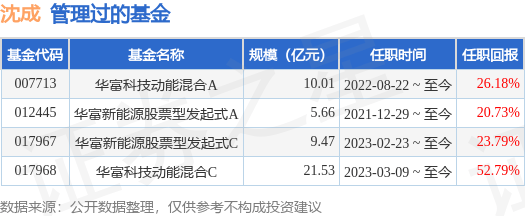
Group 1 - The core point of the article is the announcement of the appointment of Shen Cheng as the new fund manager for the Hua Fu Industrial Upgrade Flexible Allocation Mixed Fund (002064) effective December 3, 2025 [1] - As of December 2, 2025, the net value of the Hua Fu Industrial Upgrade Flexible Allocation Mixed Fund was 2.8705, reflecting a decrease of 0.19% from the previous day, while it has increased by 57.82% over the past year [1] - Shen Cheng holds a master's degree in Technology Economics and Management from Shanghai Jiao Tong University and has previously worked at several securities firms before joining Hua Fu Fund Management Company in November 2021 [1] Group 2 - The funds managed by Shen Cheng include Hua Fu Technology Momentum Mixed A, Hua Fu New Energy Equity Initiation A, and Hua Fu New Energy Equity Initiation C, with respective returns of 26.18%, 20.73%, and 23.79% since their respective management dates [1] - The Hua Fu Technology Momentum Mixed A fund made a significant investment in Zhao Wei Electric in the second quarter of 2024, with an estimated return of 157.02% based on the average prices at which the stock was bought and sold [1]
兆威机电跌2.01%,成交额2.01亿元,主力资金净流出742.26万元
Xin Lang Zheng Quan· 2025-12-02 05:40
Core Viewpoint - Zhaowei Electromechanical's stock price has experienced fluctuations, with a year-to-date increase of 41.13% but a recent decline in the last 20 and 60 days, indicating potential volatility in investor sentiment [1][2]. Company Overview - Zhaowei Electromechanical, established on April 19, 2001, and listed on December 4, 2020, is based in Shenzhen, China, and specializes in the research, production, and sales of micro transmission systems, precision injection parts, and precision molds [2]. - The company's revenue composition includes micro transmission systems (63.25%), precision parts (30.44%), and precision molds and other products (6.31%) [2]. - As of September 30, 2025, Zhaowei Electromechanical had 51,000 shareholders, a decrease of 8.28% from the previous period, with an average of 4,066 circulating shares per shareholder, an increase of 9.63% [2]. Financial Performance - For the period from January to September 2025, Zhaowei Electromechanical reported a revenue of 1.255 billion yuan, reflecting a year-on-year growth of 18.70%, and a net profit attributable to shareholders of 181 million yuan, up 13.86% year-on-year [2]. - The company has distributed a total of 333 million yuan in dividends since its A-share listing, with 192 million yuan distributed over the past three years [3]. Shareholding Structure - As of September 30, 2025, the top ten circulating shareholders include Hong Kong Central Clearing Limited, which increased its holdings by 1.6249 million shares to 3.4455 million shares, and the newly entered E Fund National Robot Industry ETF, holding 2.775 million shares [3]. - Other notable shareholders include Penghua Carbon Neutral Theme Mixed A, which reduced its holdings by 541,400 shares, and Huashang Runfeng Mixed A, which increased its holdings by 182,300 shares [3].
场景创新下半场,谁将突围?
2 1 Shi Ji Jing Ji Bao Dao· 2025-12-02 03:57
Core Viewpoint - The Chinese government has initiated a systematic deployment of "scene cultivation and opening" to accelerate the application of new technologies, products, and business models, marking a shift towards practical implementation in urban environments [1][3]. Group 1: Scene Innovation and Development - Over 65 of the top 100 cities in China have engaged in scene innovation-related work, with an increase of over 25 cities compared to 2023 [7]. - The concept of "scene" is defined as the specific context for the innovative application of new technologies, products, and business models, facilitating both hard and soft validations [3][4]. - Scene-driven innovation aims to bridge the gap between research and practical application, helping advanced technologies like autonomous driving to gather necessary data for real-world deployment [4][6]. Group 2: Regional Strategies and Focus Areas - Cities like Beijing and Shanghai are leveraging their unique advantages, such as data flow and financial services, to drive scene innovation in specific sectors [8][9]. - Guangdong province emphasizes its strong manufacturing base, focusing on 20 key areas for application scene innovation, with advanced manufacturing as a priority [9][11]. - The Bao'an district in Shenzhen is positioning itself as a leader in scene innovation, with over 500 scene opportunities released, covering various sectors including social governance and smart education [12][14]. Group 3: Technological Applications and Collaborations - The collaboration between Bao'an Center Blood Station and Fengyi Technology exemplifies the use of drones for medical emergencies, significantly reducing delivery times compared to traditional methods [11][12]. - The Bao'an district has hosted events to facilitate partnerships between over 760 companies, resulting in more than 300 cooperation intentions with a transaction value exceeding 10 billion [14]. - The district aims to create a benchmark for open scene innovation, integrating technology into everyday life and production processes [14].
工信部推进电池反内卷,机器人整机密集启动IPO | 投研报告
Zhong Guo Neng Yuan Wang· 2025-12-02 02:02
Group 1: Industry Overview - The global energy storage market is expected to reach a new historical high of 240 GWh in new installed capacity in 2024, with sustained high growth in the medium to long term according to Bloomberg New Energy Finance [1][2] - The domestic energy storage cell market in China is experiencing a robust supply and demand dynamic, with battery companies operating at high capacity utilization rates [1][2] Group 2: Policy and Market Dynamics - The Ministry of Industry and Information Technology (MIIT) is promoting measures to curb irrational competition in the battery industry, emphasizing the need for policy initiatives to ensure high-quality development of the energy storage sector [1] - A recent meeting organized by MIIT included key industry players, focusing on capacity monitoring, quality supervision, and intellectual property protection [1] Group 3: Company Developments - Major domestic energy storage battery companies are fully utilizing their production lines, with orders extending to 2026, indicating strong market demand [2] - Recent strategic partnerships in the energy storage sector include a 10-year cooperation agreement between CATL and Haibosch, and a collaboration on a 1.6 GWh storage project in Germany between Haibosch and LEAG [2] Group 4: Investment Recommendations - The report suggests focusing on quality energy storage integration companies such as Sungrow Power Supply and Haibosch [4] - In the robotics sector, it recommends core companies with high supply chain certainty and significant value in the industry chain, including Top Group, Sanhua Intelligent Control, Zhaowei Electric, and Meihu [4] Group 5: Market Sentiment - The electric power equipment sector maintains a "recommended" rating, indicating positive sentiment towards the industry [5]

赤峰市工商联组织民营企业赴深圳、东莞考察
Sou Hu Cai Jing· 2025-12-01 15:13
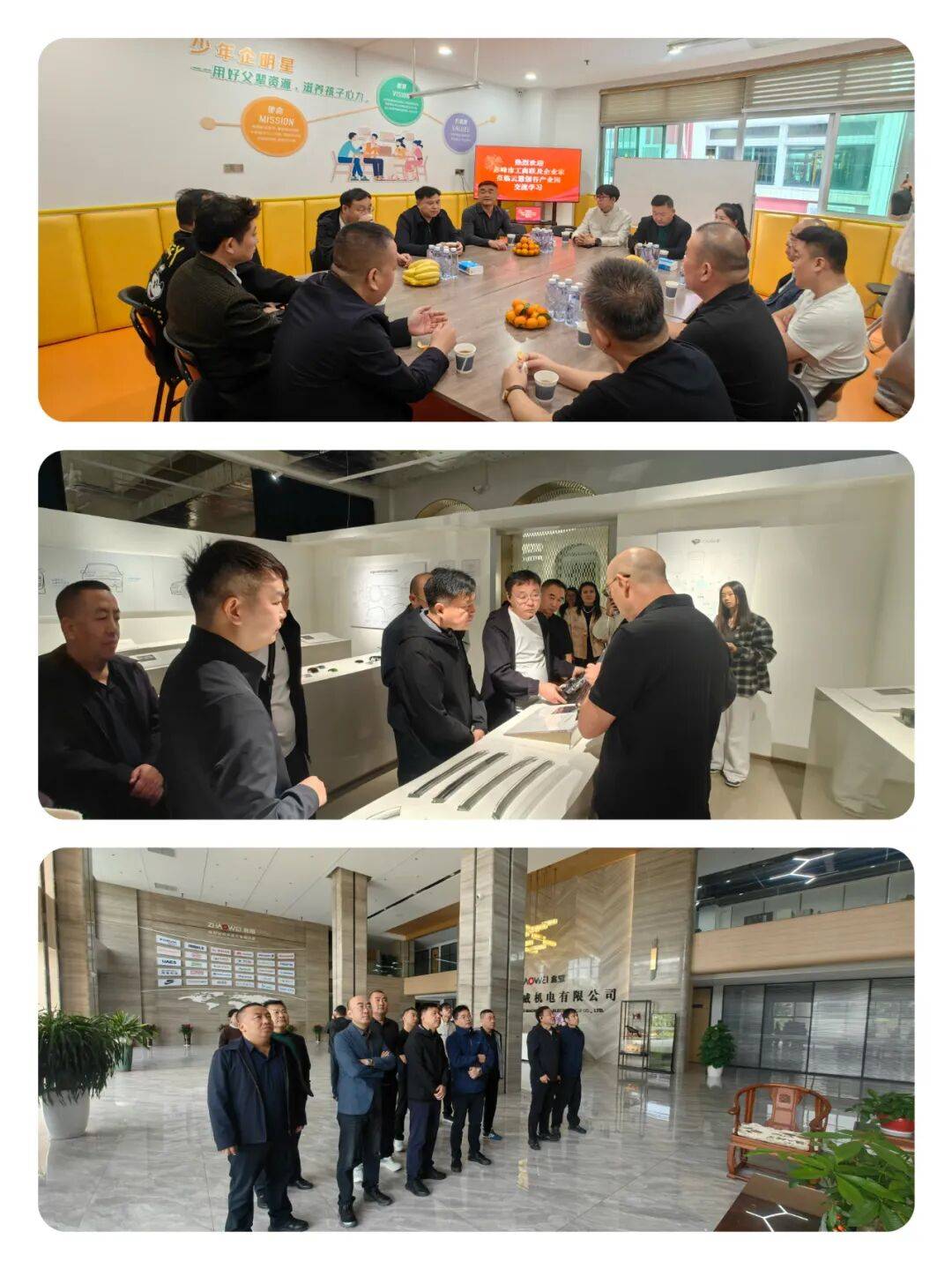
Core Insights - The visit aimed to explore advanced experiences in AI and high-tech industries, focusing on high-quality development paths for private enterprises in Chifeng [1][5] - The delegation visited multiple companies and innovation parks in Shenzhen and Dongguan to understand their achievements in smart hardware development, digital technology application, and collaborative innovation education [1][5] Group 1 - The delegation included 13 members led by Shi Wei, Vice Chairman of the Chifeng Federation of Industry and Commerce, who emphasized the importance of learning from Shenzhen and Dongguan's rich experiences in technology innovation [1][5] - The visit involved in-depth discussions on key issues such as technological innovation breakthroughs, the intelligent transformation of traditional industries, and the conversion of high-tech achievements [1][5] Group 2 - During the discussions, Shi Wei provided an overview of Chifeng's economic and social development, resource endowments, and investment attraction policies, inviting entrepreneurs from both cities to invest in Chifeng [5] - Participants expressed that the visit was enlightening, allowing them to gain insights into industry-leading companies and recognize gaps in their own technological development and management operations [9] Group 3 - Entrepreneurs committed to leveraging the advanced experiences and innovative practices observed during the visit to accelerate their own transformation and contribute positively to Chifeng's economic high-quality development [9]
中原证券晨会聚焦-20251201
Zhongyuan Securities· 2025-12-01 00:22
zhanggang@ccnew.com 021-50586990 晨会聚焦 分析师:张刚 登记编码:S0730511010001 资料来源:聚源,中原证券研究所 -13% -7% -1% 4% 10% 16% 22% 28% 2024.12 2025.04 2025.07 2025.11 上证指数 深证成指 | 国内市场表现 | 指数名称 | 昨日收盘价 | 涨跌幅(%) | | | | | | --- | --- | --- | --- | --- | --- | --- | --- | | 上证指数 | 3,888.60 | 0.34 | 深证成指 | 12,984.08 | 0.85 | | | | 创业板指 | 2,022.77 | -0.47 | 沪深 | 300 | 4,526.66 | 0.25 | | | 上证 | 50 | 2,443.97 | -0.52 | 科创 | 50 | 891.46 | 0.14 | | 创业板 | 50 | 1,924.26 | -0.67 | 中证 | 100 | 4,397.36 | 0.25 | | 中证 | 500 | 7,031.55 | 1.15 | ...

把城市变成“实验室”:宝安如何为全国打样“场景经济”?
Nan Fang Du Shi Bao· 2025-11-30 13:50
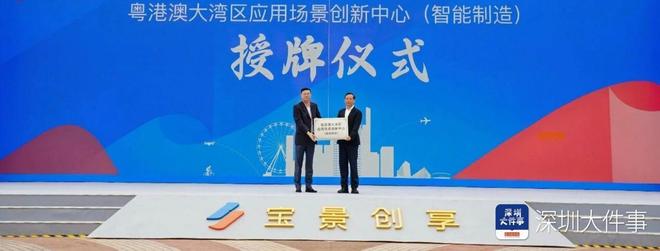
Group 1 - The article discusses the importance of "scene" cultivation and openness as a new driver for high-quality development in industries and cities, highlighted by recent policies from the central and local governments [1][2] - The Bao'an District in Shenzhen is actively transforming the concept of scene cultivation into actionable plans, aiming to create over 100 innovative application scenes and release more than 1,000 new technologies, products, and solutions [1][2] - The "Linghang Scene · Yuejin Future" event showcased over 500 scene opportunities, with significant participation from more than 760 enterprises, indicating a strong push for scene innovation and application [2][4] Group 2 - The event emphasized breaking traditional models of招商 (investment promotion) by revealing "demand-side" needs, with 288 government-led scenes and 220 enterprise application scenes released, turning Bao'an into a "super scene laboratory" [4][6] - Bao'an's rich industrial base, with nearly 560,000 enterprises across all manufacturing categories, provides a solid foundation for testing and implementing new technologies [4][6] - The scene opportunity list includes diverse applications in public services, such as mental health support for children and elderly care, showcasing a new logic of openness that addresses real governance pain points [6][9] Group 3 - The event featured over 150 companies showcasing their scene products, including advanced manufacturing technologies and consumer-oriented innovations, demonstrating a strong market response to the scene opportunities presented [7][12] - Government roles as "scene providers" were highlighted, with various smart devices displayed to enhance urban governance and public services, indicating a commitment to integrating new technologies [9][12] - Successful case studies, such as the implementation of low-altitude logistics networks and AI applications in public administration, illustrate the practical validation of scene opportunities in Bao'an [12][13] Group 4 - Bao'an aims to shift from "Bao'an manufacturing" to "Bao'an scenes," focusing on enhancing collaboration among local enterprises and improving government service capabilities [13][14] - The district plans to regularly update its scene list and clarify responsibilities to ensure effective matching of demand and supply, thus facilitating the transformation of urban resources into industrial momentum [13][14] - The article concludes with a call for Bao'an to become a preferred testing ground for new technologies by providing rich application scenes and a supportive ecosystem for innovation [14][15]
上市前夕仍未扭亏,菲仕技术新能源业务能否扛起盈利大旗?
Zhi Tong Cai Jing· 2025-11-28 02:36
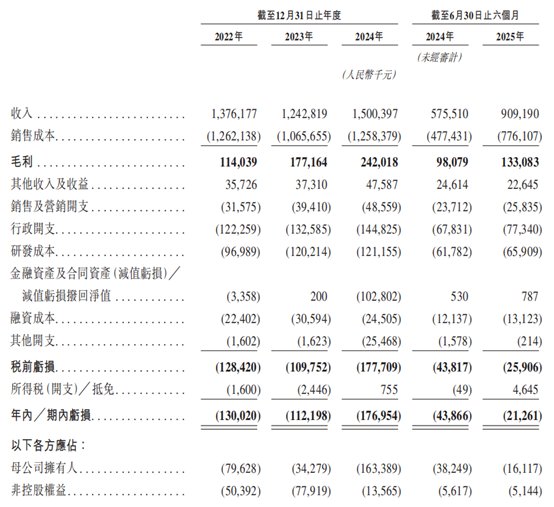
Core Viewpoint - Ningbo Feishi Technology Co., Ltd. has submitted an application for listing on the Hong Kong Stock Exchange, with CICC as the sole sponsor, amid a growing trend of electric drive companies seeking dual listings in Hong Kong and A-shares [1][2]. Financial Performance - The company has faced a "revenue growth without profit" situation, with reported revenues of 1.376 billion yuan, 1.243 billion yuan, 1.5 billion yuan, and 909.19 million yuan for the years 2022, 2023, 2024, and the first half of 2025 respectively, while incurring losses of 130 million yuan, 112 million yuan, 177 million yuan, and 21.26 million yuan during the same periods [3][4]. - Cumulative losses over three and a half years reached 440 million yuan, primarily due to strategic investments in new energy vehicle solutions and significant impairment losses on financial and contract assets [3][4]. Business Structure - The main business segments include new energy vehicle solutions, special precision electric drive systems, industrial automation solutions, and other services, with the new energy vehicle segment rapidly growing to account for 60.4% of total revenue in the first half of 2025, up from 36.3% in the same period of 2024 [5][6]. - The company has secured 21 projects from commercial vehicle manufacturers and 26 projects from passenger vehicle manufacturers, with 21 projects already in mass production [5][8]. Market Dynamics - The global electric drive solutions market is projected to grow from 278.5 billion yuan in 2020 to 471.3 billion yuan in 2024, and is expected to reach 957.4 billion yuan by 2029, with the Chinese market showing a compound annual growth rate of 18.6% [10][12]. - The demand for electric drive solutions is driven by the urgent need for green and low-carbon transformation in industrial and transportation sectors, with new energy vehicle production in China reaching 12.672 million units in the first ten months of 2025, a year-on-year increase of 28.1% [12]. Competitive Position - As of 2024, Ningbo Feishi is the second-largest supplier of specialized electric drive solutions in China's industrial control sector, with a market share of 6.6% [13][14]. - Despite its leading position, the company faces challenges such as low gross margins, cash flow pressures, and high customer concentration, which could impact its profitability and long-term growth potential [8][14].
新股前瞻|上市前夕仍未扭亏,菲仕技术新能源业务能否扛起盈利大旗?
智通财经网· 2025-11-28 02:16
Core Viewpoint - Ningbo Feishi Technology Co., Ltd. has submitted an application for listing on the Hong Kong Stock Exchange, with CICC as the sole sponsor, amid a growing trend of electric drive companies seeking dual listings in Hong Kong [1][2]. Company Overview - Established in November 2001, Feishi Technology is a leading provider of electric drive solutions in China, offering customized systems characterized by high precision, efficiency, and torque, widely applied in various industrial sectors [2]. Financial Performance - The company has faced challenges with profitability, reporting revenues of 1.376 billion yuan, 1.243 billion yuan, 1.500 billion yuan, and 909.19 million yuan for the years 2022, 2023, 2024, and the first half of 2025, respectively. During the same periods, net losses were 130 million yuan, 112 million yuan, 177 million yuan, and 21.26 million yuan, totaling 440 million yuan in losses over three and a half years [3][4]. - Despite a 58% year-on-year revenue increase in the first half of 2025, driven by the rapid growth of the new energy vehicle (NEV) solutions business, the company still reported a net loss of 21.26 million yuan [3][4]. Business Structure - The main business segments include NEV solutions, precision electric drive systems, industrial automation solutions, and other services. The NEV solutions segment has rapidly grown, accounting for 60.4% of total revenue in the first half of 2025, up from 36.3% in the same period of 2024 [5]. - The company has secured 21 projects with commercial vehicle manufacturers and 26 projects with passenger vehicle manufacturers, with 21 projects already in mass production [5]. Profitability and Margins - The gross margin has shown fluctuations, recorded at 8.29%, 14.26%, 16.13%, and 14.64% from 2022 to the first half of 2025 [6]. - The NEV solutions segment has a low gross margin of 1.5%, despite increasing sales volume from 96,700 units in 2022 to 131,800 units in the first half of 2025, with average selling prices dropping from 5,763 yuan to 4,166 yuan [5][6]. Customer Concentration and Risks - The company has a high customer concentration, with the top five customers accounting for 64.7% of revenue in the first half of 2025, up from 53% in 2022. This reliance on a few customers poses risks to profitability [7][8]. - Financial pressures are evident, with negative cash flow from operating activities in most reporting periods, and high levels of accounts receivable, indicating potential liquidity issues [8]. Industry Context - The global electric drive solutions market is projected to grow from 278.5 billion yuan in 2020 to 471.3 billion yuan in 2024, with China expected to see a compound annual growth rate of 18.6% [10]. - The demand for electric drive solutions is driven by the urgent need for carbon reduction in industrial and transportation sectors, with the NEV market in China experiencing significant growth, achieving a penetration rate of 46.4% by October 2025 [12]. Competitive Position - Feishi Technology ranks as the second-largest supplier of specialized electric drive solutions in China's industrial control sector, with a market share of 6.6% as of 2024 [13][14]. - Despite its leading position, the company faces challenges in converting competitive advantages into sustainable profitability due to low margins, cash flow constraints, and high customer concentration [14].