科伦药业

Search documents
流感检测试剂卖爆9倍,奥司他韦销量暴涨237%!北京药店:库存充足
Bei Jing Shang Bao· 2025-11-25 04:49
Group 1 - The demand for flu medications has surged recently, with significant increases in sales of Oseltamivir and Baloxavir, showing growth rates of 237% and 180% respectively in the past week [2] - Major e-commerce platforms like Meituan and JD.com have launched dedicated pages for flu season, providing medication guidance to patients [2] - Oseltamivir continues to dominate the flu medication market in China, holding over 70% market share, with East Sunshine Pharmaceutical's product accounting for 54.8% of the market by revenue [3] Group 2 - The sales of respiratory test kits for influenza have increased over nine times month-on-month since November, with significant growth observed in cities like Beijing, Shenyang, and Chengdu [3] - Vaccination against influenza is highlighted as the most cost-effective method to reduce infection and severe illness risks, with a surge in appointment bookings for flu vaccines in northern provinces [3] - There is a sufficient supply of quadrivalent flu vaccines, but the supply of quadrivalent subunit flu vaccines is tight, necessitating advance reservations [5]

持续推荐创新药械产业链
Haitong Securities International· 2025-11-24 09:06
Investment Rating - The report maintains an "Outperform" rating for several companies including Jiangsu Heng Rui Medicine, Hansoh Pharmaceutical Group, 3SBio, Sichuan Kelun Pharmaceutical, and Jiangsu Nhwa Pharmaceutical [6][7]. Core Insights - The report continues to recommend innovative pharmaceuticals and the industry chain, highlighting the high prosperity in innovative drugs and the potential for value re-evaluation [6][26]. - The A-share pharmaceutical sector underperformed the market in the third week of November 2025, with the SW Pharmaceutical and Biological index falling by 6.9% compared to a 3.9% drop in the SHCOMP [9][19]. - The report identifies top gainers and losers in the A-share market, with Hainan Haiyao (+23.8%) and Remed (+13.9%) being the top gainers, while GDK (-25.5%) and Nanjing Hicin Pharmaceutical (-23.2%) were the biggest losers [16][19]. - The premium level of the pharmaceutical sector relative to all A-shares is currently at a normal level, with a relative premium rate of 71.8% as of November 21, 2025 [18][22]. Summary by Sections 1. Continued Recommendation for Innovative Pharmaceuticals and Industry Chain - The report emphasizes the ongoing recommendation for innovative drugs and the industry chain, maintaining "Outperform" ratings for various companies in the pharmaceutical and biotech sectors [6][26]. 2. A-share Pharmaceutical Sector Performance - In the third week of November 2025, the A-share pharmaceutical sector underperformed the broader market, ranking 23rd among Shenwan primary industries [9][19]. 3. Hong Kong and U.S. Market Performance - The Hong Kong pharmaceutical sector also underperformed, with the Hang Seng Healthcare index falling by 7.5%, while the U.S. pharmaceutical sector outperformed, with the S&P Healthcare Select Sector rising by 1.8% [19][26].



医药生物行业投资策略周报:理解MNC供应链的壁垒-20251124
CAITONG SECURITIES· 2025-11-24 09:01
Core Insights - The pharmaceutical MNC supply chain has extremely high entry barriers, requiring years for supplier certification through cross-departmental audits in technology, quality, EHS, and compliance. Once included in the qualified supplier list, a strong lock-in effect is formed, making it difficult for new entrants to disrupt the existing supply structure even if they meet technical standards, thus demonstrating a strong first-mover advantage [4][7]. - MNCs demand far more than conventional quality compliance, emphasizing full-process controllability and risk management capabilities. Compliance with guidelines such as EU GMP and ICHQ is required, along with the establishment of traceability systems and safety stock. Any process changes or relocation of production sites must undergo strict and time-consuming certification [4][7]. - In procurement decisions, MNCs are relatively insensitive to price factors, prioritizing the integrity of the supply chain over cost. For MNCs, API costs represent only a small portion of their terminal formulation sales, leading them to pay a premium for stable, traceable, and zero major quality incident supply capabilities, viewing supply chain resilience as a core competitive advantage rather than a cost item. Thus, entering the MNC supply chain often means effectively avoiding "price internalization" [4][7]. - Investment recommendations include innovative drug and device companies such as Furuya Co., Aonlikang, Shutaishen, Weichuang Bio, and others. From the perspective of CXO and raw materials, companies like WuXi AppTec, Jiuzhou Pharmaceutical, Chengda Pharmaceutical, and others are suggested for attention [4][7]. Market Performance Overview - As of November 21, 2025, the TTM-PE of the pharmaceutical and biotechnology industry is 48.84 times, which is 100% higher than the historical lowest PE valuation of 24.38 times on January 3, 2019. The premium rate relative to the CSI 300 is 252%, exceeding the historical lowest valuation premium of 124% on February 6, 2018, by 128 percentage points, and is 11 percentage points higher than the average valuation premium rate of 241% over the past decade [8][12]. - From November 17 to November 21, 2025, the pharmaceutical and biotechnology sector experienced a decline of 6.88%, ranking 22nd among 27 sub-industries. The chemical raw materials sector saw the largest decline at -8.60% [12][15]. Industry Dynamics - Pfizer's Class 1 new drug, Matacizumab, was approved for marketing on November 21, 2025, for the routine prevention and treatment of bleeding in patients with severe hemophilia A or B [20]. - Boehringer Ingelheim's Class 1 new drug, BI764198, was proposed for inclusion as a breakthrough therapy on November 18, 2025, targeting primary focal segmental glomerulosclerosis [21]. - The PD-1 inhibitor H drug, Surulutumab, developed by Fuhong Hanlin, was officially included as a breakthrough therapy on November 20, 2025, for gastric cancer treatment [22]. - On November 17, 2025, FDA approved the biosimilar of Tysabri, developed by Sandoz, for multiple sclerosis and Crohn's disease [23].
“药中茅台”片仔癀10年增长终结:上半年推18个在研新药
Xin Lang Cai Jing· 2025-11-24 08:49
Core Viewpoint - The company, Pianzaihuang, is facing significant challenges with its revenue and net profit declining for the first time in a decade, while simultaneously advancing its research and development of innovative drugs, including PZH2108 and Wenzhancai tablets, to diversify its product offerings and reduce reliance on its flagship products [2][7][9]. Group 1: R&D Progress - PZH2108, a class 1 innovative chemical drug, has entered phase IIa clinical trials, focusing on evaluating its safety, tolerability, and preliminary clinical efficacy in cancer patients [1][3]. - The company has also initiated phase III clinical trials for Wenzhancai tablets, aimed at treating mild to moderate generalized anxiety disorder [1][6]. - As of the first three quarters of 2025, Pianzaihuang is advancing 18 new drug research projects, including 5 class 1 traditional Chinese medicine and 4 class 1 chemical drugs [1][2]. Group 2: Financial Performance - For the first three quarters of 2025, Pianzaihuang reported a revenue of 7.442 billion yuan, a year-on-year decrease of 11.93%, and a net profit of 2.129 billion yuan, down 20.74% [2][7]. - The company's core liver disease medication category, which accounts for over 95% of its pharmaceutical manufacturing revenue, has seen a significant decline due to cost and pricing pressures [2][7]. - The net cash flow from operating activities has decreased by 62.53% year-to-date [2]. Group 3: Market Context and Competition - Approximately 44.5% of cancer patients experience varying degrees of cancer pain, with projections indicating that the number of cancer pain patients could exceed 12 million by 2033 [3][4]. - The opioid market for pain management in China is substantial, with sales reaching 10.478 billion yuan in 2024 [3]. - Pianzaihuang's entry into the pain management drug market is timely, as there is a pressing need for more effective and individualized treatment options [4][5]. Group 4: Challenges and Strategic Moves - The company is heavily reliant on its flagship products, which have faced pricing pressures, leading to multiple price increases over the years [7][8]. - Despite a rise in R&D expenses to 180 million yuan in the first three quarters of 2025, the company ranks low in R&D spending relative to its revenue among its peers [9]. - Pianzaihuang's shift towards chemical drug innovation may encounter challenges in technology, funding, and regulatory compliance, as it transitions from traditional Chinese medicine to chemical drug development [10].

星火燎原 典范引领强县路
Zhong Guo Zhi Liang Xin Wen Wang· 2025-11-24 06:27
Group 1: Economic Performance - In the first three quarters of this year, the GDP of Laoshan District, Qingdao, reached 107.45 billion, with a growth rate of 6%, surpassing the average level of Qingdao City [1] - The industrial added value of designated enterprises grew by 14%, ranking first in the city [1] - Laoshan District has been recognized for three consecutive years as a "County with Significant Achievements in High-Quality Economic Development" in Shandong Province [1] Group 2: Quality Improvement Initiatives - Laoshan District has implemented a three-year action plan for cultivating quality, focusing on six major areas: economy, industry, products, infrastructure, ecology, and livelihood, with 14 key tasks and 63 specific measures [1] - A working group led by the district government has been established, involving 33 departments to integrate quality construction into the regional "14th Five-Year Plan" [1] Group 3: Innovation and Financial Support - The district has added 18 municipal-level innovation platforms this year, bringing the total to 339, with over 20 key technologies developed in the national high-end intelligent home appliance innovation center [2] - Laoshan District has introduced over 100 financial institutions and related enterprises, with a total of 16 listed companies in the area [2] - The district has pioneered a "pre-funding and post-equity" mechanism to attract industry clusters worth billions, with financial institutions nearing 1,500 [2] Group 4: Regional Collaboration - Laoshan District has established a new model for quality integration with Hangzhou's Binjiang District, signing six cooperation agreements and creating six regular promotion mechanisms [2] Group 5: Quality Service and Infrastructure - Chengdu's Xindu District has developed a quality service network, establishing a quality infrastructure service center and 12 service stations, providing 133 quality technical services [3] - The center has served over 29,000 enterprises, resolving over 5,500 production pain points and saving more than 86 million in costs [3] Group 6: Quality and Innovation in Manufacturing - Xindu District has focused on high-end equipment manufacturing, achieving a local supply chain integration rate of 75% in the rail transit industry [4] - The district has awarded financial incentives totaling 3.0405 million in the quality sector to stimulate quality improvement among enterprises [4] Group 7: Quality Development in Hebei - In Hebei's Qian'an City, the company Shougang Zhixin was nominated for the China Quality Award due to its refined quality management system [5] - Qian'an has established a quality strong city construction working group, promoting quality and industry integration, particularly in the premium steel industry [5] Group 8: Financial Innovation and Support - Qian'an has implemented a "Jizhi Loan" and knowledge property financial service innovation, achieving quality financing of approximately 75.65 million and intellectual property pledge financing of 16.25 million this year [6]
建信中证创新药ETF(159835)所跟踪指数盘中涨超1%,百利天恒iza-bren药品上市申请获受理,机构看好2026年医药行业有望重启升势
Sou Hu Cai Jing· 2025-11-24 04:01
Core Insights - The innovation drug sector in China is experiencing a strong upward trend driven by policy, industry dynamics, demand, and globalization, with expectations for continued growth into 2026 [1][2] Group 1: Market Performance - As of November 24, 2025, the CSI Innovation Drug Industry Index rose by 0.82%, with notable increases in stocks such as Zai Lab (up 4.64%) and Kelun Pharmaceutical (up 2.47%) [1] - The index reflects the performance of up to 50 representative listed companies involved in innovative drug research and development [2] Group 2: Regulatory Developments - Baili Tianheng announced that it received a formal acceptance notice from the National Medical Products Administration for its first-in-class EGFR×HER3 dual antibody ADC drug, which is now in Phase III clinical trials [1] Group 3: Industry Outlook - Citic Construction Investment Securities highlights that the Chinese pharmaceutical industry is entering a critical phase of "innovation realization and global layout," supported by population and domestic demand, as well as manufacturing capabilities [2] - The industry is expected to focus on internal supply chain security and compliance while exploring diversified international expansion [2] - The outlook for 2026 includes opportunities from innovation commercialization, global breakthroughs, policy optimization, and industry mergers and acquisitions [2]
科伦药业涨2.03%,成交额5481.10万元,主力资金净流入246.52万元
Xin Lang Cai Jing· 2025-11-24 02:15
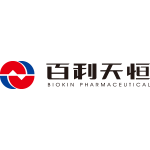
Core Viewpoint - Kelong Pharmaceutical's stock price has shown fluctuations, with a year-to-date increase of 11.42%, but recent declines over various trading periods indicate potential volatility in investor sentiment [1][2]. Company Overview - Kelong Pharmaceutical, established on May 29, 2002, and listed on June 3, 2010, is based in Chengdu, Sichuan Province. The company specializes in the development, production, and sales of large-volume infusion products [1]. - The revenue composition of Kelong Pharmaceutical includes: non-infusion products (48.37%), infusion products (41.28%), research and development projects (7.01%), and others (3.33%) [1]. Financial Performance - For the period from January to September 2025, Kelong Pharmaceutical reported a revenue of 13.277 billion yuan, a year-on-year decrease of 20.92%. The net profit attributable to shareholders was 1.201 billion yuan, down 51.41% year-on-year [2]. - Cumulatively, Kelong Pharmaceutical has distributed 6.898 billion yuan in dividends since its A-share listing, with 3.587 billion yuan distributed over the past three years [3]. Shareholder Information - As of September 30, 2025, Kelong Pharmaceutical had 37,100 shareholders, an increase of 8.35% from the previous period. The average number of circulating shares per shareholder was 35,200, a decrease of 7.70% [2]. - The top ten circulating shareholders include various funds, with notable changes in holdings, such as a decrease in shares held by major institutional investors [3].
国泰海通医药2025年11月第三周周报:持续推荐创新药械产业链-20251123
GUOTAI HAITONG SECURITIES· 2025-11-23 12:48
Investment Rating - The report maintains an "Overweight" rating for the innovative pharmaceutical and medical device industry chain [3][5]. Core Viewpoints - The innovative pharmaceutical sector is experiencing high prosperity, with a recommendation for companies like Heng Rui Medicine, Hansoh Pharmaceutical, Sanofi Pharmaceutical, Kelun Pharmaceutical, and Enhua Pharmaceutical to maintain an "Overweight" rating. The report also suggests that Biopharma/Biotech companies such as Kelun Biotech, BeiGene, Baillie Gifford, Yimeng Biotech, Jingxin Pharmaceutical, Teva Biotech, WuXi Biologics, and Ailisi should also be rated "Overweight" as their innovative pipelines are gradually being realized and their performance is entering a growth phase. Additionally, it recommends CXO and upstream pharmaceutical companies like Haoyuan Medicine, Baipusais, WuXi AppTec, WuXi AppTec, and Tigermed to maintain an "Overweight" rating. The report highlights leading medical device companies such as United Imaging, Lepu Medical, Spring Medical, and Huatai Medical as having potential for recovery, also maintaining an "Overweight" rating [5][6]. Summary by Sections - **A-Share Market Performance**: In the third week of November 2025, the A-share pharmaceutical sector underperformed the broader market, with the Shanghai Composite Index falling by 3.9% and the SW Pharmaceutical and Biological Index declining by 6.9%, ranking 23rd among Shenwan's primary industries [7][9]. - **Hong Kong and US Market Performance**: The Hong Kong pharmaceutical sector also underperformed, with the Hang Seng Healthcare Index and the Hong Kong Biotechnology Index both down by 7.5%, while the US healthcare sector outperformed, with the S&P Healthcare Select Sector Index rising by 1.8% [17]. - **Valuation Metrics**: As of November 21, 2025, the pharmaceutical sector's premium level relative to the entire A-share market is at a normal level, with a current relative premium rate of 71.8% [13][16].
赤膊上阵、增持与业绩腰斩:科伦药业的365天
Zhong Jin Zai Xian· 2025-11-21 07:45
Core Viewpoint - The recent increase in shareholding by Kelun Pharmaceutical in Shijiazhuang Yiling Pharmaceutical reflects a strategic move amidst declining profits for both companies, indicating a survival strategy rather than expansion [1][3]. Group 1: Financial Performance - Kelun Pharmaceutical's net profit for the first three quarters of 2025 plummeted by 51.41% to 1.201 billion yuan, while Shijiazhuang Yiling's net profit dropped by 58.7% to 283.5 million Hong Kong dollars [1][2]. - The total revenue for Kelun in the same period was 13.277 billion yuan, down 20.92% year-on-year [2]. - The decline in net profit for Kelun was significantly influenced by the poor performance of its joint venture with Shijiazhuang Yiling, which saw a 38.39% decrease in investment income [7]. Group 2: Strategic Moves - The increase to a 23.03% stake in Shijiazhuang Yiling allows Kelun to enhance its influence while avoiding the 30% threshold for mandatory takeover bids, showcasing a calculated approach to capital management [3]. - The long-term relationship between Kelun and Shijiazhuang Yiling has evolved from competition to cooperation, with both companies forming a "triangle alliance" to stabilize prices and avoid destructive competition [5][4]. - The collaboration includes joint procurement and sales agreements, which help mitigate the impact of price pressures in the intravenous infusion market [5]. Group 3: Market Challenges - The intravenous infusion market is facing significant challenges, including regulatory pressures and price reductions due to centralized procurement, leading to a 19.65% decline in sales revenue for Kelun's core infusion business [8][9]. - The company's traditional business is under severe pressure, while new business segments have not yet compensated for the losses, creating a transitional struggle [10]. Group 4: Marketing and Public Perception - The controversial marketing campaign led by Chairman Liu Gexin, which involved him promoting a health product, reflects the company's anxiety over declining performance and the need for innovative marketing strategies [11][12]. - Despite the backlash, the campaign generated significant revenue, indicating a potential shift towards the health product market, which is projected to be worth 12.3 trillion yuan [12][15]. - The strategic partnership with the Thailand Miracle Life Foundation aims to enhance pharmaceutical innovation and expand into the health product sector, further indicating Kelun's commitment to diversifying its business model [15].
湖南科伦第二代抗精神病药获批,多款首仿领跑布局精神神经疾病领域!
Ge Long Hui· 2025-11-19 20:02
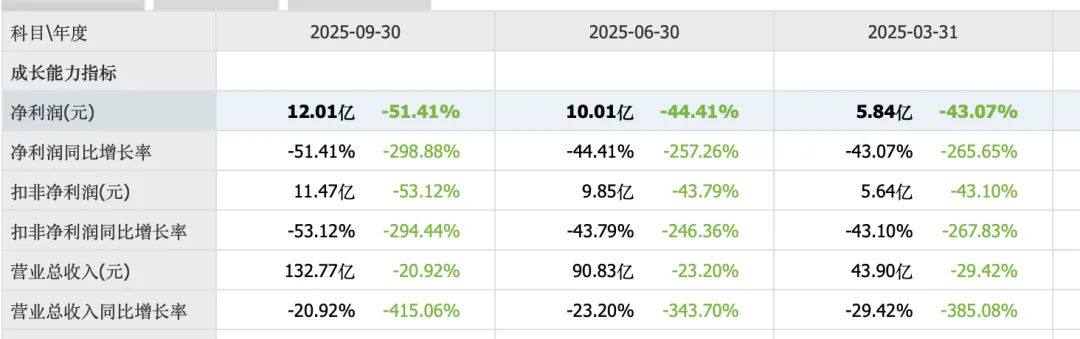
Core Viewpoint - Hunan Kelun Pharmaceutical has received approval for its generic drug Paliperidone Palmitate Injection, marking its sixth first generic drug approval this year, which enhances its product lineup in the field of mental health treatment [1][15]. Group 1: Product Approval and Market Impact - The approval of Paliperidone Palmitate Injection is significant as it is a second-generation antipsychotic that offers a long-acting formulation, improving patient compliance and reducing hospitalization rates [5][15]. - The sales forecast for Paliperidone Palmitate Injection is projected to exceed 800 million yuan in 2024, representing a year-on-year growth of 199.61%, with sales in the first half of 2025 expected to reach 453 million yuan [5][15]. - The market for Paliperidone drugs includes both injection and tablet forms, with four injection products successfully approved, indicating a competitive landscape [8][12]. Group 2: Competitive Landscape - Hunan Kelun Pharmaceutical is the fourth company to receive approval for Paliperidone Palmitate Injection, joining other companies like Qilu Pharmaceutical and Green Leaf Pharmaceutical, which have also successfully navigated the approval process [12][15]. - In addition to Hunan Kelun, seven other pharmaceutical companies are currently under review for the same product, indicating a growing interest in this therapeutic area [12][15]. - The company has successfully passed over 200 drug evaluations, with more than 50 being first generic approvals, showcasing its strong position in the pharmaceutical market [15][18].