荣耀

Search documents
21特写|春节消费新三样:国潮非遗AI游,科技过年成主流
2 1 Shi Ji Jing Ji Bao Dao· 2026-02-05 05:16
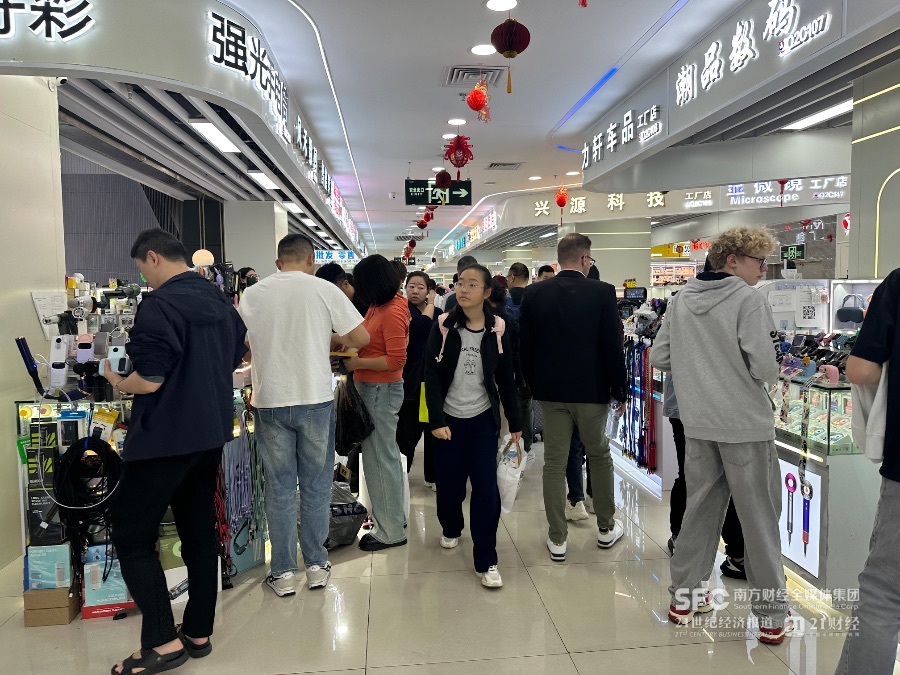
Group 1 - The Ministry of Commerce and nine other departments have launched the "2026 'Buy New Year' Special Activity Plan" to boost consumption during the Spring Festival, focusing on various sectors including food, accommodation, transportation, tourism, shopping, and entertainment [1][7] - In Shenzhen, the policy has translated into vibrant consumer scenes, with technology products becoming popular among residents, particularly during the Spring Festival shopping season [1][3] - The "New Year Consumption Activity" in Huaqiangbei has attracted significant foot traffic, with consumers primarily seeking technology gifts such as drones and AI glasses, indicating a shift towards tech-oriented purchases [3][5] Group 2 - Consumer preferences are shifting from traditional shopping to cultural and spiritual enjoyment, with a notable increase in demand for cultural consumption during the Spring Festival, driven by the rise of "Guochao" (national trend) and the popularity of intangible cultural heritage [2] - The average daily foot traffic in Huaqiangbei is around 750,000, with a 10%-15% increase in traffic due to promotional activities, and sales of technology products have risen by approximately 30% compared to regular days [5][6] - The local economy is benefiting from the consumption boom, with related industries such as dining and logistics seeing an 8% increase in revenue [6] Group 3 - Shenzhen's local brands, including Huawei and DJI, are performing well in global markets, enhancing the city's appeal as a consumer destination through innovative technology and unique shopping experiences [6] - The city plans to focus on international consumption, AI consumption, and various cultural events throughout 2026 to enhance its global consumer appeal [7] - Upcoming events, such as the AI toy promotion in Longgang District, will feature over 30 companies and 200 new products, further stimulating consumer interest [8] Group 4 - Traditional cultural activities, such as flower markets, are also gaining popularity, with the upcoming flower market in Futian expected to attract significant attention and participation from both local and external consumers [9][11] - The flower market will feature a variety of themes and activities, including collaborations with major brands, enhancing the festive atmosphere and consumer engagement [11][13] - Non-material cultural heritage activities are becoming increasingly popular, with various malls in Shenzhen hosting events that showcase traditional crafts and foods, providing immersive experiences for consumers [16] Group 5 - The automotive sector is a key driver of consumption, with local initiatives promoting trade-in subsidies and extended financing options to encourage vehicle purchases [16] - Major car manufacturers are offering "7-year low-interest" financing plans, which significantly reduce monthly payment burdens for consumers, thereby increasing purchase intentions [16] - The interconnectedness of the Greater Bay Area is being leveraged for cross-city consumption initiatives, enhancing the convenience of purchasing goods across regions [17] Group 6 - The diverse consumption activities in Shenzhen are revitalizing the local economy, combining technology and tradition to create unique consumer experiences [18] - The emphasis on localized and differentiated IP development is crucial for enhancing consumer engagement and sustaining economic growth [18]

「非洲手机之王」传音即将退位?利润腰斩,50元手机扛不住存储涨价
3 6 Ke· 2026-02-05 03:57
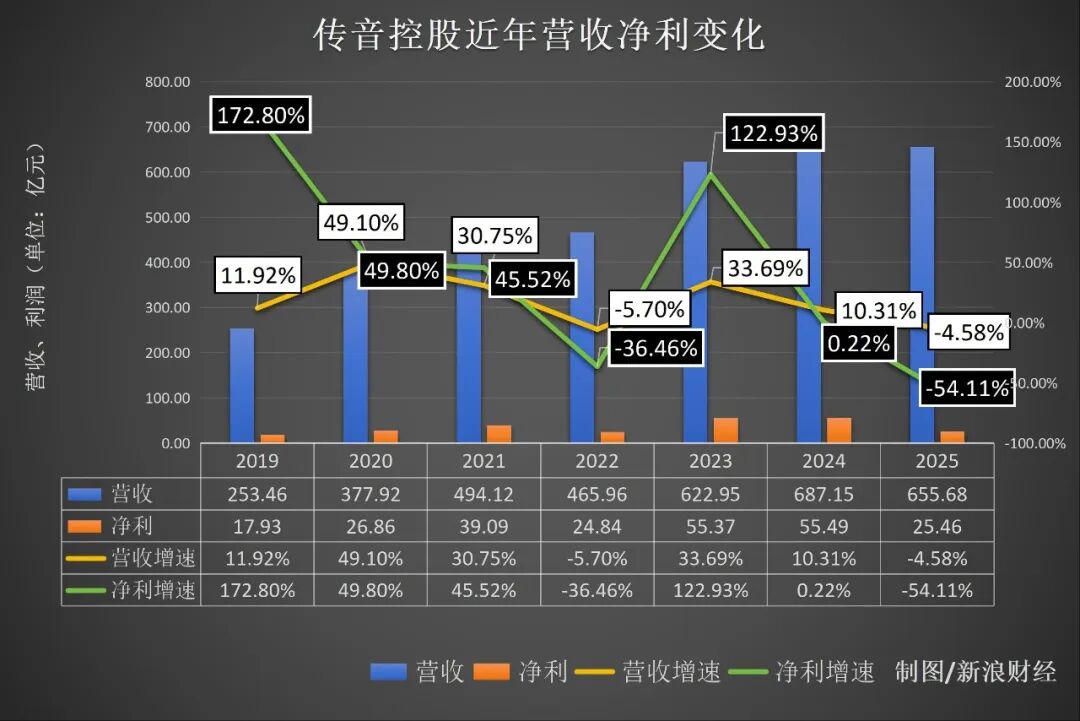
Core Viewpoint - Transsion Holdings is expected to experience a decline in both revenue and net profit in 2025, with net profit projected to be halved, marking the worst performance since its IPO in 2019 [1][2][4]. Financial Performance - The company forecasts a revenue of approximately 65.568 billion yuan for 2025, a decrease of about 31.47 billion yuan or 4.58% year-on-year [2]. - The net profit attributable to shareholders is expected to be around 2.546 billion yuan, down by approximately 30.03 billion yuan or 54.11% year-on-year [2][4]. - In the first half of 2025, Transsion reported a revenue of 29.077 billion yuan, a decline of 15.86% compared to the same period last year, with net profit dropping by 57.48% [5]. Market Competition - Transsion's market share remains the largest in Africa, but competition is intensifying, particularly from Xiaomi and Honor, which have shown growth rates of 34% and 158% respectively [1][8]. - The global smartphone market is experiencing sluggish growth, with a projected increase of only 2% in 2025, leading to increased pressure on low-cost manufacturers like Transsion [8]. Cost and Supply Chain Issues - The company attributes its poor performance to rising storage prices, which have significantly impacted product costs and gross margins [4][6]. - The global storage market has seen prices increase by over 40% due to high demand from AI data centers, further straining the cost structure for smartphone manufacturers [7][8]. Diversification Efforts - To mitigate risks, Transsion is exploring new business areas such as mobility and energy storage, although these segments currently contribute only 8.8% to total revenue [10][12]. - The company has established multiple brands and is attempting to expand into electric vehicles and energy storage products, but these initiatives have yet to generate significant revenue [10][12].

“非洲手机之王”传音即将退位? 利润腰斩!
Xin Lang Ke Ji· 2026-02-05 02:46
Core Viewpoint - Transsion Holdings is expected to experience a decline in both revenue and net profit in 2025, with net profit projected to be halved, marking the worst performance since its listing [1][4][2]. Financial Performance - The company anticipates a revenue of approximately 65.568 billion yuan in 2025, a decrease of about 31.47 billion yuan or 4.58% year-on-year [2]. - The net profit is expected to be around 2.546 billion yuan, down by approximately 30.03 billion yuan or 54.11% compared to the previous year [2][4]. Market Competition - Transsion's market share is under pressure due to intensified competition in key markets like Africa and South Asia, with competitors such as Xiaomi and Honor showing significant growth rates of 34% and 158% respectively [1][7]. - Despite maintaining the largest market share in Africa, Transsion's growth rate of 25% is being outpaced by its competitors [7]. Cost and Pricing Issues - The company cites rising storage prices as a significant factor affecting its cost and gross margin, with the average price of its smartphones being only 332.1 yuan and feature phones at 50.1 yuan [1][8]. - The global storage market has seen prices increase by over 40%, impacting the overall cost structure for smartphone manufacturers [6][7]. Diversification Efforts - To mitigate risks, Transsion is exploring new business areas such as mobility and energy storage, although these new ventures currently contribute only about 8.8% to total revenue [11][13]. - The company has established a mobility division and is expanding into electric two-wheelers and energy storage products, but these initiatives have yet to significantly impact overall revenue [11][12]. Historical Context - Since its listing on the Sci-Tech Innovation Board in 2019, Transsion had previously maintained strong growth until a decline in 2022, attributed to global macroeconomic factors and increased R&D expenses [4][5]. - The current forecast for 2025 represents a continuation of this downward trend, with net profit expected to be the lowest since the company's IPO [4][5].
“非洲手机之王”传音即将退位? 利润腰斩!50元手机扛不住存储涨价 | BUG
Xin Lang Cai Jing· 2026-02-05 00:36
Core Viewpoint - Transsion Holdings is expected to experience a decline in both revenue and net profit in 2025, with net profit halving, marking the worst performance since its listing [2][3][17]. Group 1: Financial Performance - The company forecasts a revenue of approximately 65.568 billion yuan for 2025, a decrease of about 3.147 billion yuan or 4.58% year-on-year [3][17]. - The expected net profit for 2025 is around 2.546 billion yuan, down by approximately 3.003 billion yuan or 54.11% compared to the previous year [3][17]. - In the first half of 2025, Transsion reported a revenue of 29.077 billion yuan, a decline of 15.86% year-on-year, and a net profit of 1.213 billion yuan, down 57.48% year-on-year [21]. Group 2: Market Challenges - The increase in storage prices has significantly impacted the company's cost and gross margin, with the average price of Transsion's smartphones at 332.1 yuan and feature phones at 50.1 yuan [2][24]. - Competition in key markets such as Africa and South Asia has intensified, with competitors like Xiaomi and Honor showing growth rates of 34% and 158% respectively, putting pressure on Transsion's market share [2][8][23]. - The global smartphone market is experiencing sluggish growth, with a projected 2% increase in shipments for 2025, which is a slowdown compared to 2024 [8][23]. Group 3: Strategic Responses - To mitigate risks, Transsion is diversifying into new businesses such as mobility and energy storage, although its mobile phone business still accounts for about 90% of total revenue [2][12][29]. - The company is exploring various directions for diversification, including electric two-wheelers and energy storage products, but these new ventures currently contribute a limited revenue share [10][27][28]. - Transsion aims to strengthen its local advantages in Africa, enhance its service and channel systems, and accelerate technological upgrades and product innovation to seek breakthroughs in the mid-to-high-end market [10][25][26].

从“猎奇”到“信赖”:折叠屏手机用户发展洞察报告
艾瑞咨询· 2026-02-05 00:00
Core Insights - The global foldable smartphone market is experiencing continuous growth, particularly in China, driven by technological advancements and an improved supply chain, leading to product diversification [1] - China has emerged as the main growth engine for the global foldable smartphone market, with Huawei maintaining a significant market share [1][18] - User willingness to purchase foldable smartphones is increasing, with higher expectations for product functionality and experience [1] Market Overview - The global smartphone market has transitioned into a saturated phase since 2017, with annual shipment volumes declining by approximately 2.52%, projected to reach 1.22 billion units by 2024 [2] - The foldable smartphone segment is seen as a strategic direction to overcome market growth bottlenecks, with expected high growth in shipments from 2022 to 2024 [5] Competitive Landscape - The foldable smartphone industry chain includes upstream raw material supply, midstream design and manufacturing, and downstream sales [7] - Chinese manufacturers, led by Huawei and Samsung, are driving the industry forward through strong technological capabilities and market influence [7][8] User Behavior and Preferences - The user demographic for foldable smartphones shows a preference among high-education individuals, with over 75% of users holding a bachelor's degree or higher [20] - The majority of users spend between 5,000 to 9,000 yuan on foldable smartphones, with Huawei being the most popular brand, accounting for 62.3% of usage [22] - Key reasons for purchasing foldable smartphones include a stronger sense of technology and innovation, with 44.7% of users citing this as a primary factor [24] Brand Recognition and Perception - Huawei leads in brand recognition across various metrics, significantly ahead of competitors like Samsung, Xiaomi, and OPPO [26] - In terms of brand image, Huawei excels in high-end perception, business appeal, and innovation, reinforcing its leadership in the foldable smartphone sector [28] User Satisfaction and Future Intentions - User satisfaction is highest for Huawei, indicating strong brand loyalty, followed by Xiaomi and Samsung [30] - Over 90% of consumers are considering purchasing a foldable smartphone for their next device, with a focus on reliability and battery life [41] Market Transition - The foldable smartphone market is transitioning from a niche segment to mainstream practicality, driven by hardware maturity and software ecosystem improvements [43] - The hardware is evolving from merely functional to providing a comprehensive user experience, with innovations in hinge and screen technology [45] - Consumers are shifting from "novelty" to "regular use," with 95.5% expressing willingness to switch to foldable smartphones in the future [47]

国产手机全球大考,vivo、小米、OPPO全不及格,荣耀没上榜
Xin Lang Cai Jing· 2026-02-04 23:28
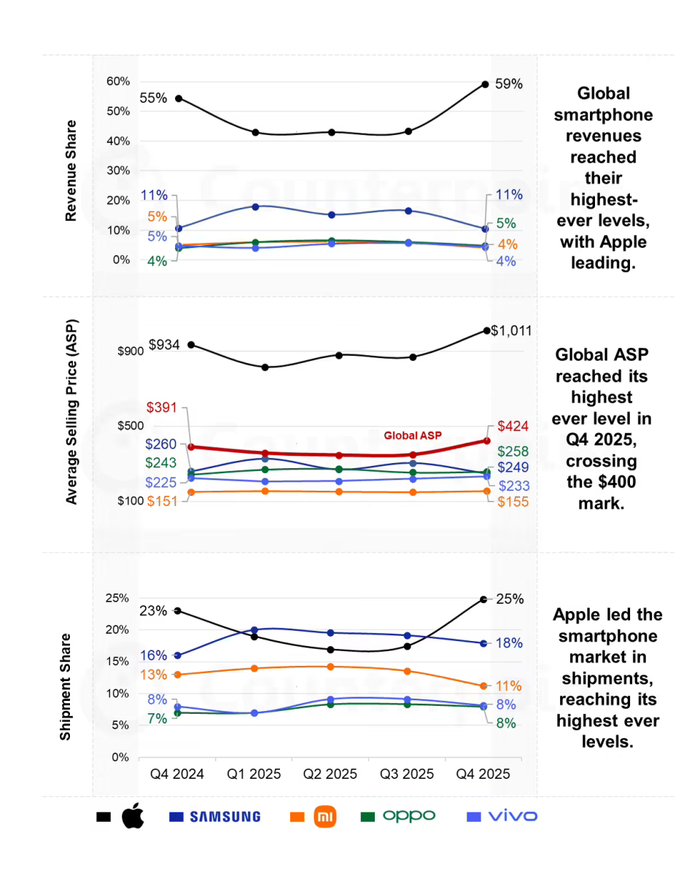
Group 1 - The iPhone 17 series has seen strong sales, highlighting that even with comparable product quality and lower prices, consumers still prefer the iPhone over domestic flagship models [1] - According to Counterpoint Research, by Q4 2025, Apple is projected to hold a 25% share of the global smartphone market while capturing 59% of the total revenue in the sector [3] - The average selling price (ASP) of smartphones globally reached a record high of $424, driven by the iPhone 17 series, with Apple's ASP at $1,011, significantly higher than competitors [4] Group 2 - Domestic brands like OPPO, vivo, and Xiaomi have much lower ASPs, with OPPO at $258, vivo at $233, and Xiaomi at $155, all below the average [6] - The combined ASP of OPPO, vivo, and Xiaomi is $646, which, while above the average, still falls short of Apple's ASP, which is 3.92 times that of OPPO, 4.34 times that of vivo, and 6.52 times that of Xiaomi [6] - Domestic brands are not only lagging in ASP but also in overall sales, as Apple has surpassed them in the domestic market, indicating a long road ahead for domestic brands, especially in the high-end segment [8]

读懂人群战报:一场2026年手机厂商的“用户争夺战”
Xin Lang Cai Jing· 2026-02-04 12:20
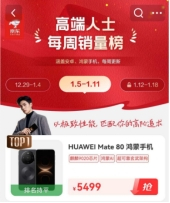
Core Insights - The Chinese smartphone market has entered a phase of stock competition, with cost pressures and market differentiation posing core challenges [1] - The competition logic has fundamentally shifted from price wars to a focus on precise user targeting, emphasizing the importance of understanding consumer needs [1][30] - JD.com has launched innovative weekly smartphone sales rankings based on user demographics, providing valuable insights for both consumers and manufacturers [1][34] Group 1: Market Dynamics - The updated rankings reflect the competitive landscape among different consumer segments, showcasing brand recognition and product penetration in various demographics [4][34] - Huawei dominates the high-end business segment with its Mate 80 model, while vivo and OPPO have made significant inroads in the high-end market [4][35] - The competition among younger consumers is intense, with OPPO and vivo leading in the female and male college student categories, respectively [4][34] Group 2: Brand Strategies - Leading brands like Huawei, OPPO, and vivo are focusing on long-term, targeted user engagement strategies to build competitive advantages [8][37] - Huawei's user engagement is centered around its "Huawei Fan" ecosystem, which facilitates deep connections with core users and incorporates their feedback into product development [8][39] - OPPO employs a dual-series strategy with its Find and Reno lines to cater to high-end and younger demographics, enhancing brand recognition through targeted marketing efforts [8][43] Group 3: Collaborative Efforts - JD.com plays a crucial role as a collaborative partner for brands, leveraging its user data and resources to enhance user engagement and conversion rates [8][39] - The partnership between JD.com and Huawei has led to effective high-end user acquisition strategies, including targeted marketing events and exclusive offers [8][41] - OPPO's collaboration with JD.com has amplified its user engagement initiatives, resulting in significant growth in its high-end market presence [8][45] Group 4: Future Outlook - The smartphone market in 2026 is expected to see intensified competition, with brands needing to focus on deep user insights and emotional connections to succeed [30][56] - JD.com's unique position as a direct channel to high-quality users will be pivotal for manufacturers seeking to innovate and grow [30][56] - The key to success will be the ability of brands to build long-term, emotional relationships with users throughout the entire product lifecycle [30][56]


2026年,手机行业迎来“人群细分”时代?
Xin Lang Cai Jing· 2026-02-04 12:20
Core Insights - The emergence of AI smartphones by the end of 2025 is seen as a potential growth opportunity for the Chinese smartphone market, but industry experts caution that such innovations may only provide a temporary differentiation before leading to homogenized competition [1][26] - As the market evolves, brands are preparing for two strategies: embracing AI technology while also focusing on deepening their understanding of consumer segments to maintain stability [2][27] Market Trends - The past year has shown that successful smartphone models often result from targeted consumer segmentation strategies, with examples including OPPO's Reno14 and 15 series appealing to students and vivo's iQOO15 attracting gamers [2][27] - The introduction of weekly sales rankings by JD.com, segmented by consumer interests, provides valuable insights for both consumers and manufacturers regarding market trends and product penetration [3][28] Consumer Insights - The JD.com rankings reveal significant shifts in consumer preferences, with Huawei dominating the high-end market and even capturing the gaming segment with its Mate 80 model [5][30] - Vivo and OPPO have also shown strong performances in various consumer segments, indicating a trend towards brand diversification and targeted marketing strategies [8][33] Strategic Partnerships - Huawei's success is attributed to its effective market strategy and collaboration with JD.com, leveraging the platform's unique advantages in traffic and marketing capabilities [9][34] - JD.com plays a crucial role in supporting brands through tailored marketing strategies and logistics, ensuring timely product launches and consumer engagement [10][35] Future Directions - The smartphone industry is shifting from a focus on product specifications to a strategy centered on user engagement and targeted marketing, emphasizing the importance of understanding consumer segments [25][50] - The future winners in the smartphone market will be those who can accurately identify niche consumer groups and provide integrated solutions that enhance the overall customer experience [25][50]
荣耀否认抄袭iPhone,客服:独立设计
Guan Cha Zhe Wang· 2026-02-04 08:01
数码博主对比了两款机型 荣耀官方旗舰店客服对此回应观察者网说,Power2是荣耀自主研发的全新产品,搭载了第二代荣耀鸿雁通信、10080mAh青海湖电池和天玑8500Elite芯片, 都是荣耀的技术亮点。 客服称,Power2采用的是幻夜黑、雪原白、旭日橙三种原创配色,搭配旗舰级金属中框与一体化冷雕工艺,是独立设计的科技美学造型,和别的品牌不一 样。 海外科技媒体"wccftech"近日报道,荣耀发布的Power2机型机身外观"酷似"苹果iPhone 17 Pro与iPhone 17 Pro Max的设计。荣耀还为该机采用了与苹果"宇宙 橙"近似的"旭日橙"配色。 "wccftech"报道称,荣耀Power2还在系统中推出了对标苹果液态玻璃界面的自研版本,用户可手动切换开启。该机型看似配备三颗摄像头,实则仅两颗为有 效镜头,另一颗为装饰性设计,此举是为了让机型外观与iPhone 17 Pro、iPhone 17 Pro Max更为相似。 "wccftech"发现,荣耀为Power2搭载了10080毫安时超大容量电池,机身厚度仅7.98毫米,比iPhone 17 Pro Max更为纤薄,这块电池还能充当充电宝为 ...

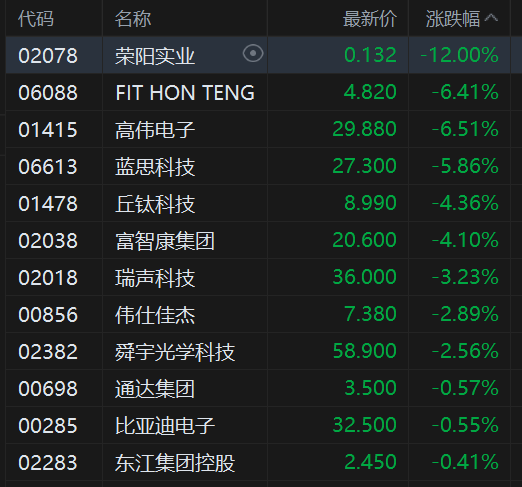
港股异动丨手机产业链股走低 高伟电子跌超6% 高盛指内存涨价下调手机出货量
Ge Long Hui· 2026-02-04 03:23
Group 1 - The Hong Kong stock market for the smartphone supply chain has seen a collective decline, with notable drops including High伟电子 down over 6% and 蓝思科技 down nearly 6% [1] - By December 2025, China's smartphone sales are projected to reach approximately 21 million units, representing a year-on-year decline of about 20% [1] - Major smartphone brands such as 华为, OPPO, 荣耀, vivo, and 苹果 hold market shares of approximately 20%, 17%, 14%, 14%, and 13% respectively [1] Group 2 - Goldman Sachs has revised its global smartphone shipment forecasts for 2026/27 down by 6% and 5% to 1.2 billion units each year, indicating a year-on-year change of -6% and +2% [1] - Counterpoint Research suggests that the smartphone market is unlikely to recover before 2027, with normalization expected in the second half of 2027 or early 2028 [1] - The smartphone industry is expected to seek a balance between cost, performance, and innovation in response to ongoing challenges and rising costs due to memory price increases and technological iterations [1]