
传音控股

Search documents
“非洲神话”褪色:传音控股闯关A+H,能否突围增长瓶颈?
Xin Lang Cai Jing· 2026-01-12 01:18
Core Viewpoint - Transsion Holdings, a prominent player in the mobile phone market, is facing significant challenges as its performance declines despite its strong market presence in emerging regions, particularly Africa. The company is attempting to pivot towards new growth areas, including AI and IoT, but its traditional business model is under pressure from increasing competition and market saturation [3][4][10]. Group 1: Financial Performance - For the first three quarters of 2025, Transsion Holdings reported a 3.33% year-on-year decline in revenue to 49.543 billion yuan, with net profit plummeting by 44.97% to 2.148 billion yuan [4][25]. - The company's gross margin fell to 19.47% by the end of September 2025, a decrease of nearly 5 percentage points from the beginning of 2024 [4][25]. - The average selling price of smartphones decreased slightly from 551.4 yuan per unit in 2022 to 547.5 yuan in 2025, while feature phones dropped from 65.5 yuan to 50.1 yuan [6][27]. Group 2: Market Position and Competition - Transsion Holdings has maintained its position as the leading mobile phone vendor in Africa for seven consecutive years, with a market share of 61.5% [3][24]. - However, the company's market share in Africa has declined to 51% by September 2025, down over 10 percentage points from earlier in the year, as competitors like Xiaomi and Honor gain ground [11][33]. - The company is attempting to replicate its successful "African model" in other emerging markets, but this strategy has not yet yielded significant growth, with revenue declines reported across new markets [13][34]. Group 3: Strategic Shifts and Future Outlook - Transsion Holdings is focusing on transitioning towards AI technology and IoT ecosystem development, as indicated by its upcoming IPO plans [16][37]. - Despite having a large user base of 270 million monthly active users for its proprietary operating system, the monetization of this user base remains low, with internet service revenue at only 4.17 billion yuan, averaging 1.54 yuan per user [38][39]. - The company is diversifying into new hardware categories, including laptops and electric vehicles, but these segments currently contribute minimally to overall revenue [19][40].



1月9日科创板主力资金净流出54.49亿元
Zheng Quan Shi Bao Wang· 2026-01-09 09:28
Group 1 - The main point of the news is that the net outflow of main funds in the Shanghai and Shenzhen markets reached 24.126 billion yuan, with the Sci-Tech Innovation Board experiencing a net outflow of 5.449 billion yuan [1] - A total of 224 stocks on the Sci-Tech Innovation Board saw net inflows, while 376 stocks experienced net outflows [1] - Among the stocks with significant net inflows, Haiguang Information led with a net inflow of 457 million yuan, followed by Xinke Mobile-U and Qiangyi Co., with net inflows of 337 million yuan and 323 million yuan respectively [1] Group 2 - There are 56 stocks that have seen continuous net inflows for more than three trading days, with Anxu Bio leading at 10 consecutive days of inflow [2] - The stock with the longest continuous net outflow is Dameng Data, which has seen outflows for 23 consecutive trading days [2] - The top stocks by net inflow include Haiguang Information, Xinke Mobile-U, and Qiangyi Co., with respective inflows of 457.4 million yuan, 337.4 million yuan, and 323.1 million yuan [2][3]






豆包手机引发热议 AI端侧迎来“首个吃螃蟹者”
Shang Hai Zheng Quan Bao· 2026-01-07 17:52
Core Insights - The launch of the AI assistant phone by Doubao and ZTE Nubia is seen as a significant shift in the AI industry, marking the beginning of a new era in smart devices [1][2] - Experts believe that this innovation could lead to a rapid growth in related sectors such as chip manufacturing and cloud computing, driven by the need for enhanced computing power [2][4] Industry Trends - The introduction of the AI assistant phone signifies a competitive race for transformation within the industry, prompting all players to engage in this emerging market [4] - The product is expected to redefine the business model for smartphone manufacturers, shifting from a one-time hardware sale to ongoing service revenue opportunities [5] Consumer Impact - The success of AI assistant devices will ultimately depend on consumer acceptance, similar to past technological shifts where user preference dictated market leaders [3][4] - The integration of AI into mobile systems is anticipated to enhance user experience and operational efficiency, making it a compelling offering for consumers [2][3]

realme回归OPPO
第一财经· 2026-01-07 12:07
Core Viewpoint - The recent organizational adjustments within OPPO, including the integration of the realme brand back into OPPO, reflect a strategic response to the changing market environment and supply chain challenges, particularly in the context of rising costs and increased competition in the smartphone industry [3][5]. Group 1: Organizational Changes - OPPO confirmed that realme will return as a sub-brand under its umbrella, aiming to consolidate resources and expand in global markets [3][4]. - Li Bingzhong has been appointed as the Senior Vice President of OPPO, overseeing the operations of both the OnePlus and realme brands [3][4]. - The integration is seen as a move to enhance collaboration and resource sharing, particularly in supply chain and marketing [6][7]. Group 2: Market Dynamics - The smartphone market is experiencing significant pressure, with rising supply chain costs impacting mid-tier brands like realme [3][5]. - Realme's previous strategy of aggressive overseas expansion has faced challenges, particularly in the Chinese market where competition is fierce [4][5]. - The overlapping product lines among OPPO, realme, and OnePlus in the 2000 to 3000 yuan price range have led to resource friction, necessitating a reevaluation of brand strategies [5][6]. Group 3: Competitive Landscape - The competitive logic in the smartphone market is shifting from broad market coverage to tighter organizational efficiency, cost control, and higher product success rates [7]. - The importance of centralized procurement and platform-based R&D is increasing due to uncertainties in core components like chips and imaging modules [7]. - OnePlus faces significant pressure to differentiate itself within the OPPO ecosystem, especially as it competes with similar brands like vivo's IQOO [7].
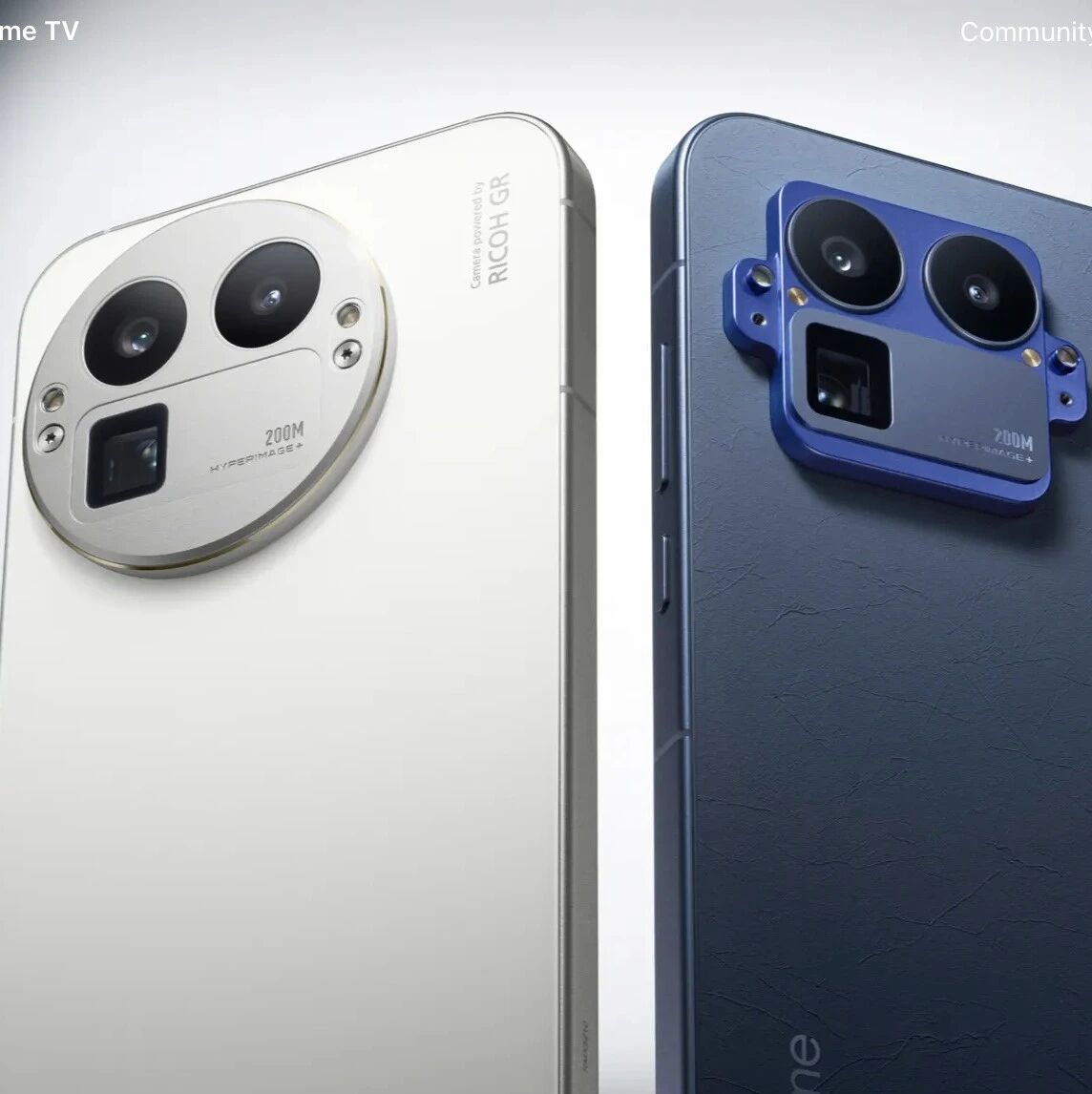
realme回归OPPO:一场“迟到”的收缩
Di Yi Cai Jing· 2026-01-07 10:38
Core Viewpoint - OPPO is undergoing organizational adjustments, with realme returning as a sub-brand to consolidate resources and expand in global markets, amidst a challenging market environment affecting mid-tier smartphone brands [2][4][10]. Group 1: Organizational Changes - OPPO's organizational structure has fluctuated between centralization and decentralization over the past few years [1][9]. - Realme, previously independent, is now set to return to OPPO, with the aim of resource consolidation and global market expansion [4][10]. - Li Bingzhong has been appointed as the Senior Vice President of OPPO, overseeing the operations of OnePlus and realme, reporting directly to OPPO's founder [4][10]. Group 2: Market Environment - The smartphone market is experiencing direct impacts from rising supply chain costs, particularly in storage, accelerating the industry's adjustment cycle [3][10]. - Realme's growth in overseas markets has slowed, facing competition from brands like Transsion in the ultra-low-end market [10][11]. - The competitive landscape is shifting from broad market coverage to tighter organizational efficiency, cost control, and higher product success rates [11]. Group 3: Brand Positioning and Strategy - Realme's return to OPPO is framed as a move to enhance collaboration and resource integration, although specific adjustments have not been publicly detailed [10]. - OnePlus has transitioned from a highly independent brand to a role within OPPO's system, focusing on performance and mid-range products, but risks diluting its brand identity [10][11]. - The overlapping product lines among OPPO, realme, and OnePlus in the 2000 to 3000 yuan price range have led to resource friction, necessitating clearer brand differentiation [9][10].
继豆包AI手机后 字节跳动被曝将跨界联合某车企造车
Ge Long Hui· 2026-01-07 04:28
Core Viewpoint - ByteDance is in discussions with an unnamed automotive company to collaborate on vehicle manufacturing, although no further details or official responses have been released yet [1] Group 1 - The founder of Chefans, Sun Shaojun, confirmed the ongoing negotiations between ByteDance and a car manufacturer [1] - ByteDance previously collaborated with ZTE to launch the nubia M153 smartphone, which features the Doubao mobile assistant technology [1] - There are reports that ByteDance is also pursuing AI smartphone partnerships with hardware manufacturers such as Vivo, Lenovo, and Transsion [1]
每一年都为基民赚钱真的很难吗?这只年年正收益,年化回报8.7%的基金值得一看|1分钟了解一只吾股好基(七十三)
市值风云· 2026-01-05 10:05
近10年每年都在稳定赚钱的基金。 作者 | 市值风云基金研究部 编辑 | 小白 过去10年每年都能跑出正收益的基金可谓凤毛麟角,天弘通利混合A(000573.OF)是其中一个。 2014年3月14日成立,目前合并规模为11.8亿,成立以来净值增长167.4%,大幅跑赢业绩基准,并跑 赢同期沪深300指数50个百分点。 天弘通利混合A的业绩比较基准是三年期银行定期存款利率(税后)+0.75%,在大盘走牛的阶段,该 只基金收益率进攻性有限,2019-2020年均大幅跑输沪深300指数,但在熊市中优势凸显,尤其是在20 高比例配置股票资产,在2022-23年市场走熊的时间里,该只基金表现还算不错,两年均维持了正收 益,对基金经理选股是一种考验。 22-23年跑出超额。 该只基金成立以来年化回报达到8.7%。回撤方面,在2022年以前最大回撤控制在5%以内,最近3年最 大回撤在15%左右。 2024年基金收益率有一定的进攻性以及2022年以后动态回撤幅度较此前加大,是由于基金策略从此前 的固收+逐步转向加大权益中枢。 2022年一季度开始天弘通利混合A逐渐降低了债券配置权重,从85%逐步下降,2023年中报以后该比 ...
宏芯宇冲刺港交所 中信建投国际为独家保荐人
Zheng Quan Shi Bao Wang· 2026-01-05 00:24
Core Viewpoint - Hongxin Yu has submitted a listing application to the Hong Kong Stock Exchange, with CITIC Securities International as its sole sponsor. The company has been focused on storage product applications since its establishment in 2018, offering embedded storage, solid-state drives, DRAM, and mobile storage products [1]. Company Overview - Hongxin Yu has built a full-stack technology platform that includes main control chip design, firmware algorithms, testing system development, and storage medium characteristic analysis, enabling the provision of customized storage products [1]. - According to Frost & Sullivan, based on 2024 revenue, Hongxin Yu ranks as the fifth largest independent memory manufacturer globally and the second largest in mainland China, while also being the largest independent memory manufacturer in the smartphone sector [1]. Product Applications - The company's products are widely used in various applications, including smartphones, tablets, AI cameras, personal computers, data centers, and vehicle control systems across consumer, automotive, and enterprise-grade scenarios [1]. - Hongxin Yu has established partnerships with well-known consumer companies such as Xiaomi, Transsion, and OPPO. In 2023, the company began providing storage products for automotive applications and entered the Tier 1 supplier chain, with plans to achieve mass production of enterprise-grade storage products by 2026 [1]. Market Trends - The global storage product market is rapidly growing, driven by AI demand, with projections indicating an increase from $263.3 billion in 2025 to $407.1 billion by 2029, representing a compound annual growth rate (CAGR) of 11.5%. The storage chip market is entering a "super cycle" [1].

华西证券2026年策略:从国产算力突围到端侧硬件落地,AI驱动科技产业迎全面跃升
Ge Long Hui· 2026-01-02 11:01
Group 1 - The report from Huaxi Securities highlights that under global restructuring, Chinese assets are expected to present long opportunities, particularly in the AI sector driven by advancements like Google's Gemini 3.0 and the emergence of new technologies such as OCS optical switches and liquid cooling becoming standard by 2026 [1] - The introduction of next-generation chips like RUBIN and the listing of domestic AI chip manufacturers such as Moer and Muxi indicate that the domestic AI industry is accelerating its catch-up with overseas counterparts [1] - By the end of 2025, traditional internet companies represented by Google and Alibaba are expected to surpass emerging models like OpenAI and DeepSeek, marking a new height in the competition of large models [1] Group 2 - The Lingguang APP has successfully created 12 million flash applications as of December 26, indicating strong user engagement and growth in the AI assistant market [2] - Ant Group's AI health assistant, Antifufu, has exceeded 15 million monthly active users since its launch on December 16, showcasing the demand for AI-driven health solutions [2] Group 3 - ByteDance is increasing its investment in terminal devices, with the launch of the Doubao model 1.8 and the Doubao video generation model Seedance 1.5pro, which has seen a tenfold increase in daily token volume, reaching over 50 trillion tokens by December 2025 [3] - Lenovo plans to unveil an "AI super intelligent agent" at the 2026 CES, which will offer comprehensive AI capabilities and cross-device connectivity, further solidifying its partnership with ByteDance's Doubao and Huoshan Engine [3] Group 4 - The report anticipates that by early 2026, AI models and applications will flourish as companies like Zhiyu and Minimax prepare to enter the Hong Kong stock market, leading to a capital frenzy in the AI sector [4] - The evolution of AI capabilities is expected to lead to a surge in industrial applications, with robots transitioning from mechanical competition to brain and control capabilities, and smart driving nearing practical implementation [4] Group 5 - The report notes that the upcoming IPO of SpaceX in 2026 is likely to position space computing as a new technological battleground between China and the U.S. [5]



新股消息 全球独立存储巨头宏芯宇冲刺港交所 深挖AI存储万亿蓝海
Jin Rong Jie· 2026-01-02 10:37
Core Viewpoint - Shenzhen Hongxin Yu Electronics Co., Ltd. (referred to as Hongxin Yu) has submitted a listing application to the Hong Kong Stock Exchange, with CITIC Securities International as its sole sponsor. The company focuses on storage products and aims to leverage its comprehensive platform to provide customized solutions in the semiconductor market [1][4]. Company Overview - Hongxin Yu was established in December 2018 and has been dedicated to the application of storage products, including embedded storage, solid-state drives, DRAM, and mobile storage [1]. - The company has developed a full-stack platform covering four core technologies: main control chip design and development, firmware algorithm development, testing system development, and storage medium characteristic analysis [1]. Product Line - Embedded storage is the core product line, featuring a diverse range of products such as eMMC, UFS, ePOP, and uMCP, applicable in smartphones, tablets, and AI cameras [2]. - The solid-state drive product line supports multiple generations of interface specifications, including SATA 3.0 and PCIe 4.0, expanding from consumer-grade to automotive and enterprise applications [2]. - The DRAM product portfolio includes various categories such as DDR4, DDR5, LPDDR4X, and LPDDR5X, catering to different market needs [2]. Market Dynamics - The global storage products market is projected to grow from $263.3 billion in 2025 to $407.1 billion in 2029, with a compound annual growth rate (CAGR) of 11.5% [3]. - The semiconductor industry is entering a strong upward cycle driven by AI demand and supply structure optimization, with the storage chip market exhibiting "super cycle" characteristics [3]. - By the second half of 2025, market prices are expected to show strong performance, with some DRAM monthly price increases exceeding 30% [3]. Competitive Position - According to Frost & Sullivan, Hongxin Yu is the largest independent storage manufacturer in the smartphone sector globally and the second largest in mainland China by revenue in 2024 [3]. - The company has established strong partnerships with well-known enterprises in the consumer application sector, including Xiaomi, Transsion, OPPO, Vivo, TCL, and Baidu, which contribute to its competitive advantage [3]. Financial Performance - Hongxin Yu's revenue for 2023 and 2024 is projected to be approximately RMB 8.781 billion and RMB 8.718 billion, respectively [4]. - For the nine months ending September 30, 2025, the company reported a year-on-year revenue growth of 14.6%, reaching approximately RMB 7.744 billion [4]. - The company is expected to achieve profitability in 2024, with an estimated annual profit of approximately RMB 0.483 billion, driven by significant revenue increases in the DRAM product line and a balanced development of its product matrix [4].