
银河航天

Search documents
星辰大海竞赛,IPO抢滩正酣丨中国龙报告之商业航天篇
2 1 Shi Ji Jing Ji Bao Dao· 2025-07-08 07:51
Core Insights - The China Securities Regulatory Commission has expanded the listing standards for the Sci-Tech Innovation Board to include more cutting-edge technology sectors such as artificial intelligence and commercial aerospace, allowing unprofitable companies to access capital markets [1][4] - The commercial aerospace industry in China has evolved from government-led initiatives to market-driven exploration over the past decade, establishing a complete industrial chain covering satellite manufacturing, launch services, and ground applications [1][11] Group 1: Industry Development - The commercial aerospace sector is experiencing a "space gold rush," with multiple companies accelerating their securitization efforts across the entire industry chain, including satellite development and aerospace electronics [3][4] - Key enterprises are actively announcing financing progress or initiating listing procedures, indicating a wave of securitization in this strategic emerging industry [4][5] - By 2024, the number of commercial aerospace-related companies in China exceeded 546, nearly five times that of 2015, with a significant increase in registered companies [12][18] Group 2: Financing and Market Trends - In 2025, the commercial aerospace industry is expected to see a significant transformation, with a focus on technology paths, market trends, and geographic distribution [2][10] - Notable companies like Chengdu Guoxing Aerospace have submitted applications for IPOs, aiming to become the first commercial aerospace stock on the Hong Kong Stock Exchange [5][19] - The financing landscape is vibrant, with companies like Beijing Xingji Glory completing significant funding rounds to support their operational and technological advancements [8][22] Group 3: Technological Advancements - The industry is transitioning from high-cost research projects to predictable return industries, with a clear evolution in the commercial aerospace supply chain [10][11] - Key technologies are undergoing a transformation, moving from isolated communication to integrated networks, with a focus on standardization and industrialization [17][25] - The development of satellite internet is highlighted as a "killer application" in the commercial aerospace sector, supported by advancements in satellite manufacturing and communication technologies [11][12] Group 4: Regional Development and Policy Support - Various regions in China are competing to establish themselves as hubs for commercial aerospace, with Beijing, Shanghai, and Hainan leading the way [28][31] - Local governments are actively supporting the commercial aerospace industry through policies and funding, creating a collaborative environment for innovation and growth [29][33] - The G60 Starlink project in Shanghai exemplifies regional collaboration, aiming to complete a constellation deployment by 2025 [29][31]


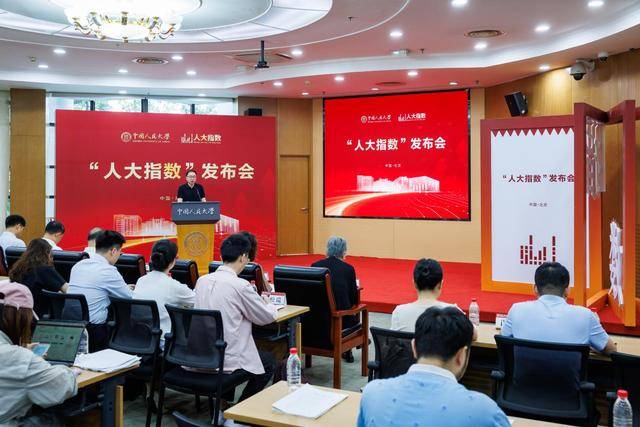
中国人民大学发布亮相最新指数
Sou Hu Cai Jing· 2025-06-30 12:22
Core Insights - The release of the "China Listed Companies Building World-Class Enterprises Development Index" and the "China Space Economy Index" reflects a significant step in evaluating and guiding the development of Chinese enterprises and the space economy [1][5]. Group 1: China Listed Companies Development Index - The index is developed by the School of Business and the World-Class Enterprises Research Institute of Renmin University, providing policy recommendations and decision-making references for listed companies in China [3][4]. - It is based on a "SUPER" model framework, focusing on four dimensions: product excellence, brand prestige, innovation leadership, and modern governance, utilizing 38 sub-indicators [4]. - The index aims to help regulators understand the development status of Chinese enterprises, assist managers in identifying shortcomings, and provide investors with insights for strategic investment [4][5]. Group 2: China Space Economy Index - Developed by multiple research centers at Renmin University, the index measures the scale and impact of China's space economy from 2008 to 2024, showing rapid growth and significant cross-industry integration [5][6]. - The index indicates that the development of China's space economy has been accelerating since 2012, with the gap in GDP comparison with the US narrowing [5][6]. - Experts emphasize the strategic importance of the space economy, highlighting its potential as a future growth area and the index's role in guiding resource allocation and industry development [6].
让“巾帼力量”绽放数智时代 “国聘行动”第六季促进女大学生就业专场活动启动
Yang Shi Wang· 2025-06-27 08:11
Core Viewpoint - The "National Employment Action" event aims to promote high-quality employment for female college graduates by providing quality job opportunities and career guidance [1][7]. Group 1: Event Overview - The event was co-hosted by multiple national organizations, including the All-China Women's Federation and the Ministry of Education, and attracted a wide participation from female graduates [1]. - The event featured female role models from various fields sharing their career experiences, emphasizing the unique strengths women bring to the workforce [2]. Group 2: Employment Support Initiatives - The "Youth Knowledge and Action" employment guidance area was set up to provide customized services such as resume diagnosis and interview simulations for female graduates [3]. - Various regions, including Hunan and Guangdong, have introduced financial incentives and support policies to attract talent, such as free housing and living subsidies for eligible female graduates [4][5][6]. Group 3: Achievements and Impact - The "National Employment Action" has successfully facilitated over 200,000 female graduates in achieving employment and has provided 460,000 job opportunities this year alone [7]. - The platform has seen significant engagement, with 12,000 companies registered and over 8.22 million job postings, making it a crucial channel for college graduates seeking employment [7].
北京商业航天“造星织网”
Huan Qiu Wang Zi Xun· 2025-06-26 01:54
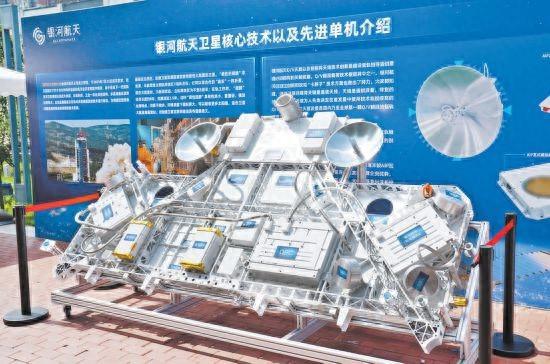
Core Insights - The article highlights the advancements in China's commercial aerospace sector, particularly focusing on Galaxy Aerospace's innovations in satellite technology, including the first satellite using flexible solar wings and the development of a low-orbit broadband satellite network [2][4]. Group 1: Satellite Technology Innovations - Galaxy Aerospace's Lingxi 03 satellite is the first in China to utilize flexible solar wings, which are lightweight and modular, allowing for greater solar energy absorption and easier deployment during launches [2]. - The flexible solar wings can be folded to fit within a rocket, with a thickness of about 1 millimeter and an expanded length of approximately 9 meters when operational [2]. Group 2: Manufacturing and Production Efficiency - The cost of launching a satellite has significantly decreased from over 1 billion yuan to the million-yuan level, enabling mass production akin to automotive manufacturing [3]. - Galaxy Aerospace's production line integrates human-machine collaboration and advanced technologies, allowing for the annual production of 100 to 150 medium-sized satellites and reducing the manufacturing cycle by 80% [3]. Group 3: Supply Chain Development - Since its inception, Galaxy Aerospace has expanded its supply chain from over 100 partners in 2018 to more than 1,300, with a significant portion being private enterprises [3]. Group 4: Achievements and Future Plans - Galaxy Aerospace has achieved several milestones, including the first domestic flexible solar wing satellite, the first mass production of low-orbit broadband communication satellites, and the establishment of a low-orbit broadband communication test network [4]. - The company is currently accelerating the development of satellite technology that enables direct mobile connectivity, aiming to provide satellite internet access in remote areas [5]. - Beijing's commercial aerospace sector is rapidly growing, with over 300 high-tech enterprises and plans to enhance capabilities in reusable rocket technology and expand global market reach by 2026 [5].
开拓“星海天路” 北京商业航天加速“起飞”
Zhong Guo Xin Wen Wang· 2025-06-24 08:19
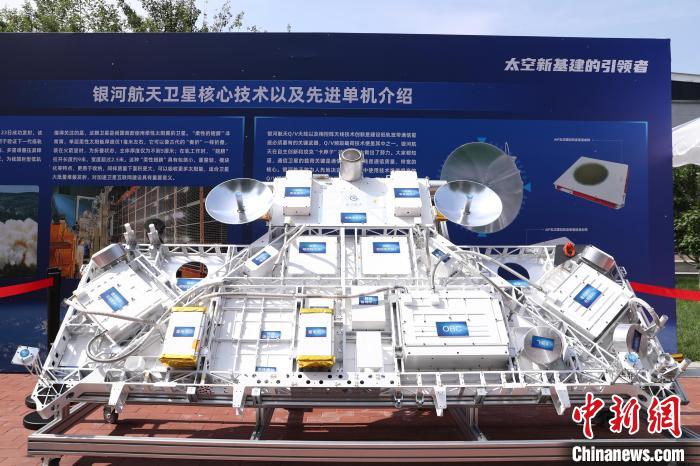
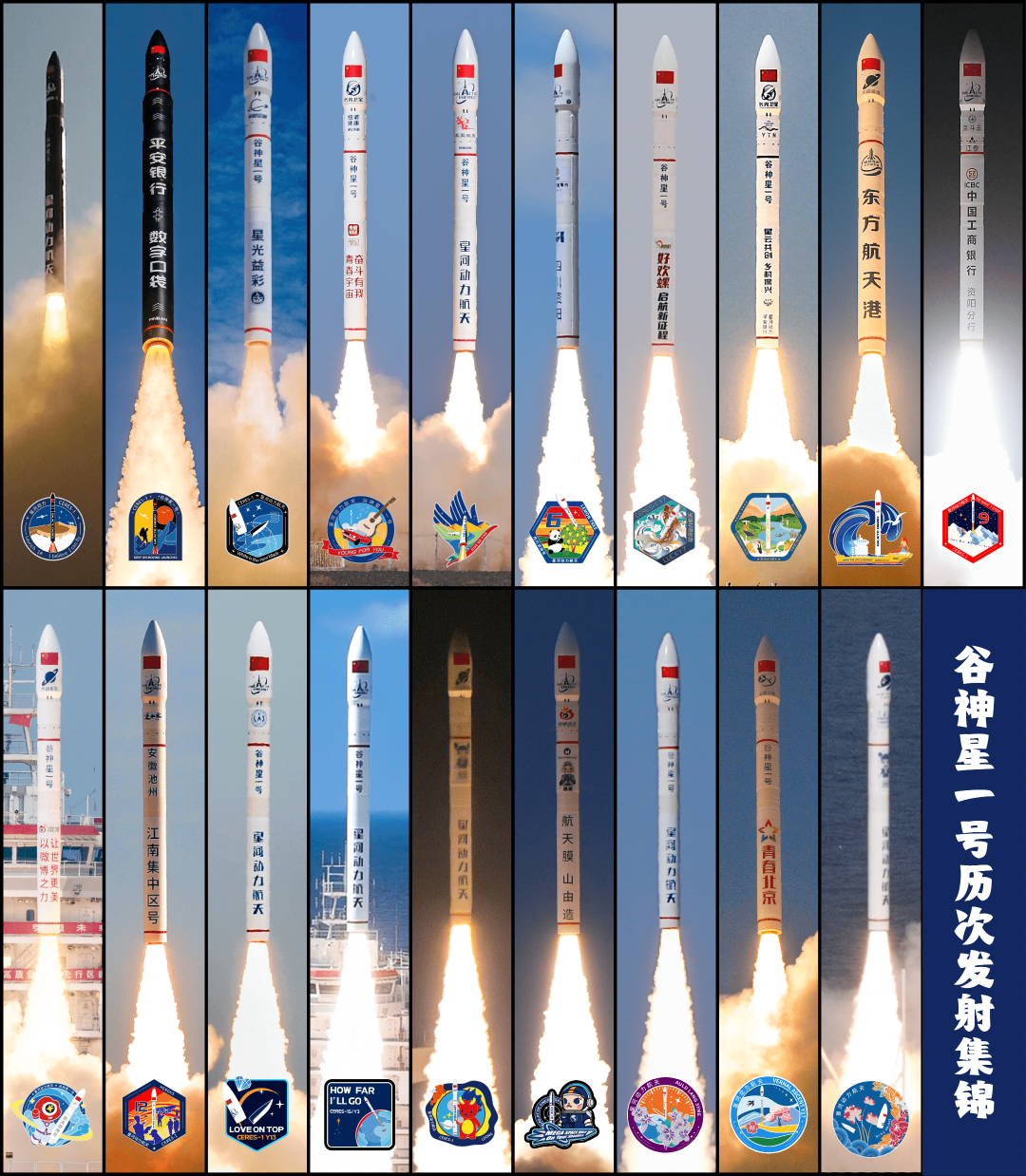
Group 1 - The article highlights the rapid development of the commercial space industry in Beijing, showcasing companies like Blue Arrow Aerospace and Star River Power, which are leading innovations in rocket technology and manufacturing [1][2]. - Blue Arrow Aerospace successfully launched the Zhuque-2 rocket using liquid oxygen and methane, marking a significant technological advancement in China's space capabilities [1]. - Star River Power has completed 19 commercial launches, successfully placing a total of 81 satellites into their designated orbits, demonstrating its operational efficiency [2]. Group 2 - The use of 3D printing technology in rocket manufacturing has significantly improved production efficiency, with over half of the components in rocket engines being produced using this method [1][2]. - Star River Power has reduced engine manufacturing costs to one-tenth of previous levels through innovative designs, ensuring quality consistency while making commercial space endeavors more feasible [2]. - The commercial space sector in Beijing is supported by over 300 high-tech enterprises, with a significant share of national commercial space listed companies and unicorns [2]. Group 3 - The article mentions the successful launch of the Lingxi-03 satellite, which is China's first satellite using flexible solar wings, indicating advancements in satellite technology [4]. - The commercial space industry is expected to experience significant growth in the next five to ten years, with new rocket companies and innovative applications emerging due to high market demand [4]. - Companies are looking to expand internationally, with plans to enter markets in Thailand and Malaysia, enhancing their global influence in the commercial space sector [4].
金融资本助力“飞天梦”携手托举中国航空航天产业崛起
Zhong Guo Zheng Quan Bao· 2025-06-22 20:53
Core Insights - The Chinese aerospace industry is experiencing rapid growth, driven by significant advancements in technology and strong support from investment institutions [1][2][3] - Investment institutions are playing a crucial role in fostering the development of aerospace companies, particularly through early-stage investments and strategic support [4][5][6] Policy Support - The Chinese government has consistently positioned aerospace as a strategic emerging industry, with numerous policies aimed at promoting commercial aerospace and low-altitude economy [2][3] - Recent policies, including the inclusion of commercial aerospace in government work reports, have laid a solid institutional foundation for high-quality development in the aerospace sector [2][3] Investment Opportunities - The commercial aerospace sector is projected to grow significantly, with global revenue reaching approximately $298 billion in 2018 and a compound annual growth rate of about 7% over the past five years [3] - Investment institutions are optimistic about the prospects of the aerospace industry, particularly in areas such as civil aviation, commercial space demand, and low-altitude economic scenarios [2][3] Capital Empowerment - Investment institutions emphasize the importance of a multi-tiered financing system to support aerospace development, including early-stage investments and public fund participation [4][5] - The concept of "patient capital" is highlighted, as the aerospace industry often requires long-term support for technology commercialization and industrialization [4][5] Successful Investment Cases - Notable investment cases include Galaxy Aerospace, recognized as China's first aerospace unicorn, and Blue Arrow Aerospace, which has developed key technologies in liquid rocket engines [4][5] - Investment institutions have also engaged in various projects across the aerospace value chain, driving innovation and collaboration among upstream and downstream enterprises [5][6] Future Trends - The satellite internet sector and low-altitude economic opportunities, such as drone logistics and eVTOL, are identified as key investment areas for the future [6][7] - The year 2025 is anticipated to mark a significant milestone for the low-altitude economy, with expectations for the commercial operation of eVTOLs [7][8] Collaborative Efforts - Investment institutions are encouraged to strengthen partnerships with research institutions and universities to enhance innovation and technology transfer [8] - The collaboration between public and private investment entities is seen as essential for discovering quality projects and fostering a healthy cycle between primary and secondary markets [8]
星空闪耀“北京箭”
Zhong Guo Qing Nian Bao· 2025-06-21 22:24
Core Viewpoint - Beijing is emerging as a leading hub for commercial aerospace, boasting the most comprehensive rocket manufacturing industry chain and over 70% of the country's commercial rocket enterprises [1][2]. Group 1: Industry Overview - Beijing has over 300 high-tech enterprises in the commercial aerospace sector, with more than half of the top 100 commercial aerospace companies, listed firms, and unicorns in the country [1]. - The "South Arrow North Star" pattern is forming in Beijing, with the southern part focusing on rocket manufacturing and the northern part on satellite manufacturing, showcasing a complete industrial chain [2]. Group 2: Key Companies and Developments - Star River Dynamics plans to launch approximately 7 to 8 rockets this year, potentially becoming the first private company to achieve double-digit launches annually [1]. - Blue Arrow Aerospace, located near Star River Dynamics, is the first domestic commercial aerospace company to obtain complete qualifications for rocket research, production, and testing, and recently successfully launched the Zhuque-2 rocket [2]. Group 3: Government Support and Future Prospects - The Beijing government is integrating commercial aerospace scenarios into its 2024 technology work plan, promoting applications in various sectors and supporting the establishment of the Zhongguancun Yichuang Commercial Aerospace Alliance [3]. - The industry is expected to flourish in the next 5 to 10 years, with a diverse range of developments anticipated [3].
感受商业航天的“北京速度” 领域内高新技术企业超300家
Xin Hua Wang· 2025-06-20 18:52
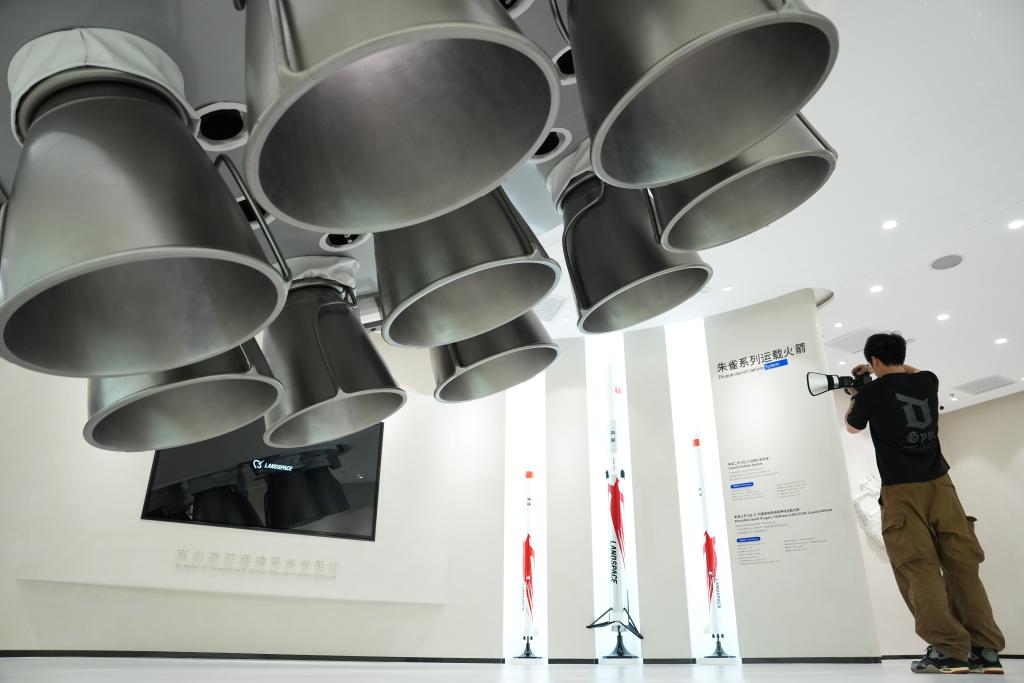
Core Insights - Beijing has the most comprehensive commercial aerospace industry chain in China, with over 300 high-tech enterprises in the sector, accounting for approximately 50% of the core R&D units, listed companies, and unicorns nationwide [1] Group 1: Company Developments - Blue Arrow Aerospace has achieved significant milestones, including the successful launch of China's first liquid oxygen-methane rocket and the completion of a test for the reusable Zhuque-3 rocket's first-stage propulsion system, which utilized the Tianque-12A engine with a total thrust of 7542 kN [2] - The Zhuque-3 rocket is designed for reusability, with a cost reduction of 80% to 90% compared to expendable rockets, and has already completed a vertical landing test at 10 kilometers [4] Group 2: Industry Trends - Beijing is actively promoting innovation in commercial aerospace through various policies aimed at enhancing core technology development, high-level innovation platforms, and optimizing industry layout [4] - The city plans to accelerate the establishment of a reusable rocket technology innovation center, aiming for the first successful recovery and reuse of a rocket by around 2026, while also advancing satellite core component technologies [6]
低成本、更高效率,北京商业航天叩问苍穹
Zhong Guo Jing Ji Wang· 2025-06-20 08:54
Group 1 - The aerospace industry is recognized as a leading and complex field of high-tech integration, requiring the overcoming of numerous technical challenges from design to launch of commercial rockets [1] - Star River Power has become the first private rocket company in China to achieve continuous and stable launch success, utilizing 3D printing to reduce production cycles to under one month and costs to about one-tenth of traditional methods [3] - Beijing is a hub for aerospace development, housing over 50% of the country's core research units and a significant portion of national aerospace infrastructure and specialized talent [3] Group 2 - Beijing has released plans for over 10 commercial satellite constellations, with Galaxy Aerospace successfully launching 8 low-orbit broadband communication satellites, marking the establishment of China's first low-orbit broadband communication test constellation [4] - The commercial aerospace sector in Beijing includes over 300 high-tech enterprises, with nearly half of the top 100 commercial aerospace companies and unicorns located in the city, indicating a comprehensive industry chain [4] - The "South Arrow North Star" pattern is beginning to take shape in China's commercial aerospace landscape, covering the entire industry chain from launch vehicles to satellite applications [4]
国际产业新闻早知道:美联储维持利率不变,中国已有433款大模型完成备案
Chan Ye Xin Xi Wang· 2025-06-19 05:01
Monetary Policy - The Federal Reserve maintained interest rates and indicated two potential rate cuts this year, while Chairman Powell warned of rising inflation due to proposed tariffs [4][5][6] - Powell stated that inflation is expected to rise in the coming months as tariffs will increase consumer costs, emphasizing the need for data-driven decisions [6][11] - The Fed's new economic forecasts suggest a moderate stagflation scenario, with a projected growth rate of 1.4% and an unemployment rate of 4.5% by 2025, alongside an inflation rate of 3% [4][8] Brazil's Monetary Policy - Brazil's central bank raised the benchmark interest rate by 25 basis points to 15% and hinted at a pause in tightening to assess the impact on inflation and economic activity [12][13] - The central bank has raised rates a total of 4.5 percentage points since September of the previous year, with inflation predictions remaining above the target until 2028 [13] Automotive Industry - Ferrari has postponed the launch of its second electric vehicle to at least 2028 due to weak demand for high-performance electric cars [66][69] - Polestar received a $200 million investment from Geely's founder Li Shufu to support its operations [79] - Jianghuai Automobile Group signed a strategic cooperation agreement with Huawei to enhance their partnership in smart vehicle solutions [80] Semiconductor Industry - Texas Instruments announced plans to invest over $60 billion in the U.S. to build seven semiconductor factories, marking a significant investment in domestic manufacturing [45][49] - The investment aims to create 60,000 jobs and is seen as a response to the competitive landscape, particularly against Chinese rivals [49] Artificial Intelligence - China has registered 433 large AI models, emphasizing the integration of AI technology in various sectors [20][21] - Baidu launched the first highly integrated multimodal digital human, showcasing advancements in AI technology [24] - Alibaba released an upgraded version of its Qwen3 AI model compatible with Apple's MLX architecture, indicating a strategic partnership in AI development [25][26] Renewable Energy and Materials - A Chinese research team has developed a new semi-transparent photoanode device to enhance solar water-splitting efficiency, contributing to the advancement of artificial leaf technology [44] - Yingshi plans to invest 650 million yuan in Inner Mongolia for a rare earth permanent magnet materials project, with the first phase expected to cost 400 million yuan [54][56] Quantum Security - Guoxin Technology successfully tested its new quantum-resistant security card, which supports both traditional and quantum-resistant algorithms, enhancing data security against quantum computing threats [57][58][60] Transportation and Logistics - The "Jinhua-Bashi-Baku" international transport corridor launched its first freight train, marking a new logistics route through Central Asia to Azerbaijan [18]

