Temu

Search documents
墨西哥“淘金热”:中国跨境大军涌入,中场战事升级
3 6 Ke· 2025-10-20 12:27
Core Insights - The article discusses the rapid growth and challenges of the cross-border e-commerce market in Mexico, highlighting the influx of Chinese sellers and various platforms entering the market [1][2][3] Group 1: Market Entry and Growth - Yang Chao's company shifted focus to cross-border e-commerce in Mexico after facing challenges in the domestic market, moving from Shanghai to Shenzhen and establishing Shenzhen Wanyou Overseas Technology Co., Ltd [1] - Mexico's e-commerce penetration rate is only 18%, compared to China's 47%, indicating significant growth potential [1] - Major platforms like Mercado Libre, Amazon, TikTok, Temu, SHEIN, and AliExpress are actively expanding in Mexico, lowering entry barriers and increasing support for sellers [1][2][3] Group 2: Competitive Landscape - Mercado Libre and Amazon dominate the Mexican e-commerce market, holding 85% of the market share, with Mercado Libre's GMV exceeding $20 billion in 2023 [2][4] - New entrants like Temu and SHEIN are gaining traction by offering competitive pricing and innovative business models, with Temu recently surpassing Mercado Libre and Amazon in traffic share [5][6] Group 3: Market Characteristics - Mexico's population of 130 million and a young demographic (average age 29) make it an attractive market for e-commerce [9] - The country's GDP per capita reached $13,000 in 2023, indicating a growing consumer base, although a significant portion of the population lives below the poverty line [9][10] - Geopolitical stability and favorable trade relations with China further enhance Mexico's appeal as a cross-border e-commerce hub [10][12] Group 4: Logistics and Infrastructure - The shift towards overseas warehouse models is becoming prevalent, driven by improvements in logistics infrastructure and reduced shipping times [13] - The geographical proximity to the U.S. allows for efficient logistics solutions, benefiting sellers who can leverage U.S. warehouses for distribution [14][16] Group 5: Challenges and Risks - The Mexican market faces challenges such as increasing tariffs on cross-border shipments and logistical disruptions due to port strikes and corruption issues [23][24] - The competitive landscape is intensifying, leading to declining profit margins for sellers, with some reporting a drop from 25% to as low as 10% [18][20] Group 6: Future Outlook - Despite challenges, companies are optimistic about the opportunities in Mexico and are considering expansion into other Latin American markets like Brazil [25] - The e-commerce sector in Mexico is projected to grow significantly, with a forecasted 20% increase in sales in 2024, reaching $43.1 billion [8]


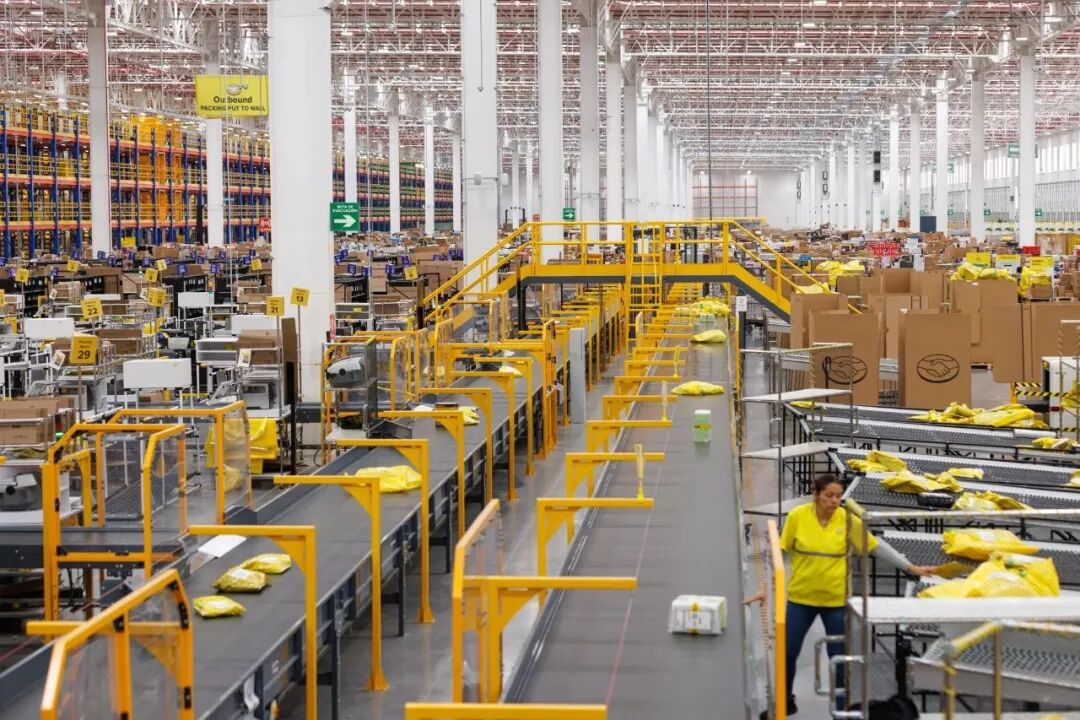
暴富神话终结?墨西哥电商进入“拼刺刀”时代
Hu Xiu· 2025-10-20 10:06
Core Insights - The article discusses the increasing interest of Chinese sellers in the Mexican e-commerce market, highlighting its potential due to favorable demographics and economic conditions [14][15][16][21]. Group 1: Market Dynamics - The Mexican e-commerce market is experiencing a "gold rush," with numerous Chinese sellers entering, driven by the support of major platforms like Amazon, TikTok, and Mercado Libre [3][4][5]. - Mercado Libre dominates the market with over 50% market share and a GMV exceeding $20 billion in 2023, while Amazon has invested approximately $5.5 billion since its entry in 2015 [5][6]. - The e-commerce penetration in Mexico is only 18%, compared to 47% in China, indicating significant growth potential [2]. Group 2: Strategic Approaches - Companies are adopting a phased approach to market entry, starting with Mercado Libre to establish brand recognition before expanding to other platforms like Amazon and TikTok [4][5]. - The logistics landscape is evolving, with many sellers opting for overseas warehouse models to enhance delivery efficiency, reducing shipping times from 8 days to 5-6 days [22]. Group 3: Economic and Demographic Factors - Mexico's population of 130 million, with a young demographic and a GDP per capita of $13,000, makes it an attractive market for e-commerce [15][16]. - The significant income disparity in Mexico creates opportunities for low-cost platforms like Temu and SHEIN, which cater to price-sensitive consumers [17][18]. Group 4: Competitive Landscape - New entrants like Temu and SHEIN are gaining traction by leveraging competitive pricing strategies, with Temu recently surpassing Mercado Libre and Amazon in traffic share [8]. - The competitive environment is intensifying, leading to declining profit margins for sellers, with gross margins dropping from 25% to as low as 10% [30]. Group 5: Challenges and Risks - The Mexican market faces challenges such as customs delays and increased tariffs, which could impact profitability for new entrants [38][39]. - Recent strikes at major ports have exacerbated logistical issues, leading to significant delays in clearing goods [39][40].
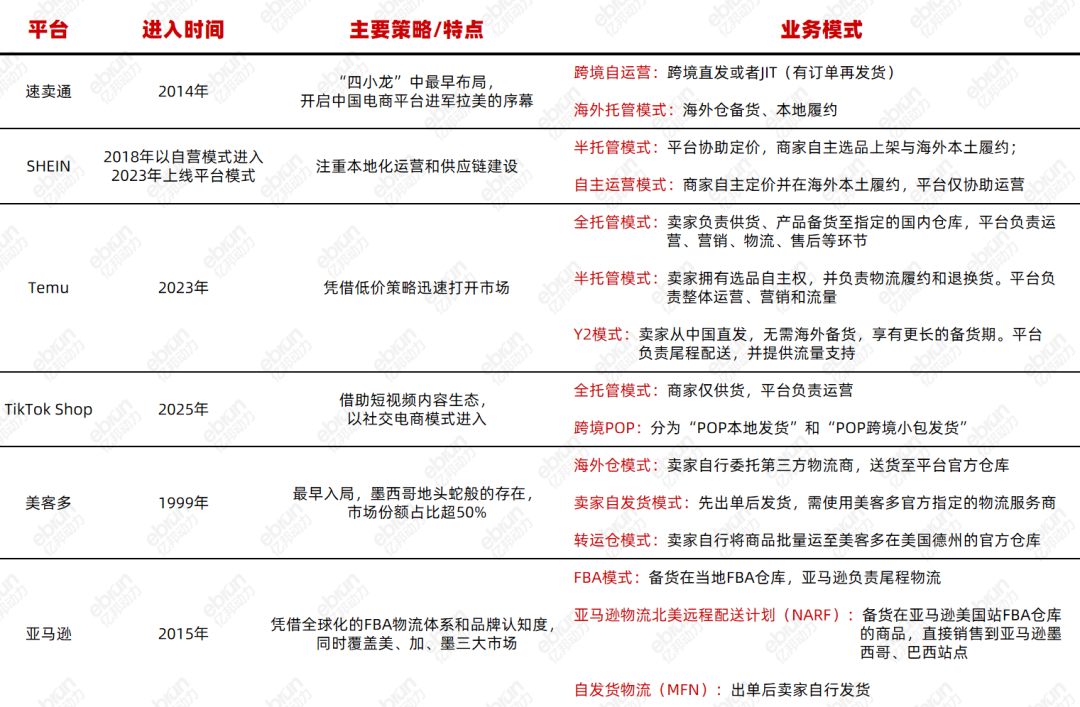
跨境电商新篇章:中国品牌新机遇与“四步”制胜之道
麦肯锡· 2025-10-20 07:47
Core Insights - The global e-commerce market still presents vast opportunities, particularly in emerging markets such as the Middle East, Latin America, and Africa, making international expansion a necessity for Chinese brands [3][4][8] - Chinese brands are leveraging their advantages in supply chain, operations, technology, and talent to capture global market share, but face challenges such as short-sighted profit motives and brand recognition issues [3][9] Group 1: Global E-commerce Landscape - The average penetration rate of the global e-commerce market is around 20%, with significant disparities across regions, highlighting the Middle East, Latin America, and Africa as future growth areas [4] - The demographic advantage in regions like Latin America, where 30%-35% of the population is aged 15-35, indicates a growing consumer demand as economic conditions improve [10] Group 2: Advantages of Chinese Cross-border E-commerce - Since 2022, the global trade landscape has undergone structural changes driven by digitalization, shifting consumer habits, and supply chain restructuring, positioning cross-border e-commerce as a key driver of trade [9] - Chinese cross-border e-commerce has gained a significant foothold globally, exemplified by companies like Temu, Shein, Aliexpress, and TikTok Shop, which have adopted differentiated strategies to achieve rapid growth [11][12] Group 3: New Opportunities for Chinese Brands - Chinese brands must clearly define their "going global DNA" by focusing on market selection, strategy, and brand positioning [15] - Different stages of e-commerce operations require matching operational models, with options ranging from building independent systems to leveraging existing platforms [16] Group 4: Challenges in Going Global - The mindset of seeking quick profits remains a significant barrier, leading to a focus on short-term gains rather than sustainable market presence [20] - Weak brand recognition can trap companies in a cycle of low-price competition, making it difficult to establish a strong market presence [21] - Regulatory and compliance pressures, including fluctuating tariffs and stringent market entry standards, pose additional challenges for Chinese brands [22][23] Group 5: Strategic Framework for Success - The four-step strategy for successful international expansion includes market selection, model definition, channel expansion, and brand building [25][31] - Companies must focus on building core capabilities in areas such as user engagement, supply chain resilience, and compliance to thrive in competitive global markets [34][36]

美团旗下Keeta将于10月30日登陆巴西;XREAL眼镜入选《时代》2025最佳发明丨Going Global
创业邦· 2025-10-19 10:48
Key Points - Meituan's Keeta will officially launch operations in Brazil on October 30, with an investment commitment of $1 billion over the next five years [5][6] - Temu's pre-tax profit in the EU market doubled to nearly $120 million last year, with revenues increasing from $758 million to $1.7 billion [9] - Shein reported a revenue increase of nearly 20% year-on-year, reaching over $37.04 billion, with total assets in Singapore rising by over 70% to $15.27 billion [10] - XREAL's AR glasses were selected as one of TIME's Best Inventions of 2025, highlighting China's technological advancements [11] - Kingsoft Office signed a strategic cooperation agreement with Oman Telecom to promote WPS 365 in the Middle East [14] - Chery's chairman stated that overseas market revenue will surpass domestic contributions in the future [15] - Alibaba and Ant Group jointly invested $925 million to establish their Hong Kong headquarters [17] - DJI is appealing against the U.S. Department of Defense's decision to list it as a "Chinese military enterprise" [19] - Seres Group has passed the Hong Kong Stock Exchange hearing, moving closer to a dual listing [20] - BYD won a bid for Singapore's L4 autonomous bus pilot project, marking a significant entry into the overseas public transport system [21] - XPeng Aeroht secured an order for 600 flying cars in the Middle East, setting a record for overseas orders in this sector [22] - Apple plans to cut iPhone Air production by about 1 million units due to poor market performance [25] - SpaceX's Starship successfully completed its 11th test flight, achieving a controlled landing [29] - Boeing received FAA approval to increase its 737 production rate from 38 to 42 units per month, signaling a recovery [32] - Oracle announced a potential 35% gross margin for its AI cloud services, with $65 billion in new contracts signed [33]

全球关税影响下跨境电商表现与趋势展望:2025PrimeDay趋势报告-Flywheel
Sou Hu Cai Jing· 2025-10-19 09:42
Group 1: Macro Environment - The cross-border e-commerce industry faces both opportunities and challenges, with external policy tightening and rising operational costs being significant challenges [1][19][28] - Despite challenges, the market size is expected to continue expanding, with global retail e-commerce sales projected to approach $8 trillion by 2028 [1][30] - Key growth drivers include digital transformation, internet penetration, and diversified product demand [1] Group 2: 2025 Prime Day Review - The 2025 Prime Day event was the largest ever, extending to four days, with U.S. online spending reaching $24.1 billion, a year-on-year increase of 30.3% [2][46] - Over 80% of Prime members participated, with a significant preference for essential household items and high-value products [2][46] - The event highlighted a shift in consumer behavior, with mobile sales contributing 53.2% of total sales [2][46] Group 3: Insights and Strategies - The extended event period diluted sales impact, leading to an 18.8% decrease in advertising ROI, which pressured merchant profit margins [2] - Brands are advised to enhance pre-event exposure and optimize advertising strategies to improve conversion rates [2][3] - Emerging markets present significant growth potential, allowing companies to diversify and mitigate tariff risks [2][3] Group 4: Successful Case Studies - High-ticket new products can effectively target high-value consumers through a combination of AMC and DSP advertising strategies [3] - Companies are encouraged to improve internal efficiency and explore new platforms for comprehensive marketing opportunities [3]

X @Solana
Solana· 2025-10-15 18:53
RT SP3ND 🛍️ (@SP3NDdotshop)Seeker just got a checkout button 🛍️SP3ND is on the @solanamobile dApp store 📱Buy anything on Amazon & Temu with stablecoins.Exclusive Perks for Seeker holders:1) Free Amazon Prime2) No platform feesTap → Pay → Delivered 📦Download today 👇 https://t.co/LTkKfQNji2 ...
Trump’s Tariff Shift and the End of Duty-Free Imports
Bloomberg Television· 2025-10-15 12:44
This is a story about painting with a very broad brush. In late July of this year, President Trump declared an end to a tariff exemption for small shipments. It may have been meant to hit some large Chinese companies, but it's also hitting small businesses on the other side of the world.The minimum is it's very it's a big deal. It's a big scam going on against our country, against really small businesses, and we've ended we put an end to it. 3,000 miles away from Washington across the Atlantic, Harriet Dwin ...
TikTok Shop 的巴西热,能烧多久?
雷峰网· 2025-10-15 10:26
Core Insights - The competition in Brazil's e-commerce market is intensifying, with TikTok Shop facing challenges from Shopee and Temu, among others [1][11] - TikTok Shop has achieved significant growth in Brazil, with a GMV of $46.135 million in just four months, marking a 45-fold increase [2][5] - The platform's success is attributed to its strong backing from TikTok's massive user base and substantial financial incentives for sellers [4][7] Group 1: TikTok Shop's Strategy - TikTok Shop leverages TikTok's extensive user engagement, with 140 million monthly active users in Brazil, who spend an average of 95 minutes daily on the app [5][6] - The platform has implemented aggressive marketing strategies, including significant investments in user acquisition and content creation, totaling nearly $1 billion [5][6] - Sellers benefit from various incentives, such as a three-month commission waiver and shipping subsidies, which help reduce initial costs [7][9] Group 2: Challenges Faced by TikTok Shop - Despite the rapid growth, TikTok Shop faces low conversion rates (around 1%) and high return rates, indicating challenges in customer retention and satisfaction [9][10] - The Brazilian e-commerce landscape is complicated by high tariffs (60%-90%) and slow logistics, which pose significant operational hurdles for TikTok Shop [9][10] - TikTok Shop lacks a self-operated logistics system in Brazil, relying on third-party services, which affects delivery speed and reliability compared to competitors like Shopee and Mercado Livre [10][13] Group 3: Competitive Landscape - Temu is emerging as a strong competitor in Brazil, with daily order volumes approaching 50,000 and ambitious sales targets for 2025 [11][12] - The Brazilian market presents vast potential but is also fraught with challenges, including established players like Shopee and local giants, making it difficult for TikTok Shop to secure a stable market position [13]

50℃ 的沙漠里,中国企业的中东供应链历险记
晚点LatePost· 2025-10-13 03:06
Core Insights - The article discusses the challenges and opportunities faced by Chinese companies operating in Saudi Arabia, particularly in logistics and agriculture, highlighting the cultural and environmental factors that influence their operations [1][2][3]. Group 1: Cultural and Environmental Challenges - Saudi Arabia's strict cultural norms, such as the prohibition of alcohol and gender segregation, create a unique work environment that can be isolating for foreign employees [2][3][5]. - The extreme climate, with summer temperatures exceeding 50°C and limited water resources, poses significant operational challenges for companies [5][11][12]. - The local workforce is often unaccustomed to the demands of modern manufacturing and logistics, leading to higher operational costs and inefficiencies [19][28]. Group 2: Business Opportunities and Growth - The Saudi market, with a population of 35 million and a GDP per capita 2.6 times that of China, presents substantial growth potential for foreign companies [9][10]. - Chinese companies like iMile and Lenovo are establishing a strong presence in the region, with iMile becoming the leading logistics provider in the Middle East [24][25]. - The strategic partnership between Lenovo and the Saudi Public Investment Fund aims to diversify the economy away from oil dependency, with plans for a large-scale manufacturing facility [11][12][16]. Group 3: Innovative Solutions and Adaptation - Companies are developing innovative solutions to adapt to local conditions, such as iMile's tailored delivery schedules during Ramadan to accommodate local customs [26][27]. - Lenovo's construction of a factory in Riyadh involves overcoming unique geological challenges, such as hard desert rock, which requires specialized construction techniques [11][19]. - The agricultural sector is also adapting, with farms utilizing local resources and innovative practices to grow vegetables in the harsh desert environment [32][39].