
OPPO

Search documents
为“简单”买单,iPhone 4S爆火背后
Jing Ji Guan Cha Wang· 2026-01-27 03:34
如此可见,iPhone 4S无疑具有极高的性价比,成为追求复古体验年轻人的理想选择。它既能满足他们 的怀旧情怀,又能作为一款简单易用的设备。对于那些对手机性能要求不高,仅需满足日常基本使用, 如打电话、发短信、使用社交软件等功能的用户来说,iPhone 4S无疑是一个性价比极高的选择。 从消费者心理角度分析,iPhone 4S承载着一代人的青春记忆。对于许多80后、90后来说,iPhone 4S是 他们接触苹果手机的开端,拥有一台iPhone 4S曾是不少人的梦想。如今,购买二手iPhone 4S成为了他 们重温旧时光、缅怀青春的一种方式。那熟悉的外观设计、经典的操作界面,都能勾起他们对过去的美 好回忆。 对于Z世代的年轻人来说,购买iPhone 4S不仅仅是为了功能上的需求,更是一种情感上的寄托。它让他 们暂时摆脱了现代科技的束缚,回到一个更简单、更真实的时代。有人形容这是"买一张回程票",回到 那个不需要展示、只需要记录的年代。 小红书上的"CCD复古相机"风潮也为iPhone 4S的热销提供了助力。许多消费者在追逐复古风潮的同 时,开始关注那些老旧的数码产品。CCD技术曾是早期数码相机的主流,而如今,这 ...

北上广等15省国补上线京东秒送
Guan Cha Zhe Wang· 2026-01-27 03:11
Core Insights - JD's instant retail platform, JD Seconds, has fully adopted the national subsidy program for 2026, launching in 15 provinces including Beijing, Shanghai, and Guangdong, allowing consumers to purchase 3C digital products with efficient delivery services [1][2] - The subsidy allows consumers to receive a 15% discount on product prices, with maximum subsidies of 1500 yuan for computers and 500 yuan for mobile phones, tablets, and wearable devices [1] - JD has invested nearly 30 billion yuan to support the national subsidy program in rural areas, promoting consumption growth in county regions [2] Group 1 - JD Seconds offers a wide range of products including computers, smartphones, tablets, and smart wearables from major brands like Apple, Xiaomi, Huawei, and Lenovo [1] - Consumers can further reduce costs by combining the national subsidy with platform coupons and interest-free installments through JD's financing options [1] - The service includes trained delivery personnel who provide on-site signing and activation assistance, enhancing the overall consumer experience [2] Group 2 - The national subsidy program aims to make high-quality products more accessible to consumers, leveraging JD's supply chain and instant retail network [2] - The initiative is part of the broader "Two New" policy implemented in 2024, with JD continuously investing resources to ensure effective subsidy distribution [2] - By 2026, JD plans to expand the reach of the subsidy program, further benefiting consumers across various regions [2]



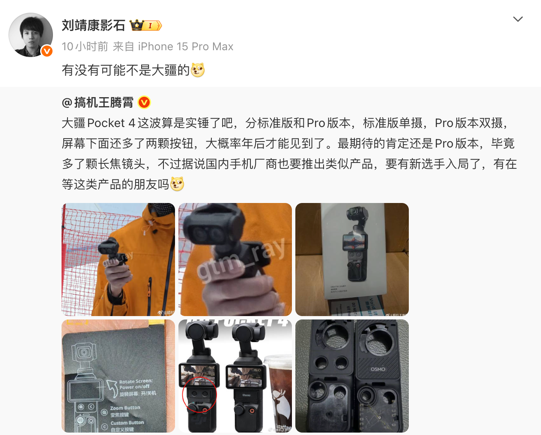
影石或推双摄版Pocket 手持云台相机大战打响!
Zhong Guo Jing Ying Bao· 2026-01-27 00:20
Group 1 - The dual-camera handheld gimbal camera is speculated to be DJI's unreleased Pocket 4, which may include a telephoto lens based on the Pocket 3 [1] - Liu Jingkang, the founder of Ying Shi, suggested on Weibo that the camera might not be from DJI [1] - The dual-camera handheld gimbal camera is confirmed to be from Ying Shi Innovation, as reported by sources [3] Group 2 - Liu Jingkang previously shared a video on January 8, 2026, featuring a handheld gimbal camera similar to DJI's Osmo Pocket, but with two cameras and smart tracking capabilities [3] - Competing brands such as Vivo, OPPO, and Honor are rumored to be launching similar handheld gimbal camera products, indicating an impending market competition [3]

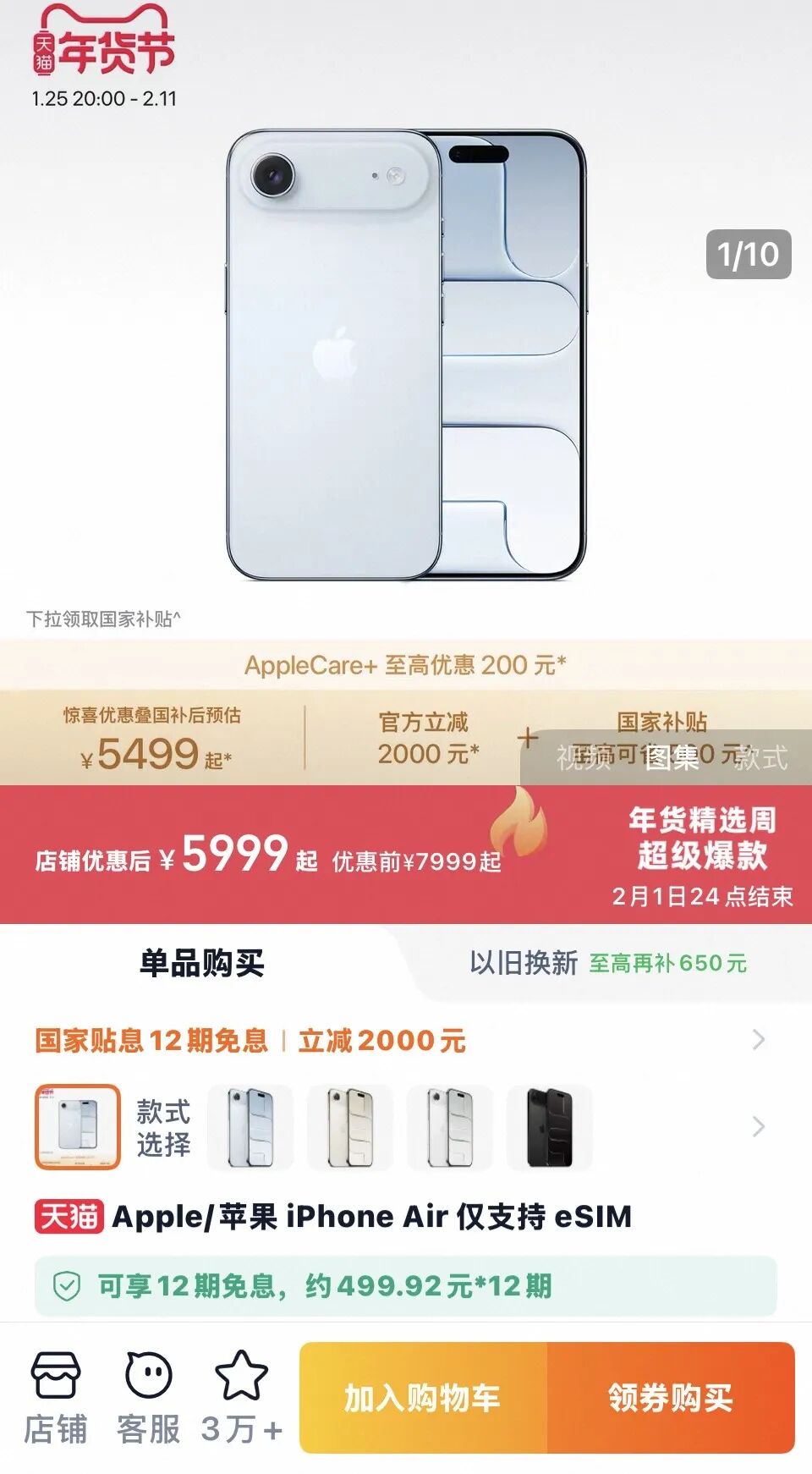
iPhone降价,破纪录了
3 6 Ke· 2026-01-26 23:59
Core Viewpoint - The iPhone Air, released only three months ago, has become a focal point due to a significant price drop, with a reduction of 2000 yuan, bringing the starting price to 5499 yuan after regional subsidies [1][3]. Group 1: Market Performance and Consumer Response - The iPhone Air's market performance has been disappointing, leading to the dismantling of several production lines by Apple suppliers [3][9]. - The device has not resonated with the majority of consumers, as its lightweight design appeals to a niche market rather than the broader audience [4][10]. - The iPhone Air's initial sales were overshadowed by the iPhone 17 series, which dominated sales rankings during the same period [4][8]. Group 2: Product Features and Consumer Expectations - To achieve its slim profile of 5.6 mm and weight of 165 grams, the iPhone Air compromised on key features, including a smaller battery capacity of 3149 mAh and a single camera setup [5][7]. - Consumers are increasingly unwilling to pay flagship prices for devices that lack high-end specifications, leading to a perception of the iPhone Air as a "downgraded" option [8][9]. - The high initial price of 7999 yuan, which is comparable to other flagship models with superior specifications, has further hindered its appeal [8][9]. Group 3: Industry Trends and Competitor Actions - The smartphone market is witnessing a shift, with many manufacturers, including Xiaomi and OPPO, canceling lightweight model projects in response to consumer feedback [9][10]. - Competitors are adopting a more balanced approach, offering lightweight models with better specifications at lower price points, which has proven more successful in the market [13][19]. - The iPhone Air's lack of success does not indicate a failure in the lightweight category, as the industry continues to explore innovations in design and functionality [20][21].
50亿元“弹药”就绪!印奇挂帅,为AI大模型注入“硬核肉身” 阶跃星辰杀入终局
Sou Hu Cai Jing· 2026-01-26 14:56
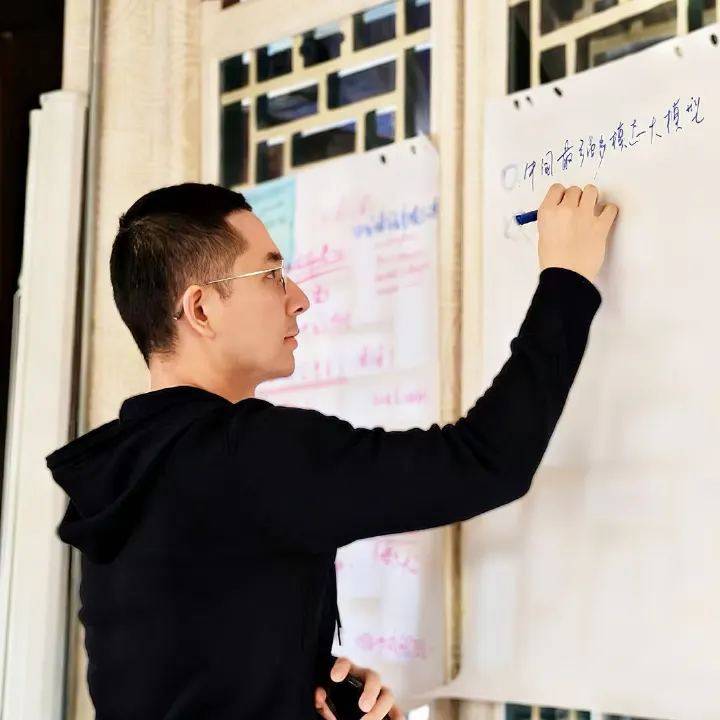
Core Insights - The appointment of Yin Qi as the chairman of Jiyue Xingchen marks a strategic shift in the company, aiming to enhance its competitive edge in the AI industry [1][2] - Jiyue Xingchen has successfully completed a B+ round financing of over 5 billion RMB, setting a record for single financing in the Chinese large model sector over the past year [1][2] - The company is transitioning from a financing race to a phase focused on value realization, with increasing market attention on the "AI Six Little Tigers" [1] Company Developments - Yin Qi, known for his extensive experience in AI and automotive integration, will lead the strategic direction and technical focus of Jiyue Xingchen alongside the CEO and other key executives [1][2][6] - The company aims to become one of the best in the foundational model field in China, emphasizing the integration of AI with terminal applications [7][10] - Jiyue Xingchen has released three generations of foundational models and has established partnerships with major smartphone brands and automotive companies, achieving significant market penetration [7][11] Market Context - The AI large model sector is entering a critical phase of commercialization, with companies needing to prove their value beyond just technological competition [12] - The recent IPOs of competitors like MiniMax and Zhipu have intensified market competition, pushing smaller firms to adapt or face increased pressure [11][12] - The industry is expected to see accelerated consolidation, with a focus on vertical markets and innovative technologies as investors seek more targeted opportunities [11][12]

内置风扇走红,但它只能用于游戏手机吗?
3 6 Ke· 2026-01-26 13:01
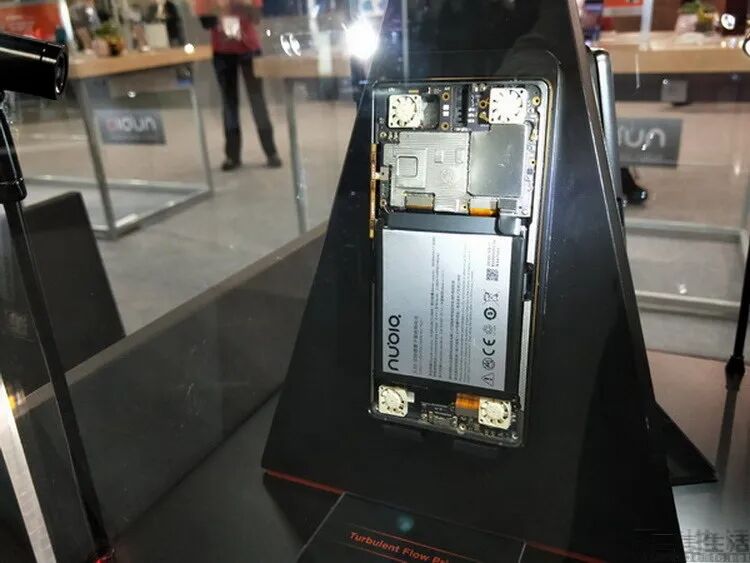
早在2018年年初,彼时努比亚(那时候还没有红魔品牌)在MWC上展出他们塞下了四个风扇的"概念 机"时,绝对不会想到往手机里加风扇的这个操作,有朝一日会变成潮流。 为什么如今的智能手机行业,突然就开始重视起内置风扇设计?其实一个很简单的理由,就是虽然第五代 骁龙8至尊版、天玑9500等顶级旗舰SoC确实性能进步巨大,能效相比前代也有显著提升,但只要能效提升 的幅度不如性能进步的速度快,那么在游戏这类高负载场景,手机实际的峰值功耗(和发热),就还是可 能会变得比过去更高,因此就需要更强的散热措施。 此外,还得考虑软件方面的因素。正是因为现在的高端机型性能越来越强,所以站在硬件(芯片和手机) 厂商的角度,他们也会鼓励软件厂商推出更"吃性能"的软件,比如更大型、画面更复杂的游戏,来彰显新 硬件的价值。而这又会进一步增加性能方面的负载,使得强力的散热设计变得更有必要。 为什么我们会这么说?一方面是因为我们知道,当时努比亚那台概念机里塞的四个风扇其实还没法正常工 作,因为彼时他们还没搞定能塞进手机里,真正起到散热作用的扇叶和风道设计。 另一方面,自从红魔3在2019年首创内置主动式散热风扇以来,在至少长达5年的时间里更 ...
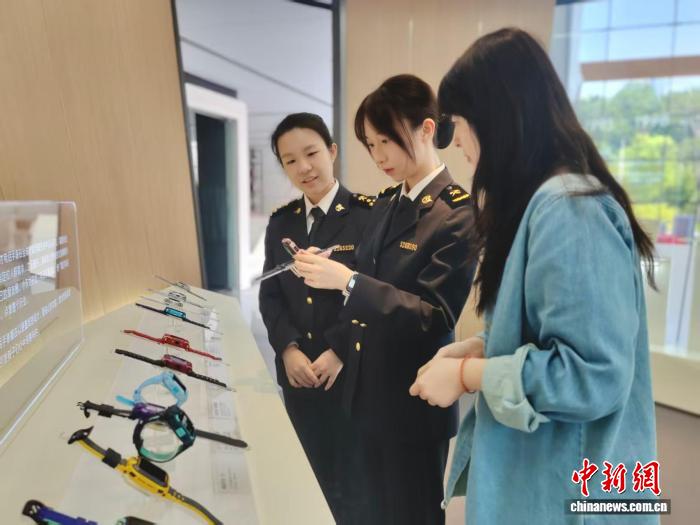
全国首个智能终端技贸基地落户东莞市
Zhong Guo Xin Wen Wang· 2026-01-26 09:48
据悉,未来,该基地将立足东莞、服务全国,搭建"政产学研"一体化协同机制,加强研究,及时预警, 为企业提供"一对一"应对方案,并配以技术培训、政策咨询等服务,推动产业从"被动应对"转向"主动 破局"乃至"规则引领"。 黄埔海关综合业务处处长成应强表示,基地的成立是东莞智能终端产业升级的关键抓手,接下来将整合 资源打造智能终端行业的"东莞标准",让"东莞智造"在全球市场拥有更强话语权,助力东莞造智能终端 产品持续畅销全球。 (文章来源:中国新闻网) 中新网东莞1月26日电据黄埔海关26日消息,海关总署国际检验检疫标准与技术法规研究中心近日批 复,同意在广东省东莞市建立中华人民共和国WTO/TBT-SPS国家通报咨询中心(东莞)智能终端技术性贸 易措施研究评议基地。据悉,这是全国首个智能终端领域的国家级技术性贸易措施研究评议基地,旨在 为智能终端企业突破海外技贸壁垒、稳固产业链安全提供专业支持。 东莞长安海关关员到辖区智能终端企业开展技贸措施调研。尹嘉悦摄 东莞是全国智能终端产业的核心聚集地,产业基础雄厚。2025年,以智能手机、智能穿戴等为代表的东 莞智能终端产品出口额达1081.8亿元,产品远销欧美、东南亚及" ...
广货行天下!深圳一条街链动全球智造,“科技年货”引爆新春
Nan Fang Du Shi Bao· 2026-01-26 09:11
Core Viewpoint - The "Guangdong Goods Going Global" spring action event for consumer electronics in Shenzhen's Huaqiangbei has successfully showcased the innovative achievements of local companies in the AI wave, attracting significant consumer interest and boosting the electronic information industry chain [1][6]. Group 1: Event Overview - The event gathered 50 leading consumer electronics companies, including Huawei and DJI, to present "Guangdong Intelligent Manufacturing" and "Shenzhen Creation" [1]. - Huaqiangbei experienced an increase of approximately 100,000 visitors on the event day, a 15% year-on-year growth, highlighting the area's popularity as a consumer electronics hub [1][2]. Group 2: Consumer Engagement - The event attracted a diverse crowd, including foreign buyers from the Middle East, Southeast Asia, and Europe, who actively engaged in product trials and purchases, demonstrating trust in "Guangdong Goods" [2][3]. - Over 75 million daily visitors were reported, indicating a vibrant atmosphere with continuous interactions among consumers and vendors [2]. Group 3: Product Highlights - More than 80% of the exhibited products featured AI capabilities, transforming traditional hardware into "smart life partners" [4]. - Local companies showcased innovative products such as AI glasses and collaborative robots, which received positive feedback from attendees [3][5]. Group 4: Market Dynamics - The event illustrated a shift from traditional goods to AI hardware and smart terminals, marking a significant evolution in consumer preferences [4]. - Huaqiangbei serves as a critical hub for global procurement, with over 7,000 foreign buyers visiting daily and facilitating over 300 million packages shipped annually [5]. Group 5: Industry Impact - The event not only energized Huaqiangbei but also stimulated the entire electronic information industry chain, enhancing connections from R&D to global distribution [6][7]. - The rapid response capabilities of Shenzhen's industry, characterized by quick design and production cycles, enable efficient market testing and product launches [7].
阶跃星辰“斩获”超50亿元融资,印奇出任董事长
Huan Qiu Lao Hu Cai Jing· 2026-01-26 09:04
Group 1 - Shanghai AI unicorn Jumpshare has completed over 5 billion yuan in B+ round financing, setting a record for the largest single financing in China's large model sector in the past 12 months [1] - The investment round included prominent investors such as China Life Equity, Pudong Venture Capital, and Wuxi Liangxi Fund, with continued participation from existing shareholders like Tencent and Qiming [1] - The financing will be used for foundational model research and to accelerate the implementation of the AI + terminal strategy [1] Group 2 - Jumpshare, established in 2023, is one of the "six small tigers" of domestic large models, focusing on the development and commercialization of foundational large models [1] - The company has released over 30 large models, including Step-1 and Step-1V, with Step 3 achieving a new industry high in inference efficiency [1] - By the end of 2025, the terminal Agent API call volume is expected to grow nearly 170% over three consecutive quarters, with deep collaborations established with 60% of leading domestic smartphone brands [2] Group 3 - The company recently appointed Yin Qi as chairman, responsible for overall strategic direction and technology, joining CEO Jiang Daxin and other key team members [2] - Yin Qi has a strong background in AI, co-founding the AI unicorn Megvii and becoming the second-largest shareholder of Qianli Technology, focusing on AI applications in vehicles and future robotics [2] - The collaboration between Jumpshare and Qianli Technology is expected to create a coherent technological ecosystem, with Jumpshare providing foundational model capabilities [2]
财报前瞻 | 苹果(AAPL.US)Q1业绩有望表现稳健!iPhone需求仍是焦点 服务业务料持续驱动盈利扩张
Zhi Tong Cai Jing· 2026-01-26 07:56
对于苹果2026财年第一季度财报,焦点将再次落在iPhone需求上,尤其是在中国。苹果在中国面临定价 压力和本土竞争对手的挑战。投资者希望看到近期促销活动和产品更新是否支撑了假日季的销量,以及 平均售价是否保持稳定。 尽管苹果不再披露销量,但地区收入趋势将被密切关注,以作为潜在需求的参考。iPhone仍是苹果最大 的单一产品类别,并驱动其他产品和服务生态系统的参与度。 在华表现将受审视 另一个焦点是中国市场,它既是苹果产品的制造基地,也是重要的终端市场。苹果此前已承认在中国市 场面临挑战,这份最新财报将能揭示情况是否趋于稳定。考虑到持续的地缘政治、关税和监管因素,苹 果管理层关于供应链地域多元化的评论也可能吸引关注。 中国是苹果最大的市场之一,其表现对该公司整体增长前景至关重要,与本土品牌的竞争动态以及监管 考量都会影响苹果在该地区的表现。中国智能手机市场竞争激烈,华为、小米和OPPO等本土制造商市 场份额不断提升。苹果必须证明其高端产品仍能持续吸引中国消费者。 智通财经APP获悉,苹果(AAPL.US)将于1月29日(周四)美股盘后公布2026财年第一季度业绩。投资者希 望厘清这家科技巨头能否在全球需求形势 ...