
中微公司

Search documents
美国对华芯片限制升级,中企订单直接取消!马斯克点破真相:只是开始?
Sou Hu Cai Jing· 2026-02-01 01:50
Core Viewpoint - The U.S. government's approval for NVIDIA to export H200 AI chips to China comes with stringent conditions, leading to significant order cancellations from Chinese companies, which contradicts U.S. expectations of leveraging technology dependence to restrain China [1][4]. Group 1: U.S. Strategic Calculations - The release of H200 chips is a strategic move by the U.S. to alleviate pressure on American companies, as evidenced by Intel's record loss of $16.6 billion in Q3, the highest in 56 years, and significant stock declines of 25%-35% for major equipment firms [4]. - The U.S. aims to create a dependency in China's AI sector through limited technology exports, thereby delaying China's independent innovation efforts, similar to past strategies in high-end materials markets [4]. Group 2: China's Resilience and Growth - China's semiconductor exports are projected to exceed 1 trillion yuan in 2024, with a year-on-year growth of 21.4% from January to October, and a nearly 10 percentage point increase in self-sufficiency in chip production over the past decade [4][6]. - Domestic chip supply has improved, with Huawei's Ascend AI chips supporting over 40 large model applications, and SMIC's 28nm mature process capacity accounting for 25% of the global market [4]. Group 3: Impact of U.S. Restrictions - The "boomerang effect" of U.S. chip restrictions is evident, as China fills technological gaps through rapid innovation, with domestic chip equipment market share rising from 16% in 2020 to 28% in 2024 [6]. - Non-U.S. companies like ASML and Tokyo Electron are increasing their market presence in China, with ASML's DUV lithography machines capturing a 35% market share [6]. Group 4: Energy and Infrastructure Advantages - China's advantage in the AI race is bolstered by its energy capacity, with electricity generation reaching twice that of the U.S., potentially tripling by 2026, which supports high-energy AI data centers [7]. - The efficiency of infrastructure development in China allows for faster completion of data centers compared to the U.S., enabling China to leverage scale in computing power despite current chip performance disadvantages [7]. Group 5: Long-term Industry Outlook - China's advancements in the semiconductor industry are attributed to a comprehensive approach across the entire supply chain, achieving synergy in design, manufacturing, and packaging [9]. - Despite U.S. sanctions, Chinese chip companies have not only survived but have established a foothold in mature process markets and are extending into high-end sectors, indicating a robust competitive landscape [9].

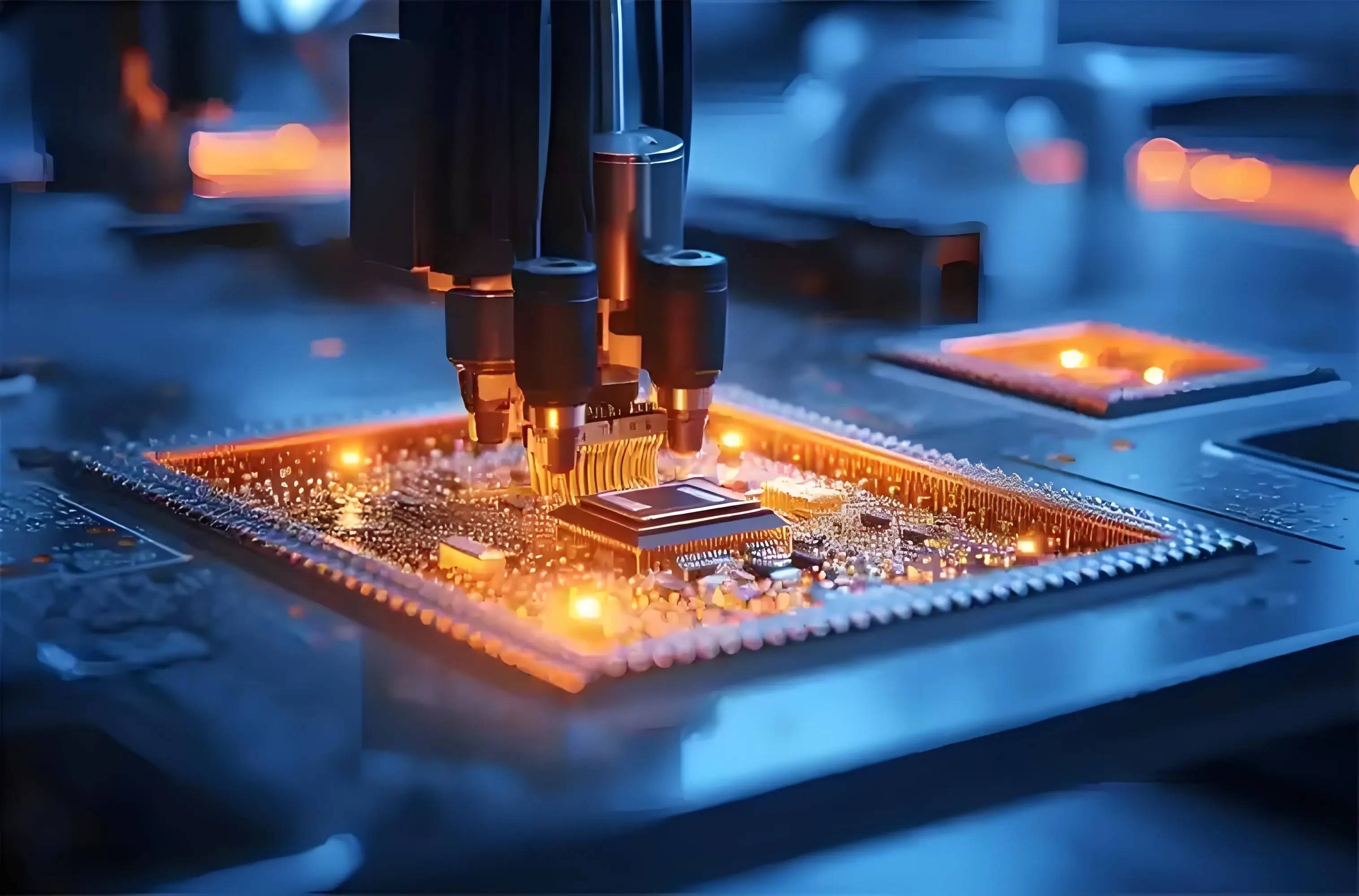
逆势突围:3 家中企跻身全球芯片设备 20 强
是说芯语· 2026-02-01 00:24
据《日经亚洲》援引日本研究机构Global Net数据显示,2025年全球半导体设备市场规模向1680亿美元 冲刺,行业竞争格局迎来显著调整。 整体来看,美日荷企业仍主导全球市场,凭借核心技术壁垒把控先进制程关键环节;中国企业实现跨越 式发展,在刻蚀、光刻等领域从跟跑到并跑,成为国产替代核心力量,推动全球竞争版图多元化。 TOP20榜单清晰呈现两大梯队格局,头部企业垄断高端市场,中坚企业深耕细分赛道,中国三强的突围 成为最大亮点。 | 头部梯队 榜单前10名基本被美日荷企业包揽,仅北方华创作为中国企业跻身其中,这类企业覆盖从成熟制程到 3nm、2nm先进制程,是全球半导体制造的核心支撑。 荷兰阿斯麦(ASML) 仍是光刻领域绝对龙头,凭借EUV极紫外光刻技术垄断7nm以下先进制程市场, 高NA EUV设备更是3nm、2nm制程的核心装备,DUV领域亦保持技术领先。 美国应用材料(AMAT) 作为平台型巨头,产品覆盖沉积、刻蚀、检测等多环节,其Selectra5000选择性沉积设备领跑先进制程 市场; 泛林(LAM) 主导刻蚀赛道,同时在清洗、沉积领域稳居前列,是先进制程核心供应商; 科 磊(KLA) 掌控检测 ...


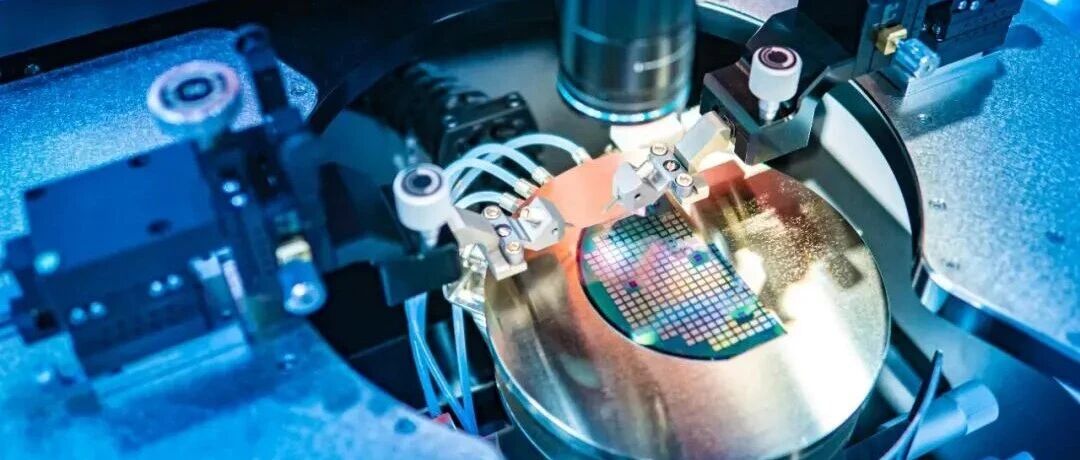
AI驱动半导体周期上行,国产化进程加速
Yin He Zheng Quan· 2026-01-31 13:53
Investment Rating - The report maintains a "Recommended" investment rating for the semiconductor industry [2] Core Insights - The semiconductor industry is experiencing an upward cycle driven by AI, with an acceleration in domestic production processes [1] - The report highlights significant price increases in DRAM and NAND Flash, with DRAM prices expected to rise over 60% in Q1 2026, leading to a projected annual market value of $404.3 billion, a 144% increase [5] - NAND Flash prices are anticipated to grow by 55-60% quarter-on-quarter, resulting in a global market value of $147.3 billion in 2026, a 112% year-on-year growth [5] - Major companies like SanDisk and Texas Instruments are reporting substantial revenue growth, with SanDisk's Q2 revenue reaching $3.025 billion, up 61% year-on-year, and Texas Instruments' Q4 revenue at $4.423 billion, a 10% increase year-on-year [5] - ASML's financial performance is strong, with a net sales figure of €9.7 billion in Q4 2025 and an expected annual net sales range of €34-39 billion for 2026 [5] - The report suggests focusing on companies such as Zhaoyi Innovation, Beijing Junzheng, and Lanke Technology due to improving performance driven by rising storage prices [5] Summary by Sections Market Performance - The Shanghai Composite Index showed a slight increase of 0.08%, while the electronic sector declined by 2.51%, with the semiconductor industry down by 0.90% [5] Digital Chip Design - Trendforce forecasts a significant increase in DRAM prices and market value, indicating a robust demand in the digital chip design sector [5] Analog Chip Design - Texas Instruments reported a mixed performance with a year-on-year revenue growth of 10% in Q4 2025, highlighting the resilience of the analog chip market [5] Semiconductor Equipment - ASML's strong order book and sales figures indicate a healthy demand for semiconductor manufacturing equipment, particularly EUV lithography machines [5] Investment Recommendations - The report emphasizes the importance of AI investments from leading internet companies, suggesting that this trend will continue to drive semiconductor demand and performance [5]
一周概念股:多家半导体公司官宣涨价 70家公司预计盈利313亿元
Ju Chao Zi Xun· 2026-01-31 13:34
Industry Overview - The semiconductor industry is experiencing significant changes in both performance and market dynamics, with A-share semiconductor companies showing structural growth in their 2025 semi-annual earnings forecasts [2] - Rising supply chain costs have led multiple chip design companies to announce price increases, reflecting the current cost pressures and adjustment trends within the industry [2][9] Earnings Forecasts - Among 115 A-share semiconductor companies that disclosed earnings forecasts, 113 provided specific predictions, with 70 companies expecting a total net profit of approximately 31.39 billion yuan, while 43 companies anticipate a cumulative loss of about 11.75 billion yuan [3] - Key companies with notable earnings include: - Cambricon: Revenue forecast between 5 billion and 7 billion yuan [4] - Shanghai Semei: Revenue forecast between 6.68 billion and 6.88 billion yuan [4] - Lattice Semiconductor: Expected net profit of 2.15 billion to 2.35 billion yuan, with a year-on-year growth of 52.29% to 66.46% [4] Price Increases - Multiple chip design companies have announced price hikes due to rising raw material costs, tight wafer capacity, and increased packaging and testing costs, with price increases generally ranging from 10% to 80% [9][10] - Notable companies announcing price increases include: - Biyimi: Price adjustments on various products due to upstream material price increases [9] - Guokewi: Price adjustments on solid-state storage chips and SSD controllers, with increases of 20% to 80% [9] Smartphone Market Recovery - The global smartphone market is showing signs of mild recovery, with Omdia reporting a 2% increase in global smartphone shipments to 1.25 billion units in 2025, the highest since 2021 [11] - Apple continues to lead the market for the third consecutive year, with a 7% increase in iPhone shipments to 240.6 million units, while Samsung has rebounded with a 7% growth [14][16] - Vivo has reached fourth place for the first time, driven by strong performance in the Indian market and stable domestic sales [16]

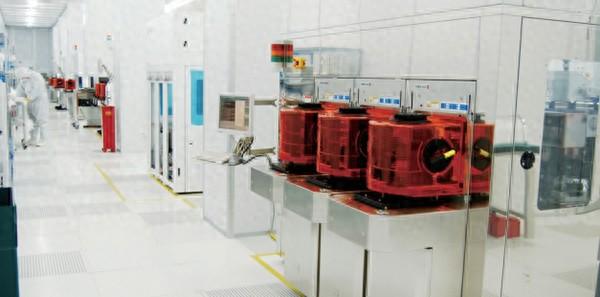
1→3!“美国出口限制下,更多中企跻身全球芯片设备制造商20强”
Guan Cha Zhe Wang· 2026-01-31 08:23
Core Viewpoint - By 2025, three Chinese companies are expected to be among the top 20 global semiconductor equipment manufacturers, a significant increase from one company before the U.S. export restrictions in 2022, indicating rapid growth in China's semiconductor industry [1]. Group 1: Company Rankings and Growth - North Huachuang Technology Group has risen from 8th place in 2022 to 5th place in 2025, following major global players like ASML, Applied Materials, and Lam Research [1]. - New entrant, Zhongwei Semiconductor Equipment (Shanghai) Co., Ltd., ranked 13th, with its core etching equipment reportedly used in 5nm chip production, indicating proximity to global advanced levels [1]. - Shanghai Micro Electronics Equipment (Group) Co., Ltd. (SMEE) ranks 20th, primarily producing photolithography equipment, which is crucial for chip performance [3]. Group 2: Industry Trends and Investments - China is increasing its investment in semiconductor self-sufficiency through national funds and local government support, leading to a rapid rise in the number of equipment manufacturers [3]. - Currently, 20% to 30% of semiconductor equipment is manufactured domestically in China, a significant increase from about 10% three years ago [3]. - The advanced semiconductor manufacturing process involves over 1,000 steps, with Chinese companies now capable of covering all process stages, including deposition, etching, and cleaning [3]. Group 3: Market Dynamics and Future Projections - The Chinese semiconductor equipment market is projected to grow by 35% year-on-year in 2024, reaching $49.5 billion, making it the largest market globally [4]. - ASML's revenue from China is expected to decrease from 33% in 2025 to 20% in 2026 due to U.S. export restrictions, indicating a shift in market dynamics [5]. - Chinese companies are striving to overcome challenges in photolithography technology, with efforts focused on developing extreme ultraviolet (EUV) lithography and utilizing deep ultraviolet (DUV) technology to bypass restrictions [5].
氮化镓,格局生变
半导体行业观察· 2026-01-31 03:49
公众号记得加星标⭐️,第一时间看推送不会错过。 军费开支攀升、雷达现代化改造、电子战发展以及安全卫星通信网络的扩张,正共同推动射频 (RF)技术从单纯的性能升级,转变为关乎国家安全的战略必需品。 本文由 Yole Group 射频与化合物半导体领域分析师 Ahmad Abbas 和 Cyril Buey 联合撰写。这 份行业简报深入探讨了国防与卫星通信两大领域,如何推动射频解决方案迈入具有战略意义的全 新发展阶段。 基于 Yole Group《2025 年射频行业现状报告》(2026 版即将发布)、《2026 年氮化镓射频市 场报告》、《2026 年国防射频技术报告》等多份研究成果,两位分析师对射频技术的发展现状进 行了最新梳理,重点聚焦氮化镓(GaN)基解决方案。他们分析了驱动当前市场格局的核心技 术、参与企业及供应链变化趋势,并清晰阐述了氮化镓射频技术缘何成为未来国防与太空基础设 施的基石。 国防与卫星通信需求:推动射频技术向氮化镓转型 从市场出货量来看,硅基射频技术凭借成本优势和高集成度,目前仍占据主导地位。但在硅基技术难 以突破的高功率、高频段应用场景中,以氮化镓为代表的化合物半导体正不断扩大市场份额 ...
中微半导体设备(上海)股份有限公司关于回购股份集中竞价减持股份结果公告
Shang Hai Zheng Quan Bao· 2026-01-30 21:26
Group 1 - The company repurchased a total of 2,096,273 shares from February 8, 2024, to April 30, 2024, representing 0.33% of the total share capital, aimed at maintaining company value and shareholder rights [2] - The repurchased shares will be sold through centralized bidding within 12 months after the announcement of the repurchase results, and any unsold shares will be canceled if not utilized within three years [2] - The company successfully completed its share reduction plan by selling all 2,096,273 repurchased shares at an average price of 304.92 yuan per share by January 30, 2026 [3][4] Group 2 - The company plans to acquire a controlling stake in Hangzhou Zhonggui Electronic Technology Co., Ltd. through a combination of issuing shares and cash payments, while also raising supporting funds [7] - The valuation and transaction price for the assets involved in this acquisition have not yet been determined, and the transaction is not expected to constitute a major asset restructuring or related party transaction [7] - The company’s stock was suspended from trading starting December 19, 2025, due to uncertainties surrounding the transaction, with an expected suspension period of no more than 10 trading days [8]

国力电子:在射频电源端的主打产品真空电容器已向国内主要半导体设备厂和射频电源厂供货
Zheng Quan Ri Bao Zhi Sheng· 2026-01-30 12:13
证券日报网讯 1月30日,国力电子在互动平台回答投资者提问时表示,公司在射频电源端的主打产品真 空电容器已向国内主要半导体设备厂和射频电源厂供货,例如直接供应给北方华创、中微公司等头部设 备制造商,同时也向四川英杰电气、深圳恒运昌等射频电源厂商供货。在该产品的国产替代方面,公司 产品在耐压、承载电流及寿命等关键性能上与国外主要竞争对手已基本相当,凭借更优的性价比优势, 正加速在核心客户中实现进口替代。展望未来,随着国家政策对产业链自主可控的推动以及国内半导体 设备需求的持续增长,半导体领域高性能真空电容器的全球及中国市场预计将保持可观的年复合增长 率。 (编辑 王雪儿) ...

公司问答丨国力电子:公司在射频电源端的主打产品真空电容器已向国内主要半导体设备厂和射频电源厂供货
Ge Long Hui· 2026-01-30 08:56
格隆汇1月30日|有投资者在互动平台向国力电子提问:请问国力电子公司在国产半导体射频电源方 面,公司主打产品真空电容器给国内哪些企业进行供货,真空电容在下游客户的占比如何。根据恒运昌 的招股书披露显示,电容在总体元器件成本占比30%+以上,真空电容器作为核心零部件对海外厂商的 替代进展如何,在国产替代趋势下,后续市场空间如何展望? 国力电子回复称,公司在射频电源端的 主打产品真空电容器已向国内主要半导体设备厂和射频电源厂供货,例如直接供应给北方华创、中微公 司等头部设备制造商,同时也向四川英杰电气、深圳恒运昌等射频电源厂商供货。在该产品的国产替代 方面,公司产品在耐压、承载电流及寿命等关键性能上与国外主要竞争对手已基本相当,凭借更优的性 价比优势,正加速在核心客户中实现进口替代。展望未来,随着国家政策对产业链自主可控的推动以及 国内半导体设备需求的持续增长,半导体领域高性能真空电容器的全球及中国市场预计将保持可观的年 复合增长率。 ...
中微公司(688012) - 关于回购股份集中竞价减持股份结果公告
2026-01-30 08:16
中微半导体设备(上海)股份有限公司 关于回购股份集中竞价减持股份结果公告 证券代码:688012 证券简称:中微公司 公告编号:2026-011 本公司董事会、全体董事及相关股东保证本公告内容不存在任何虚假记载、 误导性陈述或者重大遗漏,并对其内容的真实性、准确性和完整性依法承担法律 责任。 重要内容提示: 回购股份的基本情况 中微半导体设备(上海)股份有限公司(以下简称"公司"或"中微公司") 于 2024 年 2 月 8 日至 2024 年 4 月 30 日期间累计回购公司股份 2,096,273 股,占公司目前总股本的 0.33%。前述回购的股份用于维护公司价值及股 东权益,将在披露回购结果暨股份变动公告 12 个月后采用集中竞价交易方 式出售。公司如未能在股份回购实施完成之后 3 年内实施前述用途,尚未 出售的已回购股份将予以注销。 1 一、减持主体减持前基本情况 | 股东名称 | 中微半导体设备(上海)股份有限公司回购专用证券账 | | | --- | --- | --- | | | 户 | | | 股东身份 | 控股股东、实控人及一致行动人 | □是 √否 | | | 直接持股 5%以上股东 | ...