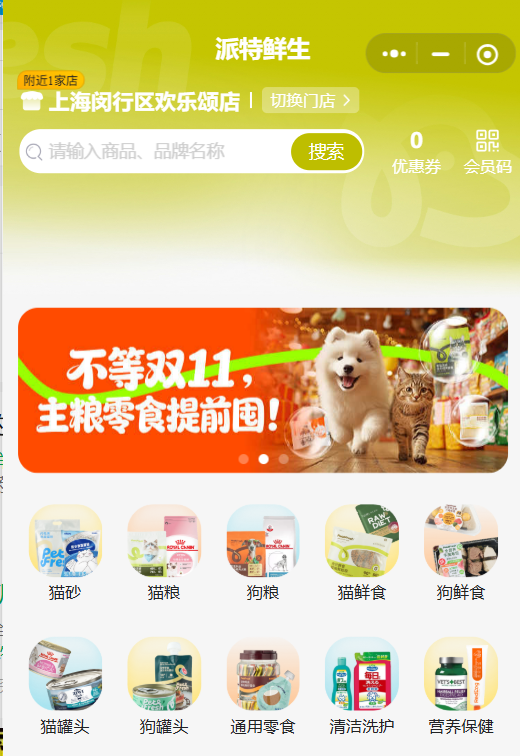
派特鲜生

Search documents
盒马创始人侯毅创办的“派特鲜生”大规模闭店
Xi Niu Cai Jing· 2025-11-19 07:45
Core Insights - Pet Fresh, a pet fresh food brand founded by Hema's founder Hou Yi, is experiencing a large-scale closure of its stores, with 7 out of 18 locations currently showing "suspended operations" or "closed" [2] - The Shanghai Haicu Cultural Square store is set to close on November 25 [2] - Hou Yi stated that the store closures are part of a "normal business adjustment," and there are indications that all Pet Fresh stores may close as he plans to transition into becoming a fresh food live-streaming host [3] Company Overview - Pet Fresh opened its first store in February 2025 and quickly expanded to 10 locations [4] - The company completed a $25 million angel round of financing on May 7, setting a new high for angel financing in the pet industry [4] - Hou Yi has been the CEO of Hema since its inception in 2015 and is set to step down from this role on March 18, 2024 [3]

派特鲜生关店近 半宠物鲜食的风口迷局
Bei Jing Shang Bao· 2025-11-18 16:01
Core Insights - The recent closure of all physical stores by Pet Fresh, a pet fresh food brand founded by former Hema founder Hou Yi, has raised questions about the viability of the pet fresh food market [1][2] - Pet Fresh aimed to create a new retail model similar to Hema but faced significant operational challenges leading to its decision to focus solely on online sales [1][3] Company Overview - Pet Fresh offered a variety of products including fresh pet food, refrigerated food, and over 300 types of snacks, utilizing an integrated online and offline retail model [2] - The company initially opened its first store in Shanghai in February and completed a $25 million angel round of financing in May, aiming to expand to 100 stores by the end of the year [1][2] Market Challenges - The closure of Pet Fresh's stores is attributed to high operational costs, including rent and labor, as well as the need for specialized kitchen equipment and cold chain logistics [2][3] - The pet fresh food market has a lower purchase frequency compared to traditional grocery shopping, making it difficult for physical stores to maintain consistent customer traffic [3][4] Competitive Landscape - Other players in the pet fresh food market, such as "Duke is Here," have also faced challenges but have managed to survive by building a loyal customer base and integrating online sales [4][5] - New entrants like "Pure Paw Pet Bakery" are attempting to navigate the market by focusing on high-quality ingredients and local customer bases [5][6] Cost Structure - The operational costs for pet fresh food businesses are high, with significant expenses related to rent, utilities, and quality ingredients, making profitability challenging [6][8] - The price sensitivity of consumers often leads them to choose cheaper options like traditional pet food, limiting the market for premium fresh food products [9][10] Regulatory Environment - There is currently no unified safety standard for pet fresh food in China, leading to consumer concerns about product quality and safety [11][12] - Existing regulations primarily cover pet feed but do not extend to fresh food, creating a regulatory gap that could impact market growth and consumer trust [12][13] Future Outlook - The pet economy in China is projected to reach a market size of 1.15 trillion yuan by 2028, indicating potential growth opportunities despite current challenges [14] - Experts suggest the need for a multi-tiered standard system to ensure product safety and quality in the pet fresh food sector [15][16]

开业仅9个月,盒马创始人的新品牌全线关闭
2 1 Shi Ji Jing Ji Bao Dao· 2025-11-18 13:32
Core Insights - The founder of Pet Fresh, Hou Yi, announced the closure of all Pet Fresh stores, citing the pet fresh food market as not being a viable business due to its small market size and inherent challenges [1][3]. Company Overview - Pet Fresh was launched by Hou Yi after his retirement from Hema, with ambitious plans to open 100 stores in Shanghai and successfully raised $25 million in angel funding earlier this year [1][4]. - The first store opened in February 2023, featuring a 200 square meter space divided into various functional areas, focusing on fresh pet food and social interaction [4]. Market Analysis - The global pet fresh food market is projected to exceed $4.5 billion by 2025, with a compound annual growth rate (CAGR) of 21.3%, significantly outpacing the traditional dry food market's growth of 5.2% [4]. - However, the penetration rate of fresh food feeding in China is below 5%, compared to 36% in the United States, indicating potential growth opportunities [4]. Consumer Behavior - Current consumer habits show that pet owners typically mix feeding, primarily using dry food supplemented with other types, rather than exclusively purchasing fresh food [5]. - The high cost of fresh pet food, which can reach 500-600 yuan per month compared to 150 yuan for dry food, poses a barrier to widespread adoption [5]. Future Directions - Despite the setbacks with Pet Fresh, Hou Yi expressed intentions to continue entrepreneurship, focusing on the retail and fresh food sectors, emphasizing a strong product brand system [6]. - There are speculations that Hou Yi may transition into becoming a fresh food live-streaming host [6].
开业仅9个月,盒马创始人的新品牌全线关闭
21世纪经济报道· 2025-11-18 13:23
Core Viewpoint - The closure of all "Pet Fresh" stores by Hou Yi, the founder of Hema, indicates challenges in the pet fresh food market, which is deemed not a good market due to its small scale and unresolved issues [1][6]. Company Overview - "Pet Fresh" was Hou Yi's second entrepreneurial project after leaving Hema, initially aiming to open 100 stores in Shanghai and successfully raising $25 million in angel funding, setting a record in the pet industry [2][6]. Market Analysis - The global pet fresh food market is projected to exceed $4.5 billion by 2025, with a compound annual growth rate (CAGR) of 21.3%, significantly outpacing the traditional dry food market's growth of 5.2% [8]. - However, the penetration rate of fresh food feeding in China is below 5%, compared to 36% in the U.S., indicating potential growth opportunities despite current market challenges [8]. Consumer Behavior - Consumers typically mix pet food types, with dry food being the primary choice, and fresh food purchases often influenced by marketing rather than nutritional needs [8][9]. - The cost of fresh food is significantly higher, with monthly expenses for dry food around 150 RMB, freeze-dried food at 300 RMB, and fresh food ranging from 500 to 600 RMB [8]. Future Outlook - Hou Yi plans to continue his entrepreneurial journey, focusing on the retail and fresh food sectors, emphasizing a strong product brand and system [10].
突发!这一品牌所有门店都将关闭
新浪财经· 2025-11-18 13:20
Group 1 - The core viewpoint of the article highlights the significant operational challenges faced by the pet food retail brand "Paiteshengsheng," leading to the decision to close all physical stores by mid-December 2023 while retaining online operations [2][4]. - "Paiteshengsheng" was launched by Hou Yi in February 2023, with plans to open 100 stores in Shanghai, focusing on new retail, discounting, and pet socialization [2][4]. - As of November 2023, out of 18 stores opened, 7 are reported as "temporarily closed" or "permanently closed," indicating a struggle with customer traffic and overall business performance [3][4]. Group 2 - The first store of "Paiteshengsheng" in Shanghai, which opened on February 22, 2023, is set to close on November 25, 2023, just nine months after its launch [4]. - The pet food market in China remains dominated by staple foods, nutritional products, and snacks, with fresh pet food still being a relatively small segment, primarily operating online [4][5]. - Hou Yi, the founder of "Paiteshengsheng," is also known for founding Hema and has plans to focus on building his personal brand "Hou Yi Says" after stepping down as CEO of Hema in March 2024 [5].
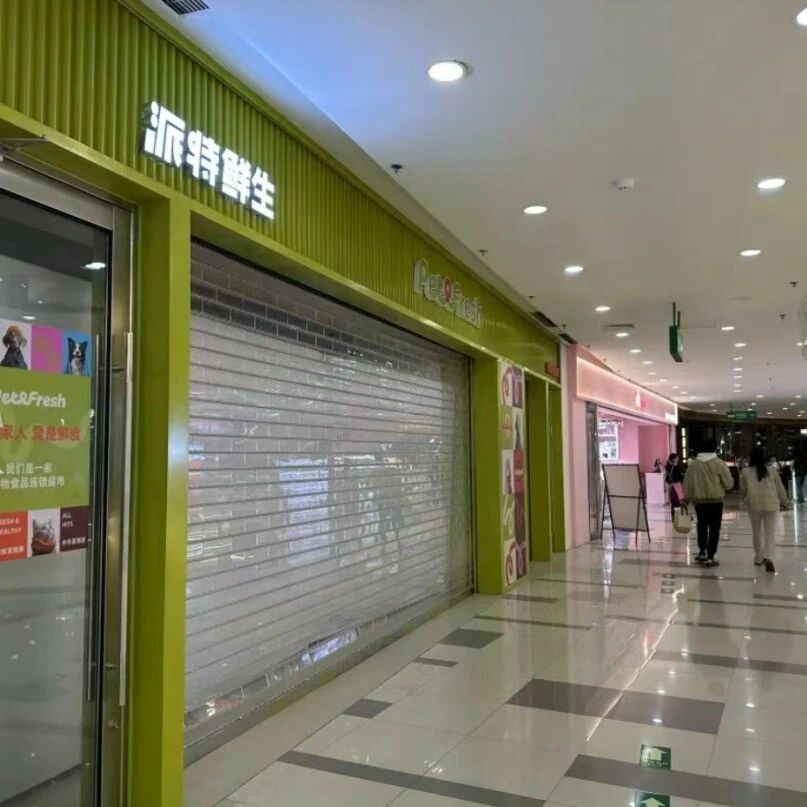
宠物鲜食线下模式承压,派特鲜生团队转攻线上
2 1 Shi Ji Jing Ji Bao Dao· 2025-11-18 12:55
Core Insights - The former CEO of Hema, Hou Yi, has announced the suspension of the "100-store" plan for his new venture, Pet Fresh, due to ongoing operational pressures on physical stores [1] - Pet Fresh plans to close all 18 physical stores by mid-December 2025 and will shift its focus to online operations [1] - The company had previously aimed to open 100 stores in Shanghai by 2025, but has now faced significant challenges in the physical retail space [1][2] Company Summary - Pet Fresh was founded in February this year, focusing on fresh pet food, refrigerated food, and innovative snacks, with over 300 types of pet snacks and products from leading brands [1] - The company raised $25 million in angel funding in May, marking a record high for the pet industry [1] - Following the announcement of store closures, Hou Yi addressed market concerns through a live broadcast, stating the decision to exit the physical pet store market was approved by the board [1] Operational Challenges - Hou Yi highlighted challenges faced by the physical retail model, including significant price competition from established brands, with Pet Fresh's fresh food priced at approximately 11-12 RMB per 100 grams compared to as low as 4 RMB for competitors during promotional events [2] - The initial strategy of operating discount stores did not succeed, as consumers preferred established brand products, making it difficult for new brands to compete on scale [2] - The reliance on snacks for sales in physical stores resulted in low overall repurchase rates, leading to substantial losses [2] Market Context - The pet food market in China is growing, with a reported market size of 300.2 billion RMB in urban areas, reflecting a year-on-year growth of 7.5% [3] - The pet food retail landscape is characterized by specialized, personalized small stores, which poses challenges for large-scale chain operations in terms of supply chain and management capabilities [3] - In response to the shift away from physical stores, Pet Fresh launched an online brand focused on pet fresh food called "Pet Tian Tian," aiming to leverage its supply chain and collaborate with pet nutritionists for product development [3]
派特鲜生关店近半 宠物鲜食的风口迷局
Bei Jing Shang Bao· 2025-11-18 12:31
Core Viewpoint - The recent closure of all physical stores by Pet Fresh, a pet fresh food brand, has raised concerns about the viability of the pet fresh food market, highlighting the challenges faced by companies in this segment [1][3]. Company Overview - Pet Fresh, founded by former Hema founder Hou Yi, aimed to create a pet food retail brand similar to Hema, launching its first store in Shanghai in February and raising $25 million in angel funding by May [3][4]. - The company planned to open 100 stores by the end of the year but has now decided to close all physical locations due to operational pressures, retaining only its online business [3][4]. Market Dynamics - The pet fresh food market has attracted numerous entrants as the pet economy expands, but Pet Fresh's rapid expansion and subsequent closure raise questions about the sustainability of such business models [3][5]. - The operational model of Pet Fresh, which included high overhead costs associated with physical stores and specialized kitchen equipment, proved incompatible with the market's characteristics [4][5]. Financial Challenges - The high costs of rent, labor, and cold chain logistics, which account for about one-third of total costs, have made profitability difficult for Pet Fresh, especially given the lower margins of fresh pet food compared to traditional dry food [4][10]. - The average monthly costs for a pet fresh food store can reach approximately 40,000 yuan for rent and utilities, with additional costs for equipment and ingredients [7]. Consumer Behavior - Pet owners typically purchase pet food infrequently, averaging only 1-2 times per month, which limits the effectiveness of physical store models that rely on high foot traffic and immediate delivery [5][9]. - The price sensitivity of consumers also plays a significant role, as many opt for cheaper dry food options over more expensive fresh food, which can cost significantly more per meal [9][10]. Regulatory Environment - The lack of established safety standards for pet fresh food in China has led to consumer concerns regarding product quality and safety, with many brands operating under unclear guidelines [11][12]. - Current regulations primarily cover pet feed but do not extend to fresh food, creating a regulatory gap that could impact market growth and consumer trust [12][14]. Recommendations for the Industry - Experts suggest the need for a multi-tiered standard system to establish clear guidelines for pet fresh food, including ingredient quality, microbial standards, and cold chain requirements [14][15]. - There is a call for industry associations to develop group standards that can eventually evolve into national standards, ensuring better regulation and consumer protection [14][15].

侯毅再转行,派特鲜生即将全面闭店
2 1 Shi Ji Jing Ji Bao Dao· 2025-11-18 11:43
Core Viewpoint - The founder of Pet Fresh, Hou Yi, announced the closure of all Pet Fresh stores, citing the pet fresh food market as not being a viable business opportunity due to its small market size and inherent challenges [1][3]. Company Overview - Pet Fresh was Hou Yi's second entrepreneurial venture after leaving Hema, with plans to open 100 stores in Shanghai and securing $25 million in angel funding earlier this year [3]. - The first store opened in February 2023, featuring a 200 square meter space divided into various functional areas, focusing on fresh pet food and innovative products [3]. Market Analysis - The global pet fresh food market is projected to exceed $4.5 billion by 2025, with a compound annual growth rate (CAGR) of 21.3%, significantly outpacing the traditional dry food market's growth of 5.2% [4]. - However, the penetration rate of fresh food feeding in China is below 5%, compared to 36% in the United States, indicating potential growth opportunities [4]. Consumer Behavior - Consumers typically mix pet food types, with many prioritizing dry food and occasionally adding fresh food, influenced by marketing rather than nutritional necessity [5]. - The cost of fresh food is significantly higher, with monthly expenses for fresh food reaching 500-600 yuan, compared to 150 yuan for dry food, which may deter some pet owners [5]. Future Outlook - The pet fresh food market in China is still in its infancy and requires further development to mature [6]. - Despite the setbacks, Hou Yi expressed intentions to continue entrepreneurship, focusing on the retail and fresh food sectors, potentially transitioning to become a fresh food live-streaming host [6].

盒马前CEO创业项目大规模关店,年底前或将全部关闭……
Sou Hu Cai Jing· 2025-11-18 00:49
Core Insights - The company, founded by Hou Yi after leaving Hema, aimed to create a fresh pet food retail chain similar to Hema Fresh, but has faced significant operational challenges leading to the closure of many stores [1][3][5] Group 1: Company Background - Hou Yi established Paiteshengsheng in November after resigning as CEO of Hema in March, targeting the pet fresh food market [1] - The company quickly secured funding and opened its first store in February, expanding to over ten locations within six months, with plans to reach 100 stores in Shanghai by 2025 [1] Group 2: Operational Challenges - Reports indicate that out of 18 stores in Shanghai, 7 are either "temporarily closed" or "permanently shut down" [3] - The first store is set to close on November 25, with plans to shut down all physical locations by mid-December due to high operational pressures [5] - The initial concept was a new retail chain focusing on freshly made and refrigerated pet food, but the business model has struggled with high operational costs and low consumer frequency [5][7] Group 3: Financial Aspects - The company raised $25 million in angel funding in May 2025, setting a record in the pet industry [7]

零售周报|LVMH旗下多店亮相北京;汉堡王中国83%股权花落CPE源峰
Sou Hu Cai Jing· 2025-11-17 14:45
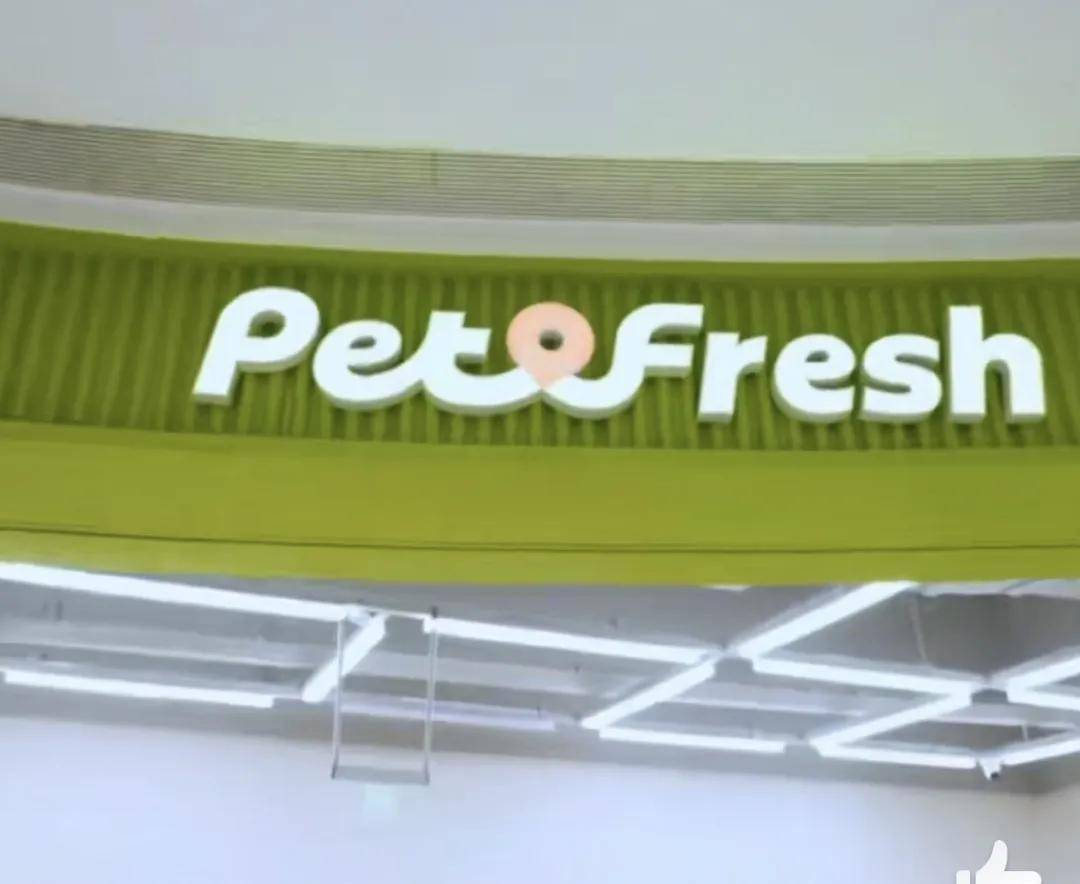
Group 1 - Hainan's new duty-free policy generated over 500 million yuan in sales during its first week, with a year-on-year increase of 34.86% in shopping amount and 3.37% in visitor numbers [1] - The first store of the high-end fragrance brand "Wenxian" opened in Wuxi, featuring a design that integrates local culture and aesthetics [3] - Shanghai Tang opened its first store in South China, showcasing a blend of innovative design and traditional Eastern aesthetics [5] Group 2 - The world's first humanoid robot-themed retail flagship store opened in Shenzhen, featuring interactive robots and a futuristic design [7] - SHEIN opened its first physical store in Paris, with plans to expand to six more locations in France by the end of November [10] - LVMH plans to open several new flagship stores in Beijing in December, marking a significant expansion in the Chinese market [12][13] Group 3 - CPE Yuanfeng acquired an 83% stake in Burger King China, with plans to expand the number of stores from approximately 1,250 to over 4,000 by 2035 [14] - Luckin Coffee's major shareholder is considering a bid for Costa Coffee, which is currently valued at around 1 billion pounds [17] - Haidilao's pizza brand "Xiao Hai Ai Zha" opened its first store in Xi'an, with plans for further expansion [21] Group 4 - Pet food brand "Pet & Fresh" is closing all its stores, with several already marked as closed or paused [22][24] - Sam's Club opened its 60th store in China, located in Yangzhou [26] - Walmart announced a leadership change, appointing John Furner as the new CEO effective February 2026 [27][29] Group 5 - Chaohe Suan NB is expanding nationwide, recruiting for various positions across multiple provinces [31] - JD.com is set to open its first discount supermarket in Beijing, with an area of approximately 5,000 square meters [32] - Richemont reported a 5% increase in total sales, with a significant 17% growth in sales from its four major jewelry brands in the second quarter [33][34] Group 6 - Gao Xin Retail reported a revenue of 30.502 billion yuan for the first half of the fiscal year, with plans to renovate over 200 stores before the next fiscal year [35]