
天合光能

Search documents
“太空光伏”概念走热 部分企业触发交易异常 业内:目前仍处于0到1阶段
Di Yi Cai Jing· 2026-01-30 12:05
Core Viewpoint - The "space photovoltaic" concept has become a major focus in the secondary market, significantly influenced by Tesla CEO Elon Musk's endorsements, with the relevant index rising 19.83% in the past month, outperforming the CSI 300 index by 18.65% [1] Market Performance - The space photovoltaic concept index has shown strong performance, with notable stock increases: JunDa Co., Ltd. up 84.62%, Mingyang Smart Energy up 60.22%, Jiejia Weichuang up 44.04%, Dier Laser up 41.54%, and Tuori New Energy up 35.94% over the past 20 days [1] - Several photovoltaic companies have experienced significant stock price surges, triggering trading anomalies, such as Dongfang Risheng and Laplace, both exceeding a cumulative price deviation of 30% within a short period [2] Industry Insights - Space photovoltaic energy refers to utilizing solar photovoltaic technology in outer space to generate and supply energy, with the potential to transmit power wirelessly to Earth or supply satellites and space stations [2] - The rationale for space photovoltaics includes abundant sunlight in space and the feasibility of deploying photovoltaic components on satellites, with near-Earth satellites experiencing over 60% sunlight exposure [2] Challenges in Industrialization - Despite the rising stock prices, the industry faces significant uncertainties regarding the industrialization of space photovoltaics, including technological maturity and economic viability for large-scale commercialization [3] - Current applications of space photovoltaics are still exploratory, with many companies in the secondary market not yet supplying products to commercial space satellite companies [3] - Analysts indicate that space photovoltaics are in the early stages of development, requiring validation of technology and economic benefits for large-scale applications [3] Technological Considerations - Gallium arsenide is the mainstream material for space photovoltaics, but its high cost (approximately 1000 RMB per watt) poses challenges for large-scale deployment [4] - Perovskite technology shows promise but has stability concerns in extreme space conditions, necessitating further validation [4] - Multiple technological routes are being explored, with a focus on solving power and cost issues as critical for the commercialization of space energy solutions [4] Cost Analysis - Current estimates suggest that the cost of electricity from space photovoltaics is around $2-3 per kilowatt-hour, compared to $0.03-0.05 per kilowatt-hour for ground-based photovoltaics, indicating a potential cost disparity of up to 100 times [5] - Companies like Trina Solar and HaiMuxing express optimism about the future of space photovoltaics, citing collaborations with leading aerospace institutions and advancements in reusable rocket technology [5] Commercialization Timeline - Predictions indicate that space photovoltaics may gradually commercialize over the next 10 to 15 years, contingent on decreasing launch costs and breakthroughs in battery technology [6]




“太空光伏”概念走热,部分企业触发交易异常,业内:目前仍处于0到1阶段
Di Yi Cai Jing Zi Xun· 2026-01-30 11:37
Core Viewpoint - The "space photovoltaic" concept has gained significant attention in the secondary market, largely influenced by Tesla CEO Elon Musk's endorsements, with the relevant index rising 19.83% in the past month, outperforming the CSI 300 index by 18.65% [1] Market Performance - The space photovoltaic concept index has seen a notable increase, with specific stocks like JunDa Co., Ltd. rising by 84.62%, Mingyang Smart Energy by 60.22%, and Jiejia Weichuang by 44.04% over the past 20 days [1] - Several photovoltaic companies have experienced stock price surges, triggering trading anomalies, such as Dongfang Risheng and Laplace, which saw price deviations exceeding 30% [3] Technology and Feasibility - Space photovoltaic energy involves utilizing solar photovoltaic technology in outer space to generate and supply energy, with the potential for direct power transmission to Earth [3] - The advantages of space photovoltaic systems include abundant sunlight and reduced atmospheric interference, making them a viable option for satellite power supply [3] Industry Challenges - Despite the market enthusiasm, the space photovoltaic industry faces significant uncertainties regarding technological maturity, long-term reliability, and economic viability for large-scale commercialization [4][5] - Current applications are still in the exploratory phase, with many companies not yet supplying products to commercial space satellite firms [5] Technological Development - Various technological routes are being explored, with gallium arsenide being the mainstream material, but its high cost poses challenges for large-scale deployment [5][6] - The cost of space photovoltaic energy is currently estimated at $2-3 per kilowatt-hour, significantly higher than ground-based photovoltaic costs of $0.03-0.05 per kilowatt-hour, indicating a need for cost reduction and efficiency improvements [6] Future Outlook - Companies like Trina Solar and HaiMuxing express optimism about the future of space photovoltaic technology, citing collaborations with leading aerospace institutions and advancements in reusable rocket technology [6][7] - The commercial viability of space photovoltaic systems is projected to develop over the next 10 to 15 years, contingent on decreasing launch costs and breakthroughs in battery technology [7]

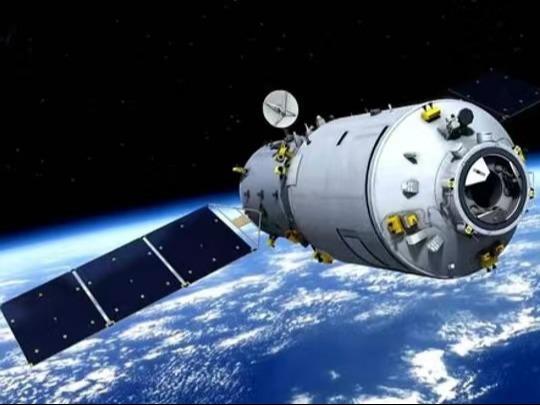
中银国际:国内反内卷叠加马斯克太空光伏扩产共振 光伏设备、材料有望受益
Zhi Tong Cai Jing· 2026-01-30 06:16
智通财经APP获悉,中银国际发布研报称,马斯克再次表示将建设100GW光伏产能,其产能规划可能往 上游硅料、硅片延伸,硅料、硅片、电池、组件核心设备受益,长期看材料企业具备市场扩大空间。我 国工信部明确光伏"反内卷"主线,预计行业大概率自发限产,电池、组件格局优化。我国太空光伏加快 产业化,短期内多种技术路线将会呈现齐头并进态势,始终围绕设备、材料、电池。在具体细分方向 上,在海外厂商技术方向确定之后,相关设备、材料有望脱颖而出。 中银国际主要观点如下: 工信部再次明确光伏"反内卷"主线,重点梳理产业链价格 根据工信微报报道,2026年1月28日,国家工信部部长召开光伏行业企业家座谈会,国家发改委、市监 总局、光伏行业重点企业、行业协会负责人参会。会议明确,"反内卷"是光伏行业规范治理的主要矛 盾;并提出将综合运用产能调控、防范垄断风险、知识产权保护、促进技术进步等手段,以市场化、法 治化手段共同推动光伏行业回归良性竞争、理性发展的轨道。在"防范垄断风险"、"产能调控"精神下, 行业大概率自发限产。 最终推动产业链价格理顺,不能出现单一环节暴利、其他环节亏损的现象。整体上看,本次开会为年终 总结、来年展望,预 ...
中企涌向迪拜
第一财经· 2026-01-30 04:34
Core Viewpoint - Chinese companies are increasingly establishing operations in Dubai, UAE, particularly in niche sectors like electric vehicles and smart logistics, indicating a significant shift in the logistics industry through innovation and digital transformation [3][6]. Group 1: Electric Vehicles and Smart Logistics - Chinese electric vehicle brands such as BYD and Xpeng are becoming common sights on Dubai's streets, with Chinese firms obtaining permits for autonomous driving trials [3]. - The UAE Postal Group, now rebranded as 7X, is collaborating with Chinese company Jiushi Intelligent to introduce Level 4 autonomous delivery vehicles in the Middle East, addressing the challenges of last-mile delivery [6][8]. - The partnership aims to enhance logistics efficiency by adapting technology to local conditions, such as high temperatures and complex road environments [7]. Group 2: Free Trade Zones and Business Growth - Dubai's DMCC (Dubai Multi Commodities Centre) has seen a 16% increase in the number of Chinese companies establishing operations, surpassing 1,000 firms, primarily in AI, blockchain, and digital infrastructure [10][11]. - The DMCC offers significant advantages for foreign investors, including 100% ownership and tax exemptions, making it an attractive destination for Chinese enterprises [10][12]. - The presence of major Chinese tech companies like ByteDance and Huawei in Dubai Internet City reflects the growing digital cooperation between China and the UAE [12].

中企涌向迪拜:借智能物流突破“最后一公里”难题,探索多元自贸机遇
Di Yi Cai Jing· 2026-01-30 03:33
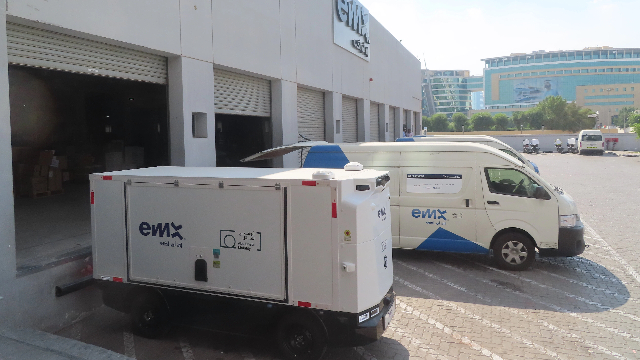
中国企业正在实现从技术出海到商业模式落地的关键跨越。 智能物流 在临近迪拜机场的7X分拣中心的院落里,一辆无人配送车正在满载货物进行测试,这辆车的硬件和软 件都来自苏州企业九识智能,它与7X设立合资企业AutoLogiX,专注于将L4级无人物流车及业务推广到 整个中东地区。 中国技术不仅涉及高精尖行业,就算在邮政这样的传统行业如今也在拥抱中国技术。在阿联酋,作为传 统行业的邮政,发展的历史比阿联酋建国历史还长。作为阿联酋名副其实的老牌国企,为了顺应时代的 发展,阿联酋邮政集团在2024年初易名为7X,意为将阿联酋7个酋长国通过物流与世界7大洲相连接。 随着电商和即时配送行业的蓬勃发展,"最后一公里"配送难题越发凸显,无人配送车应运而生。一直以 来,阿联酋的邮政和物流业高度依赖外籍劳工,语言文化差异显著,管理需跨越多重障碍。同时,当地 禁止三轮车上路,给物流的效率和成本增加了很多难题。 九识智能中东负责人王永波向第一财经记者表示,九识智能与7X通过AutoLogiX从园区、仓库内部配送 起步,未来将无人车配送拓展至配送中心间干线运输。无人配送车可以选择深夜出行,客户一早就可以 收货,也可以让出白天宝贵的道路资源 ...
中银证券:国内反内卷+马斯克太空光伏扩产共振 关键仍在设备、材料
智通财经网· 2026-01-30 02:56
Group 1 - The core viewpoint is that Musk plans to build 100GW of photovoltaic capacity, which may extend upstream to silicon materials and wafers, benefiting core equipment in silicon materials, wafers, batteries, and modules, with long-term market expansion potential for material companies [1][4] - The Ministry of Industry and Information Technology (MIIT) of China has reiterated the "anti-involution" theme in the photovoltaic industry, indicating a high probability of self-imposed production limits, which will optimize the battery and module landscape [1][4] - The meeting held by MIIT on January 28, 2026, emphasized the need for market-based and legal measures to promote healthy competition and rational development in the photovoltaic industry, aiming to prevent monopolistic risks and ensure price rationalization across the industry chain [1][3] Group 2 - Musk's announcement of expanding photovoltaic capacity is not limited to batteries and modules but may also include upstream silicon materials and wafers, which could lead to increased orders for domestic photovoltaic equipment manufacturers [2][4] - China's space photovoltaic industry is accelerating its commercialization, with various technological routes such as gallium arsenide, crystalline silicon, and perovskite being explored, indicating a diverse development landscape [3] - The report recommends several companies, including Foster, JinkoSolar, and LONGi Green Energy, as potential beneficiaries of the expanding photovoltaic market, while also suggesting to pay attention to other companies like Aotaiwei and Shuangliang Energy [4]


中银晨会聚焦-20260130
Bank of China Securities· 2026-01-29 23:34
证券研究报告——晨会聚焦 2026 年 1 月 30 日 | 市场指数 | | | | --- | --- | --- | | 指数名称 | 收盘价 | 涨跌% | | 上证综指 | 4157.98 | 0.16 | | 深证成指 | 14300.08 | (0.30) | | 沪深 300 | 4753.87 | 0.76 | | 中小 100 | 8663.51 | (0.91) | | 创业板指 | 3304.51 | (0.57) | 资料来源:同花顺,中银证券 中银晨会聚焦-20260130 ■重点关注 【电力设备】光伏行业动态点评—国内反内卷+马斯克太空光伏扩产共振, 关键仍在设备、材料*武佳雄 顾真 产品组 证券分析师:王军 (8621)20328310 jun.wang_sh@bocichina.com 证券投资咨询业务证书编号:S1300511070001 重点关注 【电力设备】光伏行业动态点评—国内反内卷+马斯克太空光伏扩产共振,关键仍在设备、材料 武佳雄 顾真 马斯克再次表示将建设 100GW 光伏产能,其产能规划可能往上游硅料、硅片延伸,硅料、硅片、电池、组件核心设 备受益,长期看材料 ...
【安泰科】单晶硅片周评-需求偏弱 硅片价格重心下移(2026年1月29日)
中国有色金属工业协会硅业分会· 2026-01-29 13:21
Core Viewpoint - The article highlights a downward trend in silicon wafer prices due to weak downstream demand and a lack of market activity, with expectations for continued weakness in the short term as the Chinese New Year approaches [1][2]. Price Trends - N-type G10L monocrystalline silicon wafer (182*183.75mm/130μm) average transaction price is 1.26 yuan/piece, down 3.82% week-on-week [1][3]. - N-type G12R monocrystalline silicon wafer (182*210mm/130μm) average transaction price is 1.32 yuan/piece, down 7.04% week-on-week [1][3]. - N-type G12 monocrystalline silicon wafer (210*210mm/130μm) average transaction price is 1.52 yuan/piece, down 8.43% week-on-week [1][3]. Demand and Supply Analysis - Weak downstream demand is attributed to terminal users' reluctance to accept high prices for components and batteries, leading to low purchasing intentions [2]. - The approach of the Chinese New Year has resulted in reduced operational rates in the industry, with major companies operating at 50% and 48% capacity, and integrated companies between 50%-70% [2]. - Silicon wafer prices are being lowered by suppliers under inventory pressure to stimulate transactions [2]. Market Outlook - The market is expected to remain weak in the short term due to the traditional off-season in the first quarter and the upcoming holiday [2]. - Post-holiday, there may be a potential recovery in the silicon wafer market if downstream component replenishment demand is released and prices of commodities like silver adjust [2].
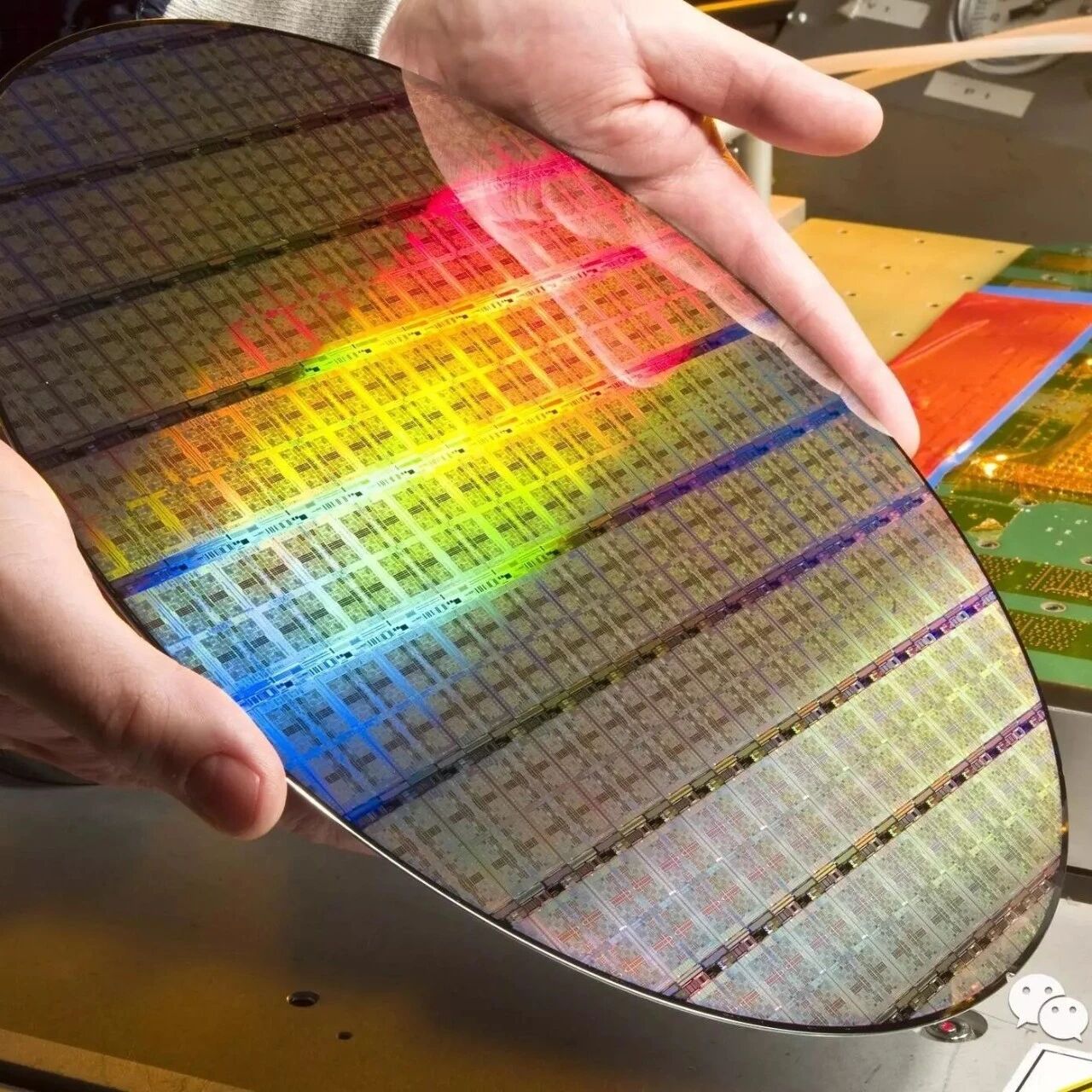
银浆价格突然暴涨光伏企业承压,高盛研判:行业短期成本压力陡增
Zhi Tong Cai Jing· 2026-01-29 12:28
Core Viewpoint - The silver price surge is significantly impacting the production costs of the photovoltaic (PV) industry, leading to a restructured cost structure and increased pressure on profitability, with a consensus emerging around the need for silver alternatives in the industry [1]. Group 1: Price Dynamics - The price of silver paste has become the largest variable, with significant increases in January, leading to a rise in the unit production cost of battery cells and modules by 0.03 yuan per watt [2]. - The cost of silver now accounts for 20% of the total production cost of modules, a substantial increase from 7% in Q3 2025 and 11% in Q4 2025, making it the core cost component [2]. Group 2: Impact of Silver Price Surge - The rise in silver prices has redefined the cost structure of the PV industry, with silver paste now constituting over 20% of component costs, compared to less than 10% previously, leading to severe profit compression for companies [3]. - Major companies are expected to report significant losses in 2025, with Tongwei Co. projected to lose 9-10 billion yuan and Trina Solar expected to lose 6.5-7.5 billion yuan, resulting in an overall industry gross margin drop from 15% in 2024 to below 5% [3]. Group 3: Challenges in Price Transmission - Companies are attempting to raise prices in response to cost pressures, but face limitations due to market conditions, with only short-term relief available through export tax rebates [4]. - The market for PV components is characterized by oversupply, limiting the ability of companies to pass on costs to downstream project developers, which may lead to loss of market share if prices are raised individually [6]. Group 4: Technological Evolution and Industry Outlook - The surge in silver prices is accelerating technological innovation in the PV industry, with a focus on reducing silver dependency, which is expected to lead to a market reshuffle [7]. - By 2026, the PV industry is anticipated to operate under increased antitrust regulations and efforts to combat internal competition, with pricing closely following the cost reduction progress of leading companies [7]. Group 5: Investment Strategies - Investment focus is shifting towards companies with high efficiency and low costs, emphasizing the importance of capacity utilization rates and cost reduction progress in improving profitability [7]. - Specific investment directions include short-term solutions like silver-coated copper paste, mid-term solutions such as copper plating, and long-term exploration of pure copper paste [9].
华为向宁德时代出售数字能源业务?双方均未正面回应
Nan Fang Du Shi Bao· 2026-01-29 12:13
Core Viewpoint - There are rumors regarding Huawei's digital energy business being sold, potentially to CATL and local state-owned enterprises, but no official confirmation has been provided [1][3][4] Group 1: Huawei's Digital Energy Business - Huawei's digital energy business is considered a key growth area, with projected revenue of 68.68 billion yuan in 2024, reflecting a 24.4% year-on-year increase [3] - The business has shown resilience against sanctions, maintaining a leading position in the global market for smart photovoltaic inverters for ten consecutive years [4] - Huawei has made significant investments in digital energy projects, including a 4 billion yuan investment in a headquarters for digital energy technology [4] Group 2: CATL's Strategic Needs - The rumors of CATL acquiring Huawei's digital energy business stem from its need to address competitive pressures in the energy storage industry and to fill gaps in its business model [7][9] - CATL holds a dominant position in the battery and energy cell market, with a 25% market share, but lacks a strong presence in the energy system integration sector [7] - The trend of "integrated solar and storage" is becoming crucial, and CATL risks falling behind if it does not enhance its system integration capabilities [8][9] Group 3: Market Dynamics - The energy storage market is experiencing rapid growth, with global energy storage cell shipments reaching 410.45 GWh in the first three quarters of 2025, a 98.5% increase [7] - Companies like Trina Solar and JinkoSolar are rapidly expanding their energy storage businesses, posing a challenge to current market leaders [8] - Huawei's digital energy business could provide CATL with the necessary technology and market access to enhance its competitive position in the integrated energy solutions market [9]
