礼来

Search documents
特朗普100%药品关税又是“狼来了”?多家上市药企高管回应
经济观察报· 2025-09-26 10:22
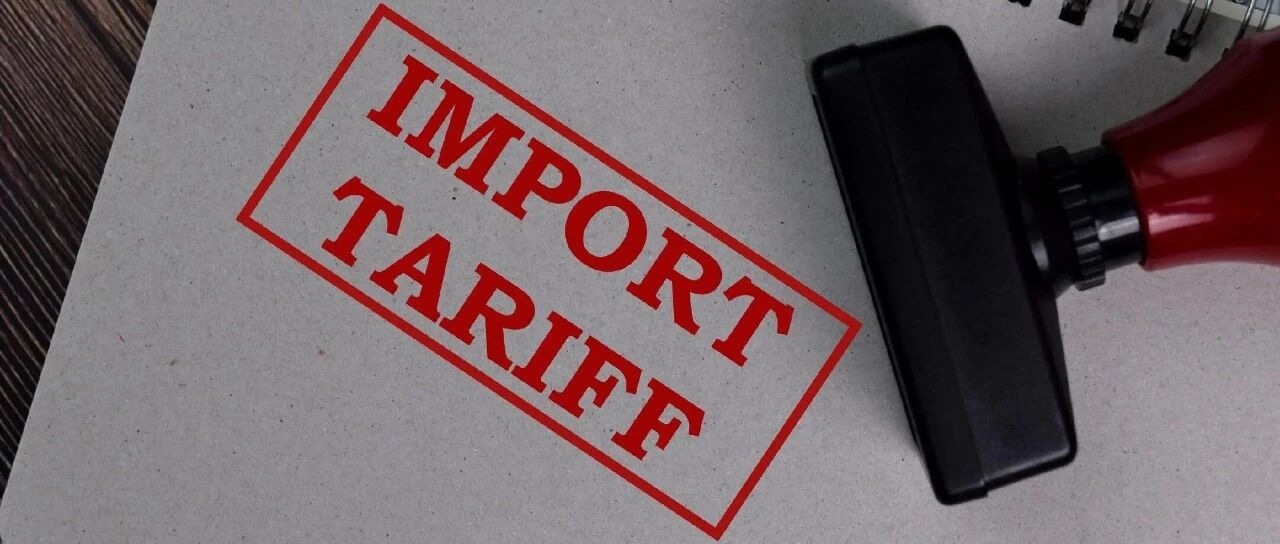
Core Viewpoint - The potential imposition of a 100% tariff on imported brand and patented drugs by the Trump administration starting October 1, 2025, has raised concerns among pharmaceutical companies, particularly those in China, leading to a decline in their stock prices [2][3]. Group 1: Impact on Pharmaceutical Companies - The announcement of the tariff has caused significant declines in the stock prices of Chinese pharmaceutical companies, with Heng Rui Pharmaceutical dropping 3.03% in A-shares and 2.23% in Hong Kong shares, and BeiGene falling 4.38% in A-shares and 1.55% in Hong Kong shares [2]. - The Hang Seng Innovative Drug Index (HSIDI) fell by 2.37%, with notable declines in stocks such as Fosun Pharma, which dropped 5.82%, and 3SBio, which fell by 5.34% [3]. - Industry experts suggest that the impact of the tariff on Chinese pharmaceutical companies may be limited, as many are focused on generic drugs and active pharmaceutical ingredients (APIs) [4]. Group 2: Industry Perspectives - Some industry leaders believe that the tariff policy may not be implemented as proposed, citing the high cost of drugs in the U.S. and the potential for political changes in future administrations [4][5]. - Companies like Heng Rui Pharmaceutical indicated that their current exports primarily consist of generics and APIs, suggesting minimal impact from the proposed tariffs [4]. - Other companies, such as Lepu Biopharma, noted that their licensing partnerships would shield them from significant effects [5]. Group 3: U.S. Policy Context - The Trump administration has previously threatened to impose tariffs on imported drugs, with discussions around a 200% tariff and subsequent smaller tariffs leading to a potential increase over time [6][7]. - Major multinational pharmaceutical companies have responded to the tariff threats by committing to significant investments in U.S. manufacturing, with companies like Novartis and Roche pledging $23 billion and $50 billion respectively over the next five years [8].


特朗普100%药品关税又是“狼来了”?多家上市药企高管回应
Sou Hu Cai Jing· 2025-09-26 10:21
Core Viewpoint - The potential implementation of a 100% tariff on all brand-name and patented drugs by the U.S. government starting October 1, 2025, unless companies are building drug manufacturing plants in the U.S. [2] Group 1: Market Reaction - Pharmaceutical stocks in multiple markets, including China, Japan, and South Korea, experienced a collective decline following the announcement [3] - Specific declines included a 3.03% drop in Hengrui Medicine (600276.SH/01276.HK) A-shares and a 2.23% drop in Hong Kong shares, while BeiGene (ONC.NASDAQ/06160.HK/688235.SH) saw a 4.38% drop in A-shares and a 1.55% drop in Hong Kong shares [3] - The Hang Seng Innovative Drug Index (HSIDI) fell by 2.37%, with notable declines in stocks such as Fosun Pharma (600196.SH/02196.HK) down 5.82% and 3SBio (01530.HK) down 5.34% [4] Group 2: Industry Perspectives - Industry experts suggest that Chinese pharmaceutical companies aiming to expand internationally need to consider the potential implementation of this policy and explore possible solutions [5] - Some executives believe that the high cost of drugs in the U.S. may hinder the realization of this policy [5] - Hengrui Medicine's executive noted that the impact of the potential policy would be limited as their exports mainly consist of generic drugs and APIs [5] - Other companies, such as Lepu Biopharma, indicated that their licensing partnerships would not be significantly affected [5] - Investors pointed out that this is a political issue that could change with future administrations, suggesting that while there may be short-term negative impacts, the long-term effects may not be significant [5] Group 3: Historical Context - Historically, pharmaceuticals have been excluded from tariff lists, but President Trump has repeatedly threatened to impose tariffs on imported drugs this year [5] - The Trump administration initiated a "232 investigation" under the Trade Expansion Act of 1962, which allows for tariffs if imports threaten national security [6] - Previous statements from Trump indicated plans for escalating tariffs on imported drugs, with initial small tariffs leading to potential increases up to 250% [7] Group 4: Investment Commitments - In response to the tariff threats, several multinational pharmaceutical companies have committed to investing in U.S. manufacturing facilities, with significant investments announced by companies like Novartis, Roche, Sanofi, and AstraZeneca [8] - Notably, Novartis and Roche pledged $23 billion and $50 billion respectively over five years, while AstraZeneca committed to a $50 billion investment by 2030 [8]
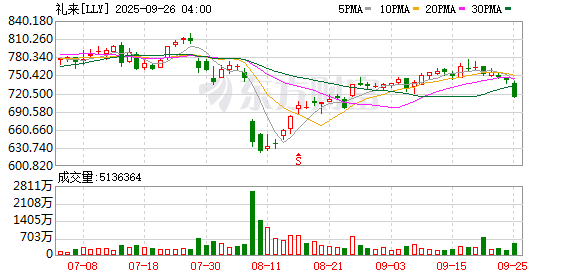
礼来美股盘前涨超2%,现报729.51美元
Mei Ri Jing Ji Xin Wen· 2025-09-26 09:09
(文章来源:每日经济新闻) 每经AI快讯,9月26日,礼来美股盘前涨超2%,现报729.51美元。 ...
特朗普宣布将对专利及品牌药品加征100%关税,对国内药企影响几何?
财联社· 2025-09-26 07:06
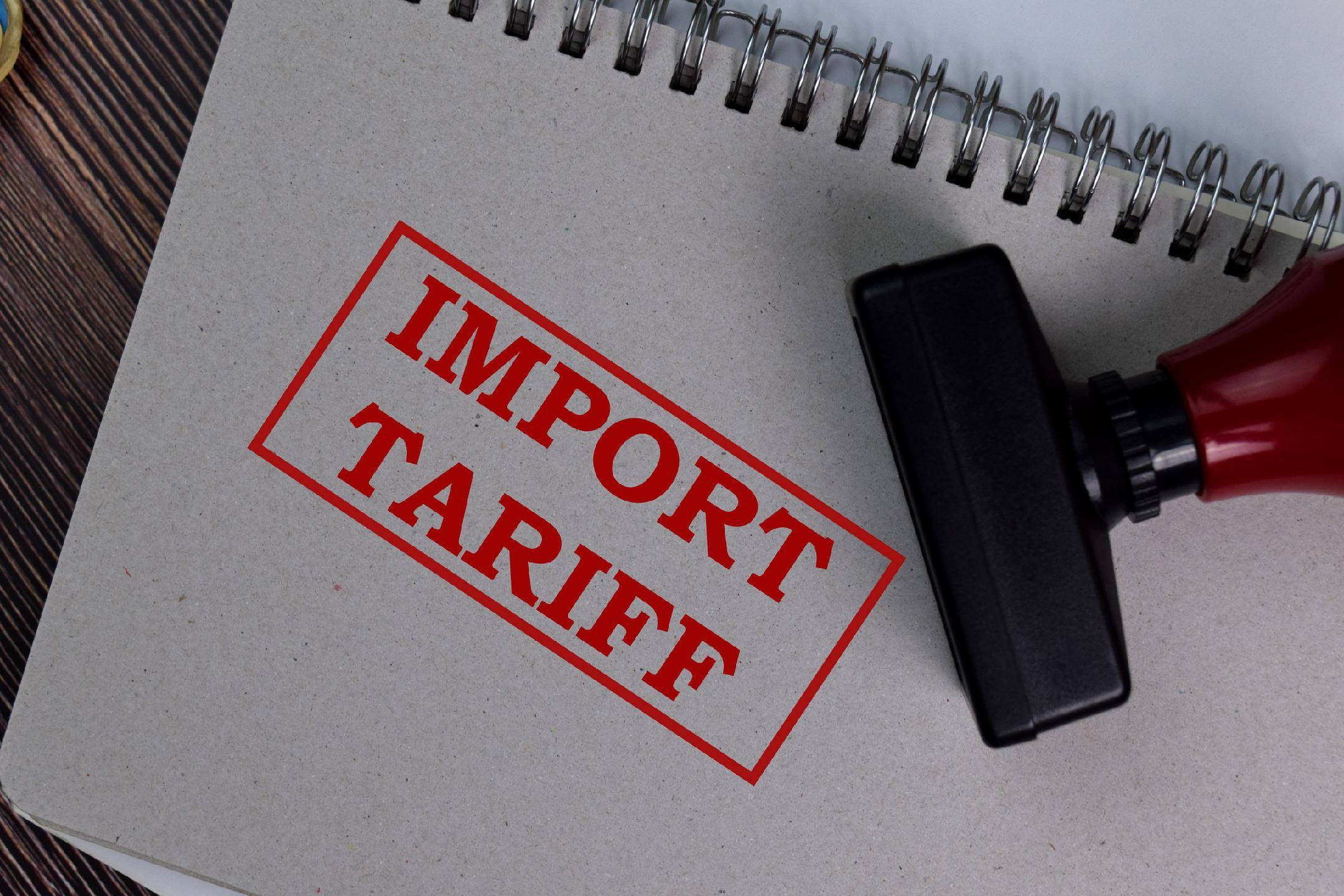
Core Viewpoint - The article discusses the announcement by President Trump regarding a new round of high tariffs on various imported products, particularly focusing on the pharmaceutical industry, which will see a 100% tariff on patented and branded drugs starting October 1, 2023, significantly higher than the previous 15% agreement with Europe [1][2]. Group 1: Tariff Details and Market Reaction - The new tariffs include a 50% tariff on kitchen cabinets and bathroom sinks, a 30% tariff on imported furniture, and a 100% tariff on patented and branded drugs, with exemptions for companies that have manufacturing facilities "under construction" in the U.S. [1][2] - Following the announcement, the innovation drug index and various biotech ETFs saw declines of over 1%, with specific companies like Huahai Pharmaceutical and Baiyue Shenzhou experiencing stock price drops [2][3]. Group 2: Company Responses and Strategies - Many domestic pharmaceutical companies are assessing the impact of the new tariffs, with some indicating that their production capabilities in the U.S. may mitigate the effects. For instance, Huahai Pharmaceutical is evaluating whether its facilities meet the criteria for exemption [4][5]. - Major U.S. pharmaceutical companies like Johnson & Johnson and Eli Lilly have already invested significantly in expanding their domestic production capabilities, with Johnson & Johnson planning to invest approximately $20 billion in North Carolina and Eli Lilly announcing a $270 billion investment for new factories [3][4]. Group 3: Expert Opinions and Future Outlook - Industry experts suggest that the 100% tariff is politically motivated and may not significantly impact domestic innovative drug companies, as many already have manufacturing in the U.S. and the majority of their sales are through partnerships with multinational corporations [6][7]. - The anticipated implementation of a global drug pricing model by the U.S. government could further influence drug pricing and market dynamics, but experts believe that the overall impact on the domestic pharmaceutical industry will be limited [6][7].




突发“黑天鹅”!刚刚,医药板块集体大跌!
天天基金网· 2025-09-26 05:13
Group 1 - The article discusses the new tariffs announced by President Trump on various imported products, including a 25% tariff on heavy trucks, 50% on kitchen cabinets, 30% on furniture, and 100% on patented and branded drugs starting from October 1, 2025, unless companies build manufacturing plants in the U.S. [3][8][10] - The pharmaceutical sector in the Asia-Pacific market experienced a decline following the announcement, with the A-share pharmaceutical and biotechnology sector also showing a downward trend [4][6][10] - Specific indices related to weight-loss drugs, innovative drugs, and CROs saw significant declines, with the weight-loss drug index dropping by 1.56% and the innovative drug index by 1.48% [5][6] Group 2 - Individual stocks such as Sunflower and Aosaikang saw substantial declines, with Sunflower dropping over 12% and Aosaikang down by 9% [6][7] - The Hong Kong biotechnology index opened nearly 2% lower and continued to decline, with companies like MicroPort Medical and WuXi Biologics showing notable drops [7][10] - The article highlights that the high tariffs could increase costs and disrupt the drug supply chain, potentially putting patients at risk [9][10] Group 3 - The article mentions that major pharmaceutical companies like Johnson & Johnson and GlaxoSmithKline have announced plans to increase investments in the U.S. in response to the tariffs, with Johnson & Johnson planning to invest $55 billion [10] - The long-term implications of Trump's tariff policy could lead to higher drug costs for patients, as the high production costs in the U.S. may offset any benefits from the tariffs [10]
来凯医药-B早盘涨超7% 公司完成配售净筹约5.77亿港元 拟用于推进ActRII产品组合开发
Zhi Tong Cai Jing· 2025-09-26 03:25
Core Viewpoint - 来凯医药-B (02105) has seen a significant stock price increase following the announcement of a successful placement of 36 million shares at HKD 16.30 per share, raising approximately HKD 577 million for research and development purposes related to its ActRII product portfolio [1] Group 1: Financial Performance - The stock price rose over 8% to HKD 13.9, with a trading volume of HKD 34.24 million [1] - The net proceeds from the share placement are intended for R&D expenditures for the ActRII product portfolio, ongoing preclinical candidate drug development, and general corporate purposes [1] Group 2: Product Development - The ActRII pathway is identified as a key muscle regulation pathway, attracting interest from multiple multinational pharmaceutical companies [1] - The company has three muscle enhancement products centered around the ActRII pathway, with LAE102 having completed the SAD study and currently undergoing MAD studies [1] - A clinical collaboration agreement with Eli Lilly for LAE102 is set for November 2024, where Eli Lilly will conduct Phase I clinical trials in the U.S. and cover related costs, while the company retains global rights to LAE102 [1] - The company plans to submit clinical trial applications for LAE103 and LAE123 in Q2 2025 and Q3 2025, respectively [1]
美股异动|诺和诺德股价连跌五日市场忧虑中国专利到期挑战
Xin Lang Cai Jing· 2025-09-25 23:01
不仅如此,诺和诺德已于今年2月向美国食品药品监督管理局(FDA)递交了司美格鲁肽口服片剂的新药 申请,预计将于年底审批完成。如获批准,该药将成为全球首款获批用于减重的GLP-1口服片剂,并将 在美国生产。这一系列举措显示出诺和诺德在减重药市场的积极布局,然而竞争对手如礼来和罗氏也在 加速推出新产品,对市场份额构成威胁。 同时,中国市场成为诺和诺德未来发展的关键之一。中国的生物制药公司如信达生物正在大力推动 GLP-1药物的商业化,预计该市场的价值将达到数十亿美元。信达生物的玛仕度肽减重药市场表现突 出,预计将占据中国减重药市场的20%的份额。诺和诺德在中国的销售额预计将在2026年增加30%,但 仍需面对仿制药的竞争压力。对此,分析师认为本土制药公司更具优势,因为它们更贴近中国消费者需 求,并熟悉当地的医药销售渠道。 来源:市场资讯 (来源:美股情报站) 丹麦制药巨头诺和诺德近日遭遇了连续数日的股价下滑。9月25日,该公司股票跌幅达到4.60%,连续 五个交易日呈现下跌趋势,五日累计跌幅接近9.39%。投资者对诺和诺德的近期业绩表现持观望态度, 市场情绪显得尤为紧张。 诺和诺德的减重药司美格鲁肽核心分子在中国 ...
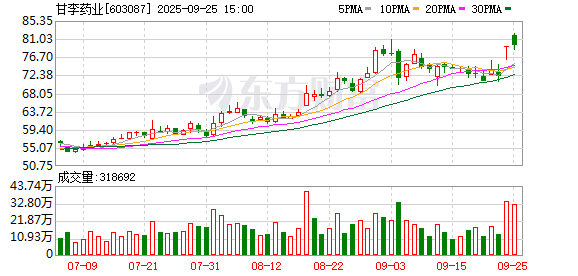
国产胰岛素龙头甘李药业拿下30亿海外大单
Guo Ji Jin Rong Bao· 2025-09-25 15:56
Core Viewpoint - 甘李药业 has signed a technology transfer and supply agreement with Brazil's Fiocruz and local biopharmaceutical company BIOMM, focusing on the production and development of insulin, which is expected to significantly impact the company's performance in 2025 and beyond [2][3]. Group 1: Partnership and Agreements - The agreements include a supply framework worth at least RMB 3 billion (including tax) and cover the transfer of technology related to insulin, raw materials, injection solutions, and syringes for a period of ten years [2]. - The PDP project aims to strengthen Brazil's public health system and ensure a stable supply of essential medicines through local production [2][4]. Group 2: Market Context and Demand - Brazil has faced insulin supply shortages, leading to an urgent tender for over a million insulin products in 2023, which 甘李药业 successfully supplied [3]. - The project is expected to generate a demand for at least 70 million units of insulin annually, with an initial focus on supplying insulin injection solutions to alleviate clinical shortages [3]. Group 3: Company Performance and Recovery - 甘李药业 has been recovering from the impact of national drug procurement policies, with a reported revenue of RMB 2.067 billion in the first half of 2025, a year-on-year increase of 57.18% [5][6]. - The company has successfully entered the national procurement process, with six products selected, and has achieved a market share of nearly 30% in the third-generation insulin market, ranking second in the industry [6]. Group 4: International Expansion - 甘李药业 is actively pursuing international markets, with a reported revenue of RMB 220 million from international sales in the first half of 2023, a 75.08% increase year-on-year [7]. - The company has established a local production facility in Brazil and is also seeking to penetrate the African market with successful local projects [7][8].

东吴证券:MNC纷纷下注小核酸领域 中国企业有望抢占全球蓝海市场
Zhi Tong Cai Jing· 2025-09-24 07:24
Core Insights - The RNAi therapy market is projected to reach a global market size of $25 billion by 2030, with a significant share in common diseases and tumors, accounting for 54% of the total market size [3] - The Chinese RNAi therapy market is expected to grow from approximately $4 million in 2022 to over $300 million by 2025, with a CAGR exceeding 300%, and is projected to reach around $3 billion by 2030 [3][1] Group 1: Market Trends - The global RNAi therapy market has seen a substantial increase from $12 million in 2018 to $362 million in 2020, with a CAGR of 449.2% [3] - The recent surge in small nucleic acid drugs has led to a wave of business development (BD) activities, with major pharmaceutical companies like Novartis, AZ, and others investing heavily in this field [4] Group 2: Technological Advancements - Recent breakthroughs in small nucleic acid drug design have addressed challenges such as vascular degradation, immune activation, and delivery mechanisms, enhancing the potential for effective treatments [2] - Successful approvals of multiple small nucleic acid drugs, such as Nusinersen with $1.6 billion in sales, Vutrisiran with $970 million (yoy +73%), and Inclisiran with $750 million (yoy +112%), demonstrate their efficacy and safety [2] Group 3: Investment Opportunities - The current landscape shows a limited number of approved small nucleic acid drugs, with 22 drugs expected to be approved by mid-2025, indicating a potential for market expansion [5] - Companies with innovative pipelines and technology platforms, such as Yuyuan Pharmaceutical and Chengdu XianDao, are highlighted as potential investment targets [6]

真实世界医保价值评价试点开启;诺和诺德披露口服减重药数据
2 1 Shi Ji Jing Ji Bao Dao· 2025-09-24 00:29
Policy Developments - The National Healthcare Security Administration (NHSA) has initiated a pilot program for real-world comprehensive value assessment of medical insurance, aiming to establish a value-oriented evaluation system by the end of 2027 [1] Drug and Device Approvals - Hengrui Medicine's application for a new indication of Adebeli monoclonal antibody injection has been accepted by the National Medical Products Administration (NMPA) for treating operable non-small cell lung cancer [2] - Yuan Da Pharmaceutical's new specification of Treprostinil injection has been approved, enhancing treatment options for pulmonary arterial hypertension (PAH) patients [3] - China National Pharmaceutical's Lincomycin injection has passed the consistency evaluation for generic drugs, with projected sales of approximately 0.77 million in 2024 [4] - Dongfang Ocean's subsidiary has received medical device registration for a fat-soluble vitamin testing kit, expanding its clinical testing product line [5] Capital Market Activities - Celltrion plans to invest nearly $330 million to acquire a biologics manufacturing facility from Eli Lilly in New Jersey, with additional investments expected for expansion [7] - Amgen Pharmaceuticals intends to raise up to 1.033 billion for daily R&D and operational expenses through a private placement [8] Industry Events - Novo Nordisk's oral GLP-1 weight loss drug, Semaglutide, has shown a 16.6% average weight reduction in a 64-week trial, marking a significant milestone in obesity treatment [9] - The Central China Center for Drug and Medical Device Review has been established to enhance the efficiency of drug and medical device evaluations in the central region [10] Company Developments - Yabao Pharmaceutical has terminated the clinical development of SY-009 capsules, resulting in a full impairment of 55.793 million in capitalized costs [11] - Merck has signed a new memorandum with Siemens to accelerate the use of artificial intelligence in drug development [12] - Baicheng Pharmaceutical's executives plan to reduce their shareholdings due to personal financial needs [13][14] - Tsinghua Pharmaceutical's president and vice president have resigned, with no further roles in the company [15]