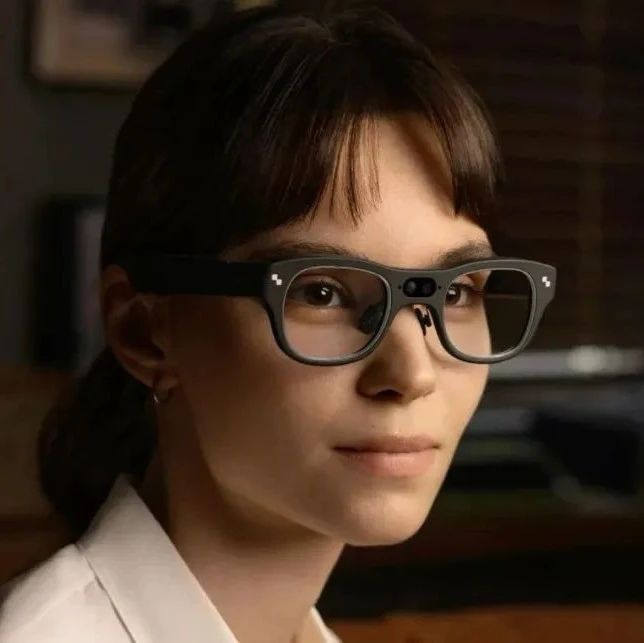
雷鸟创新

Search documents
科技巨头竞逐AR眼镜赛道 技术突破与生态构建成破局关键
Shang Hai Zheng Quan Bao· 2025-06-02 18:26
Core Insights - The AR glasses market is transitioning from niche products to mainstream consumer adoption, driven by major tech companies like Google and Lenovo entering the space with new products [2][3] - The industry is expected to see significant growth, with a projected 45% year-on-year increase in sales of consumer-grade AI/AR glasses in Q1 2025, reaching 96,000 units sold [4] - Key challenges include addressing technical limitations and privacy concerns, which require collective efforts from the industry to resolve [2][10] Industry Developments - Major tech companies are launching new AR glasses, with TCL's Thunder Innovation releasing the Thunder X3 Pro and Google collaborating with XREAL on Project Aura [2][3] - The entry of these giants is seen as a crucial market education step, enhancing consumer awareness and confidence in AR glasses [3][4] - The market is currently dominated by a few vertical companies, despite the influx of larger players, indicating a potential shakeout among early-stage startups [4] Market Dynamics - The AR glasses market is characterized by a significant share of screen-based products, which accounted for 80% of the market in Q1 2025, while non-screen AI glasses made up 20% [4] - Leading brands in the market include Thunder Innovation, XREAL, and Starry Meizu, with respective market shares of 45%, 18%, and 14% [4] - The industry consensus is that 2025 will be a pivotal year for the AI/AR glasses sector, marking a critical juncture for market evolution [4] Technological Advancements - The development of AI and display technologies is crucial for the industry's progress, with companies focusing on Micro-LED and waveguide solutions [5][7] - Thunder Innovation's X3 Pro features advanced Micro-LED technology, with display costs comprising about 50% of the total product cost [5][6] - Collaborations with AI model developers are becoming common, enhancing the functionality of AR glasses with features like real-time translation and scene recognition [5] Application Expansion - AR glasses applications are expanding beyond entertainment into everyday life, with partnerships formed for navigation and payment functionalities [8] - Companies like Rokid and Thunder Innovation are collaborating with mapping services to enhance AR navigation capabilities [8] User Experience Challenges - The industry faces challenges in achieving a user-friendly experience characterized by lightweight, affordable, and long-lasting products [9] - Current AR glasses typically weigh around 50 grams, with prices primarily in the thousand-yuan range and battery life between 2 to 4 hours [9] - Key indicators for mainstream adoption include weight under 50 grams, pricing below 2000 yuan, and the integration of essential AI services [9] Privacy and Security Concerns - Privacy issues are a significant challenge for the AI/AR glasses industry, as devices require cameras that raise public concerns [10] - Companies are implementing measures like mandatory recording indicators and collaborating on safety technology to address these concerns [10][11] - The establishment of industry standards and evaluation metrics is underway to enhance product quality and user experience [10]




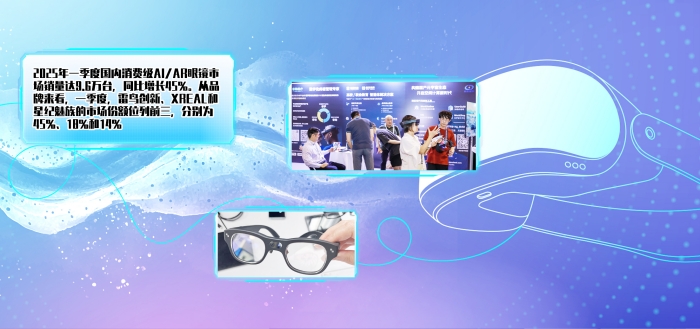
消费电子行业研究周报:AI眼镜密集发布,看好软硬件方案成熟带动渗透率提升
Tianfeng Securities· 2025-06-02 06:23
Investment Rating - Industry Rating: Outperform the Market (Maintained Rating) [1] Core Viewpoints - The report highlights the recent surge in AI glasses releases, indicating a growing market for AI glasses as a new frontier for large models [9] - The performance of major overseas tech companies, such as Nvidia and Microsoft, has been strong, with significant revenue growth driven by AI contributions [9] - The report emphasizes the potential of Micro OLED technology and its expanding applications in various sectors, including AR glasses [9] Summary by Sections AI Glasses Market - Multiple domestic AI glasses have been launched recently, with notable products from companies like Raybird and Rokid, indicating a trend towards integrating AI capabilities into consumer electronics [4][12] - Raybird's new flagship AR glasses, RayNeo X3 Pro, feature advanced technology such as Micro-LED displays and a Snapdragon AR1 platform, enhancing user experience and energy efficiency [12][14] - Rokid has partnered with Gaode Map to introduce a smart navigation application for its AR glasses, aiming to improve user interaction through voice and visual cues [18][19] - The market for AR glasses is heating up, leading to increased investment in upstream near-eye display projects, with several domestic companies expanding their Micro OLED production capacity [22][23] Overseas Tech Performance - Nvidia reported Q1 2026 revenue of $44.062 billion, a 69% year-over-year increase, with significant growth in data center and gaming sectors [34] - Microsoft's Q3 2025 revenue reached $70.1 billion, a 13% increase, driven by strong performance in its cloud services, particularly Azure [38][41] - Meta's Q1 2025 revenue was $42.314 billion, reflecting a 16% year-over-year growth, with substantial investments planned for AI infrastructure [34] Micro OLED Technology - The report notes that Micro OLED technology is expected to see further development in 2025, with increased investment in related projects to meet rising demand [23] - Companies like Yisui Technology are investing heavily in Micro OLED production capabilities, anticipating a growing market for these displays in various applications [25]


【深圳特区报】雷鸟创新创始人兼CEO李宏伟:用AI+AR眼镜定义下一代通用计算平台
Sou Hu Cai Jing· 2025-06-02 00:20
Core Viewpoint - The article highlights the rapid development and market leadership of Thunderbird Innovation in the AR glasses sector, emphasizing its innovative technology and strong market performance. Company Overview - Thunderbird Innovation, founded by CEO Li Hongwei, has emerged as a significant player in the AR glasses market within four years, leveraging deep technological expertise and innovation capabilities [8][9]. - The company has launched several smart glasses, including the Thunderbird Air, V, and X series, which are recognized for their applications in viewing, first-person shooting, and spatial computing [10]. Technological Advancements - The latest product, the Thunderbird X3 Pro, features breakthroughs in five core technology areas: chips, interaction, spatial computing, weight, and optical display, and is the first AR glasses to support visual Live AI interaction [12]. - Thunderbird Innovation is the only AR company with a fully self-developed and mass-production capability for core optical solutions, focusing on AI and AR integration [11]. Market Performance - Thunderbird Innovation has achieved the number one market share in China's AR/AI shooting glasses online market with a 50% share, and the Thunderbird V3 holds a 95% share in the AI shooting glasses segment [11]. - The company has consistently ranked first in sales in the Chinese market for three consecutive years, with significant growth in overseas markets [11]. Future Outlook - Li Hongwei expresses confidence in competing with industry giants, asserting that Chinese AR companies can achieve global leadership [12].

雷鸟发布光波导方案X3ProAR眼镜,融合AI多模态大模型
Jianghai Securities· 2025-05-30 12:55
Investment Rating - The industry investment rating is maintained at "Overweight" [1] Core Insights - The report highlights the increasing importance of domestic GPU chip procurement supported by Beijing, emphasizing the significance of domestic substitution for AI chips [3] - The launch of multiple AI glasses is noted, with a rapid market growth rate anticipated [3] - The report indicates that the global top ten foundry output value is expected to reach a record high in Q4 2024, driven by strong demand for advanced processes [3] - The slowing of Moore's Law is leading to increased demand for heat dissipation solutions, with graphene heat dissipation expected to become a superior solution [3] - NAND price increases announced by SanDisk are expected to drive the storage industry's upward trend [3] Summary by Sections Recent Industry Performance - Over the past 12 months, the industry has shown a relative return of 26.37% compared to the CSI 300 index, with an absolute return of 33.15% [2] Key Events - The launch of the RayNeo X3 Pro AR glasses on May 27, 2025, is a significant event, featuring advanced specifications such as a Qualcomm Snapdragon AR1 platform and a display capable of 16.7 million colors [5] - CounterPoint forecasts a 42% year-on-year growth in AR glasses shipments for 2025, marking it as the fastest-growing segment [5] - The introduction of a 12-megapixel AI glasses application CMOS image sensor by SmartSens is also highlighted, showcasing advancements in lightweight and low-power technology [5] Investment Recommendations - The report suggests focusing on companies within the AR glasses supply chain, including GoerTek, Luxshare Precision, Yida Information, Crystal Optoelectronics, and SmartSens, due to the anticipated acceleration in AR glasses development driven by optical technology advancements and multimodal AI integration [5]
影石创新IPO,AI眼镜上新,通信设备成为新华出海指数本周最大亮点
Zhong Guo Jin Rong Xin Xi Wang· 2025-05-30 12:55
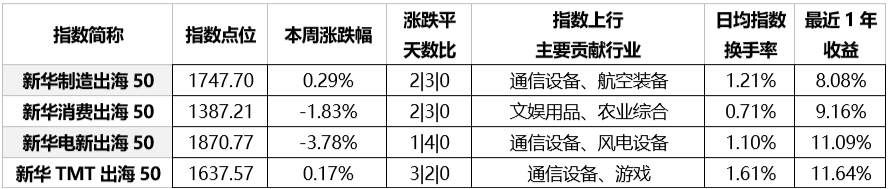
Group 1: Company Overview - Insta360, a leading domestic action camera brand, is set to launch its IPO on the STAR Market, aiming to raise 464 million yuan for the construction of a smart imaging equipment production base and a research center in Shenzhen [1][2] - The IPO price is set at 47.27 yuan per share, with an online issuance scale of 6.56 million shares and a price-to-earnings ratio of 20.04 times [1] Group 2: Financial Performance - Insta360's revenue is projected to grow significantly from 20.41 billion yuan in 2022 to 55.74 billion yuan in 2024, achieving a compound annual growth rate of 65% [2] - Net profits are expected to rise from 4.07 billion yuan in 2022 to 9.95 billion yuan in 2024 [2] - Approximately 80% of Insta360's revenue comes from overseas markets, with international sales projected at 15.96 billion yuan, 29.03 billion yuan, and 42.23 billion yuan for the years 2022 to 2024, respectively [2] Group 3: Market Position - Insta360 holds a 67.2% market share in the consumer-grade panoramic camera sector, ranking first globally for six consecutive years [2] - In the broader action camera market, Insta360 has entered the top three, competing closely with GoPro and DJI, and has surpassed GoPro in sales in the first half of 2024 [2] Group 4: Industry Trends - The consumer electronics industry is witnessing rapid growth driven by technological innovations, with a notable focus on AI glasses expected to see significant product launches in 2025 [3][4] - The global sales of AI glasses are anticipated to exceed 5.5 million units in 2025, marking a 135% year-on-year increase [3] - Domestic manufacturers are actively releasing new AI glasses products to capture market opportunities, indicating a competitive landscape [3] Group 5: Market Sentiment - Recent performance of indices such as the Xinhua Manufacturing Overseas 50 and Xinhua TMT Overseas 50 reflects positive market sentiment, with some stocks experiencing notable gains due to revenue growth and industry optimism [4][5]
万亿级蓝图激活传统产业,深圳冲刺“全球AI眼镜第一城”
Nan Fang Du Shi Bao· 2025-05-30 06:16
Core Viewpoint - Shenzhen aims to become the "global AI glasses capital" with the establishment of the AI Glasses Industry Alliance, marking a new phase of collaborative innovation and ecosystem development in the industry [1][2]. Group 1: Industry Development - The AI Glasses Industry Alliance consists of 8 founding members, including major companies like Honor and Lixun Precision, and over 60 member organizations from the supply chain [1]. - Shenzhen has been recognized as a global hub for AI glasses innovation, with a goal to reach an industry scale of over 800 billion yuan by 2026, striving for a trillion-yuan market [1]. - The action plan released by the Shenzhen Municipal Bureau of Industry and Information Technology focuses on nine product categories, including AI glasses, smart watches, and AR/VR devices, aiming to launch benchmark AI wearable products [1]. Group 2: Competitive Landscape - Shenzhen's Longgang district hosts over 1,500 eyewear companies, accounting for 80% of the city's eyewear industry, with an annual production of 125 million pairs of glasses, capturing over 50% of the global high-end market [2]. - The city has developed a complete ecosystem covering chip research, optical design, assembly, and application scenarios, enhancing its competitive edge in the AI glasses sector [2]. - The Guangdong-Hong Kong-Macao Greater Bay Area is working on establishing industry standards and promoting the development of an open-source AI glasses operating system to strengthen international competitiveness [2]. Group 3: Industry Insights - Industry experts suggest that the AI glasses sector should move beyond traditional manufacturing to enhance value across the supply chain, thereby increasing growth potential [3]. - Recommendations include fostering collaboration across the industry chain to avoid homogenization and enhance market presence both domestically and internationally [3]. - The establishment of special funds and promotional events is encouraged to attract capital and support the growth of the AI glasses industry in Shenzhen [2][3].
雷鸟创新甩出AR眼镜王炸
Hua Er Jie Jian Wen· 2025-05-29 13:18
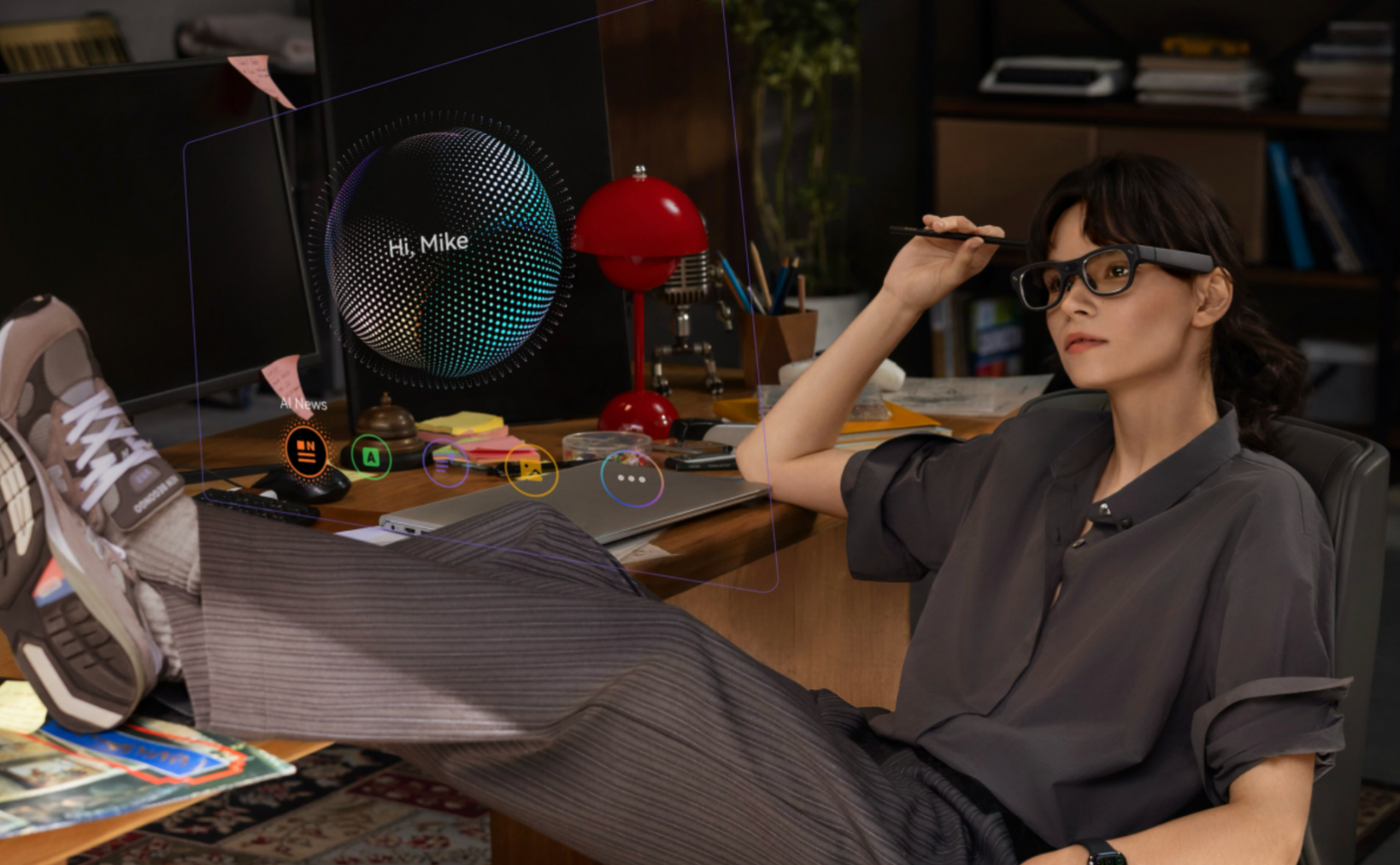
Core Viewpoint - Thunder Innovation, a leading player in the AR market, has launched several new products including the AI+AR glasses Thunder X3 Pro, aiming to solidify its position in the competitive landscape of AR technology [2][7]. Product Launch - The flagship product, Thunder X3 Pro, is priced starting at 8999 yuan, making it the most expensive AR glasses from Thunder Innovation to date [2]. - The product features significant advancements in five core technologies: chip, interaction, spatial computing, weight, and optical display [3]. Technological Advancements - Thunder X3 Pro is powered by the first-generation Snapdragon AR1 platform, which reduces power consumption while enhancing AI capabilities and multimedia processing [3]. - It incorporates the smallest mass-producible full-color Micro-LED optical engine, achieving a 43-inch full-color 3D aerial transparent display [3]. Interaction and Spatial Awareness - The device features the Falcon Imaging Plus system, which maintains spatial positioning errors within 0.5%, enhancing its spatial recognition capabilities [4]. - It supports multiple interaction methods, including Apple Watch control, five-dimensional navigation, voice commands, and smartphone integration [4]. Software and Ecosystem - Thunder X3 Pro runs on the RayNeoOS 2.0 system, integrating various functions such as AI translation, spatial navigation, and first-person photography [5]. - The product is the first AR glasses to support visual Live AI interaction, allowing users to receive instant intelligent feedback in various scenarios [5]. Market Position and Strategy - Thunder Innovation holds a dominant position in the AR/AI shooting glasses market, with a 50% market share in Q1 2025, and a 160% year-on-year increase in sales for the Thunder Air series [7]. - The company has partnered with Alibaba Cloud and other firms to explore new applications of AI and AR technology in urban living and smart travel [6]. Industry Growth - The AR glasses market is experiencing rapid growth, with online sales of smart glasses reaching 116,000 units in Q1 2025, a 117% increase year-on-year [9]. - The competitive landscape is still evolving, with significant potential for market expansion as technology continues to advance [10].
传统产业智能化蝶变 深圳剑指“全球AI眼镜第一城”
2 1 Shi Ji Jing Ji Bao Dao· 2025-05-29 09:59
Group 1 - The traditional eyewear industry is experiencing a transformation in Shenzhen, with companies like Thunderbird Innovation launching new smart eyewear products [1][2] - Shenzhen's Longgang District is a global hub for the eyewear industry, with an expected total output value of 4.3 billion yuan in 2024 and over 1.25 billion pairs of eyewear produced annually [2][3] - The emergence of AI large models is driving the integration of intelligence into traditional eyewear, creating new market opportunities [2][3] Group 2 - LOHO has developed the "Snap Mirror," a smart eyewear product that integrates video recording, music playback, and voice translation, leveraging AI for enhanced functionality [2][3] - The Shenzhen government is promoting the development of AI systems in the eyewear sector, aiming to transform eyewear from a functional product to a more complex and personalized consumer item [3][4] - Shenzhen's strategic plan for 2025-2026 emphasizes the importance of smart eyewear, positioning it as a key area for innovation and product development [4][5] Group 3 - The eyewear industry in Shenzhen has established a closed-loop system encompassing technology, manufacturing, market, and policy, with significant concentration of companies in various districts [5] - Key districts like Nanshan and Baoan are home to major AI and manufacturing firms, contributing to the robust supply chain for smart eyewear [5]
AR眼镜价格比买手机还贵!自建生态成本过高困境待破,雷鸟创新还需求解
Hua Xia Shi Bao· 2025-05-29 01:06
Core Viewpoint - The AR industry faces significant challenges in achieving widespread adoption, with current AR device shipments projected to be only 0.06% of smartphone shipments in 2024, highlighting the struggle for AR to move beyond being a niche market [2] Group 1: Industry Challenges - The lack of a robust native ecosystem for AR devices has been a major barrier to consumer adoption, with many users finding limited functionality beyond gaming [4][8] - High costs associated with building a self-sustaining ecosystem deter many startups from pursuing this route, as establishing even a small ecosystem can require hundreds of millions in investment [5] - Current AR device shipments are projected at 731 million units globally in 2024, with AR devices accounting for only 10.7% of this market, indicating a cold and niche market for AR glasses [6] Group 2: Strategic Partnerships - Companies like Thunder Innovation and INMO are leveraging existing mobile ecosystems to enhance the functionality of their AR devices, integrating popular applications to lower the entry barrier for users transitioning from smartphones to AR glasses [3][6] - Thunder Innovation's new AR glasses, the RayNeo X3 Pro, feature the "RayNeo AR Application Virtual Machine," allowing seamless integration with Android applications, while INMO AIR3 has partnered with Tencent's application market to expand its content ecosystem [3][6] Group 3: Market Dynamics - The AR market in China shows a clear concentration of market share, with Thunder Innovation holding a 50% share, followed by competitors like XREAL and Starry Meizu with significantly lower shares [6] - Despite current reliance on mobile ecosystems, companies express confidence that AR glasses will eventually develop their own ecosystems, with new applications emerging beyond those available on smartphones [7] Group 4: Consumer Sentiment and Pricing - Consumer feedback indicates ongoing hardware issues with AR devices, such as short battery life and slow startup times, which hinder broader adoption [8] - Pricing remains a significant barrier, with new products from Thunder Innovation priced between 1,499 to 8,999 yuan, even after government subsidies [8] - Industry leaders predict that AR will reach a pivotal moment similar to the iPhone's launch within the next 2-3 years, potentially leading to a significant increase in adoption rates [8]
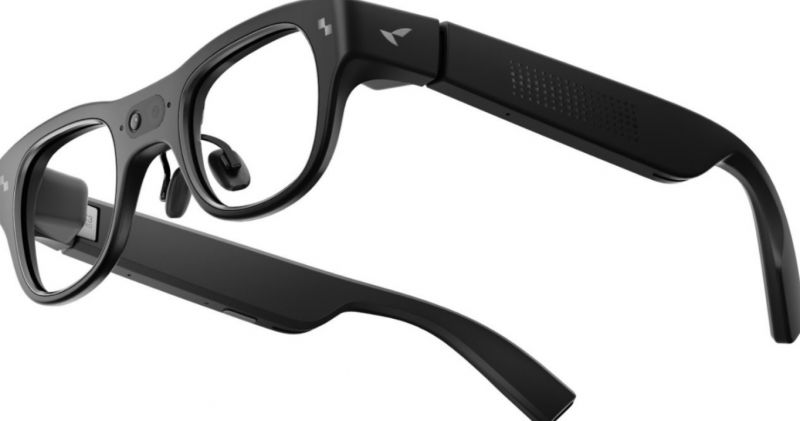
搭载Micro LED/OLED,雷鸟创新发布多款AR眼镜
WitsView睿智显示· 2025-05-28 10:12
Core Viewpoint - The integration of AR glasses with Micro LED and Micro OLED technologies is a significant trend in the LED industry, with Micro LED moving towards full-color display commercialization, while Micro OLED remains a mature technology despite its brightness limitations [1][21]. Group 1: Product Launches - Thunder Innovation launched its flagship AR glasses, Thunder X3 Pro, and the new pocket TV series, Thunder Air 3s, utilizing Micro LED and Micro OLED technologies respectively [2][11]. - Thunder X3 Pro features dual full-color Micro LED and nano-etched waveguide technology, enhancing visual quality and user experience [3][5]. Group 2: Technical Specifications - Thunder X3 Pro incorporates a custom 0.36cc full-color X-cube Micro LED light engine, achieving 16.77 million colors with an average brightness of 3500 nits and peak brightness of 6000 nits, ensuring visibility in bright outdoor conditions [6][9]. - The nano-etched RayNeo waveguide technology improves light efficiency by 50% and reduces the weight and thickness of the waveguide devices, enhancing the display effect [9]. Group 3: Market Positioning - Thunder X3 Pro targets high-end applications, particularly in outdoor environments, leveraging Micro LED's high brightness to maintain display clarity [16]. - The Thunder Air 3s series focuses on indoor applications, offering a more affordable option with Micro OLED technology, which is better suited for entertainment and high-quality display experiences [18]. Group 4: Market Trends - The AR glasses market is seeing a clear division where Micro LED is preferred for outdoor applications due to its brightness, while Micro OLED is favored for indoor use where color quality is prioritized [20]. - According to TrendForce, Micro OLED is expected to hold a 53% market share in AR devices by 2024, but this is projected to decline to 22% by 2030 as Micro LED technology advances [21].