
乐聚机器人

Search documents
人形机器人厂商学着精打细算「过日子」了
3 6 Ke· 2025-06-25 11:42
Group 1 - The core viewpoint is that humanoid robot manufacturers are shifting their focus from ambitious universal solutions to more pragmatic, specialized applications, emphasizing the need for self-sustainability in their business models [1][4][25] - As of 2025, there is a noticeable trend where manufacturers are showcasing their capabilities through demonstrations rather than merely promoting the idea of widespread adoption [1][2] - The industry is recognizing that the pursuit of universal capabilities may hinder long-term development and immediate commercialization, leading to a more cautious approach [2][5][25] Group 2 - The current market for humanoid robots is still in its early stages, characterized by supply-driven dynamics rather than demand-driven, similar to the initial phase of smartphones [10][16] - There is a growing consensus that focusing on specific, well-defined applications may yield better commercial value than attempting to create a one-size-fits-all solution [8][11] - Companies are increasingly exploring partnerships and collaborations to enhance their technological capabilities and accelerate product development, moving away from isolated development efforts [21][23][25] Group 3 - The demand for practical applications of robots in logistics and other sectors is evident, with successful deployments validating the need for robotic solutions [7][10] - The industry is witnessing a trend where companies are diversifying their product offerings to include quadrupedal robots, which are perceived as more commercially viable and easier to develop [15][17][18] - The shift towards specialized robots, such as those designed for specific tasks in retail or hospitality, is proving to be a more effective strategy for companies looking to establish a foothold in the market [11][12][25]


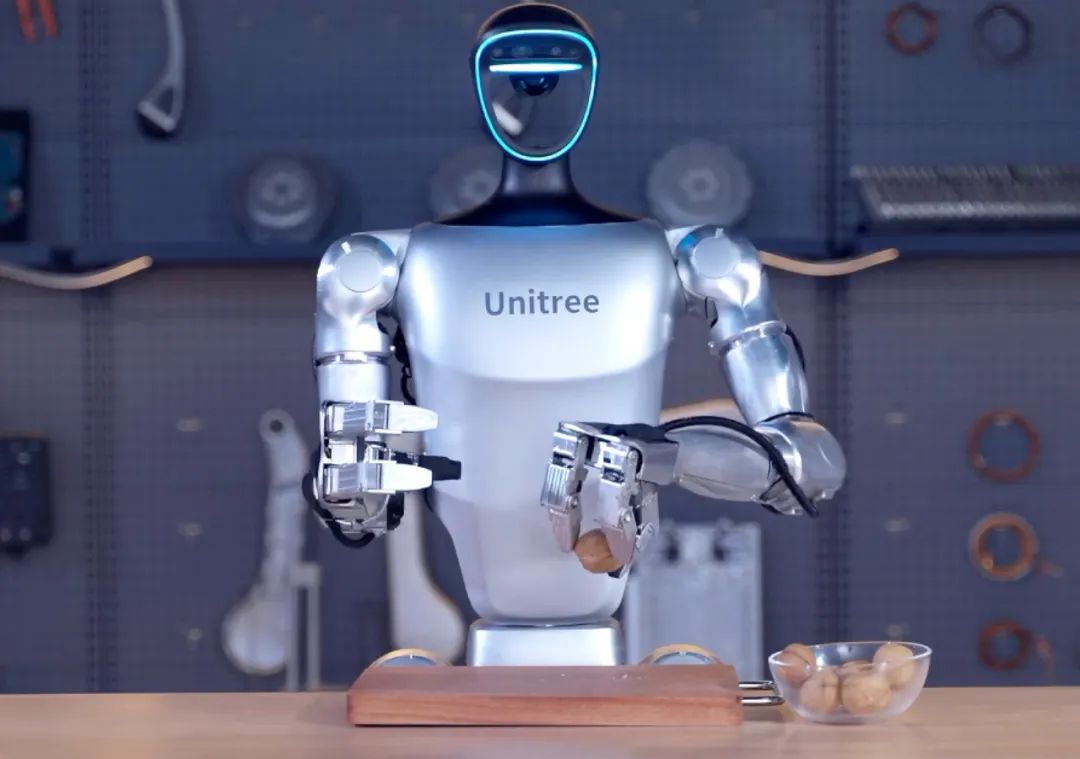
华为开发者大会机器人亮点有哪些?
机器人大讲堂· 2025-06-24 09:42
Core Viewpoint - Huawei is advancing its embodied intelligence strategy through the launch of the CloudRobo platform, focusing on software and hardware ecosystem development while partnering with various companies to enhance industrial applications and market reach [1][26][27]. Group 1: CloudRobo Platform and Technology - The CloudRobo platform is based on the Pangu large model, featuring multi-modal capabilities and a "cloud-network-end" collaborative architecture, which includes the "robotic three-piece set" [2]. - The "embodied brain" (planning model) can perform complex task planning with over 10 steps, ensuring smooth production processes in manufacturing environments [2]. - The "embodied small brain" (execution model) specializes in high-precision control, achieving over 90% success rates in complex tasks [2]. - The "digital universe workshop" generates 80% of training data through simulated environments, requiring only 20% real data for validation [2]. Group 2: Strategic Partnerships - Huawei Cloud emphasizes a "be integrated" strategy, focusing on providing cloud-based intelligence while leaving the physical robot development to partners, aiming to integrate intelligence into various industries [3]. - Efort Robotics showcased a voice-interactive sorting workstation, developed in collaboration with Huawei Cloud, enhancing task execution efficiency [5][6]. - Daotong Technology presented a smart inspection solution that integrates drones and ground robots, achieving nearly 90% accuracy in oilfield inspections [8]. - Yijiahe Group introduced a humanoid robot for healthcare, leveraging Huawei Cloud's AI capabilities for enhanced service delivery [10][11]. - XCMG highlighted its autonomous platform robot, which can operate in various intelligent modes for complex environments [13]. Group 3: Industry Applications and Innovations - TuoStar is developing humanoid robots for logistics, integrating Huawei's AI technology to improve operational efficiency [15]. - Leju Robotics launched the first 5G-A embodied intelligent robot, demonstrating capabilities in high-concurrency scenarios [17]. - Qianxun Intelligent showcased its humanoid robot Moz1, which utilizes a multi-modal model for real-time task execution [19]. - Youai Zhihui presented solutions for semiconductor manufacturing, achieving significant efficiency improvements in logistics and operations [22]. - Xinghai Map demonstrated a teleoperation platform that enhances data collection and training for embodied intelligence applications [24]. Conclusion - The launch of the CloudRobo platform marks a significant step in Huawei's embodied intelligence strategy, focusing on collaboration with partners to drive the robotics industry towards larger-scale implementation [26].
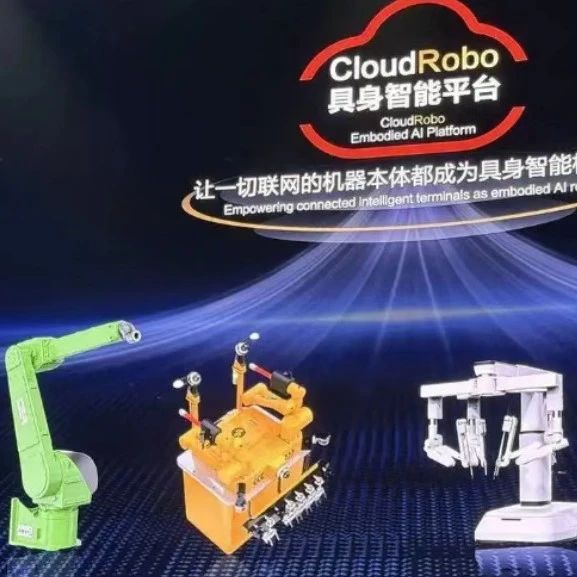
华为云CloudRobo亮相:赋能具身智能,不做本体专注平台服务
Sou Hu Cai Jing· 2025-06-23 22:54
Core Insights - The year 2025 is recognized as the "Year of Embodied Intelligence," marked by the launch of Huawei's CloudRobo platform at the HDC 2025 event [1] - Huawei Cloud focuses on platform development while leaving the physical manufacturing of robots to partners, aiming to evolve every connected entity into an intelligent robot [1] Group 1: CloudRobo Platform Features - The CloudRobo platform integrates Huawei's Pangu large model for multimodal processing and cognitive capabilities, creating a complete workflow from data synthesis to cloud-edge collaboration and security supervision [1] - It encompasses three core models: the embodied multimodal generation model, the embodied planning model, and the embodied execution model, significantly accelerating the development of embodied intelligence [1] Group 2: Embodied Models - The embodied multimodal generation model acts as a bridge between the digital and physical worlds, providing diverse training samples for intelligent robots, enhancing data synthesis realism and efficiency [1] - The embodied planning model, referred to as the "embodied brain," enables robots to understand spatial awareness and complex reasoning, capable of planning tasks with over ten steps [2] - The embodied execution model, known as the "small brain," focuses on precise control and generalization abilities, achieving millimeter-level control precision in industrial applications [4] Group 3: Industrial Applications - The CloudRobo platform has expanded its applications in various industrial sectors, including precise operations in fiber optics with a success rate exceeding 90% [4] - In the spraying sector, it helps Efort robotic arms quickly adapt to new tasks, while in automotive manufacturing, Leju robots utilize the platform for efficient logistics and material handling [4] - In semiconductor manufacturing, Youai Zhihuo logistics robots leverage CloudRobo for real-time production scheduling and flexible task planning [4] Group 4: R2C Protocol - Huawei Cloud introduced the R2C (Robot to Cloud) protocol to establish an open, efficient, and secure connection standard between robots and the cloud [4] - The company encourages industry partners and organizations to participate in promoting the R2C protocol, aiming to connect more robotic entities to the intelligent platform and advance embodied intelligence technology [4]
华为云CloudRobo平台:赋能具身智能,不造本体创未来
Sou Hu Cai Jing· 2025-06-23 22:42
Core Insights - The 2025 year is anticipated as the "Year of Embodied Intelligence," with significant technological innovations being unveiled at the Huawei Developer Conference 2025 [1] - Huawei Cloud introduced the CloudRobo platform, marking a strategic move into the field of embodied intelligence, focusing on collaboration with partners rather than manufacturing robots [1] Group 1: CloudRobo Platform Features - The CloudRobo platform integrates end-to-end capabilities from data synthesis to cloud-edge collaborative deployment, leveraging Huawei's Pangu large model for multimodal and cognitive abilities [1] - It consists of three core models: the embodied multimodal generation model, the embodied planning model, and the embodied execution model, which collectively accelerate innovation in embodied intelligence [1][2] Group 2: Model Functions - The embodied multimodal generation model creates a highly realistic digital space that generates vast amounts of data samples, enhancing training efficiency for intelligent robots with minimal data collection [2] - The embodied planning model, referred to as the "embodied brain," enables complex multi-step task planning through spatial perception and environmental interaction understanding [2] - The embodied execution model functions as the "small brain" of intelligent robots, providing high-precision motion control with capabilities in various industrial tasks, achieving millimeter-level control accuracy [2][3] Group 3: Industrial Applications - The CloudRobo platform has been successfully applied in various industrial scenarios, such as a fully robotic flexible assembly system for optical products, achieving over 90% success in delicate operations [3] - In the industrial spraying sector, CloudRobo has empowered Evert's spraying robotic arms to quickly adapt to new tasks, while in automotive manufacturing, it has assisted in logistics and material handling [4] - In semiconductor manufacturing, CloudRobo collaborates with Youai Intelligent to synchronize production scheduling and dynamically update task planning [4] Group 4: Connectivity Standards - Huawei Cloud has proposed the R2C (Robot to Cloud) connectivity protocol to address the challenges posed by diverse robot types, complex sensor types, and varied interface protocols, aiming to establish an open, efficient, and secure connection standard [4]
华为开发者大会2025:鸿蒙与AI双轮驱动,具身智能再加码
Jing Ji Guan Cha Bao· 2025-06-23 14:38
Group 1: Core Insights - Huawei Developer Conference (HDC 2025) showcased Huawei's latest achievements in operating systems and artificial intelligence, revealing significant future strategic layouts [1] Group 2: AI Cloud Services - Huawei Cloud CEO announced the launch of the new generation Ascend AI cloud service based on the CloudMatrix 384 super node architecture, achieving a single card inference throughput of 2300 Tokens/s, nearly a 4-fold increase compared to traditional architectures [2] - The Pangu Model 5.5 was released, featuring comprehensive upgrades in five foundational models, with applications in industries such as steel, where it improved yield rates by 0.8%, generating over 10 million yuan in annual benefits for a single factory [2] Group 3: Embodied Intelligence - The CloudRobo embodied intelligence platform was introduced, integrating end-to-end capabilities including data synthesis, annotation, model development, and cloud-edge collaboration, significantly enhancing data acquisition efficiency [3] - Huawei is actively developing the embodied intelligence industry chain in Shenzhen and Wuxi, with partnerships to create robots for manufacturing scenarios, aiming to double the robot output value in Shenzhen to exceed 300 billion yuan within five years [3] Group 4: Industry Collaboration - Huawei has engaged in deep collaborations with various companies to enhance industrial applications, such as logistics and intelligent sorting, demonstrating the potential of embodied intelligence robots across multiple sectors [4] - The integration of artificial intelligence and robotics is creating unprecedented opportunities in the embodied intelligence field, positioning Huawei as a leader through its CloudRobo platform and partnerships [4]
5G-A“夸父”问世:人形机器人商业化提速新篇章
Sou Hu Cai Jing· 2025-06-23 11:55
Core Insights - The concept of embodied intelligence is gaining traction, with humanoid robots becoming a focal point in the industry despite facing challenges in technology and costs [1] - The introduction of the 5G-A humanoid robot "Kua Fu" marks a significant advancement in overcoming network bottlenecks that have hindered the development of humanoid robots [3][12] Group 1: Technological Advancements - "Kua Fu" integrates 5G-A technology into humanoid robots, enabling high-precision positioning, low latency, real-time remote control, edge computing, and cloud collaboration [3] - The deployment of 5G-A technology significantly reduces the cost of multi-robot networking and facilitates precise collaborative operations in industrial environments [3] - The release of the "5G-A Empowering Information Consumption 'New Three Samples' White Paper" defines key capability indicators and interface specifications necessary for humanoid robots supported by 5G-A networks [5] Group 2: Market Potential - Predictions indicate that by 2025, China's humanoid robot production will exceed 10,000 units, with a market size expected to reach 8.239 billion yuan, capturing half of the global market [8] - By 2045, the number of humanoid robots in use in China is projected to surpass 100 million, with the overall market size potentially reaching approximately 10 trillion yuan [8] Group 3: Industry Collaboration - The collaboration between Leju Robotics, China Mobile, and Huawei has resulted in the successful development and demonstration of the "Kua Fu" robot, showcasing its capabilities in real-world applications [3][10] - Leju Robotics aims to deepen its partnership with China Mobile and Huawei to further integrate 5G-A technology with humanoid robots, creating scalable and commercially viable applications [10]

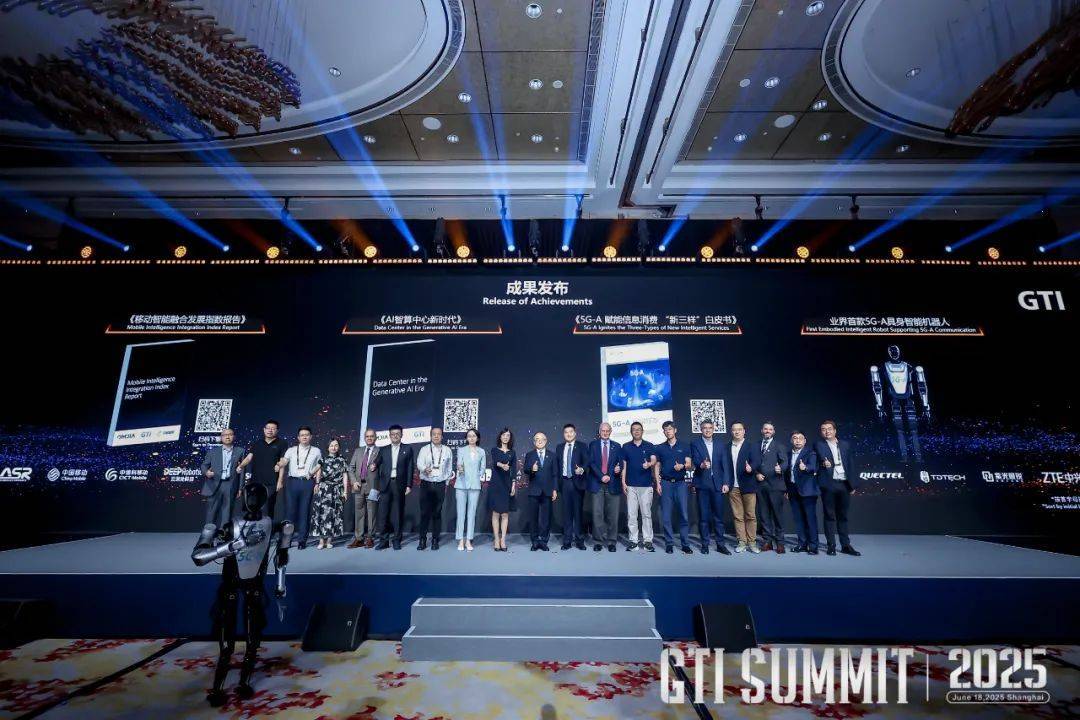
强强联合 中国移动联合乐聚发布业界首款5G-A人形机器人
机器人圈· 2025-06-21 12:53
Core Viewpoint - The emergence of the 5G-A humanoid robot "Kua Fu" marks a significant breakthrough in overcoming the "network bottleneck" that has hindered the commercialization of humanoid robots, enabling real-time control and multi-machine collaboration [1][3][7]. Group 1: Technological Breakthroughs - The 5G-A "Kua Fu" integrates 5G-A technology into humanoid robots, addressing critical pain points such as high-precision positioning, which reduces multi-machine networking costs and enables precise collaborative operations in industrial environments [4]. - Low latency and real-time remote control capabilities allow for complex task execution by the 5G-A "Kua Fu," while edge computing and cloud collaboration reduce hardware burdens and costs [5]. - The robot's data collection and incremental training capabilities facilitate real-time data transmission for deep learning models, accelerating iteration cycles and enabling rapid adaptation to diverse industry needs [5][6]. Group 2: Industry Development and Standardization - The humanoid robot industry is entering a phase of large-scale production, with expectations of over one million units produced, although achieving this milestone will take time [9]. - The release of the "5G-A Empowering Information Consumption 'New Three Samples' White Paper" aims to standardize key capability indicators and interface specifications necessary for humanoid robots, facilitating the transition from usable technology to replicable solutions [9][12]. - The establishment of an ecological chain connecting research, product development, and standardization has been initiated, with significant collaborations among industry leaders [12]. Group 3: Market Potential and Future Outlook - The humanoid robot market is projected to grow significantly, with estimates suggesting that by 2025, production will exceed 10,000 units and the market size could reach 8.239 billion yuan, capturing a substantial share of the global market [13]. - By 2045, it is anticipated that over 100 million humanoid robots will be in use across various industries in China, with the overall market size potentially reaching around 10 trillion yuan [13]. - The successful demonstration of the 5G-A "Kua Fu" at the MWC indicates the beginning of a rapid commercialization phase for humanoid robots, with the company aiming to deepen collaborations to enhance integration and scalability [14][15].
近30家具身公司业务和产品一览
具身智能之心· 2025-06-20 03:07
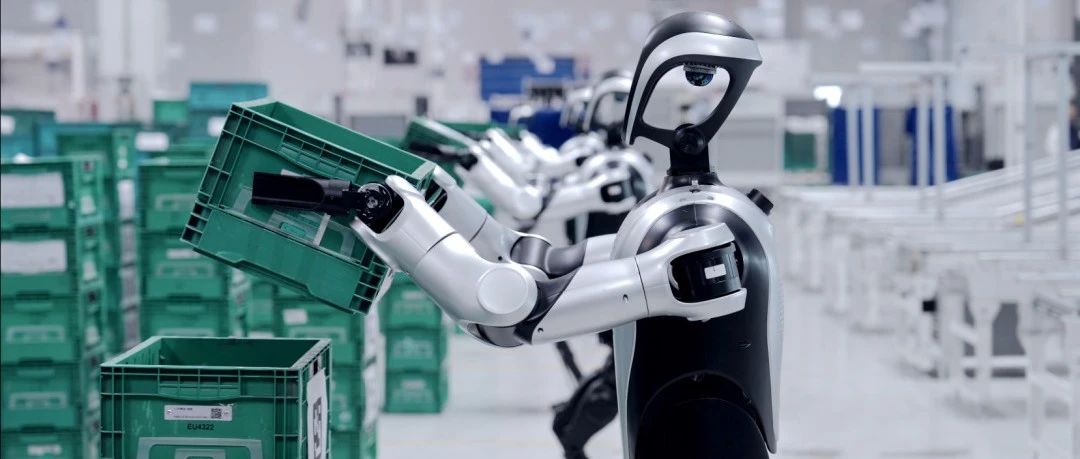
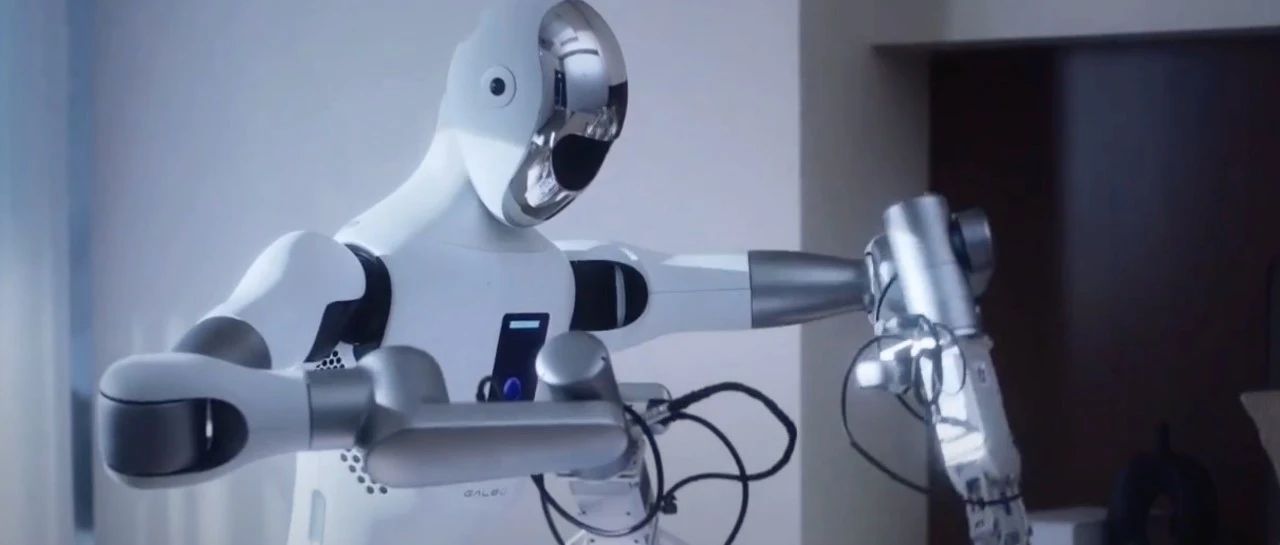
Core Insights - The article provides an overview of notable companies in the field of embodied intelligence and their corresponding business focuses [2] Company Summaries - **Zhiyuan Robotics**: Focuses on humanoid robot development, with products like the Expedition A1/A2 capable of navigating complex terrains and performing fine motor tasks [2] - **Unitree Robotics**: A leader in quadruped robots, known for high dynamic motion control, with products like Go1/Go2 series for consumer use and B1/B2/H1 series for industrial applications [5] - **Fourier Intelligence**: A general robotics company that includes humanoid robots and smart rehabilitation solutions, featuring products like GR-1/GR-2 humanoid robots and upper limb rehabilitation robots [6] - **Deep Robotics**: Specializes in quadruped robots for power and security applications, with products like the J series joints providing high torque performance [7] - **Lingchu Intelligent**: Focuses on dexterous operations and end-to-end solutions based on reinforcement learning algorithms [13] - **OriginBot**: Develops educational robots, including the Aelos series for programming education and Fluvo for hospital logistics [14] - **Noematrix**: Concentrates on high-resolution multi-modal tactile perception and soft/hard tactile manipulation products, providing innovative solutions for various sectors [29] - **Galbot**: Engages in the development of general-purpose humanoid robots and quadruped robots for industrial, commercial, and household applications [28]
运营商增长“熄火”? 华为MWC现场献计:盯紧骑手和主播!
Xin Lang Ke Ji· 2025-06-19 00:18
Core Insights - The annual MWC Shanghai highlighted the telecom industry's shift towards AI and large models, with 5G taking a backseat as operators face growth challenges [2] - The three major telecom operators reported low growth in Q1, indicating a saturation in demand and a need for new growth narratives [2][3][4] Group 1: Financial Performance - China Mobile reported Q1 revenue of 263.8 billion yuan, a slight increase of 0.02% year-on-year, with a net profit of 30.6 billion yuan, up 3.5% [2] - China Telecom's Q1 revenue was 134.5 billion yuan, showing a year-on-year increase of 0.01%, with a net profit of 8.9 billion yuan, up 3.1% [3] - China Unicom achieved Q1 revenue of 103.35 billion yuan, a year-on-year growth of 3.88%, with a net profit of 2.61 billion yuan, up 6.5% [4] Group 2: Growth Strategies - Huawei's rotating chairman Xu Zhijun emphasized the importance of identifying new growth demands, particularly from high-value user groups like delivery riders and live streamers, whose ARPU is significantly higher than average users [2][6] - The global number of delivery riders is expected to reach 160 million by 2030, with their ARPU being 1.6 times that of ordinary users; professional live streamers are projected to reach 130 million, with an ARPU four times higher [6] - Other strategies include enhancing high-definition video traffic, capitalizing on smart connected vehicles, and connecting individual businesses through FTTR technology [6] Group 3: AI and Robotics - The telecom operators are focusing on AI as a new narrative, with China Mobile's chairman stating that the industry is entering the AI+ era, where AI capabilities are reaching or exceeding human levels [2][10] - China Unicom launched the U PLUS SMART product system, integrating AI into various applications, while China Telecom showcased AI applications like the Tianyi AI phone and AI cloud computer [10][11] - Several robotics companies, including Yushu Technology and Leju Robotics, showcased their innovations at the event, highlighting the potential of AI in robotics for various applications [13][15]



人形机器人产业周报:工信部推进养老机器人试点,Figure更新进展-20250618
Guoyuan Securities· 2025-06-18 08:15
Investment Rating - The report maintains a "Recommended" rating for the humanoid robot industry, indicating that the industry index is expected to outperform the benchmark index by more than 10% [27]. Core Insights - The humanoid robot concept index experienced a decline of 1.93% from June 8 to June 13, 2025, underperforming the CSI 300 index by 1.68 percentage points. However, year-to-date, the humanoid robot index has risen by 31.54%, outperforming the CSI 300 index by 30.39 percentage points [2][12]. - The report highlights significant developments in the humanoid robot sector, including government initiatives to promote smart elderly care robots, advancements in product technology, and substantial investment activities [3][5]. Summary by Sections Weekly Market Review - From June 8 to June 13, 2025, the humanoid robot concept index fell by 1.93%, while the year-to-date performance shows an increase of 31.54% [12][18]. - Among A-share humanoid robot stocks, YS Tech saw the largest weekly gain of 36.22%, while Chaojie shares experienced the largest decline of 23.23% [18]. Weekly Hotspots Review Policy Developments - The Ministry of Industry and Information Technology and the Ministry of Civil Affairs announced a pilot program for smart elderly care robots, requiring at least 200 household applications and deployments in community and institutional settings [3][19]. Product Technology Iteration - NVIDIA's CEO stated that autonomous driving and robotics will thrive in the coming years, with the first embodied intelligent robot 4S store set to debut at the 2025 World Robot Conference [3][22]. - Significant technological advancements include the F-TAC Hand achieving human-level adaptive grasping capabilities and Figure's AI logistics system improving processing speed to 4.05 seconds per package [3][24]. Investment Activities - Leju Robotics completed a multi-billion yuan D-round financing, indicating strong market confidence in the humanoid robot sector [3][24]. Key Company Announcements - Xiangming Intelligent is expanding into humanoid robot joint module business through investments in Japan's BR Company and establishing a joint venture for service and medical robots [4][25]. - Beizhi Technology and Xingdong Era have formed a strategic partnership to promote humanoid robots in smart logistics applications [4][25].