
国家电网

Search documents
12月24日《新闻联播》主要内容
Xin Lang Cai Jing· 2025-12-24 12:23
Group 1 - The article emphasizes the acceleration of building a modern transportation and logistics system to support the new development pattern in China [1] - The "Encouragement of Foreign Investment Industry Catalog (2025 Edition)" was released today, indicating a focus on attracting foreign investment [8] - The National Grid's fixed asset investment is projected to exceed 650 billion yuan by 2025, highlighting significant infrastructure investment [10] Group 2 - The article mentions the positive progress in soil and water conservation during the "14th Five-Year Plan" period, reflecting environmental sustainability efforts [6] - The construction of smart agriculture in China is accelerating, indicating advancements in agricultural technology [7] - The "Special Governance Action Plan for the Quality and Safety of Industrial Products Sold Online (2025-2027)" was published, aiming to enhance product safety standards [10]
国内首条跨越秦岭的750千伏输电线路投运
Shan Xi Ri Bao· 2025-12-24 00:42
12月23日,国内首条跨越秦岭的750千伏超高压输电线路——汉中750千伏输变电工程建成投运,标 志着陕南电网正式迈入超高压时代,为秦巴山区绿色发展打通了一条能源"高速路"。 汉中750千伏输变电工程是国家电网"十四五"规划重点工程,也是陕西骨干网架升级的关键项目。 工程线路起于宝鸡市凤翔区的宝鸡换流站,接入汉中市城固县的新建汉中750千伏变电站,全长459公 里。工程投运后可大幅提升汉中电网供电能力,年减排二氧化碳约1500万吨,将显著增强区域电网可靠 性,促进清洁能源高效并网。 工程线路穿越秦岭无人区与重冰区,是国内首条跨越40毫米重冰区的750千伏线路,路径多位于海 拔1200米以上山区,施工环境复杂。施工人员不仅要克服大边坡、大档距等施工困难,还要应对微地 形、微气象带来的低温、浓雾等复杂天气情况。 汉中750千伏输变电工程项目经理刘小波表示,国网陕西电力在工程建设中坚持绿色施工理念,科 学优化组织,创新采用全地形履带车运输、模块化组塔、机械化"架桥"运输、无人机导引绳展放和"一 塔一基"微创式施工等新技术、新工艺,实现了工程建设与生态环境的和谐共生,确保了工程高质量建 成。 "该工程投运后,将汉中的 ...
95后电网“守夜人” 以青春点亮万家灯火
Xin Lang Cai Jing· 2025-12-24 00:17
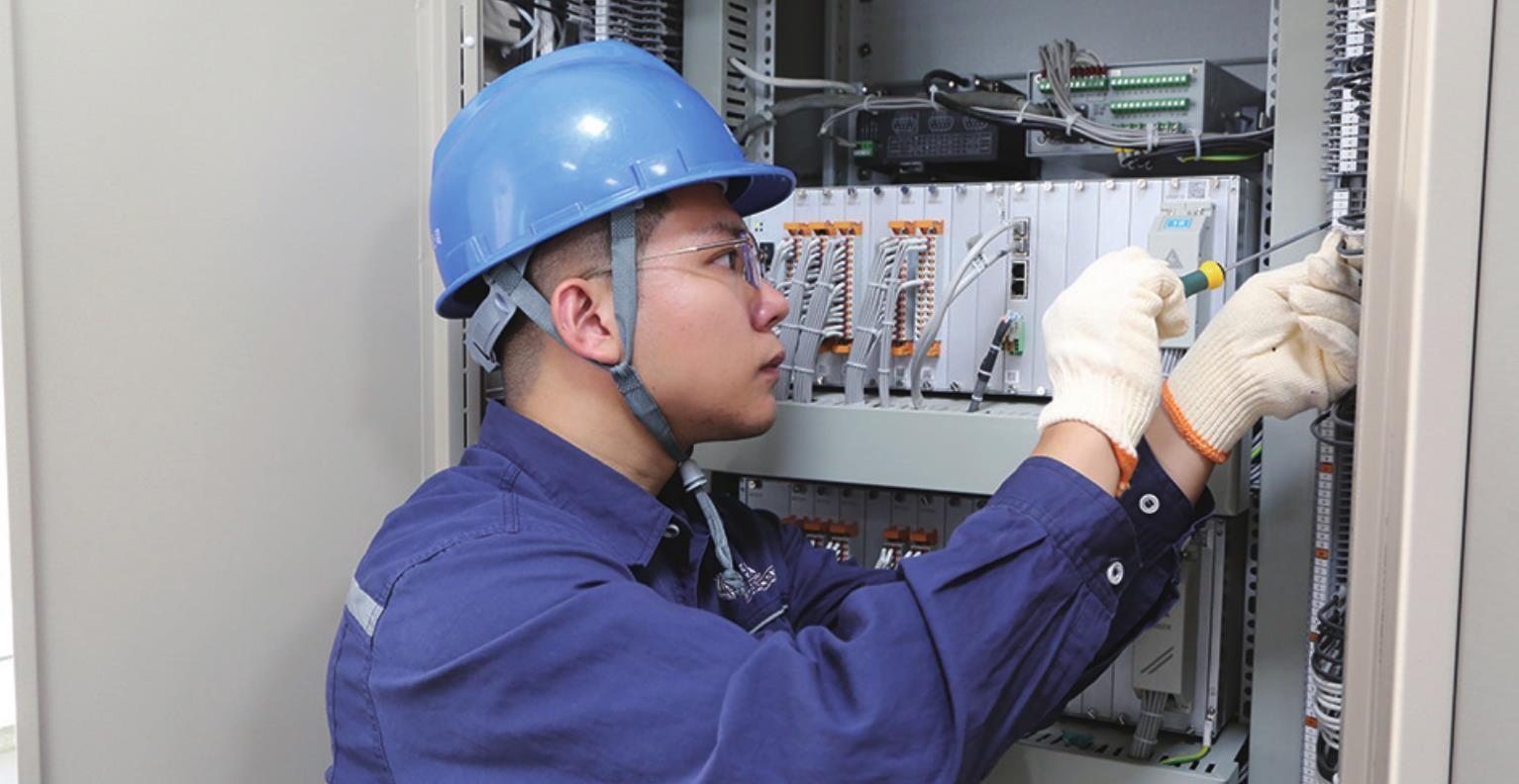
"小时候就觉得电力工人能点亮万家灯火,特别光荣。"这份儿时的憧憬,让闫顺毕业后毅然投身电力行业。刚入职时,面对密密麻麻的二次回路图和繁杂的 保护设备规程,他一头扎进学习中,不仅虚心向老师傅请教,还常常抱着专业书籍加班到深夜。 多年的刻苦钻研,让闫顺练就了"硬本领"——辽阳地区电网的主接线图、二次回路图烂熟于心,部分66千伏二次回路图纸甚至能默画出来。 扎根一线的岁月里,他参与2座220千伏变电站二次改造、5座66千伏变电站二次新建调试,完成继电保护设备定检260余次,编写规程12份,所负责的千余台 设备从未发生过安全事故。凭借扎实的功底,他在省级竞赛中屡获佳绩,斩获辽宁省职工职业技能大赛冠军、"振兴杯"竞赛团体二等奖等多项荣誉,成为名 副其实的行业技术状元。 勇攀高峰 闫顺。 共青团辽宁省委员会供图 在辽阳电网的变电站里,经常能看到一个年轻的身影:时而对着复杂的二次回路图纸凝神钻研,时而在保护设备间调试参数,时而带领团队讨论创新方案。 国家电网辽阳局继电保护技术专责闫顺,这名95后年轻电力人,用8年的青春实干,成长为一名守护电网安全、以创新赋能行业发展的青年尖兵。 深耕一线 把图纸"刻"进心里的技术达人 守护 ...

DeepMind还是不懂中国
3 6 Ke· 2025-12-23 12:44
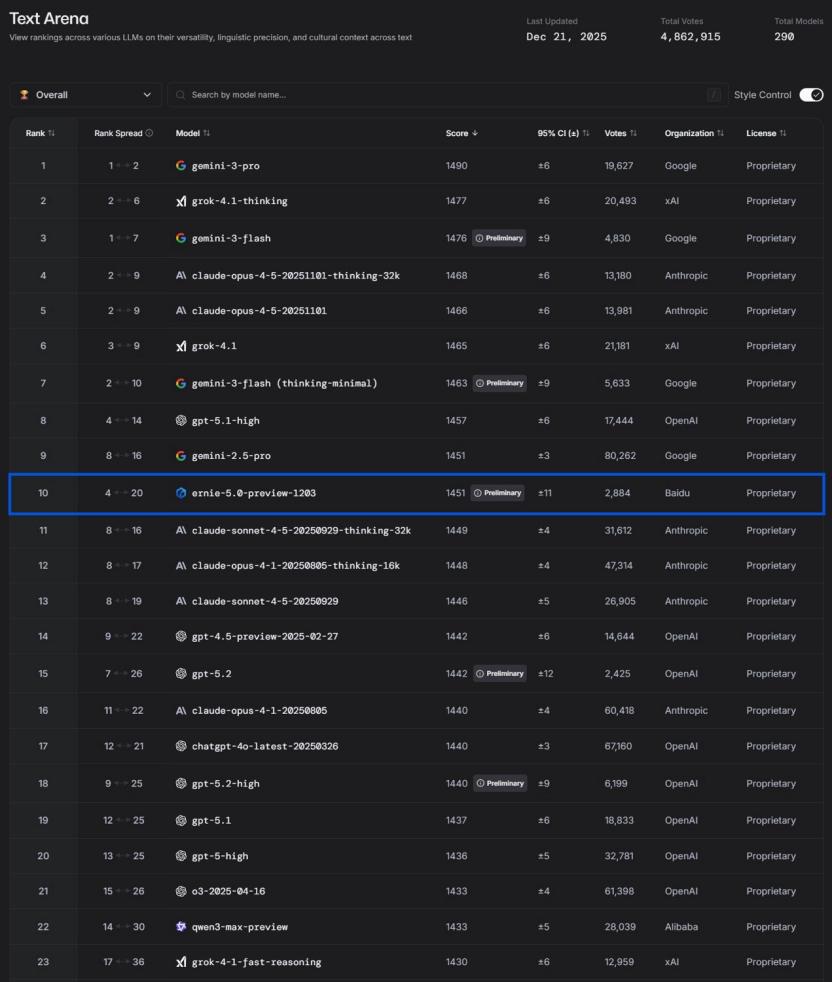
Core Viewpoint - The article discusses the perception of Chinese AI as lacking innovation, contrasting it with the rapid advancements made by Chinese companies like Baidu, particularly with its ERNIE-5.0 model, which has achieved significant recognition in international AI rankings [1][3][4]. Group 1: AI Innovation and Recognition - DeepMind's CEO criticized Chinese AI for being non-innovative, labeling it as merely fast followers [1][2]. - Baidu's ERNIE-5.0 scored 1451 points in the LMArena ranking, placing it as the top Chinese model and breaking the dominance of American models [3][4]. - ERNIE-5.0 is now recognized as a strong competitor on the global stage, ranking within the top 10 models and surpassing notable models like Claude Sonnet4.5 and GPT-5.2 [4][5]. Group 2: Technical Advancements of ERNIE-5.0 - ERNIE-5.0 employs a "native omni-modal" architecture, allowing it to integrate various data types from the start, enhancing its understanding and generation capabilities [5][6][7]. - The model boasts an impressive 2.4 trillion parameters, utilizing a "Mixture of Experts" (MoE) architecture to activate only a small fraction of its parameters for specific tasks, optimizing performance [9][10]. - It combines thinking and action through a composite thinking chain, significantly improving its problem-solving abilities [11][12]. Group 3: Practical Applications of AI - ERNIE-5.0 is being applied in various industries, such as high-speed rail design, where it accelerates aerodynamic simulations and reduces experimental time from months to minutes [19][20]. - The model is also utilized in social governance, improving the efficiency of complaint processing in urban management systems [26][27]. - In logistics, Baidu's Comate integrates with SF Express's internal systems, generating 20% of the code used daily, thus enhancing productivity [24][25]. Group 4: Future Implications and Competitive Landscape - The article suggests that the competition between Chinese and American AI will shift from mere performance metrics to the ability to integrate technology into everyday life [34][35]. - The upcoming official release of ERNIE-5.0 is anticipated to further enhance its capabilities, raising questions about the future dynamics of AI competition [33][34]. - The narrative emphasizes that innovation can occur in various environments, not just in traditional tech hubs, highlighting the importance of practical applications in driving AI advancements [36][37].

2025年世界500强企业排行榜:114家中企上榜,金融与能源为支柱
Jing Ji Guan Cha Wang· 2025-12-23 11:57
具体来看,排行榜提出跻身世界500强的中企呈现出"金融筑基、能源支撑、科技突破"的特征。 首先是金融板块贡献显著。排行榜显示,共有39家金融企业上榜,占中国上榜企业总数的34%,其中13家进入榜单前100强。工商银行以595.31亿美元的利 润额位列第八。保险企业利润增幅普遍较大,表现尤其亮眼——富邦金控利润增长133%、位次上升263位;中国人保利润增长110%、位次上升139位;友邦 保险利润增长78%、位次上升133位;中国太保利润增长77%、位次上升134位。 其次,排行榜显示,17家能源与基建企业上榜,其中五家位列前100强(中国石油第15位、中国海油第20位、中国神华第66位、国家电网第88位、中国石化 第90位),该板块企业依托国内庞大市场需求形成显著规模效应。 12月22日,中国上市公司百强论坛、华东理工大学民营经济研究院和华顿经济研究院联合发布的2025年世界500强企业排行榜(下称"排行榜")显示,中国 (含港澳台地区)共有114家企业上榜,占比22.8%,位列全球第二,较去年增加7家。中国所有上榜企业上年度平均利润额为86.78亿美元,同比增长8.6%。 排行榜提出,相比于《财富》杂志以 ...

万里银线 强国脊梁——我国建成世界上规模最大、最复杂的输变电工程
Zhong Guo Dian Li Bao· 2025-12-23 08:21
Core Insights - China's electricity consumption is expected to exceed 10 trillion kilowatt-hours for the first time by 2025, surpassing the total consumption of the EU, Russia, India, and Japan combined for 2024 [1] - The country has built the world's largest and most advanced power transmission network, with a reliability rate of 99.924% [1] Group 1: Development of High Voltage Transmission - The capacity of China's ultra-high voltage (UHV) transmission has increased from 270 million kilowatts at the end of the 13th Five-Year Plan to 340 million kilowatts, a growth of over 25% [2] - The total length of UHV direct current lines has surpassed 40,000 kilometers, marking a 43% increase from the previous period [2] - The UHV alternating current network has expanded significantly, with the length increasing from 12,000 kilometers to over 20,000 kilometers, a growth of over 67% [2] Group 2: Clean Energy Transition - The proportion of clean energy transmitted through UHV direct current channels has risen from less than 40% at the end of the 13th Five-Year Plan to nearly 60% in 2024, with annual clean energy transmission reaching 420 billion kilowatt-hours, a 70% increase [6] - The construction of UHV transmission channels has accelerated, with projects like the first "wind-solar-fire-storage integrated" UHV project and the "desert energy" transmission channel successfully operational [7][8] Group 3: Technological Innovations - China's UHV technology has achieved breakthroughs in various fields, establishing a self-controlled technical standard system [11] - Key technologies have overcome significant challenges, such as high-altitude construction and integrating large hydropower stations [12] - The integration of digital technology has enhanced the efficiency and reliability of the UHV network, with significant improvements in operational decision-making and equipment assessment [12] Group 4: Global Leadership and Export - China has established itself as a global leader in UHV technology, with the unique ±1100 kV UHV direct current transmission technology setting international standards [13] - Successful projects like the Belo Monte UHV project in Brazil demonstrate China's capability to export high-end equipment and technology [13]
电网老旧分裂,就连稳定供电都做不到,美国AI产业还怎么赢中国?
Sou Hu Cai Jing· 2025-12-23 00:36
Core Viewpoint - The competition between China and the US in the AI industry is heavily influenced by their respective power supply capabilities, with China leveraging its stable electricity grid to support AI development while US tech giants struggle with outdated infrastructure and high costs [1][3]. Group 1: Power Supply and AI Development - AI requires significant electricity, with training a model like ChatGPT consuming energy equivalent to 30,000 Tesla vehicles running 200,000 kilometers, or enough to power 40,000 households for a day [7]. - By 2030, global data centers' electricity consumption is expected to double, surpassing Japan's total electricity usage, making power supply a critical factor for AI survival [9][11]. - China's AI labs benefit from a stable power supply through high-voltage transmission lines, ensuring consistent electricity from renewable sources like hydropower, while the US faces challenges with its aging power grid [11][30]. Group 2: US Power Grid Challenges - The US power grid is plagued by aging infrastructure, with 70% of transmission lines and transformers over 25 years old, leading to inefficiencies and vulnerability to extreme weather [15][21]. - During the 2021 Texas winter storm, over 4 million users lost power, resulting in significant economic losses exceeding $100 billion, highlighting the grid's unreliability [18][21]. - The fragmented nature of the US power grid, divided into independent regional networks, limits its ability to respond effectively to crises, as seen in the Texas power outages [23][30]. Group 3: China's Power Grid Advantages - China's power grid operates as a unified system, allowing for efficient energy distribution across vast distances, which supports AI development in urban centers [30][35]. - The country has mastered high-voltage transmission technology, enabling low-loss electricity delivery over long distances, which is crucial for integrating renewable energy sources [32][35]. - China's electricity costs are significantly lower than those in the US, providing a competitive advantage for AI companies in terms of operational expenses [38][42]. Group 4: Future Implications - As AI technology advances, electricity demand will continue to rise, potentially widening the gap between China's and the US's power grid capabilities [44]. - China's robust power infrastructure is expected to sustain its AI industry's growth and foster related sectors, while the US risks falling behind if it cannot address its power grid issues [44].

华塑科技(301157.SZ):公司对HVDC和SST系统的适配产品已在研发布局中
Ge Long Hui· 2025-12-22 07:16
Core Viewpoint - The company, Huashu Technology (301157.SZ), focuses on providing safer, greener, and smarter infrastructure solutions and services for AI computing power and renewable energy, establishing itself as a key player in the digital infrastructure sector through vertical integration in the battery safety management field [1] Group 1: Company Overview - Huashu Technology has been deeply involved in the battery BMS (Battery Management System) sector for twenty years, covering both energy storage and backup battery BMS, and has gained significant recognition from clients due to its extensive industry experience and project accumulation [1] - The company is the first listed BMS enterprise in China and holds a leading market share in the domestic market [1] Group 2: Business Applications and Clients - The company's products are utilized by well-known domestic and international enterprises, including Alibaba, Tencent, Baidu, ByteDance, China Mobile, China Unicom, China Telecom, State Grid, Bank of China, Industrial and Commercial Bank of China, Hangzhou Metro, Singapore Metro, Sinopec, and PetroChina [1] Group 3: Revenue and Future Plans - As of June 30, 2025, the revenue from the battery BMS business is expected to account for over 90% of the company's total operating income [1] - The company is actively expanding its overseas business, having established a wholly-owned subsidiary, Huzhou Huashu Digital Energy Technology Co., Ltd., in November 2025 to develop related businesses in overseas home energy storage and commercial distributed energy storage systems [1] - The company is also in the research and development phase for products compatible with HVDC (High Voltage Direct Current) and SST (Solid State Transformer) systems [1]
华塑科技:公司对HVDC和SST系统的适配产品已在研发布局中
Mei Ri Jing Ji Xin Wen· 2025-12-22 03:57
Core Viewpoint - The company, Huashu Technology, is a key player in the battery management system (BMS) sector, focusing on providing safe, green, and intelligent infrastructure solutions for AI computing power and renewable energy, with significant market presence and ongoing expansion efforts in both domestic and international markets [1]. Group 1: Company Overview - Huashu Technology has been dedicated to the BMS field for 20 years, including energy storage and backup battery BMS, gaining high recognition from clients and establishing a strong brand reputation in the industry [1]. - The company serves notable clients such as Alibaba, Tencent, Baidu, ByteDance, China Mobile, China Unicom, China Telecom, State Grid, Bank of China, Industrial and Commercial Bank of China, Hangzhou Metro, Singapore Metro, China National Petroleum Corporation, and China Petroleum & Chemical Corporation [1]. Group 2: Market Position and Financials - As the first listed BMS company in China, Huashu Technology holds a leading market share in the domestic market, with BMS revenue accounting for over 90% of the company's total revenue as of June 30, 2025 [1]. - The company is actively expanding its overseas business, having established a wholly-owned subsidiary, Huzhou Huashu Digital Energy Technology Co., Ltd., in November 2025 to focus on overseas home energy storage and commercial distributed energy storage systems [1]. Group 3: Research and Development - The company is currently developing compatible products for HVDC (High Voltage Direct Current) and SST (Solid State Transformer) systems, indicating a commitment to innovation and adaptation in emerging technologies [1].
发展数字金融赋能数字经济
Xin Lang Cai Jing· 2025-12-20 22:07
Core Viewpoint - The 20th Central Committee's Fourth Plenary Session emphasizes the acceleration of building a financial powerhouse, focusing on the development of digital finance as a crucial element for integrating the digital economy with the real economy [1] Group 1: Digital Finance Development Achievements - During the 14th Five-Year Plan period, significant progress has been made in the digital transformation of China's financial sector, enhancing the efficiency of financial products and services [2][3] - The digital economy's core industry is projected to account for approximately 10% of GDP by 2024, with digital innovation significantly boosting development capabilities [4] Group 2: Financial Services and Digital Economy Integration - The growth rate of loans to the digital economy sector has outpaced the average growth rate of all loans, with a loan balance of 8.2 trillion yuan as of September, reflecting a 13% year-on-year increase [4] - New financing channels have been established for technology-driven enterprises through the introduction of a "Technology Board" in the bond market, enhancing accessibility to financing [4] Group 3: Policy and Regulatory Framework - The development of digital finance is supported by a robust policy framework, including the "Financial Technology Development Plan (2022-2025)" and various guidelines for digital transformation in banking and insurance [3][6] - A comprehensive legal framework is being established to govern digital finance, focusing on data security, personal information protection, and algorithm ethics [7][14] Group 4: Digital Currency Development - The People's Bank of China is leading the development of the digital yuan, which is positioned as a state-backed digital currency with unique advantages over existing electronic payment methods [8][9] - As of September, 225 million personal wallets have been opened for the digital yuan, with a total transaction amount of 14.2 trillion yuan across 33.2 billion transactions [9][10] Group 5: Security and Risk Management - The rapid expansion of digital finance presents both opportunities and challenges, necessitating a focus on data security and risk management to maintain public trust [13][15] - Measures are being implemented to enhance the security of financial data and to establish a regulatory framework that balances innovation with risk prevention [14][16]