华能国际

Search documents
京津冀经济总量 5年连跨3个万亿元台阶
Xin Lang Cai Jing· 2026-02-25 00:30
Core Insights - The "14th Five-Year Plan" period has shown significant achievements in the coordinated development of the Beijing-Tianjin-Hebei region, with GDP projected to increase from 8.96 trillion yuan in 2020 to nearly 12 trillion yuan by 2025, achieving an average annual growth rate of 5.2%, 4.4%, and 5.4% respectively [1][2] Group 1: Economic Development - The total area of the Beijing-Tianjin-Hebei region is 216,000 square kilometers, with a permanent population exceeding 100 million, providing a strong foundation for deep integration and collaborative progress [1] - The region has seen a reduction of 150 square kilometers in urban construction land and the exit of over 3,000 general manufacturing enterprises, optimizing economic structure and spatial layout [1] - Xiong'an New Area has entered a phase of large-scale construction, maintaining an annual investment scale of 200 billion yuan, with major companies like China Star Network and China National Chemical relocating there [1] Group 2: Infrastructure and Environmental Improvements - During the "14th Five-Year Plan" period, 710 kilometers of new railway operating mileage have been added, achieving a basic realization of a "1-1.5 hour traffic circle" among major cities [2] - The region's air quality has improved, and the water ecosystem is being restored, with shallow and deep groundwater levels rising by 3.29 meters and 7.67 meters respectively compared to the end of the "13th Five-Year Plan" [2] - The Yongding River has achieved continuous water flow for five consecutive years, indicating significant ecological progress [2] Group 3: Innovation and Industrial Collaboration - Collaborative innovation and industrial cooperation are key supports for high-quality development in the Beijing-Tianjin-Hebei region, with technology contract transaction amounts from Beijing to Tianjin and Hebei exceeding 320 billion yuan, growing at an average annual rate of 23%, which is 1.7 times higher than during the "13th Five-Year Plan" [2] - Over 10,000 branches of enterprises from Zhongguancun have been established in Tianjin and Hebei, indicating a strong trend of industrial collaboration [2]
全省重点项目建设奋力冲刺一季度目标任务擂响“奋进鼓” 护航“开门红”
Xin Hua Ri Bao· 2026-02-25 00:14
新春伊始,一批批"新意澎湃""绿意盎然"的重大项目正以"满格"状态冲刺,用实干勾勒出产业向 新、发展向绿的生动图景。 在常州市金坛区薛埠镇的地下百米深处,一个庞大的"城市充电宝"正迎来关键建设期。省重大项 目、华能金坛盐穴压缩空气储能发电二期项目规划建设两套350兆瓦非补燃式压缩空气储能机组。待两 台机组于今年年中实现整套启动并网,这里将成为全球单机功率最大、总容量最大、综合效率最高的压 缩空气储能电站。 马年新春,江苏大地年味正浓,全省各地重点项目建设现场一片繁忙景象,建设者、劳动者们正以 热火朝天的实干,全力拉满发展"进度条",奋力冲刺一季度目标任务,为新一年江苏高质量发展注入强 劲动能。 逐绿逐新,项目建设擂响"奋进鼓" 走进项目现场,吊臂林立、焊花飞溅,工人们正加紧进行设备安装与调试。截至目前,项目一号机 透平发电机组所有模块已完成初步找正,正在进行本体管道、管件安装。"主体工程已进入安装调试高 峰期。"华能金坛公司工程部机务专工杨清格勒介绍,两台机组年中可实现整套启动并网。投入使用 后,一次充电可储存电量280万千瓦时,年预计充放电330次,相当于节约标准煤27万吨、减少二氧化碳 排放52万吨。 在 ...
京津冀地区生产总值近12万亿元
Xin Lang Cai Jing· 2026-02-24 23:26
"十四五"时期,"新两翼"协同振翅,城市副中心、雄安新区两座承担非首都功能疏解的"千年之城",同 频共振。 (来源:千龙网) 五年间,一张围绕产业、创新、交通、生态、民生等多维度协同发展的蓝图在京津冀徐徐铺展。昨天 (24日),北京市统计局发布数据,"十四五"时期,京津冀地区生产总值由2020年的8.96万亿元增加到 2025年的近12万亿元,连续跨越三个万亿台阶,三地年均增速分别为5.2%、4.4%和5.4%。按不变价格 计算,2025年京津冀地区生产总值比上年增长5.4%,高于全国平均水平0.4个百分点。 产业转型升级 创新合作加深 经济总量接连跨越的背后,是京津冀三地产业加快转型升级积蓄的动力。区域三次产业构成由2020年的 4.7∶27.7∶67.6变化为2025年的4.1∶25.8∶70.1,第三产业比重突破七成。2025年,区域规模以上工业增加值 比上年增长6.6%,高端制造引领突出,北京、天津高技术制造业增加值占规模以上工业的比重分别为 32.1%和16.6%,较2020年分别提高4.4个和1.2个百分点;河北高新技术产业增加值占规模以上工业的比 重为25.5%,比2020年提高6.1个百分点。 ...
烟台龙口华能山东半岛北BW场址510MW海上风电项目
Xin Lang Cai Jing· 2026-02-24 22:23
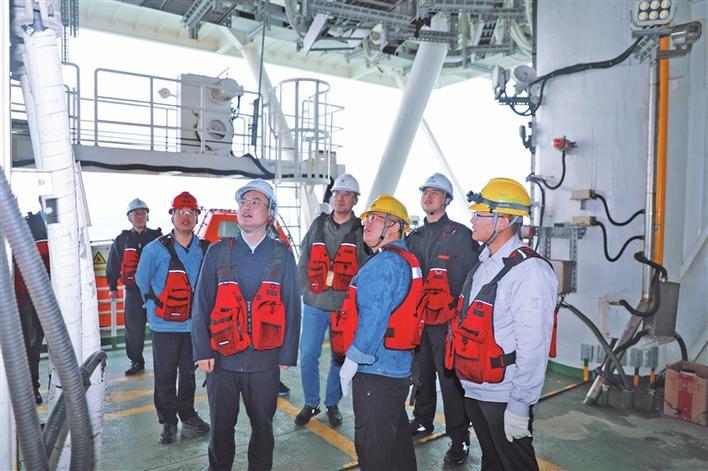
转自:中国改革报 (来源:中国改革报) 2025年9月19日,山东省发展改革委价格处一行赴烟台龙口华能山东半岛北BW场址510MW海上风电项 目调研海上风电运营和发电成本情况。 李乐 摄 ...


解构京津冀协同发展的“十四五”答卷
Bei Jing Shang Bao· 2026-02-24 16:56
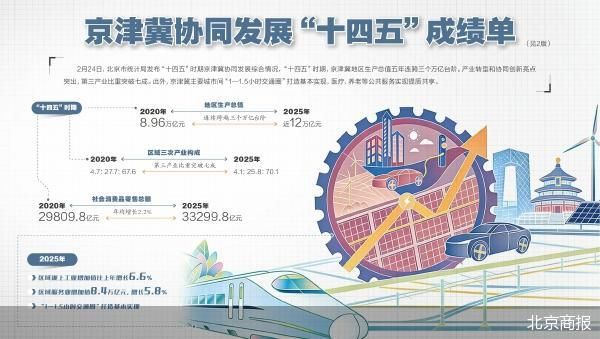
Economic Growth - The GDP of the Beijing-Tianjin-Hebei region is projected to increase from 8.96 trillion yuan in 2020 to nearly 12 trillion yuan by 2025, crossing three trillion yuan milestones [1][3] - The average annual growth rates for the three areas during the "14th Five-Year Plan" period are expected to be 5.2% for Beijing, 4.4% for Tianjin, and 5.4% for Hebei [3] Industrial Transformation - The proportion of the tertiary industry in the region has surpassed 70%, with the three industries' structure changing from 4.7:27.7:67.6 in 2020 to 4.1:25.8:70.1 by 2025 [6] - The added value of high-tech manufacturing in Beijing and Tianjin is expected to account for 32.1% and 16.6% of the industrial output, respectively, by 2025 [6] Investment and Consumption - Fixed asset investments in the three regions are projected to grow by 5.5% in Beijing, 1.6% in Tianjin, and 6.1% in Hebei by 2025 [7] - The total retail sales of consumer goods in the region are expected to rise from 29,809.8 billion yuan in 2020 to 33,299.8 billion yuan by 2025, with an average annual growth rate of 2.2% [7] Innovation and Technology - The total value of technology contracts in the region is expected to reach 1.4 trillion yuan by 2025, which is 1.8 times that of 2020 [9] - The number of invention patents in the region is projected to reach 141,000 by 2025, which is 1.9 times that of 2020 [10] Infrastructure and Public Services - The construction of a "1-1.5 hour traffic circle" among major cities in the region has been largely achieved, with significant improvements in public transportation [11] - Collaborative projects in healthcare and elderly care have been established, enhancing the quality of public services across the region [12]
京津冀篇 十二载策马启华章
Xin Lang Cai Jing· 2026-02-24 15:14
Core Insights - The Beijing-Tianjin-Hebei (Jing-Jin-Ji) coordinated development has significantly advanced over the past 12 years, with the regional economy surpassing 11.5 trillion yuan, marking a strong driver for high-quality national development [2] - The initiative aims to create a modernized urban cluster, enhancing collaboration among the three regions while addressing ecological and economic challenges [1][19] Group 1: Strategic Planning and Development - In 2014, President Xi Jinping emphasized the need for coordinated development in Jing-Jin-Ji as a major national strategy to optimize urban layouts and promote ecological civilization [1] - The construction of Xiong'an New Area is highlighted as a historic project, requiring patience and a long-term vision [3] - By 2024, the focus will be on deepening regional integration and innovation in governance mechanisms to enhance the collaboration between Beijing and Tianjin [9] Group 2: Economic Growth and Industrial Transformation - The region's economic output has increased significantly, with traditional industries like steel undergoing transformation, and new industries such as information technology and biomanufacturing rapidly growing [2][4] - Beijing has seen a substantial rise in high-tech industries, with over 30,000 national high-tech enterprises established, and a notable increase in integrated circuit production and electric vehicle manufacturing [13] - Hebei has also expanded its high-tech enterprises to 15,500, with significant growth in advanced manufacturing and technology-driven sectors [14] Group 3: Infrastructure and Connectivity - The completion of major transportation projects, including the "Four Vertical and Three Horizontal" highway network, has improved connectivity across the region [4][5] - High-speed rail connections have been established between all prefecture-level cities and provincial capitals, enhancing regional mobility [6] Group 4: Innovation and Technology - The establishment of innovation centers and the promotion of collaborative projects in technology and research have been prioritized, with significant investments in AI and digital economy sectors [12][15] - The region aims to create a collaborative innovation ecosystem, integrating various sectors to drive economic growth and technological advancement [15] Group 5: Environmental Sustainability - Plans for Xiong'an New Area include establishing a green development model, aiming for a significant improvement in ecological quality by 2030 [16] - The "Beautiful China" initiative outlines goals for ecological restoration and pollution reduction, with specific targets for water quality and carbon emissions by 2030 [18] Group 6: Future Planning and Vision - The "Modern Capital Urban Circle Spatial Coordination Plan" aims to optimize the urban structure and enhance the functional synergy between Beijing, Tianjin, and Hebei [19][20] - The plan emphasizes the importance of high-quality development and the establishment of a world-class urban cluster, focusing on innovation and sustainable growth [19]
不止三个万亿台阶 透视“十四五”时期京津冀协同发展成绩单
Bei Jing Shang Bao· 2026-02-24 13:32
Core Insights - The Beijing-Tianjin-Hebei region's GDP is projected to increase from 8.96 trillion yuan in 2020 to nearly 12 trillion yuan by 2025, crossing three trillion yuan milestones [1][4] - The region is experiencing significant industrial transformation and collaborative innovation, with the tertiary industry accounting for over 70% of the GDP by 2025 [1][7] Economic Growth - The GDP growth rates for the three areas are projected at 5.4% for Beijing, 4.8% for Tianjin, and 5.6% for Hebei, with an average annual growth rate of 5.2% for the region during the 14th Five-Year Plan [4][5] - The annual average growth rate for the GDP in the Tongzhou District, where Beijing's sub-center is located, is expected to exceed 6% [5] Industrial Transformation - The structure of the three industries in the region is shifting from 4.7:27.7:67.6 in 2020 to 4.1:25.8:70.1 by 2025, indicating a significant increase in the tertiary sector [7] - The added value of high-tech manufacturing in Beijing and Tianjin is projected to account for 32.1% and 16.6% of the industrial output, respectively, by 2025 [7] Investment and Consumption - Fixed asset investments in the three areas are expected to grow by 5.5% in Beijing, 1.6% in Tianjin, and 6.1% in Hebei by 2025 [8] - The total retail sales of consumer goods in the region are projected to rise from 29,809.8 billion yuan in 2020 to 33,299.8 billion yuan by 2025, with an average annual growth rate of 2.2% [8] Innovation and Technology - The total value of technology contracts in the region is expected to reach 1.4 trillion yuan by 2025, which is 1.8 times that of 2020 [9] - The number of invention patents in the region is projected to reach 141,000 by 2025, nearly double the amount in 2020 [10] Infrastructure and Public Services - The construction of a "1-1.5 hour traffic circle" among major cities in the region is nearing completion, with significant improvements in public transportation [11] - Collaborative initiatives in healthcare and elderly care are enhancing public service quality, benefiting residents across the three areas [12]

一马当先南京年|春节期间南京港预计装卸电煤总量14万吨
Xin Lang Cai Jing· 2026-02-23 11:27
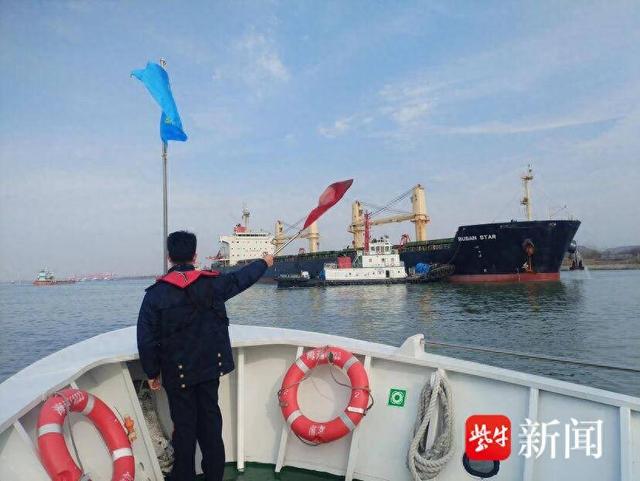
转自:扬子晚报 校对 胡妍璐 春节期间煤炭等民生物资补给至关重要,为保障春运及春节期间辖区水上交通安全稳定,确保重点民生 物资运输"不断档、不延误",南京海事局主动作为、精准施策,以全方位部署、全链条监管、全流程服 务,筑牢保通保畅防线,用坚守守护新春平安。 南京海事局工作人员节日期间坚守岗位,及时发布恶劣天气预警信息,在船舶靠泊、离泊过程中,全程 现场值守,疏导周边航行船舶、规范通航秩序,协助船舶精准靠离泊,及时处置航行过程中的各类突发 情况,为重点物资运输船舶开辟专属通航空间。依托无人机、海巡艇、CCTV电子监控,构建"空中+水 面+岸上"立体监管网络,加大对危化品码头、锚地、水上服务区等重点水域及夜间、恶劣天气等重点 时段的巡航力度,实时掌握船舶动态、排查安全隐患,保障煤炭运输船舶航行、锚泊安全。 此外,还对电煤运输海事手续实行"并联办理""容缺办理",提升办理效率、助企纾困。主动对接港航企 业和电厂,开辟煤炭运输"绿色通道",实行"直离直靠、直进直出"机制,优先保障重点物资船舶靠离 泊、装卸作业。 春节期间,南京海事局将严格落实24小时值班制度,强化值班值守,全面梳理应急救助力量,密切关注 天气、水位 ...

中建三局中国华能雄安总部项目新春不打烊
Xin Lang Cai Jing· 2026-02-20 13:29
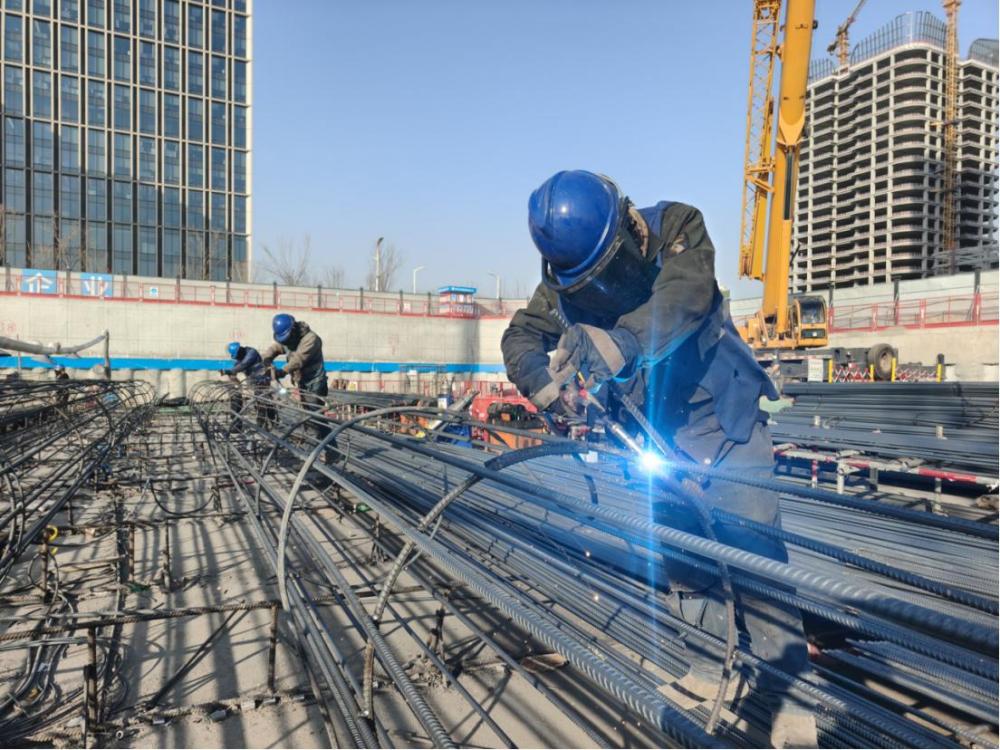
Group 1 - The China Huaneng Xiong'an Headquarters project is a significant undertaking in the Xiong'an New Area, aimed at relieving non-capital functions from Beijing [2][4] - The project is part of the first batch of four central enterprise headquarters projects in the Xiong'an New Area, highlighting its strategic importance [4] - During the Spring Festival, over 130 construction workers are actively engaged on-site to ensure the timely and high-quality completion of key project milestones [1][2] Group 2 - The project management team has organized activities for workers during the Spring Festival, including watching the Spring Festival Gala and distributing New Year gift packages, to enhance morale and provide a sense of home [2][5] - The project team emphasizes the importance of safety and quality while maintaining construction progress, demonstrating a commitment to high standards [2][4] - Future efforts will focus on balancing safety production with engineering progress, maintaining a strong work ethic to contribute to the high-quality development of the Xiong'an New Area [4]
国务院国资委调度检查国资央企春节假期值班值守安全生产和服务保障工作
Xin Lang Cai Jing· 2026-02-17 12:13
Group 1 - The State-owned Assets Supervision and Administration Commission (SASAC) emphasizes the importance of safety and service during the Spring Festival holiday, urging central enterprises to ensure a peaceful and safe celebration for the public [1][2] - SASAC leaders, including Zhang Yuzhuo and Tan Zuojun, conducted inspections and communicated with staff to understand the arrangements for duty and safety during the holiday period [1][2] - Central enterprises are reminded to strengthen risk assessments in key areas and maintain efficient operations to support public festivities [1][2] Group 2 - Tan Zuojun, on behalf of Zhang Yuzhuo, connected with 11 central enterprises via video to check on energy, power supply, major project operations, and communication services [2] - The focus is on tightening the safety production responsibility chain to ensure the stability of essential services such as energy, communication, and transportation during the holiday [2] - The implementation of the Central Eight Regulations is emphasized to ensure a frugal and civilized holiday atmosphere [2]