
洪都航空

Search documents
SpaceX申请部署百万颗卫星,通用航空ETF基金(561660)红盘向上
Xin Lang Cai Jing· 2026-02-02 02:51
Group 1 - The core viewpoint of the news highlights the performance of the General Aviation Theme Index and the active developments in commercial aerospace, particularly SpaceX's plans for a satellite constellation to support advanced AI applications [1][2] - As of February 2, 2026, the General Aviation Theme Index (931855) increased by 0.65%, with notable stock performances from Tianyin Electromechanical (+11.76%), Hangcai Co. (+4.51%), and others [1] - The General Aviation ETF (561660) also saw a rise of 0.45%, with the latest price reported at 1.33 yuan [1] Group 2 - The General Aviation Theme Index tracks 50 listed companies involved in various sectors related to general aviation, including aircraft manufacturing and aviation materials, reflecting the overall performance of these companies [2] - As of January 30, 2026, the top ten weighted stocks in the General Aviation Theme Index accounted for 45.73% of the index, with companies like Aerospace Electronics and Haige Communication leading the list [2]
【产业洞察】重磅!2025年无锡市“465”产业体系全景分析(附产业体系、产业政策、产业布局图谱、产业发展现状、产业发展规划)
Qian Zhan Wang· 2026-02-02 02:14
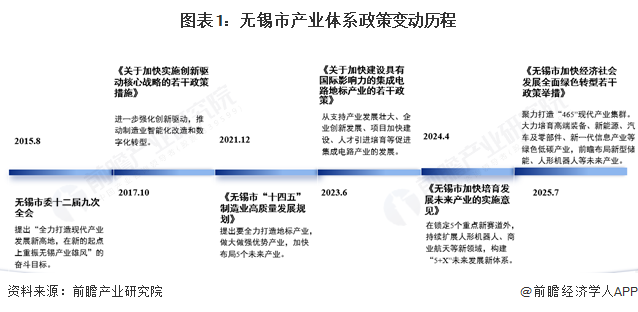
Core Insights - Wuxi City is implementing the "465" modern industrial system to enhance its industrial capabilities and competitiveness, focusing on advanced manufacturing and future industries [1][4][10] Group 1: Industrial Strategy and Development - In 2015, Wuxi's government emphasized the "strong industry" strategy, aiming to create a modern industrial highland through policies supporting high-tech industries [1] - By 2025, Wuxi aims for four landmark industrial clusters and six advantageous industrial clusters to achieve a combined revenue of 2.6 trillion yuan, with future industries maintaining an annual growth rate of over 15% [4][27] - The industrial value added of Wuxi's enterprises surpassed 640.17 billion yuan in 2024, reflecting a growth of 6.6% compared to the previous year [10][12] Group 2: Investment and Economic Performance - Wuxi's fixed asset investment reached 458.736 billion yuan in 2024, with industrial investment accounting for 41.6%, indicating a significant increase [13] - The first industry added value was 14.045 billion yuan, growing by 3.5%, while the second industry reached 771.602 billion yuan, up by 6.2%, and the third industry achieved 840.682 billion yuan, increasing by 5.4% [16] Group 3: Industrial Clusters and Innovation - Wuxi has established five national advanced manufacturing clusters, including special steel materials and large aircraft, and has been recognized as a national pilot city for digital transformation of SMEs [17][20] - The city is focusing on developing key industrial clusters in IoT, integrated circuits, biomedicine, and software services, while also nurturing future industries like AI and quantum technology [27] Group 4: Funding and Support Mechanisms - Wuxi's "465" industrial system is supported by various funds, including a 5 billion yuan integrated circuit fund and a 4 billion yuan biomedicine fund, targeting sectors like semiconductors and innovative drugs [21][23] - The city has developed a comprehensive support system for R&D in high-end equipment, biomedicine, and IoT, emphasizing deep integration of industry and education [25] Group 5: Future Development Plans - Wuxi plans to enhance its industrial ecosystem by implementing projects focused on industrial park development, excellence in industrial chains, and collaborative innovation [30] - By 2025, Wuxi aims to create a number of nationally recognized advanced manufacturing clusters and increase the number of listed companies in the A-share market [27]

C919大飞机:万亿赛道,拐点到来
HUAXI Securities· 2026-01-30 11:20
Investment Rating - The industry rating for the defense and aerospace sector is "Recommended" [1] Core Insights - The domestic long-range engine, Changjiang series, has entered a critical certification phase, marking a significant turning point for the large aircraft sector [1] - The demand for civil aircraft remains strong, with Boeing recovering orders while Airbus faces delivery challenges due to engine supply shortages [4][5] - The C919 aircraft has made significant progress in obtaining European airworthiness certification, which is crucial for accessing global markets [6] - The operational performance of the C919 has been validated through extensive market testing, with increasing flight hours and passenger numbers [7][8] - The delivery of C919 aircraft is expected to rise, with supply chain obstacles gradually diminishing [9] Summary by Sections Manufacturing and Development - The Changjiang engine's development is a key focus, with the 2026 work conference emphasizing the importance of commercial power and advanced materials [1] - The C919 has successfully completed various certification processes, including the TC and PC certifications for multiple engine models [3] Demand and Market Dynamics - Airbus has a backlog of 8,665 aircraft orders, with a projected delivery of approximately 820 aircraft by the end of 2025, while Boeing's commercial aircraft orders have shown signs of recovery [4] - Engine supply shortages are a critical bottleneck, causing many new aircraft to be grounded due to the lack of engines [5] Certification and Regulatory Progress - The C919 has received positive evaluations from the European Union Aviation Safety Agency (EASA), indicating its performance and safety [6] Operational Performance - The C919 has successfully carried over 4 million passengers by the end of 2025, demonstrating its operational reliability and efficiency [7] - Airlines are expanding C919 flight routes, reflecting confidence in the aircraft's performance [8] Delivery and Supply Chain - In 2025, approximately 15 C919 aircraft were delivered, showing an increase from the previous year, although still below initial expectations [9] - The resolution of supply chain issues, particularly regarding engine availability, is crucial for future production increases [9]
2025年中国无人机行业农业产业应用分析 植保无人机销量快速增长【组图】
Qian Zhan Wang· 2026-01-30 04:23
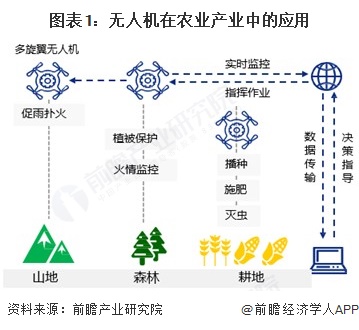
Core Insights - The article discusses the rapid growth and competitive landscape of the agricultural drone market in China, particularly focusing on crop protection drones and their applications in agriculture [1][7]. Industry Overview - Agricultural aviation has evolved from manned aircraft operations to a coexistence of manned and unmanned operations, with a significant increase in the use of agricultural drones for tasks such as spraying, seeding, and pest control [1][7]. - The demand for agricultural drones is driven by the need for efficient pest control, especially during outbreaks of biological disasters [3]. Market Data - According to the National Bureau of Statistics, China's crop sowing area has remained above 1.6 billion hectares from 2016 to 2024, with projections indicating that the sowing area for grain crops will reach 1.196 billion hectares in 2024 [6]. - The sales of crop protection drones in China have surged from 7,500 units in 2017 to 99,500 units in 2024, reflecting a compound annual growth rate of 43.7% [7]. Competitive Landscape - The agricultural drone market is primarily dominated by DJI and XAG, with both companies offering a range of products and services in the agricultural sector [11]. - DJI has released multiple agricultural drone models and aims to sell nearly 200,000 units by 2025, with a projected operational area exceeding 1.9 million acres [13]. - XAG has developed a comprehensive product matrix and has served 9.31 million farmers, covering over 1.45 billion acres, while also expanding its overseas business significantly [13]. Future Trends - The article highlights the expected increase in major crop pest occurrences by 6.2% in 2025, necessitating enhanced monitoring and control measures [6]. - The competitive dynamics suggest a strong focus on technological advancements and service expansion among leading companies in the agricultural drone sector [11][13].
2026年中国民用飞机制造行业市场政策、产业链图谱、市场规模、竞争格局及发展趋势分析:波音、空客仍然占据主导地位[图]
Chan Ye Xin Xi Wang· 2026-01-29 01:35
Core Viewpoint - The aviation travel industry in China is transitioning from a high-end choice to a common daily travel method due to the steady increase in national income, leading to a surge in demand for airline routes and capacity, particularly in the regional and low-cost aviation sectors, which is expected to drive the civil aircraft manufacturing market to reach a scale of 223.858 billion yuan by 2025, with a year-on-year growth of 16.2% [1][7]. Overview - Civil aircraft manufacturing refers to a series of industrial activities aimed at meeting non-military purposes such as civil aviation transport and general aviation operations, including aircraft design, parts production, assembly, testing, and delivery [2]. Market Policies - A series of supportive policies have been issued in recent years, including the "New Industrial Standardization Pilot Project Implementation Plan (2023-2035)" and "Guidance on Accelerating Digital Empowerment of Life Services," creating a favorable policy environment for the development of China's civil aircraft manufacturing industry [4]. Industry Chain - The upstream of the civil aircraft manufacturing industry includes suppliers of special rubber, aviation aluminum alloys, titanium alloys, high-temperature alloys, and carbon fiber composites, while the midstream consists of civil aircraft manufacturing enterprises, and the downstream focuses on aircraft applications and aftermarket services, including air transport, aircraft leasing, and maintenance [5]. Development Status - The civil aircraft manufacturing market is expected to reach a scale of 223.858 billion yuan by 2025, driven by the expansion of the aviation transport market and the growth of regional and low-cost airlines [7][8]. Competitive Landscape - The civil aircraft manufacturing industry is characterized by high capital, technology, policy, and market barriers, with Boeing and Airbus dominating the global market. However, domestic companies like COMAC and AVIC are gradually challenging this duopoly through policy support and market demand [9]. Development Trends 1. **Integration of Intelligent Manufacturing and Material Innovation**: The industry is moving towards intelligent manufacturing, utilizing technologies like digital twins and artificial intelligence to enhance production efficiency and precision [10]. 2. **Supply Chain Autonomy and Resilience**: The focus is on achieving self-sufficiency in core components and building a resilient supply chain to mitigate external disruptions [11]. 3. **Cross-Industry Integration and Green Transformation**: The integration of military and civilian technologies is expected to shorten R&D cycles, while the rise of urban air mobility and sustainable aviation fuels will drive a new manufacturing ecosystem [12].


航空装备板块1月28日跌1.72%,*ST观典领跌,主力资金净流出16.45亿元
Zheng Xing Xing Ye Ri Bao· 2026-01-28 09:04
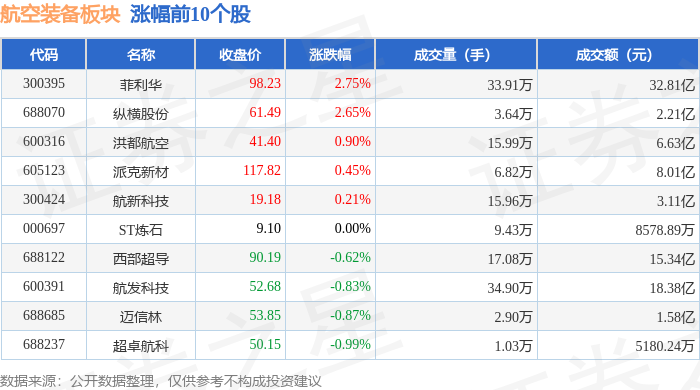
证券之星消息,1月28日航空装备板块较上一交易日下跌1.72%,*ST观典领跌。当日上证指数报收于 4151.24,上涨0.27%。深证成指报收于14342.9,上涨0.09%。航空装备板块个股涨跌见下表: | 代码 | 名称 | 收盘价 | 涨跌幅 | 成交量(手) | 成交额(元) | | --- | --- | --- | --- | --- | --- | | 300395 | 菲利华 | 98.23 | 2.75% | 33.91万 | 32.81亿 | | 688070 | 纵横股份 | 61.49 | 2.65% | 3.64万 | 2.21亿 | | 600316 | 洪都航空 | 41.40 | 0.90% | 15.99万 | 6.63亿 | | 605123 | 派克新材 | 117.82 | 0.45% | 6.82万 | 8.01亿 | | 300424 | 航新科技 | 19.18 | 0.21% | 15.96万 | 3.11亿 | | 000697 | ST炼石 | 9.10 | 0.00% | 9.43万 | 8578.89万 | | 688122 | 西部超导 | 90.1 ...



SpaceX星舰V3六周后首次发射测试,航空航天ETF(159227)日均成交7.4亿
Xin Lang Cai Jing· 2026-01-28 05:16
Group 1 - The core index of the aerospace industry, CN5082, shows mixed performance among its constituent stocks, with Zhenxin Technology leading at a 3.82% increase, followed by Changyingtong at 2.83%, and Hongdu Aviation at 1.90%, while Guolian Aviation experienced the largest decline [1] - The Aerospace ETF (159227) is currently priced at 1.48 yuan, with a turnover rate of 9.46% and a transaction volume of 297 million yuan during the trading session [1] - Over the past month, the average daily transaction volume of the Aerospace ETF reached 740 million yuan, and its scale increased by 213 million yuan in the past week [1] Group 2 - SpaceX CEO Elon Musk announced that the first flight test of the Starship V3 version is scheduled to take place in six weeks at the Boca Chica Starbase in Texas, aiming to launch the next-generation Starlink V3 satellites and validate key technological capabilities [1] - CITIC Construction Investment Securities believes that the booming commercial aerospace industry, particularly driven by companies like SpaceX, is reducing launch costs through reusable rocket technology and large-scale satellite constellation deployment, enabling the possibility of deploying thousands of satellites [1] - The commercial aerospace industry's growth is expected to create a vast market for satellite internet, IoT, and future space computing, with leading companies actively exploring new technologies and products for inter-satellite and ground communication applications [1][2] Group 3 - The Aerospace ETF closely tracks the National Aerospace Index and covers key industry chain segments such as aerospace equipment, space equipment, satellite navigation, and new materials, with a high weight of 70% in commercial aerospace concepts [2] - The top ten holdings of the ETF include industry leaders such as Aerospace Development, China Satellite, Aerospace Electronics, AVIC Aircraft, and AVIC High-Tech [2]
国际军贸深度-安全局势驱动需求稳增-实战战绩助力高端破局
2026-01-26 15:54
Summary of Key Points from the Conference Call Industry Overview - The conference call discusses the global military trade market, highlighting the significant changes driven by geopolitical tensions and conflicts, particularly in the Middle East and South Asia [1][2][3]. Core Insights and Arguments - **Performance of Chinese Military Equipment**: Chinese weapons have exceeded expectations in conflicts such as the India-Pakistan air battle and Middle Eastern confrontations, enhancing international trust in Chinese military technology, especially in fighter jets and missiles [1]. - **Market Share Dynamics**: The global military trade market is experiencing a shift, with Russia's market share declining significantly due to the Ukraine conflict, while China is expected to expand its market presence, particularly in Asia, the Middle East, and South America [1][2]. - **Self-Reliance in Weaponry**: China has overcome the bottleneck of weaponry self-reliance, with advanced weapons like the J-10, J-35, and Y-20 breaking supply constraints, thus supporting military exports and potentially increasing the profitability of domestic manufacturers [1][8]. - **Comparison with U.S. Military Firms**: While China's military trade system is similar to that of the U.S., the revenue scale of Chinese companies still lags behind major U.S. defense contractors like Lockheed Martin. Improving gross margins and increasing overseas revenue share are critical for the future development of Chinese firms [1][6][9]. - **Profitability in Military Trade**: Military trade gross margins are significantly higher than domestic margins, with larger manufacturers gaining more negotiating power and profitability as their military trade scale increases [10][11]. Additional Important Insights - **Increased Military Spending**: The call notes a trend of increased military spending globally, particularly in Europe, as countries reassess their defense capabilities in light of recent conflicts [4][12]. - **Diverse Client Base for China**: China's primary military clients include Pakistan, with growing trust from Middle Eastern nations. Future exports may extend to Europe and the Americas [6][12]. - **Weapon Types and Demand Elasticity**: Aircraft, particularly fighter jets, dominate the types of weapons exported, with missile demand showing high elasticity during wartime [5][12]. - **Beneficiaries of Military Trade**: The primary beneficiaries of military trade are the main manufacturers, while midstream and upstream companies see limited price increases but can benefit from volume growth. Specific sectors to watch include aircraft, radar, missiles, and armored vehicles [13]. Recommendations for Investment Focus - Suggested focus areas include companies involved in aircraft manufacturing, missile systems, radar technology, and armored vehicles. Notable companies mentioned include AVIC Shenyang Aircraft Corporation, AVIC Chengdu Aircraft Corporation, and others involved in the military supply chain [13].
低空经济有望迈入常态运营元年,通用航空ETF华夏(159230)倒车接人跌超6%
Xin Lang Cai Jing· 2026-01-26 06:32
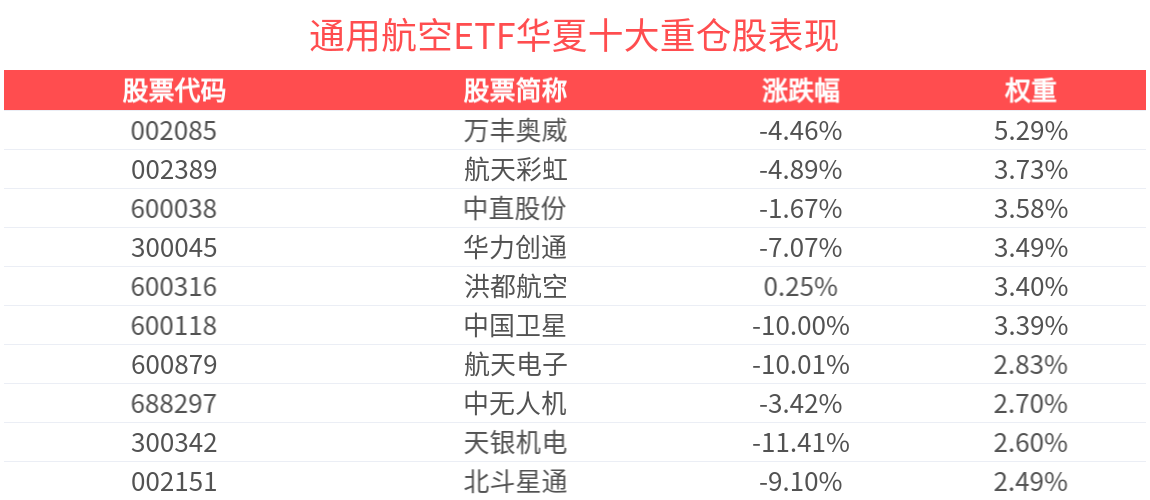
Core Viewpoint - The low-altitude economy in China is projected to reach a market size of 1.5 trillion yuan by 2025, showing significant growth from the previous year, with nearly 20,000 drone operating companies and annual eVTOL orders exceeding 30 billion yuan [1] Group 1: Market Performance - Major indices declined, with the commercial aviation and low-altitude economy sectors experiencing the largest drops, as evidenced by the General Aviation ETF Huaxia (159230) falling by 6.05% [1] - Among the top-weighted stocks in the General Aviation Industry Index, the leading stocks saw varying performance, with notable declines in stocks like Aerospace Hongyun down 12.45% and China Satellite hitting the daily limit down [1][2] Group 2: Industry Outlook - The low-altitude economy has been included in government work reports for two consecutive years and is part of the "14th Five-Year Plan," indicating ongoing policy support and the release of benefits [1] - The industry is expected to transition from pilot flights to regular operations by 2026, marking a significant milestone in the development of new productive forces [1]
“北京火箭大街”六大平台启动!航空航天ETF天弘(159241)近10日净流入近1.7亿元,机构:中国商业航天开始到达从政策孵化期向工业化爆发期过渡的关键节点
2 1 Shi Ji Jing Ji Bao Dao· 2026-01-26 02:55
Group 1 - The aerospace sector experienced a morning adjustment on January 26, with the Guozheng Aerospace Industry Index falling by 2.14%. Among the constituent stocks, Zhenxin Technology rose over 7%, while China Satellite and Aerospace Development dropped more than 5% [1] - The Tianhong Aerospace ETF (159241) recorded two consecutive days of gains as of last Friday, with a trading volume of 166 million yuan. It has seen a net inflow of over 20 million yuan in the last two trading days, with a cumulative net inflow of over 62 million yuan in the past five trading days and 170 million yuan in the last ten trading days [1] - The Tianhong Aerospace ETF closely tracks the Guozheng Aerospace Industry Index, which covers sub-sectors such as aerospace equipment, military electronics, and satellite internet, with a high weight of 98.7% in the defense and military industry category [1] Group 2 - The third Beijing Commercial Aerospace Industry High-Quality Development Promotion Conference was held on January 23, launching six platforms under "Beijing Rocket Street" aimed at accelerating major project construction and forming a comprehensive "thousand-star production capacity" [2] - According to Guojin Securities, the global aerospace industry is undergoing structural changes similar to the Age of Exploration, driven by the rise of commercial aerospace companies like SpaceX. China's commercial aerospace is transitioning from a policy incubation phase to an industrial explosion phase, with 2026 expected to be a pivotal year for the industry [2]


