
诺泰生物

Search documents
诺泰生物:2024年报净利润4.04亿 同比增长147.85%
Tong Hua Shun Cai Bao· 2025-04-22 15:08
数据四舍五入,查看更多财务数据>> 一、主要会计数据和财务指标 | 报告期指标 | 2024年年报 | 2023年年报 | 本年比上年增减(%) | 2022年年报 | | --- | --- | --- | --- | --- | | 基本每股收益(元) | 1.8800 | 0.7600 | 147.37 | 0.6100 | | 每股净资产(元) | 0 | 9.52 | -100 | 8.96 | | 每股公积金(元) | 7.27 | 6.29 | 15.58 | 6.19 | | 每股未分配利润(元) | 3.29 | 2.18 | 50.92 | 1.69 | | 每股经营现金流(元) | - | - | - | - | | 营业收入(亿元) | 16.25 | 10.34 | 57.16 | 6.51 | | 净利润(亿元) | 4.04 | 1.63 | 147.85 | 1.29 | | 净资产收益率(%) | 16.93 | 8.26 | 104.96 | 6.94 | 前十大流通股东累计持有: 9926.65万股,累计占流通股比: 45.17%,较上期变化: 28.40万 股。 10转 ...

兴业医疗保健A:2025年第一季度利润1109.08万元 净值增长率4.59%
Sou Hu Cai Jing· 2025-04-22 12:00
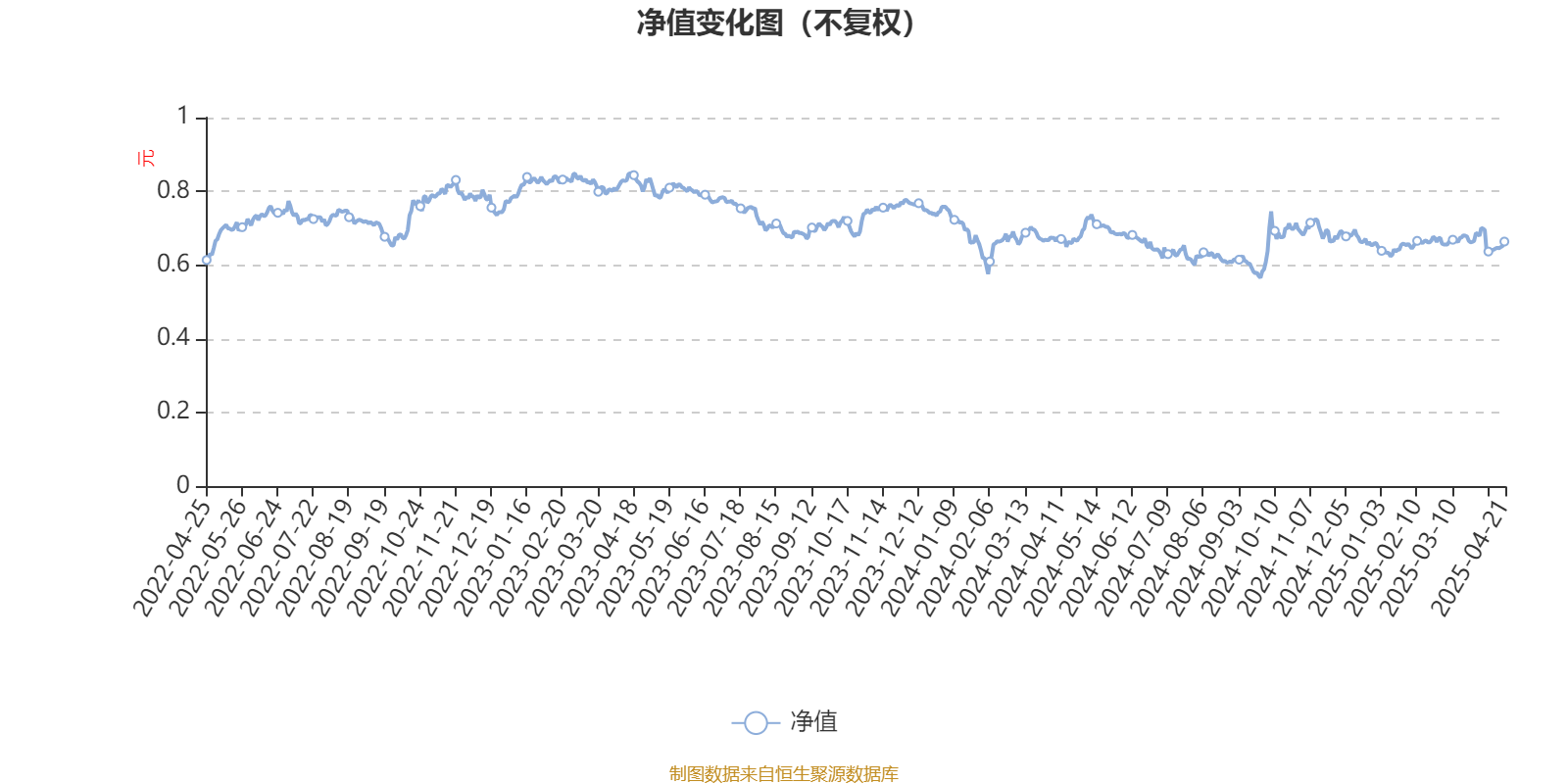
AI基金兴业医疗保健A(011466)披露2025年一季报,第一季度基金利润1109.08万元,加权平均基金份额本期利润0.0297元。报告期内,基金净值增长率为 4.59%,截至一季度末,基金规模为2.48亿元。 该基金属于偏股混合型基金,长期投资于医药医疗股票。截至4月21日,单位净值为0.664元。基金经理是陈旭。 基金管理人在一季报中表示,本季度国内医药扶持政策频出,另一方面创新药资产在海外的商业模式逐步跑通,整体基本面向好的趋势明显。本基金在季度 开始,在保持均衡的结构下,转入进攻配置,主要超配了一些创新药和科技上游方向,往中长期看,医药内部的各个资产会逐步起来,看好今年整体的医药 行情。 截至4月21日,兴业医疗保健A近三个月复权单位净值增长率为0.81%,位于同类可比基金115/129;近半年复权单位净值增长率为-5.09%,位于同类可比基金 112/129;近一年复权单位净值增长率为0.53%,位于同类可比基金99/129;近三年复权单位净值增长率为2.17%,位于同类可比基金26/104。 通过所选区间该基金净值增长率分位图,可以观察该基金与同类基金业绩比较情况。图为坐标原点到区间内某时点的 ...

招商前沿医疗保健股票A:2025年第一季度利润7093.67万元 净值增长率14.69%
Sou Hu Cai Jing· 2025-04-21 06:02
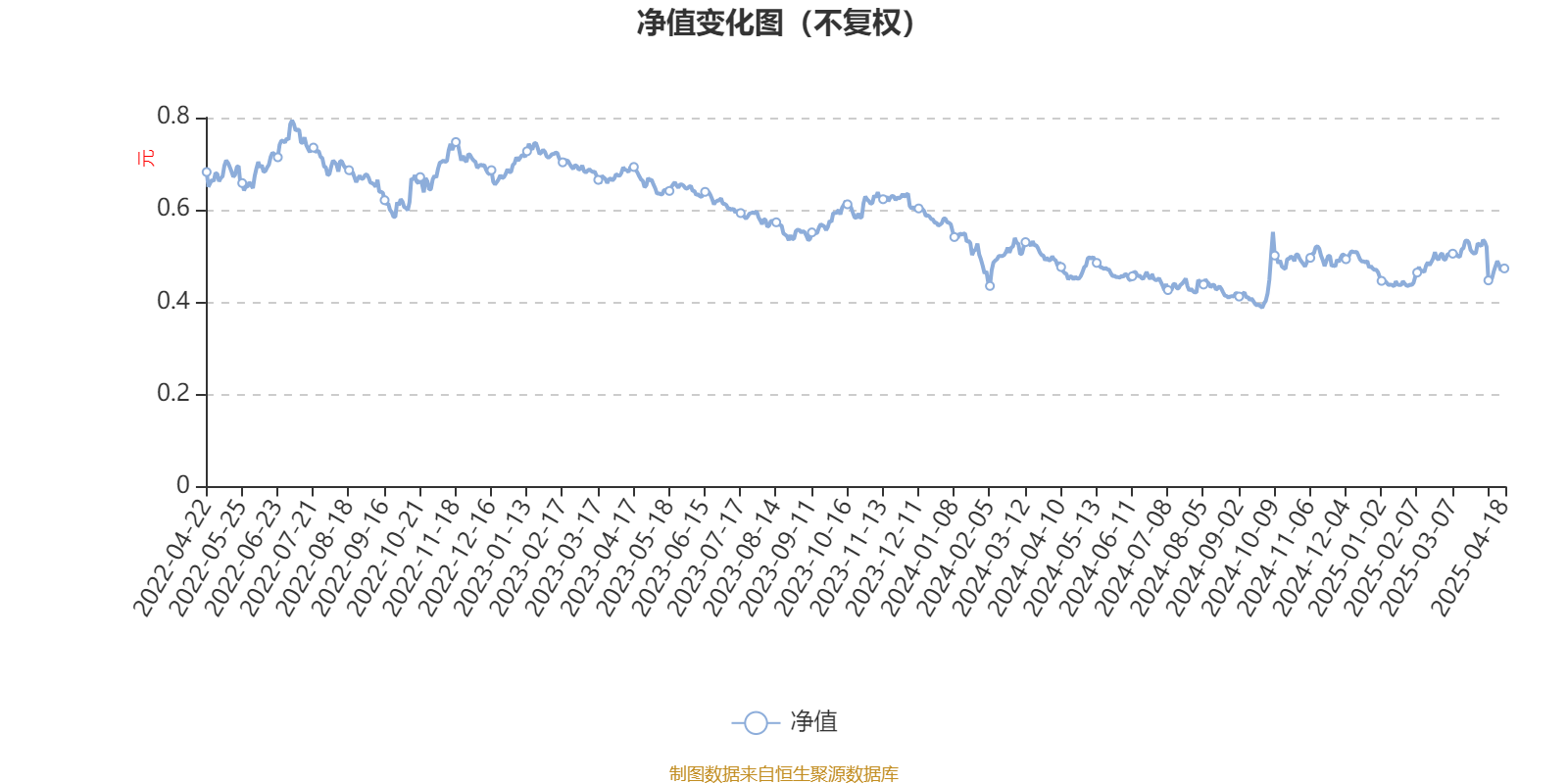
基金管理人在一季报中表示,本基金看好医药板块确定性增长的比较优势,重点配置了创新药及其研发服务外包产业链、医疗设备及耗材、AI医疗等相关 细分赛道。 截至4月18日,招商前沿医疗保健股票A近三个月复权单位净值增长率为8.43%,位于同类可比基金33/54;近半年复权单位净值增长率为-4.05%,位于同类可 比基金42/54;近一年复权单位净值增长率为4.11%,位于同类可比基金25/54;近三年复权单位净值增长率为-35.68%,位于同类可比基金41/46。 AI基金招商前沿医疗保健股票A(011373)披露2025年一季报,第一季度基金利润7093.67万元,加权平均基金份额本期利润0.0663元。报告期内,基金净值 增长率为14.69%,截至一季度末,基金规模为5.45亿元。 该基金属于标准股票型基金,长期投资于医药医疗股票。截至4月18日,单位净值为0.473元。基金经理是李佳存,目前管理4只基金。其中,截至4月18日, 招商创新增长混合A近一年复权单位净值增长率最高,达7.71%;招商医药健康产业股票最低,为-1.74%。 通过所选区间该基金净值增长率分位图,可以观察该基金与同类基金业绩比较情况。图为 ...
医药生物行业周报(4月第3周):减肥药BD有望加速
Century Securities· 2025-04-21 01:23
Investment Rating - The report indicates a positive outlook for the weight loss drug sector within the pharmaceutical and biotechnology industry, suggesting potential acceleration in business development (BD) opportunities [2]. Core Insights - The pharmaceutical and biotechnology sector experienced a slight decline of -0.36% from April 14 to April 18, underperforming compared to the Wind All A index (0.39%) and the CSI 300 index (0.59). The market showed a preference for defensive sectors, with chemical preparations (0.62%), traditional Chinese medicine (0.6%), and offline pharmacies (0.19%) showing minor gains, while blood products (-4.39%), other biological products (-1.78%), and vaccines (-1.49%) saw significant pullbacks [2][7]. - The GLP-1 receptor agonists are expected to catalyze growth in the weight loss drug sector. Notably, Eli Lilly announced positive results from the Phase III ACHIEVE-1 study for its oral drug Orforglipron, which is set to expand the application of GLP-1 drugs. This class of drugs is becoming a focal point for multinational corporations (MNCs) in the metabolic disease space, with domestic companies poised to benefit from rapid innovation and lower R&D costs [2][12]. Market Weekly Review - The pharmaceutical and biotechnology sector's performance from April 14 to April 18 showed a decline of -0.36%, with the market favoring defensive stocks. The top gainers included Shuangcheng Pharmaceutical (56.4%), Kangpeng Technology (56.3%), and Lifang Pharmaceutical (47.1%), while the largest losers were *ST Jiyuan (-50.7%), Hasanlian (-19.1%), and Changyao Holdings (-18.5%) [7][10]. Industry News and Key Company Announcements - On April 17, Eli Lilly announced that its oral GLP-1 receptor agonist Orforglipron achieved positive results in its Phase III study, showing significant reductions in A1C levels and weight loss compared to placebo [12]. - Pfizer terminated the development of its GLP-1 small molecule receptor agonist Danuglipron due to potential liver damage in trial participants [12]. - The report highlights several companies making strides in the industry, including the approval of new indications for Merck's Gardasil 9 HPV vaccine and the progress of various clinical trials for innovative drugs [13][14].


江苏诺泰澳赛诺生物制药股份有限公司 关于自愿披露英克司兰原料药取得FDA DMF备案号的公告
Zhong Guo Zheng Quan Bao - Zhong Zheng Wang· 2025-04-18 08:49
登录新浪财经APP 搜索【信披】查看更多考评等级 证券代码:688076 证券简称:诺泰生物 公告编号:2025-023 转债代码:118046 转债简称:诺泰转债 江苏诺泰澳赛诺生物制药股份有限公司 关于自愿披露英克司兰原料药取得FDA DMF备案号的公告 本公司董事会及全体董事保证公告内容不存在任何虚假记载、误导性陈述或者重大遗漏,并对其内容的 真实性、准确性和完整性依法承担法律责任。 近日,江苏诺泰澳赛诺生物制药股份有限公司(以下简称"公司")控股子公司杭州诺泰诺和生物医药科 技有限公司(以下简称"诺泰诺和")收到美国食品药品监督管理局(以下简称"FDA")关于英克司兰 (Inclisiran)原料药的DMF回执,公司英克司兰原料药顺利取得DMF备案号。现将相关情况公告如 下: 一、DMF备案的相关信息 二、药品相关情况 英克司兰是一种siRNA长效降脂药物,可降解肝脏中PCSK9的信使核糖核酸(mRNA),阻断PCSK9蛋 白合成,从而降低循环中LDL-C水平。最初于2021年12月获得美国FDA批准,作为饮食和他汀类药物治 疗的辅助药物,用于治疗患有原发性高脂血症的成年患者,包括杂合子型家族性高胆固 ...
长城医疗保健混合A连续3个交易日下跌,区间累计跌幅2.02%
Sou Hu Cai Jing· 2025-04-17 17:12
Group 1 - The core viewpoint of the news is that Changcheng Medical Healthcare Mixed A (000339) has experienced a decline of 0.29% on April 17, with a cumulative drop of 2.02% over three consecutive trading days [1] - As of the end of 2024, the fund has a total scale of 313 million yuan and an accumulated return rate of 161.82% since its establishment in February 2014 [1] - The holder structure shows that institutional investors hold 0.1 million shares, accounting for 7.07% of the total shares, while individual investors hold 1.28 million shares, accounting for 92.93% of the total shares [1] Group 2 - The current fund manager, Ms. Tan Xiaobing, has a master's degree in accounting from Jinan University and has held various positions in the finance and investment sectors since 2004 [2] - Ms. Tan has been the fund manager of Changcheng Medical Healthcare Mixed Fund since February 2016 and has managed several other funds since then [2] Group 3 - As of December 31, 2024, the top ten holdings of Changcheng Medical Healthcare Mixed A account for a total of 45.25%, with the largest holding being Meihua Medical at 7.57% [3] - Other significant holdings include Huahai Pharmaceutical (6.42%), Zai Lab (5.83%), and Novartis Biotech (5.11%) among others [3]
医药生物行业报告:FDA将逐步取消对单抗和其他药物的动物实验要求,AI制药有望受益
China Post Securities· 2025-04-14 10:23
Investment Rating - The industry investment rating is "Outperform the Market" and is maintained [2][50]. Core Viewpoints - The FDA's recent decision to gradually eliminate animal testing requirements for monoclonal antibodies and other drugs is expected to benefit AI-driven drug development, potentially accelerating new drug approvals and reducing R&D costs [5][6][14][16]. - The pharmaceutical and biotechnology sector experienced a decline of 5.61% this week, underperforming the CSI 300 index by 2.73 percentage points, ranking 22nd among 31 sub-industries [19][24]. Summary by Sections Weekly Insights - The FDA's announcement on April 11, 2025, aims to replace animal testing with more effective and human-relevant methods, which could enhance drug safety and lower costs [14][15]. - The shift is anticipated to accelerate drug development timelines and improve success rates, particularly benefiting companies involved in AI drug development such as Jingtai Holdings and Chengdu Xian Dao [6][17]. Subsector Performance - The blood products sector saw the highest increase this week, rising by 4.06%, while the medical outsourcing sector faced the largest decline at 16.04% [7][23]. - The medical device sector decreased by 2.62%, and the traditional Chinese medicine sector fell by 3.35% [7][23]. Recommended and Benefiting Stocks - Recommended stocks include Weidian Physiotherapy, Maipu Medical, and Yingke Medical [8][31]. - Benefiting stocks from the FDA policy change include Jingtai Holdings, Chengdu Xian Dao, and Hongbo Pharmaceutical [6][17]. Detailed Subsector Analysis - **Medical Devices**: The sector is expected to benefit from the "old-for-new" policy and increased procurement activities in Q2 2025, with a current P/E ratio of 32.15, indicating potential for valuation growth [27][29]. - **Medical Consumables**: This sector is under pressure due to US-China tariff impacts, but certain segments are expected to perform well due to high growth potential and improved conditions [30]. - **IVD Sector**: The IVD sector is projected to recover as AI technologies enhance diagnostic capabilities, despite current pressures from procurement policies [33]. - **Blood Products**: The sector is expected to benefit from rising domestic production and increased focus on local sourcing due to tariff impacts [35]. - **Retail Pharmacy**: The offline pharmacy sector is seeing a recovery in customer traffic and profitability, with major players expected to leverage AI for operational efficiency [37][38].
医药生物行业报告(2025.04.07-2025.04.13):FDA将逐步取消对单抗和其他药物的动物实验要求,AI制药有望受益
China Post Securities· 2025-04-14 10:02
Investment Rating - The industry investment rating is "Outperform the Market" and is maintained [2] Core Viewpoints - The FDA's recent decision to gradually eliminate animal testing requirements for monoclonal antibodies and other drugs is expected to benefit AI-driven drug development, potentially accelerating new drug approvals and reducing R&D costs [5][6][14][16] - The pharmaceutical and biotechnology sector experienced a decline of 5.61% this week, underperforming the CSI 300 index by 2.73 percentage points [19][24] - The blood products sector showed the highest increase this week, rising by 4.06%, while the medical outsourcing sector faced the largest decline, dropping by 16.04% [7][19][23] Summary by Sections Weekly Insights - The FDA's announcement on April 11, 2025, aims to replace animal testing with more effective human-relevant methods in drug development, which could enhance drug safety and lower costs [14][15] - The pharmaceutical sector's performance this week was marked by significant declines across various sub-sectors, with blood products being the only one to gain [19][23] Sub-sector Performance - Blood products increased by 4.06%, while medical outsourcing fell by 16.04%, indicating a significant divergence in performance among sub-sectors [7][19][23] - The medical device sector's P/E ratio is currently at 32.15, suggesting potential for valuation increases [27] - The IVD sector is also seen as having room for valuation growth, with a current P/E of 21.89 [33] Recommended and Benefiting Stocks - Recommended stocks include Microelectrophysiology, Maipu Medical, and Yingke Medical, among others [8][31][38] - Benefiting stocks from the FDA's policy change include Jingtai Holdings, Chengdu Xian Dao, and Hongbo Pharmaceutical [6][17] Market Trends - The report highlights a structural investment opportunity in the pharmaceutical sector, driven by policy support and AI-enabled R&D [26] - The report notes that the medical device sector is expected to benefit from upcoming procurement policies and a low base effect in Q2 2025 [27][29]
资本市场丨美国关税政策对科创板公司影响各异
Sou Hu Cai Jing· 2025-04-14 07:10
Core Viewpoint - The adjustment of US tariff policies has led to significant volatility in global markets, prompting nearly 700 A-share listed companies to announce share buybacks and shareholder increases, collectively exceeding 30 billion yuan [1][23]. Group 1: Company Responses to Tariff Adjustments - As of April 10, 2025, nearly 700 A-share listed companies have implemented stock buybacks totaling over 30 billion yuan and announced 135 shareholder increase plans [1][23]. - Companies in high-tech sectors such as machine vision, drones, semiconductors, and 3D perception technology are primarily involved in buybacks, aiming to stabilize stock prices amid market fluctuations [3][15]. - Several companies, including Daotong Technology and Ninebot, reported limited impact from the tariff adjustments due to their diversified market presence and proactive measures to mitigate risks [4][16]. Group 2: Sector-Specific Impacts - The impact of US tariffs varies across sectors; companies heavily reliant on the US market face increased costs and reduced demand, while those with lower dependency experience minimal effects [6][17]. - In the high-end equipment sector, companies that export to the US or rely on US-imported components face order reductions and supply chain disruptions, while self-sufficient firms are less affected [6][17]. - The biopharmaceutical sector sees generic drug exporters impacted by tariffs, while innovative drug companies face limited short-term effects [6][17]. Group 3: Market Reactions and Strategies - The recent surge in buybacks and shareholder increases is seen as a strategy to stabilize stock prices and restore investor confidence amid tariff-related uncertainties [10][11]. - Central enterprises have played a significant role in this buyback wave, with 48 state-owned groups announcing increases to support market stability [11][19]. - Experts suggest that companies should diversify markets, optimize supply chains, enhance technological innovation, and establish risk management systems to better cope with trade tensions [18][19]. Group 4: Future Outlook - The ongoing tariff disputes are expected to require negotiation for resolution, with significant impacts on companies exporting to the US [6][17]. - The capital market is showing signs of recovery, supported by government measures and increased participation from institutional investors [7][20]. - Companies are encouraged to strengthen governance, improve R&D capabilities, and enhance competitiveness to maintain long-term stability in the capital market [20][21].

昊帆生物(301393):主业多肽合成试剂稳健增长,产品储备和客户资源构建护城河
Xinda Securities· 2025-04-12 14:57
Investment Rating - The report assigns a "Buy" rating for the company, indicating that the stock price is expected to outperform the benchmark index by more than 15% [13]. Core Insights - The company's main business of peptide synthesis reagents shows steady growth, with a significant contribution from overseas markets [2][4]. - In 2024, the company achieved a revenue of 452 million yuan, a year-on-year increase of 16.22%, and a net profit attributable to the parent company of 134 million yuan, up 35.44% year-on-year [1]. - The company has a robust product reserve and customer base, which helps in building a competitive moat [4][5]. Financial Performance - In 2024, the sales of peptide synthesis reagents amounted to 354 million yuan, a year-on-year increase of 17.42%, while the sales of general molecular building blocks decreased by 22.02% to 58 million yuan [2]. - The company's gross margin for 2024 was 40.28%, an increase of 1.73 percentage points year-on-year, with the gross margin for peptide synthesis reagents at 41.55%, up 3.04 percentage points [3]. - The company expects revenues of 581 million yuan, 723 million yuan, and 871 million yuan for 2025, 2026, and 2027 respectively, with net profits projected at 173 million yuan, 216 million yuan, and 260 million yuan for the same years [7]. Product and Market Position - The company has developed over 160 types of novel peptide synthesis reagents and has a comprehensive product system with more than 800 types of general molecular building blocks [4]. - The company serves over 1,900 pharmaceutical R&D and production enterprises, with a significant increase in procurement from CDMO clients in 2024 [5]. - The company’s self-built production capacity is expected to enhance its production capabilities, with a project in Anhui expected to produce 1,002 tons of peptide reagents annually [5].