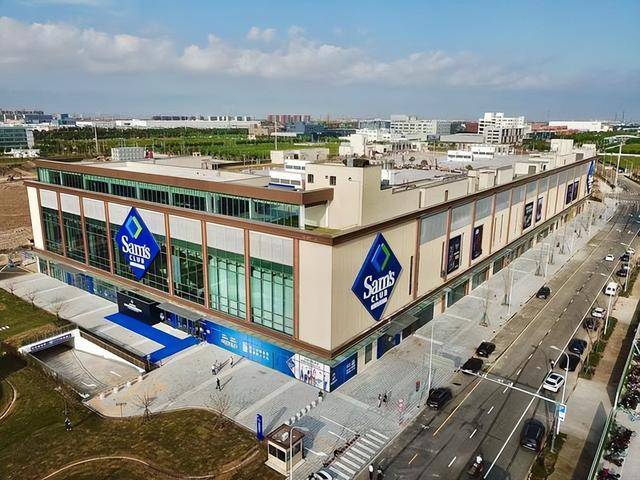
山姆会员店

Search documents
李国庆61岁再创业:押注会员制电商,怎么让5000人年均消费3万?
Sou Hu Cai Jing· 2025-12-16 11:45
Core Viewpoint - Li Guoqing, founder of Dangdang, announces his return to the e-commerce sector with a new high-end membership brand called "Li Xiang Sheng Huo" aimed at providing premium products to a limited number of members [2][3][6]. Group 1: Business Model and Strategy - The brand will operate as an online high-end membership store, initially serving 5,000 premium members with a spending threshold of 30,000 yuan per year [3][6]. - The projected annual revenue for the brand is approximately 150 million yuan based on the membership model [4][13]. - Li Guoqing aims to maintain a price markup of 1.25 times the cost, which is higher than Costco's maximum of 15% [6][13]. Group 2: Product Focus - The core product category will be alcoholic beverages, with plans to expand into high-margin, non-standard items such as aged tangerine peel and Pu'er tea [4][10]. - The brand emphasizes authenticity in sourcing, with a focus on genuine years and regions for its products [6][7]. Group 3: Market Positioning and Competition - "Li Xiang Sheng Huo" will compete with established membership platforms like Sam's Club and Costco, which have a strong presence in the membership retail space [11][12]. - The membership model is designed to create a sense of scarcity and depth of service, which may limit revenue potential in the initial phase [13][14]. Group 4: Future Growth Potential - Plans are in place to expand membership to 30,000 in the second year and 50,000 in the third year, potentially increasing annual revenue to 1.5 billion yuan [14]. - The future direction of membership e-commerce may include the establishment of physical stores or partnerships with existing membership retailers to create a hybrid model [14].



李国庆,再战电商
3 6 Ke· 2025-12-16 01:47
Group 1 - Li Guoqing, a veteran in the e-commerce industry, has launched a new company "Li Xiang Life" focusing on high-end online membership stores at the age of 60, marking his return to the core e-commerce battlefield [1] - The company aims to maintain a strict markup rate of 1.25 times, significantly lower than the industry average, and plans to serve only 5,000 premium members in its first year [1] - "Li Xiang Life" has been registered with a capital of 1 million yuan, with Li Guoqing holding 99% of the shares, and the company will sell a wide range of products including pre-packaged food, daily necessities, electronics, and jewelry [2] Group 2 - The platform is set to officially launch live streaming sales on December 18, entering a highly competitive membership e-commerce market [3] - Major players in the membership e-commerce sector are rapidly expanding, with Sam's Club opening over 60 stores in more than 30 cities and maintaining a growth rate of over 30% in its e-commerce business [3] - Industry challenges are evident, as seen with the closure of Hema X membership stores and the suspension of Xiaohongshu's "Xiaohong Card" just three months after its launch, highlighting common issues such as insufficient store coverage and difficulties in user retention [3][4] Group 3 - Experts emphasize that the success of membership e-commerce requires strong product, operational, and organizational capabilities, indicating that it is not merely a "curated + membership" model [4] - The future of the industry is expected to see intensified competition, with a trend towards the integration of online and offline channels, suggesting that pure online membership platforms may likely expand into physical stores or collaborate with existing ones [4]
海欣食品:胖东来为公司客户之一
Ge Long Hui· 2025-12-10 07:09
格隆汇12月10日丨海欣食品(002702.SZ)在投资者互动平台表示,胖东来为公司客户之一。作为拥有百 年传承的食品企业,海欣食品始终将食品安全与产品品质放在首位,坚持高标准、严要求,致力于为包 括山姆会员店、胖东来等在内的销售渠道提供安全、高品质的食品。公司高度重视与各合作伙伴的长期 共赢关系,未来也将持续以卓越的产品和服务回馈消费者与渠道伙伴的信任。 ...

海欣食品(002702.SZ):胖东来为公司客户之一
Ge Long Hui· 2025-12-10 07:04
格隆汇12月10日丨海欣食品(002702.SZ)在投资者互动平台表示,胖东来为公司客户之一。作为拥有百 年传承的食品企业,海欣食品始终将食品安全与产品品质放在首位,坚持高标准、严要求,致力于为包 括山姆会员店、胖东来等在内的销售渠道提供安全、高品质的食品。公司高度重视与各合作伙伴的长期 共赢关系,未来也将持续以卓越的产品和服务回馈消费者与渠道伙伴的信任。 ...
刮骨疗伤:传统KA涅槃与重生
3 6 Ke· 2025-12-10 04:54
Core Insights - The Chinese supermarket industry is undergoing a profound structural transformation driven by changes in the macroeconomic environment and consumer behavior, leading to a crisis for traditional supermarkets [1][3] - Major supermarket brands are closing stores to optimize their layouts, with 62 brands shutting down 3,037 stores in 2024, indicating a challenging environment for traditional hypermarkets [1][3] - Some companies, like Walmart China, are experiencing growth through channel optimization and a multi-channel retail model, achieving net sales of 147.3 billion yuan in FY2025, a 3.6% increase year-on-year [2] Group 1: Current Challenges and Transformations - Traditional supermarkets are facing a "shuffling phase" characterized by store closures and operational adjustments to enhance efficiency and reduce costs [3][5] - A specific supermarket reported cumulative losses of nearly 10 billion yuan from 2021 to 2024 and plans to close an additional 200 stores while opening 200 "transformed" stores [4][5] - The dual strategy of closing unprofitable stores and optimizing potential ones has led to a cycle of revenue decline and increased losses, highlighting the need for effective transformation [5][6] Group 2: Internal Reforms and Operational Efficiency - Supermarkets are focusing on refined operations and cost reduction through store adjustments and organizational changes, with an emphasis on improving operational efficiency and profitability [6][7] - Companies like Yonghui and CR Vanguard are actively reforming their operations by concentrating on core suppliers and key products, aiming to enhance competitiveness from the supply chain [7][8] - The key to transformation lies in "cost reduction and efficiency enhancement," which involves optimizing store layouts, streamlining SKUs, and improving supply chain management [7][8] Group 3: New Growth Opportunities - Supermarkets are exploring new growth avenues through front warehouses and instant retail models, responding to the increasing demand for convenience and rapid delivery [8][9] - The front warehouse model allows supermarkets to meet immediate consumer needs efficiently, with companies like RT-Mart and Yonghui planning to expand their front warehouse operations [10][11] - Instant retail is becoming a significant trend, with traditional supermarkets leveraging digital platforms to convert offline traffic into online orders, as seen with Walmart's "Cloud Warehouse" initiative [11][12] Group 4: Benchmarking Against Global Leaders - Sam's Club serves as a critical benchmark for traditional supermarkets, with its membership model and focus on high-quality products driving significant growth [15][16] - The membership system at Sam's Club has a renewal rate of 90%, indicating the importance of establishing a robust membership framework for domestic supermarkets [16][22] - Traditional supermarkets need to adopt a "less is more" approach in product selection, focusing on core categories to enhance product quality and consumer loyalty [17][18] Group 5: Supply Chain Relationship Reconstruction - The relationship between suppliers and retailers is strained, with traditional supermarkets relying on outdated models that impose high costs on suppliers, leading to a loss of competitiveness [23][24] - Supermarkets must shift from a confrontational to a collaborative approach with suppliers, recognizing that mutual profitability is essential for long-term success [27][28] - Implementing reforms to eliminate unreasonable fees and improve payment terms can enhance supplier relationships and stabilize the supply chain [28][29] Group 6: Future Directions and Industry Outlook - The transformation of the supermarket industry is essential for survival, requiring a comprehensive overhaul of operations and a focus on customer-centric strategies [32][33] - Embracing digital transformation and innovative retail models will be crucial for traditional supermarkets to regain market share and consumer trust [33][34] - The journey of transformation may be challenging, but it is necessary for traditional supermarkets to emerge stronger and more competitive in the evolving retail landscape [34]


零售商与品牌商的“竞合之变”
Sou Hu Cai Jing· 2025-12-08 08:01
Core Insights - The fast-moving consumer goods (FMCG) industry is experiencing a significant shift in the power dynamics between retailers and brand manufacturers, with retailers gaining more control and influence over the market [4][22] - Retailers are evolving from simple sales channels to complex entities that leverage data and consumer insights, leading to the rise of private label brands that challenge traditional brand loyalty [5][6][7] Group 1: Retail Evolution - The retail landscape has transformed from traditional channels dominated by small stores and wholesale markets to modern channels led by large retailers like Walmart and Carrefour, which initially provided concentrated traffic for brands [4][5] - New retail formats such as membership stores and instant retail are emerging, characterized by strong user control and data-driven decision-making, prompting retailers to question the profitability of traditional brands [5][6] Group 2: Private Label Strategy - Retailers are increasingly launching private label products, which typically offer higher profit margins (20%-30% more than branded products) and serve to differentiate their offerings in a competitive market [5][6] - The case of Hong Kong's ParknShop illustrates the pitfalls of a low-cost private label strategy, where a focus on price led to a decline in consumer trust and brand perception [10][12][13] - In contrast, Sam's Club's private label strategy emphasizes quality and standards, positioning its products as superior and fostering consumer trust [14][15] Group 3: Brand Manufacturer Response - Brand manufacturers are advised to focus on building trust and offering unique, high-quality products that retailers cannot easily replicate, particularly in categories with high emotional or technical barriers [19][20][21] - Companies should shift from being mere suppliers to becoming category partners with retailers, leveraging data insights to create tailored solutions that address specific consumer needs [21][22] - A multi-channel strategy is essential for brand manufacturers to maintain their market presence and counter the growing influence of private labels [22]

山姆站在十字路口:是做中国的仓储式超市,还是下一个沃尔玛?
Sou Hu Cai Jing· 2025-12-07 13:35
前言 站在中国零售市场的十字路口,山姆会员店正面临着关键抉择:是固守其源自美国的会员制仓储超市模 式,深耕中国市场,成为中国的会员制仓储式超市; 还是效仿沃尔玛的路径,采取更灵活多样的策略,以适应快速变化的本土消费环境,成为下一个沃尔 玛?这一选择,将深刻影响其在中国的未来版图。 信任基石出现裂缝 你发现没,最近聊山姆的人多了,但好像没以前那么"铁粉"了。 这感觉挺微妙的,不是说东西不好吃了或者贵了,而是那种"闭眼入"的踏实感,好像没那么稳了。老周 说句实在话,山姆当年能火,靠的根本不是便宜,也不是啥都卖,而是那份"靠谱"的劲儿。 就是在这种环境下,山姆成了不少人心中的"净土"。它就像个专业的"生活买手",替你把关了所有东 西,你进去就是挑喜欢的,不用费脑子比来比去。这种体验,在哪儿能找到?不多。 所以,当大家发现货架上开始频繁出现一些画风不太一样的国产品牌,或者以前钟爱的进口尖货悄无声 息地下架时,心里就开始犯嘀咕了。 这不是挑剔,而是对那套"山姆标准"产生了怀疑。你开始琢磨:"为啥选这个?""山姆的眼光还在线 吗?""我还信它吗?"你看,信任一旦需要被验证,就已经开始动摇了。 扩张代价:独特性被稀释 我跟 ...
3037家说倒就倒,传统超市撑不住了?盒马、奥乐齐们把客流抢光?
Sou Hu Cai Jing· 2025-12-04 17:11
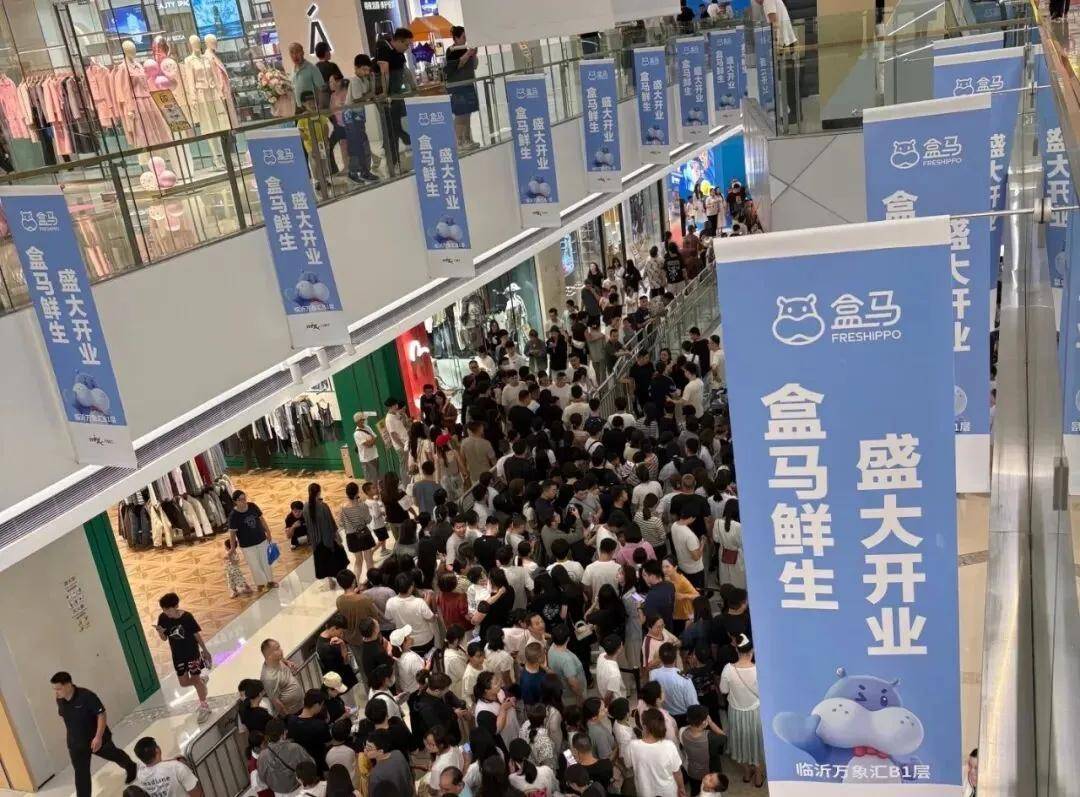
如果说十年前逛商场是一种休闲,那么如今逛商场更像是在见证一场工业文明的更替。 走进任何一座城市的商业中心,你会发现一个越来越明显的现象: 曾经占据整层楼、灯火通明、购物车堆满入口的传统大超市正在不断消失,沃尔玛、永辉、世纪华联等熟悉的名字一个接一个撤离。 而与此同时,盒马、奥乐齐、京东七鲜、山姆会员店甚至本土新零售品牌却在快速扩张? 势头之猛几乎是在用"接盘旧址"的方式宣告时代的主角已经换人了。 最讽刺的是,人们从来没有不需要买菜买肉买零食,但却越来越不愿意走进传统超市消费。 同样的城市、同样的食物需求、同样的家庭结构,却产生了完全不同的流量走向。 这不是一场短期行情,而是一场关于商业逻辑和消费意识全面更新的社会现象。 传统超市的衰退并不是因为"卖东西",而是因为"卖法不对"。 多数人误以为传统超市衰落是因为消费降级,顾客没钱了,不逛了。 但真正的问题根本不是经济,而是体验。 消费者从未停止购买日用品,只是不愿再接受传统超市的购物模式。 今天的人去超市不是"需要买东西",而是"希望买得省心、买得划算、买得有意义"。 而传统超市的核心逻辑却仍停留在"货上够多、渠道够全、品牌够大"这一套。 大面积货架、冗余陈列、 ...
开心农场,正在教山姆“做会员店”?
Sou Hu Cai Jing· 2025-12-04 04:39
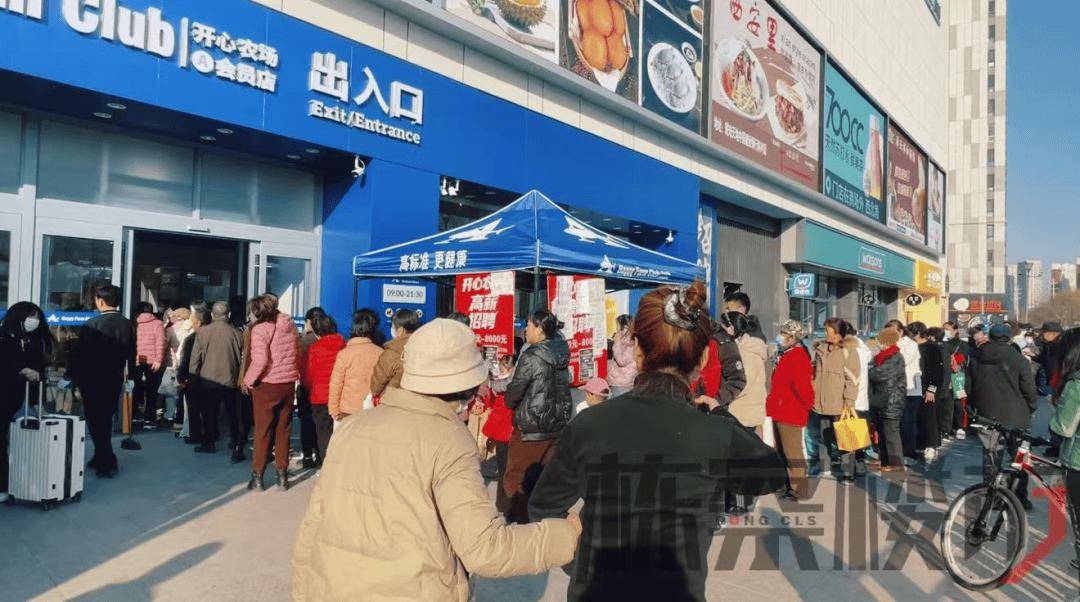
Core Insights - The article discusses the success of "Happy Farm Membership Store" in contrast to other membership stores, particularly highlighting its ability to thrive despite the struggles faced by competitors like Sam's Club [2][5][10] - Happy Farm is not merely a "high-end version of Happy Farm" but is described as a "grassroots version of Sam's," indicating a different operational model that appeals to consumers [6][10] Group 1: Market Performance - Happy Farm Membership Store opened its first location in Shenyang and has experienced overwhelming popularity, with long queues even on weekdays and sustained high foot traffic during holidays [5][11] - The second store opened in a previously underperforming commercial area but also attracted significant crowds, demonstrating its strong market appeal [5][11] Group 2: Business Model Comparison - Sam's Club relies heavily on a membership fee model that creates a "consumer alliance," but has faced criticism for its shift towards more mainstream product offerings, leading to a decline in member trust [8][10] - In contrast, Happy Farm's membership system is designed to offer price commitments rather than just a barrier to entry, with a "refund anytime" policy that reflects confidence in product quality [8][10][15] Group 3: Consumer Trust and Quality Assurance - Happy Farm's success is attributed to its ability to provide high-quality products at competitive prices, addressing the uncertainties often associated with traditional markets [13][15] - The store sources 80% of its products from self-operated farms, ensuring quality control from the source, which enhances consumer trust [13][15] - The combination of vertical self-operation, quality selection, and on-site food preparation creates a robust "quality trust" that traditional markets cannot offer [15][17] Group 4: Consumer Experience - The appeal of Happy Farm lies in its ability to merge the affordability and atmosphere of traditional markets with the reliability and quality assurance of supermarkets [15][17] - The store effectively captures the modern consumer's desire for quality without the worry of product uncertainty, fulfilling a critical market demand [17]
京东折扣超市安徽首店开业;林清轩再次递表港交所
Sou Hu Cai Jing· 2025-12-04 00:18
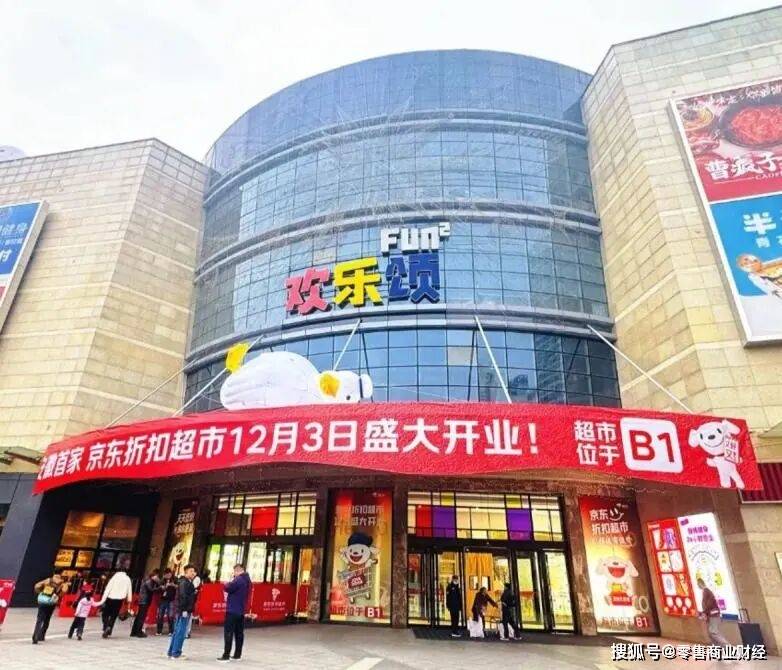
Group 1: JD Discount Supermarket - JD Discount Supermarket opened its first store in Anhui, located in Hefei, with long queues on the opening day [1] - The store follows JD's "large store, multiple SKUs" model, utilizing a self-built warehouse of 14,000 square meters for efficient delivery within a 25-kilometer radius [1] - The product selection focuses on high-cost performance nationwide goods while incorporating local Anhui specialties [1] Group 2: Dingdong Maicai - Dingdong Maicai launched a seafood processing service nationwide, offering various processing options for popular fish types [3] - In Jiangsu, over 70% of users opted for processing services when purchasing black fish, with sliced processing accounting for 60% of those choices [3] Group 3: Meituan and Starbucks - Meituan Longzhu's founder revealed that they exited the first round of bidding for Starbucks China due to failed verification [5] - The founder predicts a slowdown in the tea beverage market growth after reaching a scale of 400 billion yuan, while the coffee market is expected to grow to 600 billion yuan [5] Group 4: Walmart - Walmart announced a $350 million investment to build a second milk processing plant in Valdosta, Georgia, to strengthen its supply chain [12] - The new facility will create over 400 jobs and supply milk to more than 650 Walmart and Sam's Club locations in the southeastern U.S. [12] Group 5: Alibaba Foundation - Alibaba Foundation released a report on its progress in assisting people with disabilities, highlighting the increasing role of AI in creating accessible environments [13] - The foundation's initiatives have helped over 18,000 disabled individuals earn income through various projects [13] Group 6: Cainiao - Cainiao's unmanned vehicle delivery network has expanded to over 30 cities in China, enhancing supply chain efficiency [14] - The solution allows for real-time replenishment and dynamic route planning, upgrading the traditional delivery model [14] Group 7: KFC Expansion - KFC plans to double the number of its restaurants in Europe over the next five years, marking a significant expansion [15] Group 8: Lin Qingxuan - Lin Qingxuan submitted a new application for listing on the Hong Kong Stock Exchange, planning to issue up to 16.06 million shares [17] Group 9: Tianjin Snack Growth - Tianjin's Le Ba potato chips saw a tenfold increase in sales on Pinduoduo, leveraging innovative flavors and nostalgic appeal [18] Group 10: New Store Openings - Sushi Lang will open two new stores in Shanghai, marking its first locations in the city [20] - Beijing added over 960 new stores in the first 11 months of 2025, highlighting the growth of the first-store economy [22]