徐福记

Search documents
“消费者喜爱的糖果品牌”评选结果揭晓
Zhong Guo Jing Ying Bao· 2025-09-26 13:45
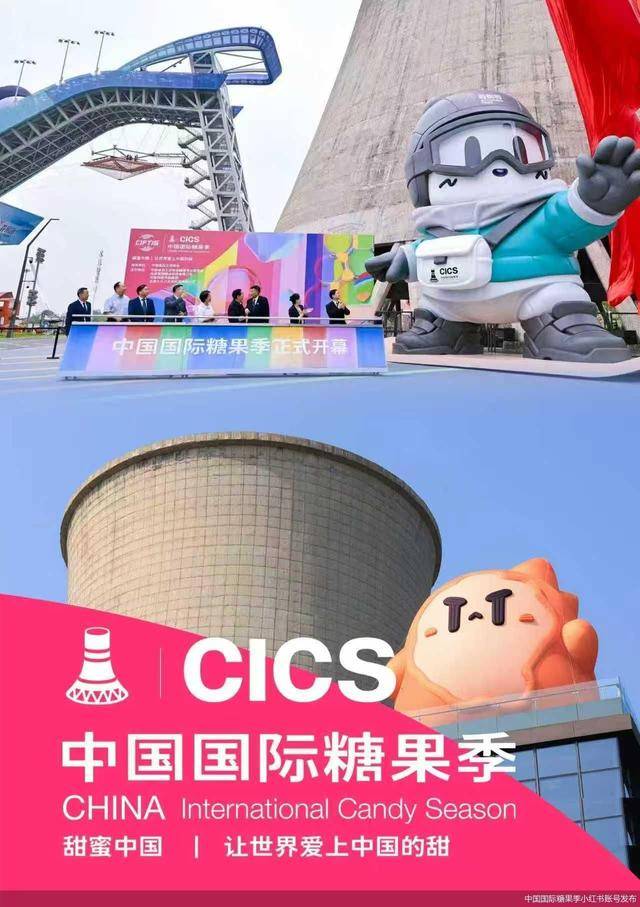
Group 1 - The event "China International Candy Season Honor Ceremony - Sweet Dream Nebula Night" was held in Beijing, revealing the results of the "2025 Consumer Favorite Candy Brand" selection [1] - The selection aims to promote the candy industry from "Made in China" to "Chinese Brands" [1] - A total of 22 well-known domestic and international candy companies participated, covering various categories such as traditional hard candy, chocolate, and healthy soft candy [1] Group 2 - Six brands, including Xu Fu Ji, Ma Da Jie, Bao Bao Brothers, Guan Sheng Yuan, A Mai Si, and Wang Wang, were awarded in categories like "Industry Leading Enterprises" and "Consumer Favorite Brands" [1] - The China International Candy Season, which opened on September 10, attracted hundreds of thousands of participants, featuring well-known candy brands and immersive consumer experiences [1] - The series of activities "Sweet China - Let the World Love China's Sweetness" will continue until November 16, creating a new industrial ecosystem of "Culture + Technology + Consumption" [1] Group 3 - Qiu Yinfu, Deputy Secretary of the Party Committee and General Manager of Shougang Group, emphasized the integration of culture, technology, and consumption in the China International Candy Season [2] - The event represents a deep exploration of the innovative reuse of Winter Olympic heritage and industrial relics, contributing to the high-quality development of national brand food industries [2] - Shougang Group plans to strengthen its digital space industry cluster and create a new landmark for urban revival with higher international standards [2]
2025年度消费者喜爱糖果品牌揭晓
Bei Jing Shang Bao· 2025-09-25 11:14
Core Insights - The "China International Candy Season Honor Ceremony" was held on September 23, 2023, in Beijing, revealing the results of the "2025 Annual Consumer Favorite Candy Brand" selection [1] - The event featured participation from 22 well-known domestic and international candy companies, covering various categories such as traditional hard candy, chocolate, and healthy soft candy [1] - Six brands, including Xu Fu Ji, Ma Da Jie, Bao Bao Brothers, Guan Sheng Yuan, A Mai Si, and Wang Wang, were recognized for their outstanding quality and innovation [1] - The event aims to promote the transformation of the candy industry from "Made in China" to "Chinese Brands" [1] Industry Developments - The China International Candy Season, which opened on September 10, has attracted hundreds of thousands of participants [2] - The event features numerous well-known candy brands and includes ten functional areas that create an immersive consumer experience [2] - Activities will continue until November 16, linking Shougang Park and the 798 Art District to build a new industrial ecosystem of "Culture + Technology + Consumption" [2] Future Outlook - Shougang Group's leadership emphasized the event as a deep exploration of the innovative reuse of Olympic heritage and industrial relics, contributing to the high-quality development of the national brand food industry [1] - The group plans to strengthen its digital space industry cluster and establish a new landmark for urban revival at a higher international standard [1]
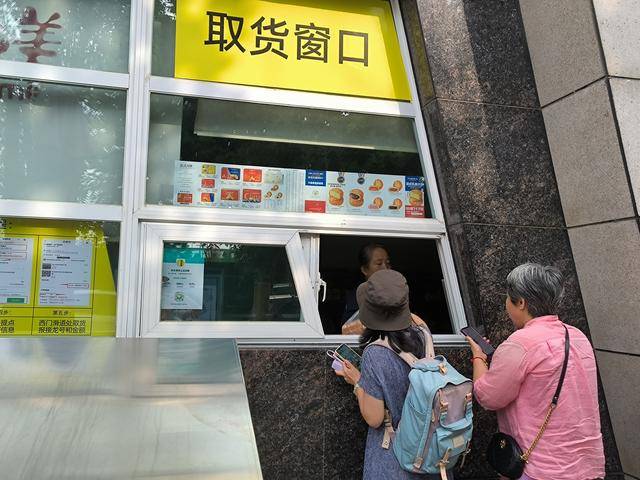
10元将面食装满冰箱?京郊藏着批宝藏工厂店,价格好感人
Sou Hu Cai Jing· 2025-09-19 16:12
Core Viewpoint - The article highlights the growing trend of consumers seeking direct purchases from factory stores, emphasizing the appeal of lower prices, product freshness, and unique offerings, while also addressing operational challenges faced by these stores [2][11]. Group 1: Consumer Trends - Increasing numbers of consumers are attracted to factory stores for their affordability and the assurance of product quality, with many finding these locations through social media [4][7]. - Factory stores offer a variety of products at significantly lower prices compared to traditional retail, with examples such as 15 yuan for 24 slices of whole wheat toast and 10 yuan for four water alkali balls [4][5]. - The appeal of factory stores is particularly strong among younger consumers, who appreciate the unique and exclusive products not available in regular stores [7][8]. Group 2: Product Quality and Variety - Factory stores provide fresh and high-quality products, with many items being exclusive to these locations, such as self-developed products and short shelf-life items [7][8]. - A wide range of products is available, including fresh meat, baked goods, and ready-to-eat meals, catering to diverse consumer preferences [8][9]. Group 3: Operational Challenges - Factory stores often face challenges related to their remote locations, limited transportation options, and lack of surrounding amenities, which can deter customers from staying longer [11][12]. - There is a need for improved marketing strategies, as many factory stores rely on word-of-mouth and social media for customer engagement, limiting their potential reach [13]. Group 4: Recommendations for Development - Experts suggest establishing a "cultural, commercial, tourism, and sports" integration development system to enhance the appeal of factory stores and promote local economic growth [14][15]. - Recommendations include optimizing transportation access to factory stores and enhancing surrounding service facilities to improve the overall consumer experience [15].

2025服贸会
Sou Hu Cai Jing· 2025-09-12 09:23
Core Insights - The Chinese food industry is at a critical juncture for high-quality development, transitioning from "Made in China" to "Chinese Brands" is a pressing issue [1] - The forum discussed three main dimensions: policy guidance, cultural inheritance, and internationalization, focusing on the strategic deployment of the China Food Industry Association [1][3] - A report titled "The Transformation and Expansion Code of the Candy Industry" was released, providing new ideas for the transformation of the candy industry [1][4] Policy Guidance - The overall scale of the snack food industry is projected to grow from 784.5 billion yuan in 2020 to 1,009.3 billion yuan in 2024, with a compound annual growth rate of 6.5% [3] - The share of candy and chocolate within the snack food category is expected to decrease from 15.2% in 2020 to 14.5% in 2024, although the absolute scale will still grow [3] Cultural Inheritance and Innovation - The integration of food industry and cultural creativity is seen as a solution for traditional candy companies [4] - Collaborations between candy companies and cultural IPs have led to significant premium rates, with some partnerships achieving a premium of 40%-60% [4] - The "Ma Da Jie" brand has successfully combined regional characteristics with cultural elements, launching products that reflect the aesthetics and emotional experiences of the Palace Museum [4][7] Market Opportunities - The rise of instant retail has significantly boosted the snack food category, with brands like "Hao Xiang Lai" achieving nearly 2 million monthly orders through partnerships with platforms like Meituan [5] - The international market presents both opportunities and challenges, with brands like Xu Fu Ji experiencing continuous growth in overseas markets, covering over 60 countries [8][9] Technological Innovation - The snack food industry is focusing on health and digital transformation, emphasizing "reducing salt, sugar, and oil" while maintaining flavor [6][7] - Companies like Xu Fu Ji are investing heavily in R&D, with nearly 200 million yuan annually, and collaborating with universities to innovate in product development [7] International Expansion - Companies are establishing overseas factories to localize operations and penetrate global markets, with examples including the establishment of a factory in Vietnam by Wang Wang Group [9] - The sugar industry is also exploring international cooperation models, increasing imports of sugarcane and establishing raw material bases in ASEAN countries [9]
安得智联赴港IPO:“1+3”模型突围,供应链科技赛道迎来重量级玩家
Ge Long Hui· 2025-09-11 06:52
Core Viewpoint - The integrated supply chain logistics solutions market in China is rapidly expanding, driven by rising production costs and increasing consumer demand, with a projected market size growth from 3.10 trillion yuan in 2024 to 4.67 trillion yuan in 2029, representing a compound annual growth rate of 8.5% [1]. Group 1: Company Overview - AnDe ZhiLian Supply Chain Technology Co., Ltd. is the largest integrated supply chain logistics solutions provider in China's home appliance industry and the fourth largest in the fast-moving consumer goods (FMCG) sector, based on projected revenue for 2024 [1][3]. - The company has submitted its listing application to the Hong Kong Stock Exchange, with Morgan Stanley and CICC as joint sponsors, and has notable shareholders including Midea and Hisense [3]. Group 2: "1+3" Supply Chain Model - The "1+3" supply chain model developed by AnDe ZhiLian addresses traditional supply chain pain points by enhancing end-to-end collaboration, which includes production logistics, unified inventory management, and last-mile delivery [4]. - This model has significantly improved operational efficiency and customer experience by reducing inventory costs and enhancing delivery processes [4][5]. Group 3: Financial Performance - The company's revenue from integrated supply chain logistics solutions is projected to grow from 12.164 billion yuan in 2022 to 16.343 billion yuan in 2024, with year-on-year growth rates of 15.90% and 15.92% respectively [5]. - The number of external clients has increased from over 3,000 at the end of 2022 to over 7,000 by mid-2025, indicating a diversification of the client base and reduced reliance on single clients [5]. Group 4: Market Position in Home Appliances - The market for integrated supply chain logistics solutions in the home appliance sector has grown from 26.2 billion yuan in 2019 to a projected 41.5 billion yuan in 2024, with expectations to reach 57 billion yuan by 2029 [7]. - AnDe ZhiLian has established itself as a leader in this sector, providing services to major brands like Midea, Hisense, and TCL, and has demonstrated significant improvements in operational efficiency for its clients [7][8]. Group 5: Expansion into FMCG - AnDe ZhiLian is expanding its integrated supply chain solutions into the FMCG sector, where it is recognized as the fourth largest provider in China, showcasing its ability to replicate its successful model across different industries [9]. - The company has implemented successful case studies in FMCG, such as reducing logistics costs and improving delivery times for clients like Qingdao Beer and Feihe [9][10]. Group 6: Future Prospects - The fragmented nature of the FMCG supply chain market, with the top five providers holding only 9.1% market share, presents significant growth opportunities for AnDe ZhiLian through service extension and technological innovation [10]. - The company aims to leverage its unique "1+3" model and extensive infrastructure to enhance its market presence across various industries, including automotive and components [12].
从“制造”到“品牌”,中国食品工业的升维之路
Bei Jing Shang Bao· 2025-09-10 15:17
Core Insights - The Chinese food industry is at a critical juncture for high-quality development, transitioning from "Made in China" to "Chinese Brands" [1] - The forum discussed three main dimensions: policy guidance, cultural inheritance, and internationalization [1] Policy Guidance - The leisure food sector has seen rapid growth, expanding from 784.5 billion yuan in 2020 to 1,009.3 billion yuan by 2024, with a compound annual growth rate of 6.5% [2] - Despite a decrease in market share from 15.2% in 2020 to 14.5% in 2024 for candy and chocolate, the absolute scale continues to grow [2] - The report on the candy industry's transformation emphasizes the integration of food industry and cultural creativity as a new solution for traditional candy companies [2] Cultural Inheritance and Innovation - The industry is focusing on health and digital transformation, with innovations in reducing salt, sugar, and oil content [4] - Traditional brands are combining intangible cultural heritage with modern consumer needs, as seen with the "Palace Pastry" series from the Ma Dajie brand [5][6] - Xu Fu Ji Group invests nearly 200 million yuan annually in R&D, focusing on health snacks and digital transformation [6] International Market Opportunities - Companies face challenges in overseas markets, including regulatory barriers and differing consumer preferences [7] - Xu Fu Ji has achieved consecutive overseas market growth, expanding its products to over 60 countries [7] - The establishment of overseas factories is crucial for local operations and global market penetration [8]
2025服贸会|从“制造”到“品牌”,中国食品工业的升维之路
Bei Jing Shang Bao· 2025-09-10 15:04
Core Viewpoint - The Chinese food industry is at a critical juncture for high-quality development, transitioning from "Made in China" to "Chinese Brands" is a pressing issue that needs to be addressed [1] Group 1: Policy Guidance and Industry Growth - The leisure food industry in China has seen rapid growth, expanding from 784.5 billion yuan in 2020 to 1,009.3 billion yuan by 2024, with a compound annual growth rate of 6.5% [3] - The candy and chocolate segment, while decreasing in market share from 15.2% in 2020 to 14.5% in 2024, continues to grow in absolute terms [3] - The report released at the forum provides new insights for traditional candy companies, suggesting a combination of food industry and cultural creativity [3] Group 2: Brand Innovation and Market Expansion - The collaboration between candy companies and cultural IPs has deepened, with co-branded products achieving a premium price increase of 40% to 60% [3] - Instant retail has significantly boosted the growth of leisure food categories, with brands like "Hao Xiang Lai" seeing monthly orders reach nearly 2 million within four months of collaboration with Meituan [4] - The partnership between Meituan and Xu Fu Ji has created a phenomenon in marketing, enhancing both brand visibility and sales [4] Group 3: Heritage and Innovation - The transition from "Made in China" to "Chinese Brands" emphasizes the importance of cultural heritage and product innovation [5] - The food industry is focusing on health and digital transformation, with innovations in reducing salt, sugar, and oil content while enhancing product health value [5] - Traditional brands like Ma Da Jie are integrating intangible cultural heritage with modern consumer demands, launching low-sugar products to meet health needs [6] Group 4: International Market Opportunities - Chinese brands face challenges in international markets, including regulatory barriers and differing consumer preferences, but companies like Xu Fu Ji have achieved significant overseas growth [7] - The establishment of overseas factories is crucial for localizing operations and penetrating global markets, with companies like COFCO Sugar increasing imports and exploring international cooperation [8] - The trend of empowering brand value through cultural creativity, enhancing product capabilities through technological innovation, and expanding markets with an international perspective is becoming the core driving force for the Chinese food industry [9]
分层竞逐 ! 看糖果品牌如何切分甜蜜蛋糕?
Sou Hu Cai Jing· 2025-09-05 02:53
Core Insights - The candy market is experiencing a shift towards innovation and segmentation, with brands focusing on enhancing consumer experiences and happiness through their products [1][2] - New consumption scenarios are emerging, driven by changing lifestyles and consumer demands, leading brands to explore new markets such as weddings and office snacks [2][4] - The high-end candy market is growing, attracting new brands that target affluent consumers seeking quality and unique experiences [3][4] - Traditional brands are facing pressure from emerging brands and are attempting to rejuvenate through product innovation and cultural engagement [5][6][7] - Functional candies are on the rise, but the market faces challenges due to a lack of research backing their health claims [9][10] - The candy market is characterized by a division between foreign brands dominating the high-end segment and local brands focusing on the mass market [16][17] Market Trends - The candy market is seeing a decline in traditional channels, prompting brands to innovate and deepen their market presence [1][2] - New consumption scenarios are being created, such as modern gifts for weddings and baby celebrations, expanding the market opportunities for candy brands [2][4] - Emerging brands are entering the high-end market, focusing on quality and unique consumer experiences, which is a response to rising consumer income levels [3][4] Brand Strategies - Successful traditional brands are leveraging product iteration, cultural storytelling, and channel innovation to attract younger consumers [5][6][7] - Some traditional brands have failed to innovate and are losing market share due to reliance on outdated products and marketing strategies [6][7] - New brands are effectively using social media and influencer marketing to build brand awareness and engage with target consumers [3][4] Consumer Behavior - The candy consumer base is diversifying, with distinct preferences emerging among different demographic groups, such as the elderly and Gen Z [14][15] - Elderly consumers prefer low-sugar and easy-to-chew products, while Gen Z seeks personalized and creatively designed candies [14][15] - Children’s candy products are marketed at higher prices, despite the actual value being questionable [15] Competitive Landscape - Foreign brands dominate the high-end candy market, leveraging their established reputation and advanced product development capabilities [16][17] - Local brands are focusing on the mass market, benefiting from lower transportation costs and the ability to cater to local tastes [16][17] - The competitive landscape is evolving, with local brands gradually moving towards the high-end market as they grow and develop [16][17]
“隐瞒与直接下属谈恋爱”,雀巢集团CEO傅乐宏被解雇,立即生效!他上任仅一年,公司:不会给离职补偿金
Mei Ri Jing Ji Xin Wen· 2025-09-02 11:02
Group 1 - Nestlé China announced the appointment of Philipp Navratil as CEO effective September 1, 2025, replacing Laurent Freixe who was dismissed due to a violation of the company's code of conduct [1][3] - The dismissal of Laurent Freixe was linked to an investigation revealing an undisclosed romantic relationship with a subordinate [3] - Nestlé's Chairman, Paul Bulcke, emphasized the importance of the company's values and governance, expressing confidence in Navratil's ability to drive growth and efficiency without changing the strategic direction [5] Group 2 - Philipp Navratil joined Nestlé in 2001 and has held various roles, including leading the coffee and beverage business in Mexico and overseeing global strategy for Nestlé Coffee and Starbucks brands [5][6] - Under Freixe's leadership, Nestlé shifted its strategy to focus on fewer, larger, and better-performing products, recently acquiring the remaining 40% stake in the Chinese candy brand Xu Fu Ji [6] - Nestlé's financial report for the first half of the year showed a 1.8% decline in sales to CHF 44.2 billion, with an organic growth rate of 2.9%, indicating weak consumer demand [6][7]


千亿雀巢再换帅:CEO傅乐宏因办公室恋情被解雇;上半年营收3985亿元,大中华区下滑降6.4%
Sou Hu Cai Jing· 2025-09-02 10:05
Core Viewpoint - Nestlé Group experienced a dramatic leadership change with the dismissal of CEO Laurent Freixe due to an undisclosed romantic relationship with a subordinate, violating the company's code of conduct [3][8][17] Group 1: Leadership Change - Laurent Freixe, who served as CEO for only one year, was terminated without severance pay following an internal investigation [4][9] - Philipp Navratil, a long-time Nestlé veteran with over 20 years of experience, has been appointed as the new CEO [5][16] - The board believes Navratil will drive growth plans and enhance efficiency, maintaining the company's strategic direction and performance pace [6][18] Group 2: Company Strategy and Performance - Under Freixe's leadership, Nestlé adopted a strategy focused on "fewer, bigger, better" initiatives, aiming for an additional cost saving of at least 2.5 billion Swiss francs by the end of 2027 [11] - The company streamlined its organizational structure from five regional markets to three, merging Latin America and North America into one region [12] - In the first half of the year, Nestlé reported revenues of 44.228 billion Swiss francs (approximately 39.85 billion RMB), a year-on-year decline of 1.8%, with net profit down 10.3% to about 5.065 billion Swiss francs [13][14] Group 3: Future Outlook - Navratil is expected to support the existing strategic direction and performance improvement plans, with potential business portfolio restructuring considered [18] - The company aims to achieve a cost saving of 700 million Swiss francs by 2025, with over 150 million Swiss francs already confirmed in the first half of the year [14] - Sales in the Greater China region reached 2.470 billion Swiss francs (approximately 20.765 billion RMB), reflecting a 6.4% decline compared to the previous year [15]