翰森制药

Search documents
新晋女首富诞生,1400亿
首席商业评论· 2025-11-01 03:39
Core Viewpoint - The article highlights the rise of Zhong Huijuan as the new richest woman in China, with a wealth of 141 billion yuan, primarily due to the significant increase in the market value of Hansoh Pharmaceutical, which surged from 90 billion to over 200 billion HKD this year [4][5][7]. Company Overview - Zhong Huijuan is the founder, chairman, and CEO of Hansoh Pharmaceutical, which has transitioned from a generic drug company to an innovative drug enterprise focusing on major disease treatments [7][8]. - The company went public in June 2019 and has seen its stock price increase by over 100% this year, contributing to Zhong's wealth growth of over 60 billion yuan [7][15]. Market Dynamics - The article discusses the broader context of the biopharmaceutical industry, noting a significant surge in wealth among entrepreneurs in the innovative drug sector, particularly in the oncology field [15][16]. - The total value of business development (BD) transactions in China's innovative drug sector reached 63.55 billion USD in the first half of the year, surpassing the total for 2024, indicating a robust market environment [15][16]. Notable Transactions - Hansoh Pharmaceutical recently entered a major licensing agreement with Roche for a targeted antibody-drug conjugate, which includes an upfront payment of 80 million USD and potential milestone payments totaling 1.45 billion USD [7][15]. Industry Trends - The article notes a wave of new wealth in the pharmaceutical sector, with several companies experiencing significant stock price increases, driven by a recovery in the A-share and Hong Kong markets [15][16]. - However, it also mentions emerging concerns as the innovative drug sector has entered a period of adjustment, with some leading companies experiencing notable stock price declines [16].


十一批集采降幅较大但影响或有限,4Q板块催化剂有望改善投资情绪
BOCOM International· 2025-10-31 14:02
Investment Rating - The report assigns a "Leading" investment rating to the pharmaceutical industry as of October 31, 2025 [1] Core Insights - The eleventh batch of centralized procurement has seen significant price reductions, but the overall impact on the companies may be limited. The fourth quarter is expected to bring catalysts that could improve investor sentiment [4] - The report highlights that the pharmaceutical sector has experienced a notable price correction, but the fundamentals remain strong, with an anticipated stabilization in investment sentiment due to upcoming catalysts such as academic conferences and favorable policies [4] Summary by Sections Industry Performance - The Hang Seng Index rose by 2.2% during the week of October 22-29, 2025, while the Hang Seng Healthcare Index fell by 0.9%, ranking 12th among 12 industry indices [4][10] - Sub-industry performance varied, with CXO up by 4.6% and biopharmaceuticals down by 2.3% [4][10] Company Valuation Overview - A detailed valuation table lists various companies with their respective ratings, target prices, and earnings projections for FY25E and FY26E, indicating a generally bullish outlook with multiple "Buy" ratings [3] Institutional Holdings - As of October 28, 2025, the proportion of domestic institutional holdings in the pharmaceutical sector decreased slightly to 21.9%, while foreign holdings remained stable [36][39] - Domestic investors have shown a preference for increasing positions in medical device companies and "AI + healthcare" concepts, while foreign investors have focused on long-term potential in innovative drug companies [39][41] Procurement Insights - The eleventh batch of centralized procurement included 55 drug products, with a selection rate of 57%. The report notes that the impact on the overall revenue of selected companies is expected to be minimal [8][9] - The report identifies specific companies and the number of products selected in the procurement process, indicating a limited revenue contribution from these selections [8][9]
放弃教师铁饭碗,她用30年干成中国女首富:财富1410亿,涨幅83%
Sou Hu Cai Jing· 2025-10-31 12:38
Core Viewpoint - The Hu Run Research Institute released the "2025 Hu Run Women Entrepreneurs List," highlighting that Zhong Huijuan and her daughter Sun Yuan topped the list as China's richest women with a wealth of 141 billion yuan, marking an increase of 64 billion yuan or 83% from the previous year. This is the first time a woman from the life and health sector has achieved this status [1][3]. Company Overview - Zhong Huijuan, 64, is from Lianyungang, Jiangsu, and is married to Sun Piaoyang, the founder of Heng Rui Medicine. Together, they are known as "China's most powerful pharmaceutical couple," each leading companies with market values exceeding 100 billion yuan [3]. - Over the past year, Hansoh Pharmaceutical's market value doubled, driven by the launch of innovative drugs and international collaborations. Since 2025, the company's stock price has increased by over 115%, reaching 35.78 HKD per share, with a market capitalization of 216.65 billion HKD [3][4]. Business Transformation - Hansoh Pharmaceutical transitioned from a generic drug manufacturer to a leader in innovative drugs, reflecting the evolution of China's pharmaceutical industry over the past three decades. As of the first half of 2025, innovative drug revenue accounted for 82.7% of total revenue, with frequent overseas licensing deals [3][7]. - The company faced significant challenges due to the implementation of centralized drug procurement policies, which drastically reduced profits from generic drugs. In response, the company shifted its focus to innovative drug development, increasing R&D investments and establishing multiple research centers [7][10]. Financial Performance - In 2024, Hansoh Pharmaceutical reported total revenue of 12.261 billion yuan, a year-on-year increase of 21.3%, with a net profit of 4.372 billion yuan, up 33.4%. Innovative drug and collaboration product sales reached 9.477 billion yuan, a 38.1% increase, making up 77.3% of total revenue [8][10]. - For the first half of 2025, the company achieved revenue of 7.434 billion yuan, a 14.3% increase, and a net profit of 3.135 billion yuan, up 15%. Innovative drug sales further increased to 6.145 billion yuan, representing 82.7% of total revenue [8][10]. R&D Investment - Hansoh Pharmaceutical's commitment to R&D is evident, with R&D expenditures of approximately 2.702 billion yuan in 2024, a 28.8% increase, accounting for over 20% of total revenue. In the first half of 2025, R&D spending was about 1.441 billion yuan, up 20.4% [10]. - The company has over 1,800 R&D professionals and is advancing more than 70 innovative drug clinical trials across various therapeutic areas, including oncology and autoimmune diseases [10][11]. Licensing and Collaborations - International pharmaceutical giants have increasingly sought partnerships with Hansoh Pharmaceutical, leading to significant licensing agreements. Notable deals include a $1.85 billion upfront payment from GSK for ADC drug HS-20093 and a $1.12 billion upfront payment from Merck for GLP-1 receptor agonist HS-10535 [11]. - The company has established a "R&D-licensing-reinvestment" cycle, ensuring stable revenue growth while funding further research initiatives [11][12]. Market Position - The wealth increase of Zhong Huijuan and her daughter is largely attributed to the rise in Hansoh Pharmaceutical's stock price, which has surged over 115% since 2025. However, compared to other major domestic pharmaceutical companies, Hansoh remains relatively under the radar, focusing on R&D rather than media attention [12].


钟慧娟的首富路:一手握鲜花,一手拿罚单
凤凰网财经· 2025-10-31 12:34
Core Viewpoint - The article highlights the rise of Zhong Huijuan, the chairwoman of Hansoh Pharmaceutical, who has become China's richest woman with a wealth of 141 billion yuan, surpassing previous titleholder Zong Fuli of Wahaha Group. This wealth surge is attributed to the significant increase in Hansoh Pharmaceutical's market value, which has more than doubled within the year, reflecting the company's strategic shift towards innovative drugs and the overall boom in the innovative pharmaceutical sector [1][2][5]. Group 1: Wealth and Company Growth - Zhong Huijuan's wealth has increased by over 60 billion yuan this year, driven by Hansoh Pharmaceutical's market capitalization rising from approximately 90 billion HKD to over 200 billion HKD, marking a year-to-date increase of over 100% [2][12]. - The salary structure within the company shows that in 2024, Zhong Huijuan's salary is 11.93 million yuan, while her daughter Sun Yuan, an executive director, earns 19.04 million yuan, significantly higher than her husband Sun Piaoyang, who earns only 1.65 million yuan [6][7]. Group 2: Strategic Shift to Innovative Drugs - Hansoh Pharmaceutical has transitioned from a focus on generic drugs to innovative drugs, with the number of innovative drugs increasing from 1 in 2019 to 7 in 2022, and innovative drug revenue surpassing generic drug revenue for the first time, reaching 50.6% [12]. - The company has also engaged in strategic overseas licensing agreements, with a notable deal involving a targeted antibody-drug conjugate (ADC) that includes an upfront payment of 80 million USD and potential milestone payments totaling 1.45 billion USD [12]. Group 3: Compliance and Regulatory Challenges - Despite its success, Hansoh Pharmaceutical has faced scrutiny over compliance issues, including a significant fine of 25.54 million yuan for improper competition practices related to "kickback sales" [22][23]. - The company's sales and distribution expenses have consistently exceeded 3 billion yuan annually for seven years, raising concerns about its marketing practices and business model [19][20]. - Historical allegations of bribery and improper conduct have also surfaced, with past incidents involving the company's sales managers engaging in corrupt practices to secure business advantages [24].

医药行业周报:十一批集采降幅较大但影响或有限,4Q板块催化剂有望改善投资情绪-20251031
BOCOM International· 2025-10-31 11:27
Industry Investment Rating - The report rates the pharmaceutical industry as "Leading" as of October 31, 2025 [1] Core Insights - The report highlights that the significant price reductions from the 11th batch of centralized procurement may have limited impact on the overall performance of the sector. However, catalysts in Q4 are expected to improve investor sentiment [4] - The report indicates that the pharmaceutical sector has experienced a notable price correction, but the fundamentals remain strong, with an anticipated stabilization in investment sentiment due to upcoming catalysts such as academic conferences and favorable policies [4] Summary by Relevant Sections Market Performance - The Hang Seng Index rose by 2.2% during the week of October 22-29, 2025, while the Hang Seng Healthcare Index fell by 0.9%, ranking 12th among 12 industry indices [4][10] - Sub-sectors showed varied performance, with CXO up by 4.6% and biopharmaceuticals down by 2.3% [4][10] Institutional Holdings - As of October 28, 2025, the proportion of domestic institutional holdings in the pharmaceutical sector decreased slightly to 21.9%, while foreign holdings remained stable [36][39] - Domestic investors have increased their positions in medical device companies and "AI + healthcare" concepts, while foreign investors have focused on long-term potential innovative drug companies [39] Procurement Insights - The 11th batch of centralized procurement included 55 drug products, with a selection rate of 57%. The report notes that the impact on the overall revenue of selected companies is expected to be limited [8][9] - Companies such as Kelun Pharmaceutical and China National Pharmaceutical have multiple products selected, but the overall contribution to revenue is anticipated to be small [8][9] Valuation Overview - The report provides a valuation summary for various companies, with target prices and earnings per share estimates for FY25E and FY26E, indicating a generally positive outlook for selected companies in the innovative drug sector [3] Investment Recommendations - The report recommends focusing on innovative drugs and CXO companies, highlighting specific firms such as Sanofi and WuXi AppTec as having strong short-term catalysts and undervalued growth potential [4]
新晋女首富诞生,1400亿
盐财经· 2025-10-31 11:10
Core Insights - The article highlights the rise of Zhong Huijuan as the new female billionaire in China, with a wealth of 141 billion yuan, surpassing her predecessor Zong Fuli [4][8]. - Zhong Huijuan is the founder and CEO of Hansoh Pharmaceutical, which has seen its market value increase from 90 billion to over 200 billion HKD this year, reflecting the booming biopharmaceutical sector [4][8]. Company Overview - Zhong Huijuan transitioned from being a chemistry teacher to the pharmaceutical industry, joining Hansoh Pharmaceutical in its early days [7]. - The company initially focused on generic drugs but has shifted towards innovative drug development, particularly in oncology and other critical disease areas [7][8]. - Hansoh Pharmaceutical went public in June 2019 on the Hong Kong Stock Exchange [7]. Financial Performance - Hansoh Pharmaceutical's market capitalization has more than doubled this year, with a stock price increase of over 100% [8]. - Zhong Huijuan's wealth increased by over 60 billion yuan compared to the previous year, marking a significant financial milestone [8]. Strategic Developments - Recently, Hansoh Pharmaceutical entered a major licensing agreement with Roche for a targeted antibody-drug conjugate, which includes an upfront payment of 80 million USD and potential milestone payments of up to 1.45 billion USD [8]. - This deal exemplifies the lucrative opportunities within the biopharmaceutical sector, contributing to the company's substantial revenue potential [8]. Industry Trends - The article notes a broader trend of wealth accumulation among pharmaceutical entrepreneurs, particularly in the innovative drug sector, with several companies experiencing significant stock price increases [15][16]. - The biopharmaceutical industry in China is witnessing a surge in business development (BD) transactions, with a total of 63.55 billion USD in BD deals in the first half of the year, surpassing the total for 2024 [16][17]. - The market has seen a wave of new listings, with 14 pharmaceutical companies announcing plans to go public in Hong Kong in September alone [17]. Market Adjustments - Despite the growth, there are signs of market adjustments, with some leading innovative drug companies experiencing stock price corrections [18]. - Hansoh Pharmaceutical's stock performance following the Roche deal did not meet expectations, indicating potential volatility in the sector [18].
港股创新药ETF(159567)涨5.46%,成交额33.27亿元
Xin Lang Cai Jing· 2025-10-31 11:05
Core Viewpoint - The Hong Kong Innovative Drug ETF (159567) has shown significant growth in both share volume and fund size since its inception, indicating strong investor interest and market performance [1][2]. Group 1: Fund Performance - As of October 31, 2024, the Hong Kong Innovative Drug ETF (159567) closed with a gain of 5.46% and a trading volume of 3.327 billion yuan [1]. - The fund's share volume increased by 1968.65% from 3.95 million shares at the end of 2023 to 81.79 million shares by October 30, 2024 [1]. - The fund's size grew by 1650.00%, from 378 million yuan to 6.612 billion yuan during the same period [1]. Group 2: Liquidity - Over the last 20 trading days, the cumulative trading amount for the fund reached 23.202 billion yuan, with an average daily trading amount of 1.16 billion yuan [1]. - Year-to-date, the cumulative trading amount for the fund is 234.346 billion yuan, averaging 1.172 billion yuan per day over 200 trading days [1]. Group 3: Fund Management - The current fund manager, Ma Jun, has managed the Hong Kong Innovative Drug ETF (159567) since its inception, achieving a return of 64.72% during the management period [2]. - The fund's top holdings include companies such as BeiGene, CanSino Biologics, Innovent Biologics, and others, with significant percentages of the portfolio allocated to these stocks [2].


【财闻联播】理想召回11411辆汽车!因赛集团:终止重大资产重组事项
券商中国· 2025-10-31 11:03
Macro Dynamics - In September, the bond market issued a total of 81,027.8 billion yuan in various bonds, including 14,904.9 billion yuan in government bonds, 8,519.1 billion yuan in local government bonds, 11,741.0 billion yuan in financial bonds, 13,407.3 billion yuan in corporate credit bonds, 365.7 billion yuan in credit asset-backed securities, and 31,627.8 billion yuan in interbank certificates of deposit [2] - In September, China's foreign exchange market had a total transaction volume of 26.87 trillion yuan (approximately 3.78 trillion USD), with the interbank market accounting for 22.44 trillion yuan (approximately 3.16 trillion USD) [3] - In the first three quarters, the revenue of large-scale internet and related service enterprises in China reached 14,420 billion yuan, showing a year-on-year growth of 2.8% [4][5] Financial Institutions - China Taiping announced the sale of minority stakes in four companies for a total consideration of 6.5 billion yuan [8] - Hangzhou Bank received approval to issue capital instruments not exceeding 40 billion yuan [9] Market Data - On October 31, A-shares saw a collective decline, with the Shanghai Composite Index down 0.81%, the Shenzhen Component down 1.14%, and the ChiNext Index down 2.31% [11] - The financing balance in the two markets decreased by 7.392 billion yuan, with the Shanghai Stock Exchange reporting a balance of 12,535.78 billion yuan and the Shenzhen Stock Exchange reporting 12,196.92 billion yuan [12] Company Dynamics - China National Petroleum Corporation announced the resignation of Zhou Song as the chairman of the supervisory board [14] - InSai Group decided to terminate a major asset restructuring plan due to changes in the external environment [15] - Tianqi Co., Ltd. signed a strategic cooperation framework agreement with Foxconn Automotive to deploy at least 2,000 embodied intelligent robots over the next five years [17] - Li Auto announced a recall of 11,411 units of the MEGA 2024 electric vehicle due to potential safety hazards [18] - Qingyue Technology is under investigation by the China Securities Regulatory Commission for suspected false financial reporting [19]



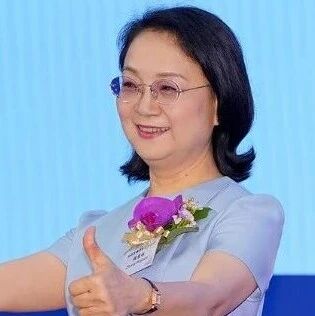
身家1410亿元!从化学老师奋斗成“医药女王”,她成为中国女首富
新浪财经· 2025-10-31 06:40
Core Insights - The 2025 Hurun Women's Entrepreneur List shows that the total wealth of the top 50 female entrepreneurs in China reached 1.9 trillion RMB, a significant increase of 32% compared to last year [1] - The threshold for the list has risen to 16 billion RMB, an increase of 40 billion RMB (33% growth) from the previous year [1] - The average age of the top 50 female entrepreneurs is 60 years, which is 2 years older than last year, aligning with the average age of the top 50 male entrepreneurs on the Hurun Rich List [1] Group 1: Top Entrepreneurs - Zhong Huijuan and her daughter Sun Yuan topped the list with a wealth of 141 billion RMB, marking Zhong's first time as China's richest woman [2][3] - Zhou Qunfei of Lens Technology ranked second with a wealth increase of 47 billion RMB, totaling 110 billion RMB [5] - Zong Fuli of Wahaha ranked third with 87.5 billion RMB, experiencing a decline of two positions from last year [6] Group 2: Industry Insights - The consumer electronics sector has emerged as a core driver of wealth growth for female entrepreneurs, benefiting from the popularity of short videos and global demand for smart devices [5] - The proportion of brands directly facing consumers, such as Wahaha and Dali Foods, has decreased to 35% from 47% five years ago [1] Group 3: Notable Newcomers - New entrants include Ye Qiongjiu of Tonghuashun with 30.5 billion RMB, ranking 22nd, and Wang Sihan of Hongren with 24.5 billion RMB [6] - Eight "post-80s" entrepreneurs made the list, with only Qu Fang of Xiaohongshu being a self-made entrepreneur [6] Group 4: Zhong Huijuan's Journey - Zhong Huijuan transitioned from being a chemistry teacher to co-founding Jiangsu Haisen Pharmaceutical, which later became Hansoh Pharmaceutical [7] - Under her leadership, Hansoh has become a major player in the innovative drug sector, focusing on oncology and central nervous system treatments [8][9] - Hansoh's market value has surged to over 200 billion HKD, with a stock price increase of over 100% this year [9]
身价超越宗馥莉,中国新晋女首富什么来头?
Di Yi Cai Jing· 2025-10-31 06:34
Core Insights - The news highlights that Zhong Huijuan, the founder and CEO of Hansoh Pharmaceutical, has become China's richest woman with a wealth of 141 billion yuan, marking a significant milestone in the 20-year history of the Hurun Women's Entrepreneur List [2][3] Company Overview - Hansoh Pharmaceutical was founded on July 26, 1995, originally as Jiangsu Haosen, a Sino-foreign joint venture [3][4] - The company underwent several restructurings and was listed on the Hong Kong Stock Exchange on June 14, 2019 [4] Business Strategy and Development - The company has focused on a development strategy of "combining imitation and innovation," establishing a foundation with generic drugs while seeking breakthroughs with innovative drugs [5] - Since 2002, Hansoh has been developing Class 1.1 innovative drugs, with its first approved innovative drug, Mylinda, launched in 2014 [5] Financial Performance - In the first half of this year, Hansoh Pharmaceutical achieved revenue of 7.434 billion yuan, a year-on-year increase of 14.3%, and a net profit of 3.135 billion yuan, up 15% [5] - Innovative drugs and cooperative product sales contributed significantly to the revenue, with innovative drugs accounting for approximately 82.7% of total revenue [6] Market Position and Stock Performance - As of October 31, the market capitalization of Hansoh Pharmaceutical reached 212.9 billion yuan, with the stock price doubling this year [6] - Zhong Huijuan and her daughter hold over 60% of the company's shares, indicating strong family control [6] Recent Developments - Hansoh's innovative drug for non-small cell lung cancer, Amelot, was approved for sale in the UK, marking the company's first entry into the overseas market [7] - The company has also licensed overseas rights for its investigational CDH17-targeted antibody-drug conjugate to Roche, receiving an upfront payment of 80 million USD and potential milestone payments of up to 1.45 billion USD [7]