智元机器人

Search documents
供需起势,链动未来:迎接人形机器人的产业浪潮
Da Gong Guo Ji· 2026-01-04 06:05
Investment Rating - The report indicates a positive outlook for the humanoid robot industry, anticipating significant growth and development leading up to 2025, which is viewed as the "year of mass production" for humanoid robots [1]. Core Insights - The humanoid robot industry is experiencing a surge in demand driven by factors such as aging population and labor shortages, with a diverse market landscape emerging as leading companies accelerate production [1][4]. - The industry is transitioning from concept validation to large-scale pilot projects, with notable increases in orders and contracts for humanoid robots across various sectors [8][9]. - The integration of advanced technologies, including AI and embodied intelligence, is enhancing the capabilities of humanoid robots, making them suitable for complex and diverse applications [9][14]. Policy Environment - Continuous policy support is fostering high-quality development in the humanoid robot industry, with initiatives aimed at encouraging innovation and application across various sectors [2][3]. - Key government documents outline goals for establishing an innovation system and achieving mass production of humanoid robots by 2025, emphasizing the importance of technological breakthroughs and ecosystem development [2][3]. Supply and Demand Dynamics - The aging population in China is projected to reach 220 million by 2024, accounting for 15.64% of the total population, which is intensifying the demand for humanoid robots to address labor shortages [4]. - The labor force in China is declining, with the working-age population decreasing from 1.01 billion in 2013 to 966 million in 2024, leading to increased labor costs and a pressing need for automation [4]. Application Expansion - The application fields for humanoid robots are expanding, moving towards personalized and complex high-value scenarios, with significant penetration in industrial manufacturing, commercial services, and potential household applications [6][7][14]. - Humanoid robots are expected to evolve from basic tasks in industrial settings to more sophisticated roles in quality inspection, maintenance, and personal assistance in domestic environments [7][14]. Industry Structure - The supply chain for humanoid robots in China is well-established, with advancements in hardware components and a focus on software innovation being critical for scaling production [12][13]. - The industry comprises upstream components, midstream manufacturing, and downstream applications, with a strong emphasis on achieving autonomy and intelligence in robot functionality [12][13]. Future Outlook - The report anticipates that humanoid robots will evolve into "general tools" for various applications, with the consumer market expected to become a significant growth driver as technology matures and costs decrease [14]. - The integration of "big brain" and "small brain" technologies is crucial for overcoming current challenges and achieving widespread adoption of humanoid robots in both commercial and personal settings [14].
租机器人热卷土重来,从日租10000元到1元
Feng Huang Wang· 2026-01-04 05:48
Group 1 - The booming rental market for robots is closely related to the large-scale production by robot companies [1][19] - The rental prices for robots have slightly rebounded but remain significantly lower than last year, with starting prices dropping from 10,000 yuan to 2,000-3,000 yuan [1][4] - The demand for trying out robots has created fertile ground for the rapid rise of the robot rental market, with predictions that the market could reach 10 billion yuan in 2025 and 100 billion yuan by 2026 [3][19] Group 2 - The initial hype around robot rentals led to a chaotic market with many rental companies entering blindly, resulting in a price drop due to increased supply [4][20] - The rental market has evolved from simple rentals to a more industrialized model that includes additional services such as personnel, shipping, and technical support [6][20] - The launch of platforms like "Qingtian Rental" aims to integrate manufacturers, rental companies, content creators, and customers, indicating a shift towards a more structured rental ecosystem [7][19] Group 3 - The robot rental market is transitioning from a phase of concept hype to one focused on value delivery, with a shift towards full-stack solutions that combine hardware, software, data, and services [20] - The industry is expected to see significant growth, with estimates suggesting that by 2045, the number of operational humanoid robots in China could exceed 100 million, creating a vast market opportunity [19][20] - Companies are now focusing on understanding customer needs in various scenarios to provide comprehensive solutions, moving away from reliance on novelty and traffic effects [20]



证伪!特斯拉Optimus七家核心供应商名单
Robot猎场备忘录· 2026-01-04 05:06
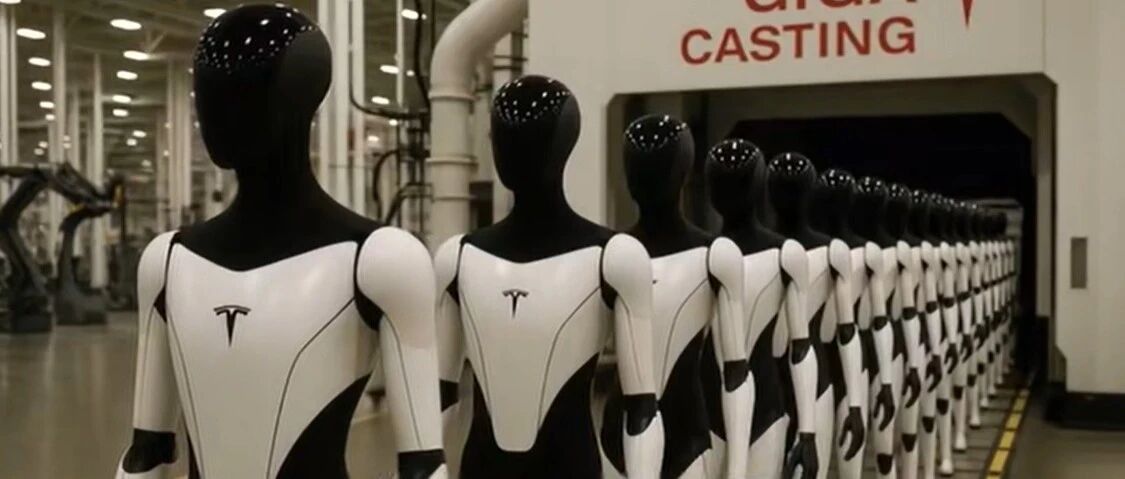
温馨提示 : 点击下方图片,查看运营团队最新(12月)原创报告(共260页) 说明: 欢迎约稿、刊例合作、行业交流 , 行业交流记得先加入 "机器人头条"知识星球 ,后添加( 微信号:lietou100w )微 信; 若有侵权、改稿请联系编辑运营(微信:li_sir_2020); 正文: 一语成阙,还真是这7家! Optimus V3将至,T链们在2025年年终迎来主升行情, 2026年 T链首个"利好"小作文,来了! 目前机器人板块核心催化来自于特斯拉Optimus,T链是现阶段人形机器人产业链绝对主角;对于仍处于炒预期 的T链们,相关利好备受二级市场关注,尤其在 特斯拉发包之际、核心T链标的陆续前往北美沟通等关键节点上。 " 特斯拉Optimus Gen3量产审核已结束,7家国内公司成为特斯拉机器人Tier1供应商 。"该则资讯于1月1日发 布后瞬间刷屏行业圈,并在2日迅速发酵。 小编昨日有针对该资讯发文( 文章 )进行证伪,表示"出口转内销"无疑;同时表示:该资讯与12月8日特斯拉审 厂名单似乎形成闭环;12月8日午前,一份 不知出处的已通过审厂并拿到订单名单流传行业圈,同样也是7家 (LS、SH、TP ...

从跨年舞台到直播间,人形机器人“卖艺”破圈
Di Yi Cai Jing· 2026-01-04 04:26
在工业和家庭等规模化场景尚未完全成熟的阶段,文娱与商业活动为其提供了一个真实、开放且可快速验证能力的试 验场。 从2025年春晚舞台上的"转手绢儿",到2026年跨年夜舞台上的唱跳、后空翻。不到一年,人形机器人在文娱场景中 的"卖艺"本领正在快速升级。 在2025年最后一天,智元机器人的人形机器人登上湖南卫视跨年演唱会舞台,与王心凌、王鹤棣等艺人同台完成唱 跳、空翻和互动表演。在舞台外的红毯上,远征A2、灵犀X2则立住了"艺人"人设,除了与观众完成互动之外,二者还 分别为观众赋诗、进行武术表演。在京东直播间,远征A2还和孟子义、张颜齐等明星进行唱歌接龙、即兴说唱等,灵 犀X2则与明星进行互动斗舞。在场外的快闪店中,精灵G2也为观众带来了抖空竹、华尔兹等才艺。 "虽然场景不同,但对于目前的机器人来说,完成表演的工程难度并不低。"与在特定场景的室内外展示不同,跨年演 唱会是一种高度复杂、不可控的环境。一位参与过外场机器人部署的工作人员告诉第一财经记者,跨年舞台的灯光变 化频繁、音乐节奏严格、人员密集,且演出几乎不存在"重来一次"的空间。对机器人而言,这类场景不仅考验运动控 制的稳定性,也考验多任务协同和稳定性。 ...

下周关注丨2025年12月CPI、PPI数据将公布 这些投资机会最靠谱
Di Yi Cai Jing· 2026-01-04 01:11
【重磅新闻】 CPI、PPI数据将公布 1月9日,国家统计局将公布2025年12月CPI、PPI数据。 浙商证券预计12月CPI同比增速0.7%,环比持平;工业品价格方面,预计12月PPI同比增速为-1.9%,环比持平。 成品油价将迎今年首次调整 根据"十个工作日"原则,2026年首轮调价窗口为1月6日24时。上一次调价窗口为12月22日24时,国内汽、柴油价格每吨分别下调 170元和165元。 2026年育儿补贴,下周一起全面开放申领 根据工作安排,2026年育儿补贴即将开放申领。2026年1月1日至4日将对育儿补贴信息管理系统进行升级和测试,1月5日起全面开 放申领。 参展的中国企业中,除了"老面孔"如联想、海信、TCL、京东方等,另一股新兴力量正加速涌入:中国具身智能企业正以前所未有 的规模集体登陆CES。 第一财经记者了解到,智元机器人、松延动力、北京人形机器人创新中心等多家具身智能企业将首次参展CES。其中,智元预计将 首次在美国完整展示其全系列产品线,并发布灵巧手等核心部件的新版本。 据国家卫生健康委消息,截至目前,全国31个省(自治区、直辖市)均已发放育儿补贴,发放人数超过2400万人,2025 ...
下周关注丨2025年12月CPI、PPI数据将公布,这些投资机会最靠谱
Di Yi Cai Jing· 2026-01-04 01:01
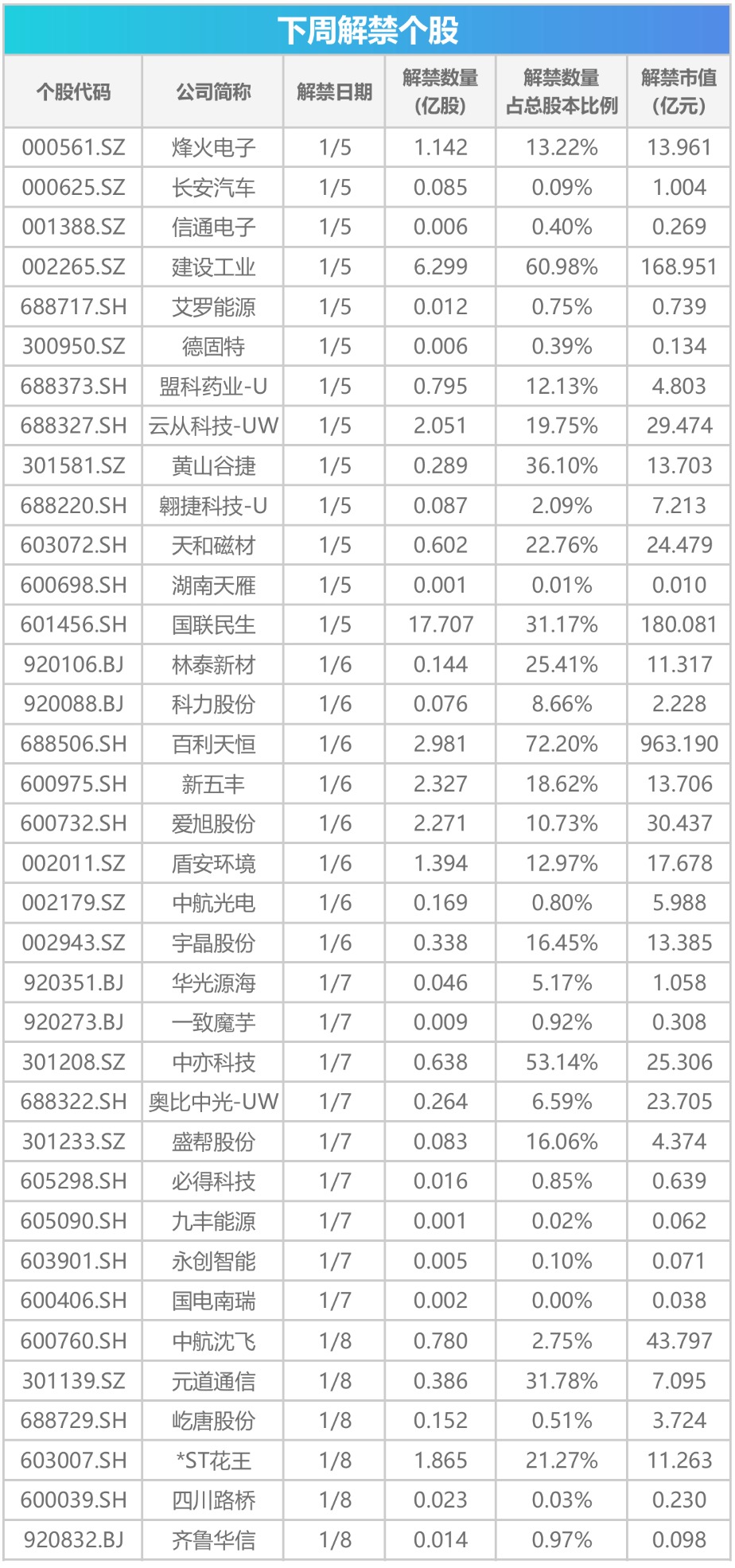
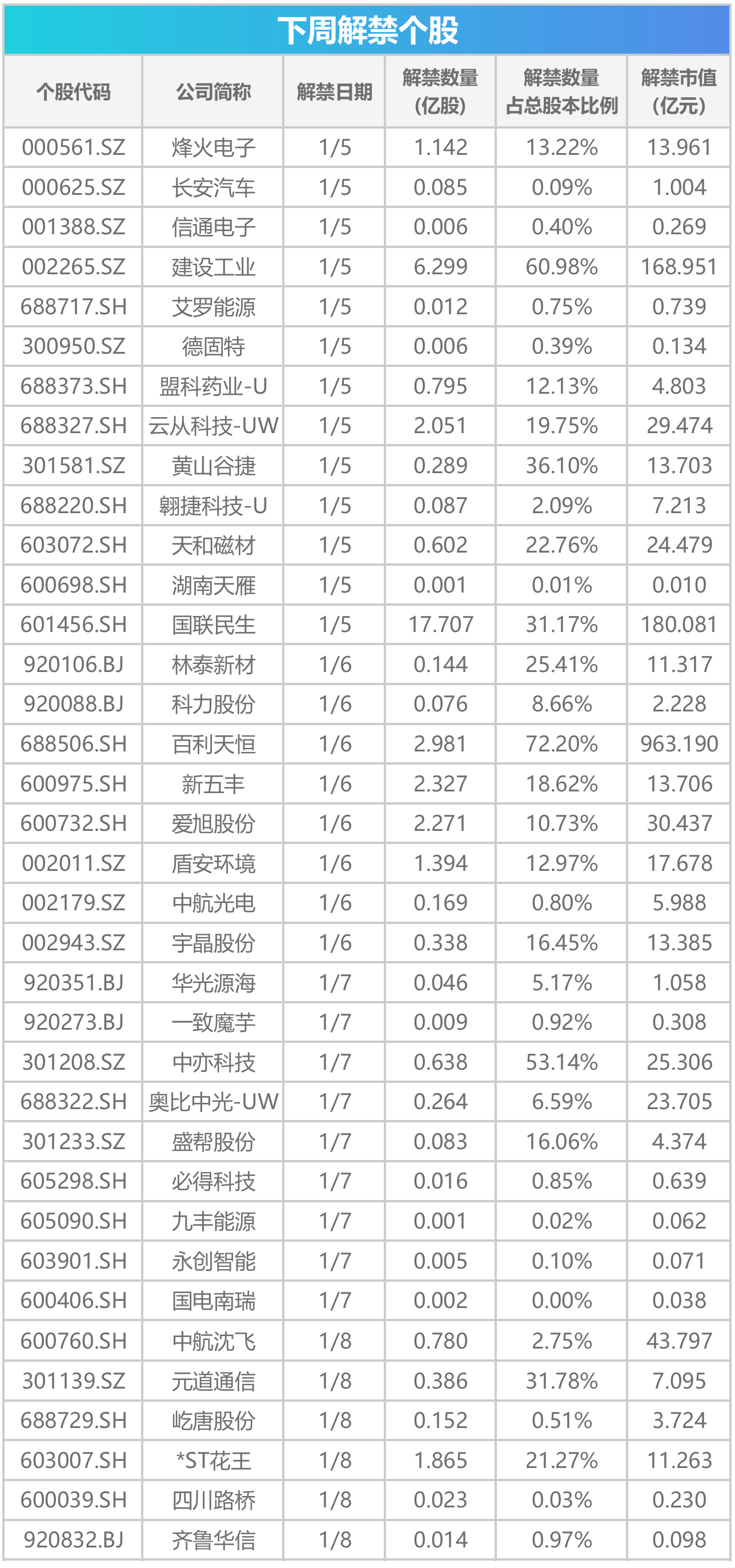
Group 1: Economic Indicators - The CPI and PPI data for December 2025 will be released on January 9, with an expected CPI year-on-year growth rate of 0.7% and a PPI year-on-year decline of 1.9% [2] Group 2: Fuel Price Adjustments - The first adjustment of fuel prices in 2026 will occur on January 6, with the previous adjustment on December 22 resulting in a decrease of 170 yuan per ton for gasoline and 165 yuan per ton for diesel [3] Group 3: Childcare Subsidies - The childcare subsidy application will open on January 5, 2026, following an upgrade and testing of the information management system from January 1 to January 4 [4] - As of now, over 24 million people have received childcare subsidies across 31 provinces, with an issuance rate of approximately 80% for the 2025 fiscal year [5] Group 4: International Consumer Electronics Show (CES) - The 2026 CES will commence on January 6 in Las Vegas, featuring major tech companies and emerging players from China, including companies like Zhiyuan Robotics and Songyan Power, which will showcase their products for the first time [6] Group 5: Stock Market Developments - A total of 36 restricted stocks will be unlocked from January 5 to January 9, with a total market value exceeding 160 billion yuan [7] - Among these, 16 stocks will have a market value of over 1 billion yuan, with companies like Baili Tianheng and Guolian Minsheng exceeding 10 billion yuan in unlock value [8] Group 6: New Stock Opportunities - Two new stocks will be issued next week, namely Zhixin Co. on the Shanghai main board and Kema Materials on the Beijing Stock Exchange [12]



长沙制造站上新高度|2025长沙年终经济观察
Chang Sha Wan Bao· 2026-01-04 00:06
Core Insights - The article highlights the rapid development of advanced manufacturing in Changsha, showcasing the integration of smart technologies in traditional industries, particularly in the construction machinery sector [1][3][4]. Group 1: Advanced Manufacturing Development - Changsha is accelerating the development of advanced manufacturing as a key strategy for high-quality growth and the establishment of a modern industrial system [1][3]. - The city has formed six trillion-yuan manufacturing clusters, with manufacturing tax revenue accounting for nearly 50% of total tax revenue [1][3]. - Changsha's ranking in the top 100 advanced manufacturing cities has improved from 10th at the end of the 13th Five-Year Plan to 5th currently [1]. Group 2: Technological Integration - The ZOOMLION intelligent factory is recognized as a national-level smart factory, producing one excavator every six minutes, addressing the challenges of mixed-flow production in heavy equipment [1][3]. - The integration of AGVs (automated guided vehicles) and robotic arms in the production line exemplifies the shift from traditional manufacturing to intelligent manufacturing [3][4]. - The engineering machinery sector in Changsha has evolved from traditional manufacturing to a high-tech industry, with a wide range of products covering 85% of national varieties [3][4]. Group 3: Strategic Emerging Industries - The emergence of humanoid robots and other intelligent technologies is transforming the manufacturing landscape, with robots transitioning from tools to collaborative partners in the workplace [5][6]. - The establishment of the Hunan Embodied Intelligence Innovation Center aims to position Changsha as a hub for embodied intelligence technology innovation and industry aggregation [6][7]. - The focus on strategic emerging industries, particularly embodied intelligence robotics, is expected to drive new growth engines for Changsha's manufacturing sector [6][7].

15天涨15倍!机器人企业“抢壳”A股,监管坐不住了?
Sou Hu Cai Jing· 2026-01-03 08:18
Core Viewpoint - The recent surge in stock prices of companies in the humanoid robotics sector is driven by strategic acquisitions and market speculation, despite many of these companies facing significant financial challenges and losses. Group 1: Acquisition Activities - Zhiyuan Robotics acquired 63.62% of Shuangwei New Materials for 2.1 billion, leading to a dramatic stock price increase from 7.78 to 132.13 within 15 days, a 15-fold rise [1][3] - Yubiquitous acquired 43% of Fenglong shares for 1.665 billion, resulting in a five consecutive trading limit increase upon resumption [4] - The trend of "shell grabbing" is becoming popular as companies seek to bypass lengthy IPO processes to secure funding quickly [10][12] Group 2: Financial Performance and Market Conditions - Many companies in the humanoid robotics sector are struggling financially, with 10 out of 12 companies pursuing IPOs currently operating at a loss [15] - The average R&D expense ratio for companies like Aifute is 20.64%, significantly higher than the manufacturing industry average of 2.5% [14] - The humanoid robotics market is projected to reach only 6.339 billion by 2025, with sales of 12,400 units, compared to the traditional industrial robotics market valued at 400 billion [17] Group 3: Market Speculation and Risks - The stock prices of companies like Shuangwei New Materials have reached unsustainable levels, with a price-to-earnings ratio soaring to 500, indicating a potential market bubble [15][19] - Investors are cautioned against speculative trading, as the current market dynamics resemble a race against time between capital and industry [23] - The long-term viability of these companies will depend on their ability to reduce production costs and meet industrial demands, rather than short-term stock price increases [25]



2026百家人形机器人公司或只剩10家
Di Yi Cai Jing Zi Xun· 2026-01-02 10:12
Core Viewpoint - The speech at the 2025 Annual Financial Thinkers Summit highlighted the rapid growth and potential of humanoid robots, emphasizing the significant market interest and investment opportunities in this sector as it approaches a pivotal development phase [1][2]. Industry Overview - The humanoid robot industry is currently dominated by key players such as Tesla's Optimus and Figure AI internationally, while domestically, companies like Yushutech and Zhiyuan Robotics have surpassed valuations of 10 billion, indicating a strong first tier of market participants [2] - As of 2025, over 100 domestic humanoid robot companies have secured financing, reflecting a burgeoning interest in this technology [2]. Current Challenges - The commercialization of humanoid robots faces significant hurdles, primarily due to their current reliance on pre-programmed actions and lack of autonomous learning capabilities, which limits their practical applications [3] - The industry is also challenged by the need to identify large-scale application scenarios that can generate sales and profits, rather than relying solely on external financing [3]. Application Scenarios - Humanoid robots are expected to find initial applications in factory assembly lines and logistics, where their flexibility and mobility can outperform traditional robotic arms [4][5]. - They are anticipated to replace repetitive tasks currently performed by human workers, marking a shift towards flexible automation [5]. Future Trends - By 2026, the industry is expected to undergo a consolidation phase, with only 10 to 20 companies likely to survive from the current pool of over 100, similar to the trajectory of the electric vehicle market [6]. - Companies that can significantly reduce hardware costs or develop advanced AI systems are expected to emerge as leaders in the market [6]. Market Potential - The global demand for humanoid robots could reach 30 to 40 billion units, as each person may require multiple robots for various tasks, indicating a market potential that surpasses that of smartphones and automobiles [7].
2026百家人形机器人公司或只剩10家
第一财经· 2026-01-02 10:07
Core Viewpoint - The speech highlights the rapid growth and potential of the humanoid robotics industry, emphasizing the need for advancements in both hardware and AI capabilities to achieve commercialization and practical applications [2][5][9]. Industry Overview - The humanoid robotics market has seen significant interest, with valuations of companies rising from tens of billions to between 70 and 100 billion [2]. - Major players include Tesla's Optimus and Figure AI internationally, while domestic leaders are Yushutech and Zhiyuan Robotics, both valued over 100 billion [3]. - Over 100 humanoid robotics companies in China have received funding in 2025, indicating a vibrant investment landscape [3]. Current Challenges - The commercialization process faces hurdles, as many robots are still primarily used for demonstrations rather than practical applications, indicating a lack of maturity in the "brain" component of the technology [5]. - The industry must identify large-scale application scenarios to generate sales and profits, moving beyond reliance on financing [5][6]. Future Trends - Hardware costs are expected to decrease, with advancements in components like motors and sensors, while the evolution of the "robot brain" is crucial for enhancing capabilities [6][7]. - The industry is anticipated to undergo a consolidation phase by 2026, with only 10 to 20 companies likely to survive, focusing on either hardware or software solutions [8]. - Potential business models may include a closed-loop system created by automotive companies or a collaborative supply chain model between hardware and software firms [8]. Market Potential - The global demand for robots could reach 300 to 400 billion units, as each person may require 3 to 5 robots for various tasks, indicating a market larger than that of smartphones and automobiles [9].