国泰基金

Search documents
基金一周大事件
中国基金报· 2026-01-03 09:22
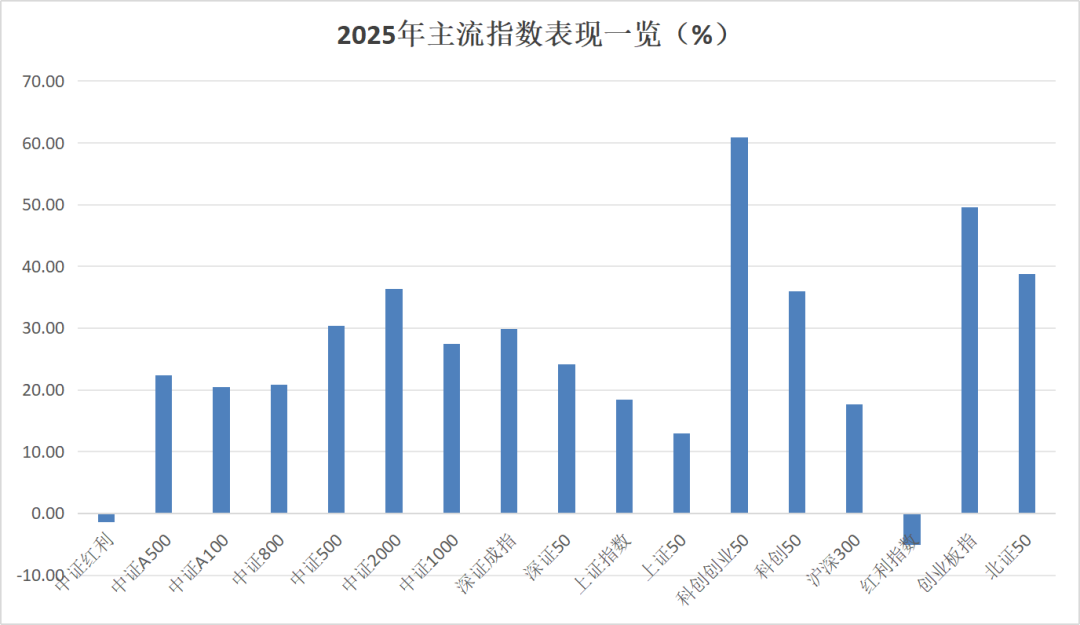
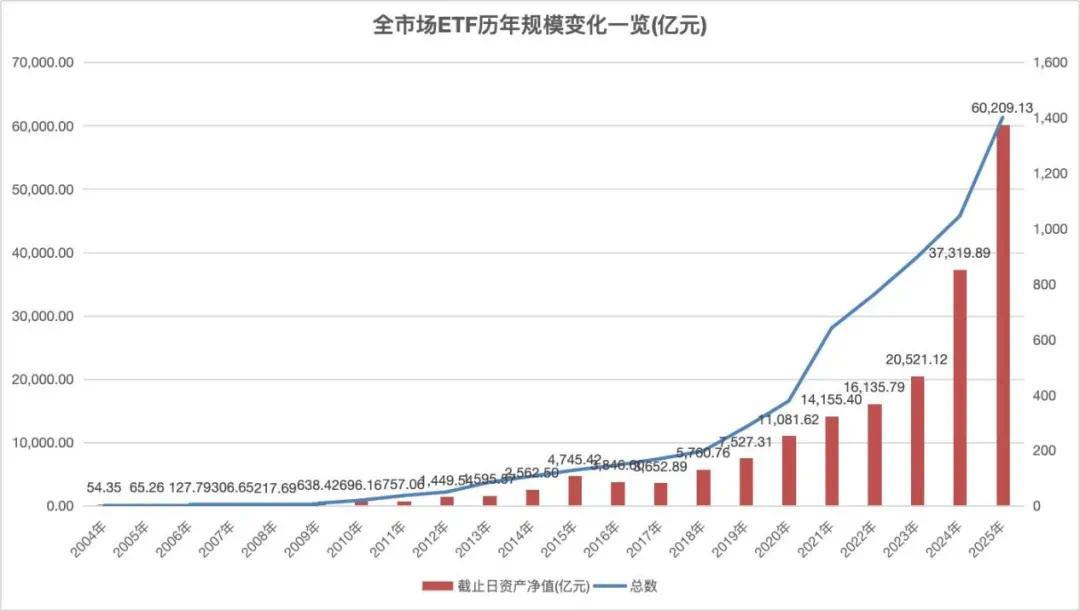
Group 1 - The core viewpoint of the article emphasizes the significant changes in the public fund industry following the implementation of the "Regulations on the Management of Sales Fees for Publicly Raised Securities Investment Funds," which marks a milestone in the fee rate reform aimed at optimizing mechanisms and reshaping the ecosystem for high-quality development [2][3][4]. Group 2 - The launch of the "Longying Plan" by China Construction Bank on January 1, 2025, signifies a strategic entry into the FOF market, providing customized asset allocation services and potentially stimulating further growth in fund issuance [3]. - The total scale of FOF funds reached 235.54 billion yuan by the end of November 2025, reflecting a nearly 70% increase compared to the end of 2024, indicating a robust growth trend in this segment [3]. Group 3 - The public REITs market received a boost with the release of a notification by the China Securities Regulatory Commission aimed at promoting high-quality development, which includes support for stable operations and effective governance of listed REITs [5]. Group 4 - The ETF market achieved a significant milestone with a total scale of 6.02 trillion yuan by the end of 2025, marking a more than 60% increase over the year, and the number of ETF products rose to 1,401, indicating a diversification of asset allocation tools [10]. - The competitive landscape of the ETF market is becoming clearer, with major players like Huatai-PB, E Fund, and China Asset Management leading in management scale, and several funds experiencing net inflows exceeding 100 billion yuan in 2025 [10]. Group 5 - The public fund industry saw an overall net value growth of 28.73% in 2025, driven by a bullish A-share market, with major indices like the Shanghai Composite Index and the Shenzhen Component Index recording gains of 18.41% and 29.87%, respectively [11]. - The total net inflow of stock ETFs reached 484.74 billion yuan in 2025, highlighting strong investor interest in this asset class [12].


见证历史,6万亿之上
Zhong Guo Ji Jin Bao· 2026-01-03 07:08
Group 1 - The total scale of the ETF market in China surpassed 6 trillion yuan for the first time, reaching 6.02 trillion yuan by the end of 2025, with a growth rate of 61.33% [2][4] - The number of ETF products increased from 1,046 at the end of 2024 to 1,401 by the end of 2025, marking a growth of 33.93% [2][4] - The market saw significant growth in various ETF categories, including bond ETFs, commodity ETFs, and cross-border ETFs, with the Hong Kong Stock Connect Internet ETF leading in net inflows [2][4][12] Group 2 - Six ETFs experienced a doubling in unit net value growth, particularly in sectors like communication, artificial intelligence, and non-ferrous metals, with the top ten performing ETFs averaging over 105% growth [4][6] - Conversely, some ETFs tracking food and beverage indices showed poor performance, with declines ranging from 7% to nearly 13% [4][6] Group 3 - Major fund companies such as Huaxia, E Fund, and Huatai-PB maintained the top three positions in ETF management scale, with Huaxia leading at 957.16 billion yuan [17][18] - In terms of net inflows, Huaxia and E Fund also led, with several other companies like Guotai and Fortune seeing net inflows exceeding 100 billion yuan [17][18] Group 4 - The bond ETF market saw explosive growth, with the total scale surpassing 800 billion yuan, driven by the popularity of the Sci-Tech Bond ETF [24][26] - The total number of newly established ETFs in 2025 reached a record high of 362, with a total issuance of 2.664 billion units, significantly exceeding previous years [22][23] Group 5 - The ETF custody market also experienced concentration, with major banks like Industrial and Commercial Bank of China and China Construction Bank leading in custody scale, collectively holding over 4.5 trillion yuan [29][30] - A trend of standardization in ETF naming emerged, with major institutions like E Fund completing the renaming of their ETFs to align with new guidelines [31]
2025年千亿管理人增至16家 这十只ETF规模正狂飙
Xin Lang Cai Jing· 2026-01-03 04:51
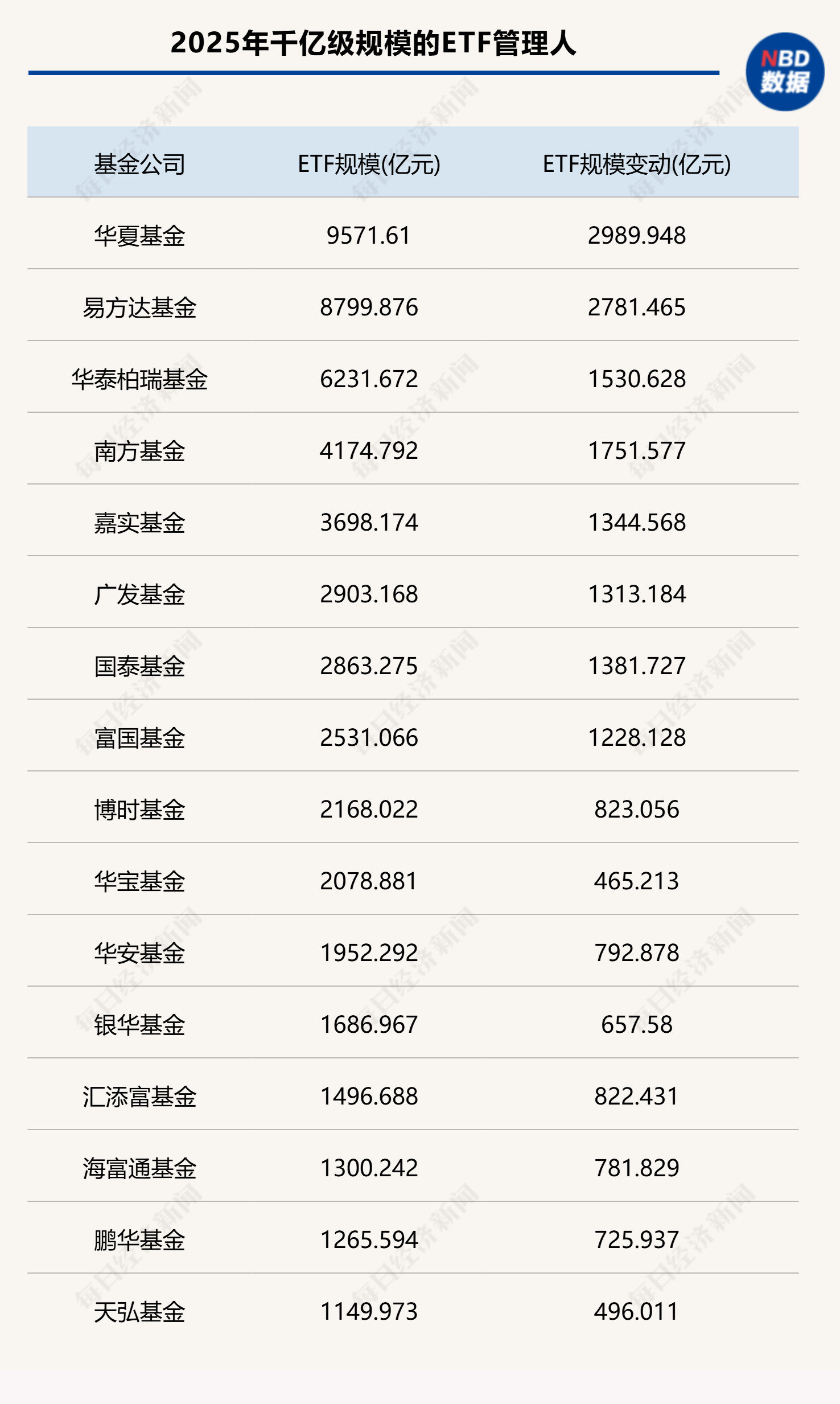
格隆汇1月3日|据每经,Wind数据显示,2025年有16家基金公司ETF管理规模超千亿元,相比2024年的12家增加了4家。另外,2025年ETF管理规模排名前 十位的基金公司位次出现了变化,富国基金规模排名提升2个位次,广发基金、国泰基金提升1个位次。 | 基金公司 | ETF规模(亿元) | ETF规模 | | --- | --- | --- | | 华夏基金 | 9571.61 | 298 | | 易方达基金 | 8799.876 | 278 | | 华泰柏瑞基金 | 6231.672 | 153 | | 南方基金 | 4174.792 | 175 | | 嘉实基金 | 3698.174 | 134 | | "发基金 | 2903.168 | 131 | | 国泰基金 | 2863.275 | 138 | | 富国基金 | 2531.066 | 122 | | 博时基金 | 2168.022 | 82. | | 花毛蜜等 | 2078.881 | 46! | | --- | --- | --- | | 华安基金 | 1952.292 | 79: | | 银华基金 | 1686.967 | ୧୮ | | ...
见证历史!6万亿之上
Xin Lang Cai Jing· 2026-01-03 04:50
Group 1 - The core theme of the article is the significant growth of the ETF market in China, with the total market size reaching 6.02 trillion yuan by the end of 2025, marking a 61.33% increase from the previous year [4][6][33] - The number of ETF products increased to 1,401, reflecting a growth of 33.93% from the end of 2024, indicating a robust expansion in the market [4][27] - Major players in the ETF market include Huaxia, E Fund, and Huatai-PB, which dominate the management scale, with Huaxia leading at 957.16 billion yuan [23][24] Group 2 - The performance of ETFs showed structural differentiation, with six ETFs achieving a unit net value growth rate exceeding 100%, particularly in sectors like communication, artificial intelligence, and non-ferrous metals [6][7] - Conversely, some ETFs tracking food and beverage indices experienced declines, with the wine ETF dropping by 12.96% [9][6] - The top ten ETFs by net inflow included the Hong Kong Stock Connect Internet ETF, which attracted over 566 billion yuan, highlighting the strong demand for cross-border investment products [17][10] Group 3 - The bond ETF market also saw explosive growth, with the total size surpassing 800 billion yuan, driven by the popularity of the Sci-Tech Bond ETF, which accounted for over 50% of the annual growth in this segment [29][28] - The A500 ETF segment became a focal point of competition, with total assets exceeding 300 billion yuan and significant net inflows recorded in December 2025 [31][32] - The ETF issuance market experienced a historic surge, with 362 new ETFs launched in 2025, surpassing the total from the previous two years combined [27][28] Group 4 - The ETF custody market also expanded, with the top five custodians holding approximately 75% of the total ETF market size, indicating a concentration of assets among leading institutions [33] - A trend towards standardization in ETF naming was observed, with major firms like E Fund completing the renaming of their products to align with new regulatory guidelines [34]




见证历史!6万亿之上
中国基金报· 2026-01-03 04:36
Group 1 - The core viewpoint of the article highlights the significant growth of the ETF market in China, reaching a total scale of 6.02 trillion yuan by the end of 2025, marking a year-on-year increase of over 61% [5][4] - The number of ETF products increased to 1,401 by the end of 2025, reflecting a growth rate of 33.93% from the previous year [5][4] - Major players in the ETF market include Huatai-PB, E Fund, and China Asset Management, which dominate the management scale, with Huatai-PB leading at 957.16 billion yuan [20][19] Group 2 - The article notes that six ETFs achieved a unit net value growth rate of over 100%, particularly in sectors like communication, artificial intelligence, and non-ferrous metals [8][7] - Conversely, some ETFs, particularly those tracking food and beverage indices, experienced significant declines, with the wine ETF dropping by 12.96% [10][8] - The ETF market has evolved from a simple trading tool to a cornerstone for asset allocation, serving as a crucial bridge between the asset and capital sides [3][2] Group 3 - In 2025, the ETF issuance market saw a historic surge, with 362 new ETF products launched, surpassing the total issuance of the previous two years [28][29] - The bond ETF market also experienced explosive growth, with the total scale exceeding 800 billion yuan, driven by the demand for innovative bond products like the Sci-Tech Bond ETF [30][29] - The competition among major institutions in the A500 ETF segment intensified, with total assets surpassing 300 billion yuan by the end of 2025 [33][32] Group 4 - The ETF custody market saw a concentration of assets, with the top five custodial banks holding approximately 75% of the total ETF market scale [36][35] - ICBC leads the ETF custody market with over 1.46 trillion yuan in assets, followed by CCB and BOC [37][36] - The article also discusses a wave of standardization in ETF naming conventions, with major institutions like E Fund completing the renaming of their ETFs to align with new guidelines [40][39]

430亿元!公募新年入市资金来了
券商中国· 2026-01-02 23:31
Core Viewpoint - The article discusses the anticipated influx of public funds into the market in 2026, driven by new ETFs and actively managed equity funds, with a total expected scale exceeding 430 billion yuan by the end of 2025 [5]. Group 1: ETF Market Overview - As of December 31, 2025, six ETFs are set to launch in the first week of 2026, collectively bringing over 20 billion yuan in incremental funds to the A-share market [3]. - The total scale of the 16 ETFs expected to enter the market after New Year's is nearly 50 billion yuan [3]. - Individual investors dominate the ownership of these new ETFs, with personal holdings exceeding 90% in many cases [2][8]. Group 2: Actively Managed Equity Funds - By the end of 2025, 66 actively managed equity funds were established, with a total fundraising scale of approximately 387.35 billion yuan [4]. - The average return since inception for these newly established funds is 0.75%, indicating that a significant portion of the raised funds is yet to be deployed in the market [4]. - Notable funds include Guangfa Quality Preferred and E Fund Industry Preferred, each exceeding 30 billion yuan in scale [4]. Group 3: Potential for Increased Market Participation - There is a significant potential for "deposit migration" into the market, with estimates suggesting an additional 2 trillion to 4 trillion yuan could flow into non-deposit investment areas in 2026 [9]. - The total scale of ETFs reached over 6 trillion yuan by the end of 2025, with nearly 1 trillion yuan being new inflows during that year [7]. Group 4: Market Dynamics and Future Outlook - The market is expected to shift its driving factors from valuation to profitability, with anticipated recovery in earnings growth and return on equity (ROE) levels in 2026 [10]. - The technology investment landscape is projected to become more challenging in 2026, requiring precise industry timing and stock selection for excess returns [11]. - Key areas of focus in the AI sector include optical communication, storage chips, domestic computing power breakthroughs, and AI application implementation [11].

刷屏!建行、易方达、华夏、汇添富、招商、国泰、中欧,最新发声!
Sou Hu Cai Jing· 2026-01-02 10:35
中国基金报公募基金报道组 【导读】《公开募集证券投资基金销售费用管理规定》正式实施,将推动公募行业"机制优化"和"生态 重塑" 今年1月1日,《公开募集证券投资基金销售费用管理规定》(以下简称《规定》)正式实施,标志着公 募基金行业历经两年多的费率改革终于全面落地。 《规定》发布后, 建行、易方达、华夏、国泰、汇添富、招商、中欧基金 等头部机构密集发声,积极 拥护公募基金销售费率改革,此举不仅是"降费让利",更是在"优化机制"和"重塑生态",将成为推动公 募基金行业高质量发展的重要里程碑。 建设银行:积极落实费率改革新政策 推动构建公募基金销售发展新生态 本次证监会发布《规定》,是贯彻新"国九条"精神、落实《公募基金行业费率改革工作方案》和《推动 公募基金高质量发展行动方案》的关键举措,也标志着公募基金行业"三阶段"费率改革的顺利收官,意 义重大。 《规定》以投资者利益为核心,规范行业发展秩序,彰显金融政治性和人民性的使命担当。建设银行作 为国有大型商业银行,将坚定不移贯彻落实证监会关于推动公募基金高质量发展的系列决策部署,深入 践行财富管理转型,切实保护投资者合法权益,让优质专业服务触达更多人民群众。 投资 ...
刷屏!建行、易方达、华夏、汇添富、招商、国泰、中欧,最新发声!
中国基金报· 2026-01-02 09:14
Core Viewpoint - The implementation of the "Regulations on the Management of Sales Expenses for Publicly Raised Securities Investment Funds" marks a significant milestone in the public fund industry, promoting "mechanism optimization" and "ecological reshaping" for high-quality development [2][4][10]. Group 1: Regulatory Changes - The new regulations are a key measure to implement the spirit of the new "National Nine Articles" and the "Public Fund Industry Fee Rate Reform Work Plan," marking the successful completion of the three-phase fee rate reform [4][16]. - The regulations focus on investor interests, standardizing industry development order, and enhancing the mission of financial politics and people's welfare [4][10]. - The maximum subscription fee rates for different fund types have been reduced to 0.8% for actively managed equity funds, 0.5% for mixed funds, and 0.3% for index and bond funds [7][17]. Group 2: Impact on Investor Experience - The regulations aim to lower transaction costs for investors, enhance their holding experience, and promote long-term investment behaviors [4][7][10]. - The introduction of floating fee rate fund products in 2025 is expected to align the interests of fund managers, sales institutions, and investors, receiving positive feedback from clients [4][10]. - The regulations also eliminate sales service fees for fund shares held for over one year, effectively reducing long-term holding costs for investors [23]. Group 3: Industry Transformation - The fee rate reform is seen as a significant institutional innovation in the development of China's capital market, transitioning the industry focus from "scale" to "return" [10][13]. - The new regulations encourage the development of equity funds and aim to attract quality incremental capital into the market, stimulating market vitality [23][24]. - The establishment of the Fund Industry Service Platform (FISP) is expected to enhance direct sales capabilities and optimize customer service experiences [21][27]. Group 4: Future Directions - Fund management companies are required to focus on improving core competencies, such as investment management, product innovation, and customer service, to win market trust [11][24]. - The industry is expected to shift from a sales-driven model to one that prioritizes investor interests, fostering a sustainable and prosperous environment [21][26]. - The regulations are anticipated to save investors hundreds of billions in fees annually, reshaping the fund sales ecosystem and reinforcing the principle of "serving investors" [21][26].

陆家嘴财经早餐2026年1月2日星期五
Wind万得· 2026-01-01 22:38
Group 1 - The Ministry of Commerce of China has expressed concerns over the EU's Carbon Border Adjustment Mechanism (CBAM), highlighting that the EU's default carbon emission intensity values for Chinese products are set too high and do not reflect China's actual levels and future development trends, which could lead to unfair treatment [3] Group 2 - BYD reported a total of 4,602,436 new energy vehicle sales for the year 2025, marking a year-on-year increase of 7.73%, while December sales were 420,398 units, down approximately 18.2% year-on-year [4] - Geely's total vehicle sales for December 2025 reached 236,817 units, a year-on-year increase of about 13%, with annual sales totaling 3,024,567 units, up approximately 39% [4] - New energy vehicle brands like Leap Motor, Xiaomi, and Hongmeng Zhixing achieved record high sales in December, with Leap Motor leading the market with nearly 600,000 units sold [4] Group 3 - The National Data Work Conference emphasized that 2026 will be the "Year of Data Value Release," aiming to enhance data flow and resource allocation channels, thereby integrating data factors into the economic value creation process [5] - Starting January 1, 2026, the implementation regulations for the Value-Added Tax Law will take effect, which is expected to strengthen taxpayer rights and support the smooth implementation of the VAT law [5] - Deutsche Bank forecasts that consumption will continue to be the main engine of China's economic growth in 2026, contributing 2.8 percentage points to GDP [5] Group 4 - The Hainan Free Trade Port has shown a steady increase in passenger and cargo transport volume since its closure, indicating the initial effects of the port's operations [6] - In 2025, the total sales from the "old-for-new" replacement program exceeded 2.6 trillion yuan, benefiting over 360 million people, with significant contributions from the automotive sector [6] - Starting January 1, 2026, Jiangxi Province will implement a new "old-for-new" consumption policy covering various sectors, including automobiles and home appliances [6] Group 5 - By the end of 2025, the total scale of ETFs in China surpassed 6 trillion yuan, with eight ETFs experiencing annual growth rates exceeding 100%, marking a historical high for the number of doubling ETFs [7] - As of now, 15 brokerage firms have released their January stock recommendations, covering 114 A-shares, with Zhongji Xuchuang, Zijin Mining, and China Duty Free being the most popular picks [8] Group 6 - The domestic box office in China reached 51.832 billion yuan in 2025, a year-on-year increase of 21.95%, with domestic films accounting for 79.67% of the total box office [10] - The film "Zootopia 2" has surpassed 4.1 billion yuan in cumulative box office, entering the top 10 in Chinese film history [10] Group 7 - The establishment of "Moutai Digital Technology Co., Ltd." by Kweichow Moutai aims to enhance its digital business, with the iMoutai app becoming part of this new entity [11] - Kweichow Moutai's product sales on the iMoutai platform sold out on January 1, 2026, indicating strong consumer demand [11] Group 8 - The Indian government has introduced a new tax on cigarettes, which is expected to increase the smoking costs for approximately 100 million smokers in the country [15]

见证历史!重磅榜单,刚刚发布
Zhong Guo Ji Jin Bao· 2026-01-01 07:17
Core Viewpoint - The A-share market experienced a significant bull market in 2025, leading to an overall recovery in equity fund performance, with a net value growth rate of 28.73% for equity funds, marking a historical record for the industry [1][6]. Group 1: Market Performance - Major indices performed well in 2025, with the Shanghai Composite Index, Shenzhen Component Index, and CSI 300 Index increasing by 18.41%, 29.87%, and 17.66% respectively, while the STAR Market 50 Index surged by 60.86% [2][6]. - The overall performance of equity funds was notably strong, with active equity funds achieving a net value growth rate of 31.91% [7][8]. Group 2: Sector Performance - The non-ferrous metals sector was the best-performing industry in 2025, with a growth rate of 94.73%, followed by the communication sector at 84.75% [4][5]. - Other sectors such as electronics, comprehensive, power equipment, and machinery also saw growth rates exceeding 40%, while coal and food & beverage sectors experienced declines of over 5% [4][5]. Group 3: Fund Performance - The top-performing fund, Yongying Technology Select Fund, achieved a remarkable 233.29% net value growth, marking the highest annual performance record in 17 years [4][9]. - A total of 75 funds achieved "doubling" status in 2025, with notable contributions from fund managers who effectively captured market opportunities in AI, innovative pharmaceuticals, and semiconductors [8][11]. Group 4: Future Outlook - Looking ahead to 2026, industry experts anticipate a shift towards growth-driven strategies, with a focus on sectors that can deliver substantial earnings growth, particularly in technology and cyclical assets [23][24]. - The market is expected to transition from liquidity-driven growth to profit-driven growth, with significant opportunities in TMT (Technology, Media, and Telecommunications), manufacturing, and consumer sectors [23][24].