俄罗斯天然气工业股份公司

Search documents
击中俄最大天然气厂,能源超级大国被打得缺油!乌克兰矿工被救出
Sou Hu Cai Jing· 2025-10-21 10:35
Group 1 - Ukraine has targeted the Novokubyshevsk oil refinery and the Orenburg gas processing plant, which have processing capacities of 4.9 million tons and 45 billion cubic meters per year, respectively [1] - The attacks on Russian energy facilities have been frequent, with five major facilities attacked this week and a total of 19 facilities targeted in the last three months [7][11] - The Ukrainian military has reportedly reduced Russian refining capacity by approximately 27% to 30% through these strikes [11] Group 2 - The attacks have led to significant fuel supply issues in Russia, affecting 68 out of 83 regions, with severe restrictions on fuel purchases in key oil-producing areas [14] - In the city of Surgut, which houses major oil fields, there is a complete lack of fuel available for residents [14] - Russia's electricity system is facing a systemic crisis with a power shortfall of 25 gigawatts, approximately 9% of its needs, exacerbated by aging infrastructure and sanctions [17] Group 3 - The Russian military has been able to inflict significant damage on Ukrainian energy infrastructure using missiles and drones, highlighting a disparity in destructive capabilities [5] - Ukrainian forces are relying on self-made suicide drones, which, while effective, cannot match the power of true cruise missiles [7] - The ongoing conflict has created a challenging environment for both Ukrainian and Russian energy sectors, with both sides facing substantial operational pressures [22]

突发!俄罗斯,遭袭!
券商中国· 2025-10-19 23:37
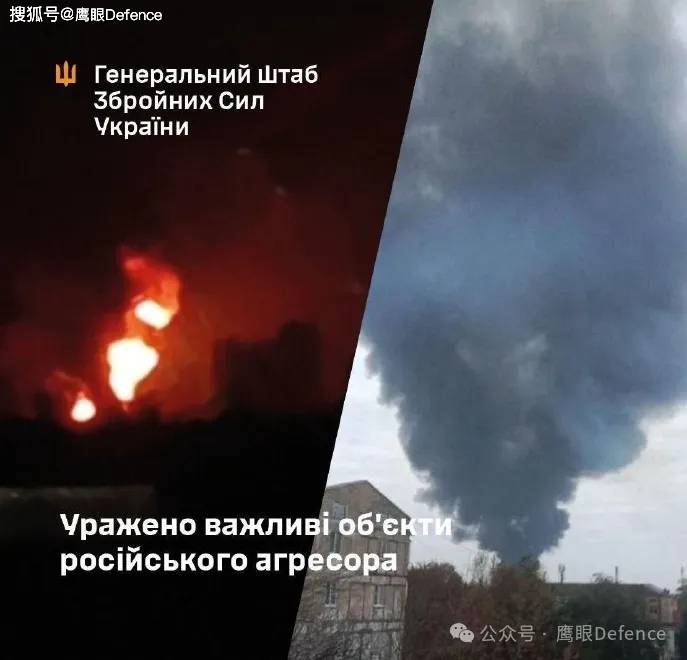
Group 1: Ukraine-Russia Conflict - Ukrainian armed forces targeted key Russian facilities, including the Novokuybyshevsk oil refinery and the Orenburg gas processing plant, resulting in explosions and fires [3] - The Orenburg gas processing plant, operated by Gazprom, is one of the largest gas processing complexes, with an annual capacity of 45 billion cubic meters [3] - Russian defense systems reportedly intercepted 45 Ukrainian drones during the night, with significant interceptions occurring in various regions [4] Group 2: Middle East Tensions - Israeli Prime Minister Netanyahu ordered strong actions in the Gaza Strip, with the Israeli Defense Forces conducting airstrikes and artillery fire in response to threats from armed personnel [5][6] - Hamas reaffirmed its commitment to ceasefire agreements but accused Israel of violating these agreements by closing the Rafah crossing, a critical humanitarian access point [6][7] Group 3: U.S. Protests - Large-scale protests occurred across major U.S. cities, with organizers claiming participation of millions against various government policies, including immigration and tariffs [2][8] - In New York, over 100,000 people participated in demonstrations, highlighting issues such as rising costs and government spending misallocation [9][10]

俄大型天然气加工厂遭袭!泽连斯基:愿意参加特朗普与普京在匈牙利的会晤!美方称俄乌冲突应结束
Mei Ri Jing Ji Xin Wen· 2025-10-19 23:09
Group 1 - Ukrainian President Zelensky expressed willingness to participate in a meeting between US President Trump and Russian President Putin in Budapest, Hungary, and discussed this with Trump [1] - Zelensky stated that Ukraine is open to negotiations but will not make concessions to Russia, emphasizing the need for both sides to remain at their current contact lines to achieve a ceasefire [1][2] - Trump mentioned significant progress in discussions with Putin regarding ending the Russia-Ukraine conflict and indicated plans for a face-to-face meeting in Budapest, although no date was provided [1][2] Group 2 - Zelensky is open to bilateral or trilateral talks and emphasized the importance of strong US security guarantees for Ukraine, as the US is currently the only country engaging in dialogue with Russia [2] - Trump described his meeting with Zelensky as interesting and cordial, urging both sides to stop the violence and reach an agreement, highlighting the unsustainable nature of ongoing funding for the conflict [2] - Reports indicated that a Ukrainian drone attack targeted a major gas processing plant in Russia's Orenburg region, causing a fire but no casualties [2] Group 3 - The Russian Defense Ministry reported that its air defense forces shot down 45 Ukrainian drones overnight, including several over the Orenburg, Samara, and Saratov regions [3] - Ukraine has intensified attacks on Russian energy facilities in recent months, claiming these sites fund and support Moscow's military actions [3]
俄情报显示英国和乌克兰图谋破坏“土耳其溪”管道
Xin Hua She· 2025-10-17 02:53
Group 1 - Russian intelligence officials claim to have reliable information regarding a plot by the UK and Ukraine to sabotage the "Turkish Stream" natural gas pipeline [1] - The "Turkish Stream" pipeline consists of two lines, one supplying gas to Turkey and the other transporting gas to Southern and Southeastern Europe [1] - The Russian Defense Ministry reported that Ukraine has previously used drones to attack gas facilities in Russia, including those supplying the "Turkish Stream" pipeline [1] Group 2 - The agreement allowing Russian gas transit through Ukraine to Europe has expired, leading to the termination of gas supplies as of January 1, 2025 [2] - Following the escalation of the Ukraine crisis in February 2022, multiple gas supply lines from Russia to Europe were interrupted, making the "Turkish Stream" one of the few remaining routes for Russian gas to Europe [2]
中俄早已意识到,蒙古可能不靠谱,开始安排新的能源生命线
Sou Hu Cai Jing· 2025-10-15 11:10
Core Insights - The energy cooperation between China and Russia has strengthened in recent years, particularly after the Russia-Ukraine conflict, with both countries seeking to secure energy supplies and diversify their markets [2][4][18] - The Power of Siberia 2 pipeline is a key project, originally designed to transport 50 billion cubic meters of gas annually from Russia to China, but concerns over Mongolia's reliability as a transit country have prompted both nations to explore alternative routes [2][12][18] Energy Cooperation - China and Russia have signed multiple agreements over the years, including a memorandum in 2006 to plan two pipelines: the eastern and western routes [4] - The eastern route, Power of Siberia 1, began operations in 2019 and has gradually increased its annual gas supply to 38 billion cubic meters, stabilizing China's northeastern energy supply [4] - The western route, Power of Siberia 2, has faced delays primarily due to pricing and routing issues, but Russia's loss of the European market has intensified its urgency to sell gas to China [4][12] Mongolia's Role - Mongolia's economic dependence on both China and Russia complicates its political stance, as it exported 84.3% of its goods to China in 2022 [6][10] - The political alignment of Mongolia with the U.S. since 1991 raises concerns for both China and Russia, as Mongolia has engaged in military cooperation with the U.S. and NATO [8][16] - Historical tensions between Mongolia and both China and Russia contribute to a cautious approach, with Mongolia seeking to balance its relationships [10][12] Alternative Routes and Strategies - Both China and Russia have considered alternative routes for the Power of Siberia 2 pipeline to avoid potential disruptions through Mongolia, with China advocating for a direct route through Xinjiang [12][18] - Russia has also been diversifying its energy export routes, including agreements with Kazakhstan for oil transport and partnerships with Qatar for liquefied natural gas [14][18] - The geopolitical landscape is shifting, with Mongolia's alignment with the U.S. prompting China and Russia to seek more stable energy supply routes [16][19]
银河期货原油现货市场日报-20251015
Yin He Qi Huo· 2025-10-15 08:47
大宗商品研究所 原油研发报告 原油日报 2025 年 10 月 15 日 | | | 原油现货市场日报 | | --- | --- | --- | | | | 2025.10.15 三艘驶往日照港的超级油轮目前正寻找替代泊位,此前美国对这个处理 | | | | 中国约十分之一石油进口的码头实施了制裁。根据彭博社汇编的船舶跟踪数据,其中两艘 | | | | 载量高达200万桶的超大型原油运输船正将上海附近的宁波舟山港作为目的地。第三艘正 | | | 贸易物流 | 驶往中国北方的天津。 | | 研究员: | | 2025.10.14 俄罗斯海上原油运量在过去四周攀升至28个月新高,这主要受产量增长和 | | 童川 | | 乌克兰对炼油厂发动袭击的影响,导致原油供应被迫转向出口终端。彭博汇编的船舶跟踪 | | 期货从业证号: | | 数据显示,截至10月12日,港口四周平均每日出货量为374万桶,为2023年6月以来最 | | F3071222 | | 高水平。 | | 投资咨询从业证号: | | 2025.10.15 乌克兰地区州长拉迪·哈比罗夫在Telegram上表示,尽管多次遭到乌克兰 | | Z001701 ...
特朗普担心的一幕到来?普京给中国重要承诺,中俄头等大事稳了
Sou Hu Cai Jing· 2025-10-13 20:43
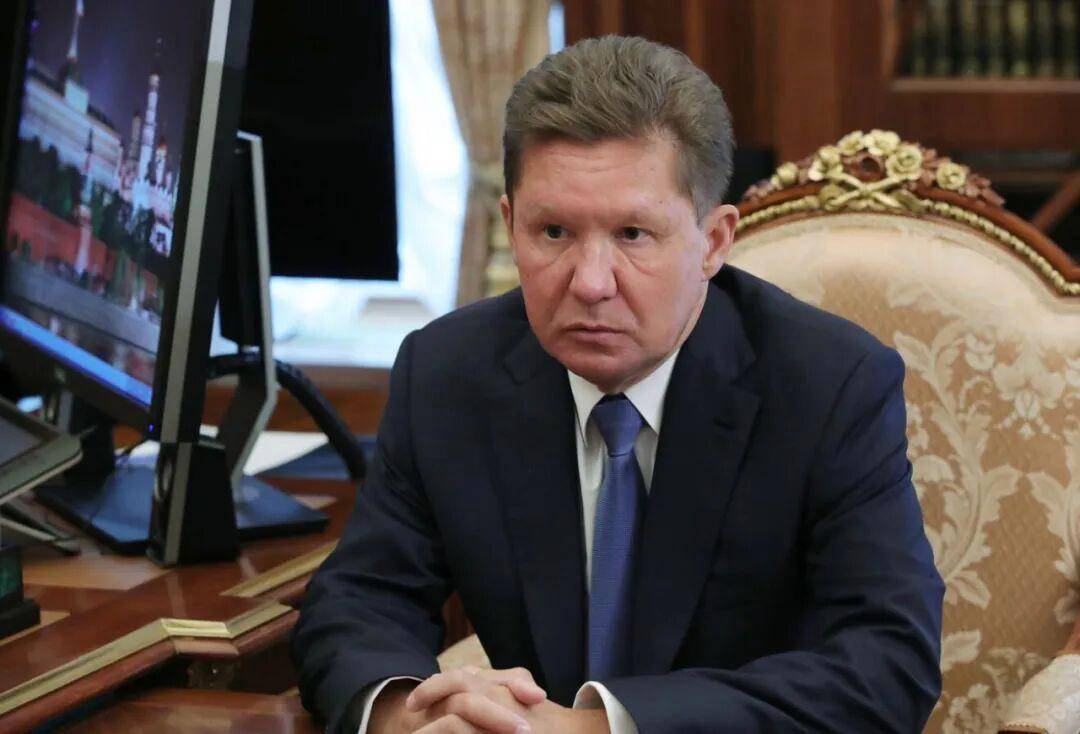
Core Insights - The president of Gazprom, Miller, predicts a significant increase in China's natural gas demand, estimating a growth rate of 45% over the next five years, with annual consumption expected to reach 618 billion cubic meters [1][3] - The "Power of Siberia-2" pipeline, with a design capacity of 50 billion cubic meters per year, is just the beginning, indicating Russia's readiness to meet China's growing energy needs [3][5] - The partnership between Russia and China in the energy sector is solidifying, with the pipeline agreement disrupting U.S. plans to export shale oil and LNG to China [5][6] Industry Implications - The anticipated surge in China's natural gas demand will reshape the global energy landscape, positioning Russia as a key supplier to the largest consumer, China [3][5] - The "Power of Siberia-2" pipeline enhances China's energy security by providing a reliable land-based supply route, mitigating risks associated with maritime transport [5] - The deepening energy ties between Russia and China are likely to lead to increased cooperation in finance, military, and diplomacy, strengthening their strategic partnership [5][6]
俄塞能源合作亮红灯!俄罗斯拒签三年天然气合约,武契奇太失望
Sou Hu Cai Jing· 2025-10-13 14:02
Core Points - Serbia's President Aleksandar Vučić is disappointed with Russia's proposal to extend the natural gas supply agreement only until the end of this year, instead of the anticipated three-year contract [1][3] - Serbia heavily relies on Russian energy, with stable energy supply being crucial for its economic development and public welfare [1][3] Group 1: Current Agreements and Future Prospects - The existing natural gas supply agreement has been extended to October this year, but the short-term renewal proposal has shattered Serbia's expectations for long-term cooperation [3] - Serbia's gas company CEO Dušan Bajatović revealed ongoing discussions for a longer-term contract of 3 to 10 years, supplying 2.5 billion cubic meters of gas annually, but pricing and risk management issues remain unresolved [5] Group 2: Impact of NIS and External Pressures - The situation of the Serbian Oil Industry (NIS) is a critical factor in the energy cooperation between Serbia and Russia, especially after U.S. sanctions against NIS took effect on October 9 [7][11] - External pressures are mounting on Serbia to divest from Russian-held shares in NIS, complicating the already contentious negotiations over the gas supply agreement [11] - Serbia's dependence on Russian gas is significant, with over 80% of its gas supply coming from Russia, primarily through the Turkish Stream pipeline via Bulgaria [13]

普京大手一挥,给中方送上一份“大礼”,俄方用了史无前例来形容
Sou Hu Cai Jing· 2025-10-07 06:06
Core Insights - The recent energy cooperation between China and Russia is described as "unprecedented" by Kremlin spokesperson Peskov, highlighting its potential to reshape the Eurasian energy landscape [1] - The agreement signifies Russia's strategic pivot towards the East as the EU reduces its energy dependence on Russia, making collaboration with China a crucial avenue for Russia [1] - China’s significant position in the global energy market has compelled Russia to make price concessions, resulting in a mutually beneficial arrangement [1] Group 1: Agreement Details - In September, Russia's Gazprom and China's CNPC signed four agreements to expand cooperation, including the "Power of Siberia 2" project and the new "Eastern Alliance" pipeline through Mongolia [2] - The gas supply volume for the "Power of Siberia" project will increase from 38 billion cubic meters to 44 billion cubic meters, and the "Far East" pipeline from 10 billion cubic meters to 12 billion cubic meters [2] - The gradual increase in supply volume reflects a strategic approach to ensure long-term and stable supply-demand balance, adapting to future demand changes [2] Group 2: Strategic Implications - The new agreements indicate a shift from single project cooperation to a systematic layout involving multiple pipelines and regions, effectively reducing geopolitical uncertainties and enhancing supply stability [2] - Experts predict that the increased gas supply will be realized between 2027 and 2028, coinciding with the EU's goal to eliminate reliance on Russian energy [4] - Potential joint ventures between Gazprom and CNPC for pipeline projects could deepen energy cooperation, moving beyond mere transactions to involve capital and technology integration [4] Group 3: Broader Cooperation - The cooperation between China and Russia extends beyond energy, encompassing finance, security, and regional integration, contributing to a tighter strategic network [6] - This partnership aims to create a supply chain independent of Western influence and explore paths for de-dollarization in finance [6] - Future collaborations may include innovative areas such as renewable energy technology, Arctic development, digital economy, and artificial intelligence, potentially altering global rules [8]

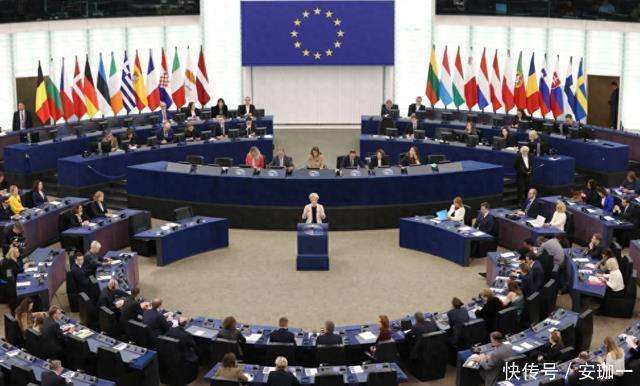
欧盟45亿欧元, 砸向俄液化天然气,“脱俄”成了国际社会的笑柄?
Sou Hu Cai Jing· 2025-10-03 05:30
Core Viewpoint - The European Union's (EU) proclaimed goal of reducing energy dependence on Russia is contradicted by the reality of increasing energy imports from Russia, particularly in liquefied natural gas (LNG) [1][3][10] Group 1: Energy Imports and Dependency - In the first half of this year, the EU imported natural gas and LNG from Russia amounting to €7.4 billion, an increase from €6.4 billion in the same period last year [3] - The EU's reliance on Russian LNG has grown, with purchases reaching €4.5 billion in the first half of the year [10] - Despite efforts to diversify energy sources, the EU's energy system remains deeply dependent on Russian gas due to its stability, low cost, and ample supply [3][5] Group 2: Political and Operational Discrepancies - There is a stark contrast between the EU's political declarations of "de-Russification" and the actual increase in energy procurement from Russia, leading to confusion among the public and energy companies [7] - The EU's energy transition plans are ongoing, but the immediate elimination of dependence on Russian gas is nearly impossible due to energy security, cost pressures, and public demand [8][12] Group 3: Challenges in Energy Transition - The ongoing import of LNG from Russia presents a significant challenge for the EU in its energy transition process, complicating the balance between energy security and political stance [12] - The flexibility of LNG transport allows the EU to continue energy transactions with Russia despite surface-level bans on pipeline supplies [5]