
能源短缺

Search documents
印度汽车,快“断气”了
汽车商业评论· 2026-03-30 23:04
Core Viewpoint - The tightening of natural gas supply from the Middle East is significantly impacting India's automotive industry, with major manufacturers and suppliers facing operational challenges due to gas shortages [3][4]. Group 1: Supply Chain Impact - Over 20 executives from automotive companies and parts suppliers reported operational strain due to shortages of natural gas and industrial gases, with some factories operating below normal capacity [3][4]. - The Indian government has prioritized residential gas supply, limiting industrial gas availability, which has led to reduced production capabilities in the automotive sector [4][8]. - The automotive industry is experiencing supply chain pressures, particularly in high-temperature processes such as forging, casting, and painting, which are heavily reliant on natural gas [7][10]. Group 2: Production Adjustments - The Indian heavy industry department has instructed automotive companies to optimize production schedules and reduce fuel consumption, encouraging a shift from oil-based fuels to electricity where possible [4][14]. - Despite the challenges, major manufacturers like Mahindra and Tata have stated that they are currently maintaining production levels, although some suppliers are already experiencing reduced output [8][9]. - The automotive sector's production forecast for the fiscal year ending March 31 is expected to exceed 4.5 million units, but supply chain constraints are beginning to limit inventory levels [4][9]. Group 3: Gas Supply Shortages - The conflict in the Middle East has led to a 17% reduction in Qatar's liquefied natural gas (LNG) export capacity, which is critical for India's gas supply [3][17]. - The Indian government is taking steps to stabilize industrial gas and LPG supplies, including increasing commercial LPG quotas to 70% of pre-crisis levels [4][18]. - The automotive industry is facing a potential production slowdown, with forecasts for light vehicle production growth in India being revised down from 7.4% to 6.3% for 2026 due to ongoing gas supply issues [9][10]. Group 4: Broader Industry Effects - The shortage of industrial gases such as oxygen, argon, and nitrogen is affecting the production of engine parts, chassis systems, and electronic components [8][12]. - Smaller suppliers, which are more dependent on gas, are facing greater challenges in adapting to the fuel shortages compared to larger manufacturers [12][13]. - The impact of gas shortages is extending beyond production to affect workers' daily lives, with some unable to access cooking gas, leading to potential workforce retention issues [14][16].

能源化策略日报:中东地缘局势不明朗,能化延续震荡-20260324
Zhong Xin Qi Huo· 2026-03-24 01:22
1. Report Industry Investment Rating No information provided in the report. 2. Core Viewpoints of the Report - The geopolitical situation in the Middle East is unclear, and the energy and chemical sectors continue to fluctuate. Crude oil prices fluctuated significantly on Monday. The attitude of the United States is crucial to the price trend of oil and gas, and the key issue is when the Strait can be navigated smoothly. The chemical sector may enter a volatile pattern [2]. - Crude oil leads the chemical sector to continue the volatile pattern, waiting for the geopolitical situation to become clear [3]. 3. Summary by Relevant Catalogs 3.1 Market Views - **Crude Oil**: Geopolitical expectations are fluctuating, and oil price volatility has intensified. The expectation of a possible cooling of the US - Iran situation has led to a sharp decline in oil prices. The geopolitical outlook remains highly uncertain, and the oil price is expected to fluctuate at a high level [7]. - **Asphalt**: Geopolitical disturbances are still strong, and asphalt futures prices are rising. The geopolitical situation is the core factor affecting oil prices. The profit of asphalt refineries has deteriorated rapidly, and the supply of asphalt is expected to further decline. The asphalt futures price is currently undervalued compared to fuel oil and overvalued compared to rebar [8]. - **High - Sulfur Fuel Oil**: Supported by geopolitical factors, high - sulfur fuel oil remains strong. The geopolitical situation is still tense, and the high import dependence and strong geopolitical attributes of fuel oil are still driving up the futures price. However, the cracking spread of Singapore fuel oil has fallen from a record high, indicating that the refinery feed demand and power generation demand may be suppressed by high prices [8]. - **Low - Sulfur Fuel Oil**: Low - sulfur fuel oil follows the rise of crude oil. It follows the high - level fluctuation of crude oil, and the market is currently focused on the progress of the geopolitical situation. It faces negative factors such as a decline in shipping demand, green energy substitution, and high - sulfur substitution [10]. - **PX**: Market sentiment is greatly affected by news, and it fluctuates widely. The US - Iran conflict has not been effectively alleviated, and international oil prices are strong during the Asian session but fluctuate at night. The supply of PX is expected to be affected by the reduction of domestic and foreign PX device loads [12]. - **PTA**: The cost fluctuates widely, and the short - term volatility of PTA has increased. International oil prices fluctuate around the US - Iran peace talks. The cost and market sentiment dominate the price trend in the short term. High inventory is still a real problem [14]. - **Pure Benzene**: It fluctuates strongly. The current price of pure benzene is mainly dominated by the geopolitical situation. The supply of Asian naphtha is tightening, and some refineries have reduced their loads. The downstream profit is acceptable, and the value of aromatic hydrocarbon blending oil has increased [17]. - **Styrene**: Geopolitical factors bring positive effects to the supply and demand of styrene, and it fluctuates strongly. The price of styrene is still dominated by the geopolitical situation. There are changes in the supply side, and the downstream profit has declined. There is an expected increase in exports [18]. - **Ethylene Glycol**: The US - Iran geopolitical situation continues to disturb market sentiment, and ethylene glycol maintains a high - level consolidation. International oil prices fluctuate around the US - Iran peace talks, and the arrival of ethylene glycol at the main port will decrease in early April. The market will continue to fluctuate widely [21]. - **Short - Fiber**: There is intense game between upstream and downstream, and the transaction shows high - low differentiation. International oil prices fluctuate widely, and the supply of short - fiber continues to increase, but the downstream transaction is average, and the short - fiber factory has a slight inventory build - up [22]. - **Bottle Chips**: The cost volatility increases, and bottle chips passively follow. The upstream cost remains at a high level, and the price of bottle chips follows the upstream raw materials. The supply and demand of bottle chips are relatively tight [26]. - **Methanol**: Geopolitical conflicts continue, and methanol fluctuates within a range. The methanol futures price has risen significantly. The inland market is strong, and the coastal market is affected by the geopolitical situation. The authenticity of the US - Iran peace talk news is uncertain [29]. - **Urea**: There is a game between long and short positions, and urea fluctuates and consolidates. The supply of urea is sufficient, and the demand is cautious. The spot price is restricted by policy guidance and commercial storage [31]. - **PE**: The market game is intense, and PE should be viewed with caution. The global crude oil market still faces a large gap, and PE imports may decrease. The spot price fluctuates widely, and the downstream transaction is average [33]. - **PP**: Geopolitical news disturbs the market, and PP fluctuates widely. The global crude oil market has a large gap, and the direct impact on PP imports is limited. The refinery profit is under pressure, and the spot price fluctuates widely [34]. - **PL**: Geopolitical news disturbs strongly, and PL fluctuates widely. The supply reduction has a significant boost, but the downstream factory's acceptance is limited [35]. - **PVC**: It is mainly affected by sentiment, and PVC is cautiously optimistic. The market game on the US - Iran peace talks has enlarged commodity fluctuations. The supply is decreasing, the downstream start - up has improved, and the export order is average [36]. - **Caustic Soda**: The market fluctuates strongly, and caustic soda is cautiously optimistic. The market game on the US - Iran peace talks has enlarged commodity fluctuations. The supply is decreasing, the export has improved, and it is expected to reduce inventory [38]. 3.2 Variety Data Monitoring 3.2.1 Energy and Chemical Daily Index Monitoring - **Inter - period Spread**: Data on the inter - period spreads of various varieties such as Brent, Dubai, PX, PTA, MEG, etc. are provided, including the latest values and changes [40]. - **Basis and Warehouse Receipts**: Data on the basis and warehouse receipts of various varieties such as asphalt, high - sulfur fuel oil, low - sulfur fuel oil, etc. are provided, including the latest values and changes [41]. - **Inter - variety Spread**: Data on the inter - variety spreads of various varieties such as PP - 3MA, TA - EG, L - P, etc. are provided, including the latest values and changes [42]. 3.2.2 Chemical Basis and Spread Monitoring No specific content is provided in the report for this part. 3.3 Commodity Index - **Comprehensive Index**: The comprehensive index of CITIC Futures commodities on March 23, 2026, shows that the commodity index is 2531.78 (+0.33%), the commodity 20 index is 2810.80 (-0.34%), and the industrial product index is 2583.01 (+1.73%) [280]. - **Sector Index**: The energy index on March 23, 2026, shows a daily increase of 4.03%, a 5 - day increase of 9.93%, a 1 - month increase of 68.73%, and a year - to - date increase of 78.69% [282].
爱面临损失高达40亿欧元数据中心投资的风险
Shang Wu Bu Wang Zhan· 2026-02-26 02:47
Core Viewpoint - Despite the lifting of the ban on data centers in Ireland, projects that have already received planning approval may still face losses of up to €40 billion in investments [1] Group 1: Policy Changes - The Irish government lifted the ban on new data center connections last month, allowing large energy users, including data centers, to make new investments [1] - The Commission for Regulation of Utilities (CRU) introduced a new policy that is viewed as "very positive" and provides clear guidance for future investments [1] Group 2: Current Challenges - Energy shortages remain a significant issue, with approximately €60 billion to €80 billion worth of data center projects having received planning permission but stalled for the past two years [1] - More than 50% of these projects are likely to disappear in the short term due to ongoing energy constraints [1] Group 3: Infrastructure Investment - Eirgrid, the Irish grid operator, is announcing substantial investments in grid infrastructure but needs to accelerate its efforts significantly [1] Group 4: Impact on Local Tech Industry - The situation poses risks to the local tech industry, as some companies have their headquarters in Ireland partly due to proximity to data centers, which may have long-term implications for the country [1]
美国还有一招,可能对我国造成重大打击,我国已经提前防范
Sou Hu Cai Jing· 2026-02-24 12:47
Group 1 - The energy crisis in Europe, exacerbated by the Russia-Ukraine conflict, has led to skyrocketing natural gas prices and significant economic losses for industrial nations like Germany, France, and Italy, with direct losses exceeding 150 billion euros and indirect losses potentially reaching trillions [1][4] - The cost of electricity in Germany surged to 0.5 euros per kilowatt-hour, significantly higher than other regions, causing many factories to shut down or relocate to countries with cheaper energy, such as the US and China [1] - The EU's reliance on Russian natural gas has drastically decreased from 40% to 10%, leading to increased imports of liquefied natural gas from the US at elevated prices, with benchmark prices rising from 30 euros to 48 euros in 2023 [4] Group 2 - The manufacturing sector in Europe is facing severe challenges, with steel production dropping by 10% and aluminum plants shutting down, which hampers the green transition efforts [4] - The US is strategically learning from Europe's energy shortages to raise prices and impact manufacturing, indicating a potential risk for industries reliant on stable energy supplies [6] - The geopolitical tensions in the Middle East, particularly involving Iran and Yemen, pose a threat to oil supply routes, which could lead to increased manufacturing costs and disruptions in production [9][11] Group 3 - The US is focusing on controlling key maritime routes such as the Panama Canal and the Strait of Malacca to secure its energy interests, which could impact global supply chains and manufacturing costs [11] - The potential collaboration between Russia and China on energy projects, such as the "Power of Siberia 2" pipeline, could further complicate the energy landscape for other countries, particularly if Russia restricts gas supplies [13][14] - The US is enhancing its military presence in strategic regions to safeguard its energy routes, which may lead to increased tensions and further disruptions in global energy supplies [16][20] Group 4 - The transition to renewable energy sources is being prioritized, with plans to increase the share of wind and solar power in the energy mix, aiming for over 51% of total installed capacity by 2025 [14][16] - The establishment of military and naval bases in key regions is part of a broader strategy to ensure energy security and maintain stable supply chains, which is crucial for the manufacturing sector [16][20] - The ongoing energy crisis serves as a reminder of the vulnerabilities in the industrial landscape, highlighting the need for diversification and resilience in energy sourcing to mitigate future risks [20]
击中俄最大天然气厂,能源超级大国被打得缺油!乌克兰矿工被救出
Sou Hu Cai Jing· 2025-10-21 10:35
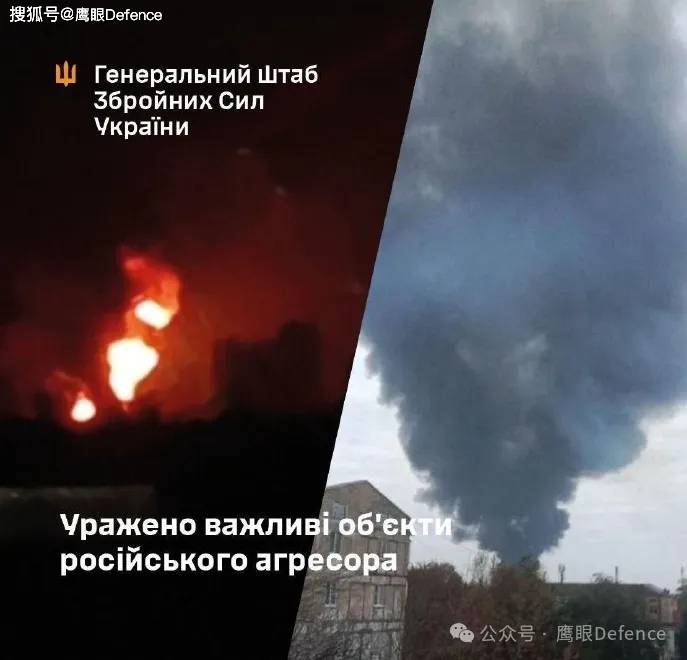
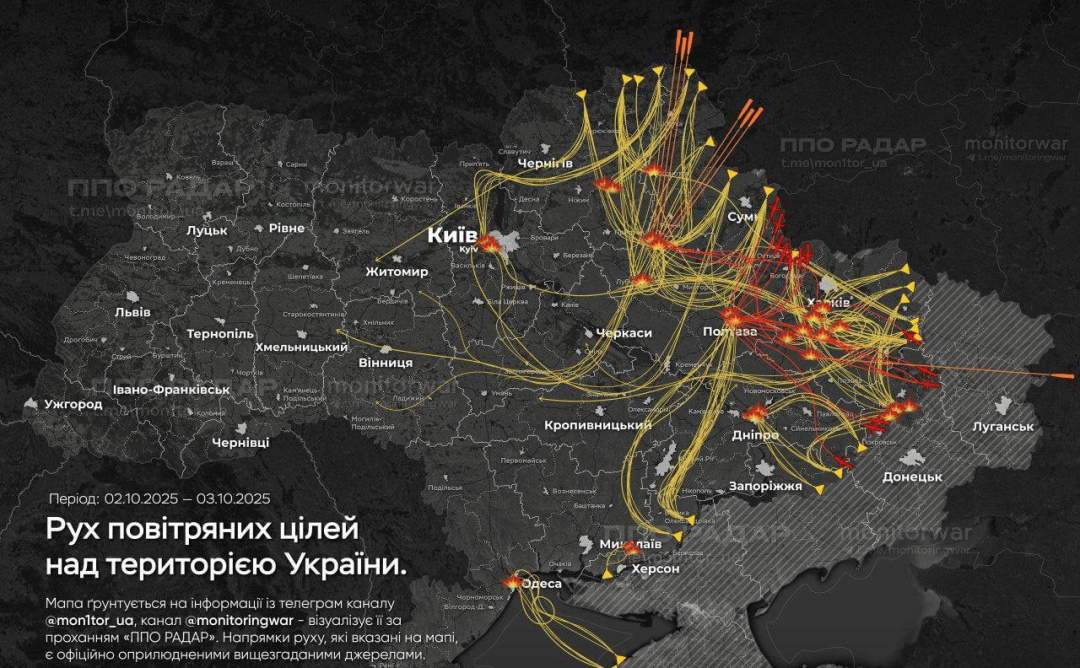
Group 1 - Ukraine has targeted the Novokubyshevsk oil refinery and the Orenburg gas processing plant, which have processing capacities of 4.9 million tons and 45 billion cubic meters per year, respectively [1] - The attacks on Russian energy facilities have been frequent, with five major facilities attacked this week and a total of 19 facilities targeted in the last three months [7][11] - The Ukrainian military has reportedly reduced Russian refining capacity by approximately 27% to 30% through these strikes [11] Group 2 - The attacks have led to significant fuel supply issues in Russia, affecting 68 out of 83 regions, with severe restrictions on fuel purchases in key oil-producing areas [14] - In the city of Surgut, which houses major oil fields, there is a complete lack of fuel available for residents [14] - Russia's electricity system is facing a systemic crisis with a power shortfall of 25 gigawatts, approximately 9% of its needs, exacerbated by aging infrastructure and sanctions [17] Group 3 - The Russian military has been able to inflict significant damage on Ukrainian energy infrastructure using missiles and drones, highlighting a disparity in destructive capabilities [5] - Ukrainian forces are relying on self-made suicide drones, which, while effective, cannot match the power of true cruise missiles [7] - The ongoing conflict has created a challenging environment for both Ukrainian and Russian energy sectors, with both sides facing substantial operational pressures [22]
乌克兰狂袭俄罗斯油脉,特朗普下令美军协助,克里米亚“限油”
Sou Hu Cai Jing· 2025-10-05 03:21
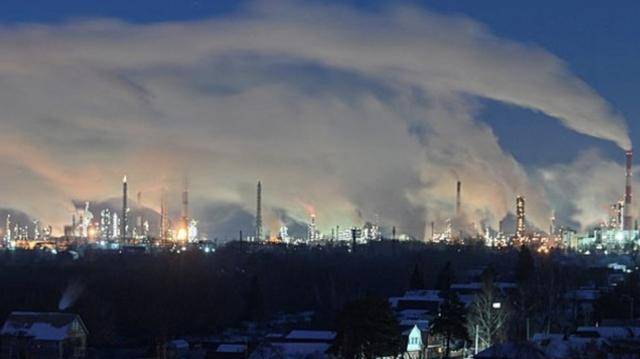
Core Insights - Ukraine's recent strategy focuses on targeting Russian oil refineries, leading to nearly 40% of refining capacity being idle, significantly impacting the Russian economy [1][3]. Group 1: Impact on Russian Oil Industry - Approximately 40% of Russia's refining capacity is currently idle due to Ukrainian drone attacks, which are difficult to repair due to Western sanctions [3]. - The Russian fuel market is facing a monthly gasoline demand shortfall of about 20%, equating to a shortage of 400,000 tons out of a total monthly demand of 2 million tons [3]. - As a result of reduced gasoline production by around 20%, 1-2 out of every 50 gas stations in Russia have stopped selling gasoline, with severe restrictions in Crimea [3][6]. Group 2: Changes in Fuel Imports - Since July, Moscow has increased gasoline imports from ally Belarus by 36% compared to the same period last year, with September imports surging by 168% [4]. - The Russian Energy Minister Novak has proposed increasing gasoline purchases from Belarus and eliminating import tariffs on gasoline from China, South Korea, and Singapore [4]. Group 3: Government Response and Future Plans - The Russian government has extended the ban on gasoline and diesel exports until the end of the year, affecting at least 10 regions, particularly in Crimea [6]. - Ukrainian President Zelensky has indicated plans to ramp up the production of long-range drones to continue targeting Russian energy infrastructure, stating that the most effective sanction is to set Russian refineries ablaze [6]. - Former President Trump has authorized the Pentagon to assist Ukraine in using long-range missiles to strike deep within Russian territory, marking a significant escalation in support for Ukraine [8].
乌克兰能源设施遭开战来最大规模空袭,普京放下慈悲,现在专门挑电厂进行轰炸
Sou Hu Cai Jing· 2025-10-04 12:08
Group 1 - The recent Russian military strikes targeted Ukrainian energy facilities, with a total of 381 drones and 35 missiles launched, marking a shift in strategy towards more focused attacks [1] - The city of Kramatorsk in Donetsk was severely affected, with a French journalist reported dead during the airstrikes [1] - Kramatorsk Power Plant suffered significant damage, losing three coupling transformers, which are critical for supplying power to external lines, leading to a long-term offline status for the plant [3] Group 2 - The energy crisis in Ukraine is exacerbated by the cold weather, with many cities facing power outages of 18 to 20 hours daily, and some areas lacking electricity, water, and gas for weeks [5][7] - The ongoing energy shortages are expected to impact both residential life and industrial production, with potential for severe gas and gasoline shortages [5] - Ukrainian President Zelensky has indicated plans for large-scale strikes on Russian energy facilities, suggesting a shift in focus from civilian energy needs in Moscow [5]
高盛交易台:宏观、微观、市场
Goldman Sachs· 2025-06-19 09:47
Investment Rating - The report does not explicitly state an investment rating for the industry Core Insights - The market is currently facing multiple challenges, including geopolitical tensions in the Middle East, rising oil prices, and a flat S&P 500 index despite these pressures [2][3] - There is a notable correlation between long-duration bonds and equity markets, indicating investor concerns about US exposure and a desire to diversify away from US assets [3] - The AI sector is experiencing renewed interest, with significant demand and strategic deals indicating a robust growth trajectory [24][25] - Europe is being viewed as an emerging opportunity for investment, with major firms planning substantial investments due to favorable conditions [38][33] Market Dynamics - Increased volatility in the market is attributed to geopolitical uncertainties and economic indicators showing signs of retail and cyclical slowdowns [4][6] - Credit markets remain stable despite various risks, with a preference for high-quality assets indicating a cautious risk-on sentiment [21][22] - The energy sector is under scrutiny due to potential shortages exacerbated by geopolitical tensions and domestic issues, particularly in Europe [26] Investment Flows - There has been a consistent net buying trend across global markets, particularly in North America and Asia, with emerging markets also seeing renewed demand [7][8] - The report highlights a shift in capital flows from the US to other regions, although there is hesitance regarding investments in China [19] Economic Outlook - The US deficit and bond market are facing scrutiny, with concerns about how the US will manage its debt and economic growth moving forward [20] - The cyclical nature of investment products is emphasized, with a resurgence in secondary funds indicating a shift in investor priorities towards liquidity and cash returns [42]
