大疆

Search documents
产值400亿、企业数量全国第二,广州披露低空经济最新进展
Nan Fang Du Shi Bao· 2025-12-12 14:50
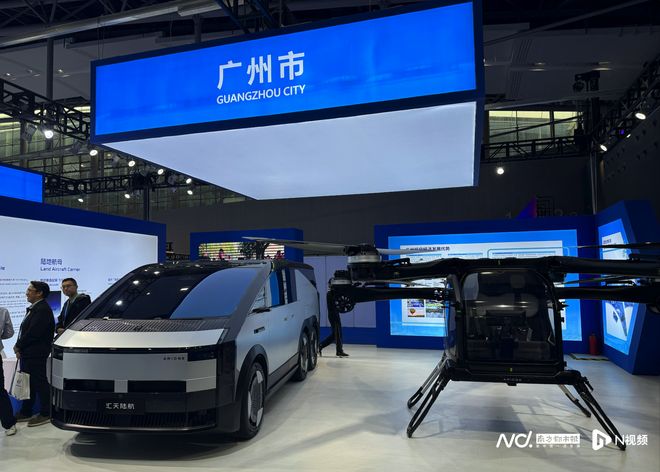
Core Insights - The 2024 low-altitude economy industry scale in Guangzhou is approximately 40 billion yuan, with over 4,200 related enterprises, ranking second in the country [5] - The 2025 International Low-altitude Economic Trade Expo in Guangzhou is expected to attract over 50,000 attendees and features over 350 exhibitors showcasing products across the entire low-altitude industry chain [5] - Guangzhou has established nine registered general airports and 45 regular take-off and landing points, positioning itself as a benchmark city for high-quality development in the low-altitude economy [5] Industry Developments - The theme of the 2025 expo is "Innovate Low-altitude, Service Trade Globally," with parallel forums focusing on low-altitude safety, technological innovation, and industry expansion [5] - Guangzhou is planning to develop a low-altitude industry ecological city, integrating various functions such as flight testing platforms, aviation runways, and manufacturing detection [6] - The city aims to expand diverse application scenarios for low-altitude services, with successful implementations in logistics, urban management, and agricultural operations [6]

死磕技术10年,usmile重新定义口腔健康领跑权
36氪· 2025-12-12 09:17
Core Viewpoint - The article emphasizes how usmile is redefining the future of global oral care through insights and technology, transitioning from a "disruptor" to a "standard setter" in the industry [2]. Group 1: Market Position and Achievements - Since 2020, usmile has been recognized as the leading brand in China's online toothbrush sales for three consecutive years by Frost & Sullivan, showcasing its strong market position [3]. - By 2025, usmile is expected to have developed over 750 patents and established the first medical-grade oral care laboratory in China, marking its commitment to innovation [3][4]. - A report by CIC in August 2025 identified usmile as the leading brand in oral care in China based on cumulative effective patents and sales [4]. Group 2: Technological Innovations - usmile has developed a new generation of high-performance motors that are 60% smaller yet more powerful than comparable products, achieving a rotation force 2.35 times greater than standard motors [20][22]. - The company has created a complete technical system covering product, data, and medical dimensions, accumulating over 750 patents [27]. - usmile's self-developed algorithms allow toothbrushes to provide real-time feedback on brushing angles, pressure, and coverage, enhancing user experience [22]. Group 3: User-Centric Insights - The company has conducted extensive research on local users, revealing that the average brushing time for Chinese adults is less than 59 seconds, significantly below the recommended 2 minutes [12]. - Insights into local dietary habits and oral health issues have led to the development of products tailored specifically for Chinese consumers, such as shock-absorbing brush heads [13][16]. - usmile has also focused on children's oral care, creating engaging designs and gamified experiences to encourage better brushing habits among kids [14]. Group 4: Social Responsibility and Community Engagement - The "One Small Toothbrush" initiative launched by usmile aims to provide oral health education and AI detection services to children in remote areas, reaching nearly 50,000 children across 16 provinces [10]. - The goal of this initiative is to help 1 million children develop good brushing habits over ten years, reflecting the brand's commitment to social responsibility [10]. Group 5: Global Expansion and Brand Strategy - usmile's products have entered over 30 countries and regions, including North America, Europe, and Southeast Asia, establishing a professional image and user trust in the international oral care market [29]. - The brand's international strategy focuses on technology, design, and user experience rather than low-cost competition, setting new standards for what constitutes a quality toothbrush [31]. - usmile's journey illustrates the rise of Chinese brands reclaiming leadership in categories previously dominated by international brands, emphasizing the importance of user health and core technology investment [31].

鸿利智汇(300219.SZ):子公司鸿利显示相关产品已应用于大疆等知名无人机上
Ge Long Hui· 2025-12-12 07:13
格隆汇12月12日丨鸿利智汇(300219.SZ)在互动平台表示,公司子公司鸿利显示相关产品已应用于大疆 等知名无人机上。在无人机飞控场景中,鸿利显示生产的Mini LED屏幕实现了深度适配,凭借在背光 模组领域的技术积累,针对遥控器的高亮度、低功耗、散热及轻薄化需求进行定制化设计,确保屏幕在 复杂环境下仍能保持出色的稳定性和可靠性。 ...

影石门店招牌疑因大疆排他协议被拆,门头将于下周恢复
Nan Fang Du Shi Bao· 2025-12-12 06:12
Core Viewpoint - The recent developments regarding the exclusivity agreement involving DJI's distributor and the影石 brand have led to a ruling by the market supervision authority, allowing the restoration of the影石 store signage, indicating potential implications for exclusivity agreements in the industry [2][6]. Group 1: Background of the Issue - Zhang, a dealer for影石, has been in the photography equipment industry for over 20 years and operates a nearly 1,000 square meter store in Hunan Photography City [3]. - In August, Zhang sought to renovate part of his store to open a专卖店 for影石 products but was informed that such a store was prohibited due to an exclusivity agreement signed by the mall management with a DJI distributor [3][4]. Group 2: Details of the Exclusivity Agreement - The exclusivity agreement, which is a supplementary lease agreement, prohibits the introduction of competing brands to DJI within the Hunan Photography City [4]. - The agreement identifies影石 as a strong competitor to DJI products, although the exact date of the agreement's signing is unclear, with Zhang suggesting it was signed around April of the same year [4]. Group 3: Developments and Resolutions - Following the intervention of the market supervision authority, a meeting was held on December 9, where it was determined that the exclusivity agreement could be deemed invalid if it harmed third-party interests, allowing Zhang to restore his影石 store signage [5][6]. -影石's China sales head stated that the company would fully cover all related losses incurred by Zhang during this incident, and Zhang has applied for renovation costs, expecting the store signage to be restored soon [6].
年营收超60亿元,它会成为3D打印领域的大疆吗?
Tai Mei Ti A P P· 2025-12-12 05:46
Core Insights - The conflict between DJI and TuoZhu Technology has escalated due to DJI's investment in a 3D printing company, which TuoZhu's founder views as a direct attack on his business [1] - TuoZhu has rapidly grown in the 3D printing market, attracting significant investment from top firms, indicating a shift in market dynamics [1] Company Background - TuoZhu Technology was founded by former DJI employees, including founder Tao Ye, who left DJI after eight years to pursue opportunities in 3D printing [2][5] - The founding team possesses extensive experience from DJI, allowing TuoZhu to replicate DJI's successful business strategies [4][5] Growth Strategy - TuoZhu's growth strategy mirrors DJI's approach: starting with high-quality products in niche markets, then aggressively pricing to capture broader consumer markets [6][8] - TuoZhu's first product, Bambu Lab X1, launched at approximately $1,000, achieving a printing speed of 500mm/s, significantly faster than the industry average [7] - By 2024, TuoZhu's annual shipments are projected to exceed 1.2 million units, capturing nearly 30% of the global market with revenues around 6 billion yuan [8] Ecosystem Development - TuoZhu has implemented a "3M strategy" focusing on Machine, Model, and Material to create a sustainable ecosystem for 3D printing [9][10] - The company launched MakerWorld, an open-source model platform, allowing users to easily print models and enhancing user engagement [10][12] - MakerWorld has grown to become the largest 3D printing model community globally, with around 50 million registered users and over a million models available [12] Market Dynamics - The global 3D printing market is projected to reach $24.6 billion by 2024, with a compound annual growth rate (CAGR) of 28%, indicating significant growth potential [13] - Investment activity in the 3D printing sector has surged, with over 70 investment events reported in 2023 alone, highlighting increased interest from capital markets [14] Competitive Tensions - DJI's recent investment in TuoZhu's competitor, SmartPrint, is perceived as a defensive move to mitigate the threat posed by TuoZhu's rapid growth and potential encroachment into DJI's core markets [15][17] - Talent retention has become a critical issue for DJI, as many former employees have successfully transitioned to startups, creating a competitive landscape that challenges DJI's market position [16][17]

10万亿!超越京沪,中国“第一城”易主了
Qian Zhan Wang· 2025-12-12 04:33
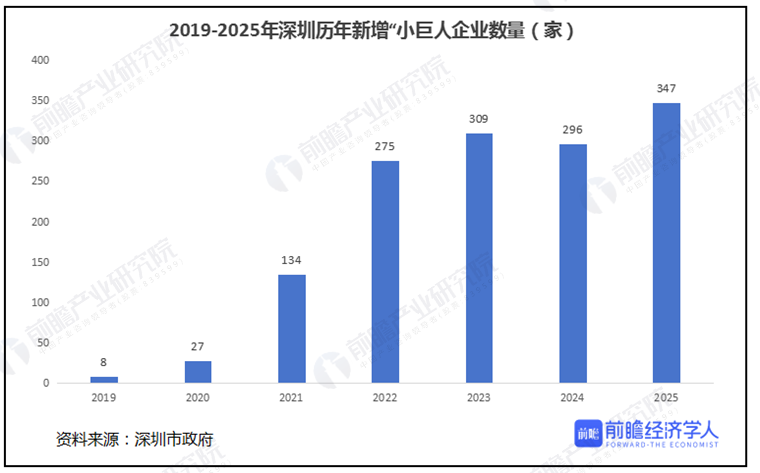
Core Viewpoint - Shenzhen has officially become China's "first city" for specialized and innovative "little giant" enterprises, surpassing Beijing and Shanghai in quantity and economic value [2][3][19]. Group 1: Overview of "Little Giants" - By the end of 2025, Shenzhen will have 1,333 "little giant" enterprises, leading the nation with 347 new additions, compared to Beijing's 1,210 and Shanghai's 1,032 [2][3]. - The total market value of these enterprises is estimated to be close to 10 trillion yuan, based on an average market value of 71 million yuan per listed "little giant" [3][8]. - These enterprises are concentrated in key areas of national focus, such as "manufacturing power" and "strengthening supply chains," with high entry barriers requiring domestic leadership in niche sectors and significant R&D investment [3][8]. Group 2: Growth and Innovation - Shenzhen's "little giants" exhibit remarkable growth, with an average time of 13 years from establishment to becoming a national-level "little giant," which is 1.71 years faster than the national average [8]. - The average R&D intensity of these enterprises is 7.63%, with annual R&D expenditure averaging 33.39 million yuan, significantly higher than the national average [8][19]. - These companies are also active in patent applications, averaging 152 patents per enterprise, with nearly 30% involved in setting international or national standards [8][19]. Group 3: Ecosystem and Support - Shenzhen's "20+8" industrial cluster strategy serves as a core engine for nurturing "little giant" enterprises, providing a structured ecosystem for growth and collaboration [9][10]. - The government facilitates connections between large and small enterprises through mechanisms like "chain leader" and "chain master" systems, resulting in over 500 technical cooperation agreements in 2024 alone [12][14]. - The city combines effective market strategies with government support, creating a comprehensive market support system that includes local validation and global expansion initiatives [14][15]. Group 4: Financial Support - Shenzhen has developed a "bold capital" approach to support innovative enterprises, allowing for long-term investments in high-tech sectors despite initial project risks [16][19]. - The city has established four major equity investment platforms to back innovative enterprises, with significant investments in numerous "little giants" [16][19]. Group 5: Future Implications - Achieving the title of "first city" for specialized and innovative enterprises marks a new starting point for Shenzhen, strengthening its industrial foundation and enhancing its resilience against global market fluctuations [19][20]. - The pathway from "little giants" to potential global leaders indicates a clear trajectory for future economic growth, with these enterprises expected to contribute significantly to Shenzhen's high-quality development [19][20].


鸿利智汇:子公司鸿利显示相关产品已应用于大疆等知名无人机上
Mei Ri Jing Ji Xin Wen· 2025-12-12 03:58
(记者 张明双) 鸿利智汇(300219.SZ)12月12日在投资者互动平台表示,公司子公司鸿利显示相关产品已应用于大疆 等知名无人机上。在无人机飞控场景中,鸿利显示生产的Mini LED屏幕实现了深度适配,凭借在背光 模组领域的技术积累,针对遥控器的高亮度、低功耗、散热及轻薄化需求进行定制化设计,确保屏幕在 复杂环境下仍能保持出色的稳定性和可靠性。 每经AI快讯,有投资者在投资者互动平台提问:贵公司的高亮屏已应用于无人机上,主要与哪些厂商 合作? ...
2天卖了3000万元 全景无人机是门好生意吗
2 1 Shi Ji Jing Ji Bao Dao· 2025-12-12 02:32
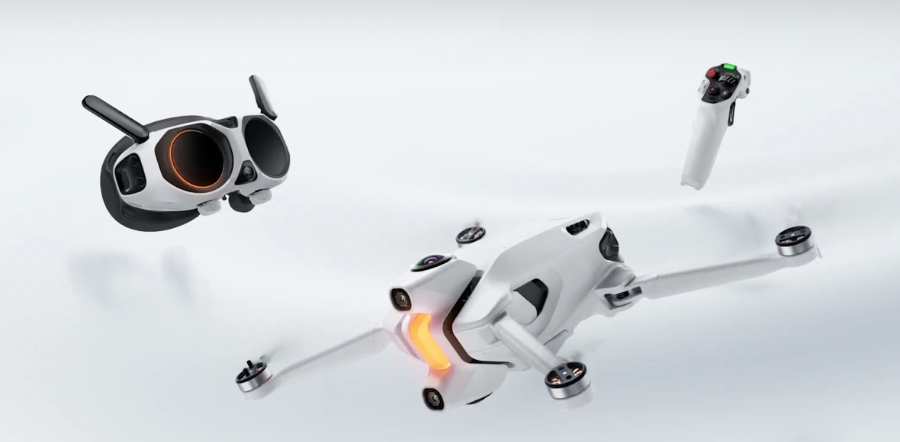
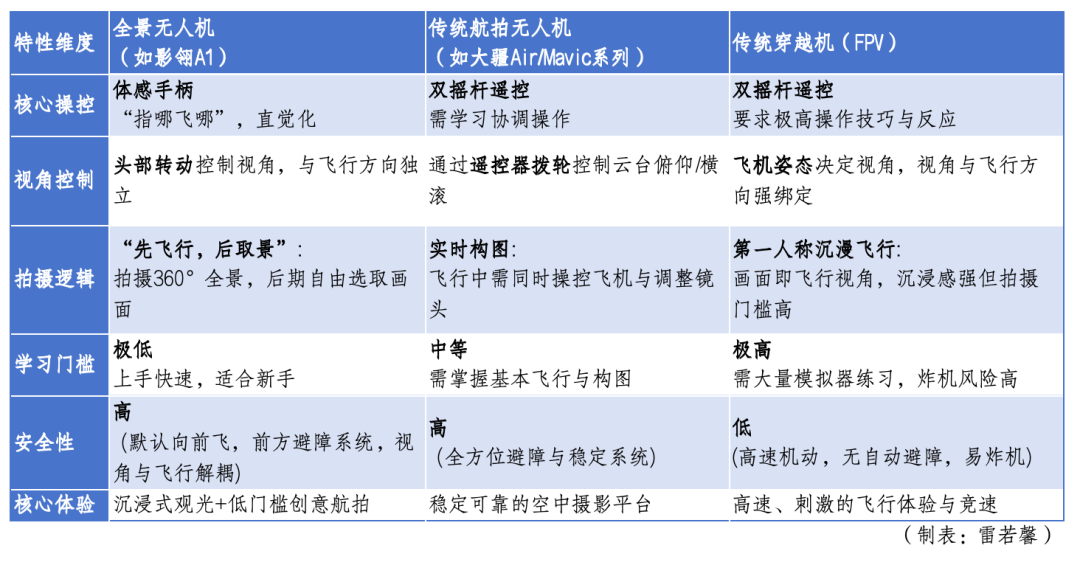
Core Insights - The launch of the Antigravity A1, the world's first panoramic drone, achieved sales exceeding 30 million yuan within 48 hours, highlighting its strong market entry amidst a slowing consumer drone market [1] - The global consumer drone market is projected to reach $4.27 billion in 2024, with a year-on-year growth of 7%, indicating a shift from double-digit growth to a more moderate pace [1] Product Differentiation - The panoramic drone integrates a 360° camera with a drone platform, offering an immersive "what you see is what you get" aerial photography experience, which differentiates it from traditional drones [2][4] - Key features of the panoramic drone include intuitive motion control, real-time perspective adjustment through head movement, and a low learning curve, making it accessible to new users [4][5] Market Dynamics - The traditional drone market is highly segmented, with established players like DJI focusing on diverse product lines, while the introduction of the panoramic drone may create new market opportunities [8][9] - The panoramic drone targets users who are deterred by the complexity of traditional drones, potentially activating an untapped middle market [11][12] Innovation and Future Potential - The panoramic drone represents a shift from traditional drone capabilities to a "panoramic perception platform," suggesting broader applications in fields like security, emergency response, and live event broadcasting [15][16] - The integration of VR/AR technologies with the panoramic drone could enhance content creation and user engagement, potentially accelerating the adoption of VR applications [16][18] Sales and Market Projections - Initial sales data indicates that the panoramic drone could achieve a shipment scale of approximately one million units if demand for panoramic features is significant [12] - The pricing strategy for the A1, starting at 6,799 yuan, reflects the higher costs associated with its advanced technology, including VR glasses and high-end components [7]

2天卖了3000万元,全景无人机是门好生意吗
2 1 Shi Ji Jing Ji Bao Dao· 2025-12-12 01:25
Core Insights - The launch of the Antigravity A1, the world's first panoramic drone, achieved sales exceeding 30 million yuan within 48 hours, indicating strong market interest [1][14]. - In a slowing consumer drone market, where industry leader DJI is diversifying, the A1's performance stands out, raising questions about whether it represents a "technical micro-innovation" or a "scene revolution" that could create a new product category [2][9]. Product Differentiation - The panoramic drone integrates a 360° camera with a drone platform, offering an intuitive "what you see is what you get" aerial shooting experience, allowing users to control the view by simply turning their heads [3][5]. - Compared to traditional drones, the A1 features a low learning curve, high safety, and immersive user experience, making it appealing to new users and those deterred by the complexity of existing products [5][6][11]. Market Context - The global consumer drone market is projected to reach $4.27 billion in 2024, with a modest growth rate of 3.4% over the next five years, contrasting sharply with previous double-digit growth [2]. - Despite initial sales success, the A1's higher price point compared to traditional drones raises concerns about its long-term market viability and user retention [8][14]. Competitive Landscape - The introduction of the A1 challenges the notion that the consumer drone market is saturated, suggesting that unmet niche demands could provide fertile ground for new product categories [9][10]. - The contrasting strategies of DJI, focusing on incremental innovation, and the disruptive approach of the A1 highlight different paths to market success [14]. Future Potential - The A1's design and technology could pave the way for applications beyond consumer use, such as in security, emergency response, and live event broadcasting, enhancing the overall utility of drones [16][17]. - The success of the A1 will depend on its ability to lower usage barriers, expand creative possibilities, and develop supportive ecosystems for panoramic content creation [17][18].

2天卖了3000万元,全景无人机是门好生意吗
21世纪经济报道· 2025-12-12 01:20
Core Insights - The article discusses the launch of the Antigravity A1, the world's first panoramic drone, which achieved sales of over 30 million yuan within 48 hours, highlighting its potential in a slowing consumer drone market [1][10]. - The global consumer drone market is projected to reach $4.27 billion in 2024, with a growth rate of 7%, indicating a shift from double-digit growth to a more moderate pace [1][10]. - The emergence of panoramic drones raises questions about whether they represent a minor technological innovation or a significant new category in the market [1][10]. Product Comparison - The panoramic drone integrates a 360° camera with a drone platform, allowing for intuitive control through head movements, which differentiates it from traditional drones that require complex controls [3][4]. - Key differences between panoramic drones and traditional drones include control methods, perspective management, and user experience, with panoramic drones offering a lower learning curve and higher immersion [4][5]. - The A1's pricing strategy reflects its advanced technology, including VR glasses, which increases its cost compared to traditional drones [5][6]. Market Dynamics - The consumer drone market is perceived to be nearing saturation, with a projected shipment of approximately 4.8 million units in 2024, leading to a focus on replacement and niche demand [8][10]. - The introduction of the A1 could create structural opportunities in a market where mainstream products meet most consumer needs, potentially tapping into previously unmet demands [8][10]. - The A1's appeal lies in attracting users who are deterred by the complexity of traditional drones, particularly younger demographics interested in social sharing [10][11]. Future Potential - The article suggests that the success of the panoramic drone will depend on its ability to create a positive feedback loop of user experience, product iteration, and cost reduction [13][15]. - The potential applications of panoramic drones extend beyond consumer use, with possibilities in security, emergency response, and live event broadcasting, indicating a shift from merely being "flying cameras" to "panoramic perception platforms" [14][15]. - The integration of panoramic drones with VR/AR technologies could revolutionize content creation, making it more accessible and efficient [14][15].