
中国中车

Search documents
巴西圣保罗地铁2号线扩建项目顺利推进
Ren Min Ri Bao· 2026-02-09 06:59
Core Insights - The São Paulo Metro Line 2 expansion project is one of the largest infrastructure projects currently under construction in Brazil, aimed at improving urban commuting and enhancing the quality of life for residents [2][3] Group 1: Project Overview - The São Paulo Metro Line 2 is a major trunk line that will be extended eastward with the addition of 8 new stations to meet urban development needs [3] - The project is a joint venture between China Power Construction Group and Brazilian construction company Mendes Júnior, covering multiple segments including tunnels and stations [3] - The project is progressing well, with 90% of the civil engineering work for several stations already completed [3] Group 2: Economic and Social Impact - Once completed, the line is expected to accommodate over 800,000 passengers daily, significantly benefiting local residents and reducing commuting times [3] - The project has created over 3,800 jobs and involved more than 1,000 subcontractors and suppliers, addressing the local skills shortage in the construction industry [5] Group 3: Environmental and Technological Aspects - The project adheres to strict environmental standards, including water recycling systems and measures to protect local flora during construction [4][5] - The use of advanced construction techniques, such as large-diameter tunnel excavation, minimizes disruption to surface traffic and local communities [5] Group 4: Bilateral Cooperation and Technology Transfer - The project exemplifies successful Sino-Brazilian cooperation, with Chinese technology and products, such as the largest shield tunneling machine used in Brazil, being deployed [7] - The collaboration has led to the establishment of local training programs, enhancing the skills of the workforce and fostering long-term industrial partnerships [5][6]

逐步淘汰日系车厢,印尼青睐中国造
Xin Lang Cai Jing· 2026-02-09 05:52
Core Insights - The Indonesian National Railway Company (KAI) is shifting from using primarily Japanese second-hand trains to introducing new trains from China and local manufacturers [1][2] - KAI has already put into operation 11 train sets manufactured by China and has ordered 16 new train sets from domestic suppliers [1] - The Jakarta commuter train network serves approximately 1 million passengers daily, making it the largest railway network in Indonesia [1] Group 1 - KAI's plan includes procuring 30 new train sets for commuter rail by 2027, reflecting a policy shift by the Indonesian government towards local production [2] - The Indonesian government has been restricting the import of second-hand trains since around 2020, with a complete ban implemented in 2023 [2] - Currently, over 800 Japanese second-hand train cars are still in operation, but their numbers are expected to decrease as new trains are introduced [2]

央国企动态系列报告之57:顶层设计确定高质量发展蓝图,系统化布局夯实安全基础
CMS· 2026-02-09 03:08
Group 1: Development Goals and Framework - The State-owned Assets Supervision and Administration Commission (SASAC) has set the annual development goals centered on "two guarantees and two strives" for 2026, marking a shift towards quality and efficiency in state-owned enterprises (SOEs) [4] - The total assets of central enterprises have surpassed 95 trillion yuan, with R&D investment exceeding 1 trillion yuan for four consecutive years, indicating a focus on quality-driven growth [8] - The framework aims to guide state capital towards strategic security, public welfare, and emerging industries, providing a clear action plan for reform and development [4] Group 2: Industry Integration and Collaboration - In 2025, the restructuring of central enterprises will follow a dual-track approach, focusing on strategic formation of new central enterprises and multi-field professional integration [13] - The establishment of new central enterprises, such as China Yajiang Group and China Chang'an Automobile Group, aims to serve national macro strategies and enhance industry collaboration [14] - A total of 17 units signed agreements in key areas like artificial intelligence and new materials, creating a multi-party collaborative model involving central enterprises, private enterprises, and local governments [16] Group 3: Capital Investment and Fund Management - The total scale of the China Chengtong fund system reached 710 billion yuan, with 97.99% allocated to strategic emerging industries, demonstrating a strong focus on high-tech sectors [18] - The National Investment Group manages 61 funds with a total scale of 345.1 billion yuan, having invested in 1,249 projects and facilitated 293 companies going public [20] - The investment strategy emphasizes long-term support for innovative enterprises, with over two-thirds of funds directed towards private enterprises [20] Group 4: Resource Integration and Security - Central enterprises are undergoing intensive integration in key mineral sectors, such as iron ore and rare earths, to enhance resource control and pricing power [24] - The integration aims to create a closed-loop industry chain, improving domestic supply security and reducing reliance on imports [25] - This strategic move is seen as a vital step in ensuring national resource security and enhancing the global influence of China's mineral resources [24]




天瞳威视L4级智能驾驶巴士计划一季度在苏州太湖新城落地
Xin Lang Cai Jing· 2026-02-09 01:55
2月9日,天瞳威视宣布,已于近日与苏州市吴中区达成合作,双方将围绕"智能网联汽车试点示范应用 及运营项目"展开深度协同。天瞳威视计划于2026年第一季度,在太湖新城开通连接中医科学院大学与 轨道交通7号线木里站的自动驾驶巴士线路。此次投入专线的L4级智能驾驶巴士,由天瞳威视与中国中 车联合开发,搭载了天瞳威视自主研发的自动驾驶系统。 ...
逐步淘汰日系车厢,印尼青睐中国制造
Huan Qiu Shi Bao· 2026-02-08 22:37
【环球时报综合报道】据《日本经济新闻》2月7日报道,印尼国家铁路公司(KAI)运营的首都圈通勤 列车此前以日系二手列车为主,备受日本铁道爱好者关注,如今这一景象正悄然改变。KAI正加速引入 中国和印尼本土的新造列车。除已投用11列中国制列车组外,今年1月下旬,KAI旗下运营通勤列车的 子公司负责人表示,已向国内厂商订购16列新造列车组。 雅加达首都圈通勤列车日均客流量约100万人次,是印尼客流量最大的铁路网,作为支撑民众通勤、通 学的重要基础设施,已深度融入当地生活。该线路因大量行驶日系电车,也被日本铁道爱好者视作"圣 地"。目前仍有800余节日系二手车厢(约67列)运营,其中不少是上世纪七八十年代的车型,车内仍保 留乘务员室、应急灯等日文标识,天花板还装有风扇。 报道提到,印尼通勤列车正掀起新车引进潮,2025年已投用中国中车制造的11列列车。日企据称也曾参 与该项目竞标,但因价格未谈拢最终未能中标。印尼当地媒体今年1月下旬援引KAI子公司高管消息 称,公司计划2027年前为通勤铁路采购30列新列车组。报道称,新车接连引进,反映出印尼政府的政策 转向。为推动列车国产化,印尼政府约在2020年前后开始限制二手 ...

起步即加速 资阳奋力冲刺“开门红”
Xin Lang Cai Jing· 2026-02-08 21:39
Group 1 - CRRC Ziyang Locomotive Co., Ltd. successfully won a bid for a locomotive procurement project from Vietnam National Railway Corporation, with a contract value of 19.28 million USD [2] - The company aims to deliver over 70 locomotives in the first quarter, including both new energy locomotives for the domestic market and high-end AC transmission diesel locomotives for global customers [3] - Ziyang City is focusing on economic development and construction, striving for a strong start in the first quarter to lay a solid foundation for the entire year [2][3] Group 2 - Sichuan Shushuangkou Food Co., Ltd. is constructing a green and environmentally friendly food production base, which is the first project in the city to implement "land acquisition and immediate construction," significantly reducing the approval cycle from 108 days to 59 days [4][5] - The local government has improved the business environment by streamlining the approval process, allowing for a more efficient project initiation and execution [5] - The Ziyang Airport Economic Zone has attracted three leading technology projects since January, with a total new investment of 160 million RMB, indicating strong market interest in the region's potential [5]
铁路系统锚定发展目标,客运提质货运增量启新程
Huafu Securities· 2026-02-08 09:06
轨交设备Ⅱ 2026 年 02 月 08 日 业 研 究 轨交设备Ⅱ 铁路系统锚定发展目标,客运提质货运增量启新程 投资要点: 精准发力施策,北京局多维赋能发展大局 行 业 定 期 报 告 中国铁路北京局集团紧扣发展目标,立足区位特点锚定"首善" 标准推进各项工作。服务京津冀协同发展,首次开行环线高铁,优化 列车运行时刻与开行方案,提升区域通达性和客运承载能力;深化客 运提质,优化车站服务、扩大多类便民服务范围,定制开行特色专列、 擦亮旅游列车品牌,激活文旅新动能;聚焦货运增量,发力核心及新 兴品类运输,推进市场化运营改革,盘活货场并构建多式联运体系, 提升货运市场份额的同时助力降低社会物流成本。 聚焦重点攻坚,兰州局多措并举提质增效 中国铁路兰州局集团围绕客运提质、货运增量等重点落实工作会 议精神。客运方面升级列车品牌服务、打造车站品牌样板,落地多项 提质项目并试点便民服务,做强旅游线路、打造特色旅游列车,力争 年内开行超 110 列旅游列车;货运方面与企业签订大宗协议锁定货源, 深化合作拓展运量,发展高附加值货物运输和多式联运;同时完成铁 路站点、设备改造,增加中转列车,系统补强点线能力、保障运输畅 通。 ...
圣保罗地铁2号线扩建项目顺利推进—— 中巴携手打造“地下长龙”
Ren Min Ri Bao· 2026-02-07 22:03
Core Insights - The São Paulo Metro Line 2 expansion project is the largest infrastructure project currently under construction in Brazil, involving significant collaboration between Chinese and Brazilian companies [1][2] Group 1: Project Overview - The São Paulo Metro Line 2 is a major trunk line that will be extended eastward with the addition of 8 new stations to meet urban development needs [2] - The project is a joint venture between China Power Construction Group and Brazilian construction firm Mendes Júnior, covering multiple construction segments including tunnels and stations [2] - The project is progressing well, with 90% of the civil engineering work for several stations already completed [2] Group 2: Social and Economic Impact - Once completed, the project is expected to serve over 800,000 passengers daily, significantly improving commuting for residents along the route [2] - The expansion will reduce commuting times and enhance connectivity between São Paulo and the satellite city of Guarulhos, which is one of the busiest commuting routes in Brazil [2] Group 3: Environmental and Training Initiatives - The project adheres to strict environmental standards, including the preservation of local trees and the implementation of a water recycling system for construction activities [3][4] - A strategic agreement with Brazil's National Industrial Training Service has led to the training of nearly 2,000 local workers, addressing the skills shortage in the construction industry [5] Group 4: Technological Collaboration - The project has seen the introduction of advanced Chinese construction technology, including the use of the largest tunnel boring machine in Brazil's history [6] - Chinese companies are increasingly providing high-quality products and services in Brazil, enhancing the local infrastructure landscape and contributing to economic development [6]
中国EV巴士在东南亚走俏
日经中文网· 2026-02-07 00:33
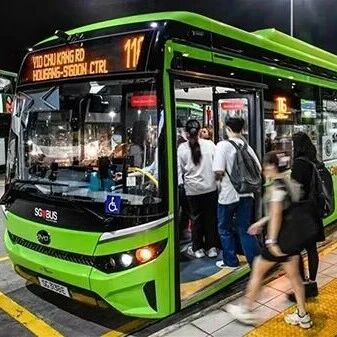
印尼首都雅加达的巴士司机Muhammad Iqbal很喜欢开一年前引进的纯电动(EV)巴士。这些巴士是雅 加达大型公交公司Transjakarta从中国EV巴士厂商开沃新能源汽车集团(Skywell)进口的。 47岁的Iqbal当了20多年巴士司机,他表示中国生产的巴士过去口碑并不好。约10年前,以压缩天然气 (CNG)为燃料的中国产巴士曾发生过故障和起火问题,因此Transjakarta后来一直坚持采购日本和欧 洲生产的车辆。 但如今情况已经不同。Iqbal对《日经亚洲》(Nikkei Asia)表示 "这款EV巴士驾驶起来比以前要舒 适"。他还满意地说:"采用了AT(自动变速箱),司机也不需要每天晚上进入车库前排队等待加燃 料"。只需在车库充一晚电,第二天就可以投入运营。 新加坡的上班族在乘坐比亚迪生产的EV巴士。东南亚主要国家正在推进巴士的电动化,这为中国纯电动汽车厂商带来了商机(图片由 SBS Transit提供) 在印尼首都雅加达,当了20多年巴士司机的Muhammad Iqbal很喜欢开一年前引进的纯电动巴士。这些 巴士是从中国EV厂商进口的。Iqbal表示中国生产的巴士过去口碑并不好,但如今情况 ...


中国高铁驶向世界舞台
Zheng Quan Ri Bao Zhi Sheng· 2026-02-06 16:37
Core Viewpoint - The rapid development of China's high-speed rail (HSR) network has significantly enhanced its capacity to handle passenger flow, especially during peak travel periods like the Spring Festival, with a total operational mileage exceeding 50,000 kilometers, marking a 32% increase since the end of 2020 [2][3]. Group 1: High-Speed Rail Network Expansion - As of December 2025, the operational mileage of China's high-speed rail surpassed 50,000 kilometers, with the completion of 12,000 kilometers of new high-speed rail during the 14th Five-Year Plan [2]. - The "Eight Vertical and Eight Horizontal" high-speed rail network has improved connectivity, covering 97% of cities with populations over 500,000, and surpassing the total operational mileage of all other countries combined [2][3]. - High-speed rail has become the primary mode of transportation for medium to long-distance travel, handling 80% of passenger volume and 69% of passenger turnover in China [3]. Group 2: Technological Advancements - The development of a fully autonomous and efficient industrial chain has been crucial for the rapid growth of high-speed rail, particularly the domestically developed CTCS-3 level train control system, which has achieved 100% localization [4][5][6]. - The CR400 train model, introduced in 2017, marked the beginning of China's independent standard era, with the upcoming CR450 model set to establish a top-level index system for trains operating at 400 km/h [7]. - China's high-speed rail technology has reached international advanced levels in operational mileage, technical standards, and safety guarantees, supported by a complete industrial chain and strong manufacturing capabilities [7][8]. Group 3: Investment and Private Sector Involvement - The Chinese government encourages private capital participation in railway construction and operation, with the first privately funded high-speed rail, the Hangzhou-Taipei line, opening in January 2022 [8]. - The second privately funded high-speed rail, the Hangzhou-Wenzhou line, is set to open in September 2024, contributing to regional economic development [8]. Group 4: International Expansion - China's high-speed rail is transitioning from equipment export to the overall output of technology systems, engineering experience, and standard solutions, enhancing its international presence [9][10]. - The Jakarta-Bandung high-speed rail project in Indonesia, a flagship of the Belt and Road Initiative, has significantly reduced travel time and stimulated economic growth in the region [10]. - The China Railway Group is actively promoting the standardization of railway technology, with 1,219 enterprise technical standards established, enhancing China's influence in international railway development [9].