卫材

Search documents
突破安全性困局,国产新药逆袭这个MNC忽视的市场
Xin Lang Cai Jing· 2025-08-13 05:51
Core Viewpoint - The recent approvals of domestic gout drugs indicate a revitalization of the relatively overlooked gout treatment market, highlighting the potential for innovation in this area due to unmet clinical needs and minimal investment from multinational corporations (MNCs) [1][2][21]. Industry Overview - The global prevalence of gout is rising, yet MNCs have been conservative in their investments in this field, unlike the diabetes sector, which has seen multiple successful drug launches [3][4]. - The market for gout medications is projected to reach approximately $3.3 billion by 2024, significantly smaller than the diabetes drug market, which is expected to exceed $100 billion [3][4]. Clinical Demand - There is a pressing clinical need for effective gout treatments, as many patients experience poor adherence to existing therapies, with over half stopping medication within six months of achieving target uric acid levels [3][4]. - Current treatments have significant safety concerns, leading to a high demand for new therapies that can address these issues [5][6][9]. Recent Developments - The approval of Fuxin Qibai monoclonal antibody marks a significant milestone as the first domestically developed IL-1β inhibitor for acute gouty arthritis, offering a long-acting treatment option [11][12]. - Fuxin Qibai has demonstrated rapid pain relief and a significant reduction in the risk of recurrence, with no serious adverse events reported [12][13]. Market Dynamics - The domestic market for gout treatments is characterized by a lack of MNC involvement, creating opportunities for local companies to establish a foothold and innovate [14][21]. - Several domestic pipelines are advancing, focusing on safety and efficacy, with multiple candidates in late-stage clinical trials [16][20]. Competitive Landscape - The URAT1 inhibitor segment is particularly competitive, with numerous domestic candidates showing promising safety profiles and efficacy [16][18]. - Companies like Hengrui and Yipin Hong are making significant progress with their URAT1 inhibitors, with Hengrui's SHR4640 showing superior results in clinical trials compared to existing treatments [18][20]. Future Outlook - The domestic gout treatment market is expected to grow as companies leverage unmet clinical needs and safety concerns of existing therapies to introduce innovative solutions [21]. - The increasing prevalence of hyperuricemia and gout in China, with an estimated 26 million gout patients, presents a substantial market opportunity for domestic pharmaceutical companies [21].


Science重磅:破解阿尔茨海默病抗体药的脑出血副作用——突破血脑屏障,靶向递送抗Aβ抗体
生物世界· 2025-08-09 04:06
Core Viewpoint - Alzheimer's disease (AD) is a severe neurodegenerative disorder with significant impacts on individuals and society, yet drug development has faced numerous failures despite substantial investments from major pharmaceutical companies [2][3]. Drug Development and FDA Approvals - In June 2021, the FDA accelerated the approval of Aducanumab, developed by Eisai and Biogen, marking the first new drug for Alzheimer's since 2003, although its approval was controversial due to associated risks like ARIA (Amyloid-related Imaging Abnormalities) [3][6]. - Following Aducanumab, the FDA approved two additional antibody drugs targeting Aβ: Donanemab by Eli Lilly and Lecanemab by Eisai and Biogen, both of which also present ARIA-related side effects [3][6]. Denali Therapeutics' Research - Denali Therapeutics published a study in August 2025 on a new antibody transport carrier, ATV cisLALA, which utilizes transferrin receptor (TfR) to enhance brain delivery of anti-Aβ antibodies while mitigating ARIA risks [4][9]. - The ATV cisLALA carrier shows improved distribution in brain tissue compared to traditional Aβ antibodies, which tend to accumulate around blood vessels, potentially triggering inflammatory responses and ARIA [9][11]. Mechanism of Action - Traditional Aβ antibodies enter the brain through cerebrospinal fluid and perivascular spaces, where amyloid deposits are located, leading to inflammation and ARIA. In contrast, the ATV carrier enhances delivery through capillaries, reducing ARIA side effects [11][12]. - Denali's TfR-based approach is not limited to Aβ; the company is also developing therapies targeting tau protein using the same delivery mechanism, aiming to address two key toxic proteins in Alzheimer's simultaneously [11].


阿尔茨海默病创新药长期随访结果如何?是否安全?最新数据公布
第一财经· 2025-08-02 06:33
Core Viewpoint - Recent innovations in Alzheimer's disease drugs have shown promising results in clinical trials, particularly the long-term efficacy of therapies like donanemab, but concerns about long-term effects and safety remain [3][4]. Group 1: Clinical Trial Results - Eli Lilly's donanemab has demonstrated a significant slowing of disease progression in Alzheimer's patients over a three-year follow-up, with early treatment showing a 27% reduced risk of advancing to the next disease stage compared to delayed treatment [3][4]. - Over 75% of early-treated patients achieved amyloid clearance within 76 weeks, and the rate of amyloid plaque re-deposition was slow at approximately 2.4 CL/year during the longest observation period of 2.5 years [3][4]. Group 2: Safety and Side Effects - No new safety signals were observed during the long-term extension phase of the study, but previously noted issues related to amyloid-targeting treatments, such as ARIA (Amyloid-related imaging abnormalities), remain a concern [4]. - ARIA-related symptoms, including edema and bleeding, primarily occur within the first six months of treatment, and patients with the ApoE4 allele are at higher risk for these complications [4]. Group 3: Market Context and Patient Demographics - Donanemab was recently introduced in China, but the long-term efficacy in the Chinese patient population is yet to be validated due to the timing of its market entry [4][5]. - The earlier launched drug, lecanemab, has also shown a 34% reduction in cognitive decline over four years, with no new safety issues reported, although this data does not include Chinese patients [5]. - China has approximately 9.83 million Alzheimer's patients, with an estimated 20% being in the early stages of the disease, indicating a significant potential market for innovative treatments [5].



阿尔茨海默病创新药长期随访结果如何?是否安全?最新数据公布
Di Yi Cai Jing· 2025-08-02 05:17
Core Insights - Early use of the drug Donanemab significantly benefits Alzheimer's patients, reducing the risk of disease progression to the next stage by 27% compared to those who start treatment later [1] Group 1: Drug Efficacy - Over 75% of early users of Donanemab achieved amyloid clearance within 76 weeks of treatment [2] - The rate of amyloid plaque re-deposition in patients who completed treatment was approximately 2.4 CL/year over a maximum observation period of 2.5 years [2] - Long-term follow-up showed no new safety signals during the extended phase of the study [2] Group 2: Safety Concerns - Previous treatments targeting amyloid have shown imaging-related abnormalities (ARIA), including edema/exudate (ARIA-E) and bleeding/hemosiderin deposition, which may lead to severe symptoms [2] - Brain swelling and bleeding related to amyloid-clearing drugs primarily occur within the first six months of treatment [2] Group 3: Market Context - Donanemab was officially introduced for clinical treatment in China at the end of March this year, with ongoing validation of its long-term efficacy in the Chinese patient population [2] - Another Alzheimer's drug, Lecanemab, has been in clinical use in China for over a year, showing a 34% slower cognitive decline compared to untreated patients after four years [3] - China has approximately 9.83 million Alzheimer's patients, with an estimated 20% being in the early stages of the disease, potentially benefiting from innovative treatments [3]
百健(BIIB.US)Q2业绩超预期 阿尔茨海默药热销促盈利指引上调
智通财经网· 2025-07-31 12:47
Core Viewpoint - Biogen's latest quarterly earnings report exceeded Wall Street expectations, driven by strong sales of Alzheimer's drug Leqembi, prompting the company to raise its financial guidance [1][2] Financial Performance - Biogen reported total sales of $2.6 billion for the second quarter, a 7% year-over-year increase, surpassing analyst expectations of $2.3 billion [1] - The company's net profit for the quarter was $635 million, up from $584 million in the same period last year, with adjusted earnings per share reaching $5.47, a 4% increase and well above the average analyst estimate of $3.86 [1] - Revenue from the Alzheimer's drug Leqembi was $125 million in the latest quarter, significantly exceeding Wall Street's expectations [1] Product Performance - The Alzheimer's treatment Leqembi, developed in collaboration with Eisai, faced initial logistical challenges and regulatory hurdles but has shown strong sales growth, with previous quarters reporting $87 million and $96 million in sales [1] - The rare disease treatment Skyclarys contributed approximately $130 million in revenue, meeting market expectations [2] Future Outlook - Biogen raised its earnings per share forecast for 2025 from the previous range of $14.50-$15.50 to $15.50-$16.00 and adjusted its full-year revenue forecast to be flat compared to 2024 [2] - The company aims to alleviate investor concerns regarding the decline of its traditional multiple sclerosis business by focusing on new drug sales, including Leqembi [2] Strategic Initiatives - Since taking over as CEO in late 2022, Chris Viehbacher has focused on transforming Biogen by enhancing Leqembi sales, implementing cost reductions, and decreasing reliance on high-risk neurological treatments [2] - Biogen is open to acquiring new immunotherapy and rare disease treatment assets as part of its strategy to strengthen its research and development pipeline [2] Production and Tariff Policy - Biogen stated that the potential cancellation of drug tariff exemptions in the U.S. would not significantly impact its annual performance due to the majority of its U.S. revenue coming from domestic production [3] - To mitigate potential tariff risks, the company announced a $2 billion investment to expand its core manufacturing facility in North Carolina [3]
默沙东、GSK抢着买慢病新药,哪些公司还有BD机会?|焦点分析
3 6 Ke· 2025-07-30 09:05
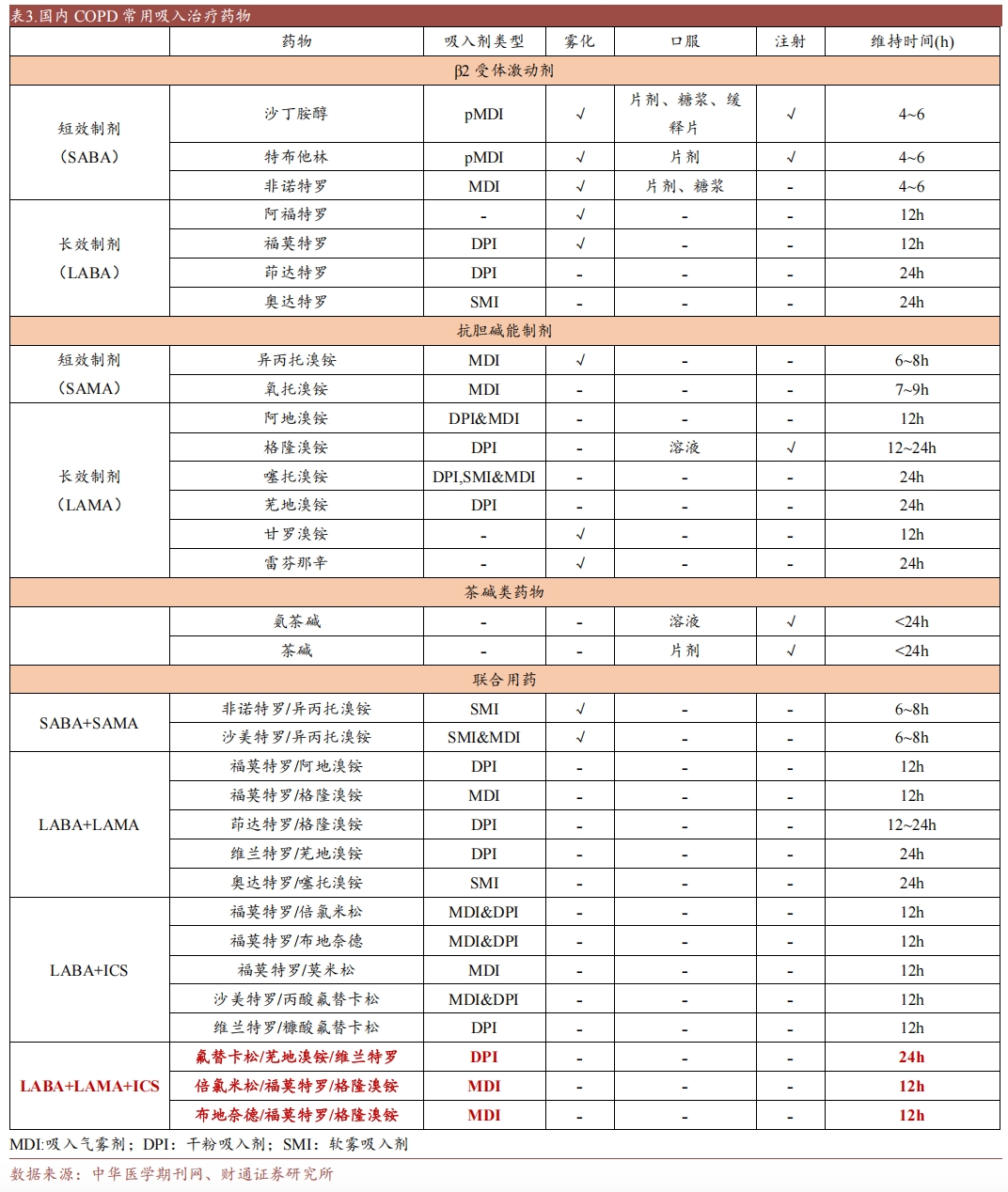
Core Viewpoint - The recent $5 billion upfront payment by GSK for the overseas rights of HRS-9821 and 11 innovative projects from Heng Rui Pharmaceutical highlights the growing interest and potential in the COPD treatment market, which has seen little innovation for over a decade [1][2]. Group 1: Market Dynamics - The global COPD market is projected to exceed $20 billion by 2024, with HRS-9821 being a significant new entrant after a long period without new mechanisms [1][5]. - The approval of Ensifentrine, a PDE3/4 inhibitor, has revitalized interest in COPD treatments, demonstrating a 36%-43% reduction in acute exacerbation rates [5][6]. - The transaction indicates a shift in focus for Chinese pharmaceutical companies towards common and chronic diseases, revealing untapped value in the respiratory drug market [2][3]. Group 2: Competitive Landscape - Major players in the COPD treatment market include AstraZeneca, GSK, and Boehringer Ingelheim, which have historically dominated with LABA, LAMA, and ICS therapies [3][5]. - The success of PDE3/4 inhibitors is expected to prompt other pharmaceutical companies to explore similar pathways, with companies like Zhengda Tianqing and Haisco making significant progress in their own PDE3/4 inhibitor developments [9][10]. - The market is witnessing a potential consolidation of opportunities, with Chinese companies likely to dominate the remaining PDE3/4 development space [7][9]. Group 3: Future Opportunities - The complexity of COPD's pathophysiology suggests that while PDE3/4 inhibitors are promising, they will not be the only future players, as biologics targeting different mechanisms are also emerging [10][11]. - New therapeutic approaches, including cell therapies and biologics targeting TSLP, are being explored, indicating a diversification in treatment options for COPD [12][14]. - The anticipated market for COPD treatments may evolve into a tiered selection model, where traditional therapies provide foundational care while innovative products address more challenging cases [14].


礼来(LLY.US)阿尔茨海默病药物Kisunla获欧盟支持 获批用于特定患者群体
智通财经网· 2025-07-25 12:37
Core Viewpoint - Eli Lilly's Alzheimer's drug Kisunla has received support from EU regulators, paving the way for it to become the second drug in Europe to delay the most common cause of dementia [1][2] Group 1: Drug Approval and Market Impact - The European Medicines Agency (EMA) recommended Kisunla for patients with specific gene mutations that may increase the risk of amyloid-related imaging abnormalities (ARIA) [1] - Kisunla's approval in the EU is expected to enhance competition with Eisai and Biogen's Leqembi, which is also limited to patients with a lower risk of ARIA [2] - Bloomberg Intelligence has halved the market size forecast for Alzheimer's drugs by 2030 to $6 billion, with Kisunla projected to generate approximately $2 billion in sales [2] Group 2: Drug Administration and Side Effects - Kisunla is administered once a month, which may offer a convenience advantage over Leqembi, which requires bi-weekly infusions [3] - Both Kisunla and Leqembi are associated with side effects, including potential brain swelling and bleeding risks [2]
【IPO前哨】又一家创新药企递表!百力司康能否赶上市场热潮?
Sou Hu Cai Jing· 2025-07-18 02:50
Group 1 - The biopharmaceutical B-class stocks have been strong performers in the Hong Kong stock market this year, with 26 stocks in the sector doubling in value, including Kintor Pharmaceutical (06990.HK), Lepu Biopharma (02157.HK), and Hengrui Medicine (02142.HK) [2] - BlissBio Inc. (百力司康) has recently submitted its IPO application, with Goldman Sachs, Huatai International, and Jianyin International serving as joint sponsors [2][3] - The founders of BlissBio, Dr. Wei Ziping and Dr. Zhou Yuhong, have extensive academic backgrounds and over 25 years of experience in drug development, having previously worked at major pharmaceutical companies [3] Group 2 - BlissBio is focused on developing next-generation antibody-drug conjugates (ADCs), which combine the targeting ability of antibodies with the cytotoxicity of potent drugs, aiming to improve treatment efficacy while reducing off-target toxicity [3][4] - The ADC therapy is recognized as one of the fastest-growing cancer treatment modalities, often referred to as a "golden track" [4] - BlissBio has completed five rounds of financing, with participation from several institutional investors, including Hillhouse Capital and Eisai [4] Group 3 - The company has signed a licensing agreement with Eisai, granting exclusive global rights (excluding Greater China) to use a specific linker in ADCs targeting HER2, EGFR, and B7-H3 [7] - BlissBio has four ADC products in clinical stages targeting HER2, EGFR, B7-H3, and CD73, with three utilizing the linker from Eisai [7][8] - In April 2023, BlissBio entered into a collaboration agreement with Eisai for the development and commercialization of BB-1701, which includes potential milestone payments of up to $2 billion [9] Group 4 - BlissBio currently has no commercialized products, and its revenue for 2023 and 2024 is projected to be RMB 180.2 million and RMB 22.6 million, respectively, primarily from collaboration agreements with Eisai [10][11] - The company is expected to incur significant losses, with projected annual losses of RMB 206.4 million in 2023 and RMB 556.6 million in 2024, largely due to high R&D costs and the impact of redemption liabilities from investor agreements [10][11] Group 5 - The IPO is crucial for BlissBio to secure funding for ongoing R&D and commercialization efforts, with plans to use the raised funds for advancing core product development, supporting existing pipeline assets, and enhancing technology platforms [12]

两位60后海归女博士掌舵百力司康,递表前夕20亿美元协议生变
阿尔法工场研究院· 2025-07-17 12:02
Core Viewpoint - The article discusses the challenges and opportunities faced by Baileiskang, a biopharmaceutical company, particularly after the termination of its collaboration with the Japanese pharmaceutical company Eisai, which has cast a shadow over its commercialization prospects for its core product BB-1701 [3][12][15]. Group 1: Company Background - Baileiskang was co-founded by two overseas PhD graduates, Wei Ziping and Zhou Yuhong, who have extensive experience in the pharmaceutical industry [5][6]. - The company focuses on developing innovative drugs targeting breast cancer and non-small cell lung cancer, with its core product BB-1701 currently in critical stages of clinical development [5][9]. Group 2: IPO and Market Context - In the first half of 2025, there is a surge in IPO applications on the Hong Kong Stock Exchange, particularly from the biopharmaceutical sector, driven by supportive listing regulations for innovative companies [4]. - Baileiskang submitted its IPO application on June 29, 2025, aiming to attract capital despite the challenges posed by its recent partnership termination [5][31]. Group 3: Collaboration with Eisai - Baileiskang had a significant partnership with Eisai, which included a potential $2 billion in milestone payments for the development and commercialization of BB-1701 [12]. - The sudden termination of this collaboration in May 2025 has left Baileiskang to independently manage the global development and commercialization of BB-1701, raising concerns about its financial stability and operational capabilities [12][15]. Group 4: Financial Challenges - Baileiskang has not yet achieved profitability, reporting net losses of 206 million yuan in 2023 and 557 million yuan in 2024, with a significant increase in losses year-over-year [24]. - The company has raised approximately 874 million yuan through five rounds of financing, but faces pressure from redemption clauses tied to its funding agreements, which could trigger cash buybacks under certain conditions [25][28]. Group 5: Competitive Landscape - The ADC (antibody-drug conjugate) therapy market is highly competitive, with several established players already having approved HER2 ADC drugs, which poses a challenge for Baileiskang's BB-1701 targeting the "resistant patient" segment [20][21]. - The company must navigate potential pricing pressures and market competition to successfully commercialize its product [21].

美国加征药品和铜关税,推动战略物资自给
日经中文网· 2025-07-10 07:10
Group 1 - The U.S. announced a 200% tariff on imported pharmaceuticals and a 50% tariff on copper and related products, aiming to boost domestic production and supply chain adjustments [1][2] - The pharmaceutical import value for the U.S. is projected to reach $246.8 billion in 2024, accounting for 7.6% of total imports, with the U.S. pharmaceutical market size expected to be $797.8 billion, representing over 40% of the global market [1] - Major pharmaceutical companies like Merck and Novartis are planning investments in response to the tariffs, with a total of $166 billion in new investments announced by six well-known companies since 2025 [1] Group 2 - Japan's pharmaceutical exports to the U.S. are projected to be 411.4 billion yen in 2024, making up 1.9% of total exports to the U.S., with companies like Takeda planning to invest $30 billion in the U.S. over the next five years [2] - Takeda's U.S. operations account for half of its consolidated sales, and the company is implementing measures to manage the impact of tariffs on imported products [2] - The unexpected high tariff on copper led to a 17% increase in copper futures prices, reaching approximately $13,000 per ton, marking a historical high [2][3] Group 3 - The U.S. is heavily reliant on copper imports, with over 40% of its consumption expected to come from abroad in 2024, and plans to increase domestic production by 70% by 2035 to reduce import dependency to 30% [3] - The high copper tariffs are seen as a strategic move considering China's position as a major copper producer, with Chile being the largest source of U.S. copper imports [4] - There are discussions about the potential impact of tariffs on U.S. investments in South American copper mines, which are partly funded by Japanese companies [4]