迈瑞医疗

Search documents
研判2025!中国尿液分析仪行业市场政策、产业链图谱、发展现状、竞争格局及发展趋势分析:优利特市场占有率高达41%,龙头优势明显[图]
Chan Ye Xin Xi Wang· 2025-11-26 03:17
Core Insights - The demand for urine analyzers is increasing due to rising health awareness, regular health check-ups, and chronic disease management, particularly among the aging population and patients with diabetes and kidney diseases [1][13] - In 2024, the total procurement of urine analyzers in China is expected to reach 1,521 units, with a procurement average price of 53,300 yuan per unit, resulting in a total procurement amount of 81 million yuan, remaining stable compared to 2023 [1][13] - The East China region accounts for the largest share of procurement at 33.7%, followed by North China at 18.3% and Central China at 14.4% [1][13] Industry Overview - Urine analyzers are automated instruments used to determine certain chemical components in urine, playing a crucial role in medical laboratory urine automation checks [2][3] - The industry is supported by various policies aimed at enhancing the development of medical devices, including urine analyzers, as part of China's "Healthy China" strategy [7][8] Market Structure - The upstream of the urine analyzer industry includes suppliers of medical-grade plastics, metals, chemical reagents, and core components like optical sensors and microfluidic chips [9][10] - The downstream market is primarily composed of medical institutions, with hospitals accounting for over 70% of the demand in 2024, while home-use urine analyzers are emerging but still in the early stages of market acceptance [11][12] Competitive Landscape - The domestic market for urine analyzers is dominated by local brands, with a market share of 88% in 2024, driven by favorable policies and competitive pricing [13][14] - The top five companies in the urine analyzer market hold a combined market share of 86.47%, with Guilin Youlit leading at 41%, followed by Dirui and Mindray [13][14] Development Trends - Future advancements in urine analyzers will focus on smart technology, including AI image recognition for improved detection accuracy and integration with hospital laboratory information systems for real-time data management [15] - The trend towards multi-parameter testing and enhanced sensitivity through technologies like microfluidic chips and nanobiosensors will align with the growing demand for precision medicine [15]


创50ETF(159681)涨近2%,26年预计是CPO网络导入起步的关键节点
Xin Lang Cai Jing· 2025-11-26 03:01
Group 1 - Google has launched Gemini 3, utilizing its self-developed TPU cluster as a computing engine, which includes an OCS optical switching network, validating the feasibility of its full-stack technology route [1] - Meta is negotiating with Google to use TPU chips worth billions of dollars in its data centers by 2027 and plans to rent chips from Google Cloud next year, potentially generating billions in new revenue for Google [1] - The large-scale deployment of OCS indicates that it has moved from the proof-of-concept stage to large-scale application, with a complete OCS industrial chain rapidly forming, becoming a core technology for the next generation of AI computing facilities [1] Group 2 - The year 2026 is expected to be a critical point for the explosive growth of silicon photonics solutions and the introduction of CPO networks, with the optical communication industry expanding from optical modules to chips, cables, OCS, and CPO across upstream and downstream segments [1] - The ChiNext 50 Index (399673) has seen a strong increase of 1.94%, with constituent stocks such as Zhongji Xuchuang (300308) rising by 9.67%, Changying Precision (300115) by 7.69%, and Xinyi Sheng (300502) by 7.51% [1] - As of October 31, 2025, the top ten weighted stocks in the ChiNext 50 Index include Ningde Times (300750), Zhongji Xuchuang (300308), and Dongfang Wealth (300059), collectively accounting for 70.15% of the index [2]


CPO概念持续上行,创业板ETF博时(159908)盘中拉升涨近2%
Xin Lang Cai Jing· 2025-11-26 03:01
Group 1 - The ChiNext Index has shown strong performance, rising by 1.33% as of November 26, 2025, with notable gains in constituent stocks such as Maiwei Co., Ltd. (up 10.59%) and Zhongji Xuchuang (up 9.40%) [1] - The ChiNext ETF by Bosera has increased by 7.80% over the past three months, with a latest price of 2.81 yuan and a turnover rate of 1.63% on November 26, 2025 [1][3] - The optical module (CPO) index rose by 3.01% on November 26, 2025, with institutional funds seeing a net inflow of 34.13 billion yuan [1] Group 2 - The communication industry has performed exceptionally well in 2025, with a year-to-date increase of 55.58%, ranking second among all industries, and institutional holdings have significantly increased [2] - The GB300 platform is expected to ramp up production in Q4, leading to large-scale shipments of 1.6T optical modules, with silicon photonics technology projected to capture nearly 60% of the global optical module market by 2030 [2] - Public fund holdings in the communication sector have surpassed 6.5%, a historical high, while valuations remain relatively low, not fully reflecting the sector's high growth potential [2]

流感高峰将至,医药板块再度活跃!医疗器械指数ETF(159898)高开上涨0.73%
Sou Hu Cai Jing· 2025-11-26 02:52
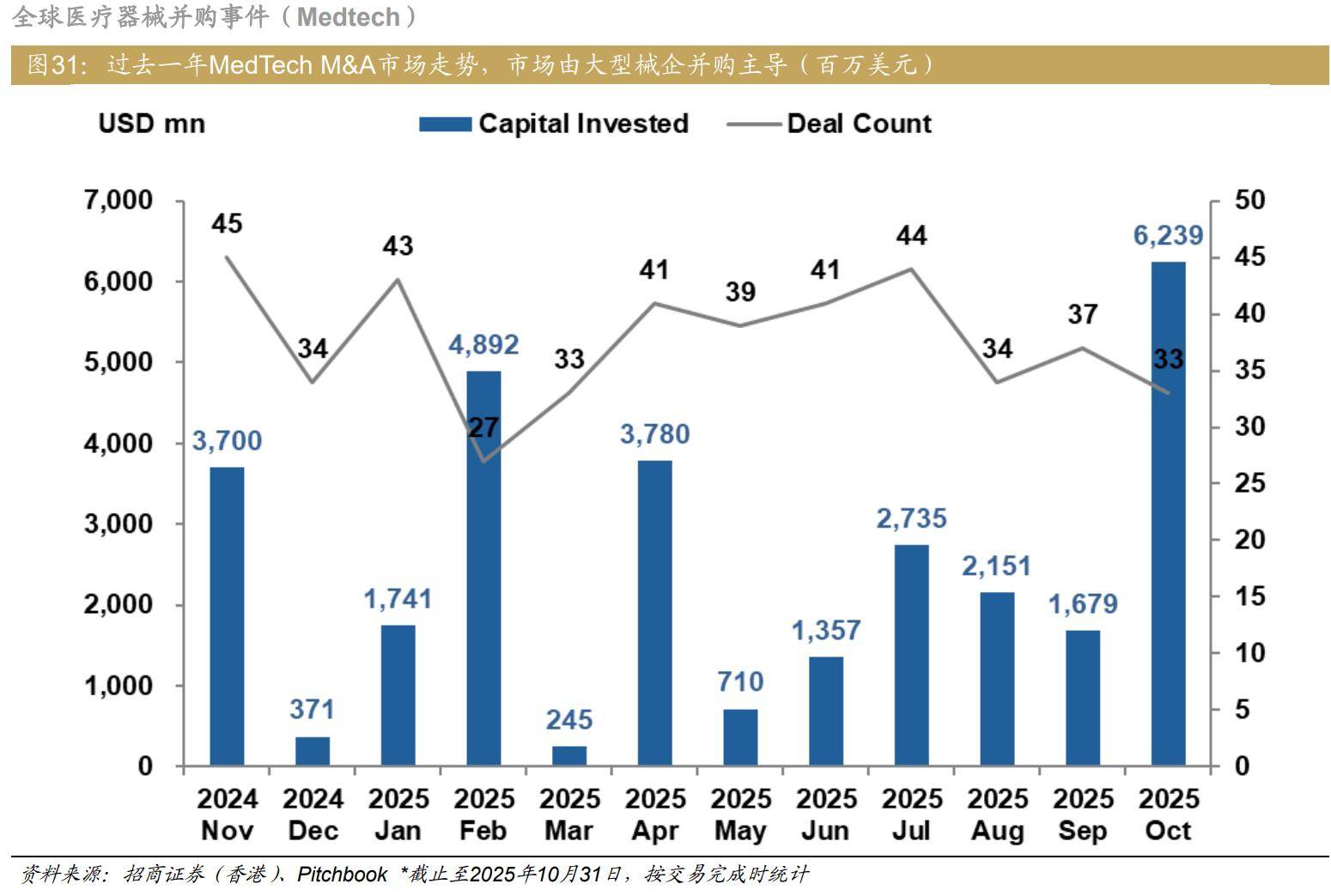
Group 1 - The core viewpoint indicates that the flu levels in China are expected to rise, with a peak likely occurring between mid-December and early January, leading to a strong performance in the flu and pharmaceutical sectors [1] - On November 26, the medical device index ETF (159898) opened up by 0.73%, with several medical stocks leading the market gains, including Haobor, which surged by 9.75% [1] - Other notable stocks that saw increases include Shuoshi Biology, Jinyu Medical, and Rejing Biology, each rising over 3%, along with strong follow-ups from companies like Lianxin, Yuyue Medical, Weili Medical, and Yingke Medical [1] Group 2 - The global medical and pharmaceutical capital market is experiencing a recovery, with total financing in October reaching approximately $112 billion, marking a year-to-date high [2] - The medical device sector saw significant mergers and acquisitions in October, reflecting companies' ongoing investment in innovative technologies and confidence in high-growth potential markets [2] - From November 2024 to October 2025, there were 431 recorded M&A transactions in the global medical device and technology sector, with a total disclosed amount of about $34.8 billion, indicating a moderate recovery and increased market concentration [3] Group 3 - The long-term growth potential of the medical device market in China is viewed positively, despite short-term challenges related to pricing, policy, and the overall economic environment [4] - Specific segments within the A-share medical device market that may be worth attention include medical equipment, medical consumables, and in vitro diagnostics, focusing on companies with innovation and international expansion capabilities [6] - The medical device index ETF (159898) tracks the CSI All-Index Medical Device Index, covering leading companies in various segments, providing an opportunity to capture overall industry beta [9]
2025年中国血氧仪行业政策、发展背景、市场规模、重点品牌及发展趋势研判:远程医疗与居家监测普及,推动血氧仪规模达45亿元[图]
Chan Ye Xin Xi Wang· 2025-11-26 02:42
Core Insights - The blood oxygen monitor industry in China is experiencing strong growth driven by the increasing prevalence of chronic respiratory and cardiovascular diseases, particularly due to the aging population, which has led to a significant rise in demand for long-term blood oxygen monitoring [1][9] - The market size of the blood oxygen monitor industry in China is projected to grow from 3.8 billion yuan in 2019 to 4.5 billion yuan in 2024, with a compound annual growth rate (CAGR) of 3.44%. By 2030, the market size is expected to exceed 8 billion yuan, indicating a promising future for the industry [1][9] - The rapid adoption of telemedicine and the general increase in public health awareness are facilitating the transition of blood oxygen monitors from professional medical settings to home care and chronic disease management [1][9] Industry Overview - Blood oxygen monitors are medical devices used to measure vital indicators such as blood oxygen saturation and heart rate, with common types including fingertip, wrist, tabletop, handheld, and wearable monitors [3] - The industry has evolved significantly since the mid-1990s, transitioning from professional medical use to home and mobile applications, with advancements in technology enabling features like data collection and remote monitoring [3] Industry Policies - Blood oxygen monitors are classified as Class II medical devices under the Medical Device Supervision and Administration Regulations, requiring strict management to ensure safety and effectiveness [4] - Recent government policies aim to enhance the development of the blood oxygen monitor industry, including measures for intellectual property protection and subsidies for consumers purchasing medical devices [4] Market Dynamics - The aging population in China is a key driver for the demand for blood oxygen monitors, with the number of individuals aged 60 and above expected to reach 31.03 million by the end of 2024, accounting for 22% of the total population [5] - The blood oxygen monitor industry is supported by a robust supply chain, including raw materials, manufacturing, and sales channels, with both online and offline distribution methods [5][6] Competitive Landscape - The global blood oxygen monitor market is characterized by a mix of established international players and emerging domestic brands, with companies like Masimo Corporation and Philips leading in high-end medical-grade monitors [10][11] - Chinese companies such as Yuyue Medical and Kangtai Medical are gaining market share by offering competitive products in the mid to low-end segments, with a focus on quality and performance [10][11] Future Trends - The blood oxygen monitor industry is expected to see advancements in smart technology, enabling continuous data collection and personalized health management [14] - The trend towards portability will drive the development of smaller, lighter devices that integrate with wearable technology, enhancing user convenience [15] - The application scenarios for blood oxygen monitors are expanding beyond traditional medical settings to include fitness, high-altitude travel, and workplace health management [16]


行业利好!低市盈率+高回撤的医疗器械股出炉(名单)
Zheng Quan Shi Bao Wang· 2025-11-26 01:09
Group 1 - The core viewpoint of the articles highlights the Chinese government's initiatives to promote the high-quality development of the medical device industry through various supportive measures and regulatory reforms [1][2]. - Beijing's measures include 15 supportive actions aimed at enhancing clinical research, registration, production, application, and international expansion of innovative medical devices [1]. - Shanghai's measures focus on expediting the registration process for innovative Class II medical devices, aiming to reduce the average registration cycle to within six months [1][2]. Group 2 - The "14th Five-Year Plan" emphasizes support for the development of innovative drugs and medical devices, indicating a robust growth trajectory for China's medical industry [2]. - The medical device market in China is projected to grow from 729.8 billion RMB in 2020 to 941.7 billion RMB by 2024, with a compound annual growth rate (CAGR) of 6.6%, and is expected to reach 1.81 trillion RMB by 2035 [2]. - The A-share market for medical devices has a total market capitalization of 1.38 trillion RMB, with major companies like Mindray Medical and United Imaging Healthcare leading the sector [3]. Group 3 - There are 45 medical device stocks with a rolling price-to-earnings (P/E) ratio below 40, including 12 stocks with a P/E ratio below 20, indicating potential undervaluation in the sector [4]. - As of November 25, 20 stocks have seen a price decline of over 20% from their yearly highs, with five stocks experiencing declines exceeding 30% [4]. - Aibo Medical, a leading manufacturer of high-end artificial lenses, reported a net profit of 290 million RMB for the first three quarters, a year-on-year decrease of 8.64%, but anticipates steady growth in sales by 2026 [4].




北京上海发文促进医疗器械产业高质量发展
Zheng Quan Shi Bao· 2025-11-25 18:31
Group 1: Policy Initiatives - Beijing's Economic and Information Technology Bureau, along with five other departments, issued measures to promote high-quality development in the medical device industry, focusing on innovation, clinical research, registration, production, application, cluster development, digital empowerment, and international expansion [1] - Shanghai also released measures to deepen drug and medical device regulatory reforms, encouraging expedited registration for innovative Class II medical devices with significant clinical value [1] Group 2: Market Growth and Projections - The medical device market in China is experiencing steady growth, with the market size projected to increase from 729.8 billion RMB in 2020 to 941.7 billion RMB by 2024, reflecting a compound annual growth rate (CAGR) of 6.6% [2] - By 2035, the overall market size for medical devices in China is expected to reach 1.81 trillion RMB [2] Group 3: Investment Opportunities - Long-term investment opportunities in the medical device sector are identified in innovation, international expansion, and mergers and acquisitions, with a recognition of the sector's innovative and international capabilities leading to a revaluation of its stocks [2] - Following a surge in the innovative drug sector, the medical device sector is seeing recognition for its competitive products, with companies actively pursuing growth strategies to enhance overseas business [2] Group 4: Market Valuation and Performance - As of November 25, the market capitalization of the medical device industry in A-shares reached 1.38 trillion RMB, with major companies like Mindray Medical and United Imaging Healthcare having market caps exceeding 235 billion RMB and 110 billion RMB, respectively [3] - Among 45 medical device stocks with rolling price-to-earnings ratios below 40, 12 stocks have ratios below 20, indicating potential undervaluation [3] - Some stocks have experienced significant price corrections, with 20 stocks retreating over 20% from their yearly highs, and five stocks, including Aibo Medical and Jianfan Biological, seeing declines exceeding 30% [3]

创业板50ETF-DR在泰上市 中国核心科技资产走进东南亚
Sou Hu Cai Jing· 2025-11-25 11:44
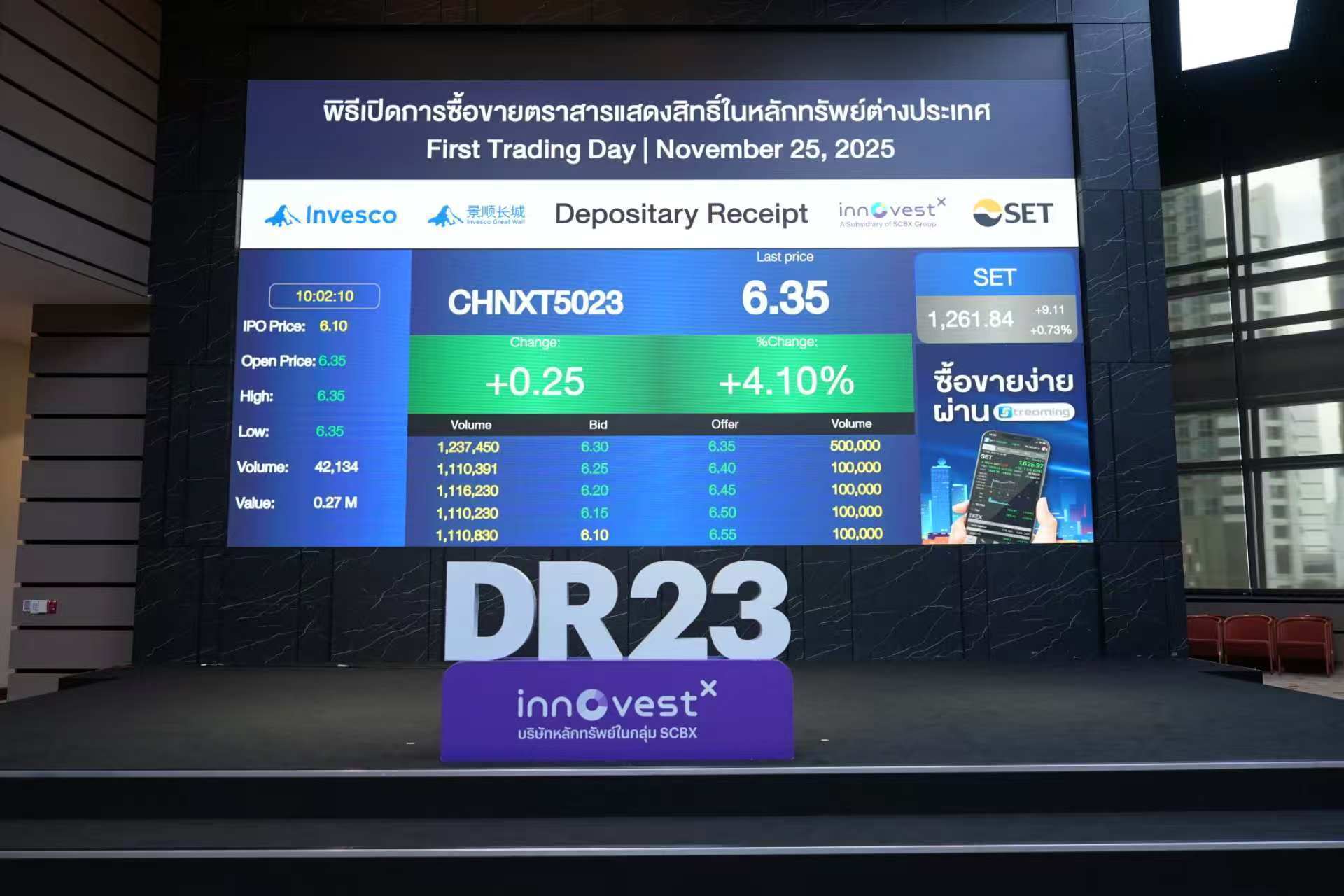
Core Viewpoint - The listing of the ChiNext 50 ETF-DR on the Thailand Stock Exchange marks a significant step in the internationalization of Chinese ETFs, providing Thai investors access to China's new economy and core technology assets [1][3][6]. Group 1: ETF Details - The ChiNext 50 ETF-DR is based on the Invesco Great Wall ChiNext 50 ETF, which was established in December 2022 and has a total scale exceeding 50 billion [3][4]. - The ETF maintains a low comprehensive fee rate of 0.2%, making it an attractive investment vehicle [3]. - The ChiNext 50 Index focuses on high-tech industries such as new energy, advanced manufacturing, and biomedicine, allowing investors to capture the benefits of China's technological development [3][4]. Group 2: Market Impact - The ChiNext 50 Index consists of the 50 largest and most actively traded companies on the ChiNext board, reflecting a higher concentration of technology stocks [4]. - The successful internationalization of the ChiNext 50 Index demonstrates the global appeal of Chinese entrepreneurial and innovative assets, broadening the channels for overseas capital allocation [4][6]. - The listing is part of a broader trend of increasing investment demand from Thai investors for Chinese core assets, driven by China's high-quality economic development and capital market reforms [6]. Group 3: Future Prospects - The listing of the ChiNext 50 ETF-DR is seen as a milestone in the index's international expansion, following its successful entry into major European exchanges [6]. - The Shenzhen Stock Exchange aims to enhance the internationalization of the ChiNext market and facilitate global investors' access to China's technological innovation [6][7]. - Chinese asset management institutions are expected to leverage local technological advantages to fill the investment gap for international investors in emerging markets [6][7].
11月25日深港通医疗(港币)(983036)指数涨0.52%,成份股平安好医生(01833)领涨
Sou Hu Cai Jing· 2025-11-25 11:07
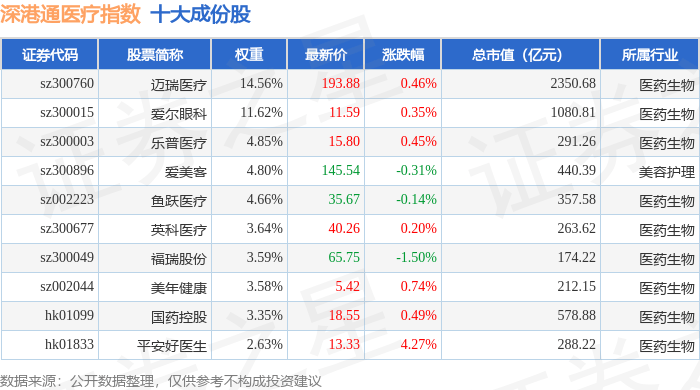
Core Viewpoint - The Shenzhen-Hong Kong Stock Connect Medical Index (983036) closed at 4375.4 points on November 25, with a 0.52% increase and a trading volume of 8.459 billion HKD, indicating a positive market sentiment in the healthcare sector [1]. Group 1: Index Performance - The index had 40 stocks rising and 16 stocks falling on the day, with Ping An Good Doctor leading the gainers at a 4.27% increase, while Ruimaite led the decliners with a 1.98% drop [1]. - The index's turnover rate was 0.84%, reflecting moderate trading activity [1]. Group 2: Component Stocks Details - The top ten component stocks of the index include: - Mindray Medical (14.56% weight, 193.88 HKD, 0.46% increase, market cap 235.068 billion HKD) [1] - Yeye Eye Hospital (11.62% weight, 11.59 HKD, 0.35% increase, market cap 108.081 billion HKD) [1] - Lejin Medical (4.85% weight, 15.80 HKD, 0.45% increase, market cap 29.126 billion HKD) [1] - Aimeike (4.80% weight, 145.54 HKD, -0.31% decrease, market cap 44.039 billion HKD) [1] - Yuyue Medical (4.66% weight, 35.67 HKD, -0.14% decrease, market cap 35.758 billion HKD) [1] - Yingke Medical (3.64% weight, 40.26 HKD, 0.20% increase, market cap 26.362 billion HKD) [1] - Furuishi (3.59% weight, 65.75 HKD, -1.50% decrease, market cap 17.422 billion HKD) [1] - Meinian Health (3.58% weight, 5.42 HKD, 0.74% increase, market cap 21.215 billion HKD) [1] - Sinopharm (3.35% weight, 18.55 HKD, 0.49% increase, market cap 57.888 billion HKD) [1] - Ping An Good Doctor (2.63% weight, 13.33 HKD, 4.27% increase, market cap 28.822 billion HKD) [1]. Group 3: Capital Flow - The net outflow of main funds from the index's component stocks totaled 251 million HKD, while retail investors saw a net inflow of 199 million HKD [1]. - The detailed capital flow indicates that while main funds were withdrawing, retail investors were actively buying into the market [2]. Group 4: Recent Adjustments - In the last 10 days, the index underwent adjustments, adding one new stock, Jianfa Zhixin, which is in the medical biology sector with a market cap of 13.886 billion HKD [3].


11月25日深港通医疗(983035)指数涨0.45%,成份股平安好医生(01833)领涨
Sou Hu Cai Jing· 2025-11-25 11:07
Core Viewpoint - The Shenzhen-Hong Kong Medical Index (983035) closed at 4488.12 points on November 25, with a 0.45% increase and a trading volume of 7.719 billion yuan, indicating a stable performance in the healthcare sector [1]. Group 1: Index Performance - On the same day, 40 out of the index's constituent stocks rose, with Ping An Good Doctor leading the gains at 4.27%, while 16 stocks declined, with Ruimaite leading the losses at 1.98% [1]. - The top ten constituent stocks of the Shenzhen-Hong Kong Medical Index include: - Mindray Medical (14.56% weight, market cap 235.068 billion yuan) [1] - Yier Eye Hospital (11.62% weight, market cap 108.081 billion yuan) [1] - Lejin Medical (4.85% weight, market cap 29.126 billion yuan) [1] - Aimeike (4.80% weight, market cap 44.039 billion yuan) [1] - Yuyue Medical (4.66% weight, market cap 35.758 billion yuan) [1] - Yingke Medical (3.64% weight, market cap 26.362 billion yuan) [1] - Furuishi (3.59% weight, market cap 17.422 billion yuan) [1] - Meinian Health (3.58% weight, market cap 21.215 billion yuan) [1] - China National Pharmaceutical (3.35% weight, market cap 57.888 billion yuan) [1] - Ping An Good Doctor (2.63% weight, market cap 28.822 billion yuan) [1]. Group 2: Capital Flow - The net outflow of main funds from the constituent stocks totaled 251 million yuan, while retail investors saw a net inflow of 199 million yuan [3]. - The detailed capital flow for selected stocks includes: - Aimeike: Main net inflow of 23.5405 million yuan, retail net outflow of 35.0461 million yuan [3]. - New Mileage: Main net inflow of 14.1523 million yuan, retail net outflow of 6.6983 million yuan [3]. - Jianfan Biological: Main net inflow of 4.5525 million yuan, retail net outflow of 8.5385 million yuan [3]. - A total of one stock was newly added to the Shenzhen-Hong Kong Medical Index in the last ten days [4].