爱美客

Search documents
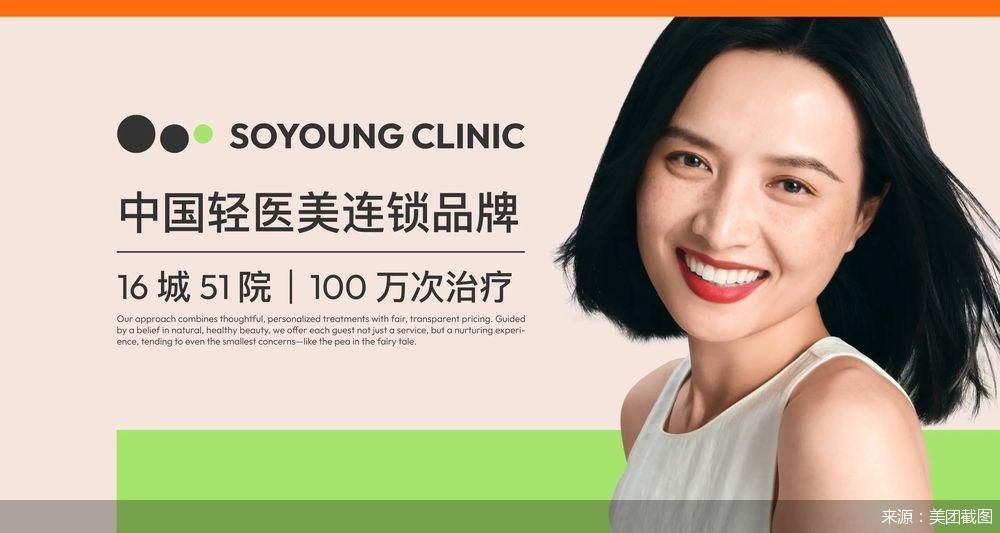
加速规模化运营,新氧剑指盈利
Bei Jing Shang Bao· 2026-02-01 09:40
Core Insights - Company is accelerating its scale operations by collaborating with 14 upstream suppliers and plans to open 35 new offline stores in the coming year, transitioning from an online medical beauty platform to a physical medical institution with a low-price model [1][6][7] Group 1: Strategic Partnerships - The establishment of the "Youth Selection Alliance" with 14 upstream suppliers aims to achieve mutual growth through price linkage, tiered supply, training collaboration, and product traceability [3] - This partnership indicates an improvement in the pricing issues that previously strained relationships with suppliers, allowing for a more stable collaboration [3][5] - Notable suppliers in this alliance include Allergan, Medimime, and others, which have previously raised concerns over pricing discrepancies with the company [3][4] Group 2: Pricing Strategy - The company has consistently aimed to lower the prices of its products, such as the "童颜针" (youthful needle), which saw significant price reductions over the years, making it more accessible to consumers [4][6] - The low-price strategy is seen as a way to attract new consumers, although the long-term sustainability of this approach will depend on product effectiveness and perceived value [4][5] Group 3: Operational Expansion - As of now, the company has established 50 stores across 16 cities, with plans to add at least 35 more stores by the end of 2026, aiming for a total of 500 doctors and 1000 nursing staff [7] - The company is entering a strategic transformation phase, focusing on improving operational gross margins while maintaining its scale advantage [7][8] Group 4: Financial Performance - The company reported a total revenue of 1.063 billion yuan for the first three quarters of 2025, a decrease of 3.17% year-on-year, with a loss of 133 million yuan [8][9] - The beauty treatment services segment has become the largest revenue source, contributing 427 million yuan, a significant increase of 385.05% year-on-year, accounting for 40.16% of total revenue [9] - The goal for 2026 includes achieving quarterly profitability while enhancing gross margins through a diverse product offering [8][9]


仲裁利好下,爱美客也难“翻身”
虎嗅APP· 2026-01-31 13:30
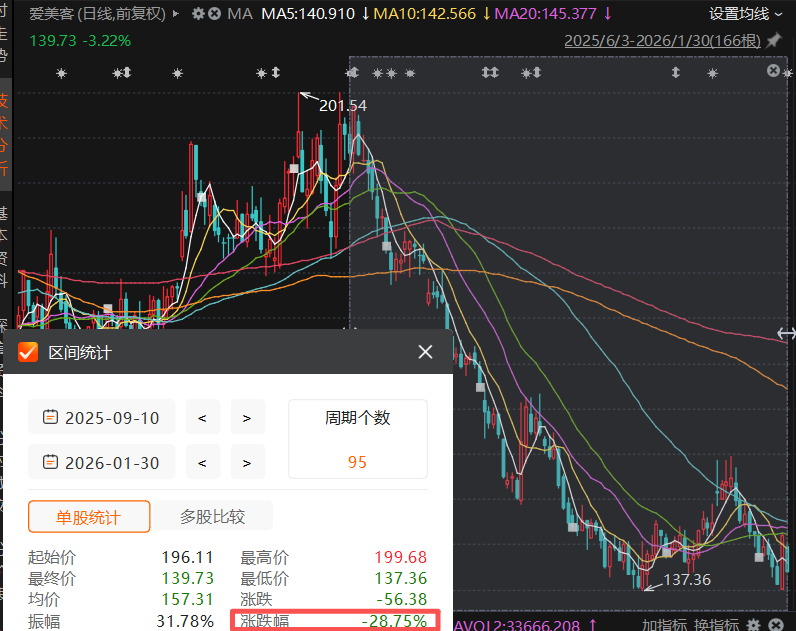
Core Viewpoint - The recent arbitration decision allows REGEN, a subsidiary of Aimeike, to sell AestheFill products in mainland China, but this is not a final ruling, and the ongoing dispute over distribution rights remains uncertain [2][8][20]. Group 1: Arbitration and Market Impact - Aimeike's subsidiary REGEN received a procedural decision from the Shenzhen International Arbitration Court, lifting a temporary measure that previously restricted its sales of AestheFill products in mainland China [2][8]. - Since the initial temporary measure was imposed on September 10, 2025, Aimeike's stock price has dropped nearly 30% [3]. - The arbitration dispute began after Aimeike acquired 85% of REGEN for $190 million in March 2025, leading to REGEN unilaterally terminating its exclusive distribution agreement with Dato Medical [6][8]. Group 2: Business Performance - Aimeike has faced a decline in revenue and profit for four consecutive quarters, with Q1-Q3 2025 revenues of 663 million, 636 million, and 566 million yuan, representing year-on-year declines of 17.90%, 25.11%, and 21.27% respectively [11]. - The decline in revenue is attributed to a weakened consumer confidence due to macroeconomic conditions and increased competition in the medical aesthetics industry [14][15]. - Aimeike's main revenue sources, solution and gel injection products, saw significant revenue drops, with total income from these products falling from 9.76 billion yuan in 2024 to 7.44 billion yuan in 2025 [15][16]. Group 3: Future Outlook - The AestheFill product, despite its potential, is expected to contribute only around 300 million yuan in annual sales, which may not significantly offset the revenue decline from Aimeike's core products [17]. - The competitive landscape for botulinum toxin products is also challenging, with established players dominating the market, making it difficult for Aimeike to gain market share with newly approved products [18]. - Overall, Aimeike is likely to continue facing significant performance pressures into 2026, despite the short-term positive impact of the arbitration decision [19][20].
仲裁利好下,爱美客也难“翻身”
Hu Xiu· 2026-01-31 09:16
Core Viewpoint - The arbitration decision to lift the temporary sales restriction on AestheFill products by REGEN, a subsidiary of Aimeike, is seen as a short-term positive development, but the underlying dispute over distribution rights remains unresolved, indicating potential volatility in the company's stock performance [1][4][14]. Group 1: Arbitration and Sales Rights - REGEN received a decision from the Shenzhen International Arbitration Court on January 29, 2025, which lifted a temporary measure that prohibited the sale of AestheFill products in mainland China [1]. - The temporary measure was initially imposed following REGEN's unilateral termination of its exclusive distribution agreement with Dato Medical, which claimed that Dato had transferred its distribution rights to a related party, violating the agreement [3][4]. - The arbitration decision is procedural and not a final ruling, meaning the dispute over the legality of REGEN's termination of the distribution rights is still ongoing [4]. Group 2: Financial Performance - Aimeike has experienced a decline in both revenue and profit for four consecutive quarters, with Q1-Q3 2025 revenues reported at 663 million, 636 million, and 566 million yuan, reflecting year-on-year decreases of 17.90%, 25.11%, and 21.27% respectively [5][6]. - The company's core products, including solution and gel injection products, saw significant revenue drops, with total income from these categories falling from 9.76 billion yuan in 2024 to 7.44 billion yuan in 2025 for solution products, and from 6.49 billion yuan to 4.93 billion yuan for gel products [9][10]. - The competitive landscape has intensified, with new entrants in the aesthetic medicine market impacting Aimeike's profit margins and market share [8][9]. Group 3: Future Outlook - The introduction of AestheFill is expected to provide some revenue support, but its annual sales of approximately 300 million yuan may not be sufficient to offset the significant revenue declines from Aimeike's core products [10][11]. - The company faces challenges in gaining market share for newly approved products, such as botulinum toxin, due to established competitors dominating the market [12][13]. - Overall, Aimeike is likely to continue facing substantial performance pressures into 2026, with the recent arbitration decision providing only a temporary boost [14].
从“宣战”到“同盟”:新氧与锦波们的“大和解”
Hua Er Jie Jian Wen· 2026-01-31 07:13
Core Viewpoint - The article discusses the significant shift in the medical aesthetics industry, highlighting the transition from conflict to collaboration between companies like Jinjing Biological and platforms like New Oxygen, reflecting changes in market dynamics and pricing power [1][3][5]. Group 1: Industry Dynamics - In 2024, Jinjing Biological publicly criticized New Oxygen for low-price promotions of its core product, Wei Yimei, indicating a struggle to maintain pricing power [1][4]. - New Oxygen has transformed from a platform to a physical clinic model, establishing 50 stores across 16 cities, which enhances its bargaining power with upstream manufacturers [3][11]. - The monopoly of Jinjing Biological in the collagen product market has been disrupted by competitors like Juzhi Biological and Chuangjian Biological, leading to a loss of pricing authority for upstream manufacturers [3][10]. Group 2: Strategic Alliances - The formation of the "Youth Selection Alliance" by New Oxygen and 14 upstream manufacturers, including Jinjing Biological, marks a shift towards collaboration in areas like pricing and product traceability [2][5]. - Jinjing Biological's previous confrontations with platforms like Meituan have also turned into strategic partnerships, indicating a broader trend of upstream manufacturers adapting to market realities [7][10]. Group 3: Evolving Business Models - The article outlines three emerging strategies for upstream manufacturers in response to shifting market dynamics: 1. The rise of the ODM model, where companies like Xihong Biological provide products without interfering with downstream pricing [14]. 2. Maintaining product scarcity through innovation or acquisitions to capture market share during competitive gaps [15]. 3. Expanding internationally to seek new growth opportunities, as seen with companies like Aimeike and Binhai Medical [15][16]. Group 4: Market Trends - The medical aesthetics market is experiencing a significant increase in product offerings, with over 50 new medical device approvals in 2025, leading to intensified competition [11]. - The shift in pricing power from manufacturers to distribution channels reflects a broader trend of market "demystification" and value reassessment in the medical aesthetics sector [16].

拒绝上游指导价之后,新氧低价从何而来
经济观察报· 2026-01-31 04:01
Core Viewpoint - The medical beauty industry is experiencing a shift from supply scarcity to abundance, allowing institutions to negotiate better prices and providing more options for consumers [2][3][9]. Group 1: Market Dynamics - New Oxygen's "Miracle Youth" project has seen continuous sales growth for three months since its launch, despite pricing disputes with upstream suppliers [2]. - The price of "Miracle Youth" products is significantly lower than the manufacturer's suggested retail price, with some products priced at 60% less than the official price [2][5]. - The increase in the number of products available in the market has provided institutions with more choices, reducing reliance on single suppliers [3][9]. Group 2: Competitive Landscape - The market for "Miracle Youth" products, specifically the PLLA facial filler, has seen multiple companies approved for production, increasing competition [5]. - New Oxygen's pricing strategy has led to conflicts with suppliers, who are concerned about the disruption of established pricing structures [6]. - The number of approved products in the PLLA category is expected to grow, with 11 products already approved and nearly 20 more in the pipeline [9]. Group 3: Business Strategy - New Oxygen aims to leverage its scale by expanding its number of clinics and increasing treatment volumes, which enhances its negotiating power with suppliers [6][7]. - The company plans to open at least 35 new clinics by 2026, with a target of increasing the number of doctors and nursing staff significantly [7]. - Despite ongoing losses due to expansion, New Oxygen's strategy focuses on achieving profitability by optimizing operations and offering a wider range of products at different price points [11].

爱美客:控股子公司REGEN仲裁迎新进展 临时措施决定被撤销
Zhong Guo Zheng Quan Bao· 2026-01-30 14:08
Core Viewpoint - The arbitration case involving REGEN, a subsidiary of Aimeike, has seen a significant development with the Shenzhen International Arbitration Court revoking a previous emergency measure that restricted REGEN's operations regarding the AestheFill product in China [1][2] Group 1: Arbitration Developments - On January 29, REGEN received a decision from the Shenzhen International Arbitration Court that revoked the emergency measures imposed on September 10, 2025, which had restricted REGEN from selling AestheFill products in China and recognized Dato Company as the exclusive distributor [1] - The emergency measures had previously mandated that REGEN could not deny Dato Company's exclusive distribution rights and was required to continue supplying products as per the agreement [1] Group 2: REGEN's Counterclaims - REGEN's counterclaims in the arbitration include requests to terminate Dato Company's exclusive agency rights for AestheFill products in mainland China, to annul the related distribution agreements, and to seek compensation for reasonable expenses incurred during the arbitration process [2] - REGEN asserts that Dato Company has committed serious breaches of contract, justifying the termination of the exclusive agency rights and the annulment of the agreements [2] Group 3: Ongoing Legal Proceedings - The arbitration case is still under review, and the impact on Aimeike's current and future profits remains uncertain, contingent on the final arbitration or enforcement results [2] - REGEN has engaged a professional legal team to actively address the arbitration case and will closely monitor its progress [2]
爱美客:公司经销的肉毒毒素产品最近取得药品注册证书,公司正在制定相关的销售策略
Mei Ri Jing Ji Xin Wen· 2026-01-30 13:20
每经AI快讯,爱美客(300896.SZ)1月30日在投资者互动平台表示,公司经销的肉毒毒素产品最近取得 药品注册证书,公司正在制定相关的销售策略,关于产品销售情况敬请关注公司公告。 (文章来源:每日经济新闻) ...
拒绝上游指导价之后,新氧低价从何而来
Jing Ji Guan Cha Wang· 2026-01-30 13:18
Core Viewpoint - New Oxygen Group is successfully transitioning from an online medical beauty platform to a chain of offline medical beauty clinics, with its flagship product, the Miracle Youth Needle, showing significant sales growth despite pricing disputes with upstream suppliers [2][5]. Group 1: Business Model and Pricing Strategy - New Oxygen's business model focuses on large-scale procurement and low-margin sales, allowing it to offer prices significantly below manufacturer guidance, such as 5,999 yuan for a product with a manufacturer price of 16,800 yuan [2][4]. - The company has expanded its clinic presence to 50 locations across 16 cities, leveraging its scale to negotiate better prices with suppliers [3][6]. - The Miracle Youth Needle series has seen treatment volumes exceed 8,600 by December 2025, a threefold increase since September [5]. Group 2: Market Dynamics and Supplier Relations - The medical beauty industry is shifting from a supply-scarce to a supply-abundant phase, providing institutions with more options and negotiating power against suppliers [3][8]. - New Oxygen's pricing strategy has led to tensions with suppliers, who are concerned about the disruption of established pricing structures [5][6]. - The company maintains that its low prices do not come at the expense of upstream profits, as it aims for mutually beneficial relationships with suppliers [6][9]. Group 3: Future Plans and Financial Goals - New Oxygen plans to open at least 35 new clinics in 2026, with an increase in medical staff to 500 doctors and 1,000 nursing personnel by the end of the year [7]. - The company aims to achieve overall profitability by 2026 through improved operational efficiency and a diversified product offering [9][10]. - Despite ongoing losses due to expansion, New Oxygen is focused on optimizing its business model to enhance gross margins while continuing to provide competitive pricing [9].

爱美客披露AestheFill产品代理权纠纷新进展
Zheng Quan Ri Bao Zhi Sheng· 2026-01-30 12:43
Core Viewpoint - The arbitration decision by the Shenzhen International Arbitration Court has lifted the sales restrictions on AestheFill products for REGEN Biotech, Inc., a subsidiary of Aimeike, thereby facilitating the company's market expansion in China [1][2]. Group 1: Arbitration Decision - REGEN Biotech received a decision from the Shenzhen International Arbitration Court on January 29, which revoked a previous temporary measure that restricted its ability to sell AestheFill products in China [1]. - The decision confirms that REGEN's subsidiary, LIZHEN (Xiamen) Aesthetic Medical Technology Co., Ltd., retains the sales rights for AestheFill products in mainland China [2]. Group 2: Strategic Implications - The revocation of the temporary measures not only protects Aimeike's rights to sell AestheFill products in China but also accelerates the product's market deployment [2]. - Aimeike demonstrates a strategic capability of operating within legal frameworks while expanding its market presence, which is crucial for maintaining shareholder interests [2]. Group 3: Product and Market Development - Aimeike has established a robust sales network in the Chinese medical aesthetics market, which will enhance the product matrix and channel synergy with the introduction of AestheFill [3]. - The AestheFill and PowerFill products have accumulated years of international safety and efficacy data, providing a platform for Aimeike's international market expansion [3]. Group 4: Industry Trends - As the Chinese medical aesthetics market transitions to high-quality and standardized development, companies with comprehensive product matrices and strong R&D capabilities will continue to enjoy structural advantages [4]. - The recent legal victory for Aimeike underscores the importance of compliance in ensuring sustainable development within the increasingly regulated medical aesthetics industry [4].
从卖方到买方市场,医美行业迈入成熟竞争新阶段
2 1 Shi Ji Jing Ji Bao Dao· 2026-01-30 11:34
Core Insights - The domestic medical beauty industry is undergoing a structural transformation in 2025, shifting from a "seller's market" to a "buyer's market" due to an increase in the supply of upstream products [1] - The approval of 52 new Class III medical device registrations in 2025 indicates a significant change in the supply-demand relationship within the industry [1] - Upstream manufacturers are compelled to adjust their competitive strategies, focusing on technological innovation, product iteration speed, and commercialization capabilities [1][4] Upstream Manufacturers - The competition among upstream manufacturers is intensifying as the medical beauty market continues to expand and diversify, with the industry size surpassing 300 billion yuan [3] - The light medical beauty market is expected to grow at a compound annual growth rate of over 20% in the next five years, becoming the mainstream segment [3] - Hyaluronic acid, botulinum toxin, collagen, and regenerative materials are projected to dominate the injection materials market in 2024, with respective market shares of 36%, 29%, 19%, and 16% [3] Product Supply Expansion - In 2025, 25 new Class III medical device registrations for hyaluronic acid products were approved, alongside approvals for collagen products, youth needles, and new materials like agarose and calcium phosphate [4] - Manufacturers are shifting from a "follow the trend" model to focusing on product innovation and expanding new indications, particularly in women's health-related aesthetics [4][5] Competitive Landscape - The competition is expected to transition from merely obtaining licenses to a focus on core technology, research efficiency, and understanding end-user needs [5] - The relationship between upstream manufacturers and downstream medical beauty institutions is evolving into a mutually beneficial partnership rather than a zero-sum game [6] Downstream Institutions - The approval of 52 new Class III medical device registrations has provided downstream institutions with greater product selection and negotiating power with upstream manufacturers [6] - New Oxygen's introduction of competitively priced products has sparked controversy among upstream manufacturers, highlighting the ongoing price competition in the market [6] Market Dynamics - Public hospitals are increasingly entering the medical beauty sector, with 203 hospitals opening or establishing medical beauty departments in 2025, a 229% increase from the previous year [8] - Major internet platforms like Meituan and Tmall are leveraging their traffic advantages to enhance the medical beauty sector, intensifying market competition [8] - The future of the medical beauty industry is expected to be characterized by a diverse and competitive landscape, where trust and professional credibility are crucial for consumer acceptance [8]