iQOO

Search documents
手机厂商的“芯事”:新款集体涨价数百元,高价内存拦路
Bei Ke Cai Jing· 2025-10-31 03:24
Core Viewpoint - The smartphone market is experiencing a price increase due to rising upstream costs, particularly in memory components, which has led to significant price hikes for new models from various manufacturers [3][8][9]. Group 1: Price Increases in Smartphones - Multiple new smartphone models have been released with starting prices higher than their predecessors, with the Redmi K90 starting at 2599 yuan, an increase of 300-600 yuan compared to the K80 [3][7]. - Other brands like Realme, iQOO, and OPPO have also raised prices by 200-300 yuan for their new models [3][9]. - Xiaomi's president acknowledged that the price increases are a direct result of rising storage costs, which have exceeded expectations and are expected to continue rising [3][8]. Group 2: Memory Chip Price Surge - The price of LPDDR4X memory chips has surged dramatically, with reports indicating prices have increased from 20 dollars to over 50 dollars in a short period [4][14]. - The increase in memory prices is attributed to a shift in production capacity towards higher-value products driven by AI demand, impacting the availability of lower-end memory products [16][22]. - The overall price increase for memory chips has affected the pricing strategies of smartphone manufacturers, particularly in the mid-range segment [5][10]. Group 3: Market Dynamics and Consumer Impact - The price hikes are expected to lead to a segmentation in consumer spending, particularly affecting the 3000-4000 yuan price range, where demand may shrink due to the lack of supportive policies [5][28]. - High-end users are less likely to be affected by price increases as long as the products remain attractive [27]. - The shift in memory pricing and availability is likely to influence the entire lifecycle pricing strategies of new smartphone models, including promotional pricing during sales events [10][24].


iQOO Neo11发布:搭载骁龙8至尊版与自研电竞芯片Q2,首销售价2599元起
Xin Lang Ke Ji· 2025-10-31 01:53
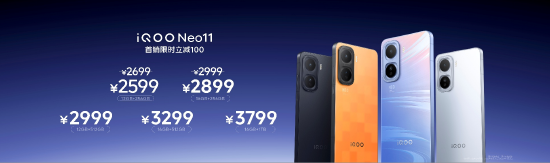
Core Viewpoint - iQOO Neo11 has been officially launched and is available for sale, featuring a starting price of 2599 yuan and equipped with advanced gaming technology and specifications [1]. Group 1: Product Specifications - iQOO Neo11 is powered by the Snapdragon 8 Gen 2 and a self-developed gaming chip Q2, forming a "flagship gaming dual-core" system [3]. - The device includes LPDDR5X Ultra (9600) and UFS 4.1, offering enhanced performance with features like 1% Low frame performance and native 144FPS support for over 40 mobile games [3]. - It features a 7500mAh ultra-thin battery with second-generation semi-solid-state technology and fourth-generation silicon anode technology, supporting 100W fast charging [4]. - The display is a 2K 144Hz screen with a peak brightness of 4500 nits, developed in collaboration with BOE, and includes smart dynamic refresh technology [4]. Group 2: Camera and Software Features - The rear camera boasts a 50MP Sony ultra-stabilized main sensor, enhanced by flagship-level algorithms and various filter options [4]. - iQOO Neo11 runs on OriginOS 6.0, featuring new atomic motion effects and upgraded AI experiences, along with cross-ecosystem capabilities [4]. Group 3: Pricing and Variants - iQOO Neo11 is available in five versions, with prices ranging from 2599 yuan for the 12GB+256GB variant to 3799 yuan for the 16GB+1TB version [5].
手机厂商双十一高端竞速:元器件涨价下的定位抉择
2 1 Shi Ji Jing Ji Bao Dao· 2025-10-30 13:29
Core Insights - The high-end smartphone competition among domestic manufacturers has intensified during the Double Eleven sales period, with price increases observed in flagship models due to rising component costs [1][3][4] - Consumer subsidies that previously boosted smartphone sales have weakened, leading to a focus on product quality and brand strength in the current market environment [2][7] - The overall smartphone market in China is facing significant competitive pressure, with a decline in shipments noted in recent quarters [7][8] Group 1: Market Dynamics - The rising prices of components, particularly storage, have led to flagship models seeing price increases of over a hundred yuan compared to previous generations [3][6] - Companies like Xiaomi and iQOO have acknowledged the impact of rising storage costs on pricing strategies, with Xiaomi adjusting the price of its Redmi K90 series [3][4] - The high-end smartphone market is projected to continue growing, with Chinese brands aiming to capture a larger share by offering high-quality flagship products [5][6] Group 2: Product Strategy - Manufacturers are focusing on enhancing product features and user experience to attract consumers, with a notable shift towards high-end models during the Double Eleven sales [4][10] - Companies are investing in research and development, including collaborations with imaging technology firms like Ricoh GR, to improve product offerings [9][10] - The trend of developing independent or self-researched chips is gaining traction, as companies seek to differentiate their products through enhanced performance and user experience [10] Group 3: Competitive Landscape - The competition is shifting from price wars to a deeper focus on product capabilities, technology development, and understanding consumer needs [10][11] - Brands are exploring niche markets, such as gaming and imaging, to find growth opportunities amid a challenging overall market [8][10] - The balance between cost management and user experience will be crucial for brands to maintain competitive advantage in the future [11]
iQOO Neo11发布 搭载汇顶科技多个方案
Zheng Quan Shi Bao Wang· 2025-10-30 13:21
Core Viewpoint - iQOO Neo11 has been officially launched, featuring advanced technology aimed at enhancing gaming performance and user experience [1] Group 1: Product Features - The device is powered by the Snapdragon 8 Gen 2 and a self-developed gaming chip Q2, referred to as "flagship gaming dual-core" [1] - It includes a 2K 144Hz display known as the "Everest screen" and a VC liquid cooling solution for improved thermal management [1] Group 2: Partnerships and Technology - Industry insiders indicate that Goodix Technology is providing a new generation of ultrasonic fingerprint recognition solutions and smart audio amplifiers for the iQOO Neo11 [1]

内存价格,失控狂飙
猿大侠· 2025-10-30 04:40
Core Viewpoint - The article discusses the impact of the "super cycle" in memory prices, particularly DRAM and NAND Flash, on the Chinese smartphone supply chain, highlighting significant cost pressures and potential delays in product delivery [1]. Group 1: Memory Price Trends - DRAM and NAND Flash prices are continuously rising, affecting the supply chain of Chinese smartphones [1]. - The delivery period for key memory types like LPDDR5X has extended to 26-39 weeks, with potential delays in order fulfillment until mid-2026 [1]. - Major memory suppliers, including Samsung, SK Hynix, and Micron, plan to increase prices further in Q4, with potential hikes of up to 30% [5]. Group 2: Impact on Smartphone Manufacturers - Media reports indicate that companies like Xiaomi are directly adjusting product pricing due to soaring memory costs, with the Redmi K90 series seeing price increases of 300 to 600 yuan compared to previous models [2][5]. - Xiaomi's founder, Lei Jun, acknowledged the "outrageous" rise in memory prices, which has forced the company to raise prices beyond its control [3]. - Other domestic brands, such as vivo and OPPO, have also raised prices for their models in response to increased memory costs [5]. Group 3: Financial Performance of MediaTek - MediaTek's financial performance shows a slight decline in gross margin and operating profit margin in Q4 2024, with expectations of profit pressure from rising memory and wafer foundry costs starting in Q4 2025 [2]. - The gross margin for MediaTek is projected to be 48.54% in Q4 2024, down from 48.82% in Q3 2024 [2].

一天连发两款旗舰 手机大厂争夺“游戏一代”
Guo Ji Jin Rong Bao· 2025-10-28 20:08
Core Insights - OnePlus has launched two flagship models, OnePlus 15 and OnePlus Ace 6, on October 27, marking a strategic shift in pricing with OnePlus 15 starting at 3999 yuan, down from 4499 yuan for OnePlus 13, while Ace 6 starts at 2599 yuan, up from 2299 yuan for Ace 5 [1][4] Group 1: Product Launch and Market Positioning - The launch of both flagship models simultaneously is a rare occurrence in the smartphone industry, aligning with market demand and technological readiness [1][2] - OnePlus has reported a sales growth of 36.7% in 2025, with expectations to reach nearly 50% by year-end, particularly among users under 24, whose numbers have increased by 106% year-on-year [1][2] - The focus on gaming performance is highlighted by the introduction of a 165Hz refresh rate, which is a significant advancement over the previous 120Hz standard [1][2] Group 2: Competitive Landscape - The smartphone market is currently experiencing a contraction, with IDC reporting a 0.6% year-on-year decline in shipments for Q3 2025, and Omdia noting a 3% drop in sales [4] - The competitive environment is intensifying, with major brands like Apple, Xiaomi, and Vivo also launching new models around the same time [4] Group 3: Strategic Direction and Future Plans - OnePlus aims to continue focusing on high-performance and gaming-centric products, with plans to explore other product categories while maintaining its core user base [4][6] - The company has integrated closely with OPPO, leveraging its extensive retail network to enhance customer experience and support [6] - OnePlus is committed to making advanced technologies like the 165Hz refresh rate accessible to a broader audience, emphasizing user experience over immediate financial considerations [6]
一天连发两款旗舰,手机大厂争夺“游戏一代”
Guo Ji Jin Rong Bao· 2025-10-28 14:37
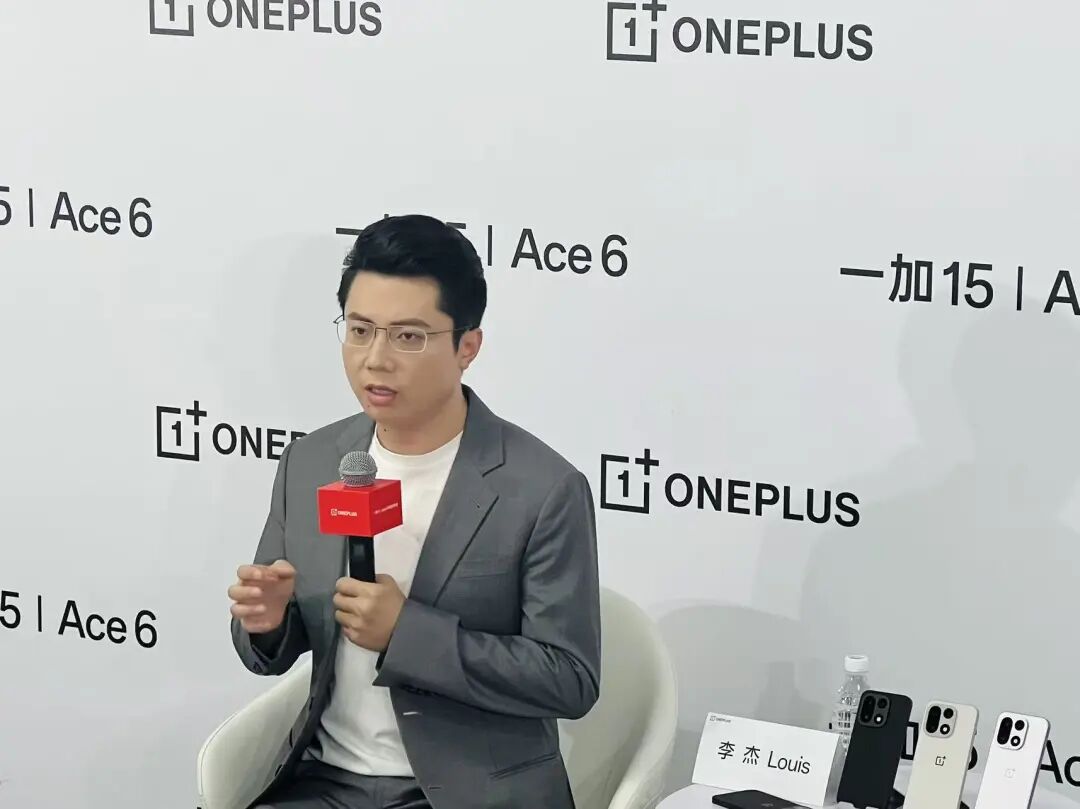
Core Insights - OnePlus has launched two flagship models, OnePlus 15 and OnePlus Ace 6, with starting prices of 3999 yuan and 2599 yuan respectively, marking a strategic price shift compared to previous models [1][2] - The company reported a 36.7% sales growth in 2025, with expectations to reach nearly 50% by year-end, and a 106% increase in users under 24 years old [1][2] - The introduction of a 165Hz refresh rate is a significant advancement in gaming performance, enhancing display speed by 27% and reducing response time by 10 milliseconds [2] Product Launch and Market Positioning - The dual flagship launch aligns with the chip release cycle and market peak buying season, driven by technological maturity and user demand [2] - OnePlus is focusing on young users with a strong preference for gaming, optimizing product design and software to meet their needs [2][3] - The competitive landscape in the smartphone market is intensifying, with major brands like Apple, Xiaomi, and others releasing new models simultaneously [3] Company Background and Strategy - OnePlus, founded in 2013, has evolved from a newcomer to a significant player in the smartphone industry, now operating under OPPO's umbrella since 2021 [4][5] - The company aims to provide a consistent high-quality experience across all sales channels, leveraging OPPO's extensive retail network [5] - OnePlus is committed to making advanced technologies like the 165Hz refresh rate accessible to a broader audience, focusing on user experience over immediate financial returns [5]
iQOO罗锋:选择屏幕供应商,不是以国产或国际角度思考
Guan Cha Zhe Wang· 2025-10-24 14:16
Core Insights - iQOO has launched its new flagship iQOO 15 series, claiming it to be a generational leap in technology, with sales exceeding the previous generation's first-day total within just 30 minutes of release [1] Product Features - The iQOO 15 features the world's first 2K LEAD OLED screen and M14 luminescent materials, emphasizing advancements in clarity, brightness, color, eye protection, power consumption, lifespan, and touch response [2] - The product aims to enhance gaming experiences by improving graphical processing capabilities, addressing user demands for better visual quality in mobile gaming [3] - The device is equipped with the fifth-generation Snapdragon 8 Supreme processor, self-developed gaming chip Q3, 2K Samsung screen, and advanced camera technology, supporting features like full-scene ray tracing and 144FPS lossless frame rate [4] Market Positioning - iQOO's strategy focuses on long-term development rather than immediate results, aiming to serve users consistently despite competitive pressures [3] - The company has a strong partnership with the popular game "Honor of Kings," having been the official device for the game for several years, which has influenced its product development [3] Pricing and Availability - The iQOO 15 is priced starting at 4,199 yuan for the base model (12GB+256GB) and goes up to 5,499 yuan for the highest configuration (16GB+1TB), with a special edition also priced at 5,499 yuan [4]
存储芯片等价格上涨 中高端手机“涨”声一片
Zheng Quan Shi Bao Wang· 2025-10-24 12:24
Core Insights - The recent price increases in mid-to-high-end smartphones are primarily driven by rising costs of key components such as processors and storage chips, as well as enhanced configurations in flagship models [1][3] - Industry experts predict that flagship model prices will continue to rise in the future due to ongoing cost pressures [1][2] Price Increases - Vivo's new flagship model, the Vivo X300, has a starting price of 4399 yuan, which is an increase of 100 yuan from the previous generation X200 [1] - The Realme GT8 series has seen price increases ranging from 300 to 500 yuan compared to its predecessor [1] - OPPO's Find X9 also has a starting price of 4399 yuan, up by 200 yuan from the X8 model [1] Component Costs - The latest flagship chips from MediaTek and Qualcomm have seen price increases of 16% to 24% due to the adoption of TSMC's latest N3P process [2] - The Vivo X300 series features the Dimensity 9500 flagship platform and a self-developed imaging chip, indicating a significant upgrade in performance and imaging capabilities [2] - The Realme GT8 Pro is equipped with the Snapdragon 8 Elite Gen 5 chip and features a dedicated gaming graphics chip, highlighting the trend of enhanced specifications in new models [2] Market Dynamics - The global storage chip prices have been rising, with Samsung announcing price hikes of 15% to 30% for DRAM and 5% to 10% for NAND flash [3] - The competitive landscape in the domestic smartphone market is intense, with brands facing significant pricing pressure due to rising component costs and enhanced configurations [3][4] - The current price increases are reminiscent of last year's trends, which were also driven by similar factors such as AI advancements and rising component costs [4] Strategic Responses - Companies are exploring various strategies to mitigate the impact of rising costs, including leveraging supply chain advantages and optimizing product offerings [4] - The overall industry is expected to face collective challenges regarding cost increases, affecting pricing strategies throughout the product lifecycle [4]
存储价格狂飙,手机要越来越贵?
Guan Cha Zhe Wang· 2025-10-24 07:21
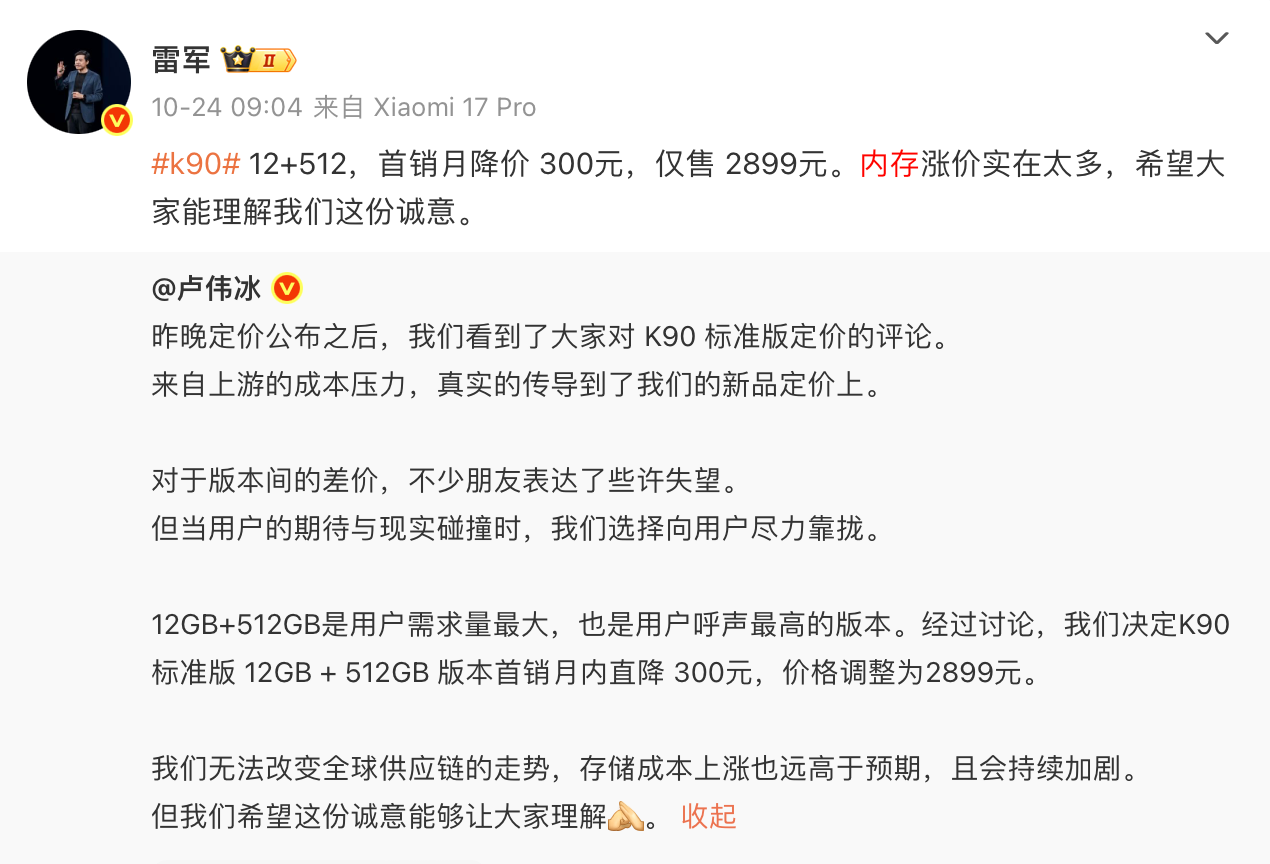
Core Insights - Redmi officially launched its flagship K90 series on October 23, featuring the fifth-generation Snapdragon 8 processor and AI dedicated chip D2, with prices starting at 2599 yuan, reflecting a price increase of 100 to 500 yuan compared to the previous generation [1] - The price gap between different storage versions has widened, with the 12GB+512GB version priced 600 yuan higher than the 12GB+256GB version, compared to a 400 yuan difference in the previous generation [1] - Xiaomi's president, Lu Weibing, attributed the price increases to upstream cost pressures, particularly rising storage costs, which are expected to continue escalating [1][3] Pricing Strategy - The K90 standard version's price was adjusted down by 300 yuan to 2899 yuan during the first month of sales to address customer dissatisfaction regarding the price differences between storage versions [1] - Other smartphone brands have also raised prices for their flagship and mid-range products, with increases ranging from 100 to 500 yuan across various models [5] Market Dynamics - The price of DRAM chips has surged by 171.8% year-on-year in Q3 2023, driven by increased demand from AI infrastructure investments and supply constraints [3][4] - Major manufacturers like Samsung have notified clients of expected price increases for DRAM and NAND flash memory in Q4 2023, with anticipated hikes of 15% to 30% for DRAM and 5% to 10% for NAND [3] Industry Trends - The global storage chip industry is entering a "super cycle," characterized by tight supply and increased procurement by device manufacturers, leading to significant price hikes for memory products [4][10] - The transition of major manufacturers towards high-end memory products, such as HBM and DDR5, is reshaping the market landscape, with a notable reduction in DDR4 production capacity expected by 2026 [4] Cost Pressures - The rising costs of key components, including processors and screens, are impacting the pricing strategies of smartphone manufacturers, with flagship processors experiencing price increases of 16% to 24% [8] - The overall cost pressures are expected to affect the sales lifecycle of new products, limiting the potential for price reductions during promotional periods [7][10]