
翔宇医疗

Search documents
三大指数集体收涨,1月21日有25位基金经理发生任职变动
Sou Hu Cai Jing· 2026-01-21 08:00
Market Performance - On January 21, the three major A-share indices collectively rose, with the Shanghai Composite Index increasing by 0.08% to 4116.94 points, the Shenzhen Component Index rising by 0.7% to 14255.13 points, and the ChiNext Index up by 0.54% to 3295.52 points [1] Fund Manager Changes - On January 21, there were 25 fund manager changes, with 23 fund products announcing departures of fund managers, involving 11 managers. In the past 30 days (December 22 to January 21), 587 fund products experienced manager changes [3] - The reasons for the changes included 9 managers leaving due to job changes and 2 due to product expiration [3] New Fund Managers - On January 21, 32 fund products announced new fund manager appointments, involving 14 managers. Notably, Xu Chengcheng from Industrial Bank has managed funds totaling 2.169 billion yuan, with the highest return of 758.05% from the Guotai Guozheng Food and Beverage Industry Fund [5] Fund Research Activity - In the past month (December 22 to January 21), Huaxia Fund conducted the most company research, engaging with 54 listed companies, followed by Bosera Fund with 45 and Southern Fund with 39 [6][7] - The automotive parts industry was the most researched sector, with 173 instances, followed by the chemical products industry with 149 [6][7] Recent Company Focus - In the last week (January 14 to January 21), the most researched company was Naipu Mining, with 41 fund institutions participating in the research. Other notable companies included Tiancheng Technology and Dike Co., with 36 and 31 fund institutions respectively [8][9]





AI加速制药全产业链革新,科创医药ETF嘉实(588700)聚焦科创板生物医药板块机遇
Xin Lang Cai Jing· 2026-01-21 06:12
Group 1 - The core viewpoint of the news highlights the growth of the biomedical sector in China's STAR Market, with the STAR Market Biomedical Index rising by 0.29% and specific stocks like Tianzhihang increasing by 14.64% [1] - The National Healthcare Security Administration has released a guideline for pricing surgical and treatment auxiliary medical services, establishing a fee framework for innovative technologies such as surgical robots and remote surgeries, promoting a coefficient-based charging model linked to robotic assistance [1] - Guohai Securities points out that artificial intelligence is accelerating the empowerment of the entire pharmaceutical industry chain, with NVIDIA and Eli Lilly announcing a joint AI innovation lab, investing up to $1 billion over five years to explore AI applications in drug discovery, development, and manufacturing [1] Group 2 - As of December 31, 2025, the top ten weighted stocks in the STAR Market Biomedical Index include companies like United Imaging Healthcare and BeiGene, collectively accounting for 48.85% of the index [1] - The STAR Market Medical ETF by Harvest (588700) closely tracks the STAR Market Biomedical Index, providing an easy investment opportunity in the biomedical sector for investors without stock accounts through the Harvest Medical ETF linked fund (021061) [2]
再迎支持政策,手术机器人价格立项落地!医疗设备ETF大成(516610)早盘涨近2%,助力把握“人工智能+”医疗向上行情
Xin Lang Cai Jing· 2026-01-21 04:52
Core Viewpoint - The recent release of the "Guidelines for the Pricing of Surgical and Treatment Auxiliary Medical Services" by the National Healthcare Security Administration is expected to drive the clinical adoption of surgical robots and other innovative technologies, enhancing the demand for terminal equipment and surgical assistance [1][2]. Group 1: Market Performance - The medical device ETF, Dachen (516610), saw a nearly 2% increase, with a trading volume expanding significantly, tracking the CSI All-Share Healthcare Equipment and Services Index (H30178), which rose by 1.11% [1]. - Key component stocks such as Tianzhihang, Dian Diagnostics, and Shuoshi Bio experienced substantial gains, with increases of 11.76%, 9.54%, and 8.64% respectively [1]. Group 2: Policy Impact - The new guidelines categorize surgical robot assistance into three levels: navigation, participation, and precise execution, and introduce a separate fee for "remote surgical assistance," aimed at enhancing the distribution of quality clinical resources to grassroots levels [1]. - The implementation of these guidelines is expected to standardize the establishment and pricing of surgical robots across provinces, promoting the clinical popularization of innovative technologies [2]. Group 3: Industry Trends - The "AI+" initiative is driving revolutionary developments in the medical industry, with applications in brain-computer interfaces and surgical robots gaining traction [1][2]. - The collaboration between NVIDIA and Eli Lilly to invest up to $1 billion in an AI joint innovation lab signifies a shift towards data and algorithm-driven drug development, enhancing efficiency and reducing risks in the pharmaceutical industry [2]. Group 4: ETF Composition - The Dachen medical device ETF focuses on leading companies in the medical device sector, with approximately 82% weight in medical devices and nearly 40% in "AI+" medical applications [3]. - The ETF has a significant allocation to brain-computer interface (BMI) stocks, covering a complete industry chain from neural regulation to surgical instruments and genetic testing, positioning it favorably in the market [3].

全链条布局领跑新赛道!翔宇医疗董事长何永正:“脑机接口+”重塑康复新生态
Zhong Guo Zheng Quan Bao· 2026-01-21 04:44
Core Viewpoint - The rehabilitation industry is viewed as a "golden track" with significant growth potential, driven by brain-computer interface (BCI) technology, which is expected to reshape the industry landscape [1] Group 1: Technological Innovation - The company focuses on three cutting-edge areas: brain-computer interfaces, rehabilitation robots, and AI medical technology, with BCI technology accelerating commercialization [2] - A comprehensive product matrix for rehabilitation robots has been established, with plans to launch 5-6 new products by 2026, including various specialized robots [2][4] - The company has initiated a brain science laboratory and developed five technical platforms to enhance its BCI technology, achieving compatibility between EEG devices and rehabilitation equipment [4] Group 2: Research and Development Investment - The company plans to maintain R&D investment at over 20% of revenue for the next 3-5 years, with more than 30% allocated to frontier technology research [5] - In the first three quarters of 2025, R&D investment reached approximately 49.09 million yuan, a year-on-year increase of 27.67%, accounting for 27.58% of quarterly revenue [5] Group 3: Market Transformation - The company has partnered with over 600 leading hospitals to establish BCI rehabilitation treatment and clinical research centers, enhancing treatment precision and effectiveness [6] - The company is transitioning from passive to active rehabilitation models, leveraging BCI technology to empower various rehabilitation products [6] Group 4: International Expansion - The company is accelerating its international market strategy, with overseas sales expected to double in 2024 compared to 2023, aiming for international revenue to account for over 30% by 2030 [7] - The company is pursuing compliance certifications such as EU CE and US FDA to facilitate international market entry and is exploring partnerships and acquisitions to enhance its global presence [7] Group 5: Ecosystem Development - The company is focused on building a comprehensive rehabilitation ecosystem, emphasizing the integration of BCI technology into rehabilitation devices, which is seen as essential for future products [8] - The trend towards lightweight, portable, and home-based rehabilitation devices is expected to drive significant growth in the home rehabilitation market [8] Group 6: Industry Integration - The company plans to strengthen its supply chain for core components and aims to execute 3-5 mergers and acquisitions between 2026 and 2030 to integrate high-growth startups [9] - The company targets to establish chain rehabilitation hospitals featuring BCI and rehabilitation robots, with a goal of achieving over 20% of service revenue by 2030 [9]
慢牛下的AI算力与应用
2026-01-21 02:57
Summary of Key Points from Conference Call Records Industry Overview - The AI computing sector is currently experiencing a bottoming phase, with expectations of gradual recovery starting in February and reaching a peak in March and April, with an overall increase potentially exceeding 50% [1][2][6] - AI applications are expected to see short-term adjustments but maintain a positive long-term outlook, with a new wave of growth anticipated during the March earnings release period [1][2][6] Core Insights and Arguments - The decline in annual report forecasts should not be overly concerning, as it reflects strong industry demand rather than a lack of it. For instance, Shenghong Technology's lower forecast was attributed to raw material shortages and capacity constraints [1][4][7] - Current valuations are estimated at 15-20 times for 2026 and 7-10 times for 2027, suggesting that market dips present good buying opportunities [4][15][17] - The domestic computing industry is supported by strong supply and demand dynamics, with significant growth expected this year, particularly in cabinet-level and superpoint solutions [1][5][9] Investment Opportunities - Investors should focus on sectors where AI applications are gaining traction, such as customer service, video, and finance, which have begun to scale up [1][10][19] - Companies with technological barriers and core competitiveness, such as Alibaba and Tencent, are highlighted as potential investment targets due to their strong growth prospects [11][19] - The optical cable industry is experiencing increased demand, with China Telecom planning to procure over 78 million kilometers of new optical cables, indicating a tightening supply-demand relationship [3][22][23] Additional Important Insights - The AI computing sector is expected to see significant growth opportunities in the coming months, particularly in March, with core companies potentially doubling in value [14][18] - The light-asset model of companies like Xuchuang and Xinyi Sheng is expected to outperform heavier asset models due to their ability to increase shipment volumes even during large-scale expansions [16][17] - The optical cable market is projected to continue its upward trend in pricing due to increased demand from AI data center construction, with companies like Hengtong, Zhongtian, and Changfei being well-positioned [3][22][23] Conclusion - The overall sentiment towards the AI computing and application sectors remains optimistic, with significant growth expected in the near future. Investors are encouraged to strategically position themselves in these sectors to capitalize on upcoming opportunities.
翔宇医疗董事长何永正:“脑机接口+”重塑康复新生态 全链条布局领跑新赛道
Zhong Guo Zheng Quan Bao· 2026-01-21 00:28
Core Viewpoint - The rehabilitation industry is viewed as a "golden track" with significant growth potential, driven by brain-computer interface (BCI) technology, which is expected to reshape the industry landscape [1] Group 1: Technological Innovation - The company focuses on three cutting-edge areas: brain-computer interfaces, rehabilitation robots, and AI medical technology, with BCI technology accelerating commercialization [2] - A comprehensive product matrix in rehabilitation robotics has been established, with plans to launch 5-6 medical device registrations by 2026 [2] - The company has initiated a brain science laboratory and developed five technical platforms to enhance BCI technology integration with rehabilitation equipment [3] - Continuous R&D investment is planned to remain above 20% of revenue over the next 3-5 years, with a significant portion allocated to frontier technology research [4] Group 2: Market Transformation - The company has partnered with over 600 leading hospitals to establish BCI rehabilitation treatment and clinical research centers, aiming to create regional treatment benchmarks [5] - The integration of BCI technology into multi-joint exoskeleton robots and various rehabilitation products is expected to enhance treatment precision and effectiveness [6] - A dual strategy of deepening medical institution engagement while expanding into outpatient markets is being implemented, targeting public hospitals, private hospitals, and rehabilitation institutions [6] Group 3: International Expansion - The company is accelerating its international business, with overseas sales expected to double in 2024 compared to 2023, aiming for international revenue to account for over 30% by 2030 [6][7] - Compliance with international certification standards, such as EU CE and US FDA, is being prioritized to facilitate market entry [7] Group 4: Ecosystem Development - The company is focused on building a comprehensive rehabilitation ecosystem, emphasizing the importance of BCI technology in future rehabilitation devices [8] - The trend towards lightweight, portable, and home-based rehabilitation devices is noted, with a vision to integrate rehabilitation equipment into everyday household items [8] Group 5: Industry Integration - Strengthening the supply chain for core components like chips and sensors is a priority, along with plans for mergers and acquisitions to consolidate industry resources [9] - The company aims to establish chain rehabilitation hospitals featuring BCI and rehabilitation robotics, targeting a service revenue contribution of over 20% by 2030 [9]
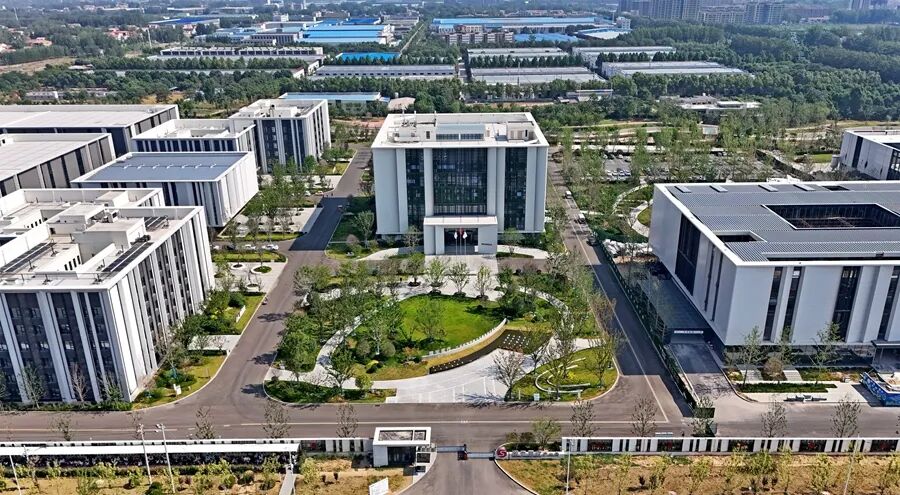
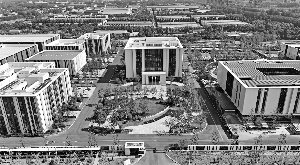
翔宇医疗康复设备产业园 公司供图
Zhong Guo Zheng Quan Bao - Zhong Zheng Wang· 2026-01-20 23:28
Group 1 - The article discusses the current state of the market, highlighting significant fluctuations in stock prices and investor sentiment [1] - It mentions a recent surge in technology stocks, which have outperformed other sectors, contributing to overall market gains [1] - The report indicates that economic indicators, such as unemployment rates and consumer spending, are showing signs of recovery, which may bolster investor confidence [1] Group 2 - The article provides data on quarterly earnings reports from major companies, revealing a mixed performance across different industries [1] - It notes that companies in the healthcare sector have reported strong growth, while those in the retail sector are facing challenges due to supply chain disruptions [1] - The analysis includes projections for future earnings, suggesting that technology and healthcare will continue to lead the market, while retail may struggle in the short term [1]
密集“打卡”热门标的 机构开年积极掘金A股机遇
Zhong Guo Zheng Quan Bao· 2026-01-20 21:55
Core Insights - Since 2026, sectors such as brain-computer interfaces, commercial aerospace, and embodied intelligence have seen structural opportunities in the A-share market, attracting significant institutional interest [1][5] - Despite recent market fluctuations, the long-term investment value in these sectors remains noteworthy due to policy support, industry events, and ongoing technological breakthroughs [5][6] Group 1: Brain-Computer Interfaces - Xiangyu Medical, a leading company in the brain-computer interface sector, has received 208 institutional visits since the beginning of 2026, indicating strong interest [2] - The company is focused on the commercialization of its brain-computer interface products, which are expected to quickly enter rehabilitation scenarios, supported by collaborations with hospitals [2][3] - Analysts believe that 2026 marks a critical year for the commercialization of brain-computer interfaces, with expectations for non-invasive applications to see significant growth [6] Group 2: Commercial Aerospace - Chaojie Co., Ltd. has also garnered attention, receiving nearly 130 institutional visits in a short span, with a focus on its commercial aerospace rocket structure business [3][4] - The company plans to complete its riveting production line by mid-2024, with an annual capacity of 10 rockets, and is prepared to scale production based on demand [4] - The commercial aerospace sector is expected to benefit from policy support and advancements in technology, with a focus on the development of reusable rocket technology [6] Group 3: Embodied Intelligence - Haitan Ruisheng has received 207 institutional visits, showing strong interest in its embodied intelligence data business [3] - The company is optimistic about the growth potential in the embodied intelligence data field and has established a dedicated team to drive this initiative [3]

翔宇医疗董事长何永正: “脑机接口+”重塑康复新生态 全链条布局领跑新赛道
Zhong Guo Zheng Quan Bao· 2026-01-20 21:08
Core Viewpoint - The rehabilitation industry is viewed as a "golden track" with significant growth potential, and brain-computer interface (BCI) technology is emerging as a disruptive force reshaping the industry landscape [1] Group 1: Technological Innovation - The company focuses on three cutting-edge areas: brain-computer interfaces, rehabilitation robots, and AI medical technology, with BCI technology accelerating commercialization [2] - A comprehensive product matrix in rehabilitation robotics has been established, with plans to launch 5-6 medical device registrations by 2026 [2] - The company has initiated a brain science laboratory and developed five technical platforms to enhance BCI technology integration with rehabilitation equipment [3] - Continuous R&D investment is planned to remain above 20% of revenue over the next 3-5 years, with a significant portion allocated to frontier technology research [4] Group 2: Market Transformation - The company has partnered with over 600 leading hospitals to establish BCI rehabilitation treatment and clinical research centers, enhancing treatment precision and effectiveness [5] - A dual strategy of deepening medical institution engagement and expanding outpatient markets is being implemented, targeting various sectors including private hospitals and rehabilitation institutions [5] - International market expansion is accelerating, with a goal to double overseas sales in 2024 and achieve over 30% of revenue from international markets by 2030 [5][6] Group 3: Ecosystem Development - The company is focused on building a comprehensive rehabilitation ecosystem, emphasizing the importance of BCI technology in future rehabilitation devices [7] - There is a shift towards lightweight, portable, and home-based rehabilitation devices, with a vision to integrate rehabilitation equipment into everyday household items [7] - Industry chain integration is a key strategy for enhancing competitiveness, with plans for mergers and acquisitions to consolidate high-growth startups and expand rehabilitation services [8]
“脑机接口+”重塑康复新生态 全链条布局领跑新赛道
Zhong Guo Zheng Quan Bao· 2026-01-20 21:05
Core Insights - The rehabilitation industry is viewed as a "golden track" with significant growth potential, driven by brain-computer interface (BCI) technology, which is expected to reshape the industry landscape [1][4]. Group 1: Technological Innovation - The company focuses on three cutting-edge areas: brain-computer interfaces, rehabilitation robots, and AI medical technology, with BCI technology accelerating commercialization [1][2]. - A comprehensive product matrix for rehabilitation robots has been established, with plans to obtain medical device registration for 5-6 products by 2026, including various types of therapeutic robots [1][2]. - The company has initiated a dedicated research platform to enhance compatibility between rehabilitation equipment and BCI algorithms, emphasizing the importance of technical collaboration [2]. Group 2: Research and Development Investment - The company plans to maintain R&D investment at over 20% of revenue for the next 3-5 years, with more than 30% allocated to frontier technology research [3]. - In the first three quarters of 2025, R&D investment reached approximately 49.09 million yuan, a year-on-year increase of 27.67%, accounting for 27.58% of quarterly revenue [3]. Group 3: Market Expansion and Strategy - The company has established partnerships with over 600 leading hospitals in China to create centers for BCI rehabilitation treatment and clinical research, enhancing its market penetration [3]. - A dual strategy of deepening relationships with medical institutions while expanding into outpatient markets is being employed, targeting private hospitals, elderly care facilities, and specialized sectors [3][4]. Group 4: International Market Development - The international business of rehabilitation equipment is experiencing rapid growth, with plans to double sales in 2024 compared to 2023 and aim for over 30% of revenue from international markets by 2030 [4]. - The company is working on compliance certifications such as EU CE and US FDA to facilitate international market entry and is exploring partnerships for overseas expansion [4]. Group 5: Ecosystem Development - The company is focused on building a comprehensive rehabilitation ecosystem, leveraging BCI technology as a core driver for industry transformation [4][5]. - There is a shift towards lightweight, portable, and home-based rehabilitation devices, with a vision to integrate rehabilitation equipment into everyday household items [5]. - The company plans to enhance its supply chain for core components and aims to execute 3-5 mergers and acquisitions between 2026 and 2030 to consolidate industry resources [5].