
OPPO

Search documents
数千架空客A320飞机需紧急更换软件|首席资讯日报
首席商业评论· 2025-11-29 05:08
Group 1 - Airbus A320 aircraft require urgent software replacement due to vulnerability to solar radiation, affecting approximately 6,000 planes, following an incident involving JetBlue Airlines [2] - Changan Automobile's subsidiary, Avita Technology, has applied for a public listing on the Hong Kong Stock Exchange, focusing on high-end smart connected electric vehicles [3] - SolGold Plc has rejected a second acquisition offer from China Molybdenum, with the latest bid at 26 pence per share, leading to a significant increase in SolGold's stock price [4] Group 2 - Sohu Video plans to increase procurement of American TV shows and movies, aiming to provide a better experience for users seeking non-pirated content, despite current profitability challenges [5] - GSMA reports that global mobile operators' cybersecurity spending is projected to double from $15-19 billion annually to $40-42 billion by 2030, highlighting the need for better regulatory collaboration [7] - Samsung has dissolved its HBM development team, integrating it back into the DRAM division, indicating challenges in the high-bandwidth memory market [8] Group 3 - Xiahe Technology has initiated IPO counseling with CITIC Securities, aiming for a public offering [9] - DeepSeek has launched a new mathematical reasoning model, DeepSeekMath-V2, which utilizes a self-verifying training framework and has achieved high scores in competitive evaluations [10] - Xiaomi faced a legal setback in a case regarding unreturned deposits for undelivered cars, with the court ruling against the company's contract terms [11] Group 4 - Citigroup analysts suggest that Li Ning is unlikely to acquire foreign brands in the near term due to its current business strategy, maintaining a "buy" rating on several Chinese sportswear stocks [12] - JD.com announced changes to its JD Bean rules, with a maximum validity of 180 days starting in 2026 [13]








行稳致远 |《资本周期》读后感
Xin Lang Cai Jing· 2025-11-28 13:36
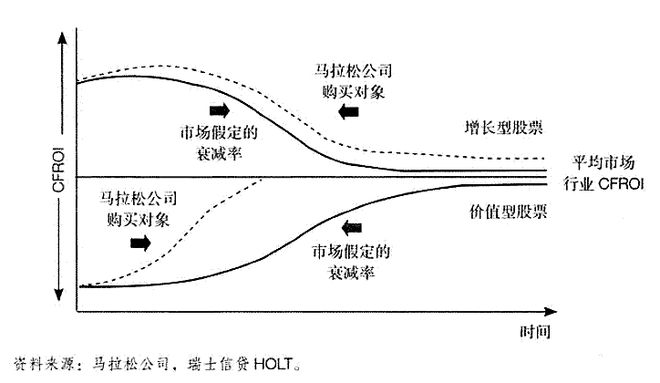
Core Viewpoint - Marathon Capital focuses on two types of investment opportunities: "sustained advantage" (growth type) and "turnaround" (value type) companies, utilizing a framework called "return decay rate" to identify these investments [1][6]. Group 1: Investment Type A - Sustained Advantage - Investment Type A refers to companies that can maintain returns above market expectations for an extended period, often mispriced by the market due to short-term issues [3][6]. - A notable example is Apple during the period from 2014 to 2016, where its stock was undervalued due to temporary performance declines following Steve Jobs' death, leading to significant long-term gains for investors like Warren Buffett [3][6]. Group 2: Investment Type B - Turnaround - Investment Type B consists of companies in traditional industries that are overlooked by the market but possess certain advantages, with returns improving faster than general market expectations [6]. - The turnaround often occurs during periods of extreme pessimism, where market consolidation or the exit of weaker competitors creates favorable conditions for the remaining companies [6]. Group 3: Investment Patience and Timing - Successful investments require patience, as the majority of the time is spent waiting for the company to deliver strong performance, with the actual realization of returns being a small fraction of the investment period [10][14]. - The case of Pop Mart illustrates that the best buying opportunities often arise during periods of short-term performance decline and market pessimism, as seen when its stock price fell significantly in 2022 [10][12]. Group 4: Historical Investment Examples - The investment journey of Pop Mart shows that despite an 80% decline in stock price over two years, a subsequent recovery led to a fivefold return after holding for over four years [9][10]. - Warren Buffett's investment in BYD, where he bought shares at HKD 8 and saw a tenfold increase within a year, exemplifies the potential for significant returns despite long periods of underperformance [13][14].
非洲智能手机市场第三季度快速增长 中国厂商加速“掘金”步伐
Zheng Quan Ri Bao Wang· 2025-11-28 12:51
Core Insights - The African smartphone market is projected to see a significant year-on-year increase of 24% in shipments by Q3 2025, reaching 22.8 million units, driven by enhanced market demand, currency stability, increased financing usage, and improved retail activities [1] - Chinese smartphone manufacturers continue to dominate the African market, with Transsion leading with a shipment of 11.6 million units and a market share of 51% in Q3, followed by Xiaomi, OPPO, and Honor, collectively holding 72% of the market share [1] Group 1: Market Growth and Dynamics - The growth of the African smartphone market in Q3 2023 outpaced the global smartphone market's moderate recovery, with South Africa leading the growth at 31% due to the acceleration of prepaid models in the low and mid-range segments [1] - The report highlights that the African smartphone market is supported by ongoing economic growth, increasing internet penetration, and favorable government policies promoting technological innovation and the internet industry [2] Group 2: Company Strategies and Opportunities - Xiaomi is accelerating its long-term strategy in Africa, planning to enter over 15 new markets and has opened its first self-operated flagship store in Morocco, focusing on models priced below $150 [2] - OPPO is consolidating its market position in North Africa with Egypt as a core hub, while Honor is maintaining steady growth in South Africa through high-cost-performance models like the Honor 200 Lite [2] - Chinese smartphone manufacturers face multiple opportunities in Africa, including deepening the cost-effective market, leveraging supply chain integration, and creating differentiated competitive advantages through targeted functional development [3]


昀冢科技:目前公司的主营业务未发生变化
Mei Ri Jing Ji Xin Wen· 2025-11-28 10:22
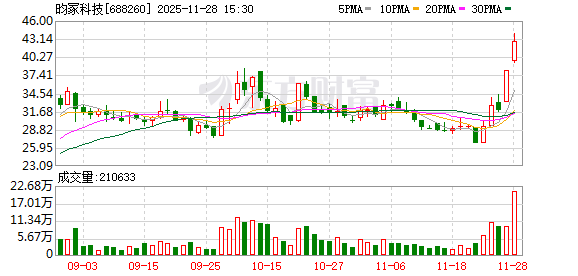
Core Viewpoint - Yunzhu Technology (688260.SH) has released a notice regarding its business operations, confirming that its main business remains unchanged, focusing on consumer electronics and electronic ceramics, as well as automotive electronics [2] Group 1: Company Overview - Yunzhu Technology specializes in the research, design, production, and sales of products in the fields of consumer electronics, electronic ceramics, and automotive electronics [2] - The company's primary business is in consumer electronics, specifically in components used in smartphone cameras, such as voice coil motors (VCM) and camera modules (CCM) [2] Group 2: Market Applications - Yunzhu Technology's consumer electronic products are primarily utilized in the smartphone camera systems of major brands including Huawei, Xiaomi, OPPO, VIVO, and Honor [2]

又一个重磅题材信号来了!
Ge Long Hui A P P· 2025-11-28 08:42
Core Viewpoint - The Mate80 series from a certain company has adopted a "quantity increase and price decrease" strategy, defying the trend of rising component prices in the smartphone industry, which has left competitors at a disadvantage [1][3][4]. Pricing Strategy - The Mate80 series has seen a price reduction of 800 yuan for the standard version, bringing it down to 4699 yuan, while the Pro and ProMax versions have decreased by 500 yuan [1]. - With additional e-commerce platform subsidies, the actual price drop could reach up to 1000 yuan [2]. Competitive Landscape - Competitors in the Android market were preparing for price increases due to rising costs of key components, such as a 30% increase in Qualcomm Snapdragon 8 chip prices and a 200% increase in DRAM memory prices over six months [2][6]. - The price reduction by the certain company has rendered similar models from competitors nearly incomparable, causing panic among rival brands [3][4]. Supply Chain Advantages - The Mate80 series boasts over 90% of its components sourced from domestic suppliers, which has allowed the company to maintain lower costs compared to competitors reliant on international supply chains [5][7]. - The self-developed Kirin 9030 chip significantly reduces external procurement costs, with internal costs potentially being half of the approximately 200 USD that competitors pay for flagship chips [5]. Market Impact - The goal for the Mate80 series is to achieve sales of over 20 million units, which would help expand the HarmonyOS ecosystem to 50 million devices, attracting more developers and enhancing the product ecosystem [5]. - The success of the Mate80 series could lead to market share loss for competitors who are heavily dependent on international supply chains [5][9]. Industry Trends - The smartphone market is currently in a phase of stock competition, with rising procurement costs leading to higher retail prices, which could hinder sales across the board [6][9]. - The certain company's ability to lower prices amidst rising costs indicates a shift in the industry, potentially forcing competitors to source components domestically to remain competitive [10][11]. Investment Opportunities - The situation presents significant investment opportunities in the domestic storage industry, which is likely to see growth due to increased demand from the certain company's success [12]. - Key players in the domestic storage supply chain, including equipment manufacturers and chip producers, are expected to benefit from this trend [12][13][14]. Conclusion - The Mate80's reverse pricing strategy signifies a shift towards "domestic substitution and ecological independence" in China's tech industry, presenting potential growth for investors focused on companies with strong technological barriers and solid performance [15].
活动|消费聚势,格局重塑:“2025福布斯中国中央商务区国际化消费竞争力评选”结果正式发布
Sou Hu Cai Jing· 2025-11-28 06:13
Core Insights - The article emphasizes the critical role of consumption in China's economic growth, particularly in the context of optimizing economic structure and transforming development momentum [2][19] - The 2024 Forbes China Central Business District (CBD) Consumption Competitiveness Evaluation highlights how cities are evolving under the dual trends of "internationalization + localization" and "digitalization + experiential consumption" [2][3] Evaluation Framework - The evaluation employs a multi-dimensional assessment system with nearly 40 comprehensive indicators, integrating quantitative data and qualitative information [4] - Key evaluation dimensions include consumption market prosperity, payment convenience, international consumption attractiveness, resource aggregation, and policy leadership, each contributing 20% to the overall score [5] Selected CBDs - The evaluation identified ten representative CBDs, maintaining a consistent list from the previous year while introducing new focus areas such as "consumption resources" and "consumption policies" [17] - The top three CBDs are Beijing, Shanghai, and Guangzhou, with Beijing leading due to its international financial focus [17] Consumption Market Performance - China's total retail sales of consumer goods reached 487,895 billion yuan in 2024, growing by 3.5% year-on-year, with Shanghai and Chongqing leading in sales figures [19] - Notably, Chongqing surpassed Shanghai in retail sales in the first half of 2025, temporarily positioning itself as China's "consumption capital" [19] Internationalization as a Key Indicator - Internationalization is a crucial metric for assessing CBD capabilities and global positioning, with Beijing and Shanghai excelling due to their established international business ecosystems [20][21] - Initiatives like tax refund services and mobile payment innovations are aimed at enhancing the international consumer experience in these cities [21] Policy and Scene Integration - CBDs are leveraging policy incentives and innovative business models to drive consumption upgrades, with cities like Guangzhou and Chongqing implementing targeted strategies to enhance their consumption landscapes [22] - The transformation of CBDs from traditional business hubs to integrated consumption scenes reflects a broader trend of merging commerce, culture, tourism, and digital services [22] Regional Collaboration and Functional Differentiation - The evaluation highlights the emergence of multiple CBDs within the same city, each focusing on distinct functions, thereby enhancing overall economic resilience and functionality [23] - This "multi-core" development model is particularly evident in regions like the Yangtze River Delta and the Pearl River Delta, where CBDs collaborate through transportation, industry, and policy integration [23]

OPPO 捐款 1000 万港元,驰援香港大埔火灾救援
Jing Ji Guan Cha Wang· 2025-11-28 04:24
经济观察网 11 月 26 日下午,香港大埔宏福苑发生五级火灾,灾情严峻,牵动着全国人民的心。 OPPO 公司宣布捐赠 1000 万港元,用于支持受灾居民的医疗救助、紧急安置、过渡期生活援助等工 作。 ...
索尼首款2亿像素传感器,正式发布
半导体行业观察· 2025-11-28 01:22
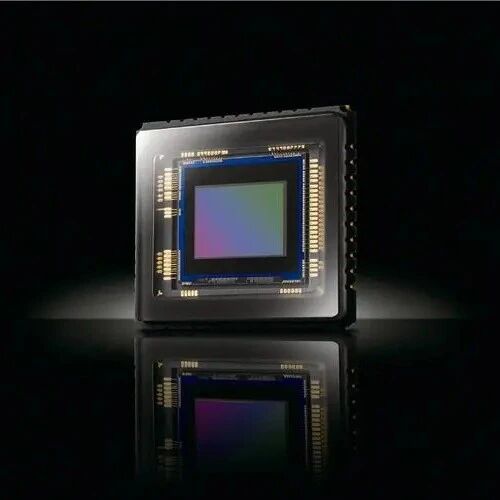
Core Viewpoint - Sony has officially launched its highly anticipated 200-megapixel mobile camera sensor, LYT-901, targeting the next generation of flagship smartphone photography [1][4]. Group 1: Sensor Specifications - The LYT-901 sensor features a large 1/1.12-inch imaging surface, providing a resolution that is four times higher than typical sensors of similar size [1][4]. - It utilizes 0.7μm native pixels, which are common in other 200-megapixel sensors, and employs a Quad Quad Bayer Coding for improved signal processing [2][4]. - The sensor supports various output modes, allowing for high-quality images at 50 million pixels (2x2 binning) or 12.5 million pixels (4x4 binning) [2][3]. Group 2: Performance Enhancements - To manage the large data output from the 200-megapixel sensor, Sony has integrated artificial intelligence into the sensor's internal circuitry, enhancing processing efficiency [3][6]. - The LYT-901 employs a hybrid frame HDR design, achieving a dynamic range exceeding 100dB, which helps prevent highlight clipping and reduces motion artifacts [3][7]. - The sensor supports up to 4x high-quality zoom through its built-in zoom technology, allowing for effective cropping and data transmission [4][6]. Group 3: Video Capabilities - The LYT-901 can record 4K video at 30fps while utilizing 4x hardware zoom, making it ideal for content creators [4][6]. - The sensor's advanced HDR technologies, including DCG-HDR and Fine12bit ADC, enhance dynamic range and color depth across the entire zoom range [6][8]. Group 4: Market Impact - Upcoming flagship smartphones, such as the OPPO Find X9 Ultra and Vivo X300 Ultra, are expected to be among the first to feature the LYT-901 sensor [4].

Omdia:第三季度非洲智能手机出货量同比激增24% 达到2280万台
智通财经网· 2025-11-28 01:16
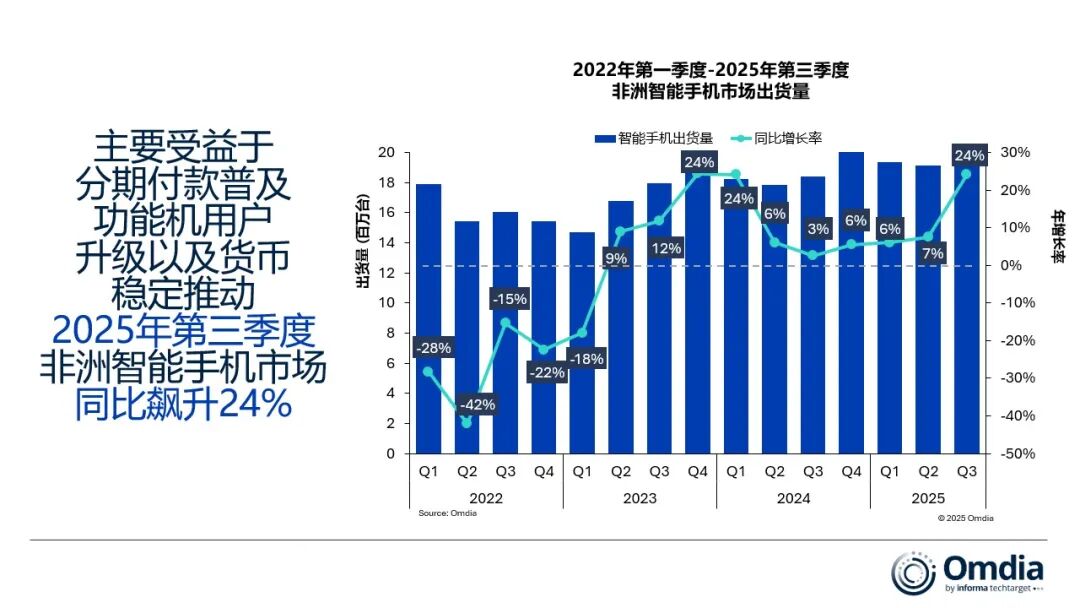
Core Insights - The African smartphone market is experiencing a significant rebound, with Q3 2025 shipments expected to surge by 24% year-on-year, reaching 22.8 million units, following five consecutive quarters of decline [1][6] - Key factors driving this growth include increased market demand, currency stability, enhanced financing usage, and improved retail activities [1] - North Africa and Sub-Saharan Africa are witnessing double-digit growth in smartphone shipments, with Nigeria and Egypt each accounting for 14% of regional shipments, but with differing recovery dynamics [1][2] Market Performance - Nigeria's smartphone shipments are projected to soar by 29% year-on-year, attributed to the stabilization of the Naira and the introduction of affordable models under $150, stimulating retail upgrade demand [1] - Egypt's market is expected to grow by 19%, driven by increased demand for mid-range devices and promotional bundling strategies [1] - South Africa leads the growth with a 31% increase, benefiting from the rise of prepaid models and enhanced retail promotions [2] Product Segmentation - Smartphones priced below $100 are expected to see a remarkable 57% increase, while those above $500 are projected to grow by 52% [4] - Transsion is a key player in the entry-level market, with a 25% year-on-year increase in shipments, supported by strong demand in Algeria, Egypt, Morocco, Nigeria, Kenya, and South Africa [4] - Samsung dominates the high-end market, with strong demand for Galaxy S24 and S24 FE 5G models in South Africa, Senegal, and Algeria [4] Competitive Landscape - Xiaomi is accelerating its long-term strategy in Africa, planning to enter over 15 new markets and has opened its first flagship store in Morocco [4] - OPPO is consolidating its market position in North Africa, focusing on Egypt, while Honor is maintaining steady growth in South Africa through competitive models like Honor 200 Lite [4] Future Outlook - Despite the current growth, the African smartphone market is expected to decline by 6% in 2026 due to rising supply-side pressures, including increased BOM costs and currency depreciation [6] - The low-end 4G market, which constitutes a significant portion of demand, will be particularly affected, leading to higher average selling prices and new payment challenges for consumers [6]
Omdia: 2025年第三季度,非洲智能手机市场出货量同比增长24%,重现双位数增长,传音继续领跑,荣耀仍保持三位数最大增幅
Canalys· 2025-11-28 01:04
Core Insights - Omdia's latest research indicates that smartphone shipments in Africa will surge by 24% year-on-year in Q3 2025, reaching 22.8 million units, marking a rebound after five consecutive quarters of slowdown, driven by increased market demand, currency stability, enhanced financing usage, and improved retail activities [1] Group 1: Regional Performance - North Africa and Sub-Saharan Africa experienced double-digit growth in smartphone shipments, with Nigeria and Egypt each accounting for 14% of regional shipments; Nigeria's market surged by 29% due to stable naira exchange rates and an updated portfolio of models priced below $150, while Egypt saw a 19% increase [1] - South Africa led with a 31% growth, benefiting from the acceleration of prepaid models in the low and mid-range markets, new model launches, and increased retail promotions [2] - Kenya's market grew by 17%, driven by the rising penetration of installment payment plans, which have become a significant driver of smartphone sales [2] Group 2: Market Dynamics - The shipment of smartphones priced below $100 increased by 57%, the fastest growth rate in three quarters, while models above $500 grew by 52%; the entry-level market's rapid growth was primarily driven by Transsion, which saw a 25% year-on-year increase in shipments supported by strong demand in Algeria, Egypt, Morocco, Nigeria, Kenya, and South Africa [5] - Major brands like Samsung dominated the high-end market with strong demand for Galaxy S24 and S24 FE 5G in South Africa, Senegal, and Algeria, although overall market growth remained moderate at 5% due to consumer preference for cost-effective models [5] Group 3: Competitive Landscape - Xiaomi is accelerating its long-term strategy in Africa, planning to enter over 15 new markets in the coming months and has opened its first self-operated flagship store in Morocco; its strong sales in the sub-$150 segment account for half of its shipments [6] - OPPO is consolidating its market position in North Africa with a focus on Egypt, while Honor is maintaining steady growth in South Africa through high-cost-performance models like Honor 200 Lite [6] Group 4: Future Outlook - Omdia forecasts a 6% decline in the African smartphone market by 2026 due to rising supply-side pressures, including increased BOM costs, tight memory supply, and ongoing currency weakness, which will particularly impact the low-end 4G market that constitutes the majority of demand in Africa [8] - These pressures are expected to raise average selling prices, especially in the $80 to $150 range, presenting new payment challenges for consumers; manufacturers will need to strengthen financing partnerships, optimize channel inventory, and localize more effectively to navigate this environment [8]
